













Making baby food at home is one of the most loving things a parent can do. You get to control exactly what goes into every bite, skipping preservatives and mystery ingredients found in store-bought jars.
Plus, homemade recipes are surprisingly easy, budget-friendly, and often tastier than anything from a shelf. Whether your little one is just starting solids or ready for more texture, these recipes have something for every stage.
1. Sweet Potato Puree
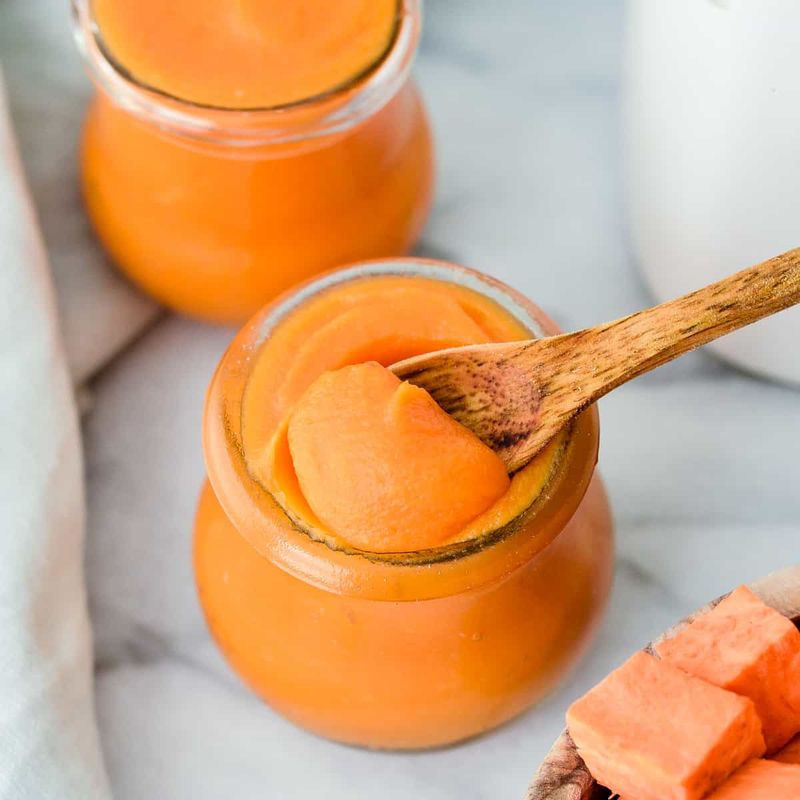
Few first foods win babies over as quickly as sweet potato puree. Its naturally sweet flavor makes it one of the easiest vegetables for little ones to accept without fuss.
Simply steam or bake a peeled sweet potato until fork-tender, then blend with a splash of breast milk or water for a silky-smooth texture. It freezes beautifully in ice cube trays for quick weekday meals.
Packed with vitamin A and fiber, this vibrant orange puree is as nutritious as it is delicious.
2. Avocado Mash
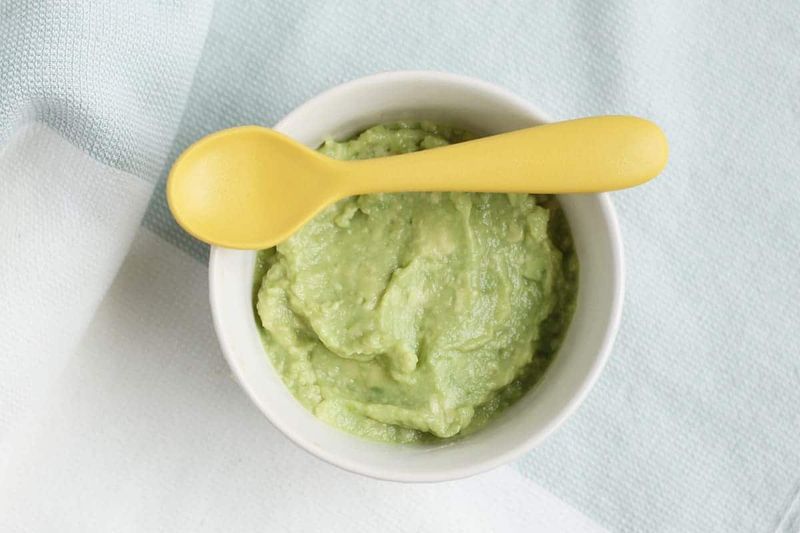
Avocado is basically nature's butter for babies. Creamy, mild, and loaded with healthy fats that support brain development, it requires almost zero cooking skill to prepare.
Scoop out the flesh of a ripe avocado, mash it with a fork, and add a tiny squeeze of breast milk to loosen the texture if needed. Because avocados brown quickly, prepare only what your baby will eat in one sitting.
The healthy monounsaturated fats make every spoonful count toward growing a strong, healthy body.
3. Banana and Oatmeal Porridge
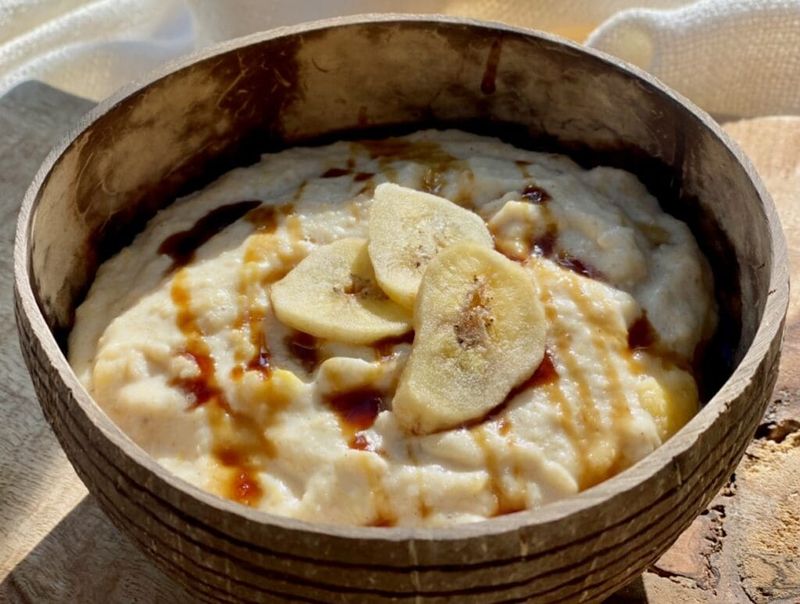
Mornings just got easier with this two-ingredient breakfast that babies absolutely adore. Banana naturally sweetens the oatmeal without any added sugar, making it a wholesome way to start the day.
Cook plain rolled oats with water or milk until soft, then stir in a mashed ripe banana. The result is a warm, comforting porridge that feels almost like dessert.
Oats provide slow-releasing energy, while bananas add potassium and natural sweetness that keeps little mouths coming back for more.
4. Pea and Spinach Puree
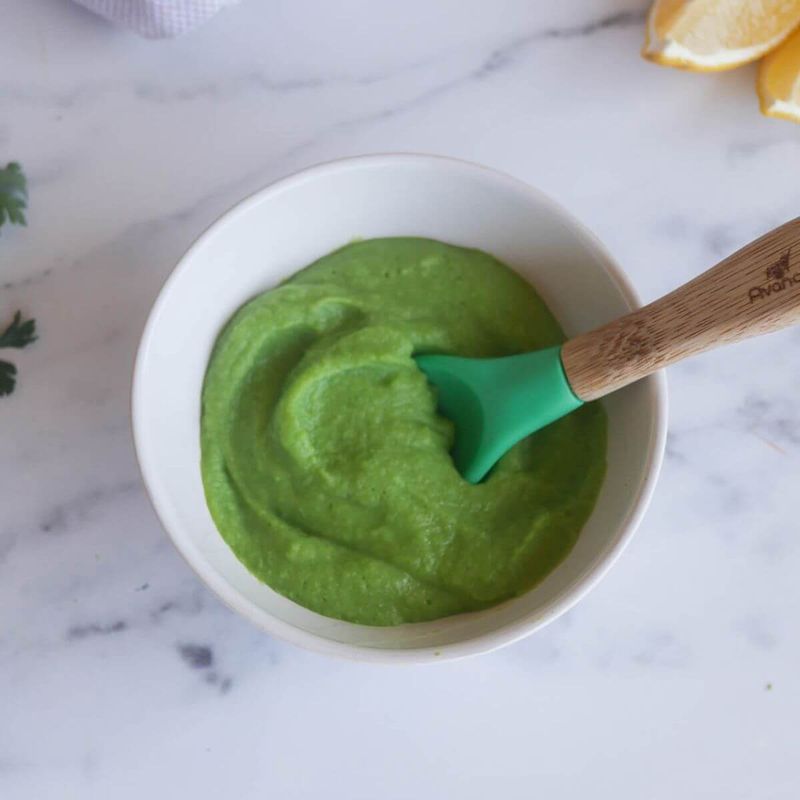
Getting greens into a baby's diet early can shape taste preferences for life. Peas and spinach together create a gorgeous emerald puree that is surprisingly mild and pleasant in flavor.
Steam both vegetables until soft, then blend until completely smooth, adding water as needed for consistency. The natural sweetness of peas balances the earthiness of spinach, making it far more baby-friendly than spinach alone.
Rich in iron, folate, and vitamin C, this combo is a nutritional powerhouse hiding in a beautiful green spoonful.
5. Apple and Pear Puree
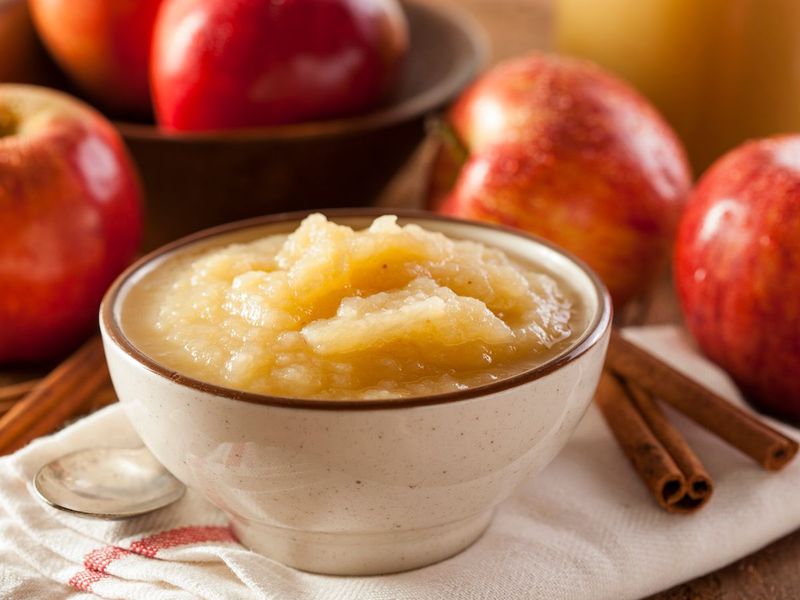
There is something almost magical about the combination of apple and pear. Together they create a naturally sweet, gently tangy puree that babies rarely refuse on the first try.
Peel, core, and steam both fruits until completely soft, then blend until silky. No sugar needed here since the fruit does all the work.
Apples add a mild tartness while pears bring a honey-like sweetness. Both fruits are high in fiber, which helps keep tiny tummies comfortable and digestion running smoothly throughout the day.
6. Carrot and Ginger Puree
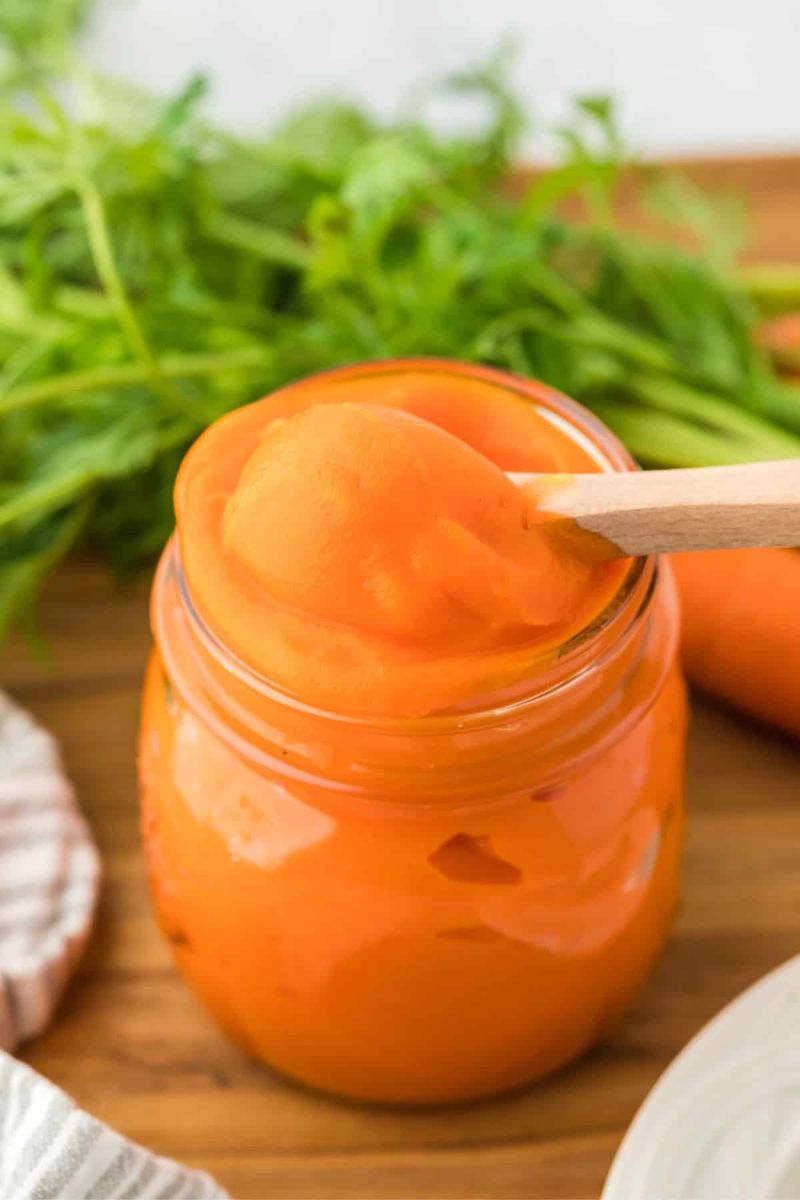
Carrots are a classic baby food, but adding a tiny pinch of fresh ginger takes this puree to a whole new level of flavor. Even very young babies can enjoy the warm, subtle kick it adds.
Steam peeled carrots until tender, then blend with a very small amount of fresh ginger and enough water to achieve a smooth consistency. Carrots are famous for their beta-carotene content, which supports healthy eyesight.
The ginger also aids digestion, making this recipe both flavorful and genuinely functional for little growing bodies.
7. Butternut Squash Puree
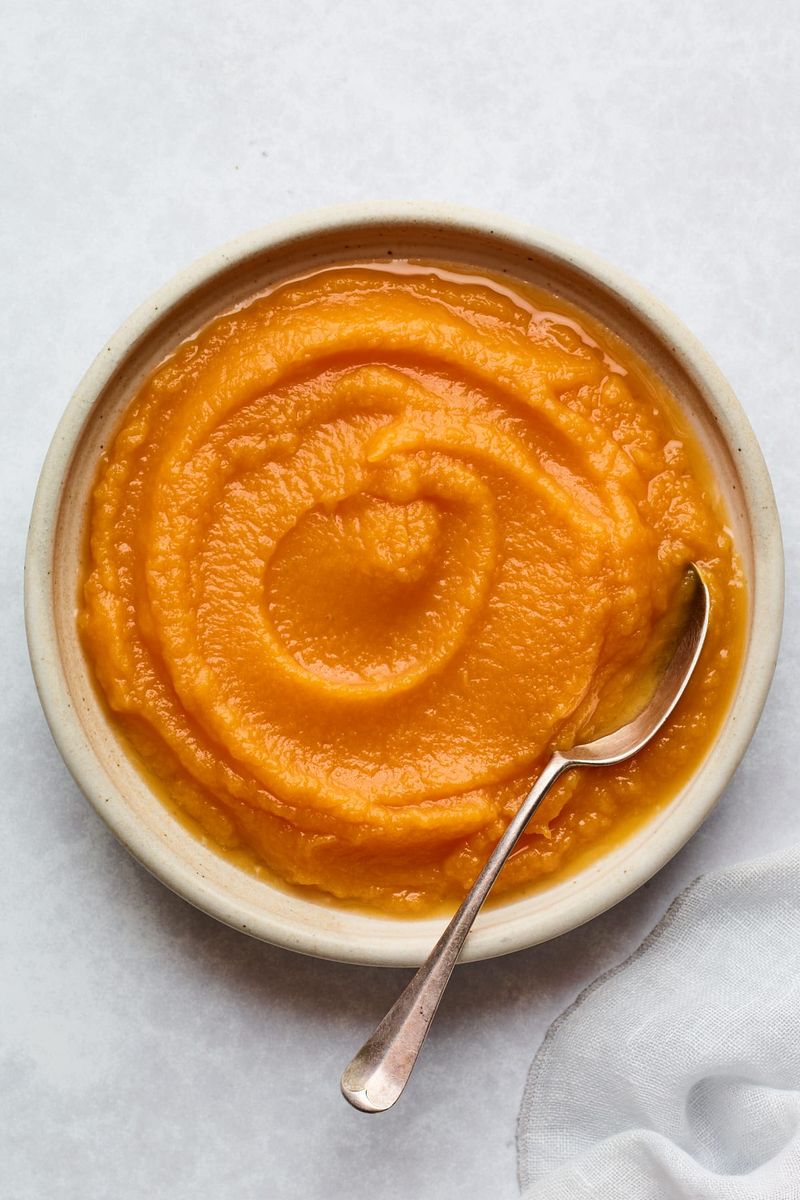
Butternut squash has a buttery, slightly sweet taste that babies seem to love from the very first spoonful. Its velvety texture makes it one of the smoothest purees you can make at home.
Roast or steam peeled squash chunks until completely soft, then blend with a little water or formula for a luscious, thick consistency. Roasting deepens the flavor and adds a gentle caramelized sweetness that steaming alone cannot achieve.
Full of vitamins A and C, this golden puree supports immunity and healthy skin development through every stage of infancy.
8. Mango Puree
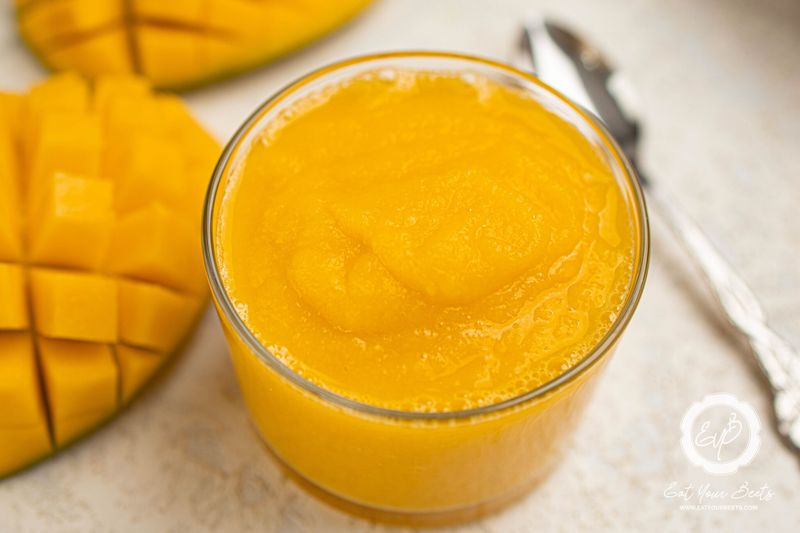
Mango might just be the most exciting first fruit a baby can try. Its intensely sweet, tropical flavor tends to produce the biggest smiles at the highchair.
Peel a ripe mango, cut the flesh away from the pit, and blend until completely smooth. No cooking required, which makes this one of the fastest recipes on the list.
Mangoes are packed with vitamin C and digestive enzymes that are genuinely helpful for young tummies. Freeze leftovers in silicone ice trays for convenient, ready-to-go portions throughout the week.
9. Lentil and Vegetable Soup Puree
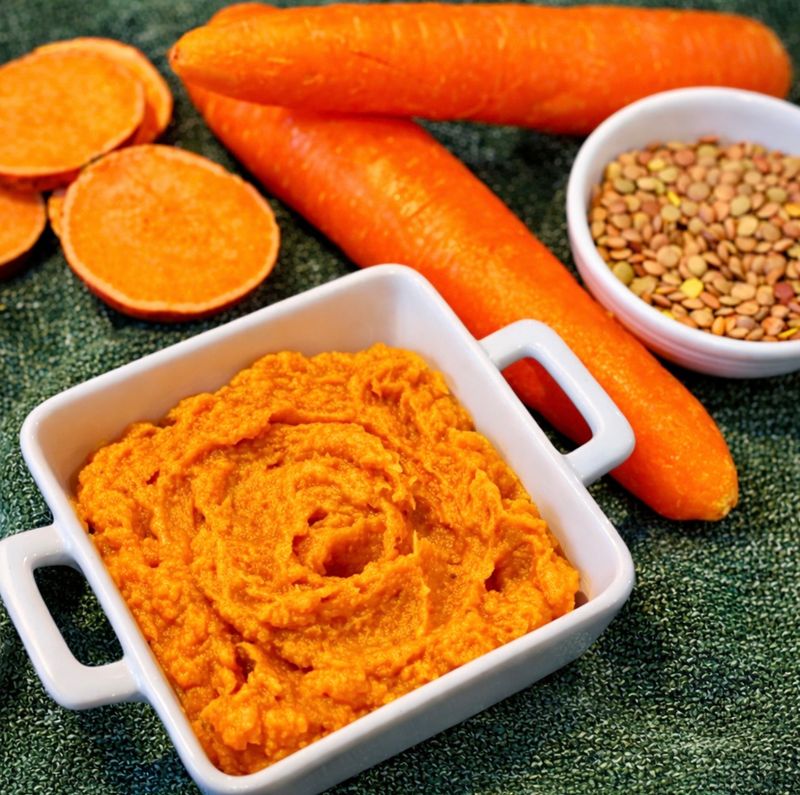
Around six to eight months, babies are ready for more complex flavors and a bigger protein boost. Red lentils cooked with soft vegetables create a hearty, filling puree that supports healthy growth.
Simmer red lentils with diced carrots, zucchini, and a pinch of cumin until everything is completely tender. Blend to your baby's preferred texture, whether fully smooth or slightly chunky for older babies.
Lentils are an excellent plant-based iron source, which is especially important after six months when a baby's stored iron begins to naturally decrease.
10. Blueberry and Yogurt Blend
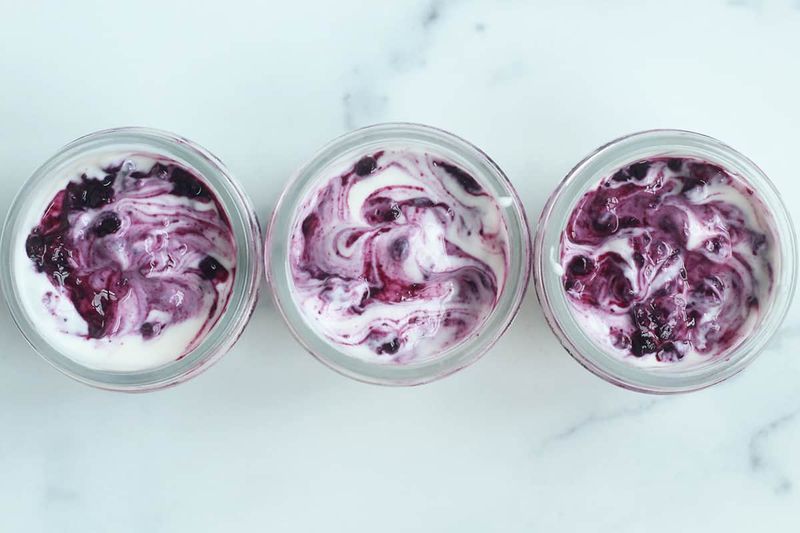
Blueberries are tiny but absolutely packed with antioxidants, and pairing them with plain whole-milk yogurt creates a snack that feels almost like a treat. Babies usually go wild for the vibrant purple color alone.
Blend a handful of fresh or frozen blueberries until smooth, then swirl into plain unsweetened whole-milk yogurt. The yogurt adds calcium and probiotics that support gut health and immunity.
Always use full-fat yogurt for babies since healthy fats are critical for rapid brain development during the first year of life.
11. Zucchini and Pea Puree
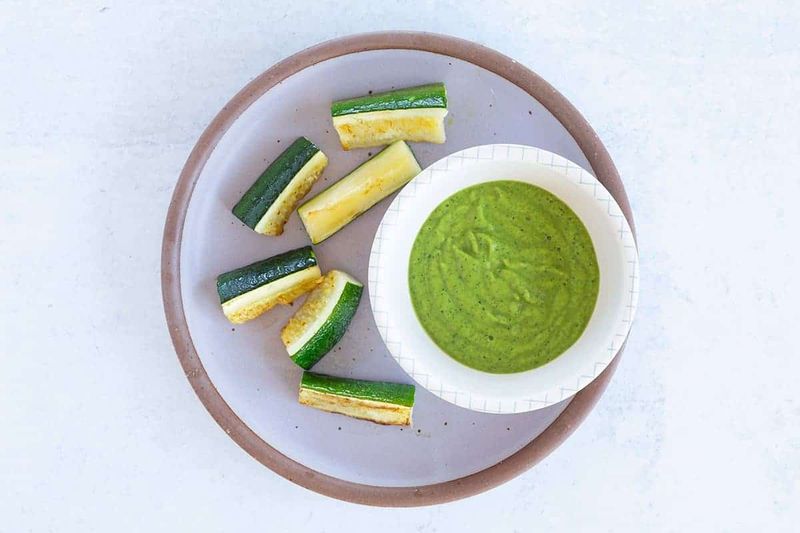
Zucchini has one of the mildest flavors in the vegetable world, which makes it a fantastic base for introducing new foods to cautious eaters. Paired with sweet peas, it becomes an instant hit.
Steam chopped zucchini and peas together until very soft, then blend with a little cooking water until smooth. The natural sweetness of peas keeps the flavor approachable for babies who are still warming up to vegetables.
Zucchini also has a high water content, which helps keep babies hydrated while they are still mostly drinking milk throughout the day.
12. Peach and Raspberry Puree
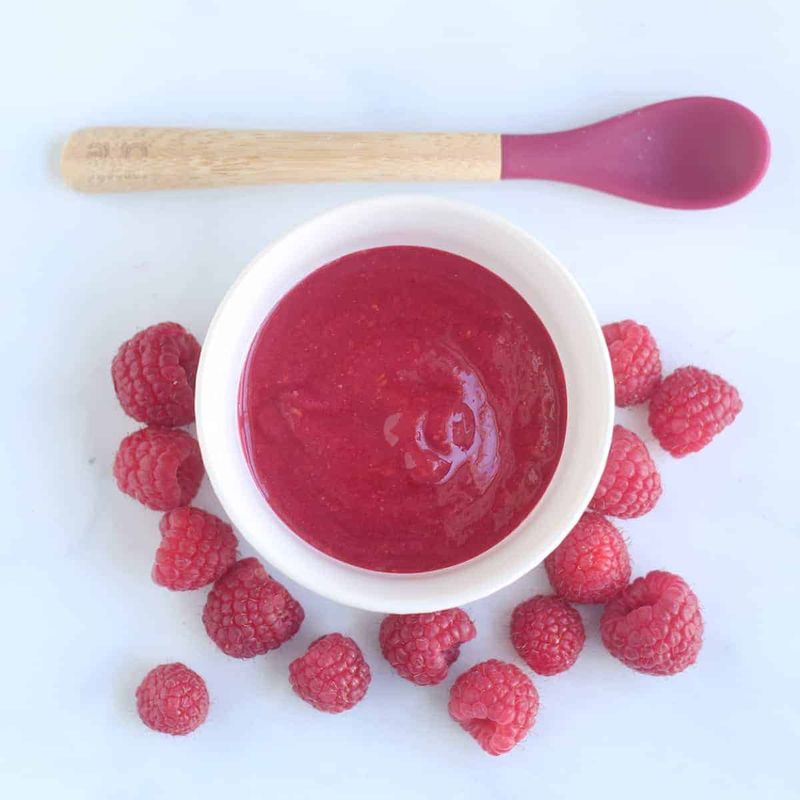
Peaches and raspberries together create a puree that smells absolutely incredible and tastes even better. The bright pink color tends to fascinate babies before they even take a bite.
Peel and pit ripe peaches, combine with fresh or thawed frozen raspberries, and blend until smooth. Strain through a fine mesh sieve to remove raspberry seeds before serving to young babies.
Peaches provide vitamin C and natural sugars for quick energy, while raspberries add a gentle tartness and a generous dose of antioxidants to protect those growing little cells.
13. Chicken and Sweet Corn Puree
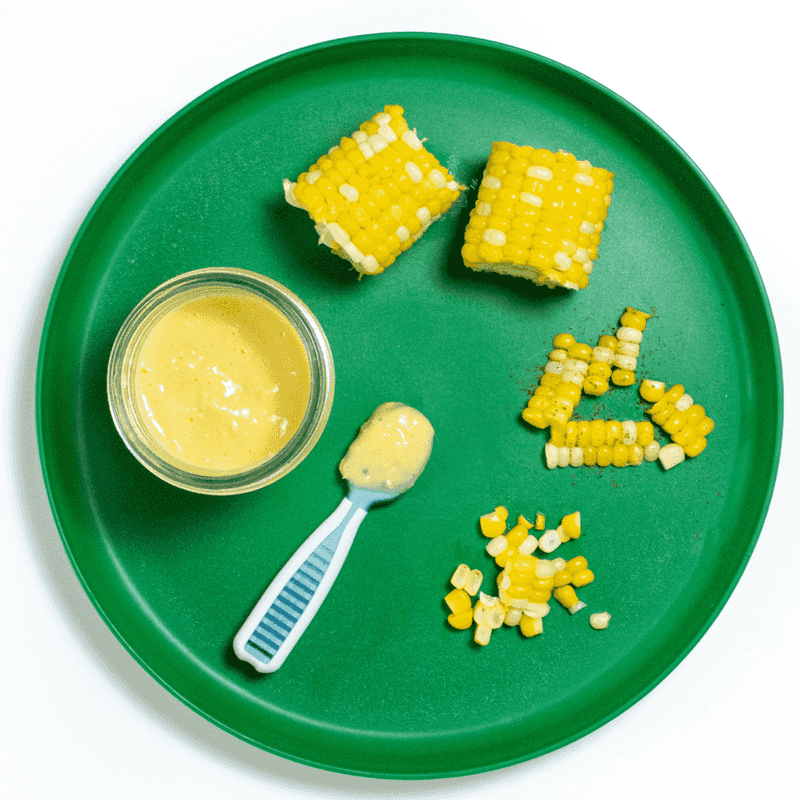
Introducing protein early helps babies build strong muscles and stay fuller for longer between feedings. Chicken blended with sweet corn creates a savory, creamy puree that bridges the gap between sweet first foods and more complex flavors.
Poach a small piece of boneless chicken breast until fully cooked, then blend with steamed sweet corn kernels and enough cooking liquid for a smooth texture. The corn adds a natural sweetness that makes the chicken more palatable.
This recipe works especially well for babies around seven months and older who are ready for heartier meals.
14. Broccoli and Cheese Puree
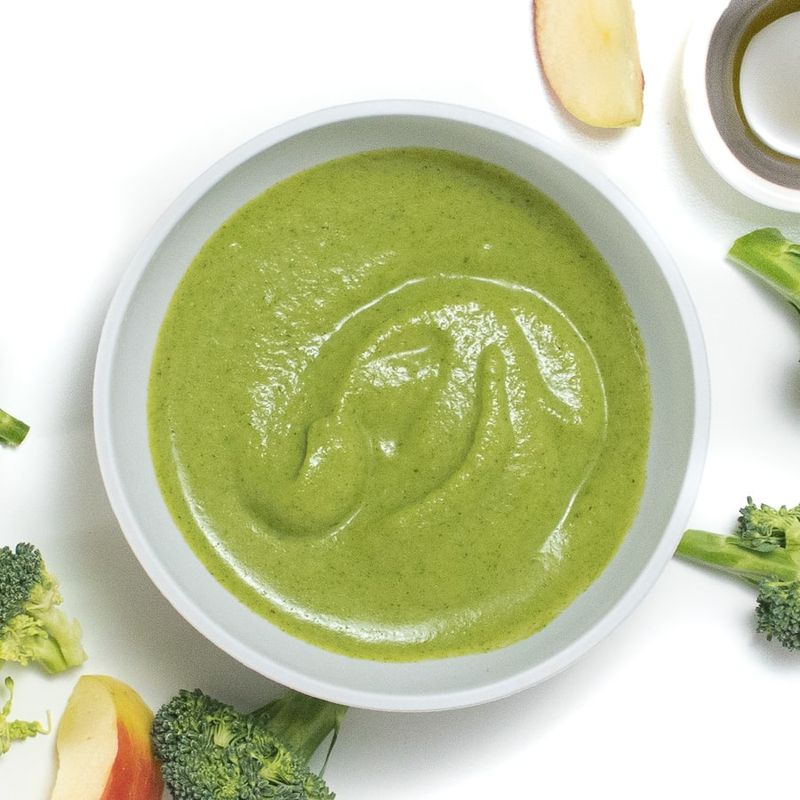
Broccoli is one of those vegetables that gets a bad reputation, but blended with a little mild cheese, it transforms into something babies actually look forward to eating.
Steam broccoli florets until very tender, then blend with a small spoonful of full-fat cream cheese or mild cheddar. The cheese adds a rich, savory creaminess that makes the green color seem far less intimidating.
Broccoli is loaded with vitamin K, calcium, and folate, while the cheese contributes extra calories and fat that fast-growing babies need every single day.
15. Strawberry and Banana Smoothie Puree
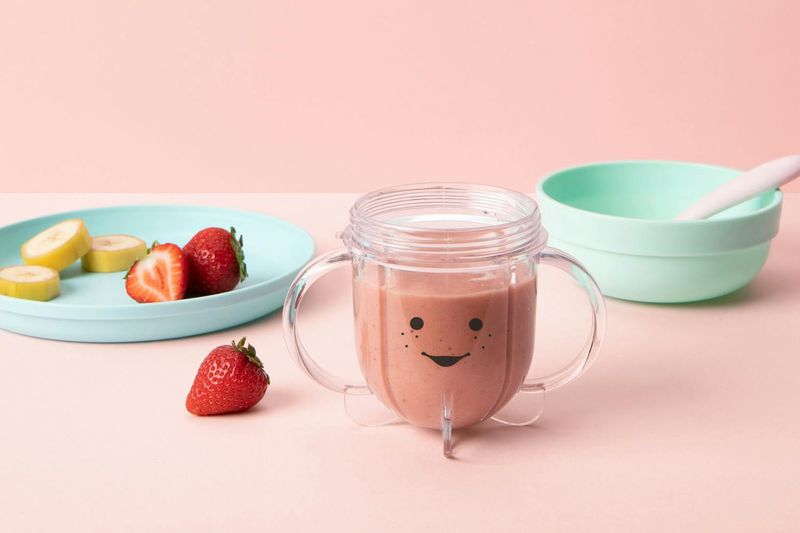
Strawberries and bananas are a classic pairing for a very good reason. Together they create a naturally sweet, vibrant pink puree that doubles as a smoothie for older toddlers and even adults.
Blend ripe strawberries with half a banana until completely smooth. No cooking or heating needed, making this the ultimate quick-prep recipe for busy mornings.
Strawberries are rich in vitamin C and antioxidants, while bananas bring potassium and natural creaminess. For babies under twelve months, always check that strawberries have been fully pureed to avoid any choking risk.
16. Brown Rice and Vegetable Porridge
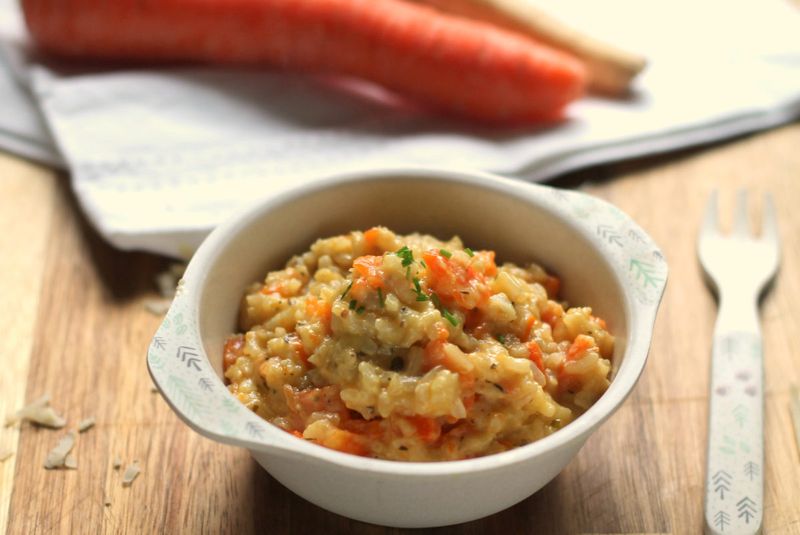
Brown rice porridge, sometimes called congee, has been a trusted baby food across many cultures for centuries. Its soft, warm texture is incredibly soothing and easy for babies to swallow.
Cook brown rice in extra water or low-sodium vegetable broth until it becomes thick and creamy, then stir in finely pureed carrots and zucchini. The longer it cooks, the silkier the texture becomes.
Brown rice provides whole-grain fiber and B vitamins that support steady energy levels. This recipe is endlessly adaptable, so swap in any vegetables your baby already enjoys without missing a beat.




Comments
No Comments