













Most of us have a few favorite foods we reach for without thinking twice. But some of the most popular foods out there can quietly work against your health when eaten too often.
From sneaky added sugars to hidden sodium, everyday choices add up fast. Here are 19 common foods worth cutting back on — your body will thank you.
1. White Bread

White bread might seem harmless, but it is made from refined flour that strips away most of the fiber and nutrients. Your body digests it quickly, causing blood sugar spikes that leave you feeling hungry again soon after.
Swapping white bread for whole grain versions gives you more fiber, which keeps you full longer and supports better digestion. Even small swaps like this can make a real difference over time.
2. Sugary Breakfast Cereals
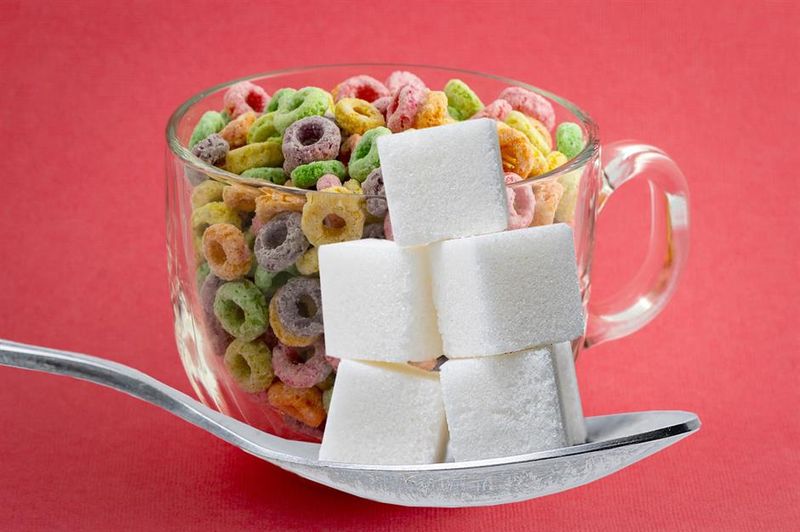
Those colorful cereals might look fun in the morning, but many are loaded with added sugar — sometimes more than a candy bar. Starting your day with that much sugar can cause energy crashes before lunchtime even arrives.
Check the nutrition label and look for cereals with less than 6 grams of sugar per serving. Oatmeal or eggs are filling, lower-sugar alternatives that fuel your brain and body much more effectively.
3. Flavored Yogurt
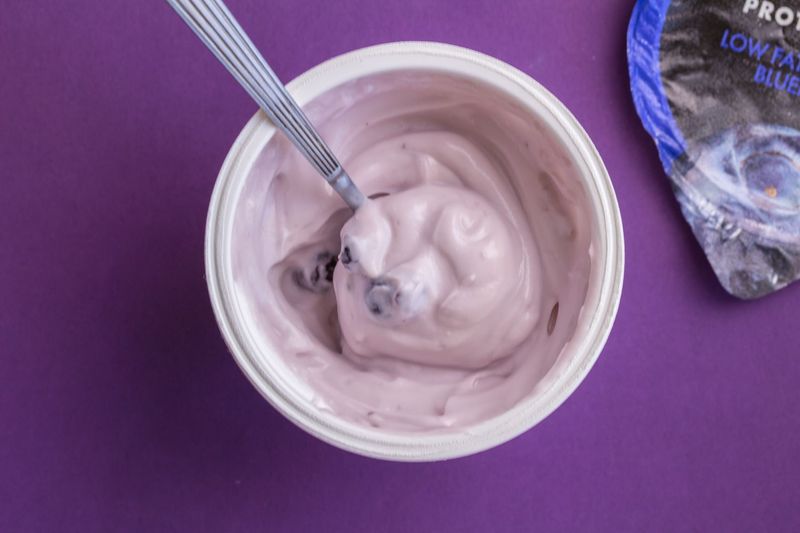
Yogurt sounds like a health food — and plain yogurt really is! The problem is that most flavored yogurts sold in stores are packed with added sugar, sometimes as much as 20 to 25 grams per small cup.
A smarter move is buying plain Greek yogurt and adding your own fresh fruit or a drizzle of honey. You get all the protein and probiotics without the sugar overload that sneaks in with the flavoring.
4. Processed Deli Meats

Deli meats like bologna, salami, and packaged turkey slices are convenient, but they come with a hidden cost. They are typically loaded with sodium, preservatives like nitrates, and fillers that have been linked to increased health risks with regular consumption.
Eating processed meats frequently has been associated with higher risks of heart disease and certain cancers. Roasting your own chicken or turkey at home and slicing it fresh is a much cleaner, tastier option for sandwiches.
5. Potato Chips
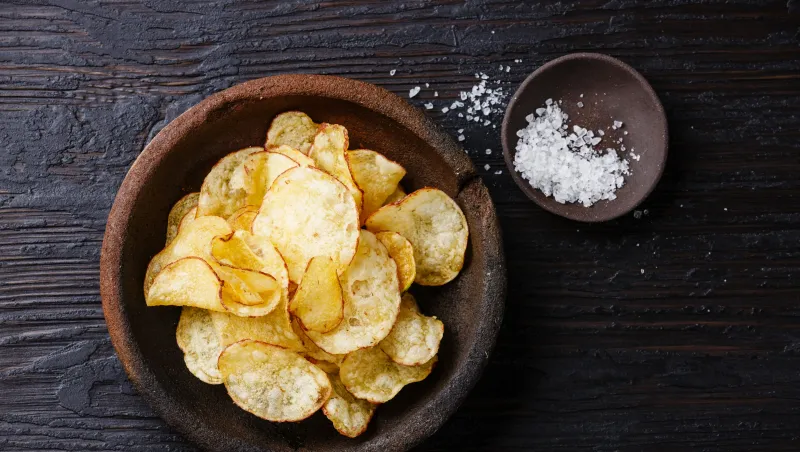
Potato chips are practically impossible to stop eating — and food companies design them that way on purpose. They are high in salt, unhealthy fats, and calories, while offering almost zero nutritional value in return.
The crunchy satisfaction they deliver makes them one of the most overconsumed snack foods in the world. Air-popped popcorn or sliced veggies with hummus can scratch that crunchy itch without the heavy calorie and sodium load chips bring along.
6. Soda and Sugary Drinks
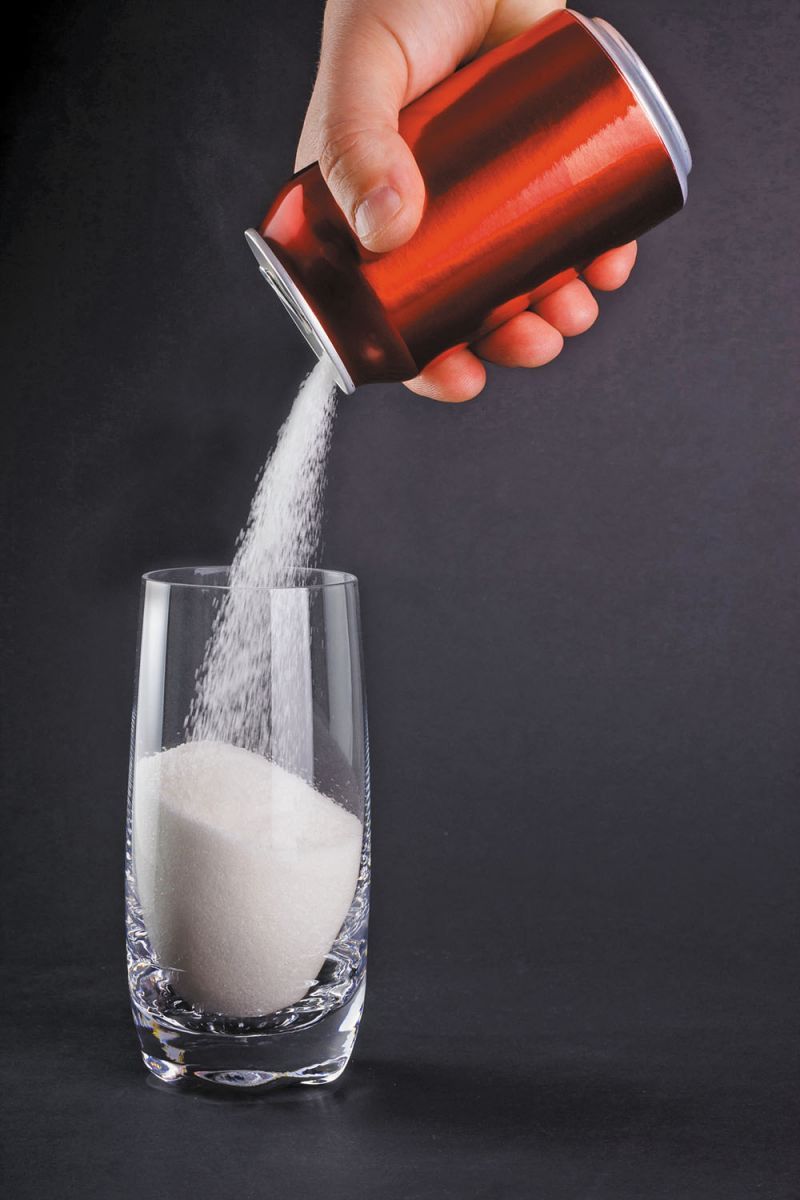
Soda is basically liquid sugar with zero nutritional benefit. A single can of regular cola contains around 39 grams of sugar — more than the recommended daily limit for most people.
Diet sodas are not much better, as artificial sweeteners may still affect hunger and metabolism.
Sparkling water with a squeeze of lemon or lime gives you that fizzy feeling without the sugar crash. Cutting back on sugary drinks is one of the single most impactful dietary changes you can make.
7. Fast Food Burgers

Fast food burgers are a go-to comfort meal for millions of people, but they pack a serious nutritional punch — and not the good kind. A single burger from a popular chain can contain over 700 calories, excessive sodium, saturated fat, and highly processed ingredients.
Eating them occasionally is fine, but making them a weekly habit strains your heart and waistline. Cooking homemade burgers with lean ground beef or turkey lets you enjoy the flavors while keeping things much more balanced.
8. Microwave Popcorn

Microwave popcorn seems like a light snack, but many brands are soaked in artificial butter flavoring, high levels of sodium, and chemical coatings on the bag itself. Some of those chemicals have been a concern for health researchers for years.
Plain air-popped popcorn is genuinely one of the healthiest snacks you can eat — it is whole grain and high in fiber. Just season it yourself with a little olive oil and sea salt to keep it clean and delicious.
9. Packaged Instant Noodles
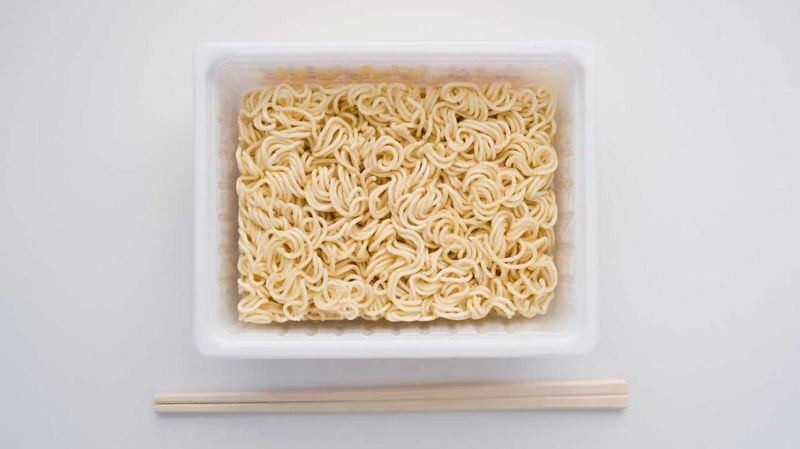
Instant noodles are a student staple and a quick comfort food, but the numbers on that flavor packet are alarming. One serving can contain up to 1,700 milligrams of sodium — more than most people should have in an entire day.
Regular consumption has been linked to poor diet quality and increased risks of metabolic issues. If you love noodles, try cooking rice noodles or whole wheat pasta with a homemade broth to get a satisfying bowl without the sodium overload.
10. Frozen Pizza
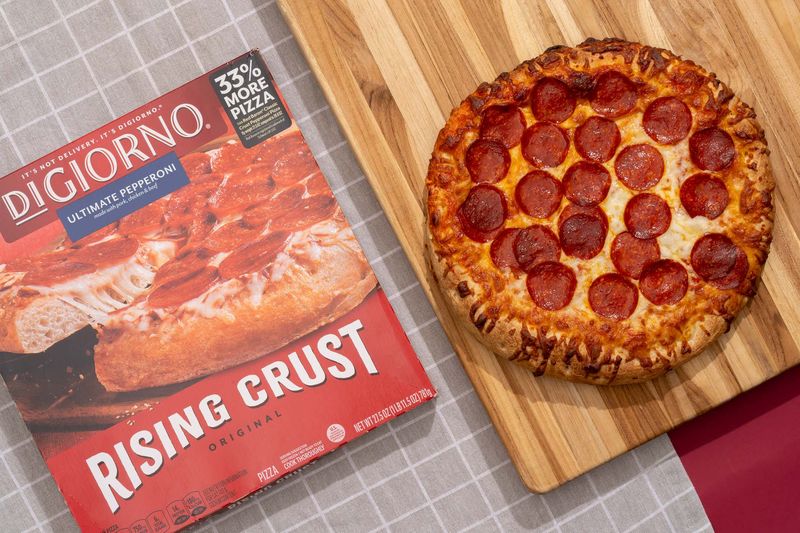
Frozen pizza is the ultimate convenience food, but convenience comes at a cost. Most varieties are high in refined carbs, saturated fat, sodium, and preservatives — a combination that can seriously affect your heart health over time.
The cheese and processed meat toppings add even more sodium and calories to an already heavy meal. Homemade pizza on a whole wheat crust with fresh vegetables and light cheese lets you enjoy pizza night without the nutritional downsides that come in that cardboard box.
11. Energy Drinks

Energy drinks feel like a quick fix when you are exhausted, but they deliver a powerful and potentially dangerous combination of caffeine, sugar, and stimulants. Some cans contain the caffeine equivalent of three or four cups of coffee, which can spike heart rate and blood pressure.
Young people are especially vulnerable to the side effects, which can include anxiety, heart palpitations, and sleep disruption. Staying properly hydrated and getting enough sleep naturally boosts energy far more safely than any can ever could.
12. Candy and Gummy Snacks
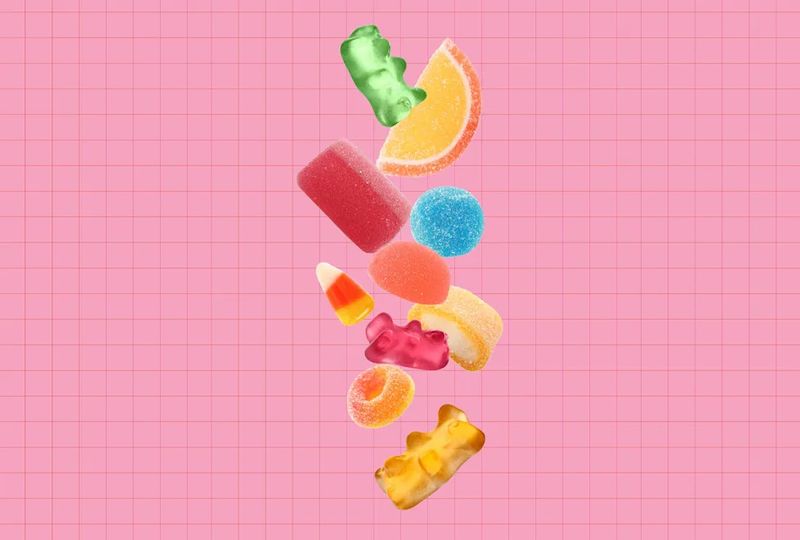
Candy is fun, festive, and almost impossible to eat just one piece of — which is exactly the problem. Most gummy candies and hard candies are pure added sugar with no fiber, vitamins, or minerals to balance things out.
Eating sugary candy regularly contributes to tooth decay, blood sugar spikes, and over time, increased risk of type 2 diabetes. Fresh fruit satisfies a sweet craving while delivering fiber and real nutrients your body can actually use productively.
13. Bottled Fruit Juice
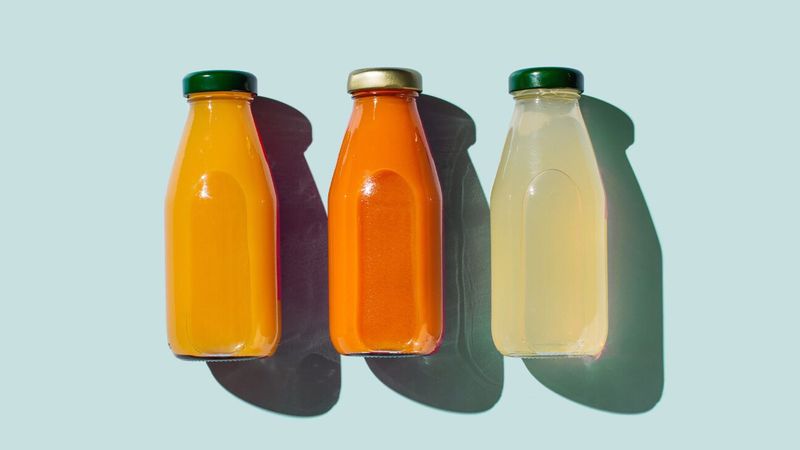
Many people think fruit juice is a healthy choice because it comes from fruit — but most store-bought juices are little more than sugar water with added vitamins. The juicing process removes nearly all the fiber, leaving behind concentrated natural and added sugars.
A small glass of orange juice contains roughly the same sugar as a soda. Eating a whole orange instead gives you the fiber that slows sugar absorption, making it a far better choice for your overall health.
14. Flavored Coffee Drinks

That caramel latte or blended mocha might feel like a morning treat, but some popular coffee shop drinks contain 500 to 600 calories and more sugar than a slice of cake. Whipped cream, flavored syrups, and sweetened milk add up shockingly fast.
Drinking these daily can contribute significantly to weight gain and blood sugar problems without you even realizing it. Switching to black coffee or a simple latte with no added syrup saves hundreds of calories and a whole lot of sugar every single week.
15. Canned Soups
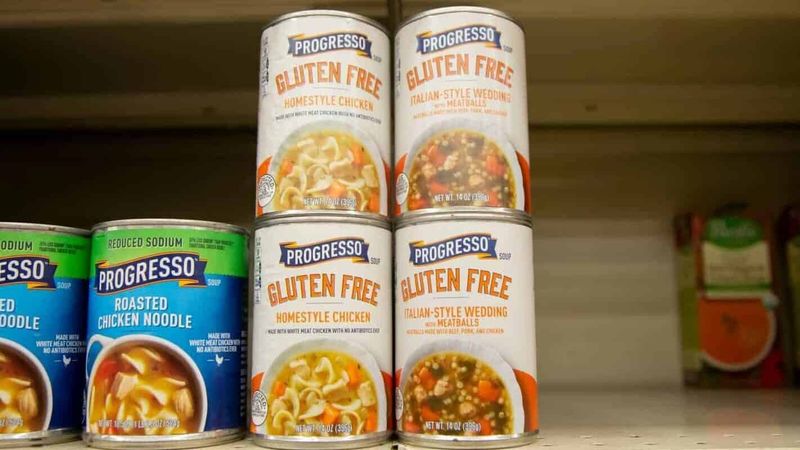
Canned soup seems like a wholesome, easy meal — especially when you are sick or short on time. But most canned soups are extraordinarily high in sodium, with some varieties packing over 800 milligrams per half-cup serving, and most people eat the whole can.
High sodium diets are strongly linked to high blood pressure and increased heart disease risk. Look for low-sodium versions or make a simple homemade soup using fresh vegetables and low-sodium broth to get all the comfort with far less salt.
16. Store-Bought Muffins
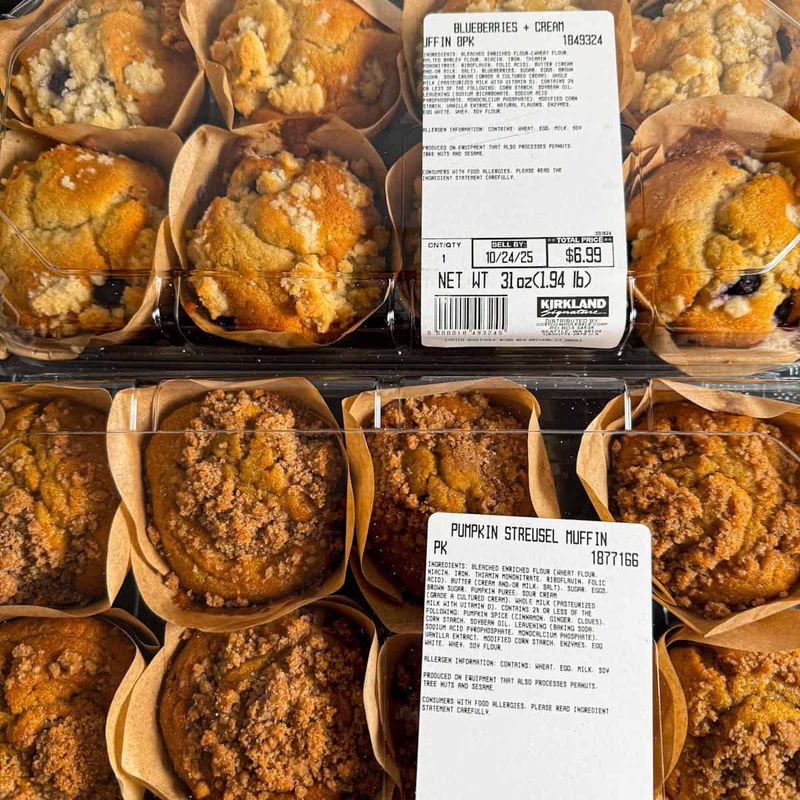
Store-bought muffins wear the costume of a healthy breakfast, but most large bakery or coffee shop muffins are essentially cupcakes without frosting. They can contain 400 to 500 calories, enormous amounts of refined sugar, and very little fiber or protein to keep you satisfied.
Eating one first thing in the morning sets off a blood sugar rollercoaster that leads to hunger and cravings all day. Baking smaller muffins at home using oat flour, bananas, and less sugar puts you back in control of what you eat.
17. Margarine and Spreads

For decades, margarine was marketed as a healthier alternative to butter, but many traditional margarines are made with partially hydrogenated oils that contain trans fats. Trans fats are among the most harmful dietary fats, raising bad cholesterol while lowering good cholesterol simultaneously.
Even newer formulations of margarine can contain additives and processed vegetable oils that are not ideal for daily use. Small amounts of real butter or avocado spread are generally considered better choices for most people eating a balanced diet.
18. Alcohol

Alcohol is deeply woven into social culture, but it is still a substance that the body treats as a toxin. Regular or heavy drinking strains the liver, disrupts sleep quality, adds empty calories, and increases the risk of several serious diseases including liver disease and certain cancers.
Even moderate drinking can interfere with how well your body absorbs important nutrients. Cutting back on alcohol — even just having a few alcohol-free days each week — can lead to noticeable improvements in energy, mood, and overall health.
19. Hot Dogs and Sausages

Hot dogs and sausages are a beloved part of cookouts and game days, but they rank among the most heavily processed meats available. They are typically made from leftover meat scraps, loaded with sodium, saturated fat, and chemical preservatives like sodium nitrite.
Studies consistently link regular processed meat consumption to higher risks of colon cancer and cardiovascular disease. Enjoying them a few times a year at a summer barbecue is one thing — eating them multiple times a week is where real health concerns begin to build.




Comments
No Comments