













Pancakes are one of those foods that bring people together no matter where you go in the world. Across Europe, every country has its own special way of dressing them up, from sweet jams to savory cheeses.
The toppings people choose say a lot about their culture and traditions. Get ready to explore some truly delicious and surprising pancake toppings from all over Europe.
1. Nutella (France and Italy)
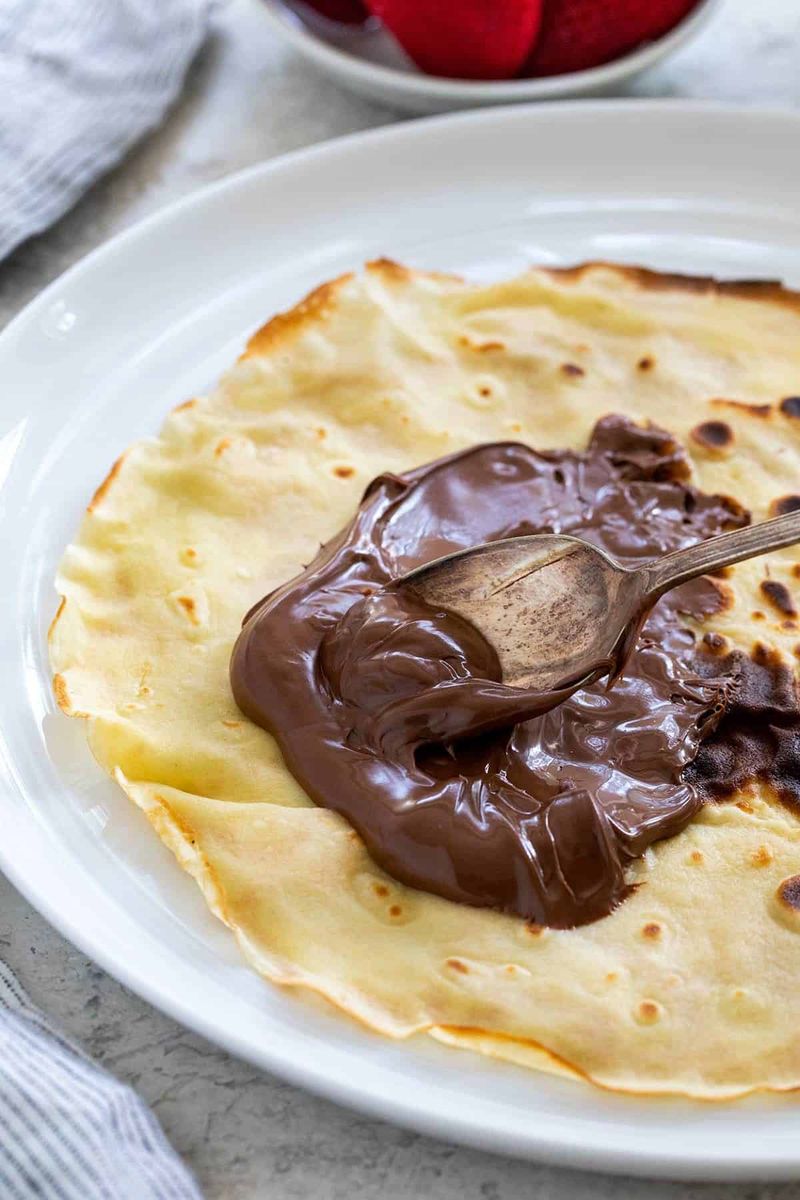
Walk past any crepe stand in Paris and the smell of warm Nutella will stop you in your tracks. This chocolate-hazelnut spread is one of the most beloved pancake toppings across France and Italy, where it originally comes from.
Italians have been enjoying it since the 1940s when cocoa was scarce and hazelnuts were used to stretch the supply.
Spread thick on a warm crepe, Nutella turns a simple pancake into something magical. Kids and adults alike can not get enough of it.
2. Lemon Juice and Sugar (United Kingdom)
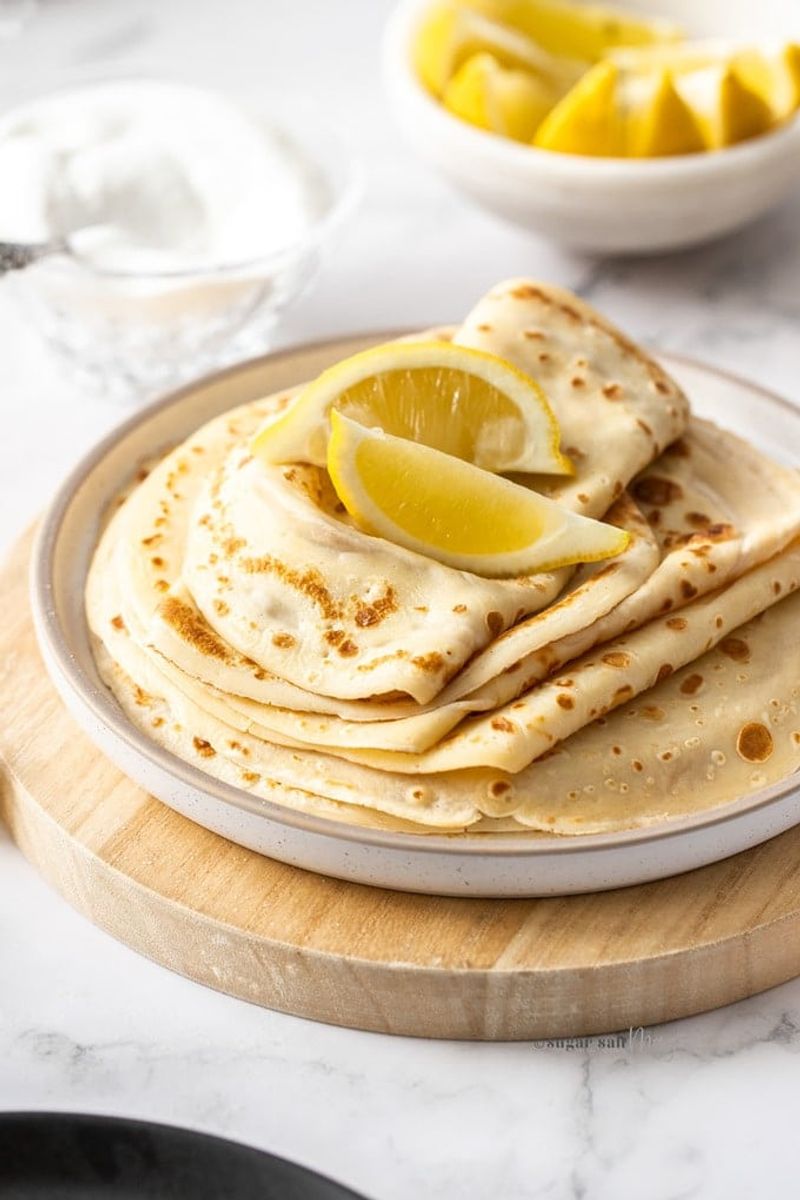
Ask any British person what goes on a pancake and most will say lemon and sugar without missing a beat. This classic combo has been a staple on Shrove Tuesday, also known as Pancake Day, for centuries.
The sharp citrus from the lemon cuts through the sweetness perfectly, creating a balance that feels both simple and satisfying.
You squeeze fresh lemon over a warm, thin pancake and sprinkle white sugar on top. Roll it up and enjoy a taste of British tradition.
3. Sour Cream (Russia and Eastern Europe)
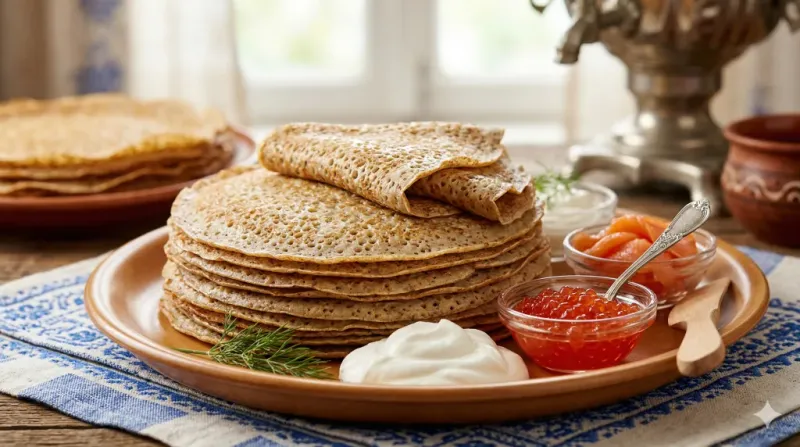
In Russia and across much of Eastern Europe, sour cream, known locally as smetana, is the go-to pancake topping. It has a rich, slightly tangy flavor that pairs beautifully with both sweet and savory pancakes called blini.
Unlike whipped cream, smetana is thick and dense, adding a creamy weight to every bite.
Blini with smetana are served at celebrations, family gatherings, and even funerals in Russian culture. Food carries deep meaning here, and this topping is part of that story.
4. Fresh Berries and Cream (Scandinavia)
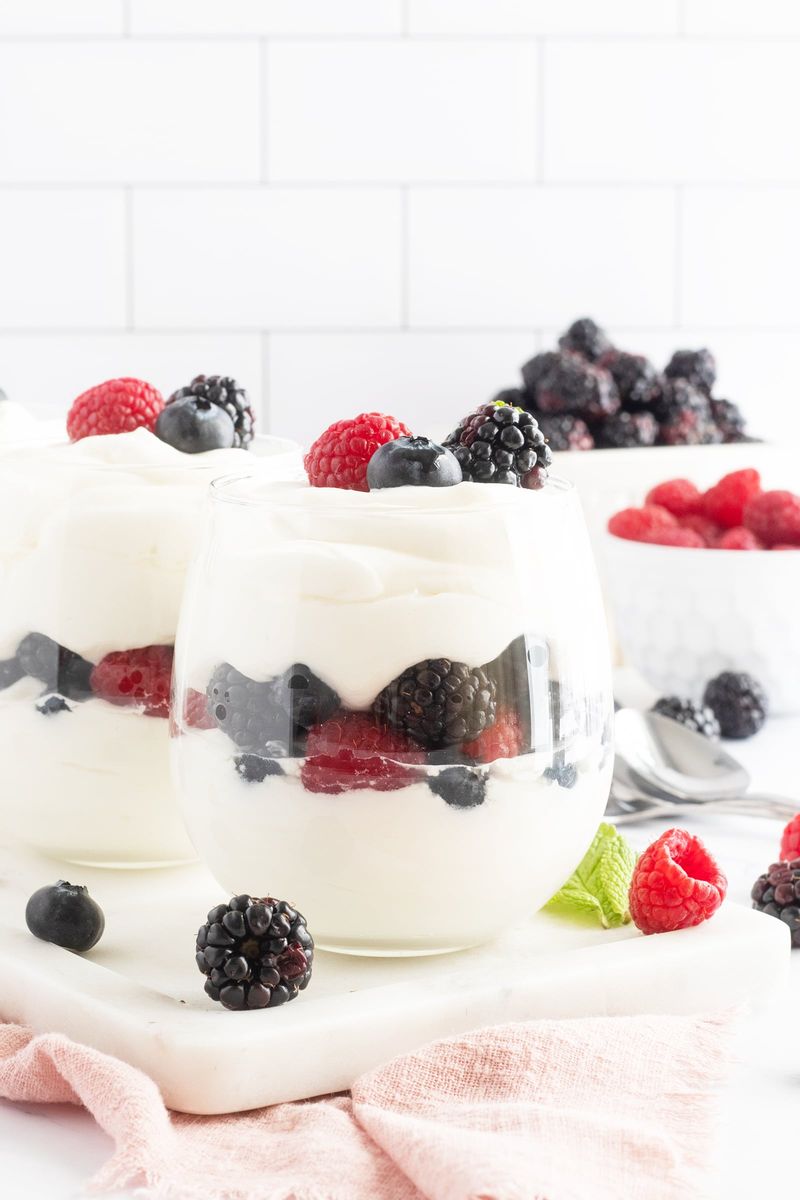
Scandinavian countries like Sweden, Norway, and Finland love topping their pancakes with fresh berries straight from the forest. Lingonberries, cloudberries, and wild strawberries are especially popular choices.
Paired with a swirl of whipped cream, this topping turns breakfast into something that looks almost too pretty to eat.
Swedish pannkakor are often served with lingonberry jam on the side, a tradition passed down through generations. The sweet-tart flavor of the berries makes this topping feel fresh and lively.
5. Honey and Walnuts (Greece)
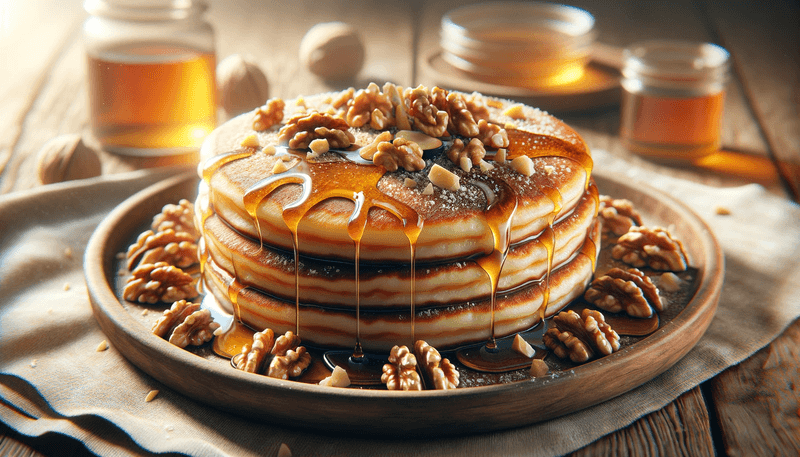
Greek pancakes, called tiganites, have been around since ancient times, making them one of the oldest pancake recipes in Europe. Drizzled with local honey and scattered with crushed walnuts, they carry a flavor that feels both earthy and indulgent.
Greek honey is especially prized for its rich floral taste, often coming from thyme plants on hillsides.
This topping combination shows up at breakfast tables and street food stalls alike. It is wholesome, naturally sweet, and deeply rooted in Greek culinary history.
6. Jam and Butter (Germany and Austria)
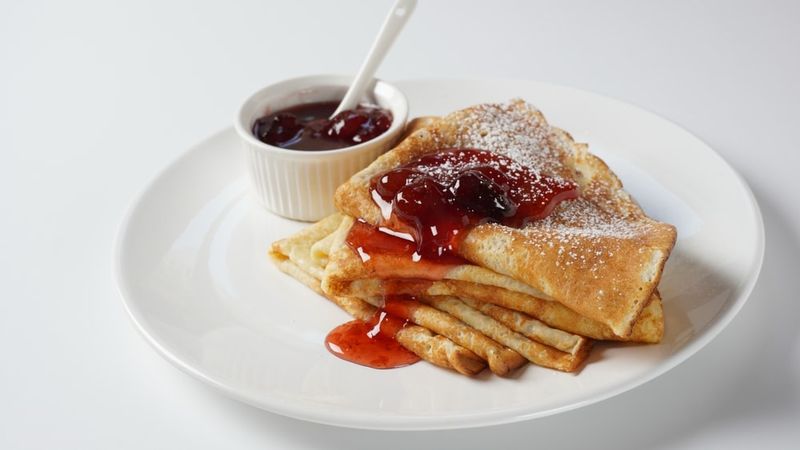
Butter and jam on pancakes might sound simple, but in Germany and Austria, this combination is taken seriously. Whether it is apricot jam from a local market or a rich plum preserve made at home, the quality of the spread really matters.
Butter melts into the warm pancake first, creating a silky base for the jam to sit on.
German Pfannkuchen and Austrian palatschinken are often served this way at Sunday brunches. It is the kind of topping that feels like a warm hug on a slow morning.
7. Cheese and Chives (Netherlands)
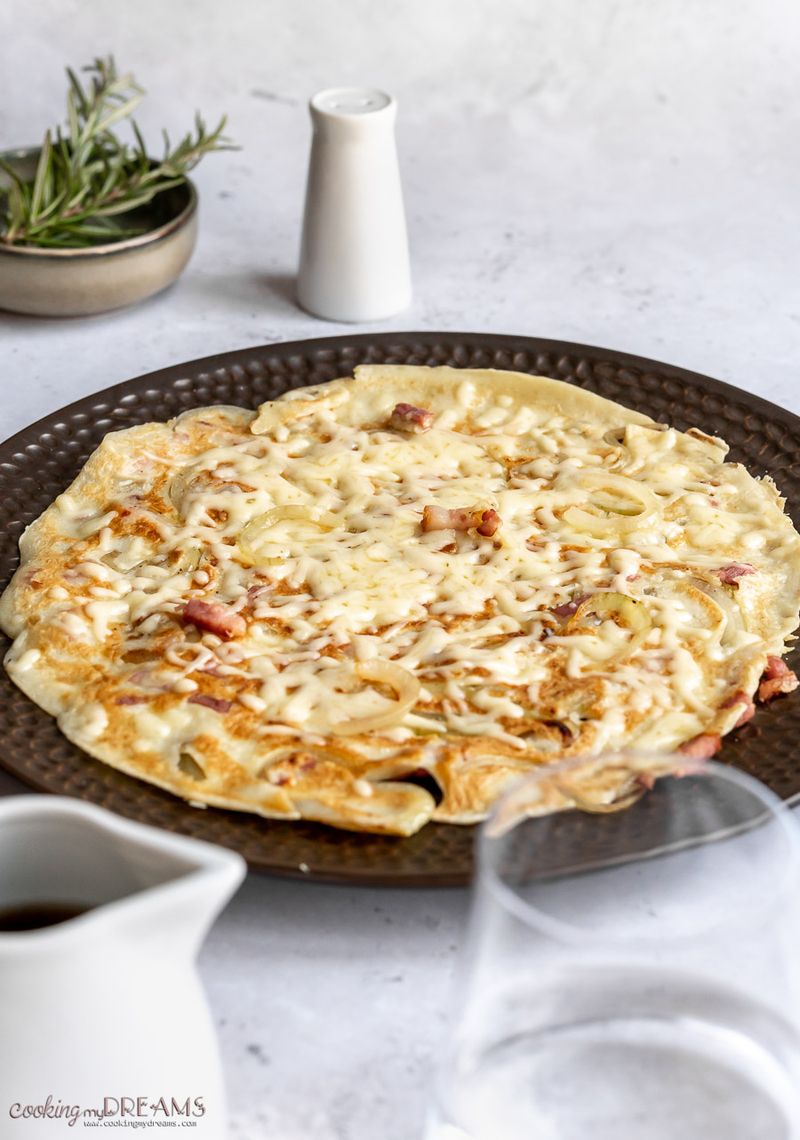
Dutch pannenkoeken are large, thin pancakes that can be topped with almost anything, sweet or savory. One of the most popular savory options is a combo of melted cheese and fresh chives, which gives the pancake a rich, slightly oniony kick.
Gouda or Edam cheese is often the first choice since both are Dutch staples with excellent melting qualities.
Pannenkoeken restaurants are a big thing in the Netherlands, especially for families. Choosing your toppings is half the fun of the whole experience.
8. Caramel Sauce (France)
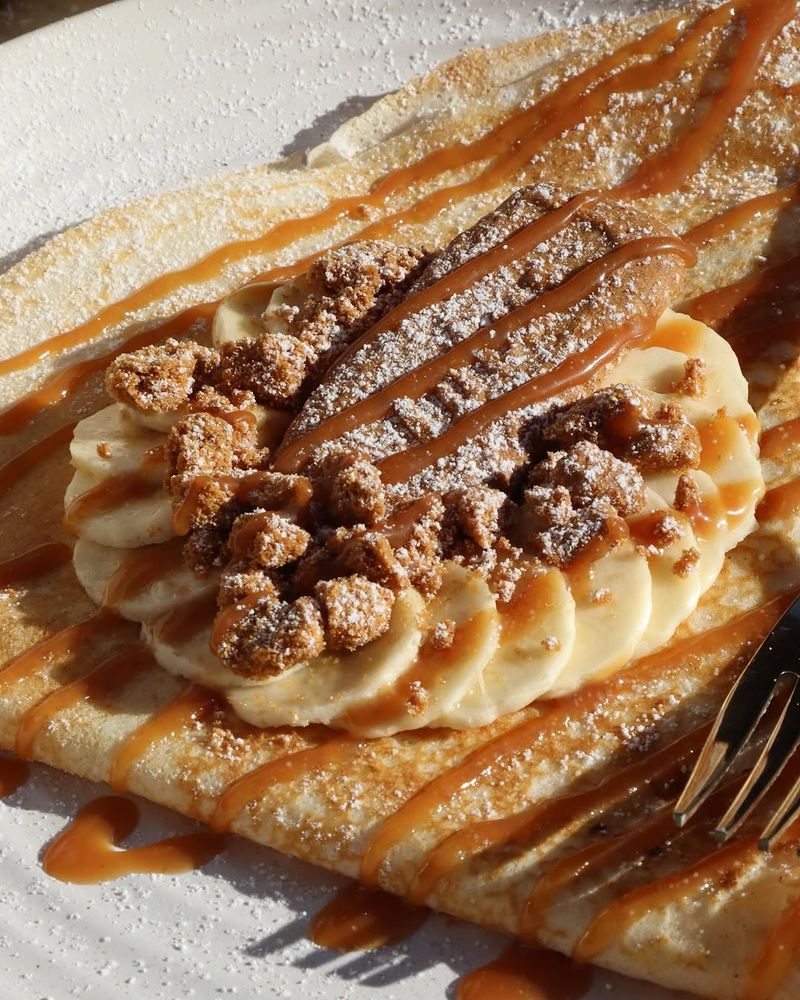
France is famous for its crepes, but the toppings are where things really get exciting. Salted caramel sauce, or caramel au beurre sale, originated in Brittany and has become one of the most iconic crepe toppings in the country.
The hint of sea salt in the caramel adds a surprising depth that makes it completely addictive.
Street vendors across Brittany pour this sauce generously over folded crepes. Once you try salted caramel on a warm crepe, it is very hard to go back to anything else.
9. Poppy Seeds and Powdered Sugar (Poland and Czech Republic)
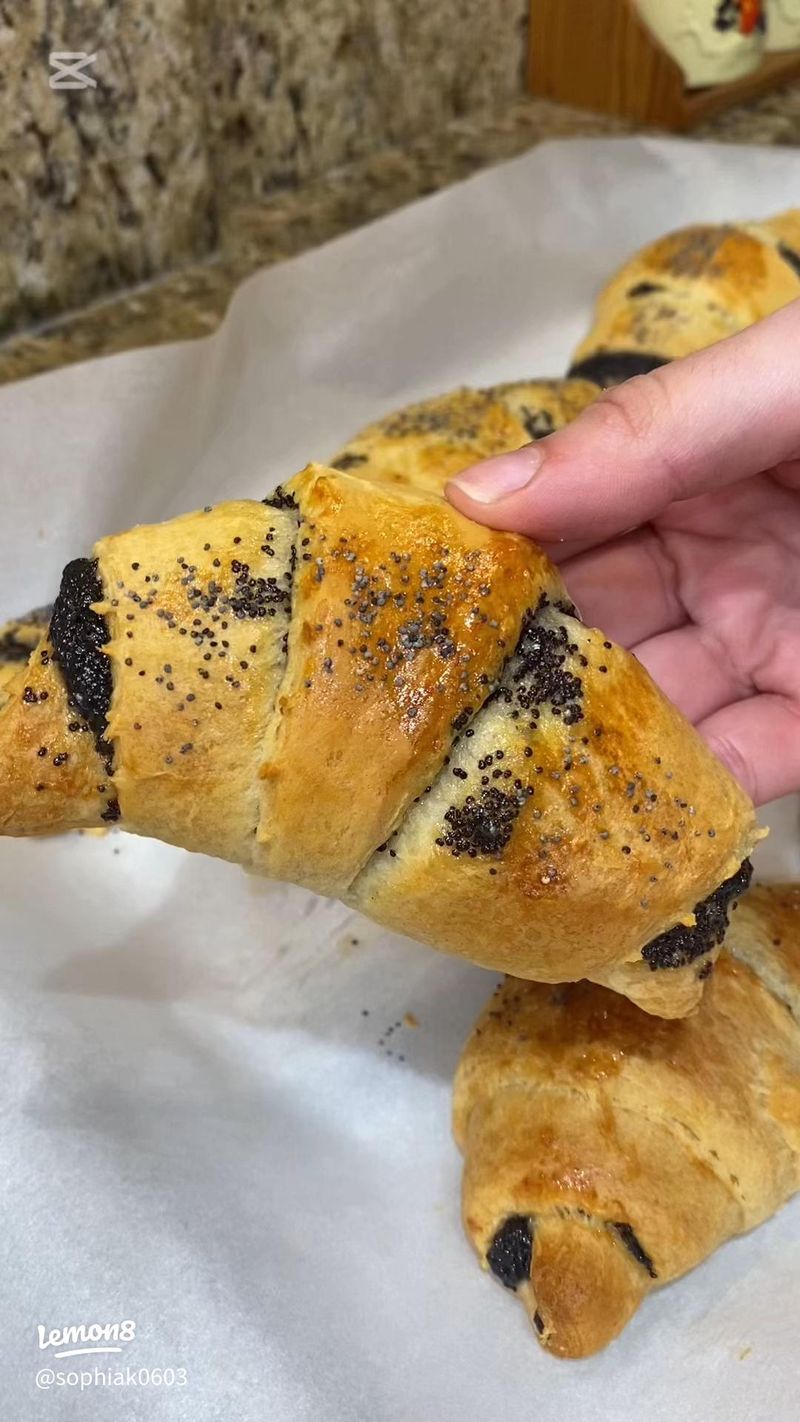
Poppy seeds on pancakes might raise an eyebrow if you have never tried it, but in Poland and the Czech Republic, this topping is completely normal and absolutely delicious. Ground poppy seeds mixed with a little sugar create a slightly nutty, dense filling or topping that has a flavor unlike anything else.
It is earthy, sweet, and a little mysterious all at once.
This topping is especially popular during holiday meals. It connects families to old recipes passed down through grandmothers for decades.
10. Maple Syrup and Bacon (Ireland and UK)
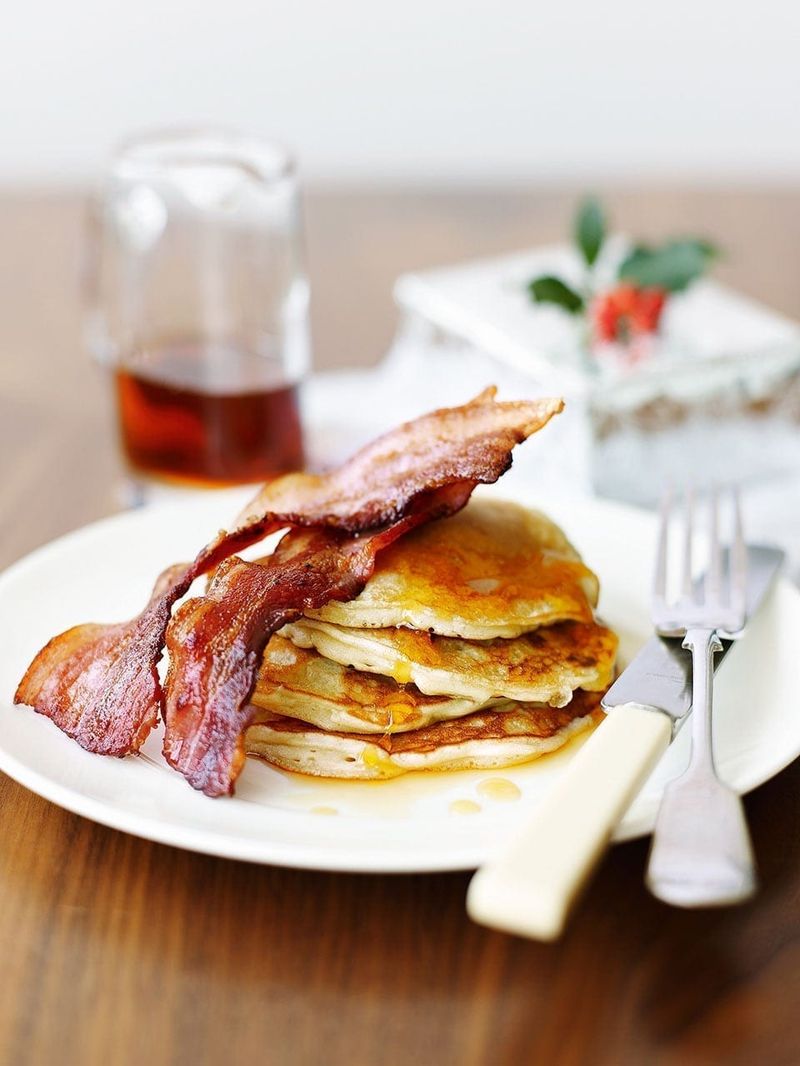
Maple syrup and bacon on pancakes might feel like an American idea, but it has found a very enthusiastic home in Ireland and the UK. The salty-sweet contrast between crispy bacon and sweet syrup is one of those combinations that just makes sense.
Brunch culture has exploded across both countries over the last decade, making this topping increasingly common at cafes.
Thick, fluffy American-style pancakes are usually the base for this combo. It is indulgent, satisfying, and absolutely worth every calorie on a lazy weekend morning.
11. Ricotta and Honey (Italy)
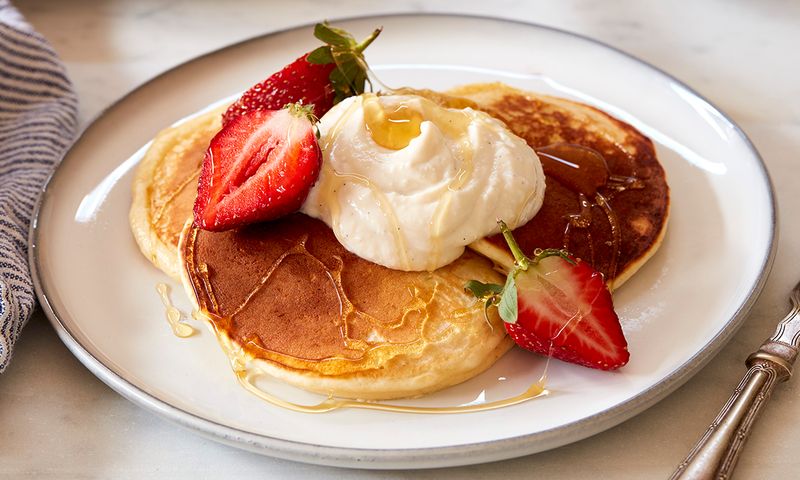
Italy has a knack for turning simple ingredients into something extraordinary, and ricotta with honey on pancakes is proof of that. Ricotta is a soft, mild cheese with a creamy texture that spreads easily over warm pancakes.
When drizzled with wildflower or chestnut honey, it creates a topping that feels both luxurious and light at the same time.
This topping is popular in southern Italy, where fresh ricotta is made locally and honey comes from nearby farms. The combination is elegant without trying too hard.
12. Applesauce (Germany and Switzerland)
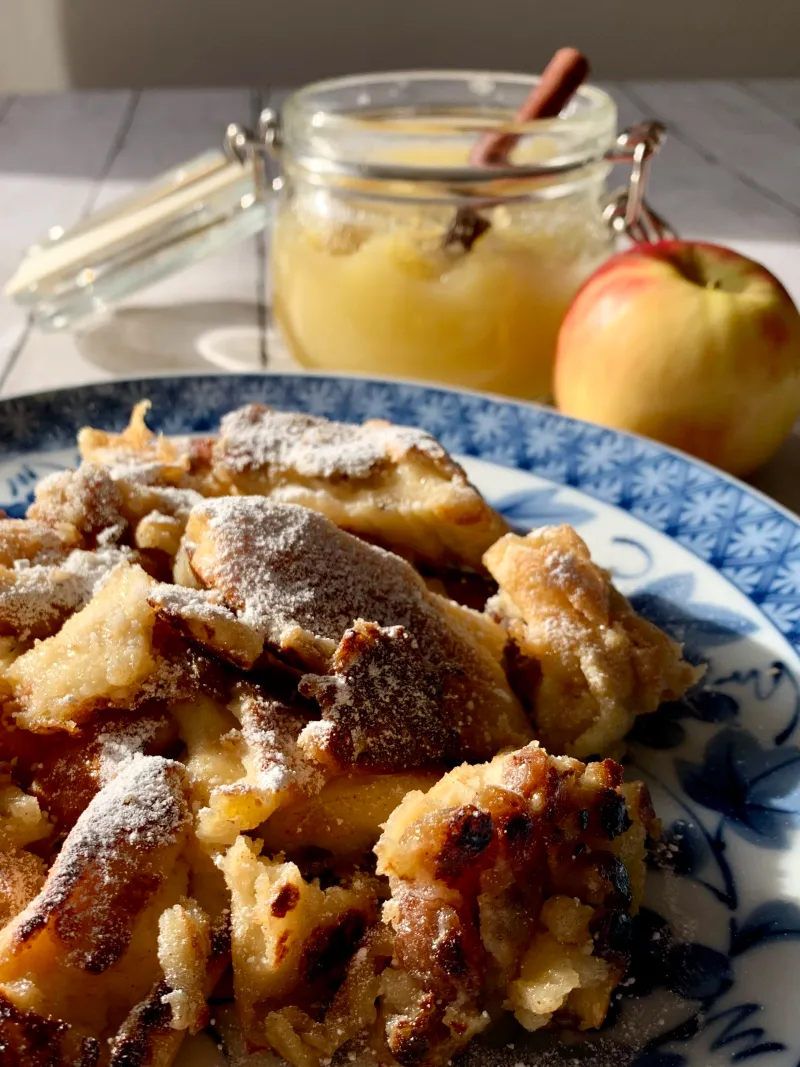
Applesauce as a pancake topping is a beloved tradition in Germany and Switzerland, especially during autumn when apples are freshly harvested. Homemade applesauce, slightly chunky and spiced with cinnamon, adds a fruity warmth to every bite.
It is not overly sweet, which makes it a great option for people who prefer their breakfast on the lighter side.
German Apfelmus, or apple puree, is a pantry staple in many households. Served warm alongside a stack of pancakes, it feels like the coziest autumn breakfast imaginable.
13. Smoked Salmon and Cream Cheese (Scandinavia)
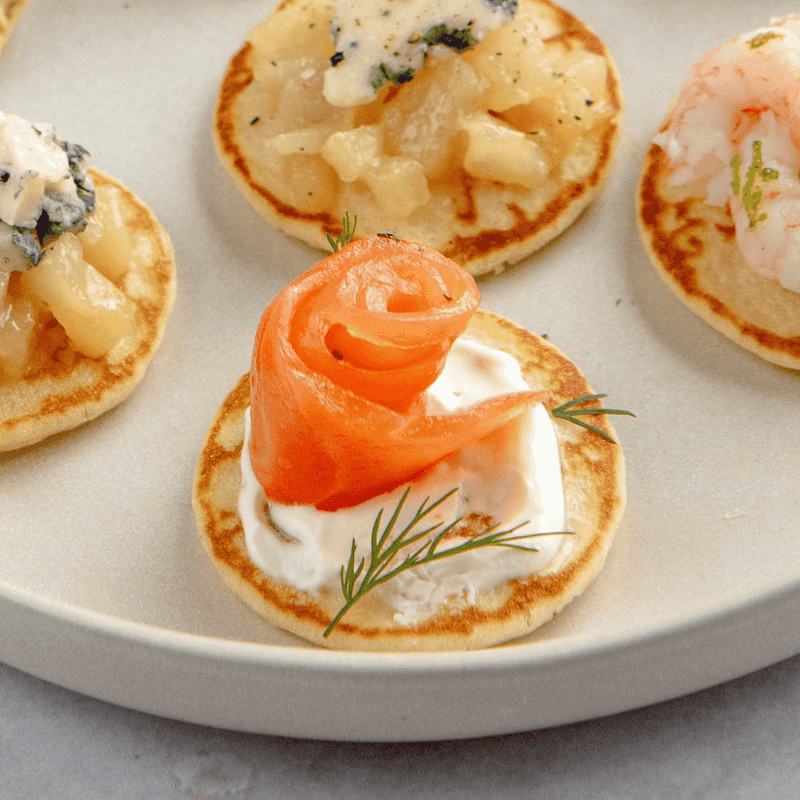
Savory pancake toppings do not get more sophisticated than smoked salmon and cream cheese. In Scandinavia, this combination is a natural fit because both ingredients are deeply woven into the region's food culture.
The smokiness of the salmon pairs beautifully with the cool tang of cream cheese, and a sprinkle of fresh dill ties everything together.
This topping is often served at special brunches or holiday gatherings. It turns a simple pancake into something that feels like a celebration on a plate.
14. Chestnut Cream (France and Italy)
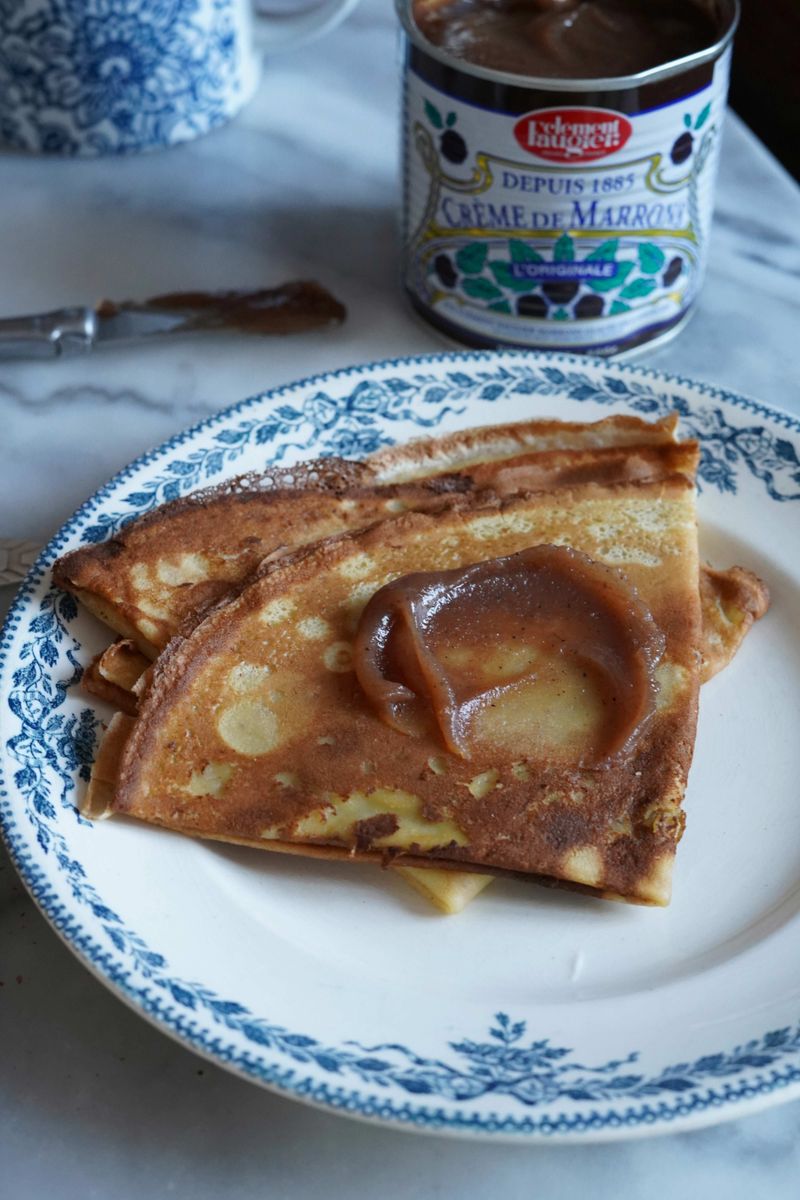
Chestnut cream, called creme de marrons in France, is one of those toppings that feels like autumn in a spoonful. Made from pureed chestnuts and sugar, it has a rich, earthy sweetness that is unlike any fruit jam or chocolate spread.
It became popular in France during times when chestnuts were an important food source, and the tradition has stuck ever since.
Spread thickly on a warm crepe, chestnut cream is a seasonal favorite. It has a loyal fan base who waits all year for chestnut season to arrive.
15. Dulce de Leche (Spain and Portugal)
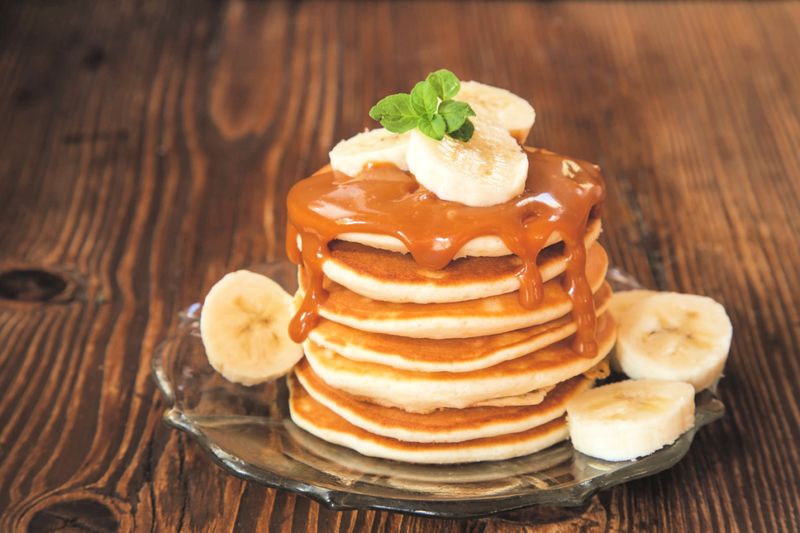
Dulce de leche is a thick, creamy caramel made from slowly heated sweetened milk, and it has found its way onto pancake plates across Spain and Portugal. It has a deeper, more complex flavor than regular caramel, with a buttery richness that coats every bite.
While its roots are in Latin America, Spanish and Portuguese food culture embraced it enthusiastically thanks to colonial connections.
Drizzled warm over a thin pancake, dulce de leche is pure comfort food. It is the kind of topping that makes you slow down and actually enjoy your breakfast.




Comments
No Comments