













Europe is home to some of the world's most beloved cuisines, and behind every great dish is a handful of surprising kitchen secrets passed down through generations. Some of these tips might raise an eyebrow or two when you first hear them.
But trust the grandmothers, the street vendors, and the home cooks who swear by these methods. Once you try them, you may never go back to doing things the old way.
1. Add a Pinch of Sugar to Your Tomato Sauce (Italy)
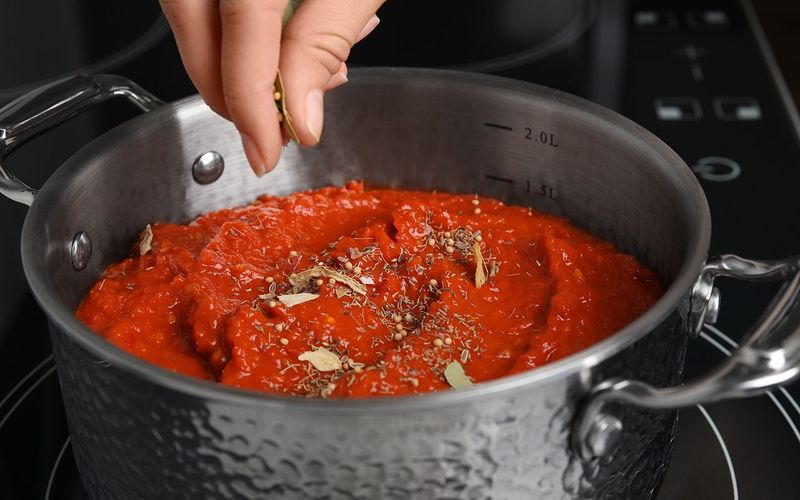
Italian nonnas have known this trick for centuries: a tiny pinch of sugar dropped into a bubbling tomato sauce can completely transform the flavor. It sounds counterintuitive, but sugar balances the natural acidity of tomatoes without making the sauce taste sweet.
The result is a smoother, rounder flavor that coats pasta beautifully. You only need about half a teaspoon.
Start small, taste as you go, and watch the magic happen right in your pot.
2. Boil Pasta in Less Water Than You Think (Italy)
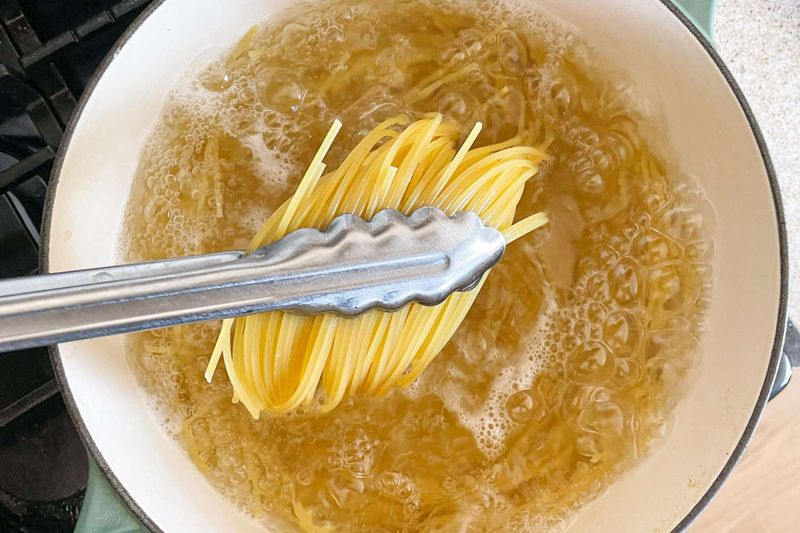
Most people fill a massive pot to cook pasta, but Italian cooks often use far less water on purpose. The starchy water that results is liquid gold for finishing a sauce, helping it cling perfectly to every noodle.
Using less water also means it boils faster, saving time and energy. The pasta still cooks evenly as long as you stir it occasionally.
Save at least a cup of that cloudy pasta water before you drain it.
3. Rub Bread With a Raw Garlic Clove (Spain)
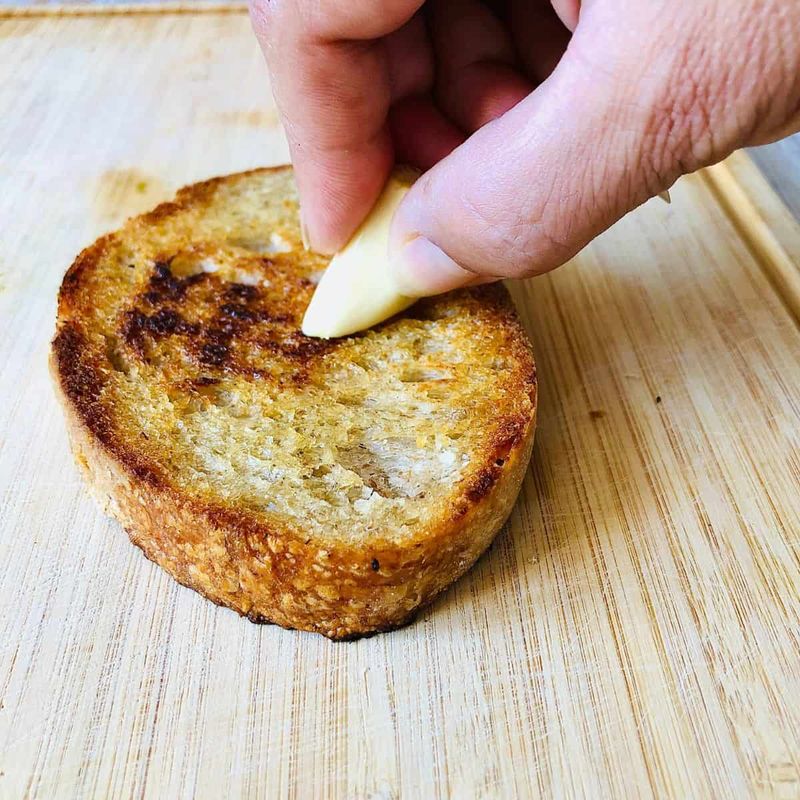
Pan con tomate is one of Spain's simplest and most satisfying snacks, and the garlic rub is what gives it that unmistakable punch. Instead of spreading garlic paste, you slice a raw clove in half and scrub it directly onto warm, toasted bread.
The rough bread surface acts like a grater, releasing just enough garlic flavor without being overpowering. Finish with olive oil and a little salt.
Simple, fast, and absolutely delicious.
4. Use Cold Butter for Flakier Pastry (France)
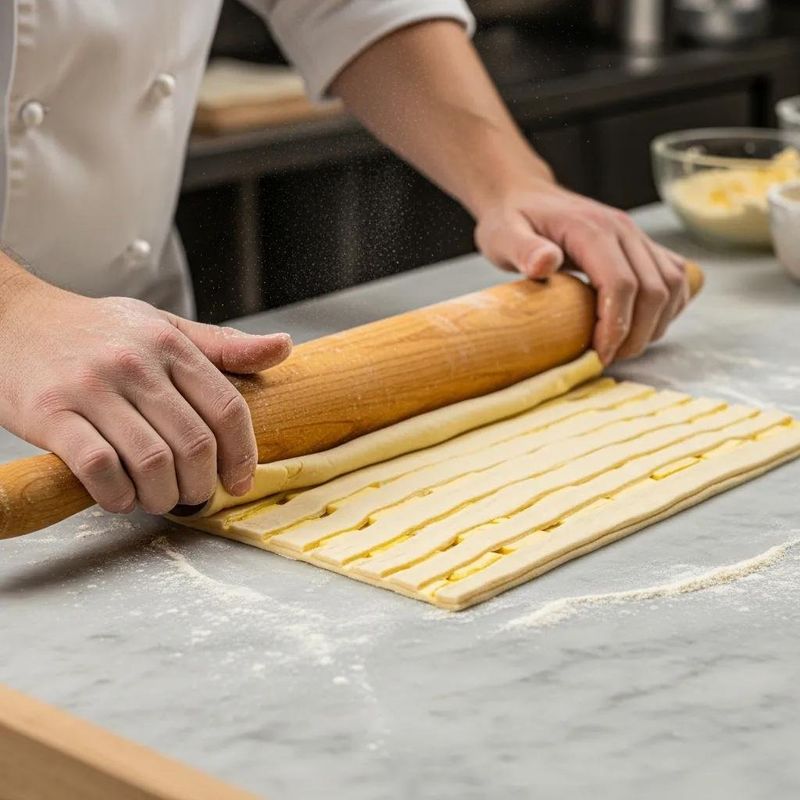
French patissiers are almost obsessive about keeping butter ice-cold when making pastry dough, and there is a very good reason for it. Cold butter creates tiny pockets of steam in the oven, and those pockets are what produce those gorgeous, flaky layers.
If the butter melts too early during mixing, the layers fuse together and you end up with a dense, tough crust. Work quickly, chill your tools if needed, and your croissants and pies will thank you.
5. Salt Your Eggplant Before Cooking (Greece)
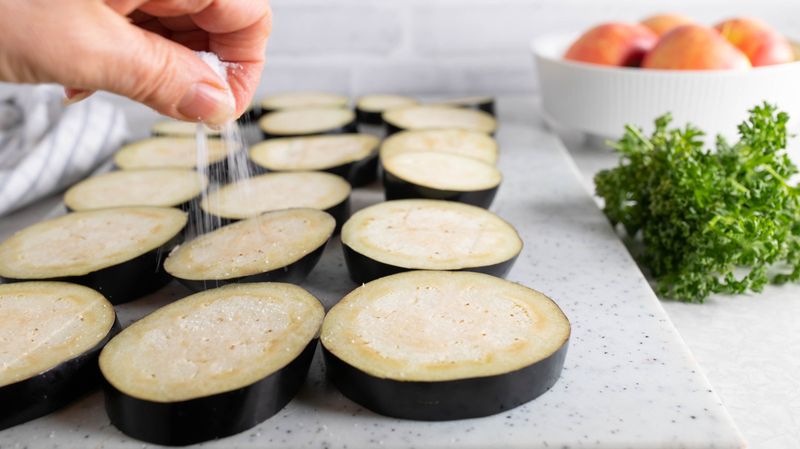
Greek cooks have long insisted on salting eggplant slices and letting them sit for at least 30 minutes before cooking. The salt draws out excess moisture and any bitter compounds hiding inside the vegetable.
Once you pat the slices dry, they fry up golden and tender rather than soggy and greasy. This trick is especially important for moussaka, where watery eggplant can ruin the entire dish.
It seems like extra effort, but the texture difference is remarkable.
6. Add a Bay Leaf to Boiling Rice (Portugal)
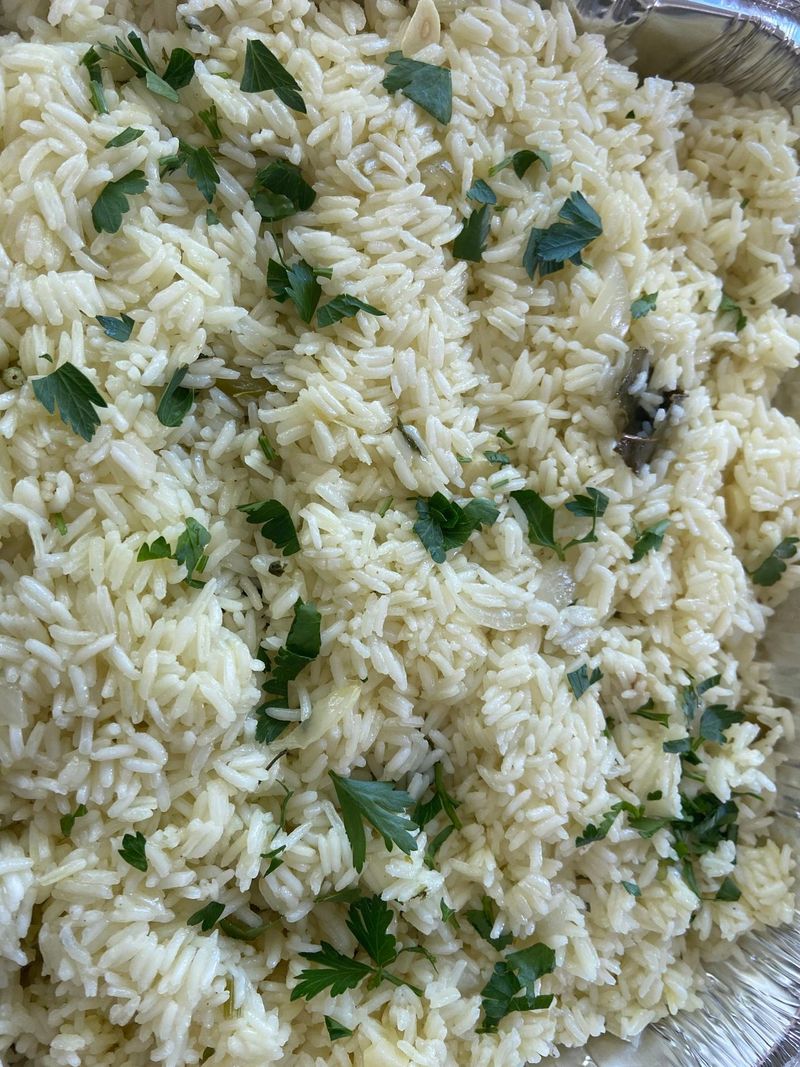
In Portugal, tossing a bay leaf into the pot while rice cooks is as natural as adding salt. The leaf infuses a subtle, earthy aroma that elevates plain rice from boring to quietly impressive.
You will not taste the bay leaf directly, but its presence adds a gentle depth that makes the rice feel more complete. Remove it before serving.
This trick works equally well with lentils, soups, and even pasta water. Try it once and you will never skip it.
7. Deglaze Your Pan With Wine (France)
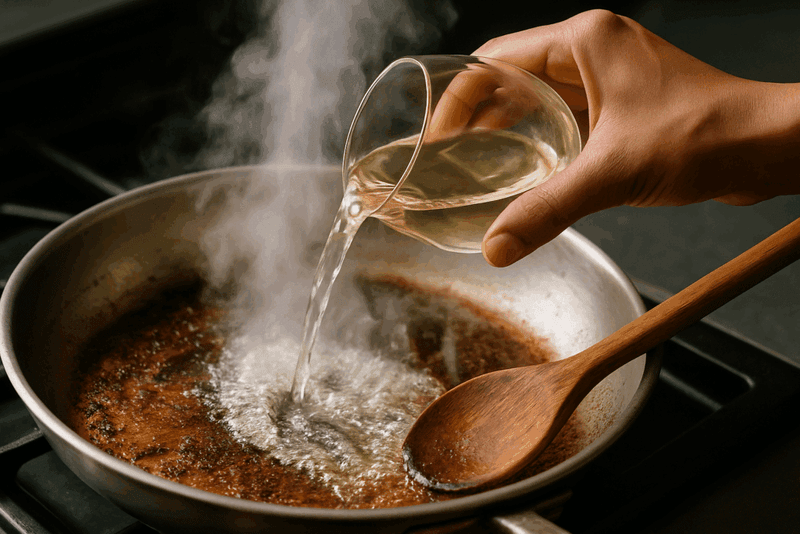
After searing meat or vegetables, a pan is left with browned, caramelized bits stuck to the bottom. French cooks call this the fond, and they consider it the most flavorful part of the whole dish.
Pouring a splash of wine into that hot pan loosens everything up in seconds, creating an instant sauce base packed with deep, savory flavor. White wine works for chicken and fish, while red wine pairs beautifully with beef.
Nothing goes to waste.
8. Let Meat Rest Before Cutting (Germany)
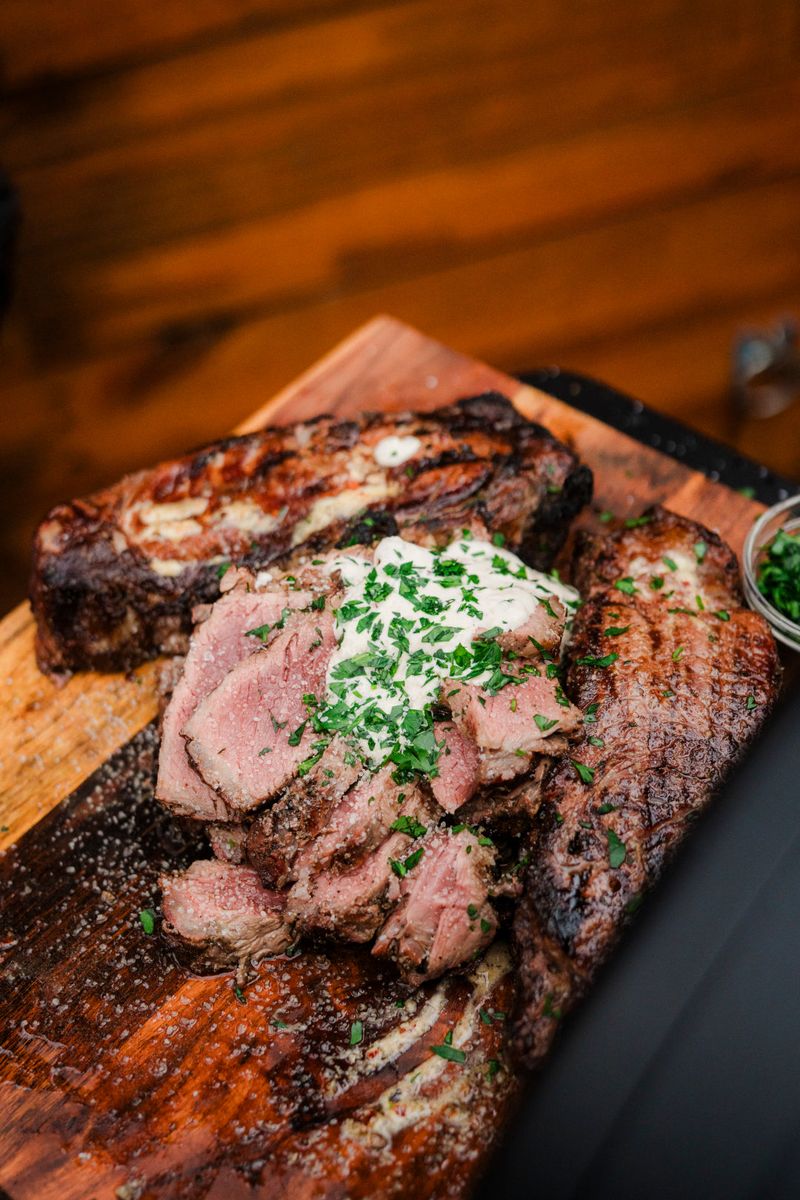
German cooks are famously patient when it comes to roasted meats, and their secret is simple: let the meat rest after cooking before slicing into it. Cutting too soon causes all the juices to rush out onto the cutting board instead of staying in the meat.
Resting allows the fibers to relax and reabsorb those flavorful juices. Even five to ten minutes makes a noticeable difference.
Cover it loosely with foil and resist the urge to slice immediately.
9. Finish Pasta in the Sauce, Not in the Pot (Italy)
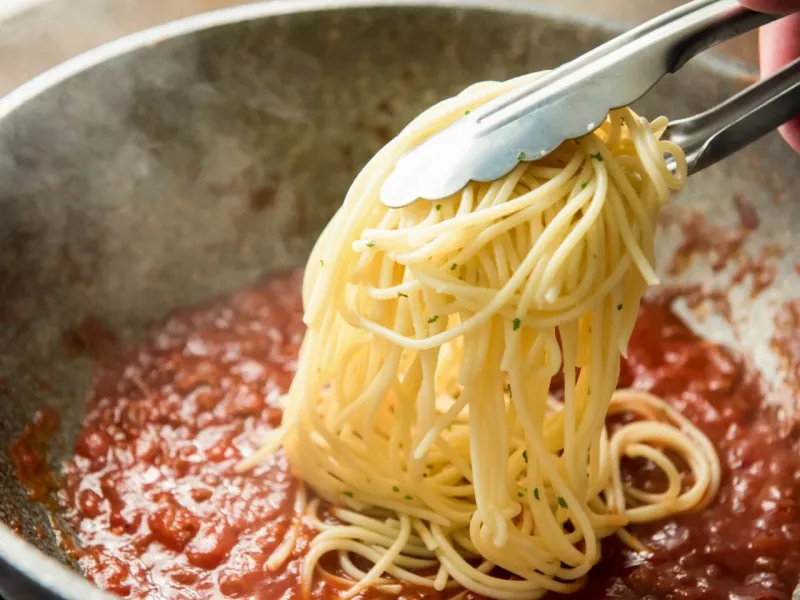
Here is a technique that separates home cooks from skilled pasta makers: never drain your pasta and plate it separately. Instead, transfer the pasta into the sauce while it is still slightly undercooked and finish cooking it right there in the pan.
The pasta absorbs the sauce as it finishes, making every bite more flavorful. Add a splash of starchy pasta water to help everything bind together.
The difference in taste and texture is genuinely worth the extra step.
10. Squeeze Lemon Over Fried Food (Greece and Mediterranean)
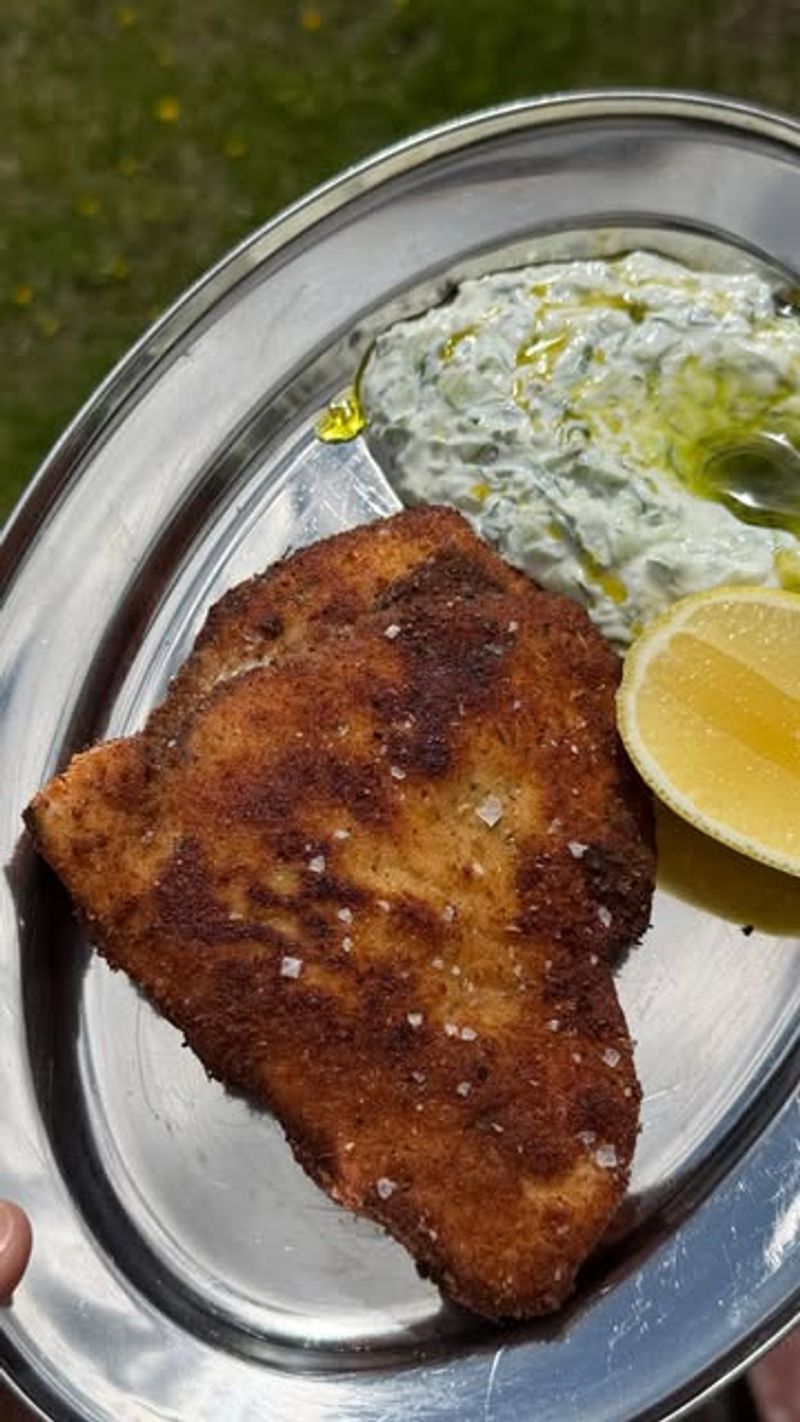
Across Greece and the broader Mediterranean, squeezing fresh lemon juice over fried food is practically a culinary law. It might seem odd to add something wet to something crispy, but the acidity cuts through the richness of the oil and makes each bite feel lighter and brighter.
Lemon also enhances the natural flavors of whatever is underneath, whether it is fried fish, calamari, or zucchini fritters. Keep a lemon wedge ready every time you fry something.
11. Use Stale Bread for Better Dishes (Italy and Spain)
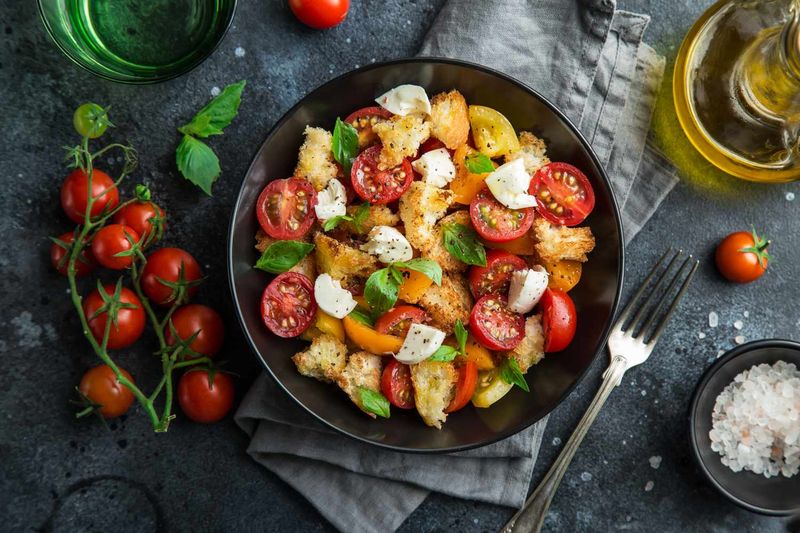
Throwing away old bread feels like a waste in countries like Italy and Spain, where stale loaves are transformed into entirely new dishes. Panzanella, ribollita, and migas are all built around bread that is past its prime.
Day-old bread actually absorbs flavors better than fresh bread because it has lost most of its moisture. Soak it in broth, olive oil, or tomatoes and it becomes the heart of a deeply satisfying meal.
Old bread is never trash in a smart kitchen.
12. Cook Onions Low and Slow for Sweetness (France)
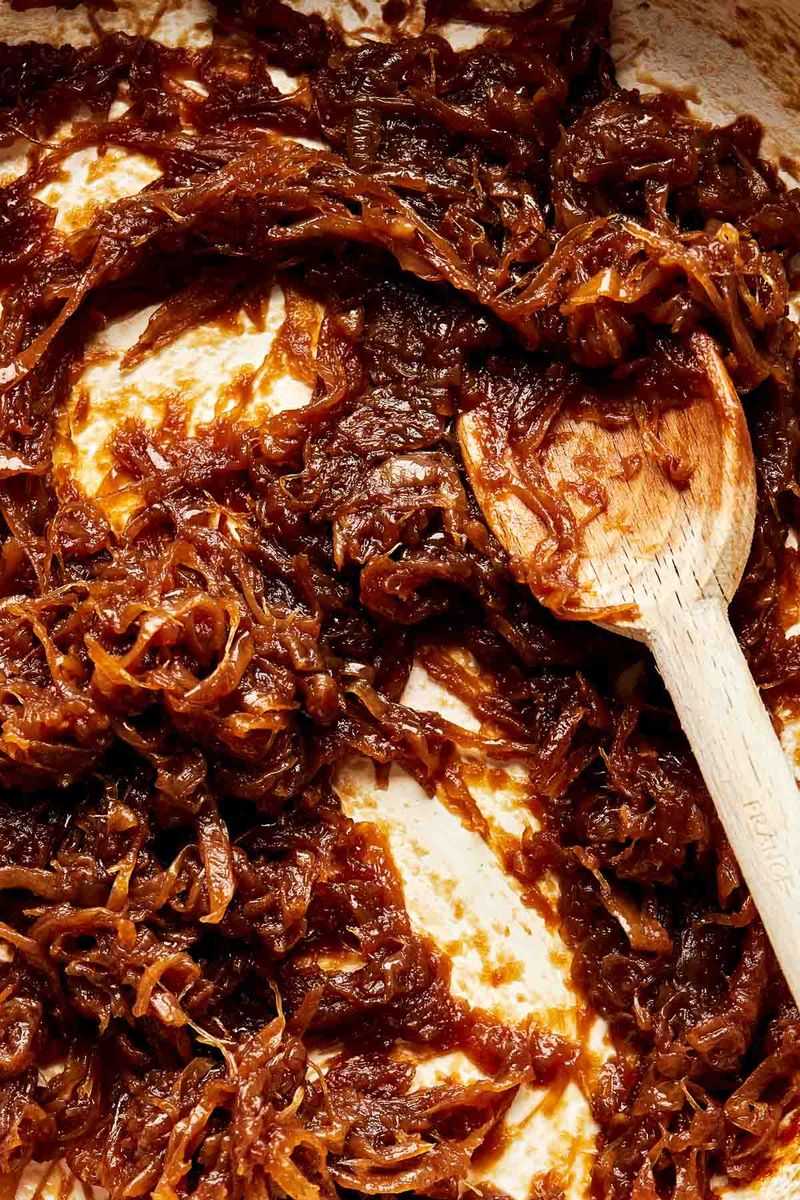
French onion soup gets its incredible depth from one deceptively simple technique: cooking onions over very low heat for a very long time. Most recipes call for 45 minutes to an hour, which sounds excessive until you taste the result.
Slow cooking breaks down the natural sugars in onions, turning them soft, golden, and almost candy-like in sweetness. Rushing this step with high heat just makes them bitter and uneven.
Patience here is the entire recipe.
13. Add Vinegar to Poaching Water for Eggs (UK and France)
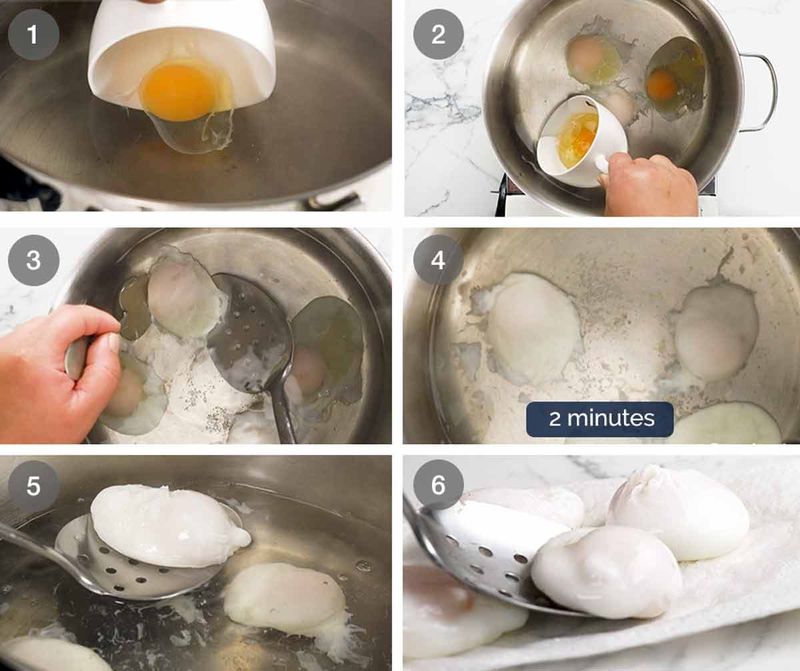
Poached eggs have a reputation for being tricky, but cooks in the UK and France have a reliable fix: add a splash of white vinegar to the water before cracking in the eggs. The vinegar helps the egg whites set faster and hold their shape instead of spreading into wispy threads.
You do not need much, just a tablespoon or two. The eggs will not taste like vinegar at all.
The result is a neat, restaurant-quality poached egg every time.
14. Toast Spices in a Dry Pan Before Using (Morocco-Influenced Spain and Portugal)
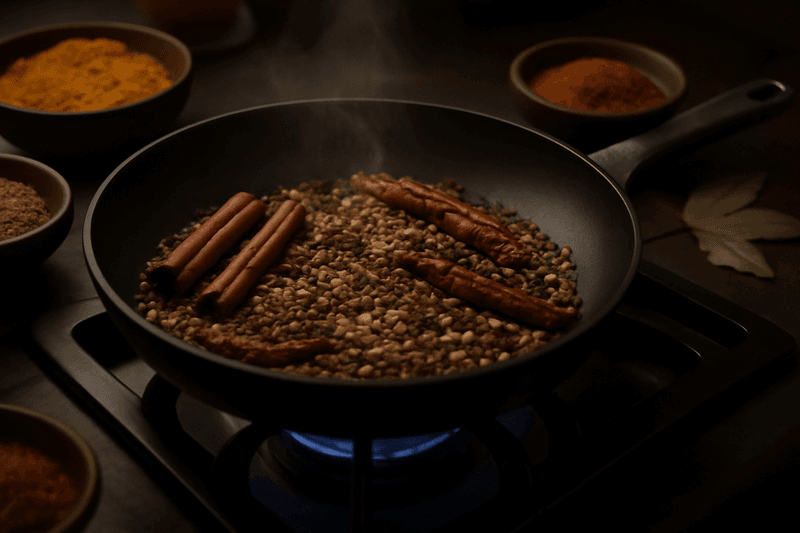
Along the Iberian Peninsula, where Moorish culinary influence runs deep, toasting whole spices in a dry pan before grinding or adding them to a dish is a common practice. Heat activates the essential oils locked inside the spices, making their flavors dramatically more intense and complex.
Just 60 seconds over medium heat is enough. Keep the pan moving so nothing burns.
Once you smell that fragrant bloom, your spices are ready to elevate anything they touch.
15. Chill Cookie Dough Before Baking (Scandinavia)

Scandinavian bakers have a habit of preparing cookie dough a day ahead and letting it rest in the refrigerator overnight before baking. This might seem like unnecessary planning, but the science behind it is solid.
Chilling allows the flour to fully hydrate and the fats to firm up, which means cookies spread less in the oven and develop a richer, more complex flavor. The difference between freshly mixed dough and chilled dough is honestly surprising.
Try it with your next batch.
16. Blanch Vegetables Before Stir-Frying (Eastern Europe)
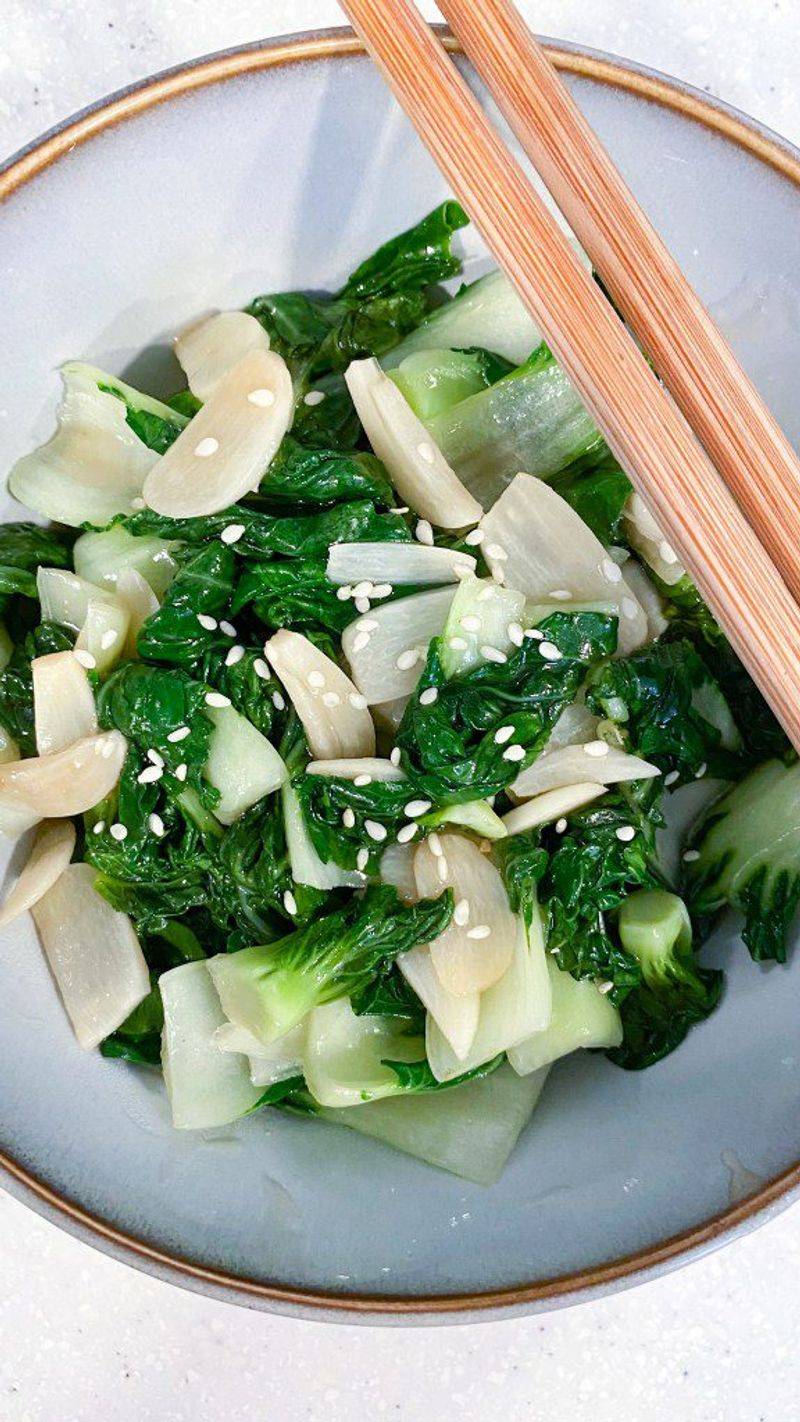
Cooks in Poland, Hungary, and other parts of Eastern Europe often blanch harder vegetables like green beans or carrots in salted boiling water for just a minute or two before adding them to a hot pan. It sounds like an unnecessary extra step, but it locks in vibrant color and ensures even cooking.
Without blanching, dense vegetables can end up undercooked in the middle while the outside burns. A quick ice bath after blanching stops the cooking instantly and keeps everything beautifully bright.
17. Use Pasta Water to Thicken Sauces (Italy)
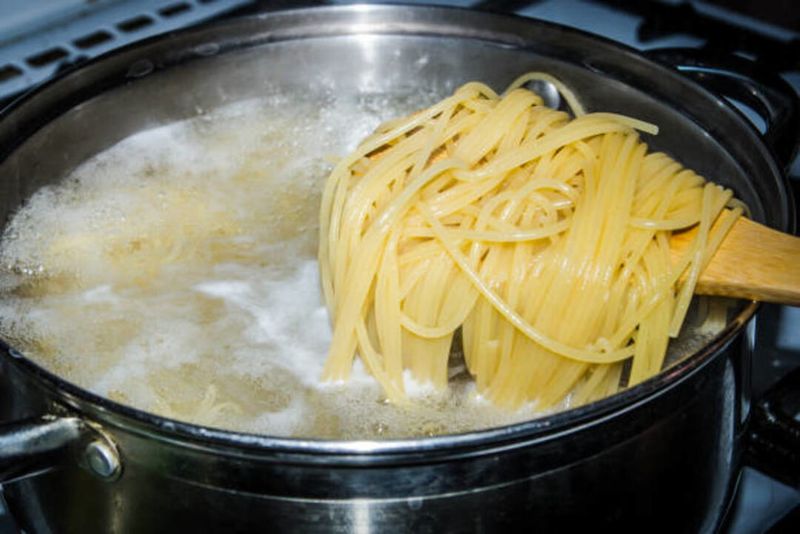
Before you drain your pasta, scoop out a generous cup of that starchy, cloudy cooking water. Italian cooks treat it like liquid gold because it acts as a natural thickener and emulsifier for sauces.
Adding a few splashes to a pan of sauce helps everything come together smoothly, coating the pasta evenly without needing cream or extra butter. It works especially well with cacio e pepe and carbonara.
Once you start using pasta water, you will wonder how you ever cooked without it.
18. Rest Pancake Batter Before Cooking (UK and France)
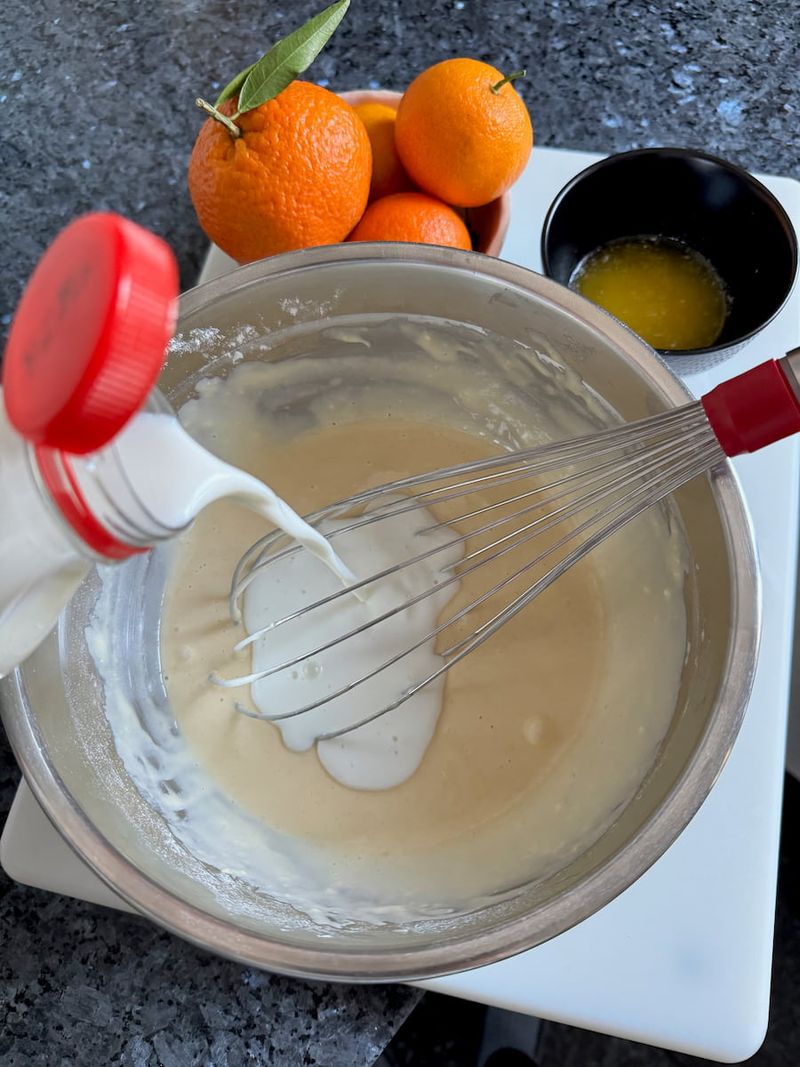
British and French cooks rarely make pancake batter and immediately pour it into the pan. Letting it rest for at least 30 minutes, or even overnight, makes a noticeable difference in the final texture.
Resting gives the gluten in the flour time to relax, which results in thinner, more tender crepes or fluffier pancakes depending on what you are making. Bubbles from the baking powder or eggs also settle, creating a more even batter.
Your first pancake will no longer be the throwaway one.




Comments
No Comments