













Some foods arrive at the table carrying the weight of the world's expectations. They've been talked up by chefs, featured in fancy restaurants, and praised in food magazines for years.
But when you finally take that first bite, something feels a little... underwhelming. Here are 19 famous foods that have earned massive reputations, even though their actual taste might leave you quietly wondering what all the fuss was about.
1. Truffle
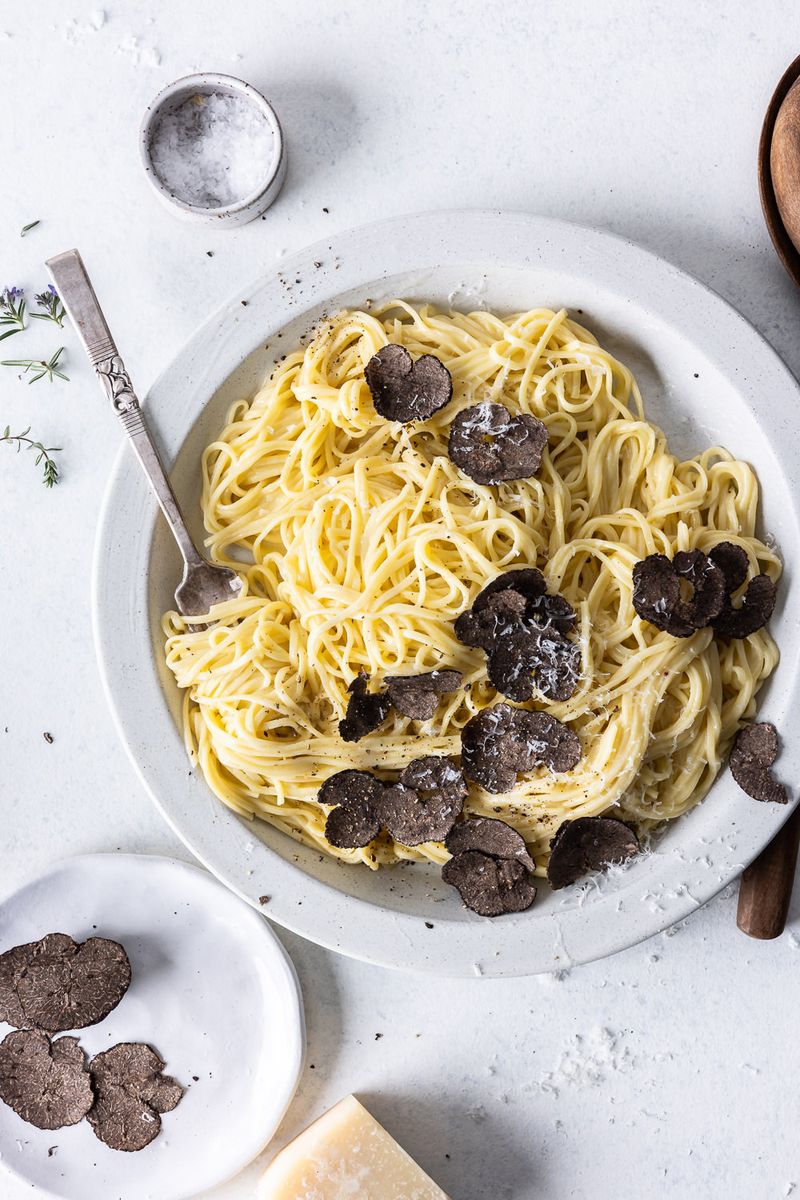
Few ingredients carry as much prestige as the truffle. Chefs treat it like gold dust, and prices can reach thousands of dollars per pound.
But here's the honest truth: most people who taste truffle for the first time describe it as earthy and musty, almost like damp soil.
Much of what we eat labeled "truffle" is actually truffle oil, which is often made with synthetic flavoring. The real thing is subtle, not the flavor explosion you might expect from its legendary reputation.
2. Kobe Beef
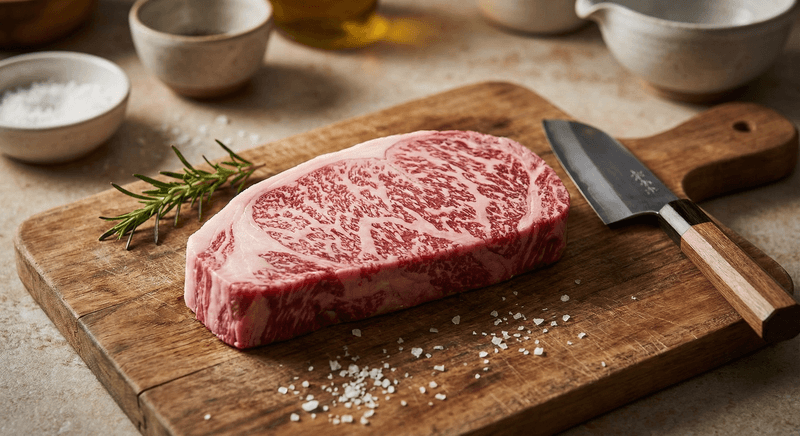
Kobe beef is probably the most talked-about steak in the world. The cattle are raised with extreme care in Japan, and the price tag reflects that, often costing over $200 per serving.
People expect a life-changing experience when they take that first bite.
The texture is incredibly buttery and soft, almost melting away before you can really chew it. Ironically, that melt-in-your-mouth quality means many diners feel they barely tasted it at all before it disappeared.
3. Caviar
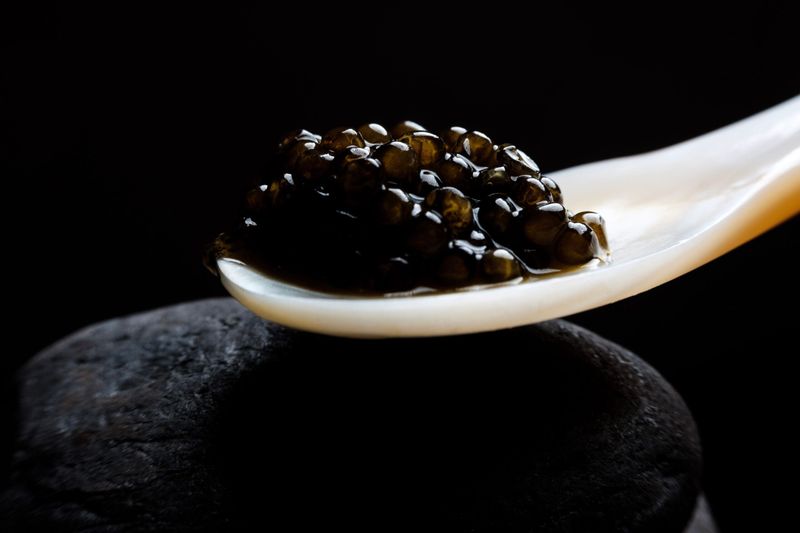
Caviar shows up at the fanciest parties and events, sitting proudly in tiny tins that cost more than a car payment. These small, glossy fish eggs have been a symbol of luxury for centuries.
Yet first-timers often wrinkle their noses at the strong, briny, fishy taste.
It's an acquired taste that many people never quite acquire. The experience of eating caviar often feels more about the status of the moment than any genuine flavor fireworks happening on your tongue.
4. Foie Gras
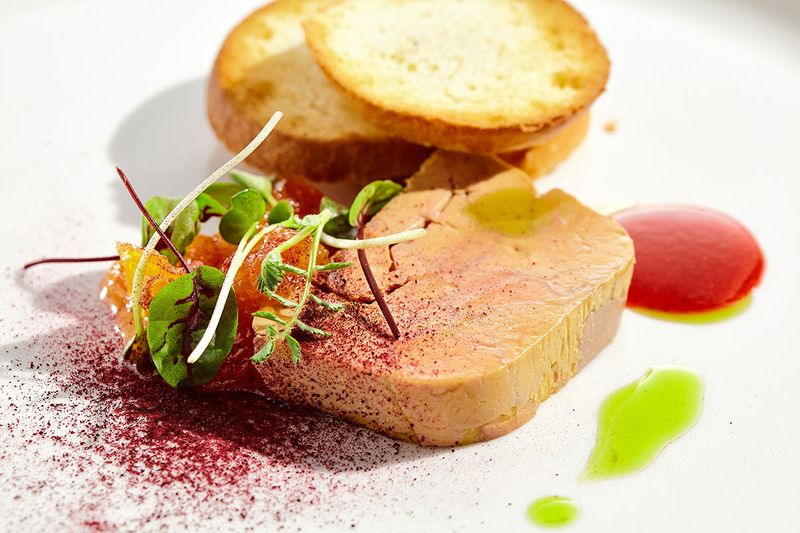
Foie gras is the kind of dish that appears on nearly every upscale French restaurant menu. Made from the fattened liver of a duck or goose, it has a rich, creamy texture that chefs absolutely love.
The controversy surrounding how it's produced often overshadows any conversation about its actual taste.
When you eat it, the flavor is mild, buttery, and slightly liver-like. Many diners feel the preparation and presentation do more heavy lifting for the experience than the ingredient itself.
5. Saffron
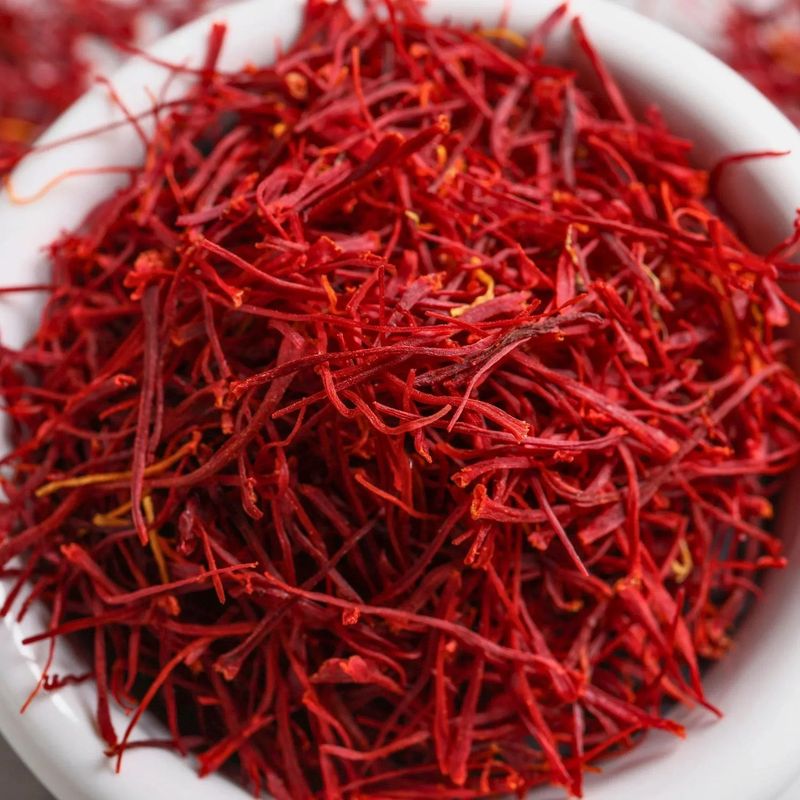
Gram for gram, saffron is the most expensive spice on the planet, harvested by hand from the crocus flower in tiny amounts. It turns dishes a gorgeous golden yellow and carries an almost mythical reputation in the culinary world.
Recipes that call for it feel instantly elevated just by its inclusion.
But the flavor? It's floral, slightly sweet, and surprisingly faint.
Many home cooks are quietly disappointed when they realize the color does far more dramatic work than the taste ever will.
6. Macarons
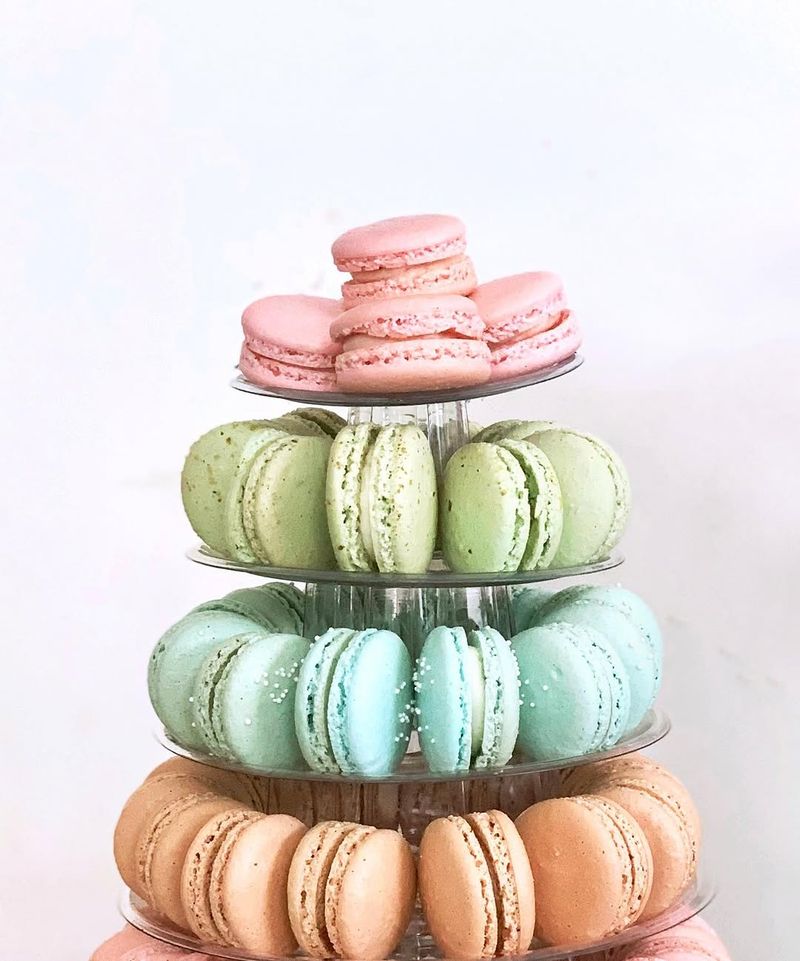
Walk past any trendy bakery window and you'll spot towers of perfectly pastel macarons glowing like little jewels. These French sandwich cookies have become a symbol of elegance and good taste, flooding social media feeds with their photogenic charm.
Bite into one, though, and the experience can feel more sweet than anything else. The filling flavors are often barely detectable beneath the overwhelming sugar rush.
They're gorgeous to look at, but the flavor rarely matches the beauty of the display.
7. Lobster
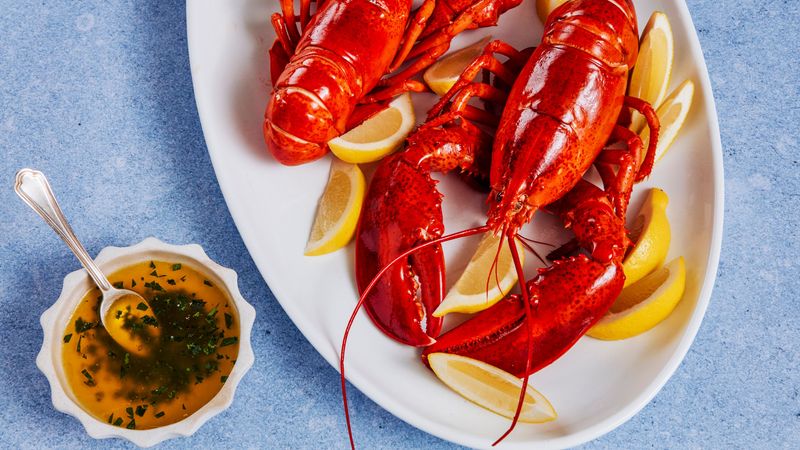
Lobster was once considered poor people's food in America, fed to prisoners and used as fertilizer. Fast forward to today, and it's one of the most expensive items on any seafood menu, carrying enormous prestige with every cracked claw.
People order it for special occasions expecting something truly extraordinary.
In reality, the flavor of plain lobster is mild and slightly sweet. Most of what people love is actually the warm, melted butter they dip it in, which does the real flavor work.
8. Champagne

Pop a bottle of champagne and suddenly any moment feels like a milestone worth celebrating. This sparkling wine from France has become the universal symbol of victory, romance, and luxury.
No New Year's countdown or wedding toast feels complete without the signature fizz and the satisfying pop of the cork.
But blind taste tests regularly show that most people can't distinguish expensive champagne from cheaper sparkling wines. The bubbles and the occasion do a lot of the emotional heavy lifting here.
9. Wagyu Burger
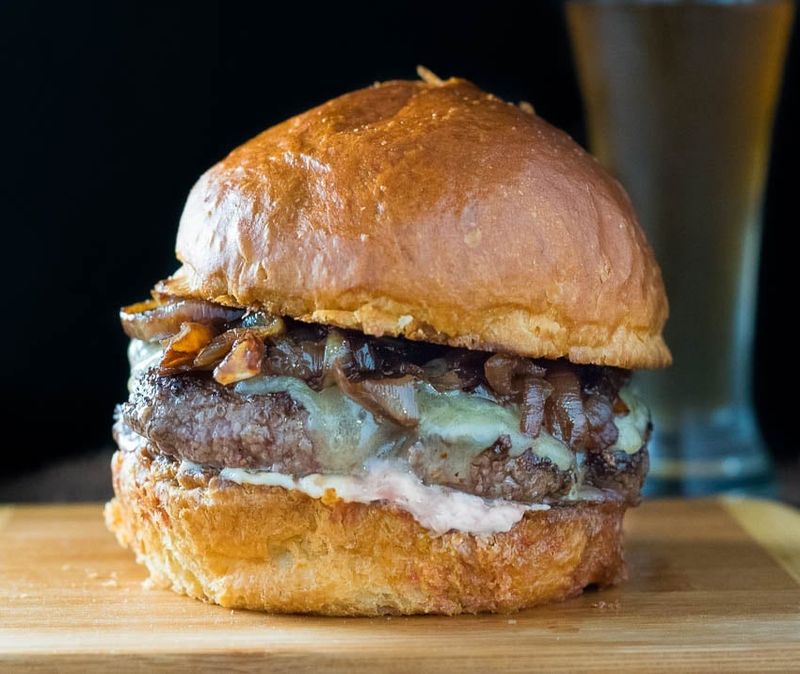
The wagyu burger took the gourmet food world by storm, appearing on menus at fancy restaurants and food festivals everywhere. Using the same prized Japanese beef as high-end steaks, these burgers promise an unmatched eating experience at a premium price.
People wait in line and pay three times normal burger prices for one.
The problem is that grinding wagyu into a patty loses much of what makes the beef special in the first place. You end up with a soft, slightly richer burger that's good, but rarely jaw-dropping.
10. Edible Gold
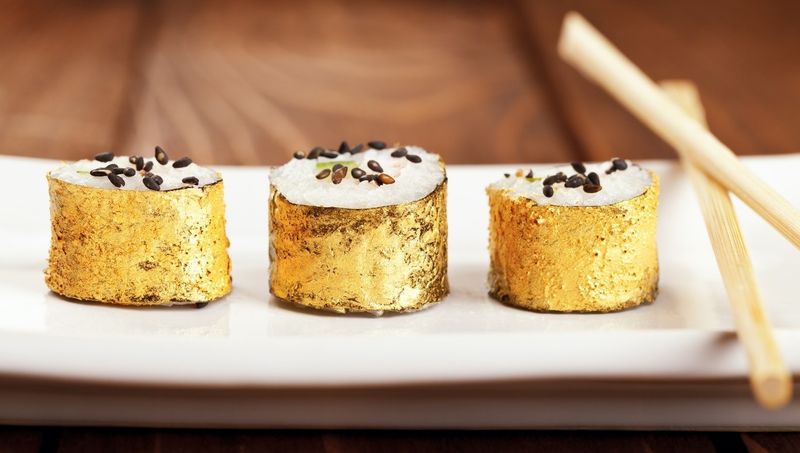
Restaurants charge eye-watering prices for dishes decorated with edible gold leaf or gold flakes, and diners happily pay up for the glittering experience. Gold-dusted burgers, gold-wrapped sushi, and gold-flaked desserts have become Instagram sensations around the world.
The visual impact is undeniable and absolutely camera-ready.
Here is the kicker: gold has absolutely no flavor whatsoever. You are literally paying extra to eat something that tastes like nothing.
The entire value is purely visual, making it perhaps the ultimate example of reputation outrunning reality.
11. Durian
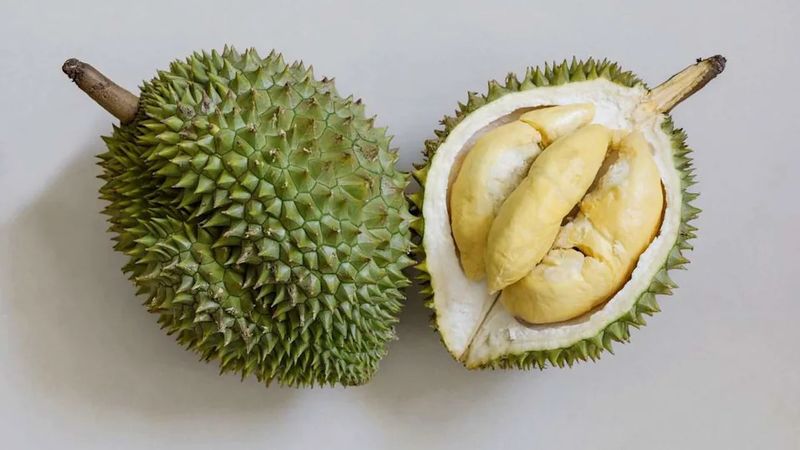
Durian is called the King of Fruits across Southeast Asia, celebrated with an almost religious devotion by its fans. It's banned in hotels and public transport in several countries because of its powerful, pungent odor that hits you long before you see the fruit.
The hype around it is enormous and hard to ignore.
Fans describe the taste as rich, custard-like, and complex. But most first-timers taste something between onion, gym socks, and vanilla pudding, leaving them thoroughly puzzled by the royal title.
12. Oysters
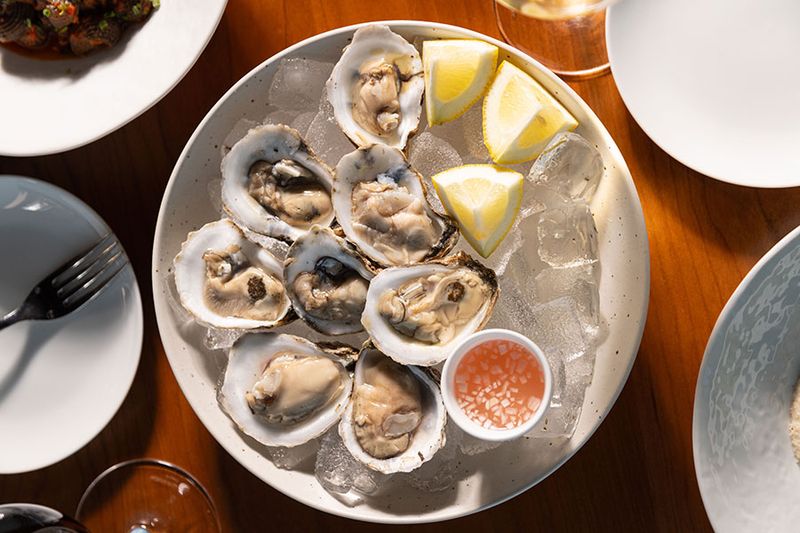
Raw oysters come wrapped in an air of sophistication that dates back centuries. Fancy restaurants serve them on beds of crushed ice with tiny forks, and food lovers speak about their "terroir" the way wine experts discuss vintage grapes.
Ordering them feels like a statement about who you are.
For newcomers, the experience is often a cold, slippery, salty mouthful that slides down before flavor even registers. The ritual and setting often do more for the enjoyment than the oyster itself manages alone.
13. Matcha
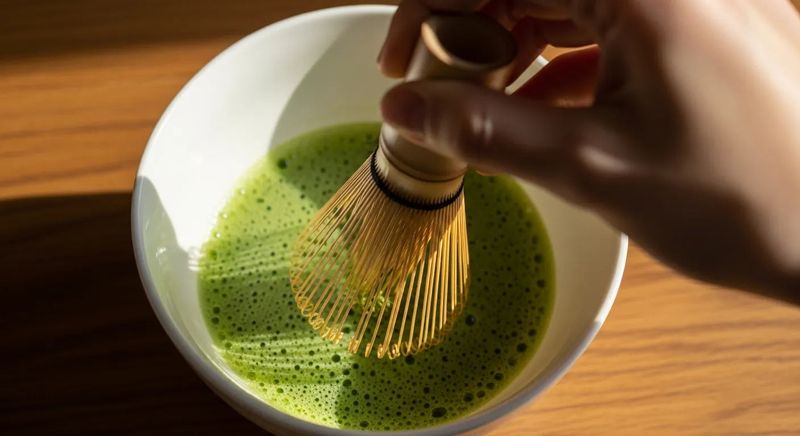
Matcha exploded into mainstream food culture and never looked back, showing up in lattes, cakes, ice cream, and even pasta. The vivid green color is striking, and the health benefits are real, packed with antioxidants and a calm kind of energy boost.
Every coffee shop worth its salt now has a matcha option on the board.
The flavor, however, is grassy, slightly bitter, and earthy in a way that surprises many newcomers. Most people enjoy it only after significant sweetener is added, which somewhat defeats the sophisticated image.
14. Kombucha
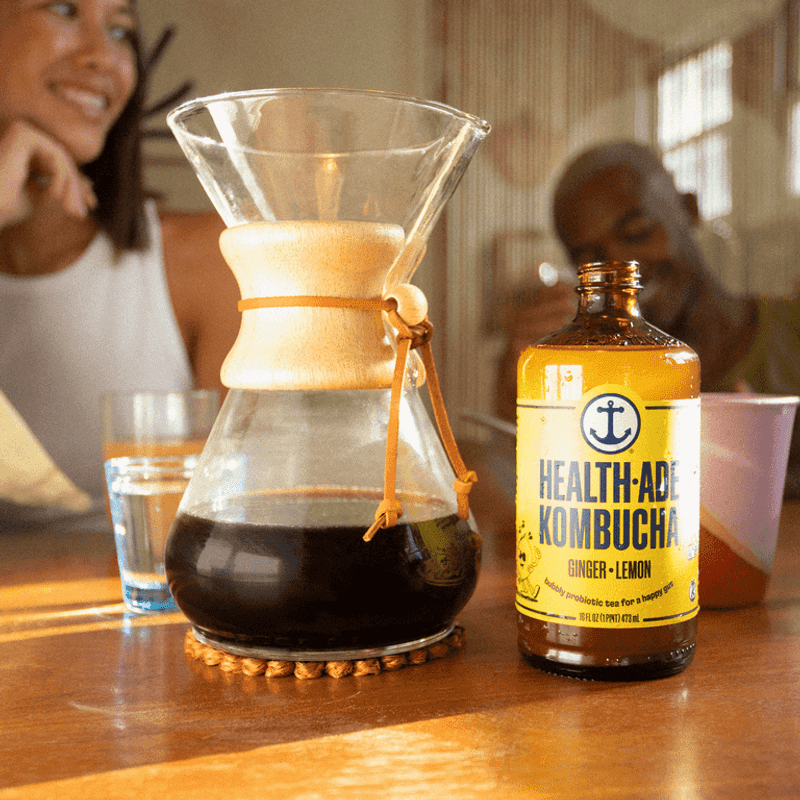
Kombucha became the darling of the wellness world practically overnight, with devoted fans crediting it for everything from better digestion to glowing skin. Colorful bottles line the shelves of health food stores, each promising a probiotic miracle in every sip.
The branding makes it feel like liquid gold for your gut.
Take a sip without expectations, and you'll find a tart, vinegary, slightly fizzy drink that can be genuinely jarring the first time. The taste rarely matches the vibrant, feel-good packaging that surrounds it.
15. Bone Broth
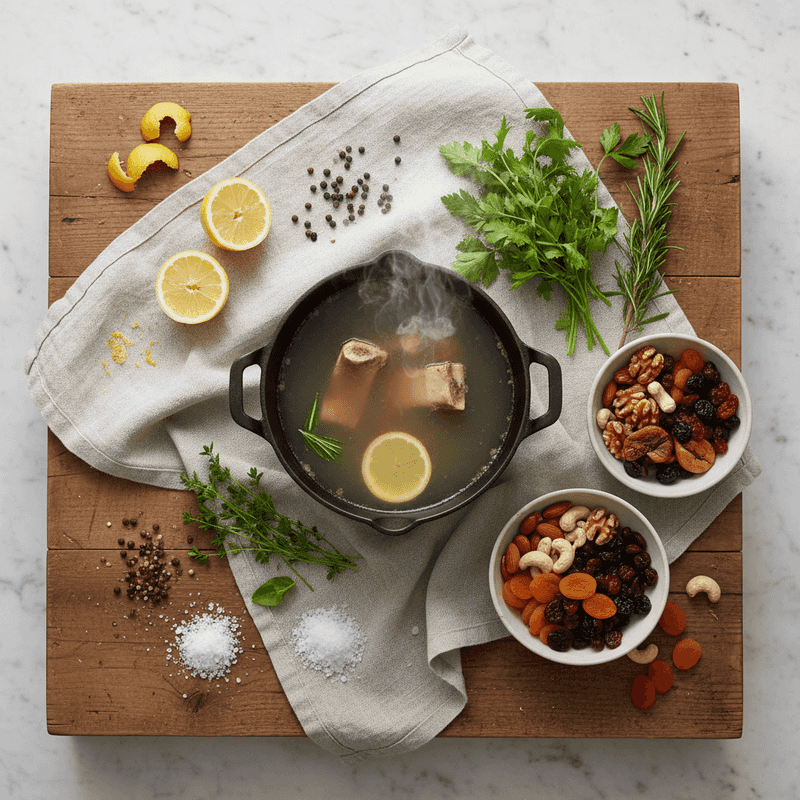
Bone broth became a full-blown wellness obsession, with people sipping it from coffee cups as a morning ritual and paying premium prices for artisan versions at trendy cafes. Nutritionists praised it, celebrities endorsed it, and cookbook authors dedicated entire volumes to its preparation and supposed healing powers.
At the end of the day, it tastes like a fairly plain, thin soup. It can be pleasant and warming, but the gap between the grand health promises and the modest flavor experience is surprisingly wide.
16. Uni (Sea Urchin)
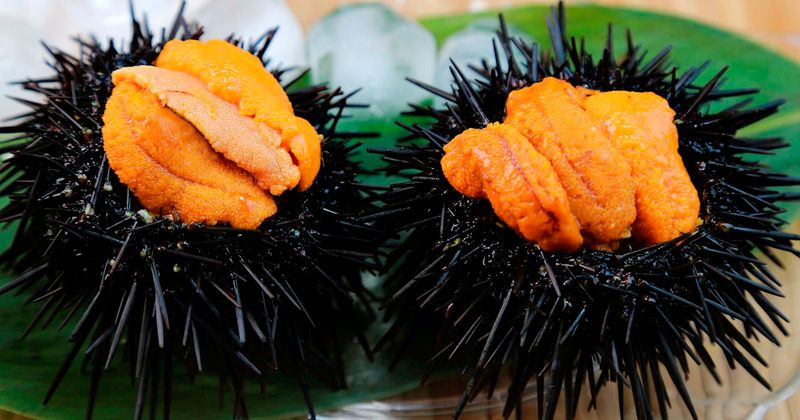
Uni, the bright orange roe of sea urchins, commands some of the highest prices on any sushi menu and is treated with reverence by chefs who call it the "foie gras of the sea." Serious sushi fans consider skipping it almost an act of culinary ignorance. The expectation before tasting it is enormous.
The flavor is intensely oceanic, briny, and slightly sweet in a way that many people find overwhelming rather than delightful. It's a taste that divides rooms cleanly between devoted fans and quietly horrified newcomers.
17. Acai Bowl
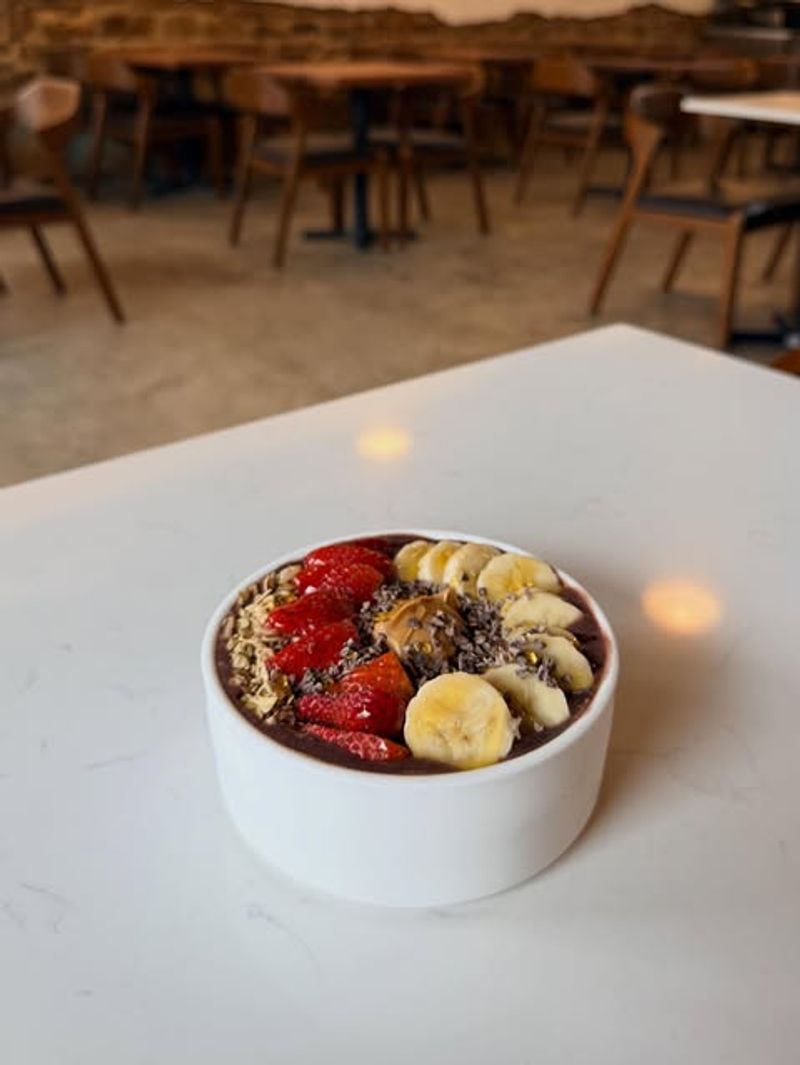
The acai bowl became the poster child of healthy, Instagram-worthy eating, filling social media feeds with gorgeous purple bowls topped with artfully arranged fruits and seeds. Originating in Brazil, acai berries were marketed as a superfood powerhouse, and cafes charged premium prices for the privilege of eating one.
Plain acai actually tastes quite bland and earthy, almost like unsweetened dark chocolate mixed with soil. The toppings, sweeteners, and granola are doing most of the flavor work in every single bowl you eat.
18. Artisan Toast
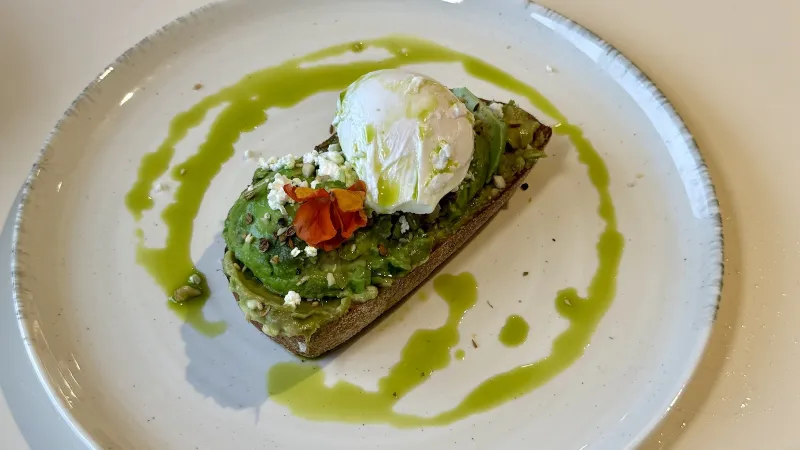
At some point, toast became a luxury item, with upscale brunch spots charging $14 or more for a single slice of sourdough with toppings. Artisan bread culture exploded, and suddenly the humble act of toasting bread became a statement about craftsmanship, sourcing, and lifestyle values.
Food writers treated it as a revelation.
When you strip away the story and the setting, it is still toast. Good bread is genuinely enjoyable, but the price tag and cultural weight placed on it rarely match what lands on your plate.
19. Activated Charcoal Food
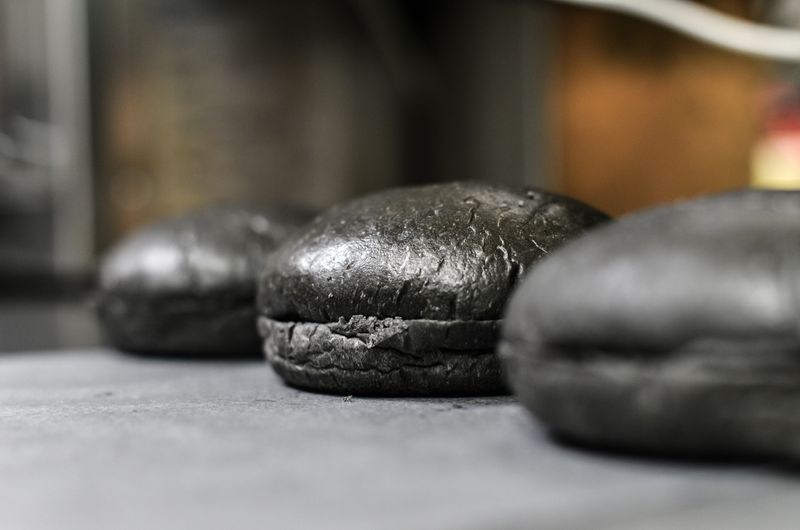
Black food had a serious moment when activated charcoal started appearing in burger buns, ice cream, lemonade, and pizza crusts at trendy restaurants everywhere. The dramatic, jet-black color made every dish look mysterious and wildly photogenic, and people lined up purely for the visual spectacle it created on their phones.
The charcoal itself adds almost no flavor at all to whatever it touches. You are essentially paying extra for black food coloring with a wellness backstory, and the taste never quite justifies the dramatic appearance.
Comments
No Comments