













Britain has a complicated relationship with color — at least when it comes to food. Walk into any British home, school canteen, or seaside cafe, and you'll find a glorious parade of golden, tan, and cream-colored dishes that somehow feel like a warm hug.
From battered fish to buttery pastry, beige food rules the plate. Here are 20 classic British foods that prove the nation has turned pale, starchy, and fried into an art form.
1. Fish and Chips
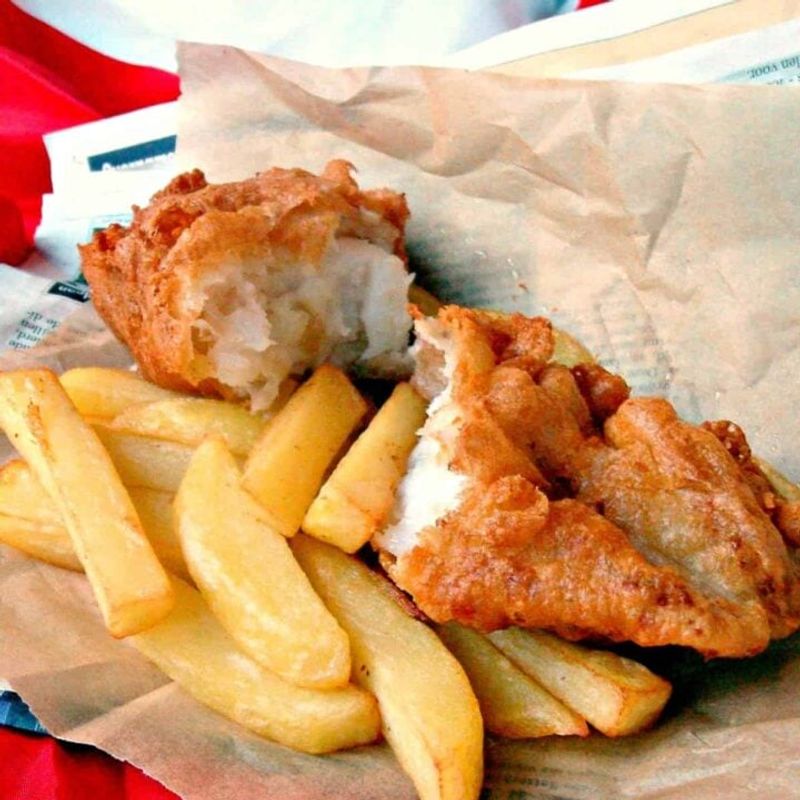
Nothing says Britain quite like a paper-wrapped parcel of golden battered cod and thick, fluffy chips. The crunch of that batter hitting your ears before it hits your taste buds is practically a national anthem.
Fish and chips became a working-class staple in the 1800s, keeping hungry factory workers fed on the cheap.
Today, there are over 10,500 chip shops across the UK. Salt, vinegar, and a wooden fork are all you need.
2. Sausage Roll
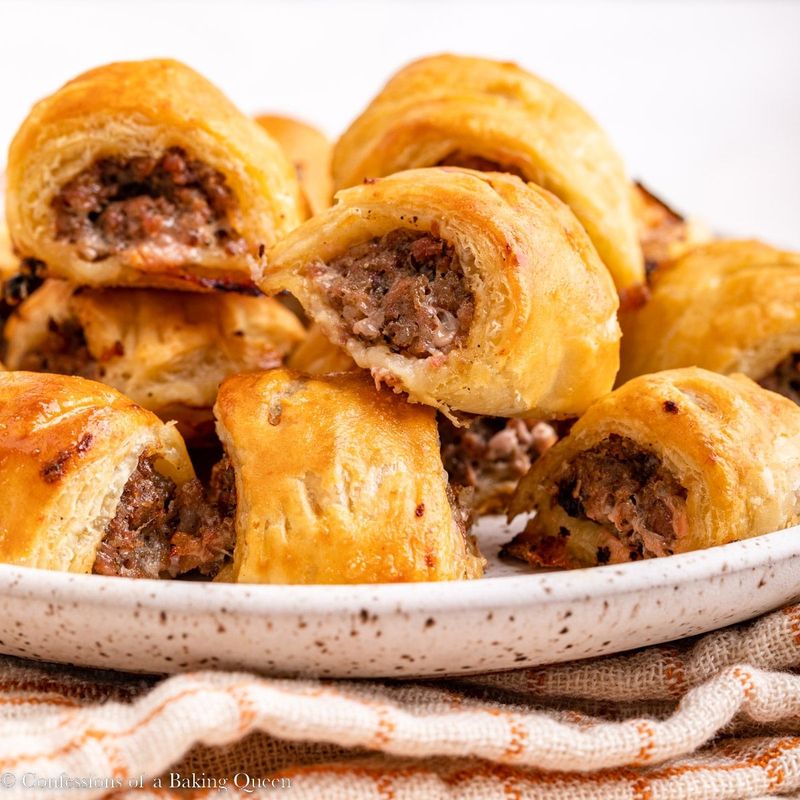
Gregg's sausage rolls have basically become a British cultural icon at this point. Flaky, buttery pastry wrapped around seasoned pork mince — it sounds simple, but somehow it tastes like pure comfort.
The humble sausage roll has been around since the early 1800s and has never once gone out of style.
Hot from the bakery or cold from a lunchbox, both versions have their loyal fans. Beige perfection, every single time.
3. Cornish Pasty
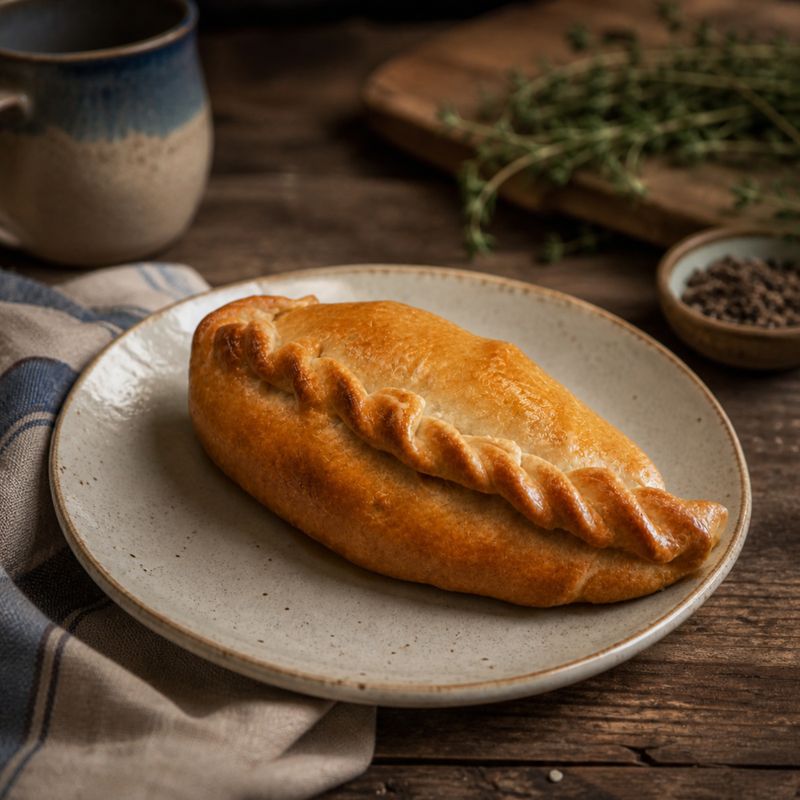
Miners in Cornwall used to eat these D-shaped pastry parcels underground, holding the crimped crust with dirty hands and throwing that bit away afterward. That edge wasn't just decorative — it was edible cutlery.
The Cornish pasty earned protected geographical status in 2011, meaning only pasties made in Cornwall can carry that name.
Packed with beef, potato, swede, and onion, every bite is dense, hearty, and magnificently beige inside and out.
4. Jacket Potato
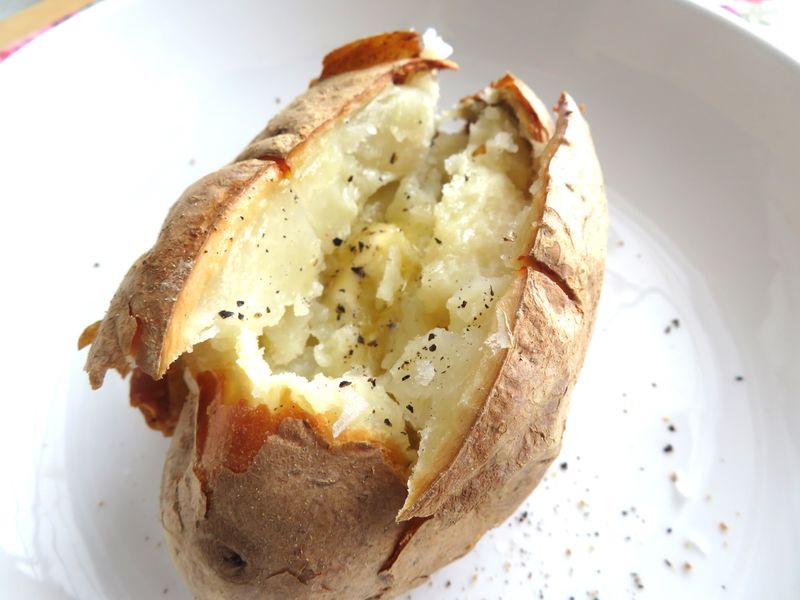
Few things in life are as deeply satisfying as cracking open a jacket potato with your thumbs and watching steam rise from the fluffy white center. Brits have been baking potatoes in their skins since the 16th century, and the concept has barely needed improving since.
School canteens across the country have served millions of these.
Add baked beans, cheese, or tuna mayo on top, and you've got a full meal that costs almost nothing.
5. Scotch Egg
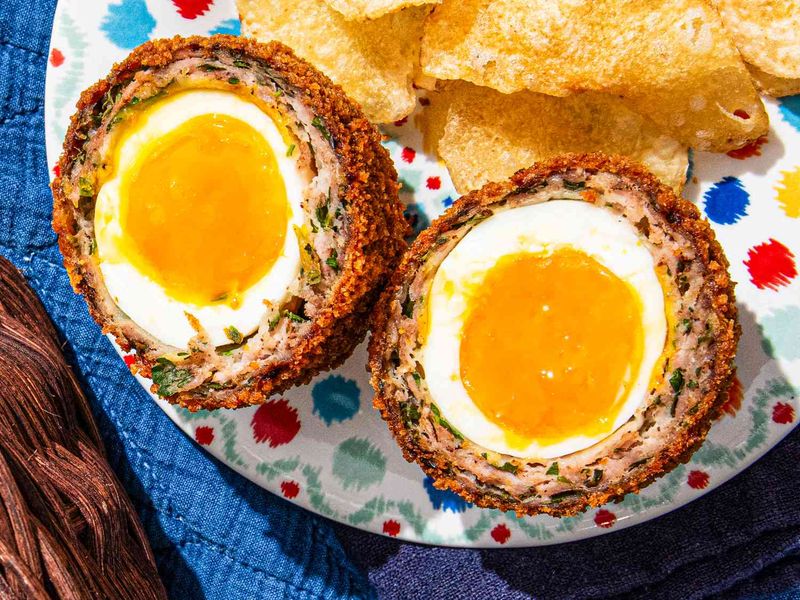
A hard-boiled egg wrapped in sausage meat, rolled in breadcrumbs, and deep-fried — on paper it sounds odd, but in practice it's genius. Scotch eggs have been a British picnic staple since Fortnum and Mason claimed to have invented them back in 1738.
Whether that story is true or not, the snack stuck around.
The crispy golden shell gives way to savory meat and a perfectly cooked egg center. Portable, filling, and unmistakably beige.
6. Bread and Butter Pudding
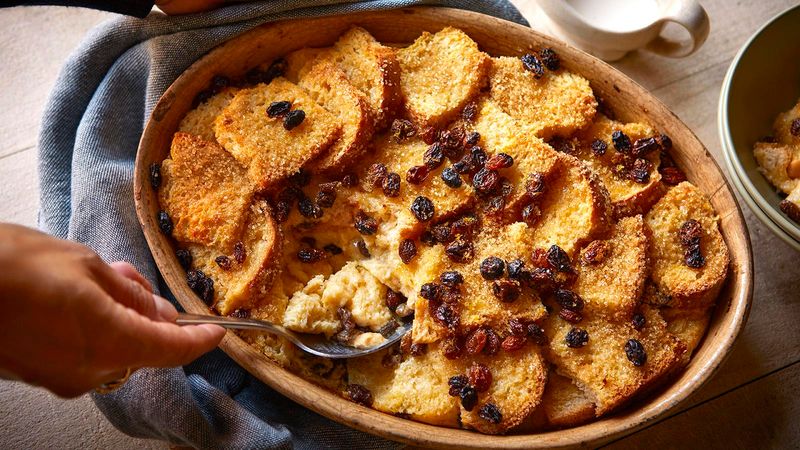
Born from the very British desire to never waste a stale loaf, bread and butter pudding turns leftover bread into something genuinely luxurious. Slathered in butter, layered with raisins, and soaked in a vanilla custard before baking, it comes out of the oven golden-topped and wobbly in the middle.
Recipes date back to the 13th century.
Served warm with a pour of cream or a scoop of vanilla ice cream, it is old-fashioned comfort at its finest.
7. Chip Butty
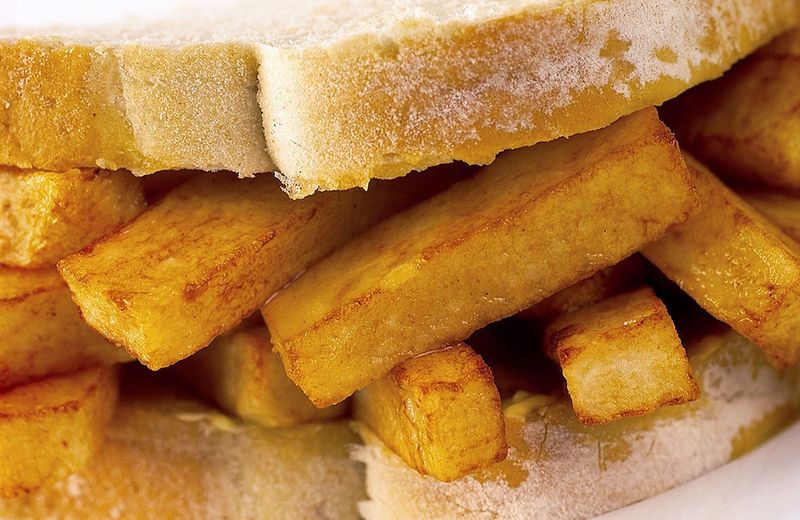
Chips stuffed inside buttered white bread. That is it.
That is the entire recipe, and somehow it works magnificently. The chip butty is peak British food philosophy — take something already great and put it between two slices of bread.
Northern England claims this sandwich most fiercely, though the whole country enjoys it.
Soft bread, hot chips, a slick of butter, and optional ketchup make this one of the most satisfying beige-on-beige food combinations ever invented.
8. Yorkshire Pudding
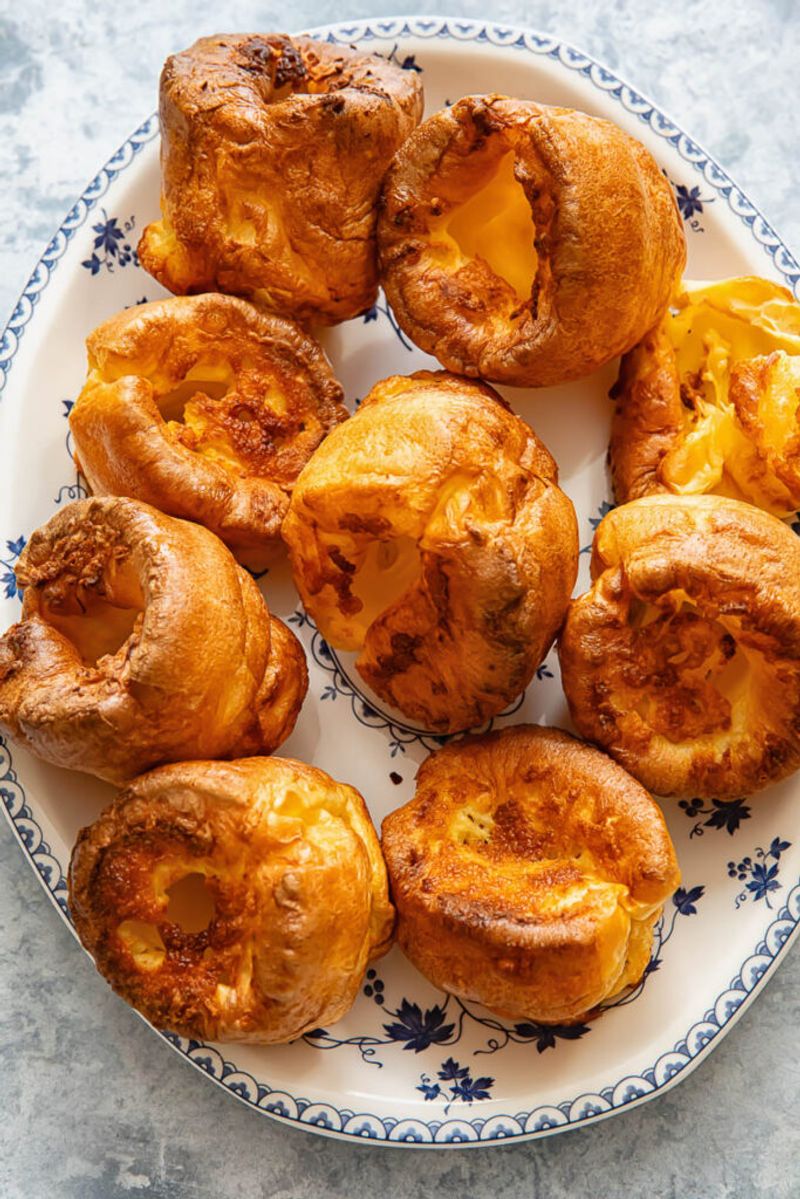
Yorkshire puddings are technically made from a simple batter of eggs, flour, and milk — yet somehow they come out as dramatic, hollow, golden towers that steal the show at every Sunday roast. The key is scorching hot fat in the tin before the batter goes in.
Get that wrong, and they collapse into sad flat discs.
First recorded in 1737, these crispy, chewy cups of joy have been confusing and delighting non-Brits for centuries. Absolutely unmissable.
9. Cream Cracker
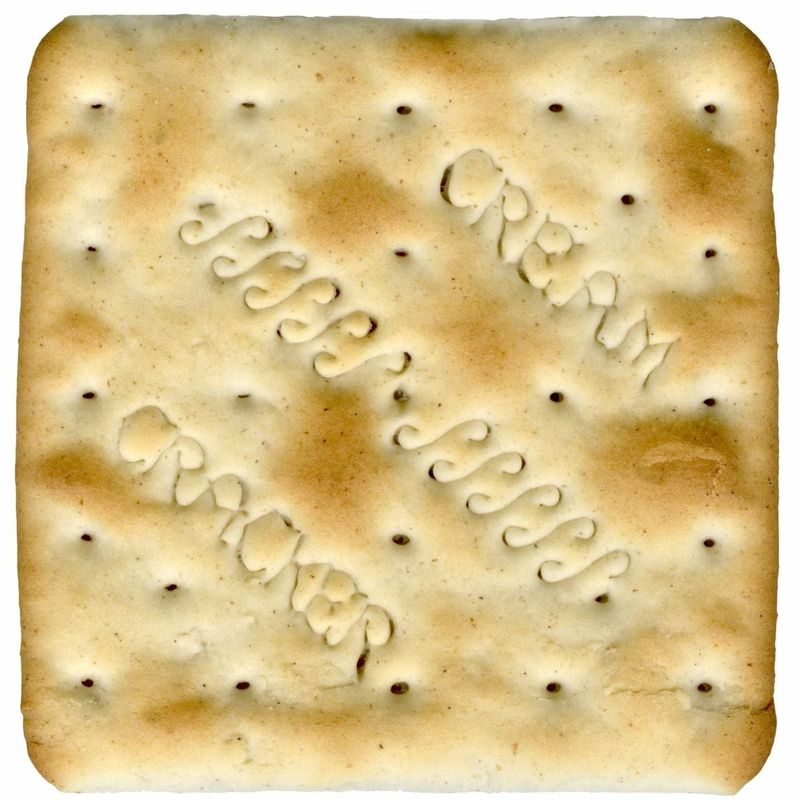
Dry, crumbly, and almost aggressively plain — cream crackers somehow remain one of Britain's best-loved snacks. Invented in Ireland in 1885 and later popularized across the UK, these crackers have a texture that manages to be both satisfying and completely unremarkable at the same time.
Paired with cheddar or a scrape of butter, they become genuinely enjoyable.
There is something oddly comforting about their simplicity. No bells, no whistles — just a pale, crunchy square of pure beige energy.
10. Custard
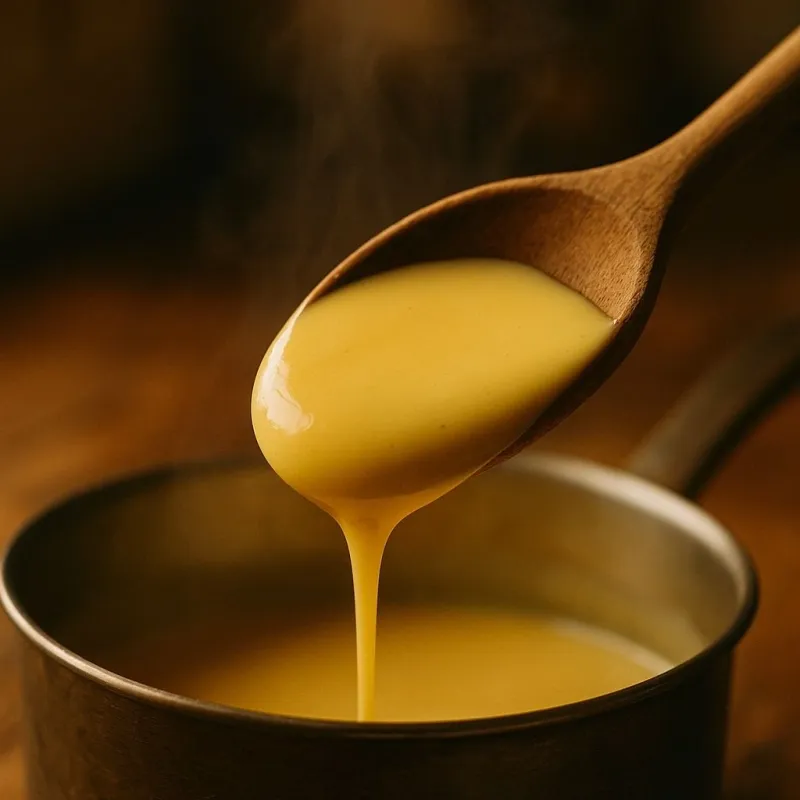
Bird's Custard was invented in 1837 by Alfred Bird, whose wife was allergic to eggs — meaning classic British custard does not actually contain them. Made from cornstarch, sugar, and vanilla, it turns into that familiar pale yellow sauce that gets poured over literally everything for dessert.
Sponge cake, crumble, pie — nothing escapes.
The warm, sweet smell of custard cooking on the hob is deeply nostalgic for most British people. It is the ultimate beige comfort blanket in liquid form.
11. Shortbread
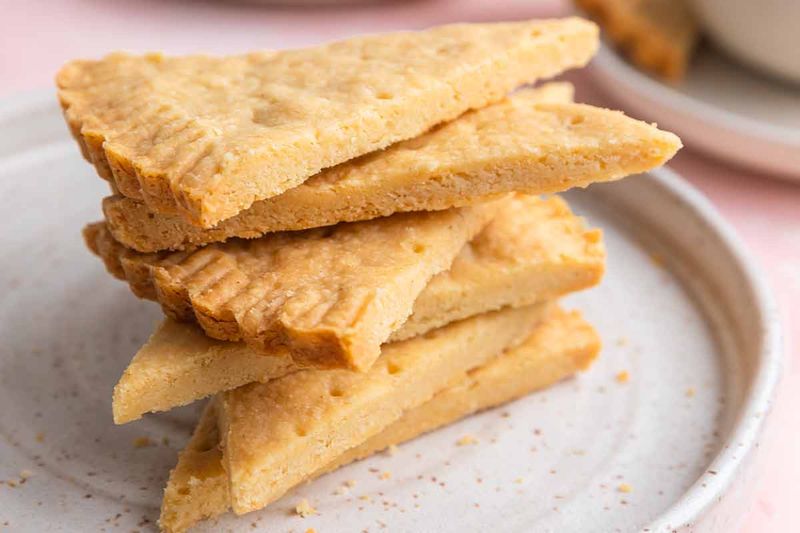
Shortbread is essentially butter held together by a small amount of flour and sugar, and the fact that it tastes incredible makes complete sense once you realize that. Originating in Scotland, this crumbly biscuit was once considered a luxury reserved for special occasions like Christmas and weddings.
Mary Queen of Scots was apparently a huge fan.
The texture — dry, sandy, and rich all at once — is unlike any other biscuit. One bite and you understand exactly why it has lasted 500 years.
12. Mushy Peas
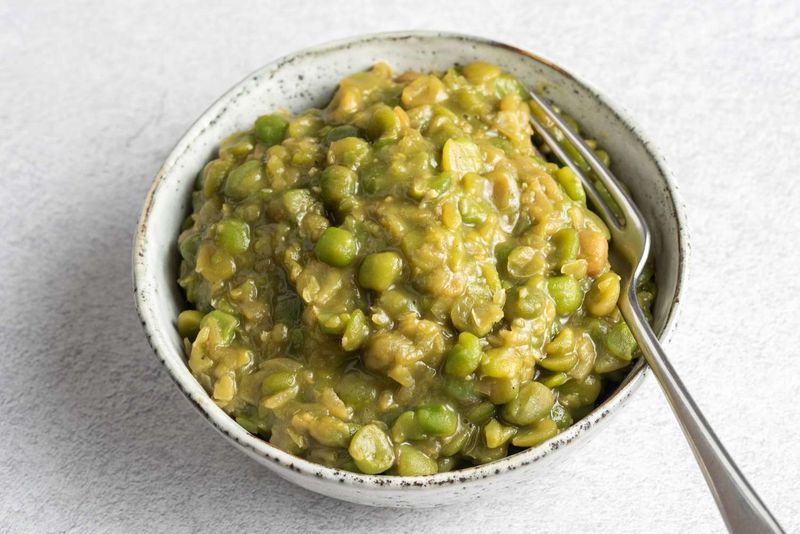
Okay, mushy peas are technically green — but once cooked down into that thick, khaki-colored mush, they earn an honorary spot in the beige hall of fame. Made from dried marrowfat peas soaked overnight and simmered until they collapse, they have been a chip shop side dish for generations.
Some people love them passionately. Others are baffled by their existence.
Either way, ordering fish and chips without offering mushy peas feels almost illegal in Yorkshire. Their earthy, slightly sweet flavor genuinely grows on you.
13. Digestive Biscuit
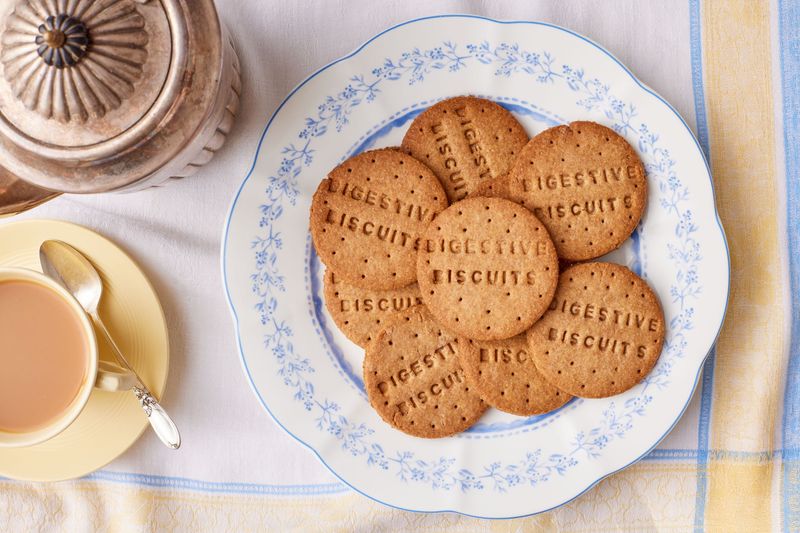
The digestive biscuit was created in 1839 and supposedly aided digestion thanks to its sodium bicarbonate content — a claim that was quickly debunked but did nothing to slow its popularity. Today, McVitie's sells around 71 million packs per year in the UK alone.
That is an almost incomprehensible number of biscuits.
Dunked in tea until just soft enough to eat but not so long it disintegrates — that is a British skill developed over years of practice. Golden, grainy, and totally reliable.
14. Pork Scratchings
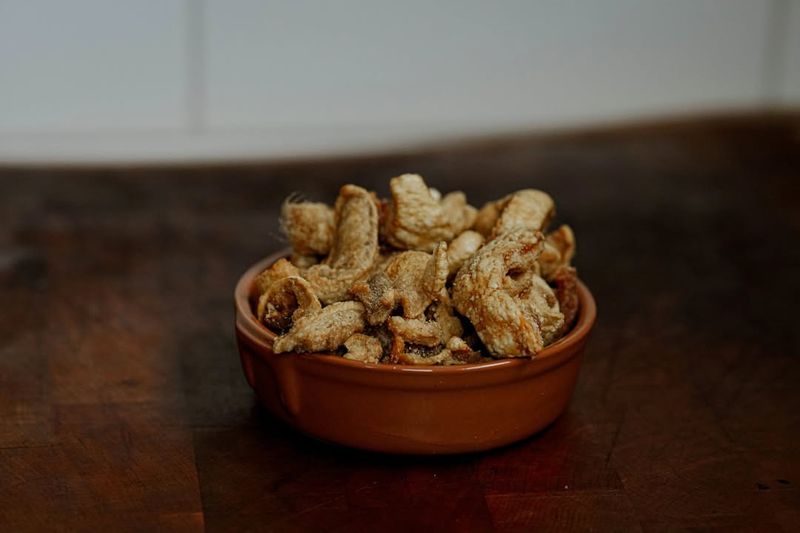
Pork scratchings are basically deep-fried pig skin, and they are eaten enthusiastically across the UK, particularly in pubs. The texture ranges from airy and crispy to chewy and dense depending on how they are made, and the really good ones come with a tiny layer of fat underneath the crackling.
They have been a pub snack since at least the 1800s.
Salty, fatty, and deeply savory, pork scratchings are the kind of snack that is hard to stop eating once you start. Distinctly golden and very, very beige.
15. Battered Sausage
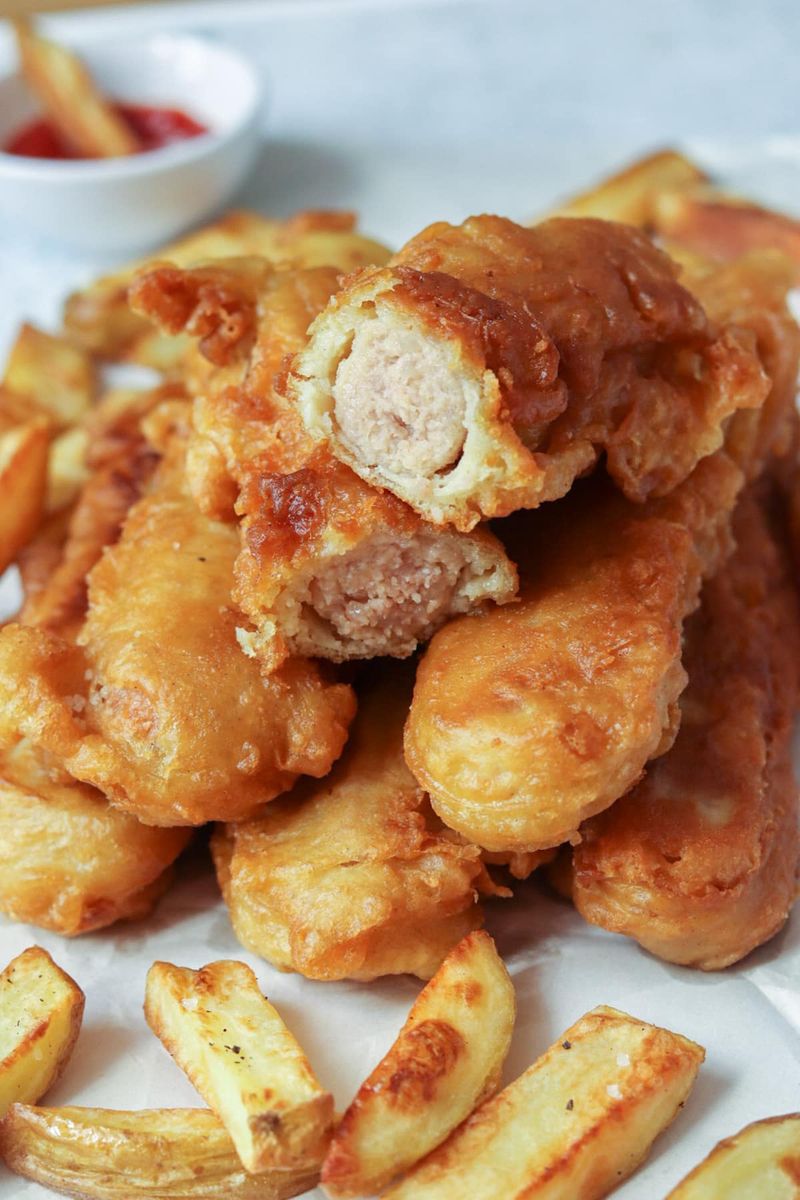
If fish and chips is the star of the chip shop menu, the battered sausage is the lovable supporting character that nobody talks about enough. A pork sausage dipped in the same golden batter as the fish and deep-fried until magnificently crispy — it is gloriously simple and surprisingly satisfying.
Kids and adults order it with equal enthusiasm.
The inside stays soft and juicy while the outside snaps with every bite. Paired with chips and ketchup, it is chip shop comfort at its most unapologetic.
16. Crumpet
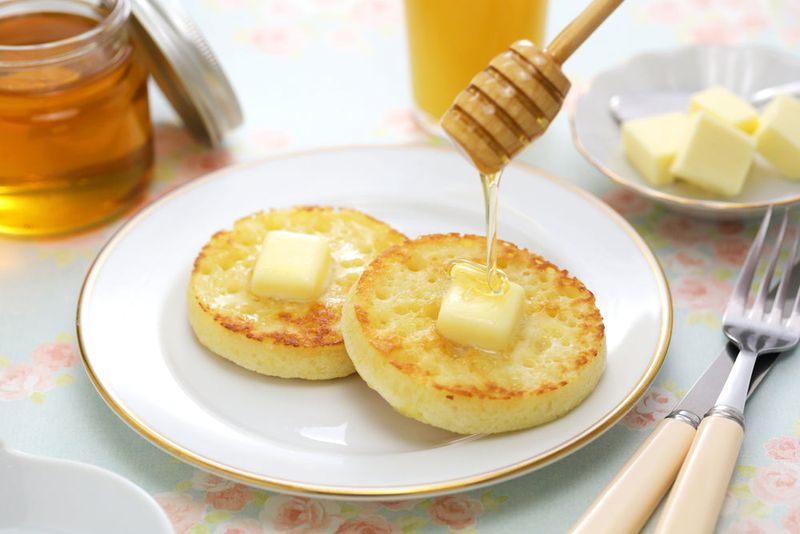
Crumpets are essentially spongy, hole-filled rounds of yeasted batter that exist for one purpose: to hold as much melted butter as humanly possible. Toast them until the surface turns golden and slightly crispy, then add butter immediately so it sinks into every little pore.
The result is one of the most satisfying textures in British food.
They have been eaten in England since at least the 17th century. Warm, soft, and dripping with butter — crumpets are the definition of a cozy autumn afternoon.
17. Spotted Dick
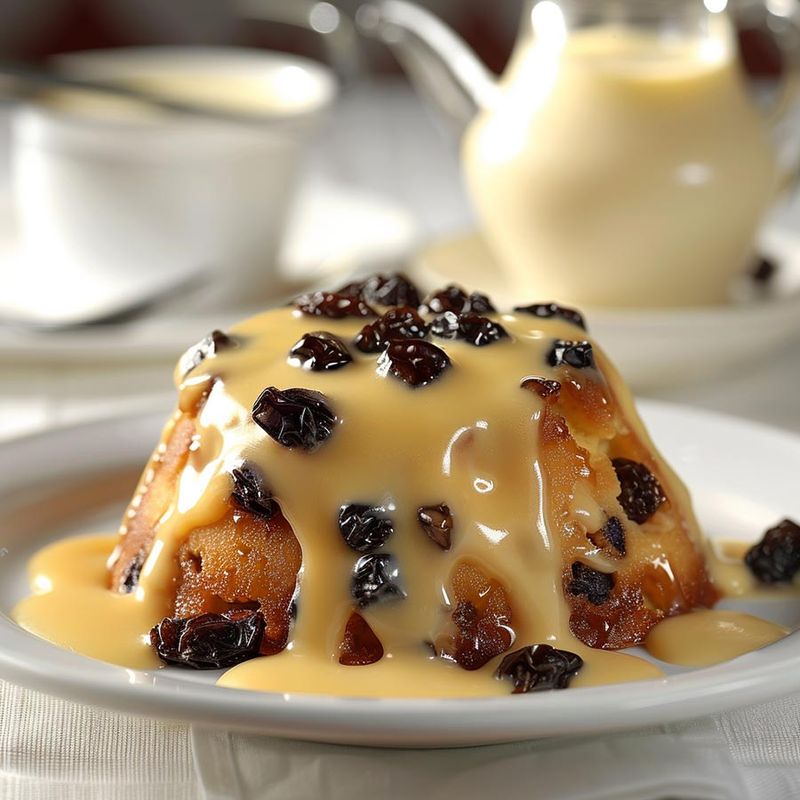
Yes, the name makes people giggle every time — and that is part of its charm. Spotted dick is a traditional British steamed suet pudding studded with currants or raisins, and it has been on British menus since at least 1849.
The name likely comes from an old dialect word for pudding, combined with the spots from the dried fruit.
Served warm with lashings of custard, it is stodgy, sweet, and deeply old-fashioned in the best possible way. Comfort food from another era.
18. White Bread Toast
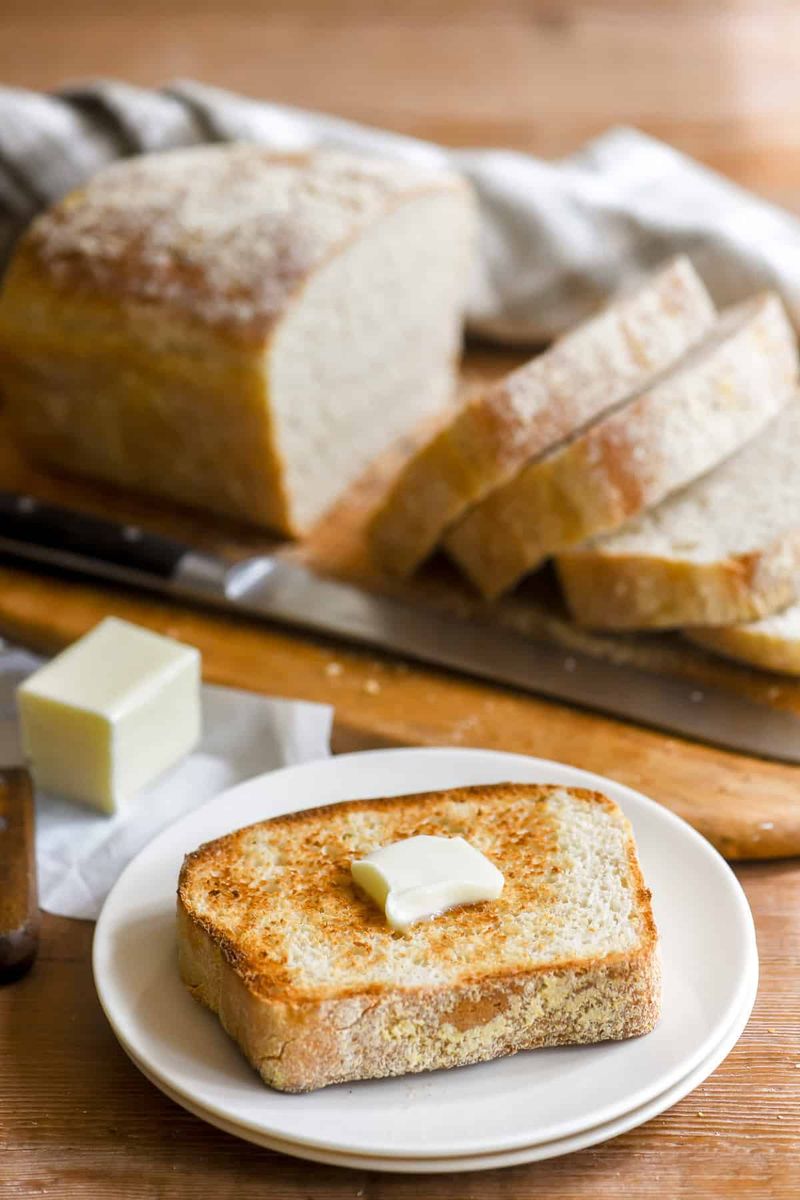
Ask most British people what their ultimate comfort food is and plenty will say toast. Not fancy sourdough or artisan rye — plain white bread, pushed through the toaster until golden, then buttered immediately while hot.
The science of toast is well-documented, with researchers actually studying why it smells and tastes so satisfying.
Whether eaten at midnight after a night out or at 7 a.m. before school, white toast is Britain's most democratic food. Simple, fast, and endlessly comforting.
19. Pasty Slice
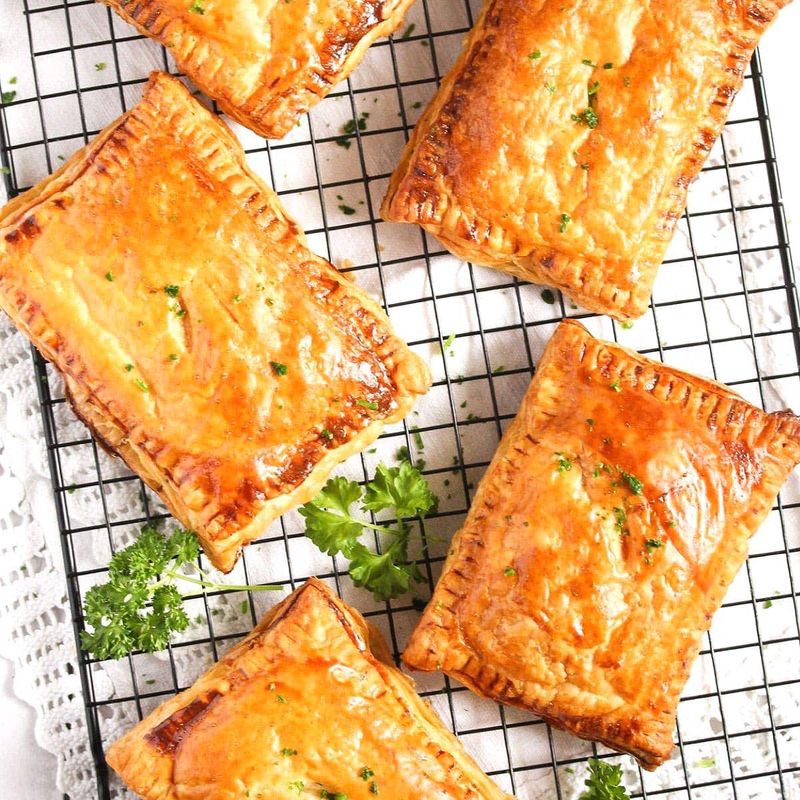
Found in every British bakery from Greggs to local independents, the pasty slice is a rectangular puff pastry parcel filled with minced beef and onion, baked until golden and flaky. It is less fancy than a Cornish pasty but arguably more accessible — grab it warm, eat it walking down the high street, and be done in four minutes.
The pastry shatters into crumbs with every bite. Nobody eats one of these without making a mess, and that is perfectly fine.
20. Custard Cream
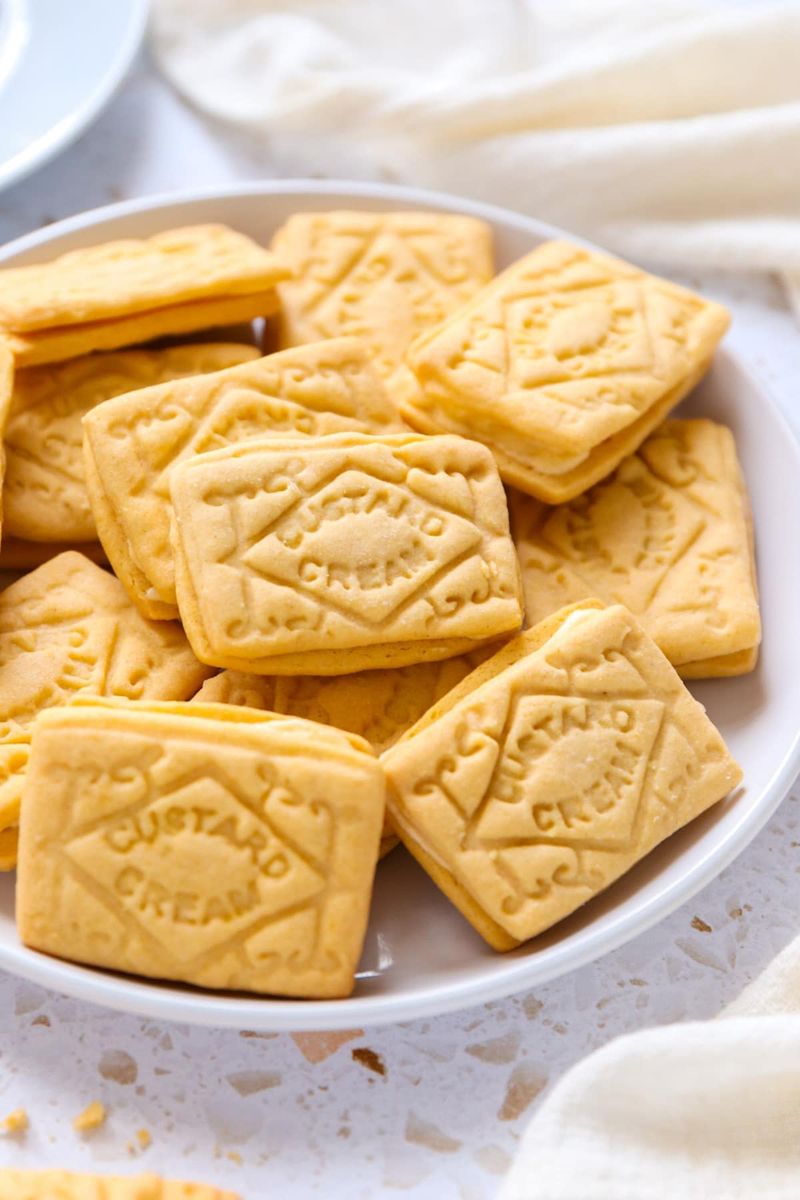
Custard creams have been Britain's favorite biscuit in multiple national surveys — and once you factor in the vanilla-flavored cream sandwiched between two embossed, pale golden biscuits, the appeal is obvious. They were first produced in 1908 and have barely changed since, which tells you everything about how right they got it first time.
The proper way to eat one is to twist the two halves apart and lick the cream first. Anyone who bites straight through is living dangerously and should not be trusted.



Comments
No Comments