













Long before supermarket shelves were stacked with identical loaves, every village in the UK had its own baker crafting something truly special. These small, local bakeries passed down recipes through generations, creating breads and bakes with stories baked right into them.
Many of these recipes have quietly disappeared as high street chains took over, but they deserve to be remembered. From crumbly regional pastries to dense, hearty loaves, these forgotten bakes are a delicious piece of British history.
1. Huffkin (Kent)
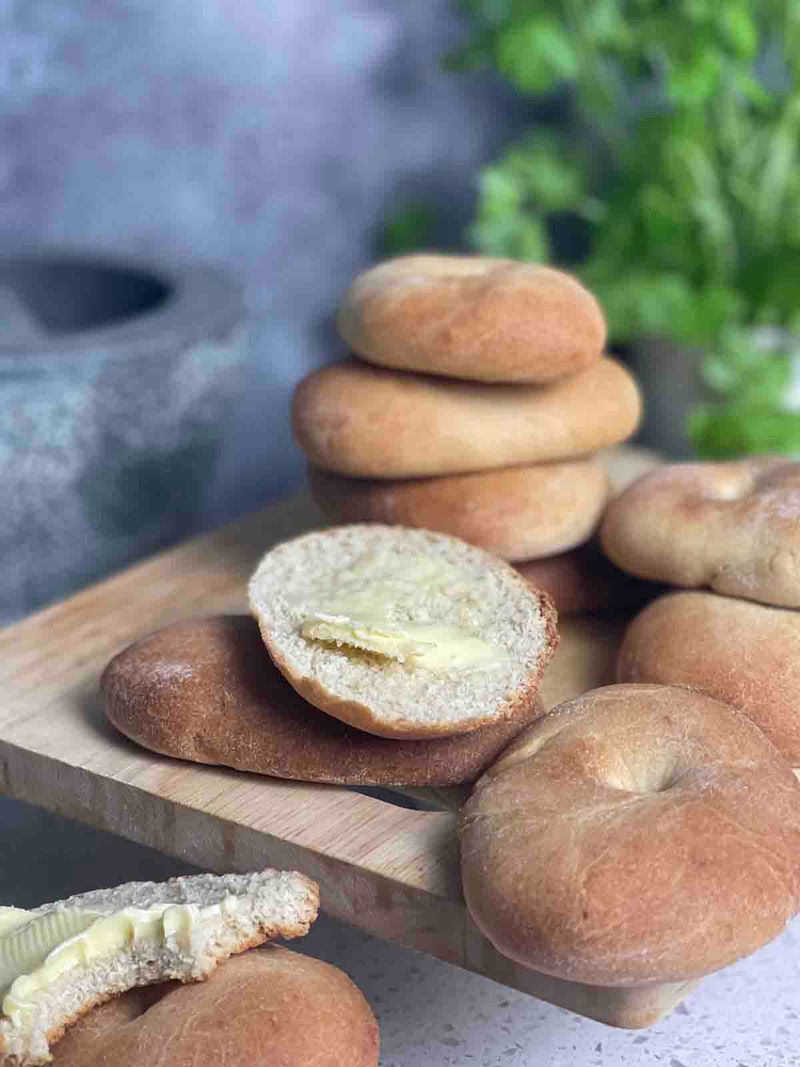
Soft, pillowy, and with a little dimple pressed right into the top, the Huffkin is one of Kent's most charming forgotten breads. Bakers in small Kentish villages once made these oval rolls by the basketful, especially for harvest festivals and hop-picking season.
The dimple was not just for looks. It helped the roll bake evenly without cracking.
Spread with butter and local jam, a fresh Huffkin was a true treat that very few people outside Kent have ever tasted.
2. Lardy Cake (Wiltshire)
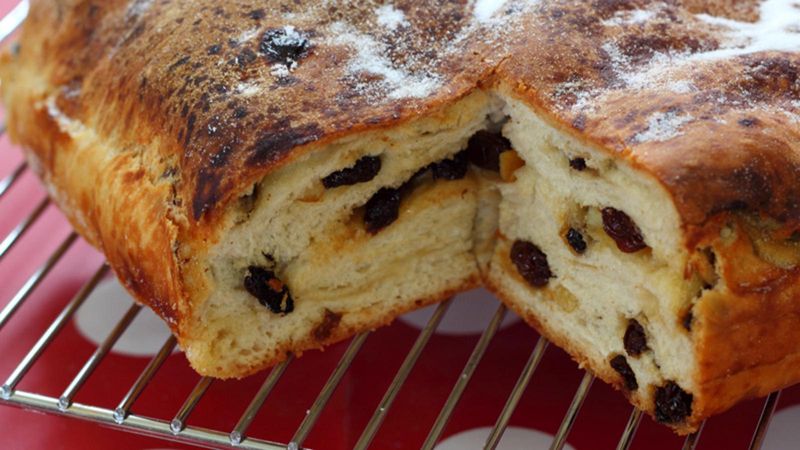
Rich, sticky, and gloriously indulgent, Lardy Cake was once the pride of Wiltshire bakers who made it on baking day using leftover bread dough. Lard, sugar, dried fruit, and spices were folded in layers to create something almost impossibly good.
It was never meant to be a health food. Farm workers needed the calories, and this bake delivered.
Today, only a handful of traditional bakers still make it properly, which makes finding a genuine slice feel like striking gold.
3. Manchet Roll (Medieval England)
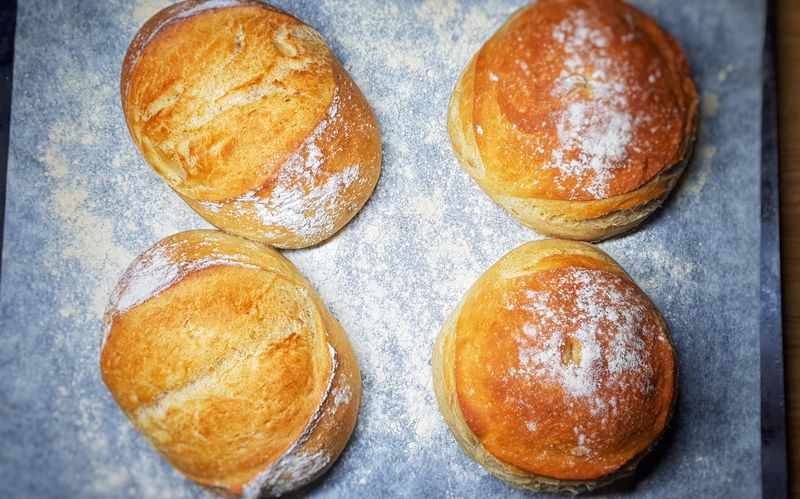
Once considered the finest white bread in England, the Manchet was a small, elegant roll baked in grand households and village bakeries alike during the Tudor and Stuart periods. Made from finely sifted flour, it was a status symbol on the dinner table.
Most people have never heard of it today. A few heritage bakers and food historians have brought it back, but it remains wonderfully obscure.
Biting into one is like tasting a slice of English history that textbooks rarely mention.
4. Staffordshire Oatcake
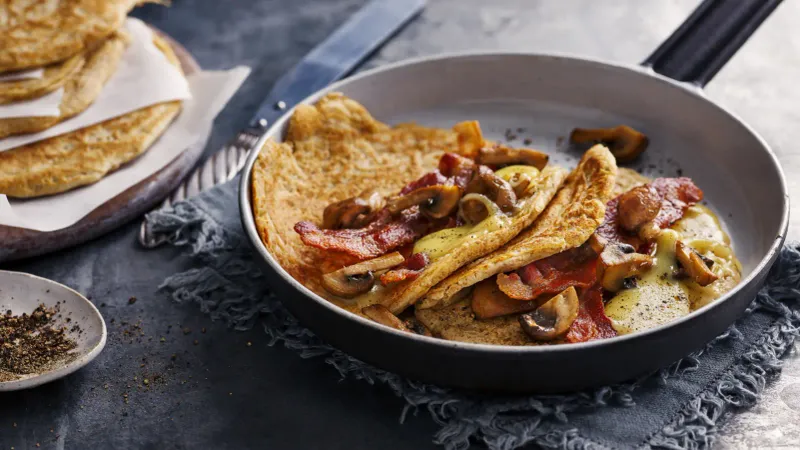
Forget the hard, crunchy Scottish variety. The Staffordshire Oatcake is a soft, floppy, yeasted pancake made with oatmeal, and it is entirely its own thing.
Local families in the Potteries area of Staffordshire have eaten these for breakfast for centuries.
Small oatcake shops once dotted every street corner in towns like Hanley and Burslem. Filled with cheese, bacon, or black pudding and folded in half, this humble bake is pure comfort food.
Outside Staffordshire, almost nobody knows it exists.
5. Devonshire Split
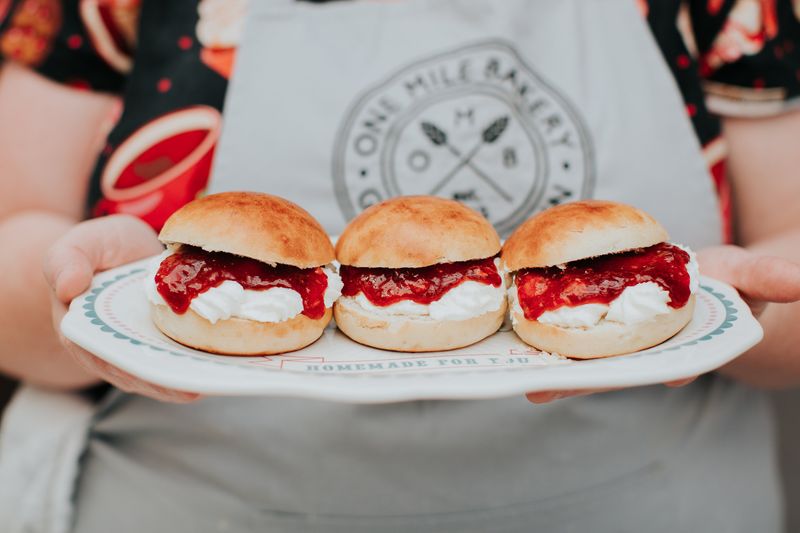
Softer than a scone and rounder than a dinner roll, the Devonshire Split is a sweet, cloud-like bun that was once the centrepiece of every Devon cream tea. Village bakers made them fresh each morning, and they sold out before noon.
The proper way to eat one is split open with clotted cream first, then jam. Today the scone has almost entirely stolen its spotlight, which is a genuine shame.
Anyone lucky enough to find a true Devonshire Split from a local baker will understand exactly what has been lost.
6. Cornish Saffron Cake
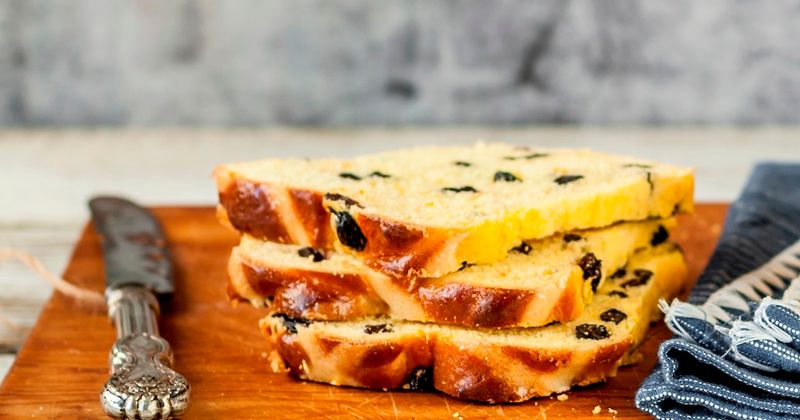
Bright yellow and faintly sweet, Cornish Saffron Cake gets its vivid colour from real saffron threads soaked in warm water before being mixed into the dough. Cornish bakers have been making this since the Middle Ages, when spice traders brought saffron to the ports.
It tastes gently floral, a little citrusy, and completely unlike anything else. Sadly, the cost of saffron and changing tastes have pushed it to near extinction.
A few dedicated Cornish bakeries still make it, and every loaf feels like a small act of cultural preservation.
7. Fat Rascals (Yorkshire)
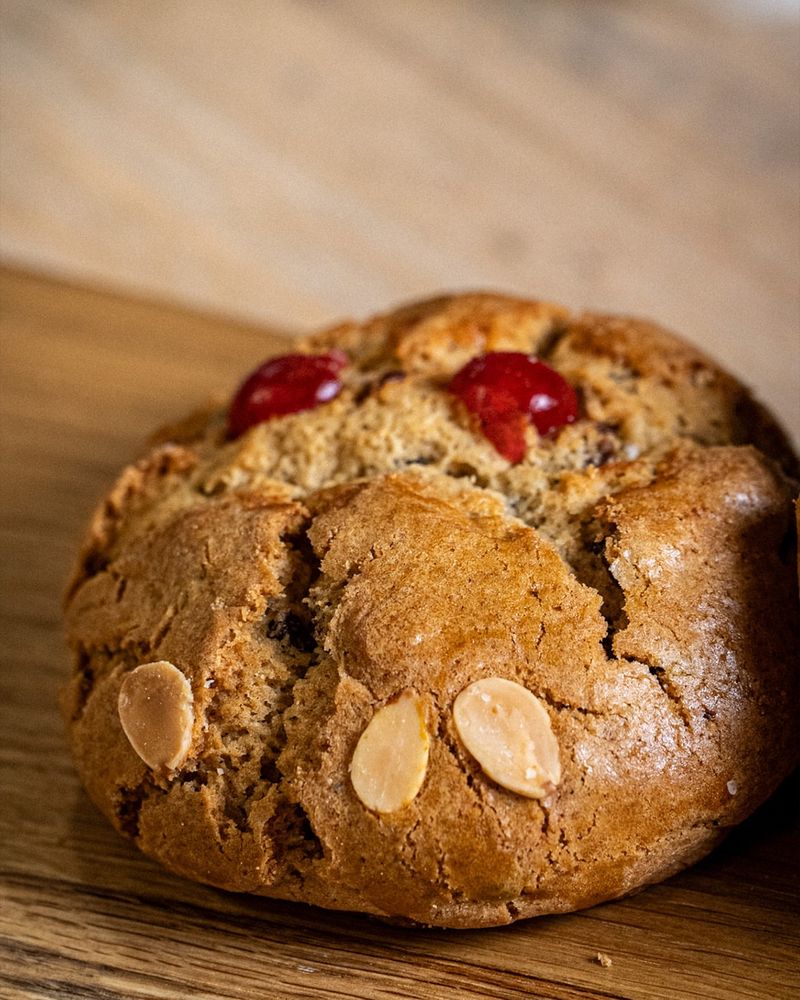
Half scone, half rock cake, and entirely Yorkshire, the Fat Rascal is a lumpy, fruit-studded bake that has been enjoyed in the county for centuries. Traditional village bakers decorated them with glacé cherries and blanched almonds pressed into the top to make little faces.
They are meant to look slightly odd and taste absolutely wonderful. The name alone makes people smile.
While Bettys tea room in Harrogate has helped keep them famous, the original Fat Rascal belonged to small village bakers long before any fancy tea room claimed the recipe.
8. Bara Brith (Wales)
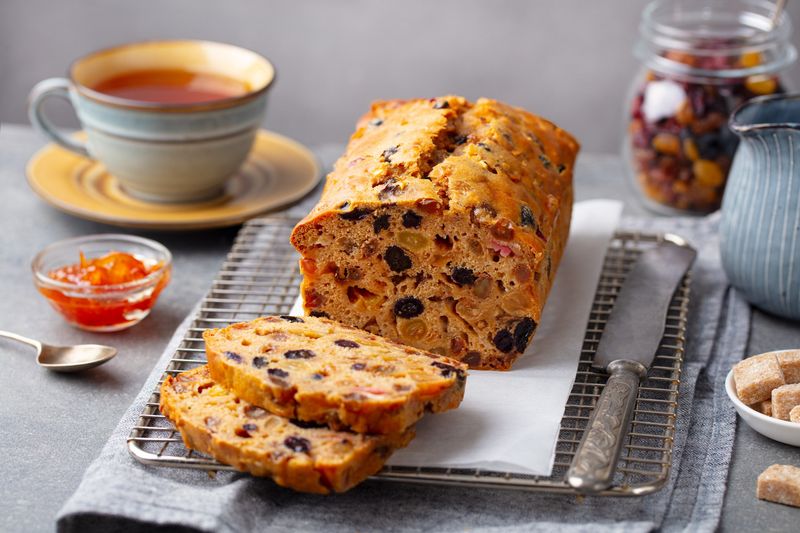
Translated loosely as speckled bread, Bara Brith is a Welsh tea loaf packed with dried fruit that has been soaked overnight in strong tea. Every Welsh village once had its own version, with subtle differences in spice, sweetness, and fruit combinations passed down through families.
Some bakers use yeast for a bread-like texture, others use baking powder for something closer to a cake. Eating a proper slice with salted Welsh butter is a deeply satisfying experience.
Sadly, many of the most personal, handcrafted recipes have disappeared along with the bakers who held them.
9. Singing Hinny (Northumberland)
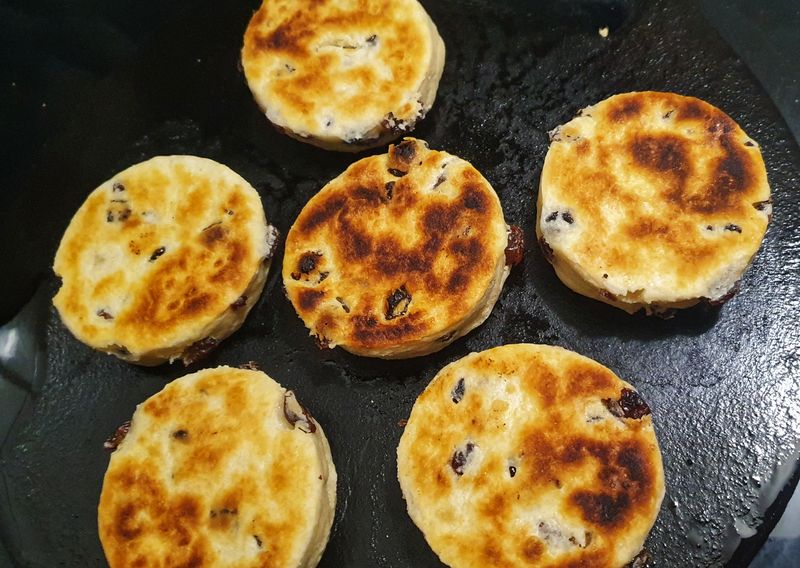
The name comes from the sizzling sound it makes as it cooks on a hot griddle. A Singing Hinny is a flat, round cake made with flour, lard, currants, and cream, and it belongs entirely to the baking tradition of Northumberland and the north-east of England.
Village bakers and home cooks made these on bakestone griddles long before ovens were common in every home. Eaten warm, split open, and buttered generously, the Singing Hinny is one of the most comforting things you can eat.
Very few people outside the region have ever encountered one.
10. Kentish Huffkin's Cousin: The Coburg Loaf
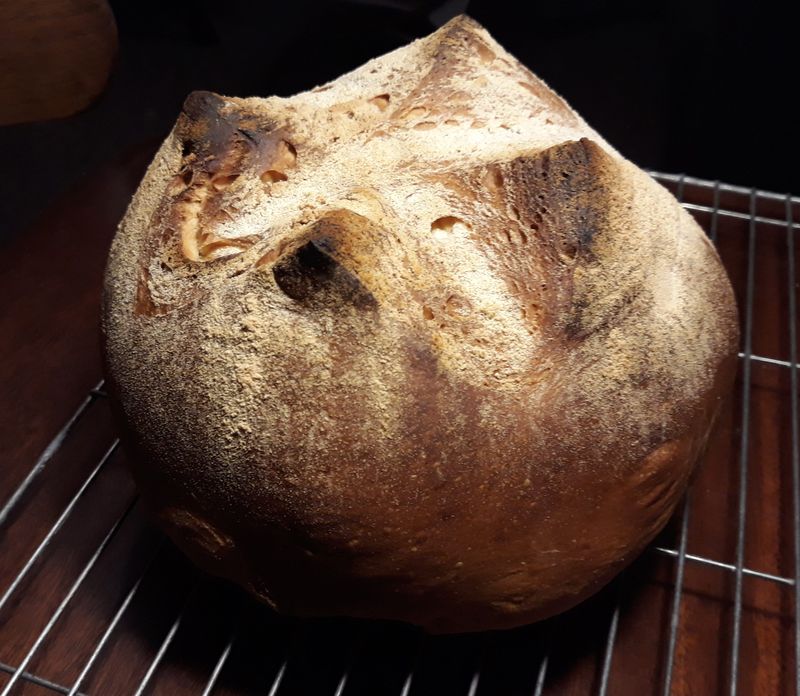
Shaped like a dome with a deep cross slashed into the top, the Coburg loaf was once a staple in British village bakeries from the Victorian era onward. Named after Prince Albert's royal house of Saxe-Coburg, it was considered a respectable everyday loaf.
The cross on top was practical, not decorative. It allowed the bread to expand properly without splitting unevenly.
As sliced bread took over in the 20th century, the Coburg quietly vanished from most high streets. Artisan bakers have recently started reviving it, and its satisfying crust makes it worth celebrating.
11. Selkirk Bannock (Scottish Borders)
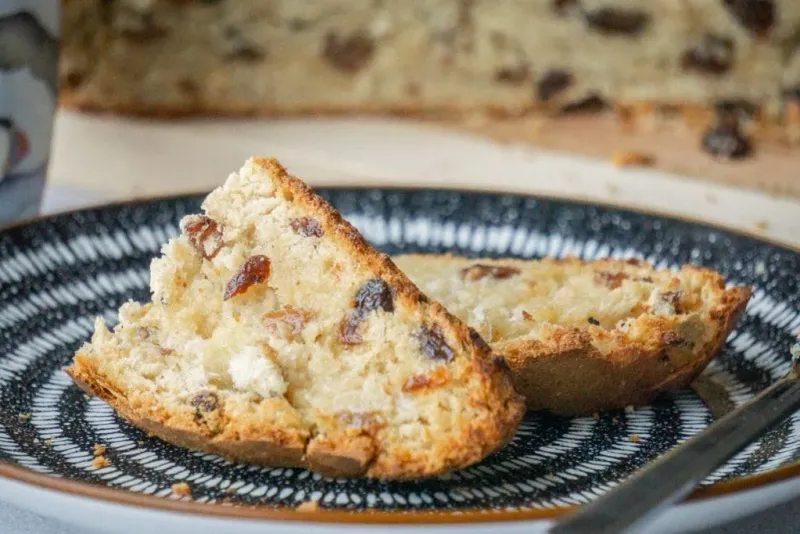
Rich with butter and stuffed with plump sultanas, the Selkirk Bannock is a proud product of the Scottish Borders. A baker named Robbie Douglas is credited with creating the modern version in the 1850s in the town of Selkirk, and it has been a local staple ever since.
Queen Victoria is said to have loved it. The dough is enriched with butter and sugar, giving it a dense, satisfying texture that is more like a fruit bread than a plain biscuit.
Outside the Borders, it remains largely unknown and deeply underrated.
12. Lincolnshire Plum Bread
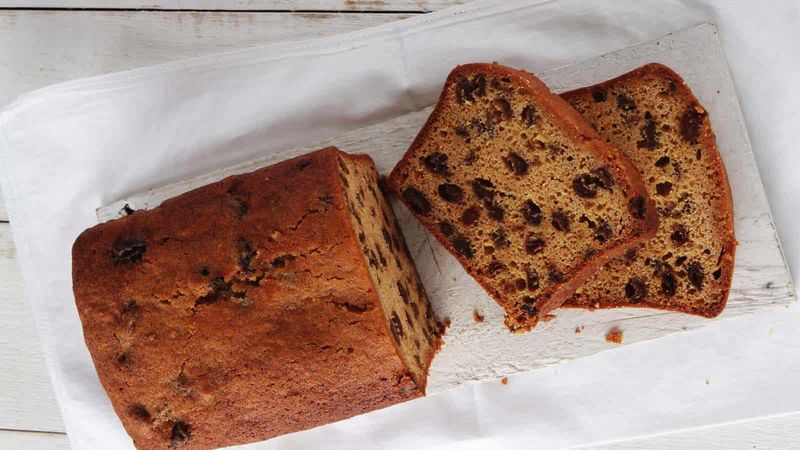
Despite the name, there are no plums in a Lincolnshire Plum Bread. The word plum was historically used to describe any dried fruit, which explains why this dense, dark loaf is packed with raisins, currants, and mixed peel rather than fresh stone fruit.
Village bakers across Lincolnshire made this as a celebration bread for harvest time and Christmas. Sliced thin and spread with butter, it is earthy, sweet, and deeply satisfying.
The recipe is slowly fading from memory as fewer bakers choose to make it from scratch.
13. Suffolk Fourses Cake
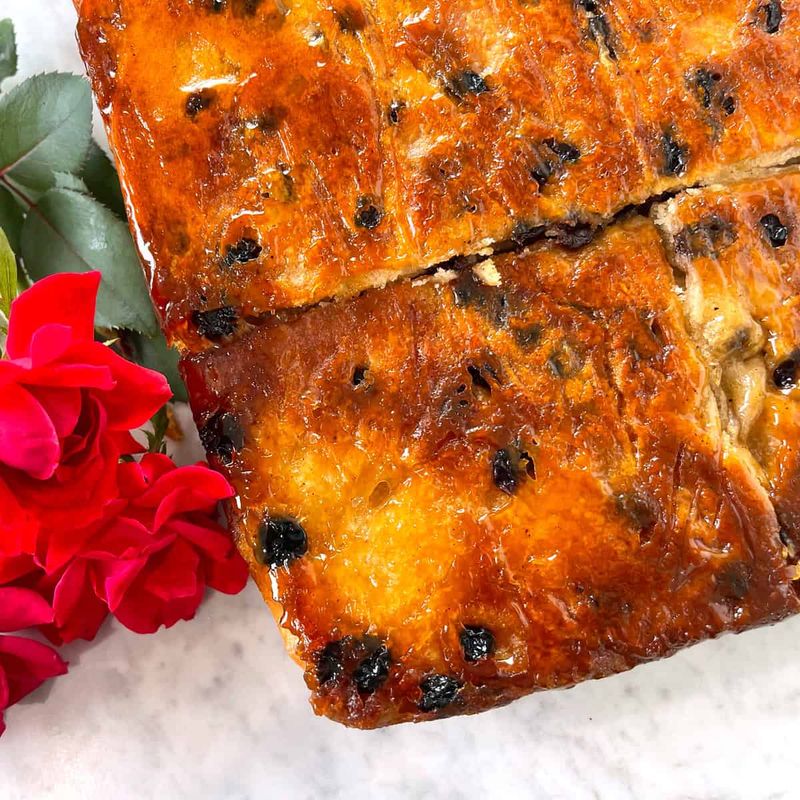
Named after the four o'clock break that farm workers took in the fields, the Fourses Cake was a practical, filling bake designed to keep people going through a long harvest day. Suffolk bakers made these flat, slightly sweet cakes loaded with currants and lard.
They were never fancy. That was the whole point.
Wrapped in cloth and carried to the fields, they kept well and tasted even better after a few hours. This humble, honest bake has almost entirely disappeared from modern memory, which makes it one of the most poignant losses on this list.
14. Welsh Bakestone Bread (Bara Planc)
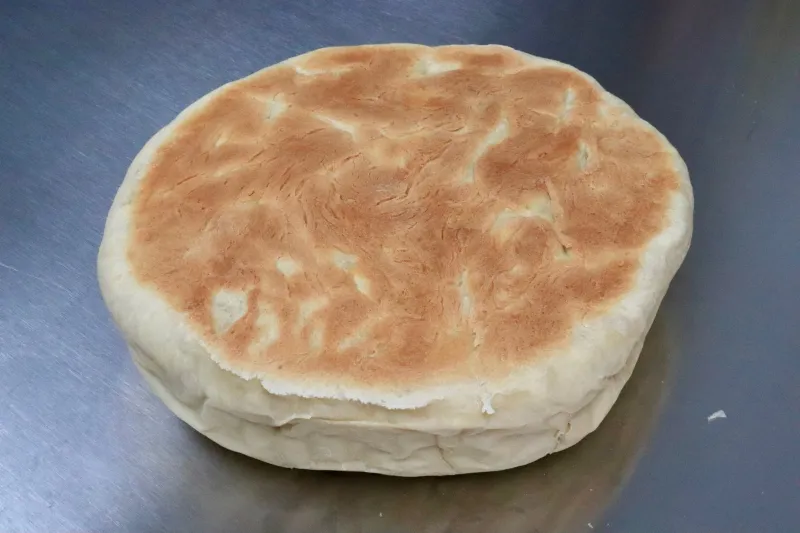
Before every Welsh home had a proper oven, bread was baked on a flat iron bakestone placed over an open fire. Bara Planc is the result, a round, flat loaf with a slightly charred, smoky crust that no modern oven can truly replicate.
Village bakers across rural Wales made this daily for working families who could not afford fancy equipment. The texture is dense and chewy, with a flavour that carries the faintest hint of woodsmoke.
Finding anyone who still bakes it the traditional way is a rare and wonderful thing.
15. Northamptonshire Cheesecake (Open Curd Tart)
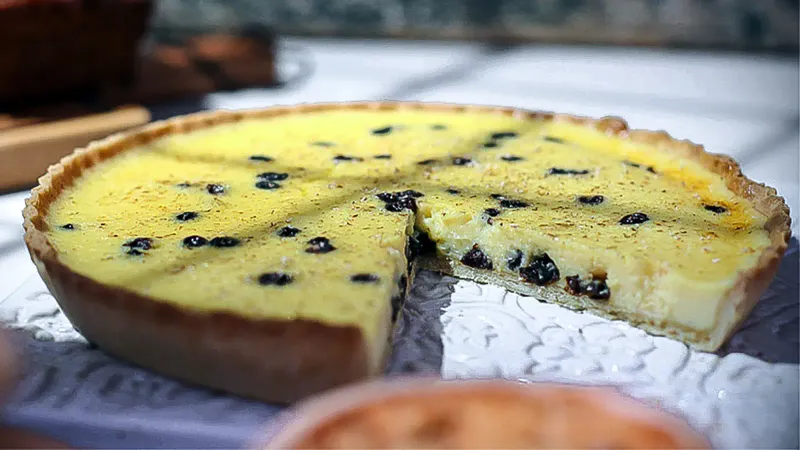
Not the New York-style version most people picture. The Northamptonshire Cheesecake is an old-fashioned open tart filled with sweetened curds, eggs, butter, and nutmeg, baked in a shallow pastry case until just set.
Village bakers made these for market days and local fairs.
The filling is lighter than cream cheese and has a delicate, milky flavour with a warm spice finish. It is one of those quietly brilliant regional bakes that never made it onto national menus but was adored by everyone who grew up eating it locally.
16. Isle of Man Bonnag
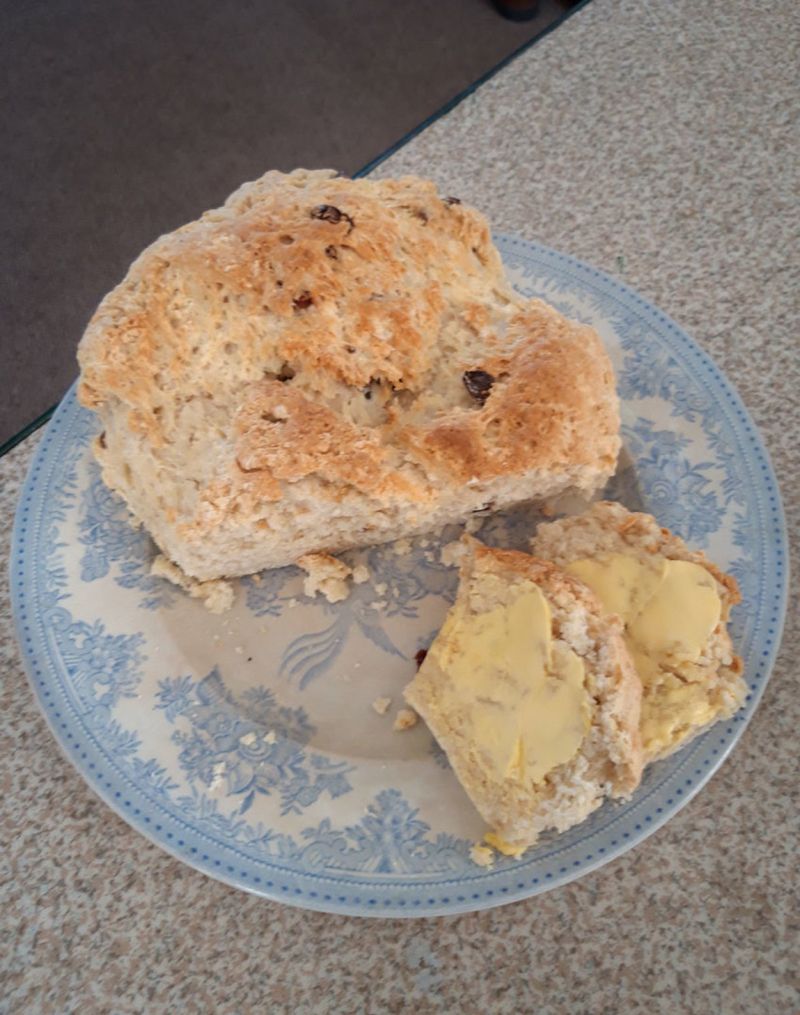
The Isle of Man has its own bread, and it is called Bonnag. Similar to Irish soda bread, it is a simple, round loaf made with flour, buttermilk, and baking soda, but with subtle differences in texture and flavour that make it distinctly Manx.
Every family on the island once had their own version, with slight variations passed from grandmother to grandchild. Today it is still made in a few local bakeries on the island, but it is virtually unknown on the British mainland, making it one of the UK's most overlooked regional bakes.
17. Dorset Knob
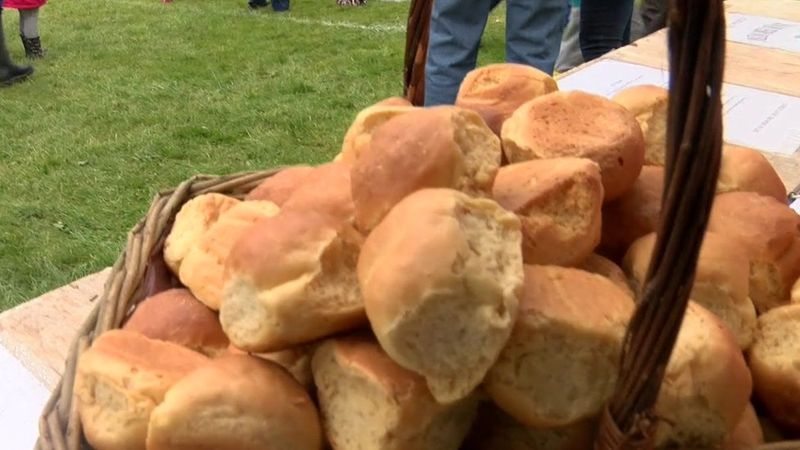
Crunchy, dry, and oddly addictive, the Dorset Knob is a tiny, round biscuit that was born out of necessity. Bakers in Moreton and surrounding Dorset villages used leftover bread dough to make these small rounds, baking them slowly for hours to dry them out completely.
They last for months without going stale, which made them brilliant for farm workers and sailors. Eaten with Dorset Blue Vinny cheese or dunked in soup, they are extraordinary.
There is even an annual Dorset Knob Throwing competition, which tells you everything about how much locals love them.
18. Cornish Hevva Cake
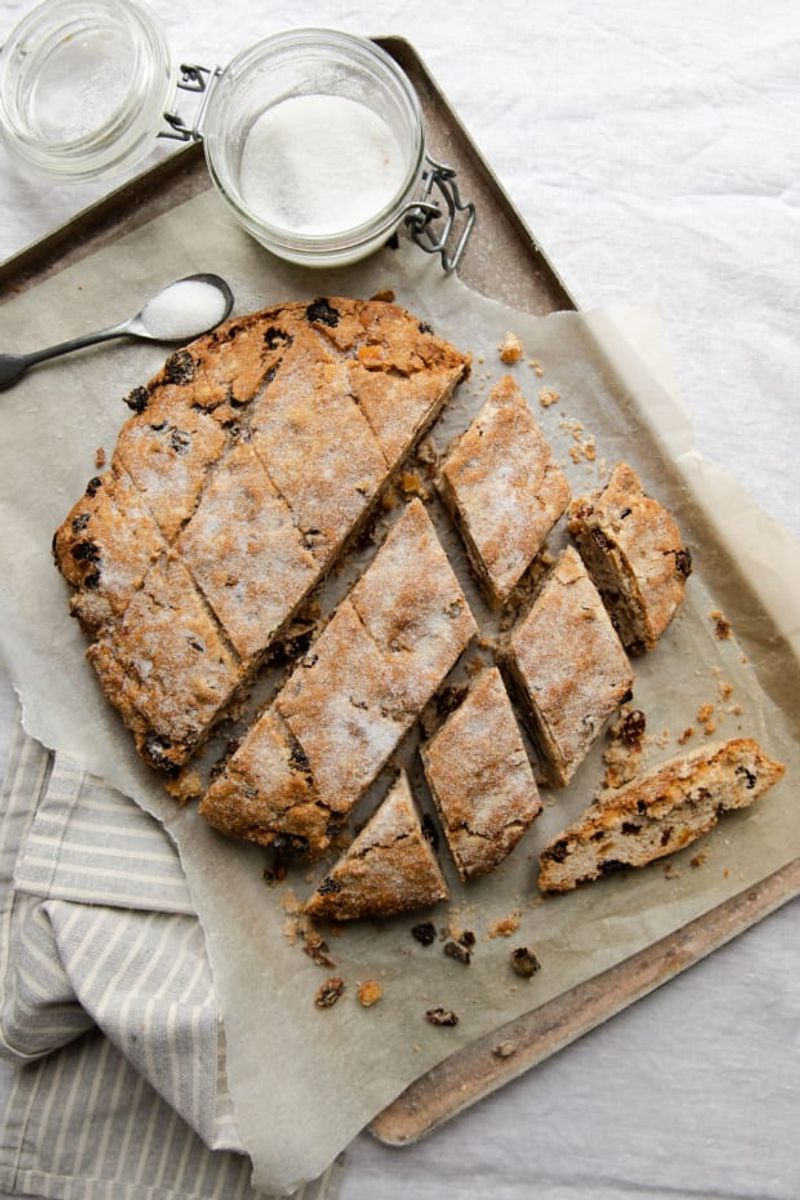
When the cry of hevva rang out across Cornish fishing villages, it meant a shoal of pilchards had been spotted. Bakers would rush to make Hevva Cake to celebrate the catch, scoring the top with a criss-cross pattern to represent the fishing nets.
Made with flour, lard, sugar, currants, and clotted cream, it is rich and crumbly with a texture somewhere between a scone and a shortbread. The tradition of making it is closely tied to the now-vanished pilchard fishing industry, giving this bake a bittersweet historical significance.
19. Yorkshire Spice Bread
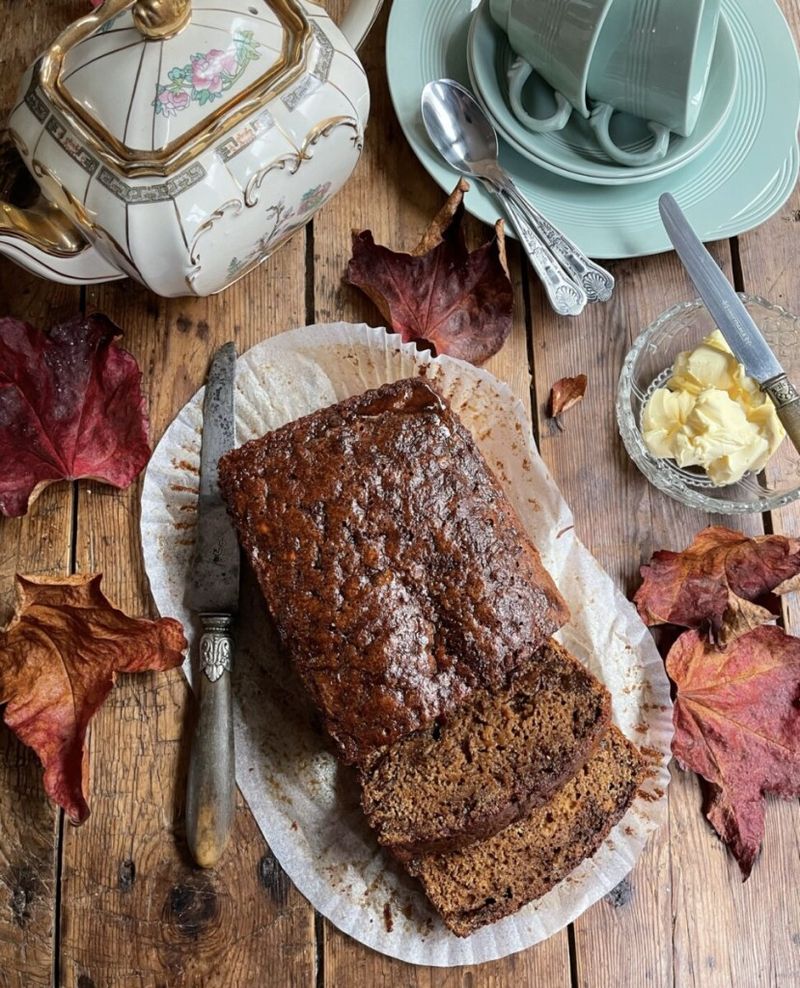
Bold, dark, and packed with warming spices, Yorkshire Spice Bread was once a staple of village bakeries across the county, especially around Bonfire Night and Christmas. Made with treacle, mixed spice, and dried fruit, it has a deeply earthy, almost gingerbread-like flavour.
Village bakers often added their own twist, some using black treacle for extra depth, others mixing in caraway seeds for a slightly anise note. The smell of it baking is unforgettable.
As standardised supermarket loaves took over, this wonderfully individual bake quietly disappeared from most Yorkshire kitchens.
20. Shropshire Soul Cakes
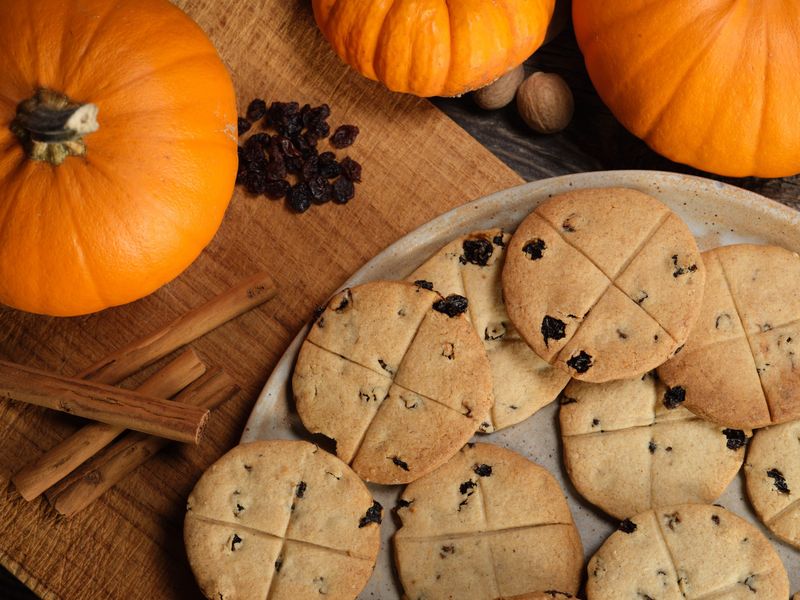
Every year on All Souls Day, children in Shropshire and other parts of England would go souling, knocking on doors and singing in exchange for Soul Cakes. These small, spiced rounds marked with a cross were baked by village bakers specifically for this ancient tradition.
Historians believe souling was an early form of trick-or-treating. The cakes were flavoured with allspice, nutmeg, and cinnamon, and sometimes coloured with saffron.
The tradition faded in the 20th century, and the Soul Cake nearly vanished with it, though folk singers like Sting have helped keep the memory alive.
21. Hawkshead Wig (Cumbria)
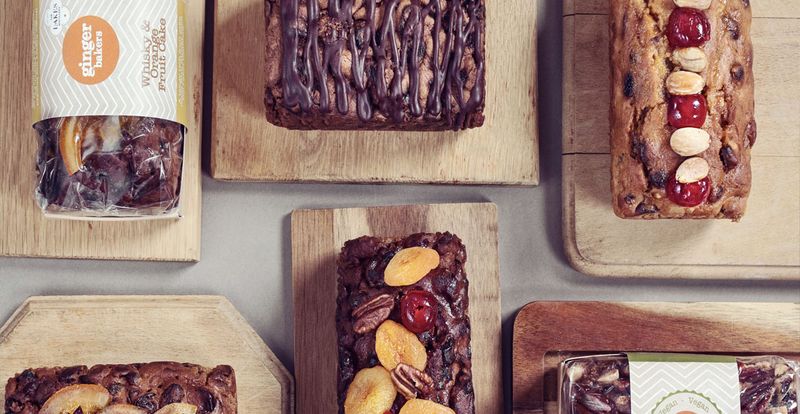
Named after the Lake District village of Hawkshead, the Wig is a soft, lightly spiced bun made with caraway seeds and a touch of sweetness. William Wordsworth reportedly enjoyed them as a schoolboy when he attended the grammar school in Hawkshead village.
They were sold warm from village bakeries and eaten with butter as an afternoon treat. The name Wig is thought to come from the old Norse word for wedge, hinting at how they were once shaped.
Today they are extremely rare, known only to dedicated food historians and a handful of local enthusiasts.
22. Bedfordshire Clanger
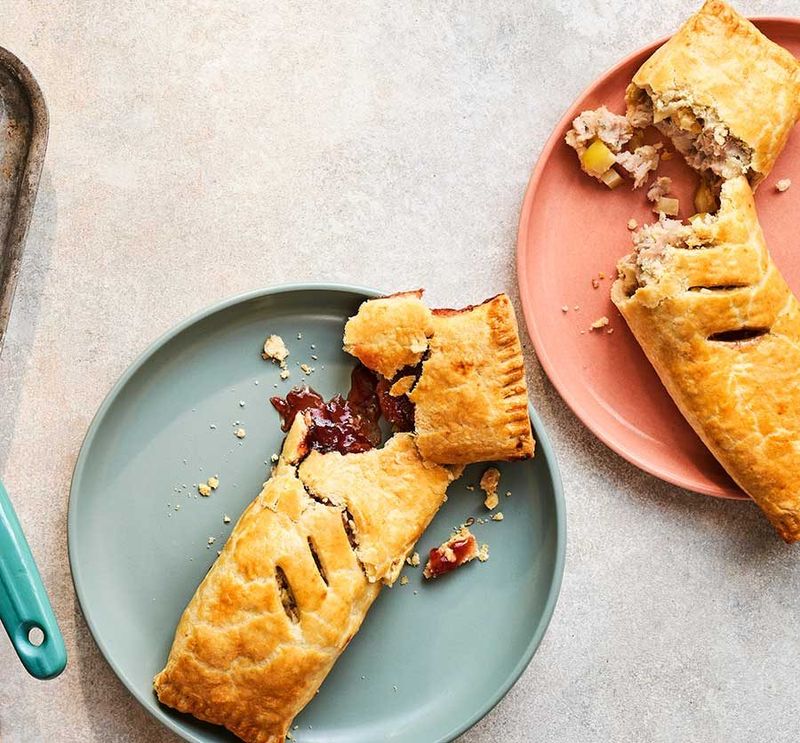
Half savoury, half sweet, and entirely brilliant, the Bedfordshire Clanger is a long, suet-pastry roll that contains two completely different fillings. One end holds a savoury mixture of meat and potato, while the other end contains jam or fruit, making it an all-in-one packed lunch.
Lace-makers and farm workers in Bedfordshire carried these to work, eating the savoury end first and finishing with the sweet. Village bakers made them to order.
The idea of a main course and dessert baked into one pasty sounds eccentric, but one bite proves it is an absolute stroke of genius.
23. Orkney Beremeal Bannock
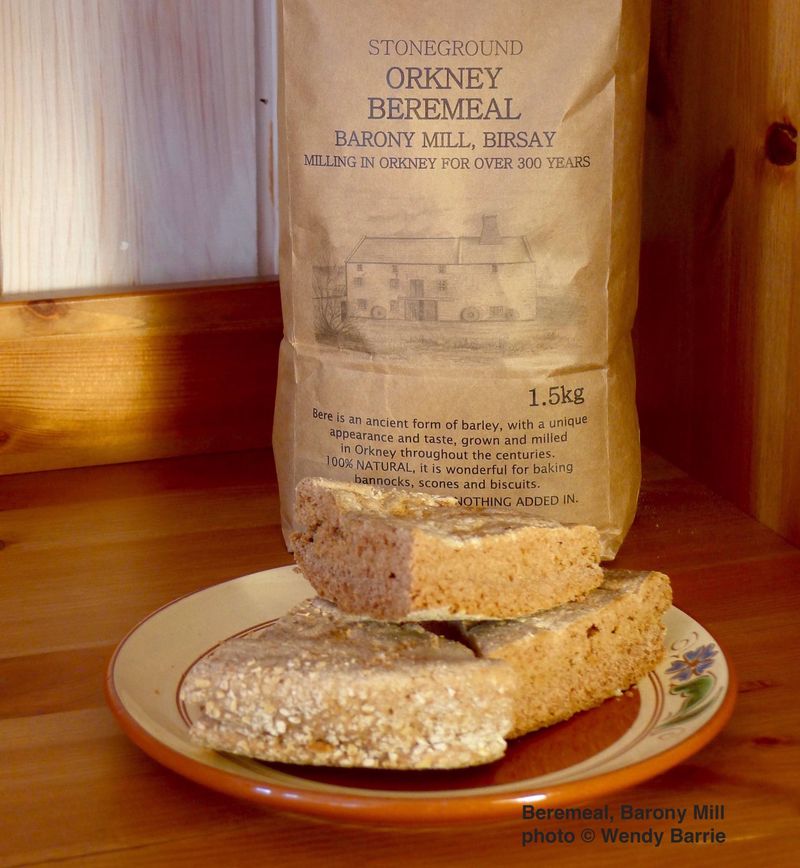
Made from bere, an ancient form of barley that has been grown in Orkney for over 5,000 years, the Beremeal Bannock is one of the oldest breads still made in the British Isles. Its flavour is nutty, slightly bitter, and wonderfully complex.
Orkney farmers grew bere because it thrives in the cold, windswept conditions that would defeat most other grains. The bannocks were baked on griddles and eaten with butter, smoked fish, or cheese.
Only a few mills on Orkney still grind beremeal today, making this ancient bread a genuine rarity worth seeking out.
24. Norfolk Knot (Dough Knot Roll)
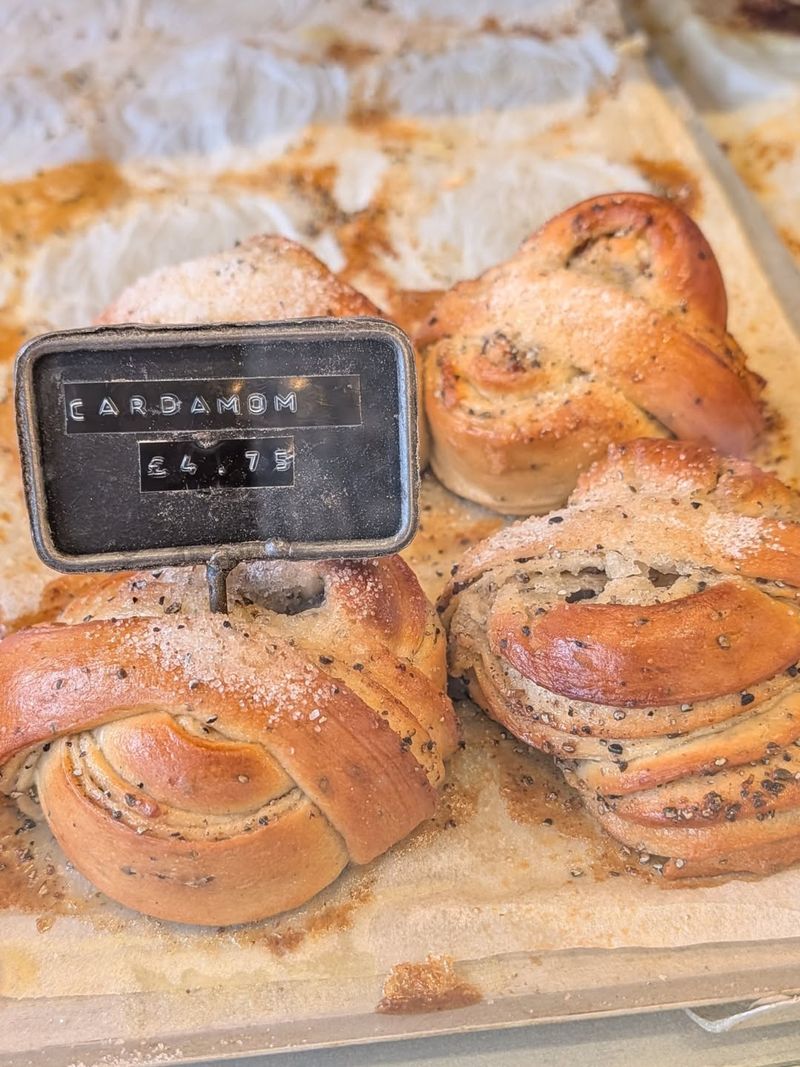
Simple in shape but satisfying in every way, the Norfolk Knot is a soft bread roll twisted into a knot before baking, a technique that local bakers developed to distinguish their rolls and help them bake more evenly in a crowded oven.
Village bakers across Norfolk made these by the tray, and they were a staple of market day stalls and farm suppers. The twisted shape creates slightly crispy ridges alongside soft, pillowy sections in the same roll.
As standard round rolls became the norm, the Norfolk Knot quietly faded from bakery shelves across the county.




Comments
No Comments