













Britain is famous for fish and chips, roast dinners, and afternoon tea, but its soup tradition runs just as deep and is far more surprising. From misty Scottish glens to the rolling hills of Wales and the bustling streets of England, every corner of the UK has its own treasured bowl of warmth.
Many of these soups have been quietly bubbling away in local kitchens for centuries, yet few people outside their home regions have ever tasted them. Get ready to discover some truly hidden gems hiding in plain sight on the British dinner table.
1. Cullen Skink (Scotland)
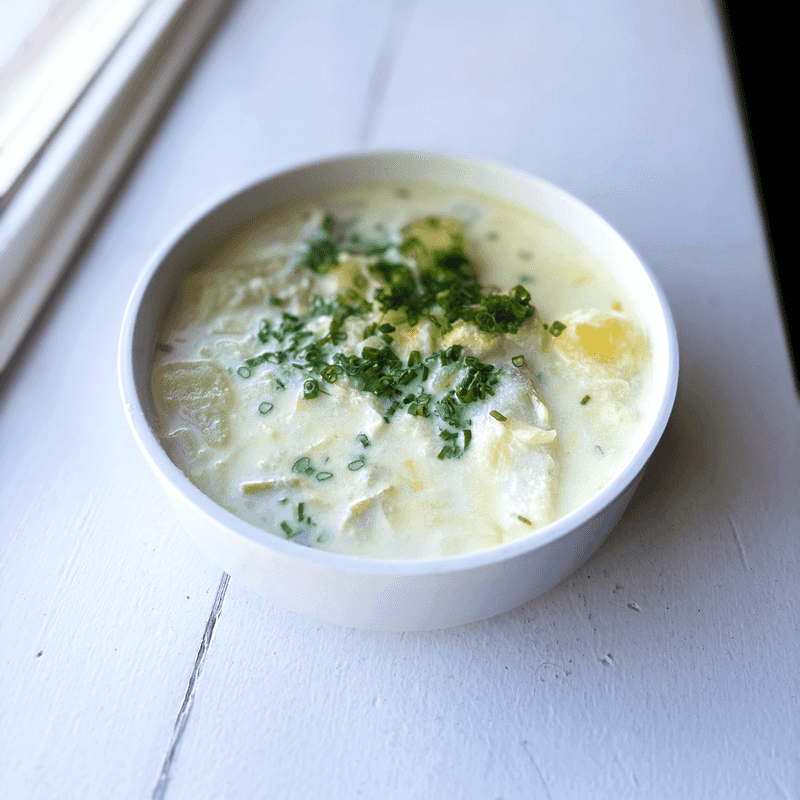
Born in the tiny fishing village of Cullen on Scotland's northeast coast, this smoky, creamy chowder has been warming fishermen's hands for generations. It blends flaky smoked haddock with soft potatoes and onion in a rich, milky broth that tastes like the sea on a cold morning.
Locals in Aberdeenshire consider it a point of pride. You can find it on menus across Scotland, but nothing beats a homemade bowl near the water where it all began.
2. Leek and Oatmeal Soup (Wales)
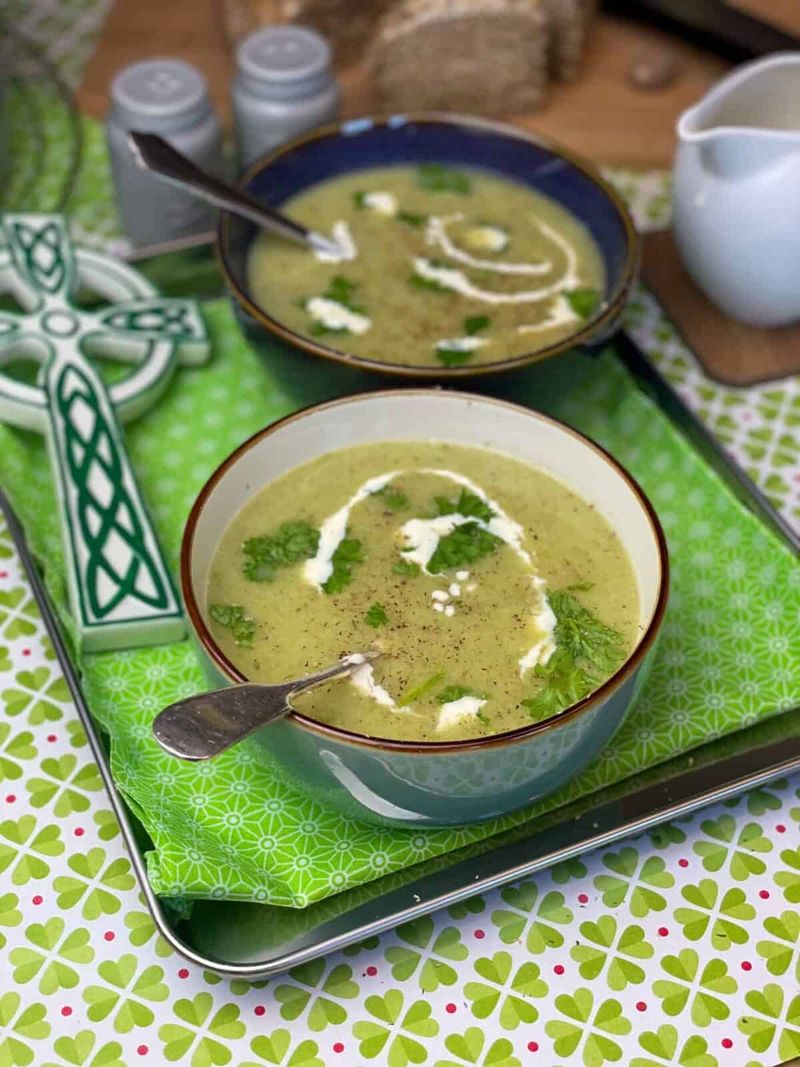
Wales takes its leeks seriously enough to use them as a national symbol, so it makes perfect sense that they star in one of the country's oldest and least-talked-about soups. Oatmeal gives this broth a gentle thickness that feels hearty without being heavy.
It is simple, honest food rooted in Welsh farmhouse cooking. The oats add a subtle nuttiness that pairs beautifully with the mild sweetness of slow-cooked leeks.
A drizzle of cream on top makes it feel special.
3. Yellow Split Pea Soup (Northern England)
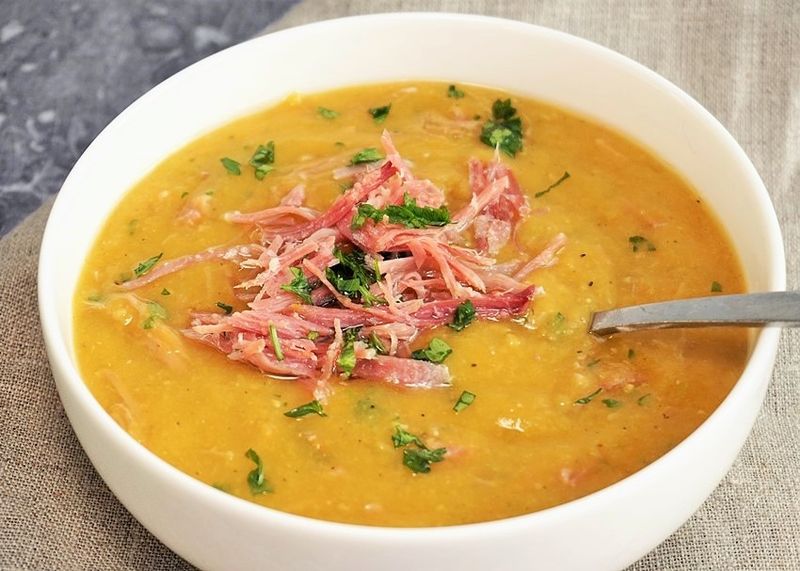
Long before trendy health foods arrived, northern English families were stretching their pennies with a big pot of yellow split pea soup. Thick, filling, and deeply satisfying, this soup was the backbone of working-class kitchens from Yorkshire to Lancashire.
Ham hock or a smoked bacon knuckle is often added for depth, turning a humble ingredient into something magnificent. It reheats beautifully, meaning a Sunday pot can feed a family well into the week.
4. Partan Bree (Scotland)
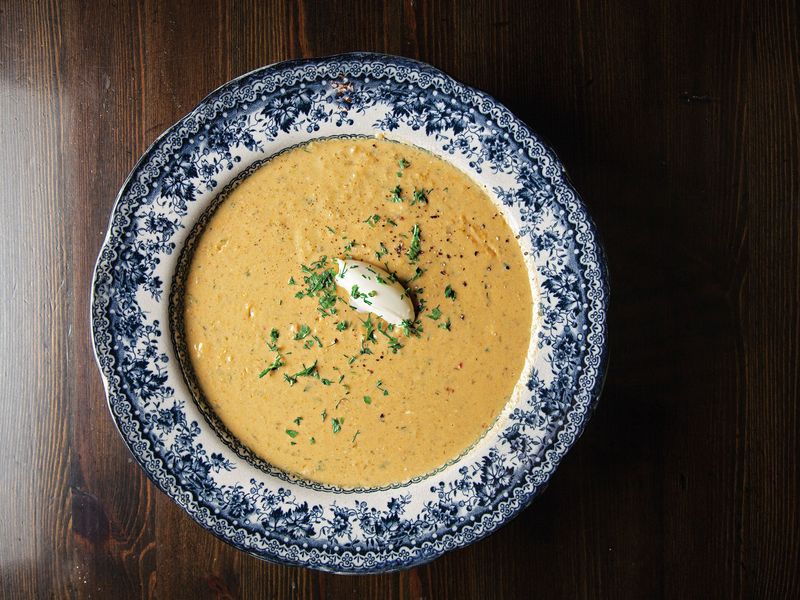
Partan Bree sounds like something from a fairy tale, and in a way it is. This old Scottish crab soup, whose name comes from Gaelic words meaning crab broth, was once a staple at grand Highland tables and humble coastal homes alike.
Crab meat is blended with rice and cream to create a velvety, luxurious bowl that tastes far more expensive than it is to make. It deserves a serious comeback on modern restaurant menus across the country.
5. Cock-a-Leekie Soup (Scotland)
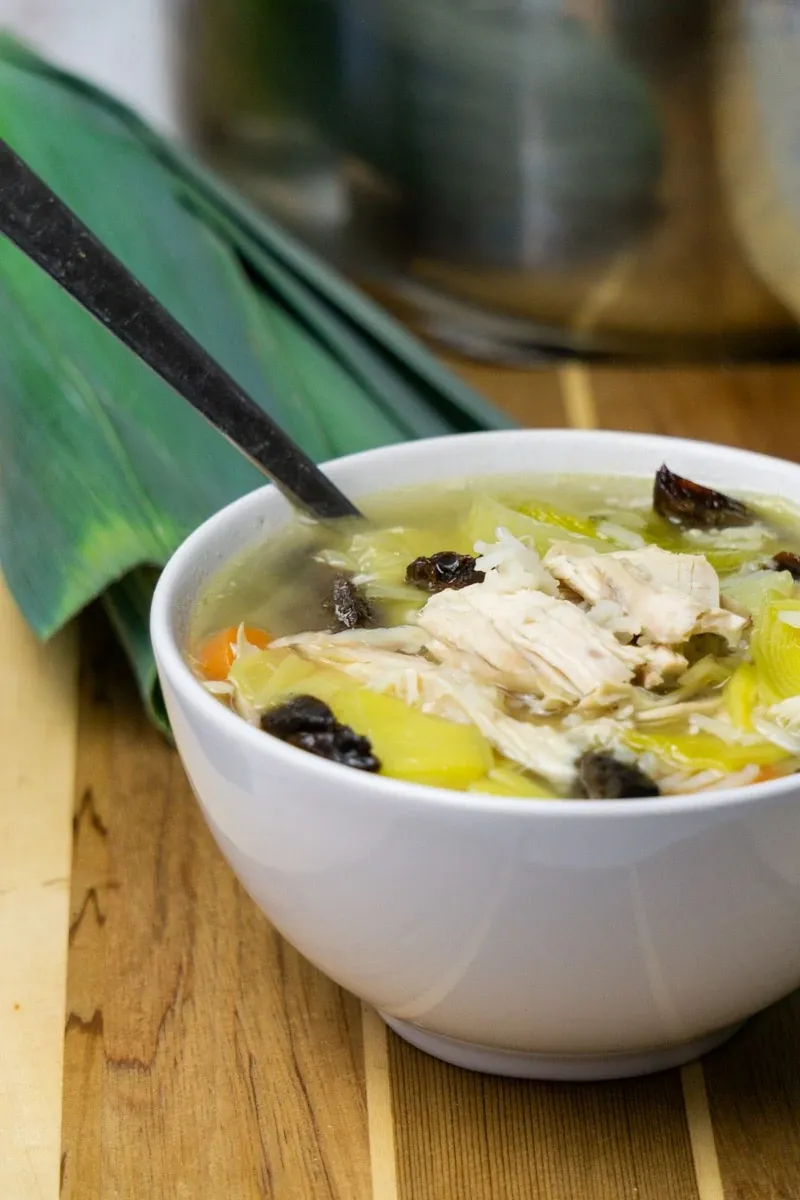
Few soups have a name as fun to say as Cock-a-Leekie, but behind the playful title is a seriously delicious dish. This classic Scottish broth combines chicken and leeks, and the truly traditional version also includes prunes, which add a subtle sweetness that surprises most first-timers.
Records of this soup stretch back to the 16th century, making it one of Scotland's oldest documented recipes. It is comforting, light, and endlessly adaptable to whatever you have in the kitchen.
6. Tattie Soup (Scotland)
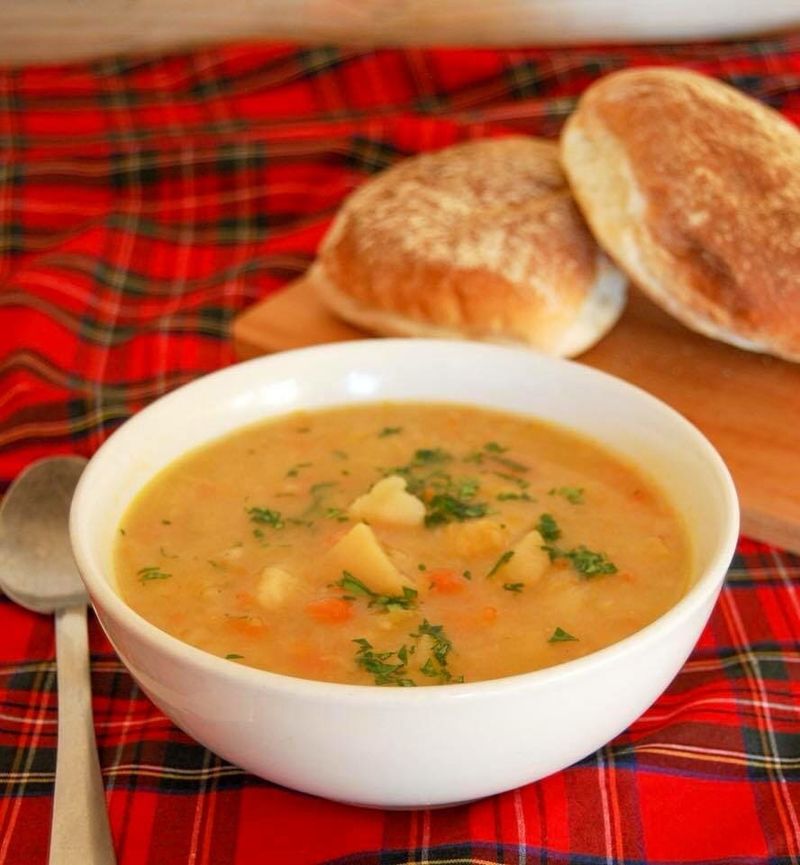
Tattie is the Scottish word for potato, and this no-fuss soup is exactly what it sounds like: a warming, straightforward bowl built around that most dependable of vegetables. Carrots, leeks, and sometimes turnip join the potatoes in a light broth seasoned simply with salt and pepper.
It was traditionally made on washday when there was no time for elaborate cooking. What it lacks in glamour it more than makes up for in comfort.
Sometimes the simplest things really are the best.
7. Bawd Bree (Scotland)
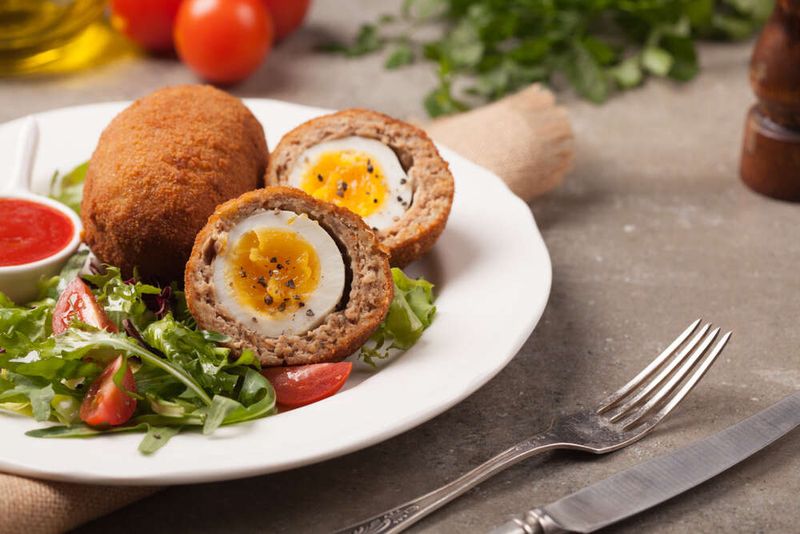
If you have ever wanted to eat like a Victorian gamekeeper, Bawd Bree is your soup. Made from hare, this deeply flavoured Scottish broth has an earthy, almost gamey richness that sets it apart from anything you would find in a supermarket can.
Bawd is the Scots word for hare, and the soup has been part of rural Scottish cooking for centuries. Root vegetables and a splash of port or red wine are often added to round out the bold, complex flavour.
8. Lobscouse (Liverpool, England)
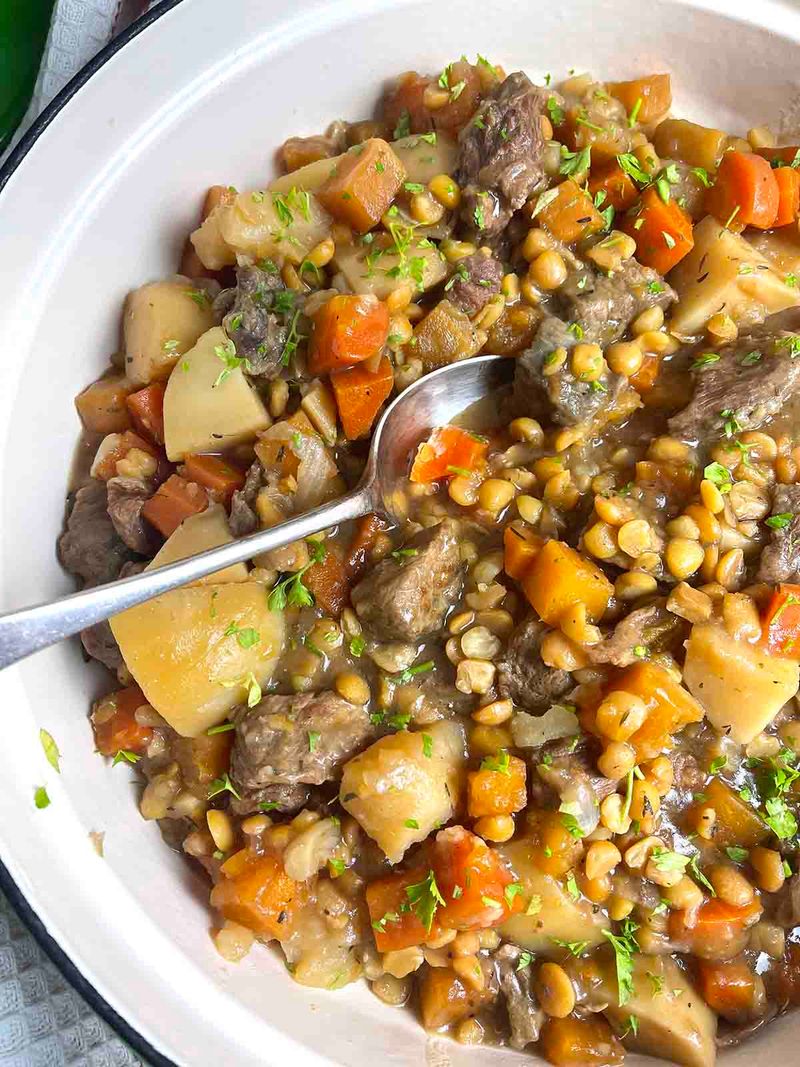
Liverpool gave the world The Beatles, but it also quietly invented one of England's most underappreciated soups. Lobscouse, a thick sailor's stew of beef, potatoes, and root vegetables, was so tied to the city that Liverpudlians became known as Scousers, a nickname they wear with enormous pride.
Scandinavian sailors are believed to have brought an early version of the dish to port centuries ago. Today it sits somewhere between a soup and a stew, and either way it is wonderfully filling.
9. Hotch Potch (Scotland and Northern England)
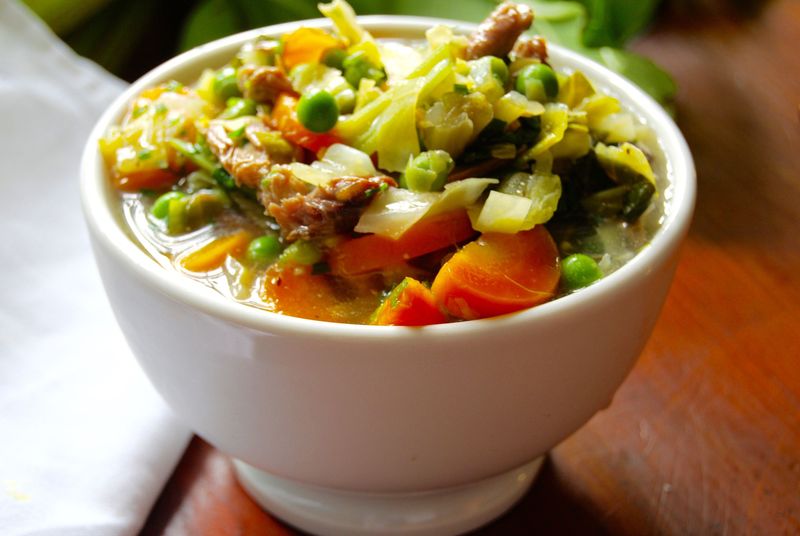
Spring arrives in a bowl with Hotch Potch, a broth bursting with young vegetables and tender lamb that has been celebrated in Scotland and northern England since at least the 18th century. Fresh peas, lettuce, turnip, and carrots tumble together in a light, fragrant stock.
Unlike heavier winter soups, this one feels bright and seasonal. It was historically made with the first harvest of spring vegetables, making it a true celebration of the changing season rather than just a meal.
10. Powsowdie (Scotland)
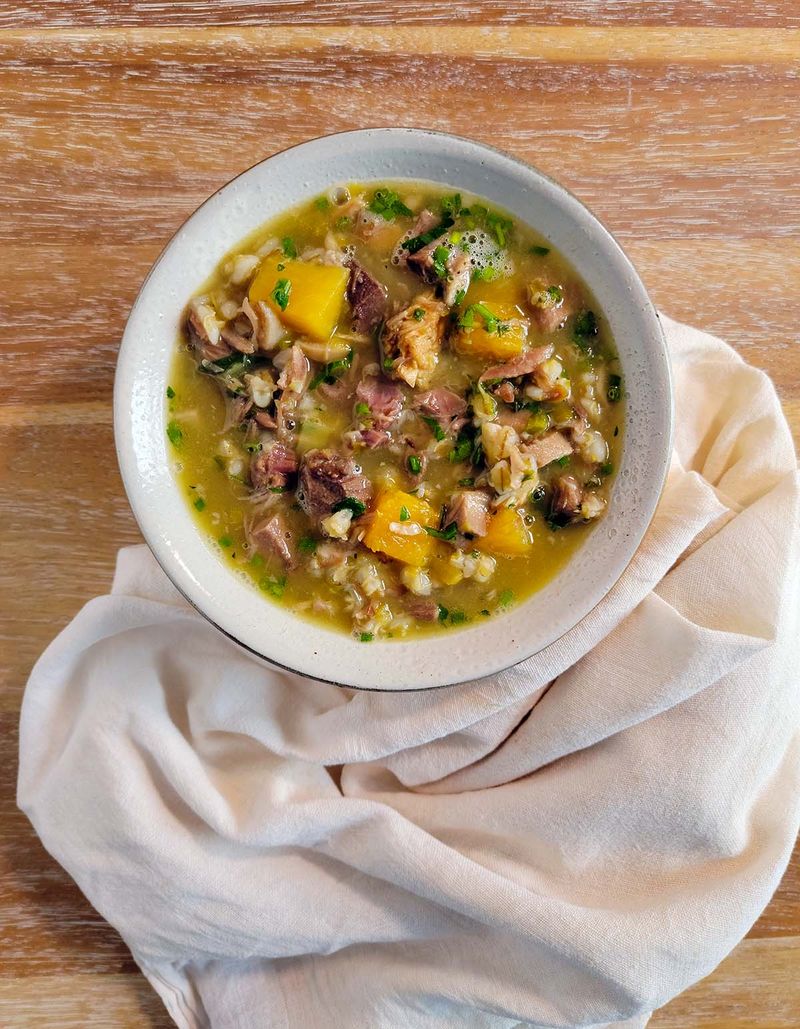
Powsowdie is not for the faint-hearted, but it earns serious respect from anyone who appreciates traditional nose-to-tail cooking. This ancient Scottish broth is made from sheep's head, boiled slowly with barley and root vegetables until the broth becomes rich and deeply savoury.
Robert Burns himself mentioned it in his famous poem Address to a Haggis, which tells you just how embedded it is in Scottish culture. It is rarely made today, but food historians consider it a fascinating window into Scotland's culinary past.
11. Nettle Soup (Rural UK)
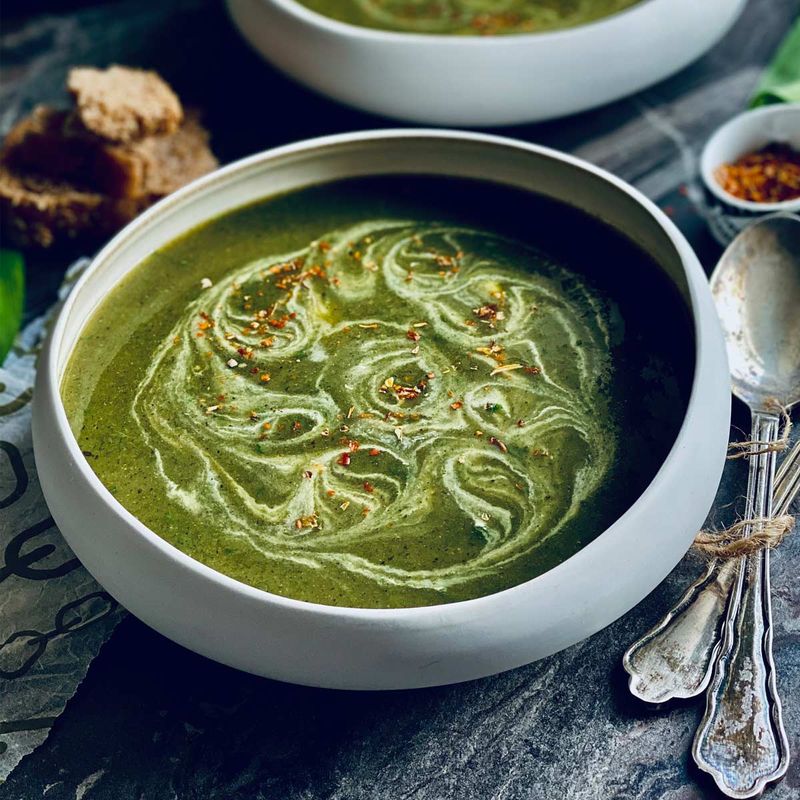
Every spring, the hedgerows of Britain burst with fresh stinging nettles, and clever cooks have been turning them into soup for hundreds of years. Once blanched, the sting disappears completely, leaving behind a bright green, spinach-like flavour that is earthy and surprisingly mild.
Nettle soup is entirely free if you pick your own, making it one of the UK's most budget-friendly seasonal dishes. It pairs beautifully with a poached egg on top and crusty bread on the side.
12. Cawl Cennin (Wales)
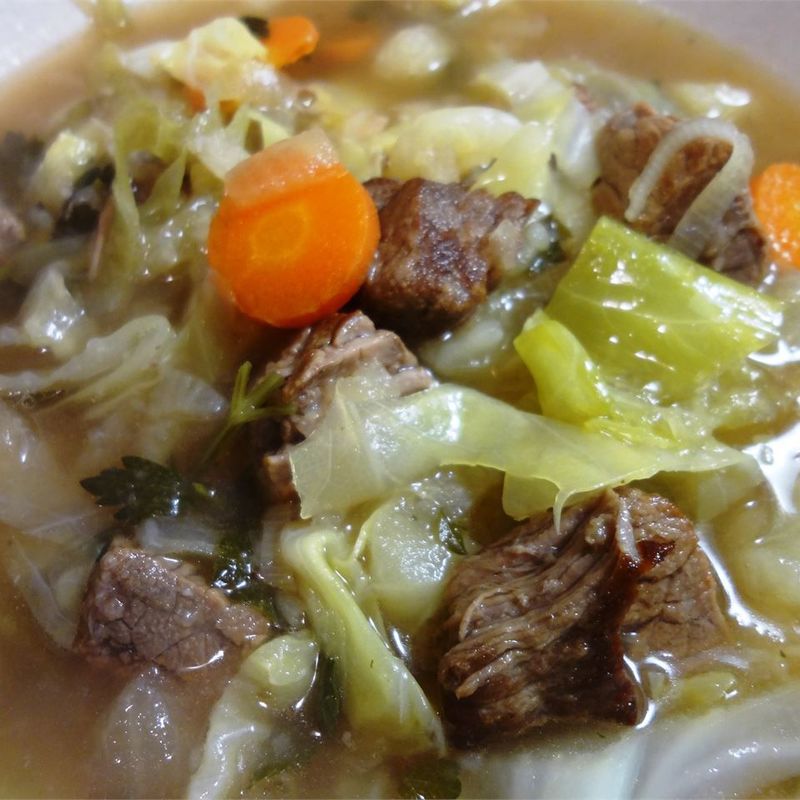
Cawl Cennin translates simply as leek broth, and while it sounds plain, this Welsh classic is quietly one of the most flavourful soups in the entire UK. Slow-cooked leeks release a natural sweetness into the broth that no amount of seasoning could replicate artificially.
Some versions include potatoes or lamb to make it more substantial. Welsh grandmothers have been making versions of this soup for centuries, and its continued presence on Welsh menus today proves that great food never truly goes out of style.
13. London Particular (England)
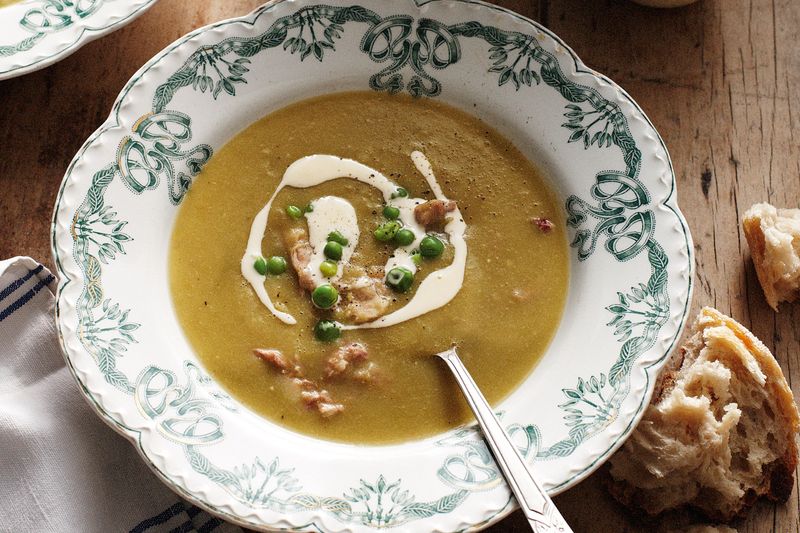
Named after the thick, yellowish smog that once blanketed Victorian London, the London Particular is a dense, split pea soup with a wonderfully dramatic backstory. Charles Dickens referenced it in Bleak House, cementing its place in British literary and culinary history at the same time.
Ham stock gives it a smoky depth that plain pea soup simply cannot match. Despite being born from poverty-era cooking, it manages to feel deeply sophisticated with the right garnish and a good bowl.
14. Mussel Brose (Scotland)
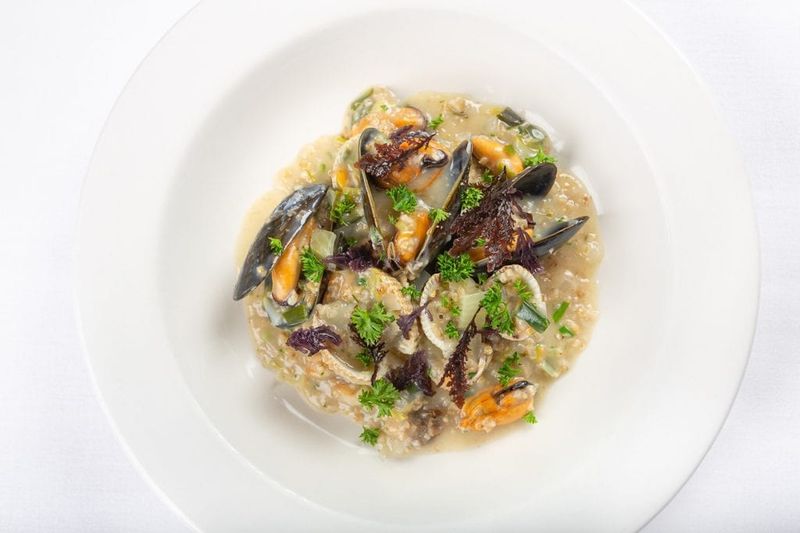
Scotland's coastline produces some of the finest mussels in the world, and Mussel Brose makes the most of that incredible natural resource. Brose refers to the traditional Scottish technique of thickening a broth with raw oatmeal, giving this seafood soup a uniquely hearty texture.
The mussels bring a briny, oceanic flavour while the oats provide an almost porridge-like comfort. Together, they create something that feels both ancient and surprisingly modern.
Coastal communities in Fife and Argyll have cherished this recipe for generations.
15. Brown Windsor Soup (England)
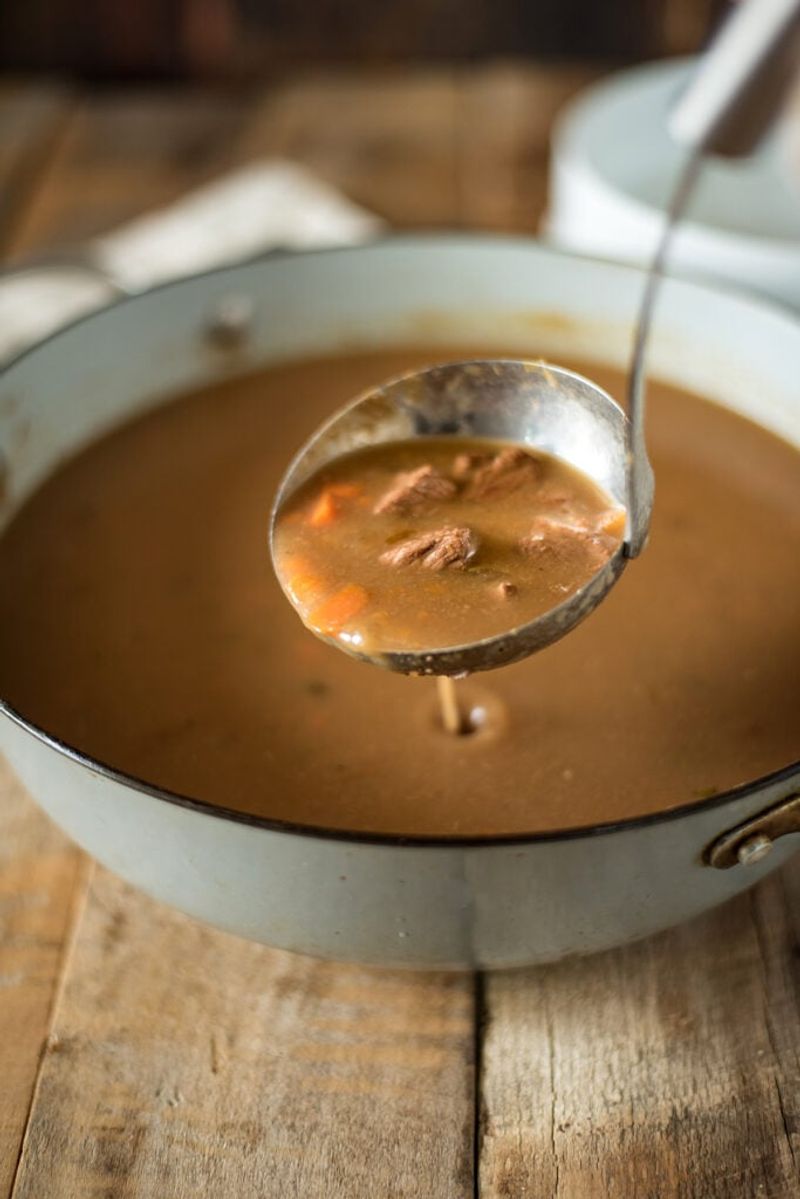
Brown Windsor Soup sounds like something from a Victorian novel, mostly because it practically is one. This thick, beefy broth was a staple at royal banquets and gentlemen's clubs throughout the 19th and early 20th centuries, yet today it has almost entirely vanished from British tables.
Made with beef, lamb, root vegetables, and a splash of Madeira wine, it has a rich, old-fashioned depth of flavour that rewards patience. Reviving it at a dinner party would make for a genuinely memorable and conversation-starting first course.




Comments
No Comments