













German cooking has a long tradition of warming, filling soups that have fed families for hundreds of years. From thick potato stews to rich meat broths, these recipes are packed with flavor and comfort.
Whether you are new to cooking or have been at it for years, German soups are surprisingly easy and rewarding to make at home. Get ready to fill your kitchen with amazing aromas and your bowl with something truly satisfying.
1. Kartoffelsuppe (German Potato Soup)
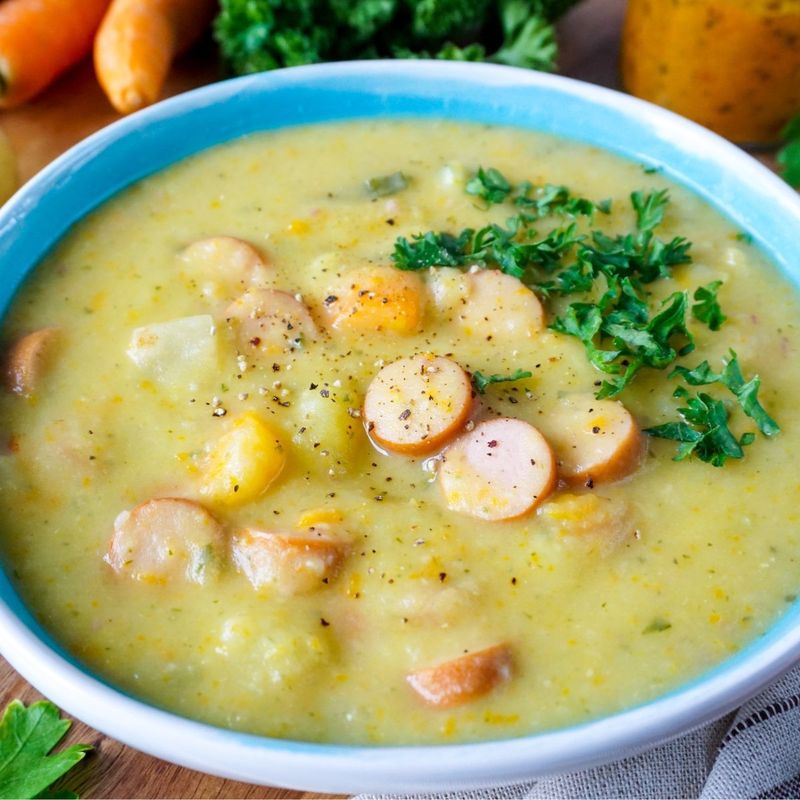
Nothing says comfort food quite like a pot of Kartoffelsuppe bubbling away on the stove. This classic German potato soup is thick, creamy, and packed with vegetables like carrots, celery, and leeks.
It has been a staple in German homes for generations.
You can make it smooth by blending it or keep it chunky for extra texture. A sprinkle of crispy bacon and fresh chives on top takes it to a whole new level of delicious.
2. Erbsensuppe (German Split Pea Soup)
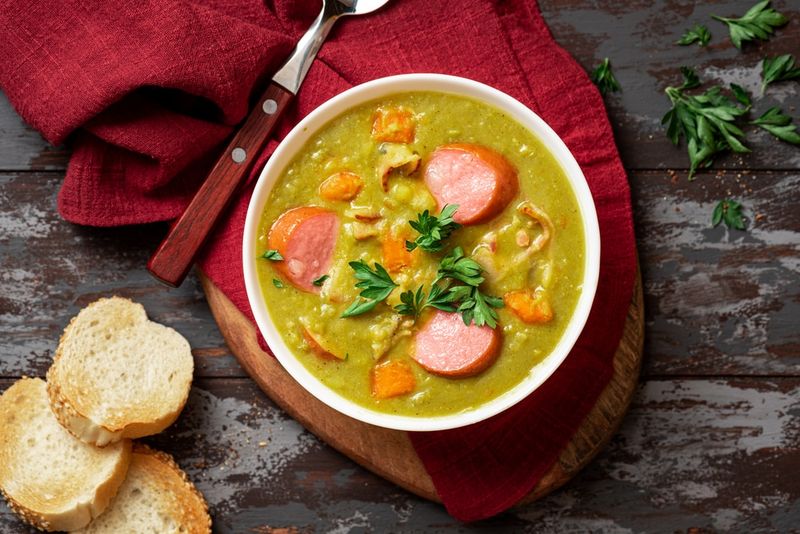
Erbsensuppe is the kind of soup that fills you up and warms you from the inside out. Made with dried split peas, smoked pork, and root vegetables, this soup has a deep, savory flavor that feels like a hug in a bowl.
Traditionally eaten during cold German winters, it was even served to soldiers in the field. The smokiness from the pork or sausage is what makes this soup truly unforgettable.
3. Linsensuppe (German Lentil Soup)
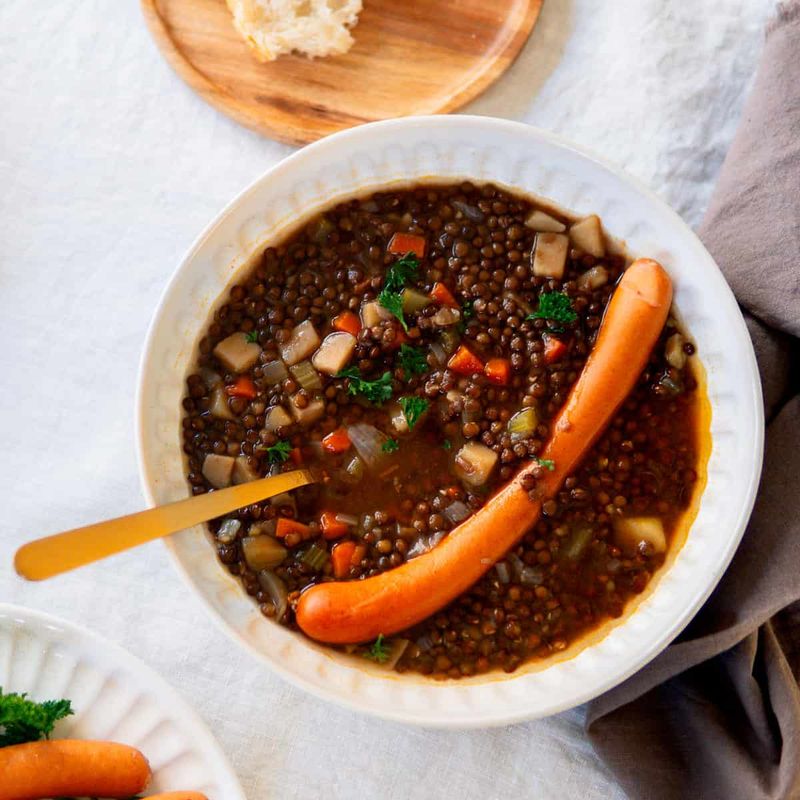
A splash of vinegar at the end might sound odd, but trust the process — it is what gives Linsensuppe its signature tangy kick. Brown lentils are simmered with onions, carrots, and smoked sausage until everything is soft and wonderfully fragrant.
This soup is incredibly budget-friendly and easy to make in large batches. Leftovers taste even better the next day as the flavors keep developing overnight in the fridge.
4. Gulaschsuppe (German Goulash Soup)
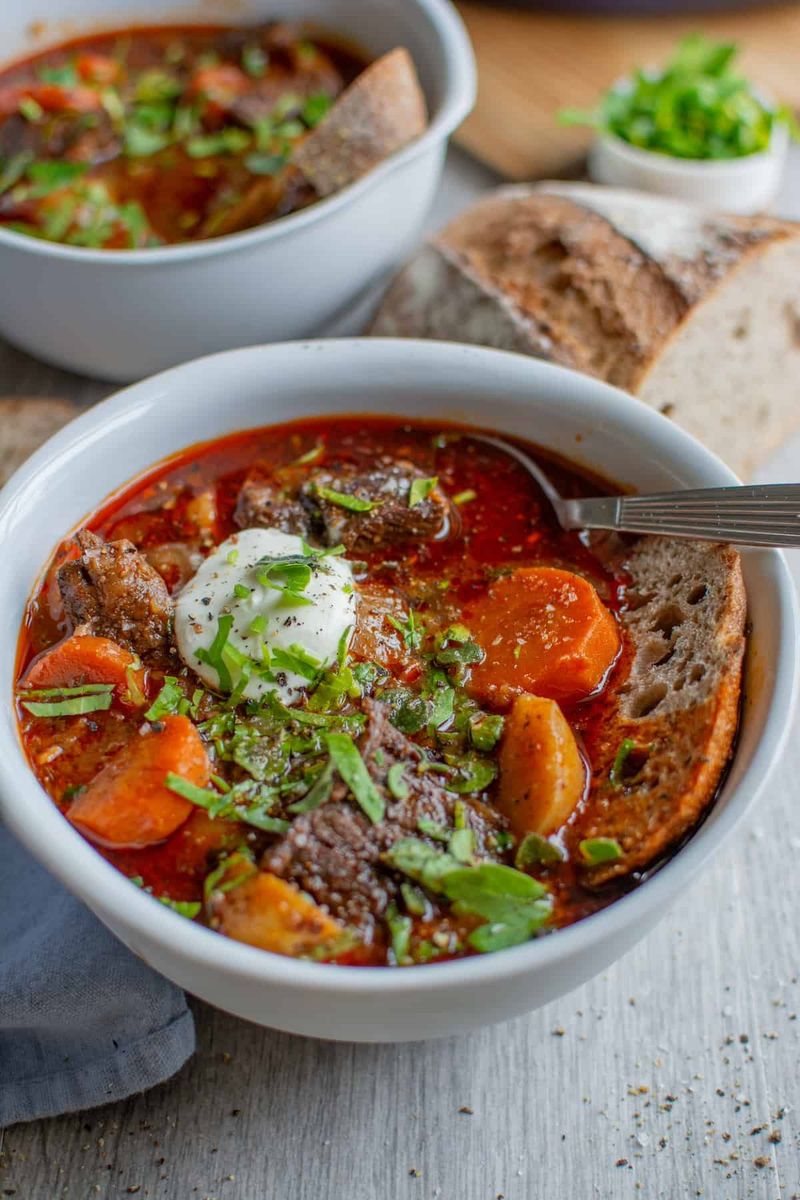
Gulaschsuppe is basically goulash stew transformed into a bold, spicy soup — and the result is absolutely spectacular. Tender chunks of beef swim in a paprika-rich broth loaded with onions and bell peppers.
Originally inspired by Hungarian goulash, this version became a beloved German street food and pub staple. Serve it with a thick slice of rye bread to soak up every last drop of that gorgeous, smoky broth.
5. Hochzeitssuppe (German Wedding Soup)
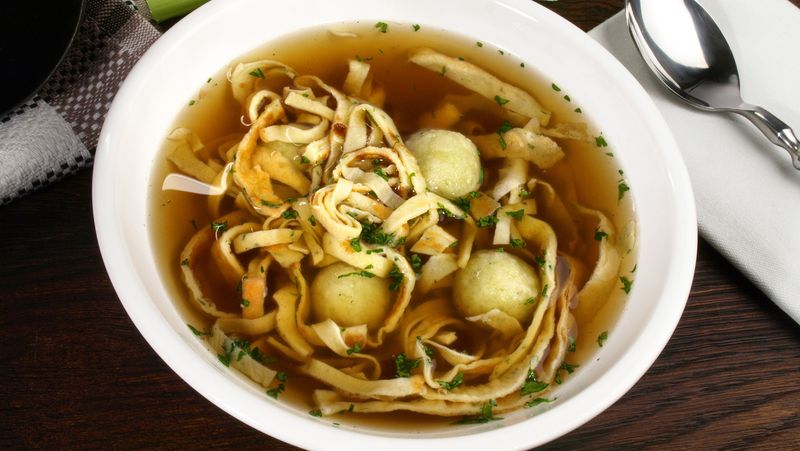
Despite the fancy name, Hochzeitssuppe is actually a clear golden broth filled with tiny meatballs, noodles, asparagus, and savory pancake strips. It has been served at German weddings and celebrations for centuries, which is exactly how it earned its name.
The broth is the star here — slow-simmered with meat and vegetables until it turns beautifully clear and rich. Making it from scratch takes patience, but the result is absolutely worth every minute.
6. Graupensuppe (Pearl Barley Soup)
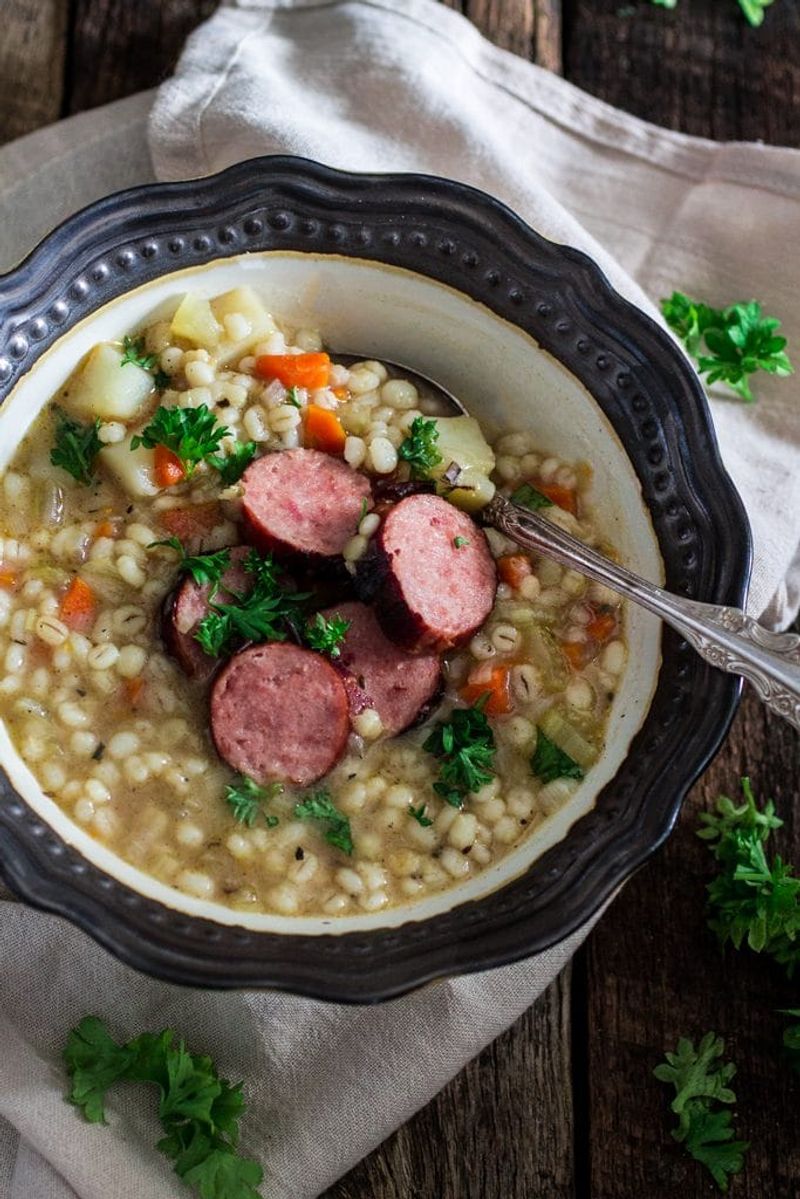
Pearl barley is one of those underrated ingredients that transforms a simple soup into something incredibly hearty and satisfying. Graupensuppe combines barley with smoked ham, leeks, carrots, and celery into a thick, filling meal that sticks to your ribs.
This soup has been a German farmhouse favorite for hundreds of years. The barley slowly absorbs the smoky broth as it cooks, giving every spoonful a wonderfully chewy and rich texture that feels deeply nourishing.
7. Sauerkrautsuppe (Sauerkraut Soup)

If you love tangy, bold flavors, Sauerkrautsuppe is going to become your new favorite cold-weather meal. Fermented cabbage gives this soup its sharp, distinctive taste, while smoked sausage and potatoes balance it out with heartiness.
Fermented foods like sauerkraut are also fantastic for gut health, so this soup is as good for your body as it is for your taste buds. A dollop of sour cream stirred in at serving time adds a lovely creamy finish.
8. Biersuppe (German Beer Soup)
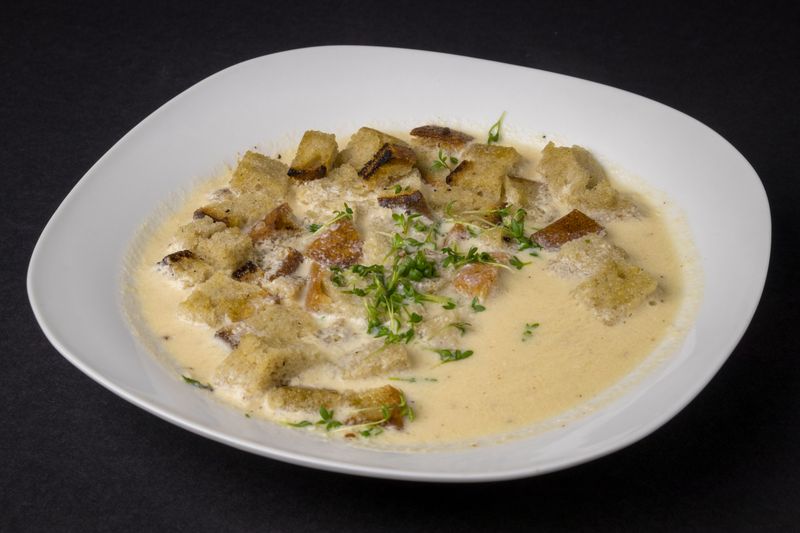
Yes, beer in a soup — and before you raise an eyebrow, this medieval German recipe is genuinely delicious. Biersuppe uses dark German beer as its base, simmered with butter, bread, and spices like cinnamon and ginger for a warming, slightly sweet flavor.
Historically, it was eaten for breakfast in Germany during the Middle Ages. Today it makes a wonderfully quirky starter for dinner parties and a great conversation piece for anyone who loves exploring unusual recipes.
9. Zwiebelsuppe (German Onion Soup)
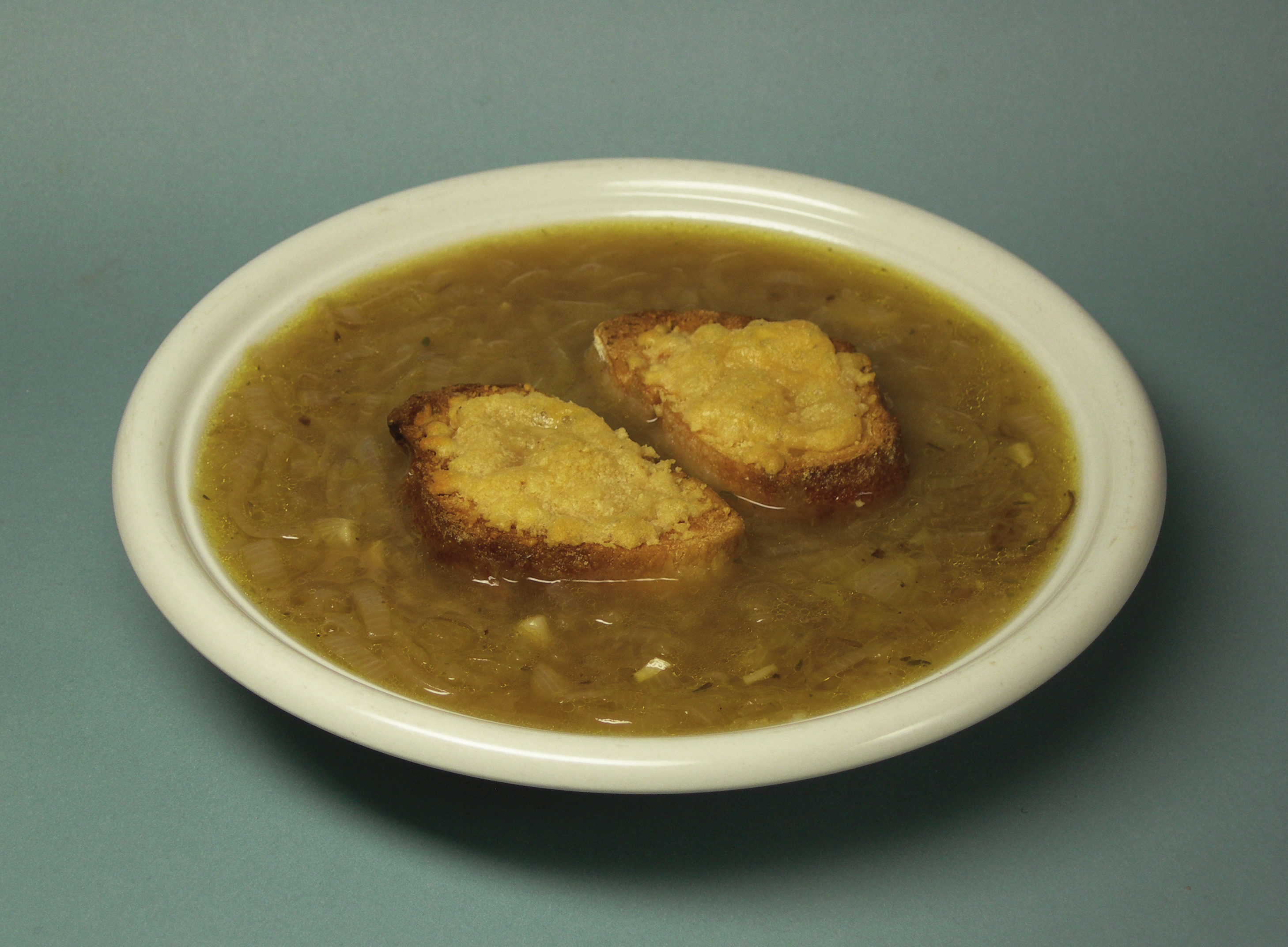
France may get all the credit for onion soup, but Germany has its own incredible version worth celebrating. Zwiebelsuppe features deeply caramelized onions cooked low and slow until they turn sweet and golden, then simmered in a rich beef broth.
Topped with crusty bread and melted cheese, it is a showstopper of a dish. Taking the time to properly caramelize the onions is the secret — rushing this step means missing out on all that incredible natural sweetness.
10. Tomatensuppe (German Tomato Soup)

Forget canned tomato soup — the German homemade version is in a completely different league. Ripe tomatoes are roasted with garlic and onions, then blended into a silky smooth soup with a touch of cream and fresh herbs.
Some German recipes add a pinch of sugar to balance the acidity of the tomatoes, which is a small trick that makes a huge difference. Pair it with dark rye bread for a truly authentic and satisfying German lunch experience.
11. Bohnensuppe (German Bean Soup)
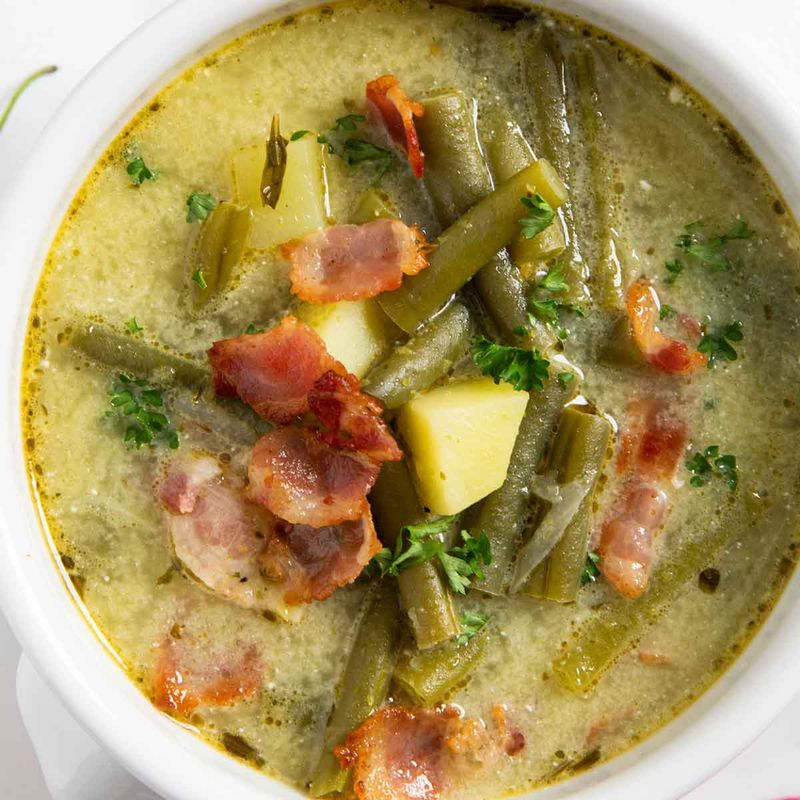
Bohnensuppe is a wonderfully humble soup that has fed German farming families for generations. Green beans, potatoes, and smoked pork come together in a savory broth seasoned with summer savory — an herb that is practically made for bean dishes.
Summer savory, called Bohnenkraut in German, literally translates to bean herb, which tells you everything about how well it works here. This soup is simple, affordable, and incredibly flavorful, especially when made with fresh beans straight from the garden.
12. Spargelsuppe (German Asparagus Soup)
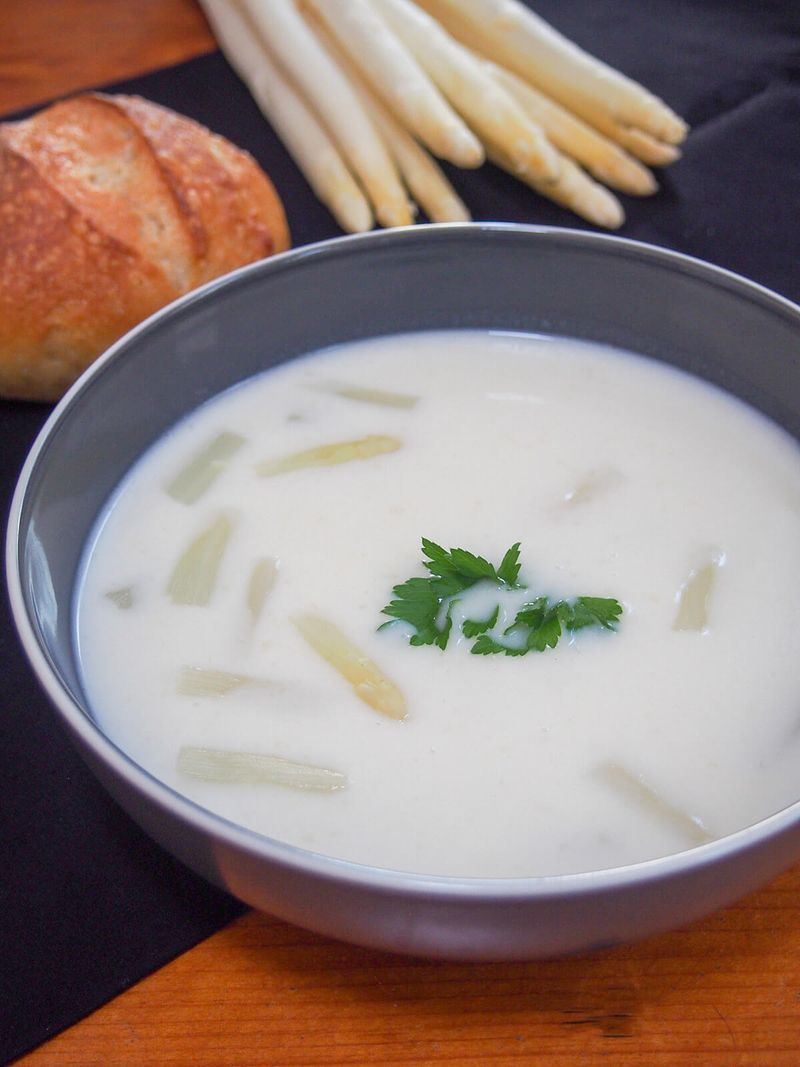
White asparagus is practically a national obsession in Germany, and Spargelsuppe showcases it in the most elegant way possible. The pale asparagus is simmered in a buttery broth, then blended into a silky, refined soup that tastes like spring in a bowl.
Germans eagerly await asparagus season each year, calling it Spargelzeit, or asparagus time. This soup is a seasonal treat that feels special and sophisticated, yet it comes together with just a handful of simple, beautiful ingredients.
13. Pichelsteiner (German Meat and Vegetable Stew Soup)
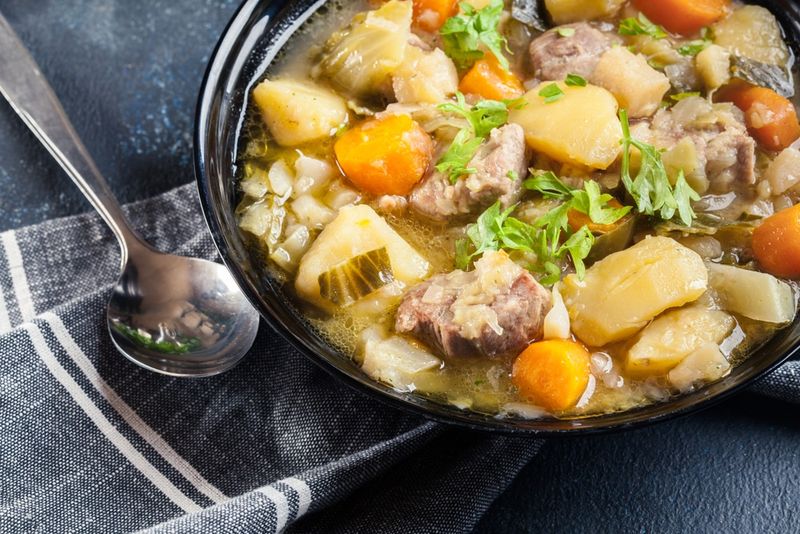
Pichelsteiner is a beloved Bavarian one-pot wonder that blurs the line between soup and stew in the most satisfying way. Three different types of meat — typically beef, pork, and lamb — are layered with root vegetables and slowly cooked until everything is meltingly tender.
This dish has its own festival in Regen, Bavaria, where giant pots of Pichelsteiner are cooked outdoors every year. Making it at home fills the whole house with an irresistible aroma that draws everyone to the kitchen.
14. Leberknödelsuppe (Liver Dumpling Soup)
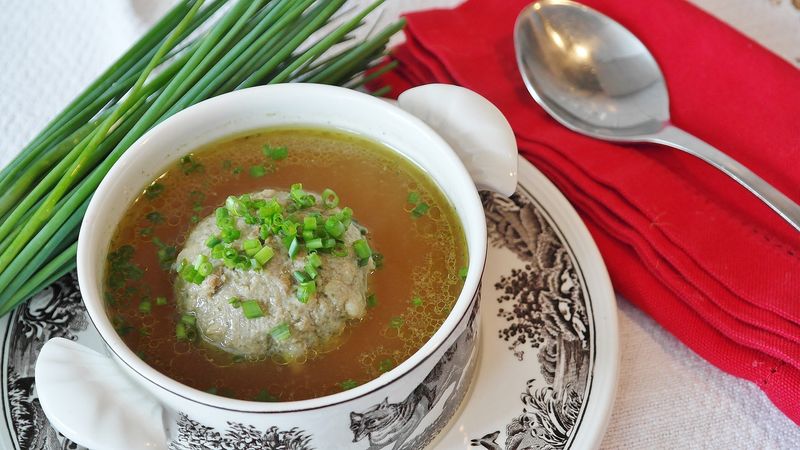
Leberknödelsuppe might sound intimidating, but it is one of Bavaria's most beloved comfort foods for good reason. Large, savory dumplings made from liver, bread, onions, and herbs are gently simmered in a crystal-clear beef broth.
The dumplings are surprisingly mild and satisfying — nothing like the strong liver flavor you might expect. This soup is a staple at Bavarian restaurants and festivals, and making it yourself at home gives you serious bragging rights at the dinner table.
15. Kürbissuppe (German Pumpkin Soup)
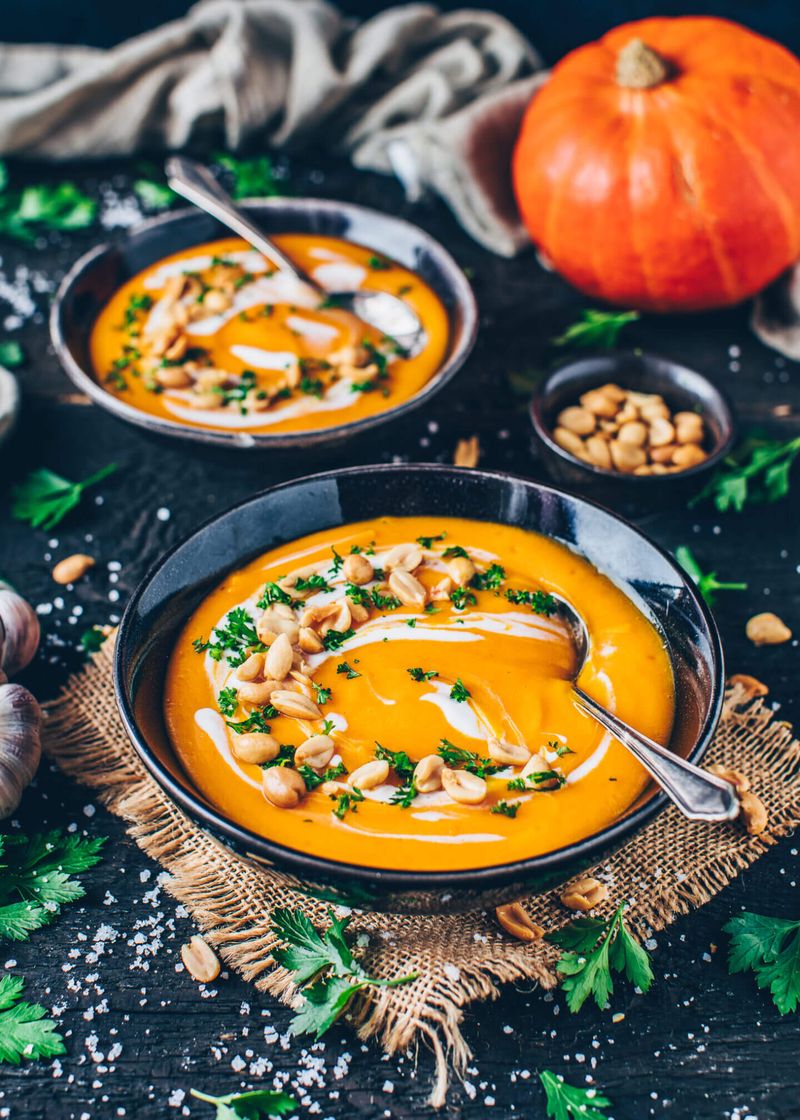
Autumn in Germany means one thing in the soup pot — Kürbissuppe. Roasted pumpkin blended with onions, ginger, and a touch of cream creates a gloriously smooth and warming soup that captures the essence of the season.
The secret to the best Kürbissuppe is roasting the pumpkin first to deepen its natural sweetness before blending. A handful of toasted pumpkin seeds scattered on top adds a satisfying crunch that makes each spoonful more interesting and texturally exciting.
16. Fischsuppe (German Fish Soup)
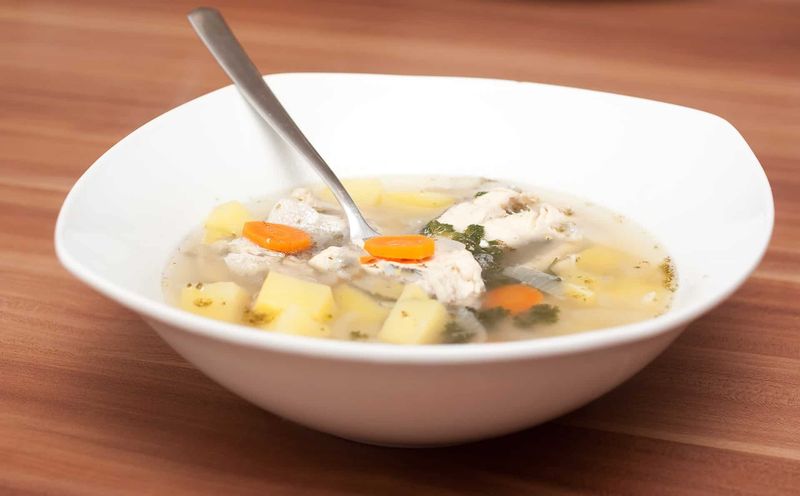
Coastal Germany has a rich tradition of fish cookery, and Fischsuppe is one of its finest expressions. Chunks of fresh white fish are simmered with potatoes, leeks, and sometimes a touch of cream or saffron for a broth that is elegant yet deeply comforting.
The key is using the freshest fish you can find, since the whole soup revolves around its delicate flavor. Fresh dill stirred in at the end brightens everything up and gives the soup a wonderfully aromatic, Nordic-inspired quality.
17. Rote Bete Suppe (German Beet Soup)
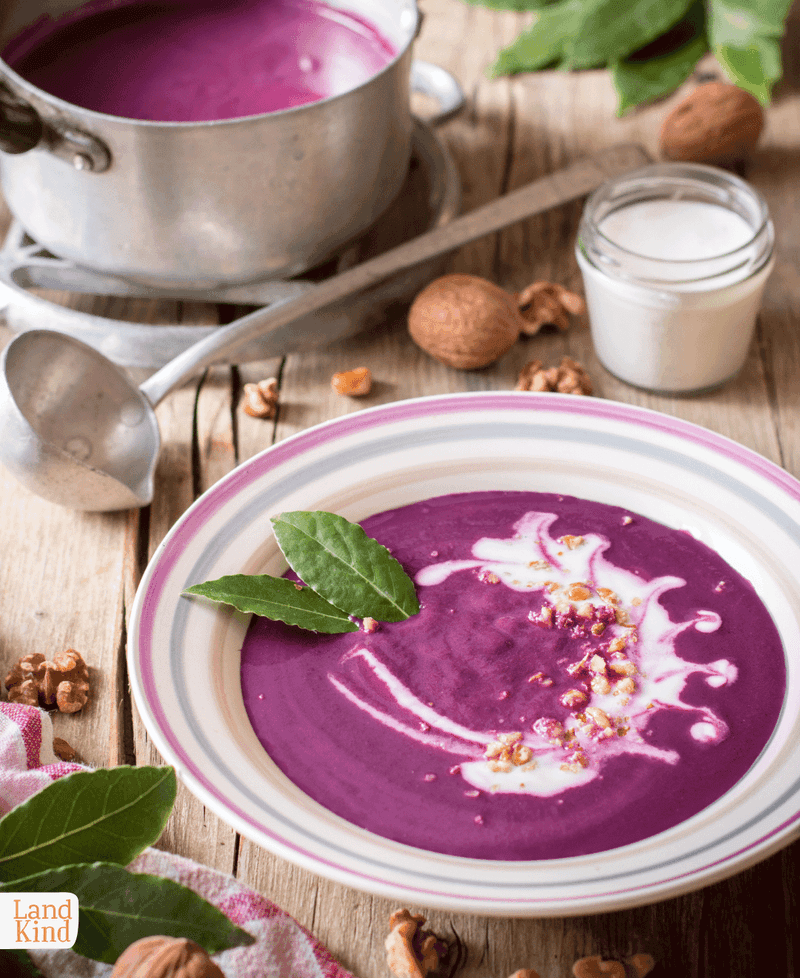
Rote Bete Suppe turns heads every single time it is served — that vivid, jewel-toned purple color is absolutely stunning. Roasted beets are blended with onions, garlic, and vegetable broth into a velvety smooth soup with an earthy, slightly sweet flavor.
A generous dollop of sour cream swirled on top adds a creamy tang that perfectly balances the beet's natural sweetness. This soup is also packed with nutrients, making it one of the most beautiful and healthy dishes in the German repertoire.
18. Grünkohlsuppe (German Kale Soup)
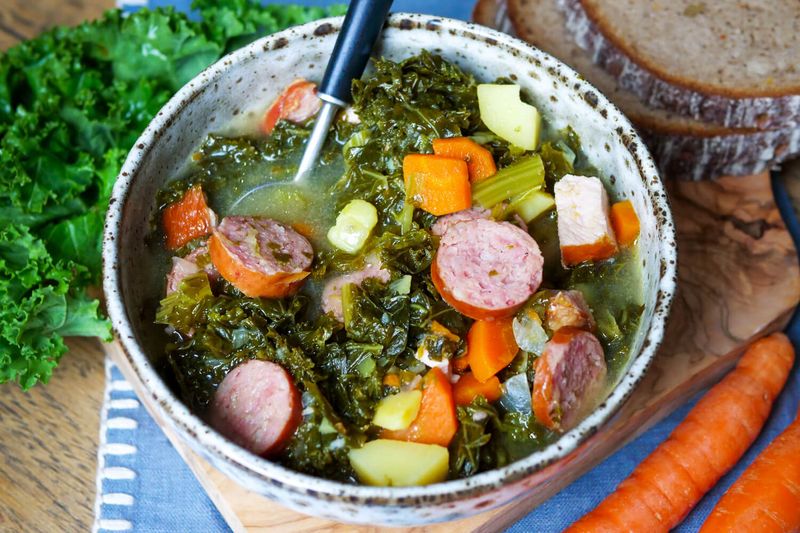
Kale has been a winter staple in northern Germany for centuries, long before it became a trendy superfood. Grünkohlsuppe combines hardy winter kale with smoked sausage, potatoes, and white beans into a thick, nourishing soup that laughs in the face of cold weather.
In northern Germany, kale is traditionally harvested after the first frost, which sweetens the leaves naturally. That natural sweetness paired with smoky sausage creates a flavor combination that is bold, satisfying, and completely unique to this region.
19. Nudelsuppe (German Noodle Soup)
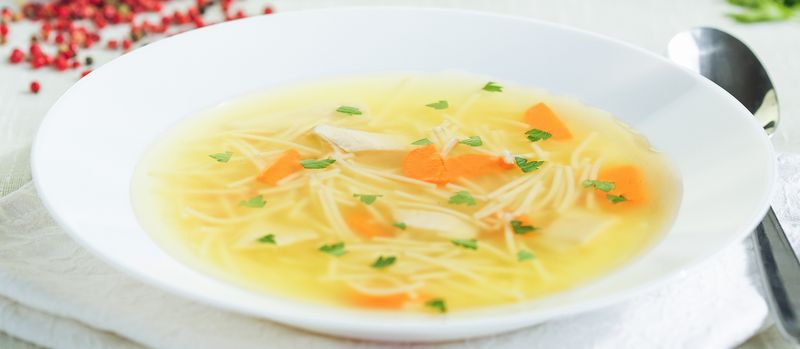
Sometimes the simplest things are the most comforting, and Nudelsuppe proves that point perfectly. A clear, golden chicken broth loaded with thin egg noodles, shredded chicken, and tender vegetables is the German answer to feeling better on a rough day.
Homemade egg noodles make this soup extra special, though store-bought works just fine for a weeknight dinner. The trick is a long-simmered broth made from a whole chicken — that slow cooking is what gives it that deep, soul-warming flavor everyone loves.
20. Schwäbische Flädlesuppe (Swabian Pancake Soup)
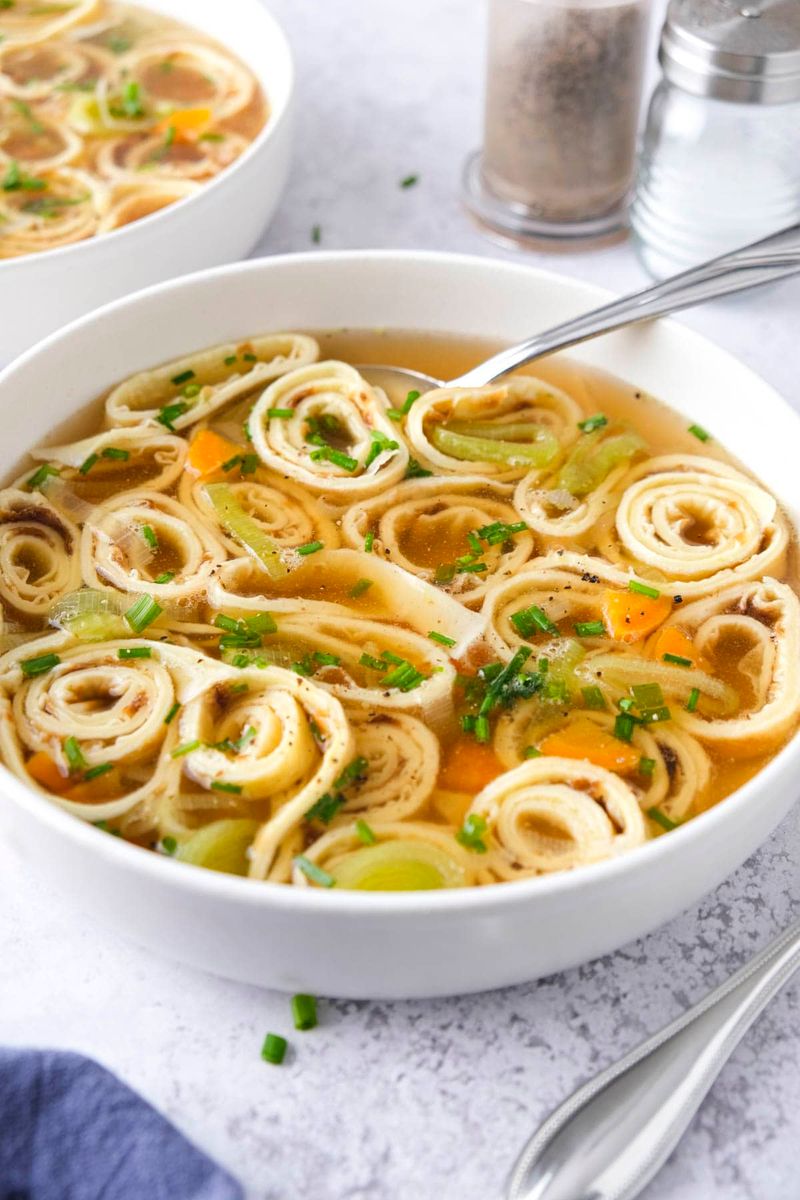
Flädlesuppe is one of those dishes that makes you stop and think — who first decided to put rolled-up pancakes in soup? Whoever it was, they were a genius.
Thin, savory crepes are rolled up and sliced into ribbons, then floated in a rich, clear beef or chicken broth.
This is a traditional Swabian recipe from southwestern Germany, often served as a starter at Sunday family dinners. It looks fancy but is surprisingly easy to pull together once you have the broth ready.




Comments
No Comments