













Fermented foods have been around for thousands of years, and people all over the world have relied on them to stay healthy and energized. When food ferments, helpful bacteria called probiotics grow and make the food easier to digest while boosting your gut health.
A happy gut means better digestion, a stronger immune system, and even improved mood. Whether you are brand new to fermentation or just curious, these 18 foods are a great place to start.
1. Yogurt
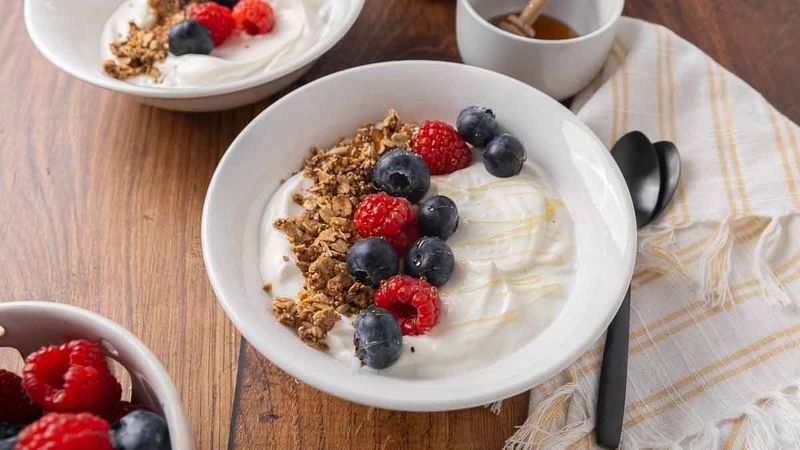
Yogurt is probably the most familiar fermented food on this list, and for good reason. Made by adding live bacterial cultures to warm milk, it transforms into a creamy, tangy treat packed with probiotics.
Those good bacteria help your gut stay balanced and your digestion run smoothly.
You can make yogurt at home with just milk and a small spoonful of store-bought yogurt as a starter. Add fruit, granola, or a drizzle of honey and you have a gut-friendly snack ready to go.
2. Kefir
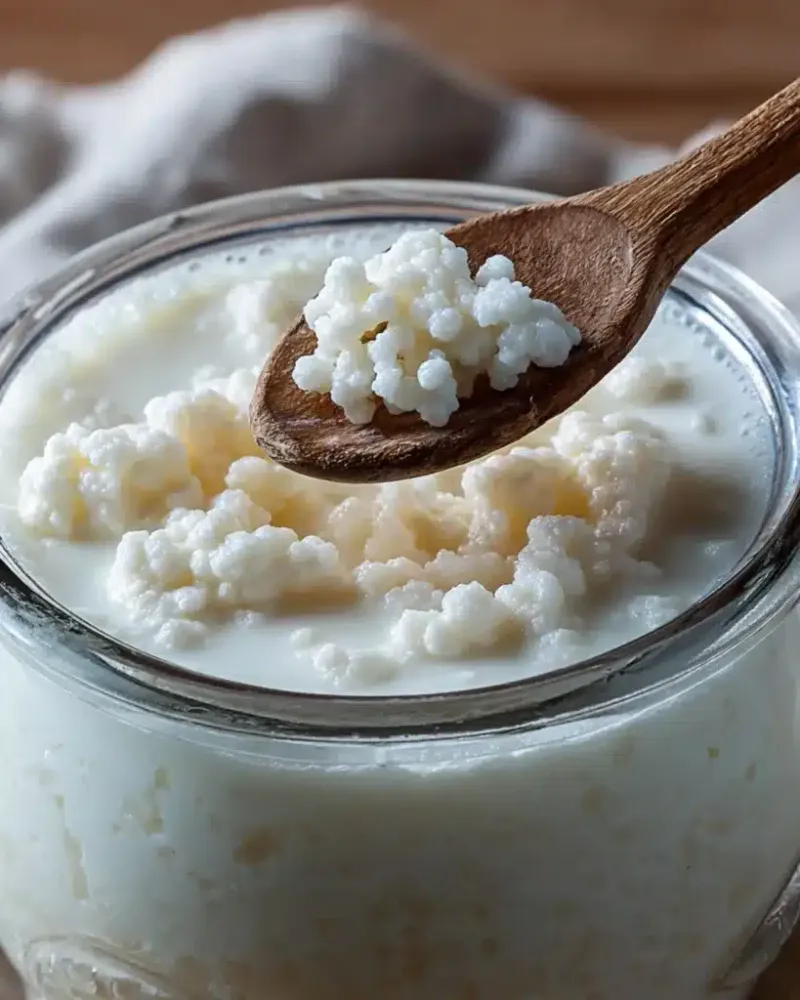
Kefir is like yogurt's bubbly, drinkable cousin. It is made by adding kefir grains — tiny clusters of bacteria and yeast — to milk, letting them ferment overnight.
The result is a slightly fizzy, tangy drink loaded with far more probiotic strains than regular yogurt.
Some people who are mildly lactose intolerant actually handle kefir better than regular milk because fermentation breaks down much of the lactose. Try blending it into a smoothie for an easy probiotic boost.
3. Sauerkraut
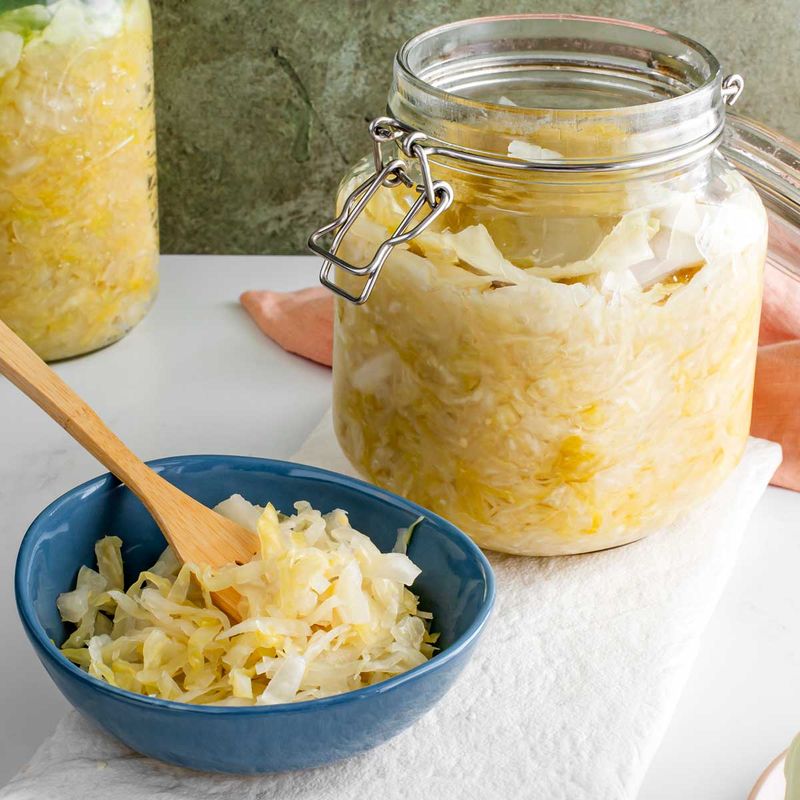
Just two ingredients — cabbage and salt — are all you need to make sauerkraut, one of the oldest fermented foods in history. The salt draws out moisture from the cabbage, and over several days, natural bacteria ferment it into a sour, crunchy condiment.
Homemade sauerkraut is far richer in live probiotics than the pasteurized versions sold in cans. Pile it onto hot dogs, sandwiches, or grain bowls.
Your gut will genuinely thank you for every crunchy, tangy bite.
4. Kimchi

Korea's national dish has conquered taste buds worldwide, and it deserves every bit of the hype. Kimchi is made from napa cabbage fermented with garlic, ginger, chili pepper, and other vegetables.
The spicy, funky flavor gets more complex the longer it ferments.
Beyond flavor, kimchi is a probiotic powerhouse. Studies suggest it may support digestion, reduce inflammation, and even help with weight management.
Making it at home lets you control the spice level and experiment with different vegetables like radish or cucumber.
5. Kombucha
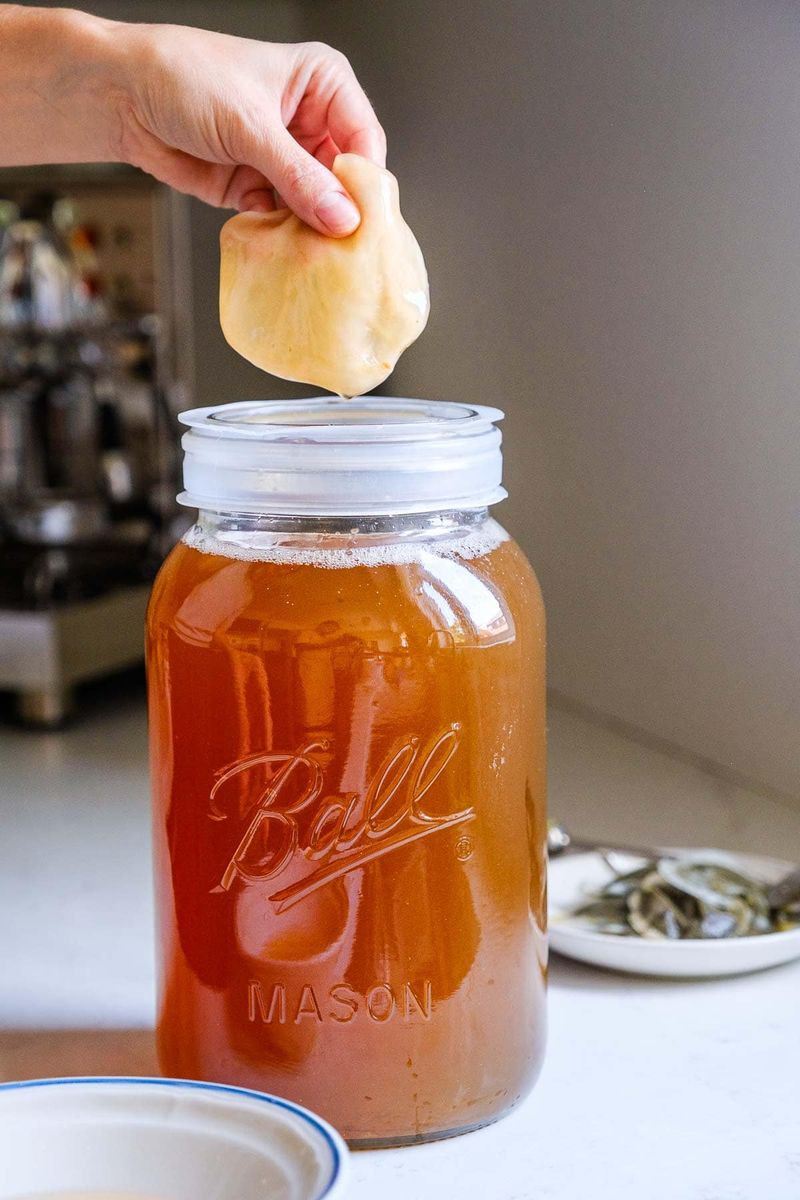
Kombucha is a fizzy, slightly tart fermented tea that has exploded in popularity at health food stores — but it is surprisingly easy to brew at home. A rubbery culture called a SCOBY (Symbiotic Culture of Bacteria and Yeast) does all the fermenting work over one to two weeks.
Homemade kombucha costs a fraction of store-bought bottles and lets you flavor it however you like — ginger, berry, or citrus all work beautifully. Start with plain black or green tea and a healthy SCOBY starter.
6. Miso
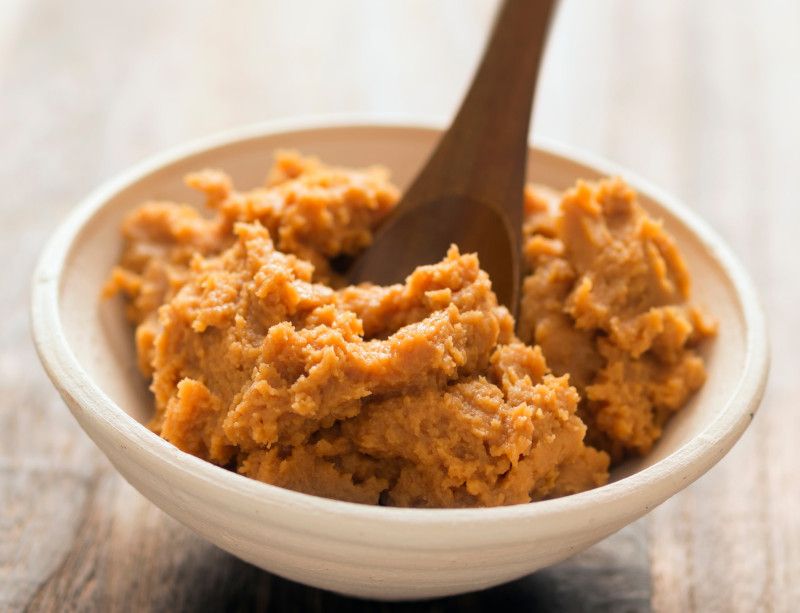
Miso is a salty, savory paste made by fermenting soybeans with salt and a mold called koji. It has been a staple in Japanese cooking for over a thousand years, used in soups, marinades, dressings, and glazes.
The fermentation process can take anywhere from a few weeks to several years.
Rich in enzymes, vitamins, and gut-friendly bacteria, miso adds serious depth of flavor to any dish. Making it at home is a long but rewarding project.
Even a simple bowl of miso soup counts as a probiotic win.
7. Tempeh
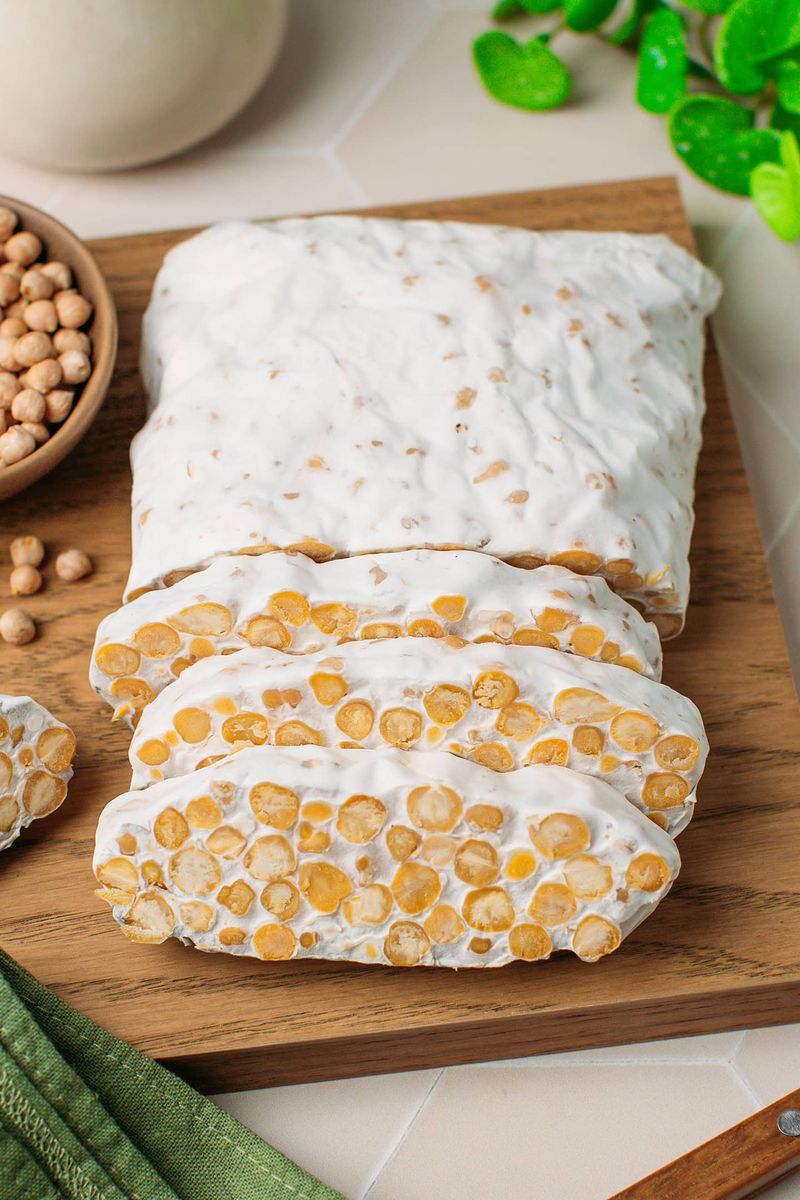
Tempeh originated in Indonesia and is made by fermenting cooked soybeans with a special mold until they bind together into a firm, nutty cake. Unlike tofu, tempeh has a hearty, chewy texture that holds up beautifully when grilled, fried, or crumbled into dishes.
The fermentation process actually increases the protein and nutrient availability compared to plain soybeans. Tempeh is also a fantastic meat substitute for plant-based eaters.
Try marinating slices in soy sauce and garlic before pan-frying for a deeply satisfying meal.
8. Kvass
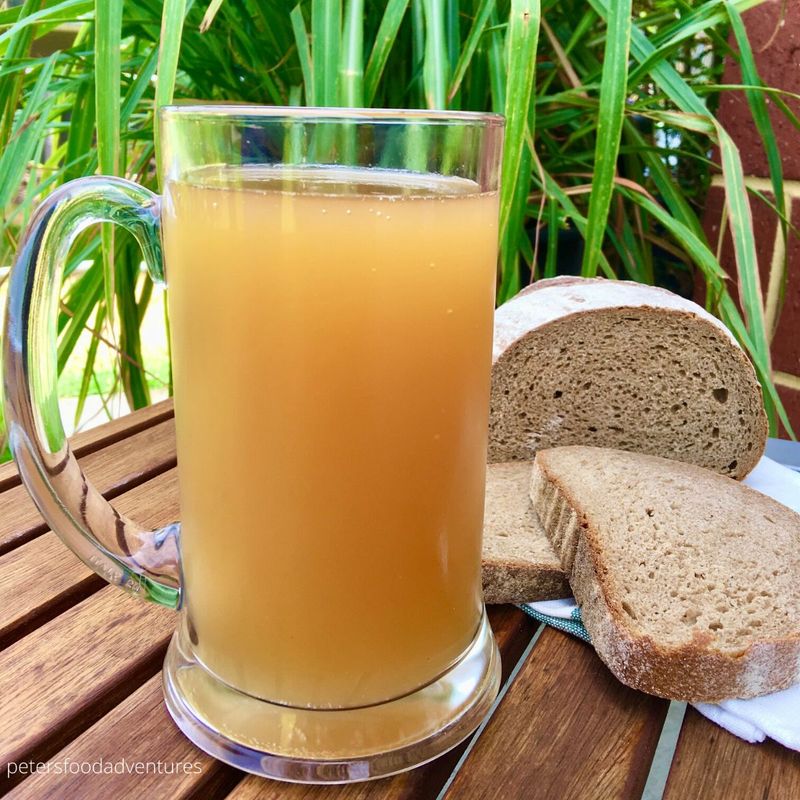
Bread in a glass — that is essentially what kvass is. This traditional Eastern European drink is made by fermenting stale rye bread in water with a little sugar and yeast.
The result is a lightly fizzy, mildly sour beverage that tastes earthy and refreshing.
Kvass has been consumed in Russia and neighboring countries for centuries as both a digestive aid and a thirst quencher. It is low in alcohol and rich in B vitamins.
Making it at home takes just a few days and uses leftover bread you might otherwise toss.
9. Water Kefir

Water kefir is the dairy-free answer for anyone who loves the probiotic power of milk kefir but prefers a lighter, plant-based option. Instead of milk, you ferment sugar water or fruit juice using water kefir grains.
The result is a refreshing, lightly carbonated drink.
You can flavor it endlessly — think lemon and ginger, mango, or mixed berries. The grains reuse themselves batch after batch, making this one of the most budget-friendly fermented drinks you can make.
It takes only 24 to 48 hours per batch.
10. Pickles (Lacto-Fermented)
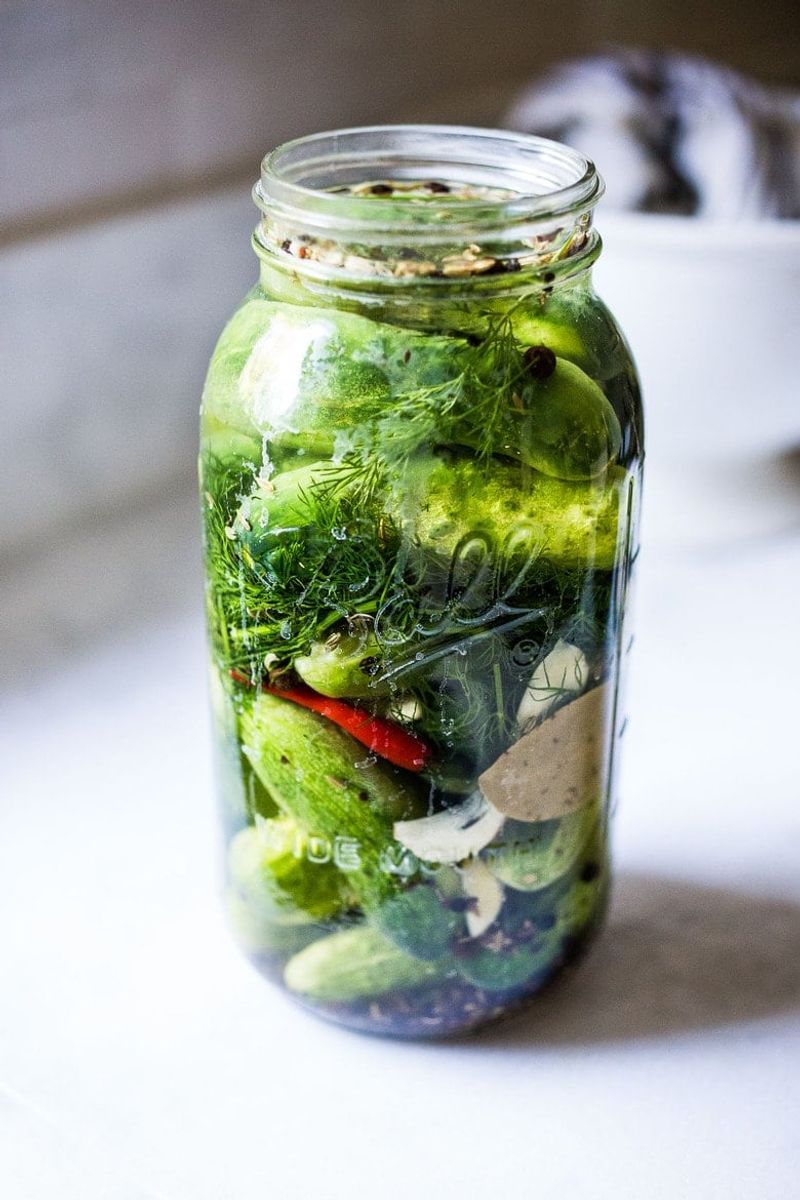
Not all pickles are created equal. The vinegar pickles you grab off grocery store shelves are preserved, not fermented.
Real lacto-fermented pickles use just cucumbers, salt water, and time to develop a satisfying crunch and a complex sour flavor packed with live probiotics.
The process is wonderfully simple — pack cucumbers into a jar, cover with saltwater brine, and wait a few days at room temperature. Garlic, dill, and peppercorns make fantastic additions.
Once you taste a real fermented pickle, the vinegar version simply will not compare.
11. Natto
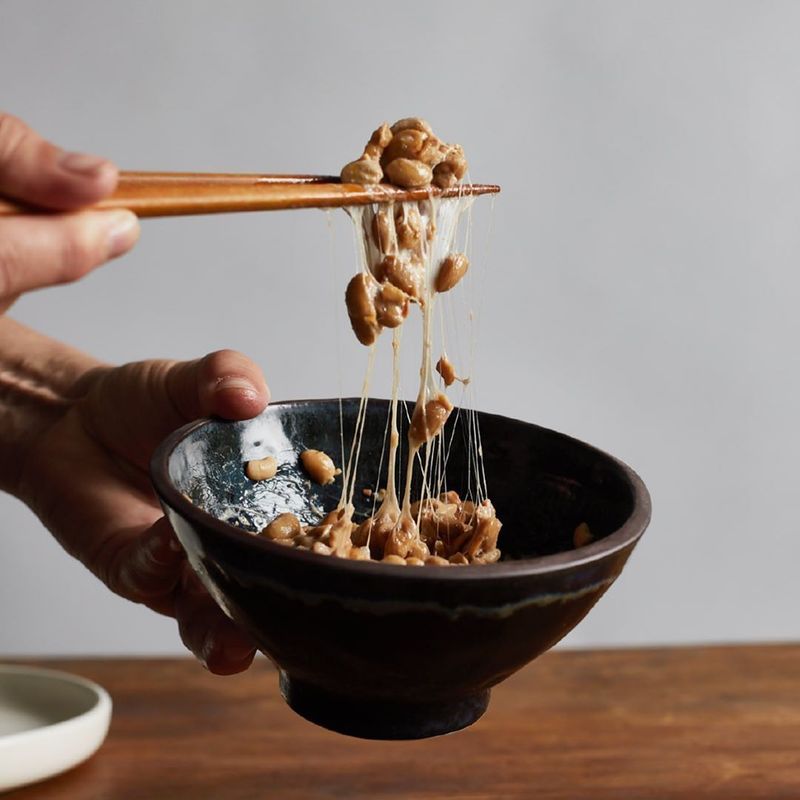
Natto is not for the faint of heart — its sticky, slimy texture and pungent smell have made it one of the most polarizing foods in Japan. But those who push past the first impression discover a nutritional treasure.
Natto is made from soybeans fermented with Bacillus subtilis bacteria.
It is exceptionally high in vitamin K2, which supports bone and heart health, and contains nattokinase, an enzyme linked to cardiovascular benefits. Stir it over warm rice with soy sauce and mustard for the most traditional experience.
12. Sourdough Bread
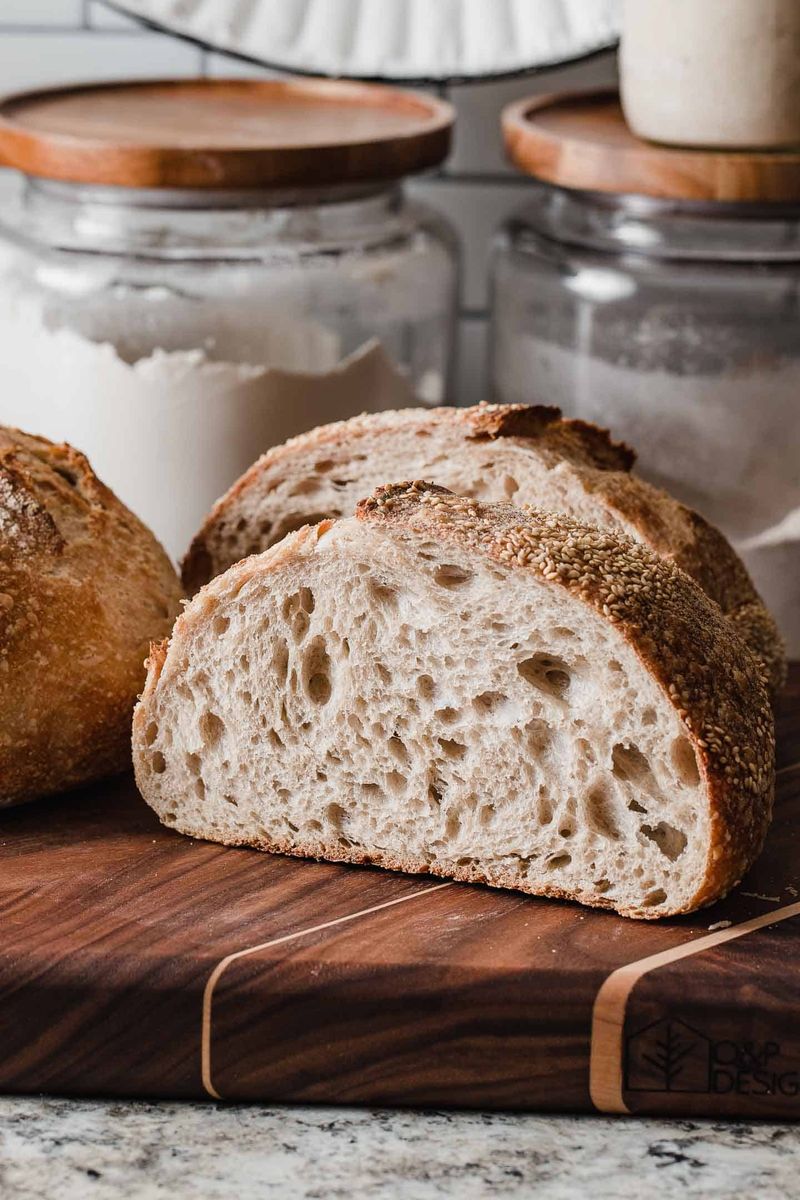
Few things smell better than a freshly baked sourdough loaf straight from the oven. Sourdough is leavened using a live starter — a fermented mixture of flour and water teeming with wild yeast and lactic acid bacteria.
That tangy flavor is entirely the work of fermentation.
The fermentation process breaks down phytic acid in the grain, making nutrients more accessible and the bread easier to digest than commercial loaves. Maintaining a sourdough starter is almost like caring for a pet — feed it regularly and it will reward you with incredible bread.
13. Beet Kvass
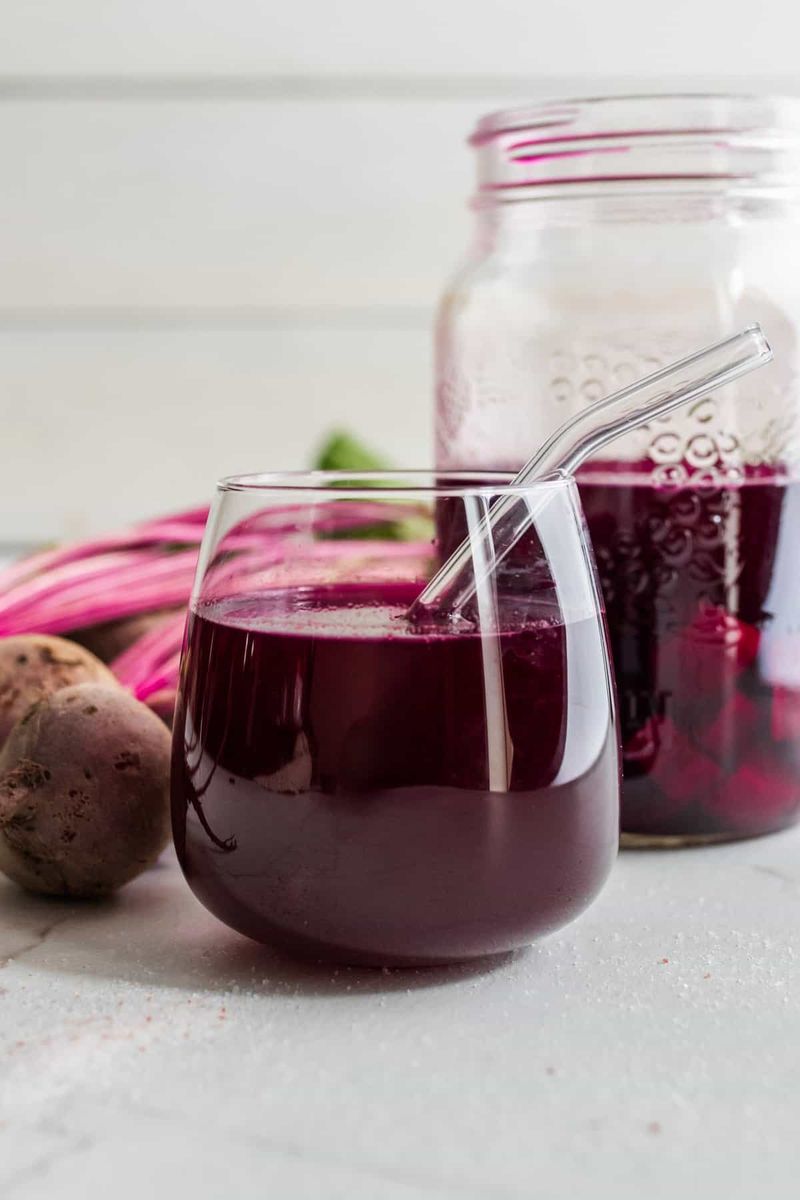
Beet kvass takes the fermented drink concept in a vibrantly colorful direction. Raw beets are chopped, packed into a jar with salt water, and left to ferment for several days.
The liquid turns a stunning deep red and develops a rich, earthy, slightly sour taste.
Traditionally used in Eastern Europe as a digestive tonic, beet kvass is loaded with probiotics, betaine, and antioxidants. Just a small glass before meals is said to support liver function and digestion.
It is one of the simplest fermentation projects you can start today.
14. Fermented Hot Sauce
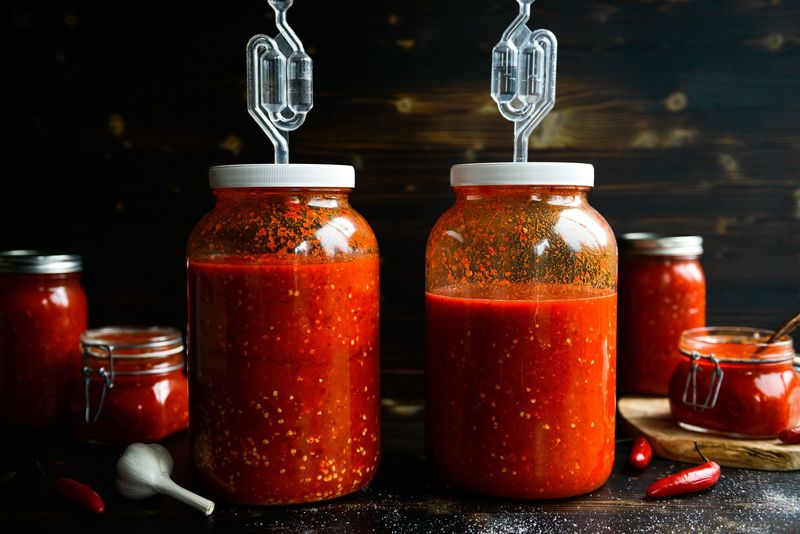
Hot sauce fans, this one is going to change your world. Fermenting chili peppers before blending them into hot sauce creates a depth of flavor that vinegar-based sauces simply cannot match.
The peppers ferment in a saltwater brine for one to two weeks, developing complex, tangy heat.
The process also preserves beneficial bacteria, turning your favorite condiment into a probiotic food. You can customize the heat level and flavor by mixing different pepper varieties.
Blend in garlic or mango for creative twists on a classic.
15. Curtido
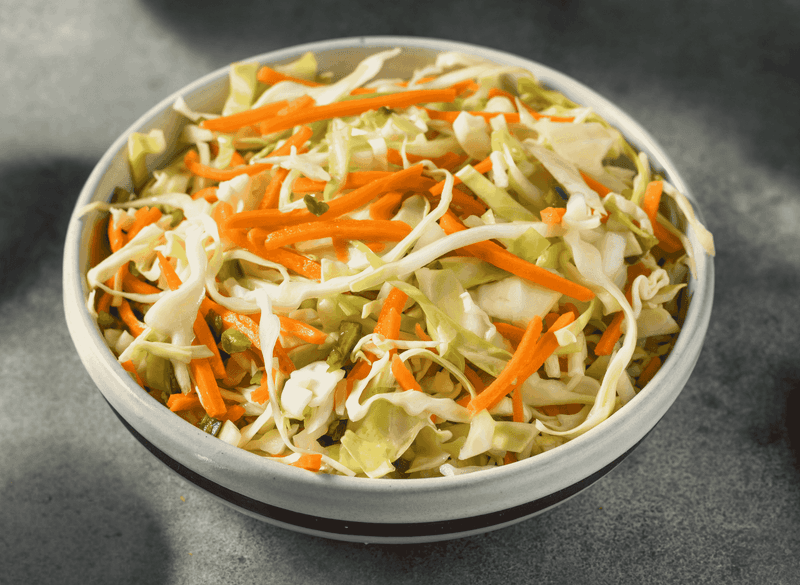
Curtido is El Salvador's answer to sauerkraut, and it is absolutely worth knowing about. This lightly fermented cabbage slaw is made with shredded cabbage, carrots, onion, oregano, and a splash of lime.
It ferments for just a day or two, giving it a mild, fresh tang.
Traditionally served alongside pupusas — thick corn tortillas filled with cheese or beans — curtido adds crunch and brightness to every bite. Its shorter fermentation time makes it perfect for beginners who want probiotic benefits without waiting weeks for results.
16. Jun Tea
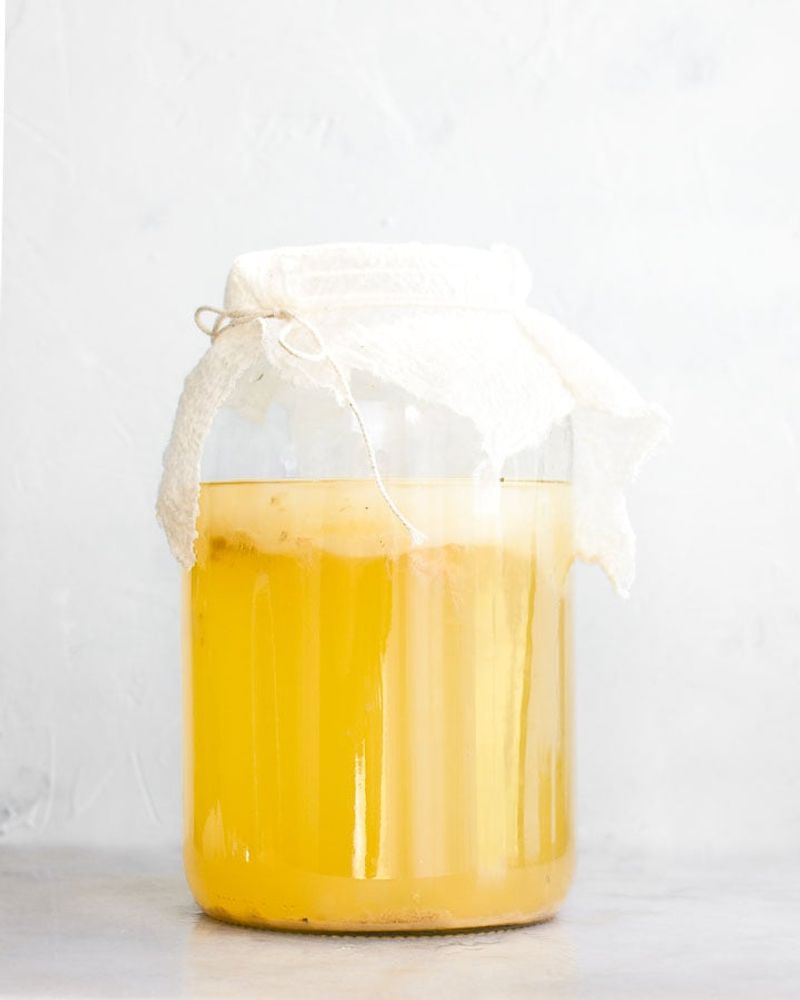
Often called the champagne of fermented teas, Jun tea is a lesser-known cousin of kombucha that uses green tea and raw honey instead of black tea and sugar. The SCOBY used for Jun is slightly different and produces a lighter, more delicate flavor with a gentle effervescence.
Because raw honey has its own antimicrobial properties, Jun tea tends to ferment more slowly and carefully. The result is a refined, floral, slightly sweet drink with probiotic benefits.
It is a beautiful project for anyone who has already mastered kombucha brewing.
17. Fermented Oat Porridge (Kiviak-style Oats)
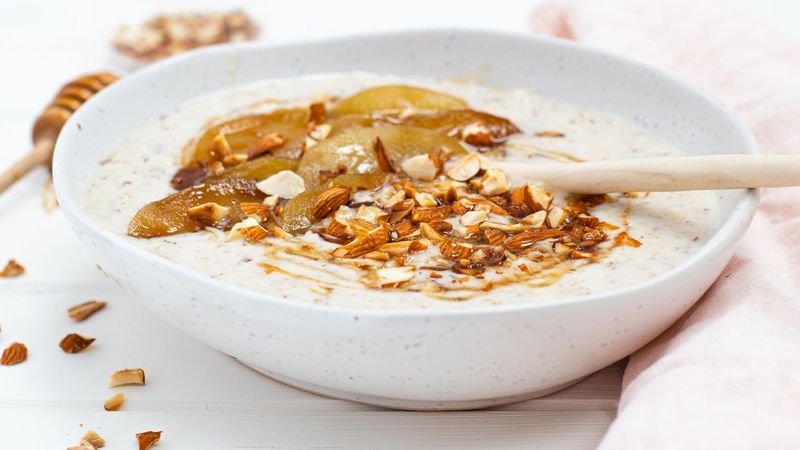
Soaking oats overnight in water with a splash of whey or apple cider vinegar kickstarts a mild fermentation that transforms your morning porridge. The process breaks down phytic acid — an antinutrient that blocks mineral absorption — making your oats significantly more nutritious and easier on digestion.
Fermented oat porridge has a pleasant, slightly sour flavor that pairs wonderfully with cinnamon, apple, and maple syrup. It is one of the easiest and most affordable ways to add fermented foods to your daily routine without any special equipment.
18. Fermented Salsa
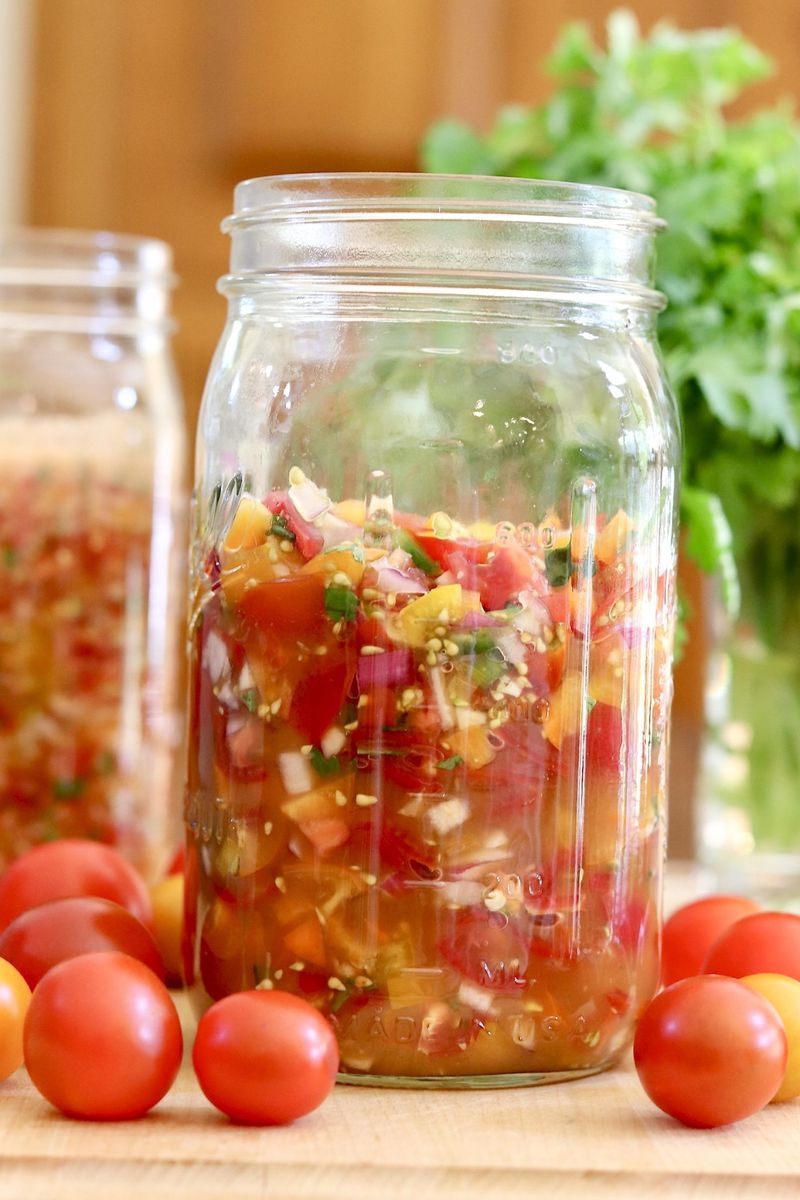
Salsa and chips just got a serious upgrade. Fermenting fresh salsa — tomatoes, onions, jalapeños, garlic, and cilantro — in a saltwater brine for 24 to 48 hours creates a tangy, complex flavor that no store-bought jar can replicate.
The beneficial bacteria also extend its shelf life naturally.
Fermented salsa is a fantastic beginner project because the results are fast and delicious. Use it exactly as you would regular salsa — on tacos, eggs, or straight from the jar with a chip.
Every bite comes with a probiotic bonus.




Comments
No Comments