













Eating with the seasons is one of the simplest ways to make your food taste better without spending more money or time in the kitchen. When fruits and vegetables are harvested at their peak, they carry more flavor, more nutrients, and more natural goodness than anything shipped from far away.
Seasonal ingredients can turn an ordinary weeknight dinner into something truly special. Get ready to discover 20 ingredients that will change the way you cook and eat all year long.
1. Spring Peas
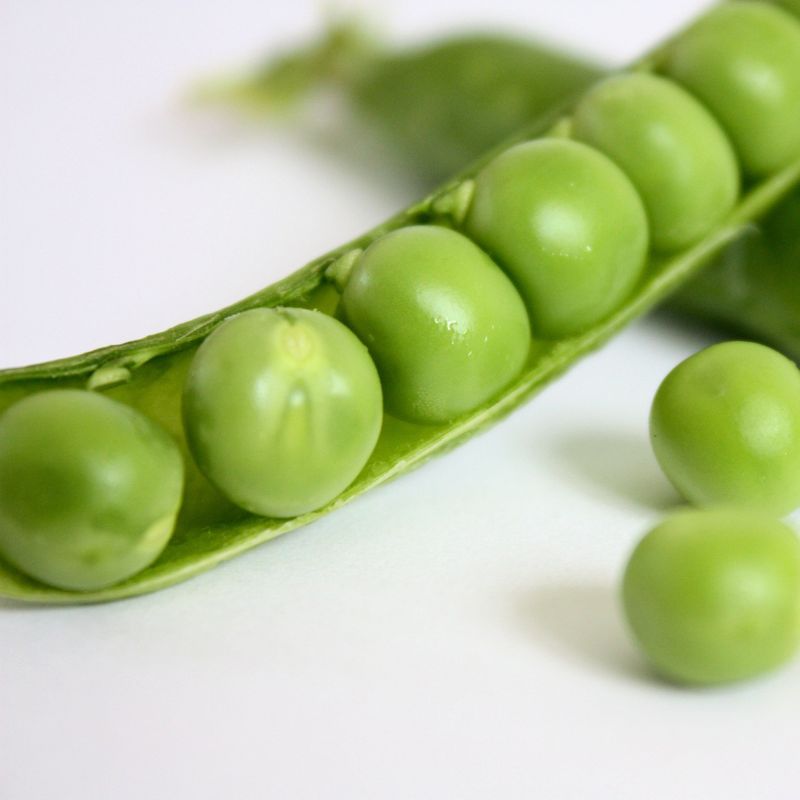
Pop one raw spring pea into your mouth and you will instantly understand why chefs get excited when March arrives. Their natural sweetness is almost candy-like, yet completely clean and fresh.
Toss them into pasta, stir them into risotto, or simply butter them lightly as a side dish. They cook in under three minutes, making them a weeknight hero.
Frozen peas are fine year-round, but fresh spring peas are on another level entirely.
2. Rhubarb
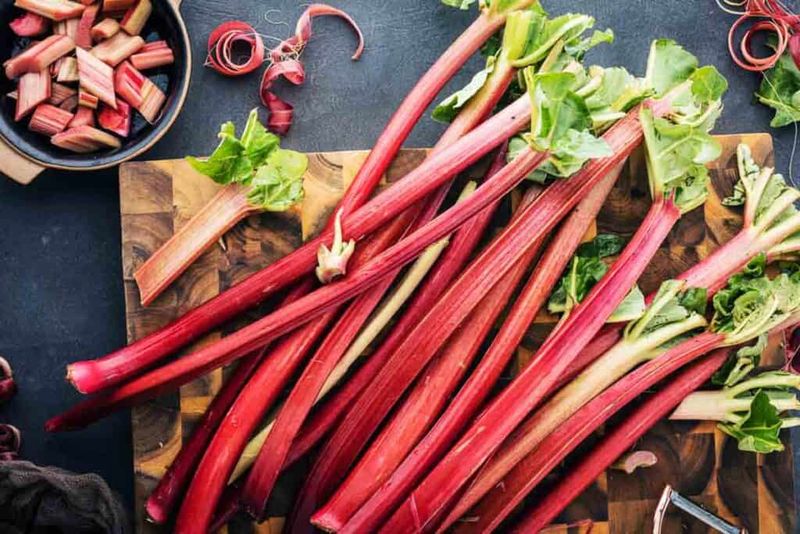
Rhubarb looks like red celery, but it tastes nothing like it. This tart, almost shockingly sour stalk is one of spring's most underrated ingredients, and it pairs beautifully with sugar and warm spices.
Most people know it in strawberry-rhubarb pie, but it also shines in chutneys, jams, and even savory sauces for pork or chicken. Did you know rhubarb leaves are actually toxic?
Only the stalks are safe to eat, so always trim carefully.
3. Asparagus
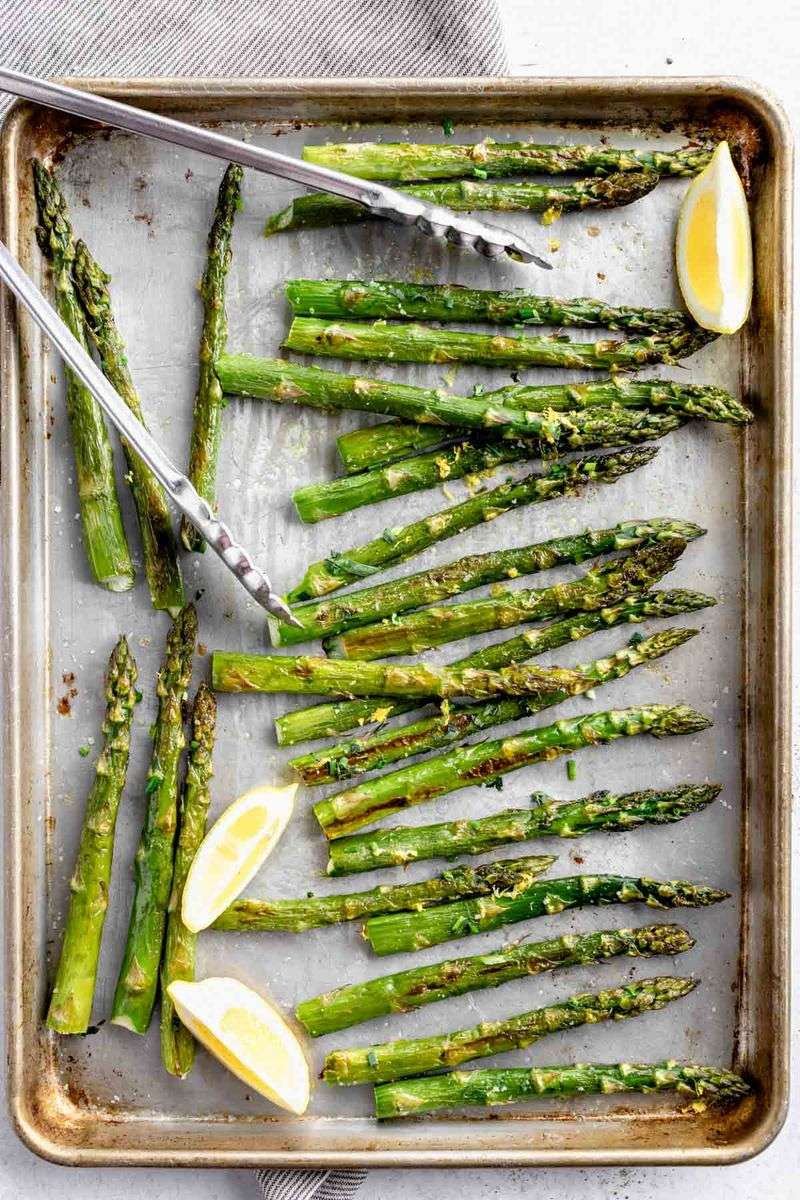
Few vegetables signal spring's arrival more dramatically than asparagus. Its short season makes every bunch feel like a gift, and roasting it in a hot oven with olive oil and sea salt is almost effortless magic.
Asparagus works brilliantly alongside eggs, making it ideal for brunch recipes. Snap the woody end off each stalk before cooking; the stalk naturally breaks at exactly the right spot.
Thin stalks cook faster, while thick ones hold up well on a grill.
4. Morel Mushrooms
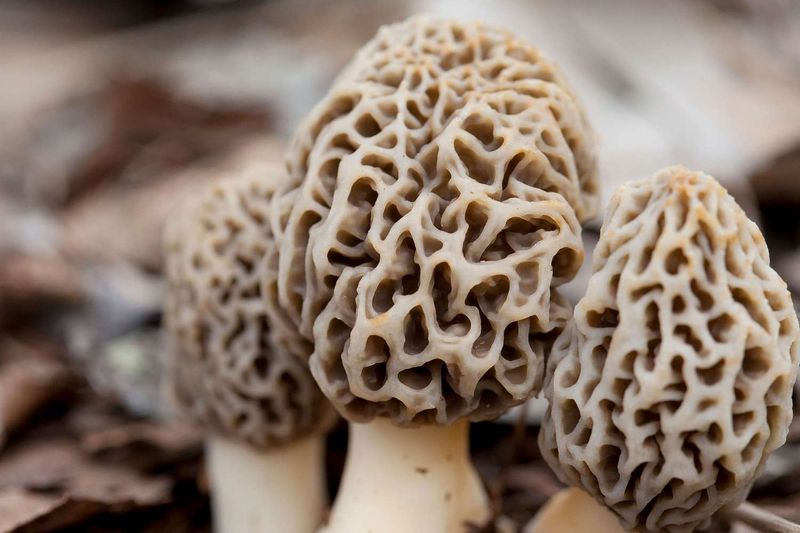
Morel mushrooms have a nutty, earthy, almost smoky flavor that feels completely unlike any mushroom you have bought in a grocery store. They grow wild in spring, often near old apple trees and forest edges, and foragers treasure them deeply.
Saute them in butter with fresh thyme and a splash of cream for a sauce that will make any pasta or chicken dish extraordinary. Always cook morels thoroughly; eating them raw can cause stomach discomfort for most people.
5. Fresh Strawberries
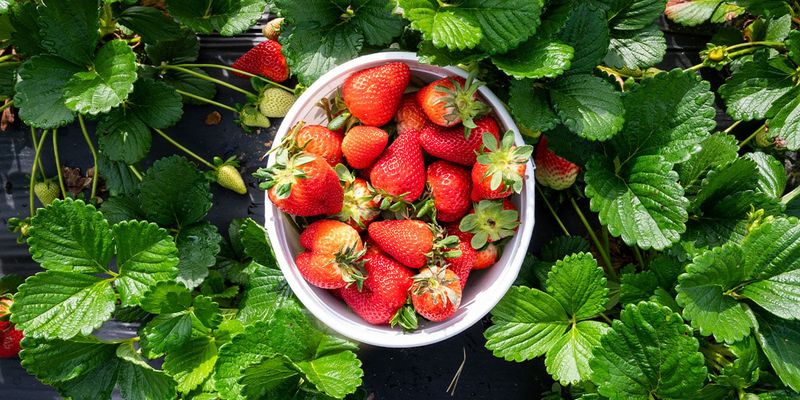
Supermarket strawberries in January taste like slightly red water. But a strawberry picked at peak ripeness in late spring or early summer?
That is a completely different experience, sweet, fragrant, and almost perfume-like.
Use them sliced over yogurt, layered into shortcakes, or blended into a simple vinaigrette for a summer salad. Seasonal strawberries are also far better for jamming because their natural pectin levels are higher.
Buy a big flat from a local farm and freeze what you cannot finish.
6. Zucchini Blossoms
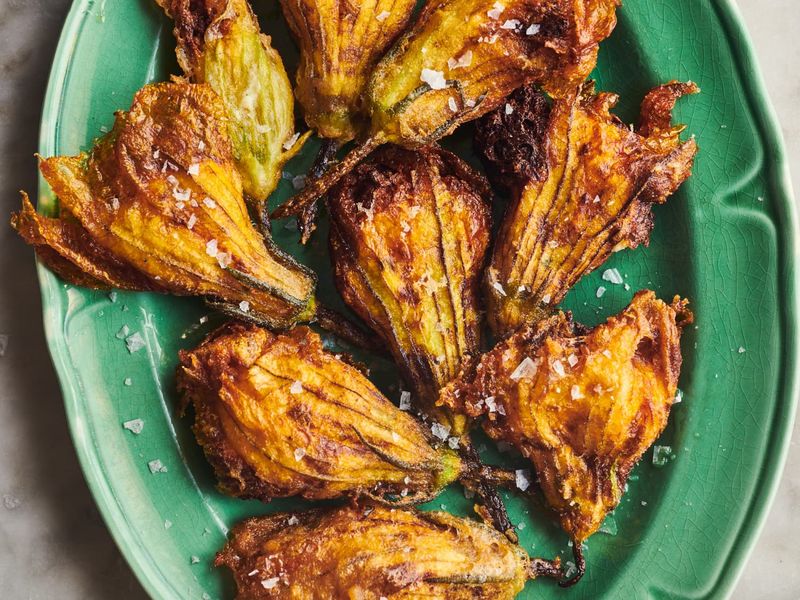
Zucchini blossoms are one of summer's most fleeting and theatrical ingredients. These golden-orange flowers bloom briefly on zucchini plants and must be used within a day or two of picking, which makes finding them feel like a small victory.
Stuff them with ricotta and herbs, then lightly fry them in a thin batter for an appetizer that always impresses guests. They can also be torn into pasta or pizza just before serving, adding color and a delicate squash flavor.
7. Corn on the Cob
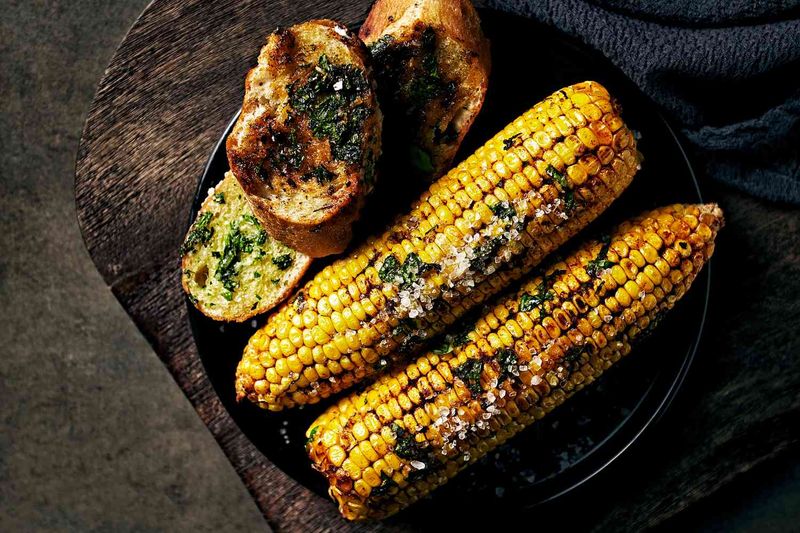
Nothing captures summer quite like biting into a freshly cooked ear of sweet corn. When corn is truly in season, it needs almost no help; a little butter, a pinch of salt, and you are done.
Beyond the classic boiled or grilled preparation, fresh corn kernels cut straight from the cob can transform salads, salsas, soups, and grain bowls. Corn starts converting its sugars to starch the moment it is picked, so the fresher it is, the sweeter it tastes.
8. Heirloom Tomatoes
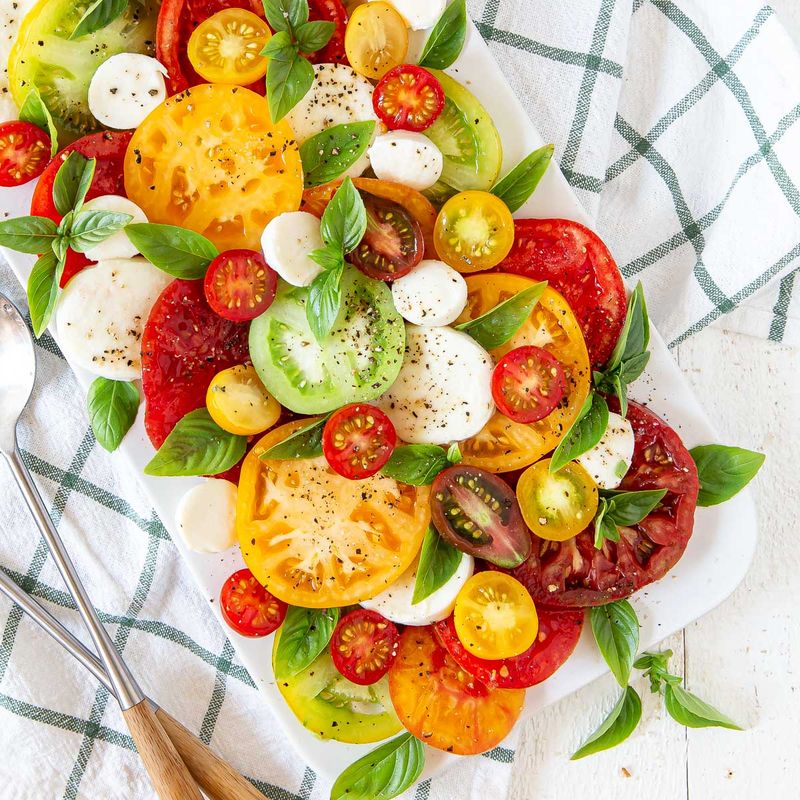
Heirloom tomatoes are the reason people say they do not like regular tomatoes. These old-variety fruits come in stunning colors and shapes, with complex, wine-like flavors that no hothouse tomato can replicate.
Slice them thick, layer with fresh mozzarella, drizzle with your best olive oil, and scatter torn basil on top for a Caprese salad that tastes like a summer vacation. They are also magnificent roasted slowly in the oven until jammy and caramelized.
9. Basil
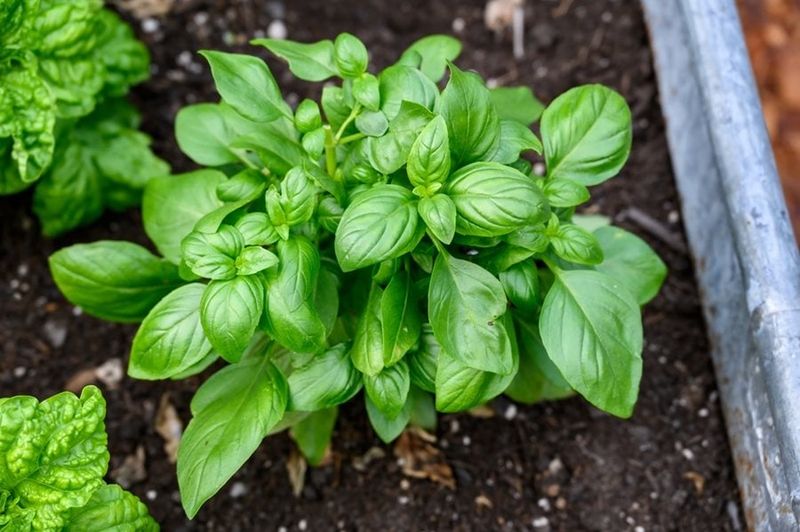
Basil in summer is almost aggressively fragrant. Walk past a basil plant on a warm afternoon and the scent alone will make you hungry.
Fresh summer basil is far more flavorful and aromatic than anything dried or grown out of season.
Blend it into pesto, tear it over pizza straight from the oven, or muddle it into lemonade for an unexpected herbal twist. Store fresh basil at room temperature rather than the fridge, which turns the leaves black quickly.
10. Peaches
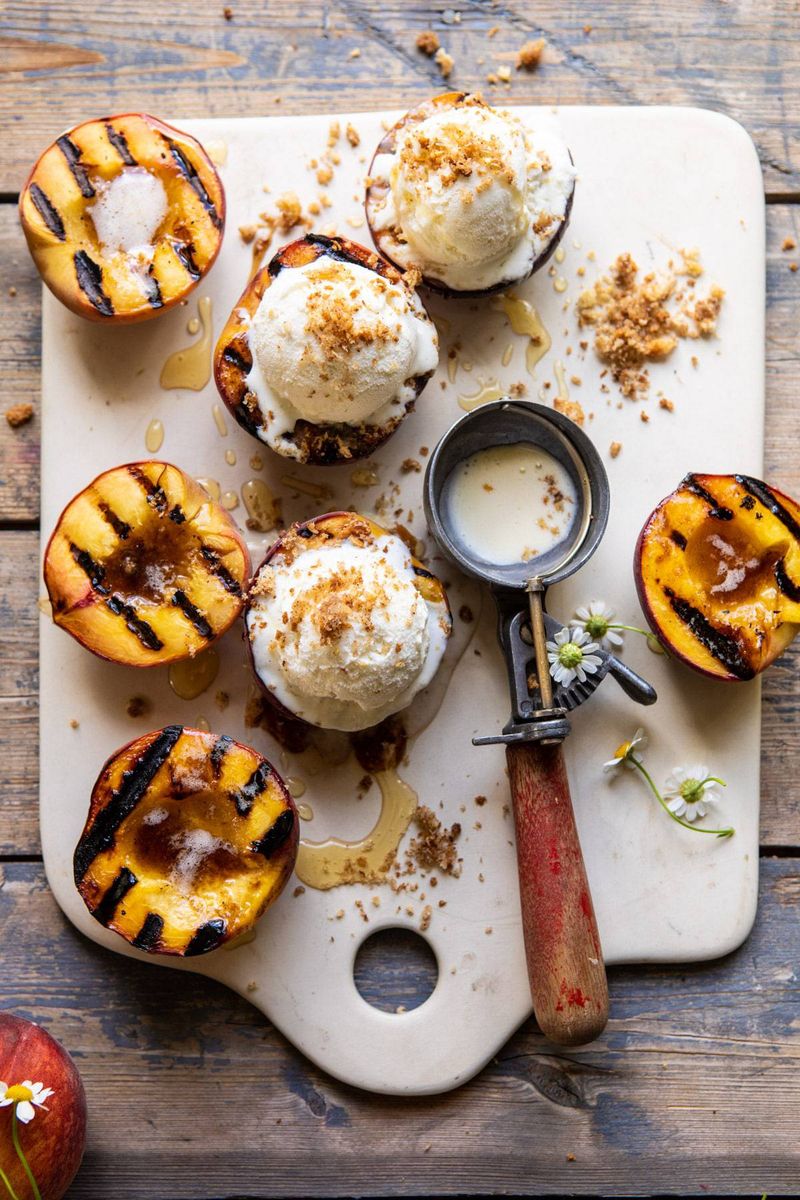
A perfectly ripe summer peach is basically nature showing off. The juice runs down your chin, the flesh is silky and sweet, and the fragrance is almost floral.
Canned peaches are a pantry staple, but they simply cannot compete with this.
Grill halved peaches and serve them with vanilla ice cream and a drizzle of honey for an effortless summer dessert. They also pair surprisingly well with savory dishes, especially alongside grilled pork chops or in a fresh arugula salad.
11. Butternut Squash
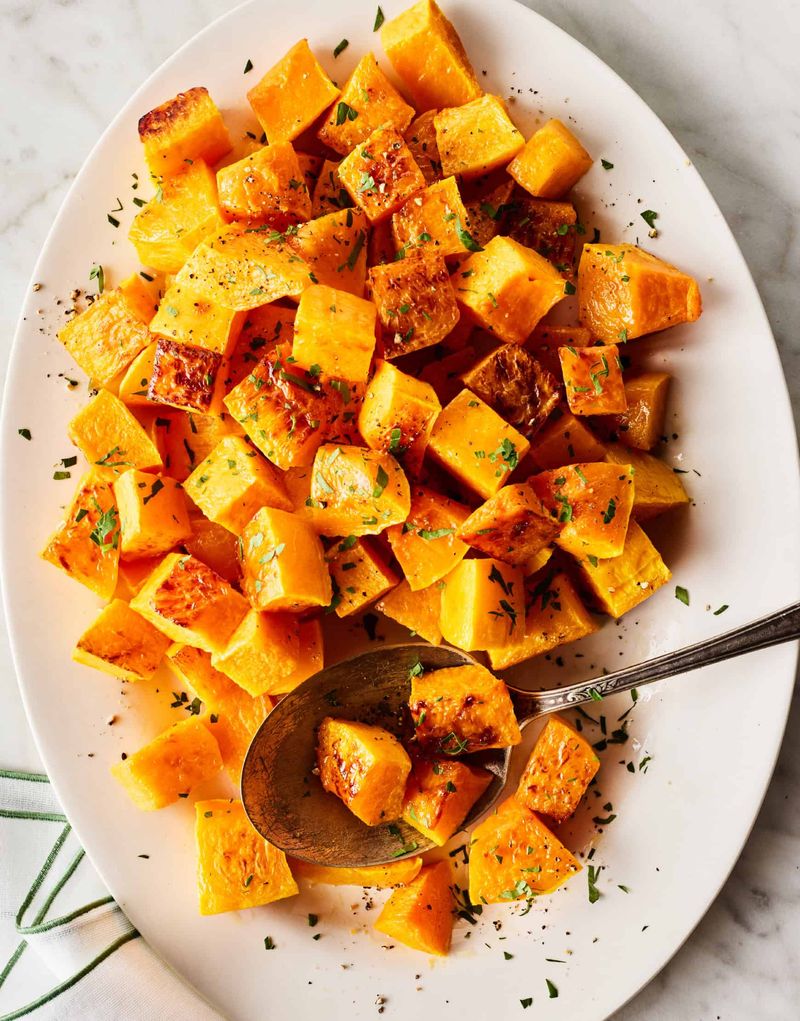
When fall arrives, butternut squash becomes the most reliable vegetable in your kitchen. Its sweet, nutty orange flesh roasts beautifully, soups up into velvety goodness, and even works well in pasta dishes and risottos.
Roasting butternut squash cubes at high heat caramelizes the edges and intensifies the natural sweetness dramatically. Try blending roasted squash with vegetable broth, a pinch of nutmeg, and a swirl of cream for an autumn soup that feels like a warm hug.
12. Apples
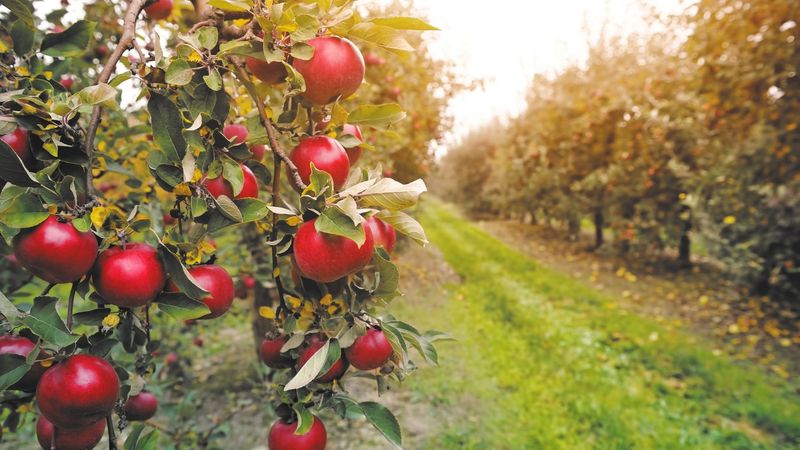
Apples in October taste nothing like the waxed, refrigerator-stored apples sold in supermarkets all year. Freshly harvested fall apples have a crunch that sounds like a small explosion and a flavor that ranges from tart to honeyed depending on the variety.
Beyond pie, fresh apples can be pressed into cider, sliced into grain salads with sharp cheddar and walnuts, or roasted alongside pork tenderloin with herbs and brown sugar for a savory-sweet dinner that feels deeply seasonal.
13. Brussels Sprouts
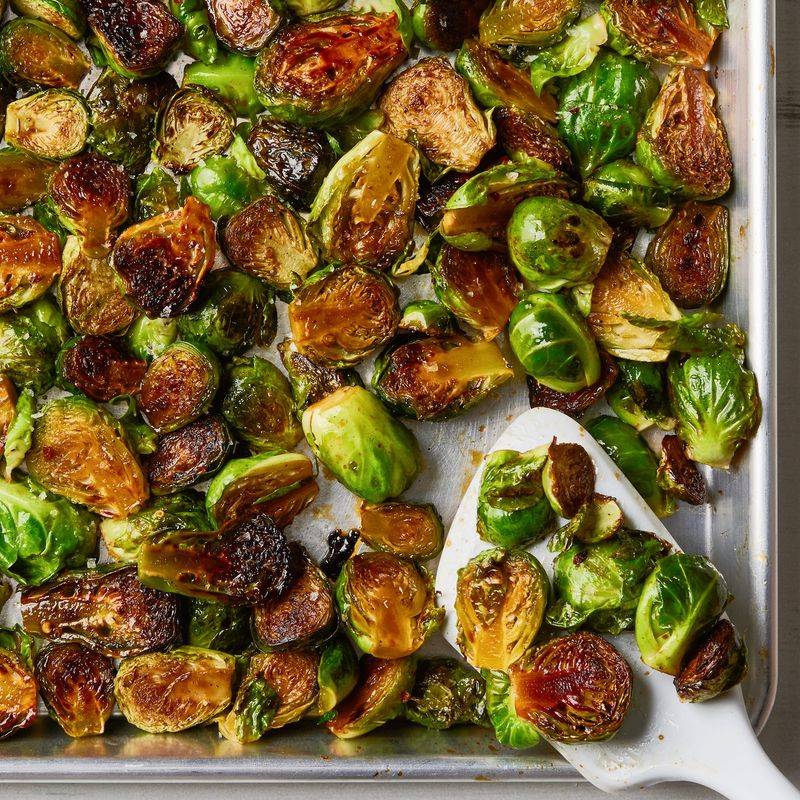
Brussels sprouts have had a serious reputation makeover in recent years, and rightfully so. The secret that unlocks their potential is high heat, which transforms them from bitter little cabbages into deeply caramelized, crispy-edged delights.
Halve them, toss generously with olive oil and salt, and roast at 425 degrees Fahrenheit until the cut sides are dark golden brown. Add a squeeze of lemon and a shower of Parmesan at the end.
Even dedicated sprout skeptics tend to come around after tasting this version.
14. Cranberries
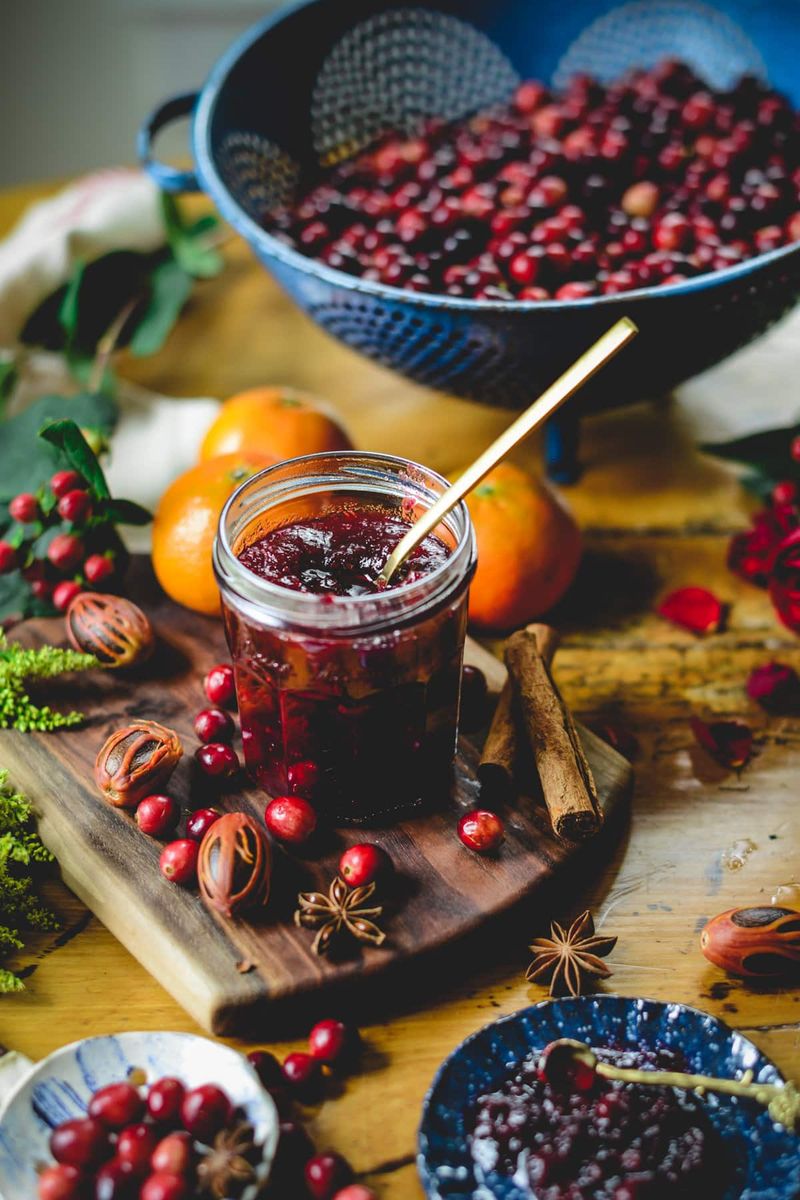
Fresh cranberries arrive in stores around October and stick around through the holiday season, giving you a narrow but exciting window to use them at their best. They are tart enough to make your mouth pucker, which is exactly why they work so well balanced with sugar and orange zest.
Simmer them into a quick homemade sauce with orange juice and honey for a Thanksgiving side that beats the canned version every time. Cranberries also freeze exceptionally well, so stock up while you can.
15. Pomegranate
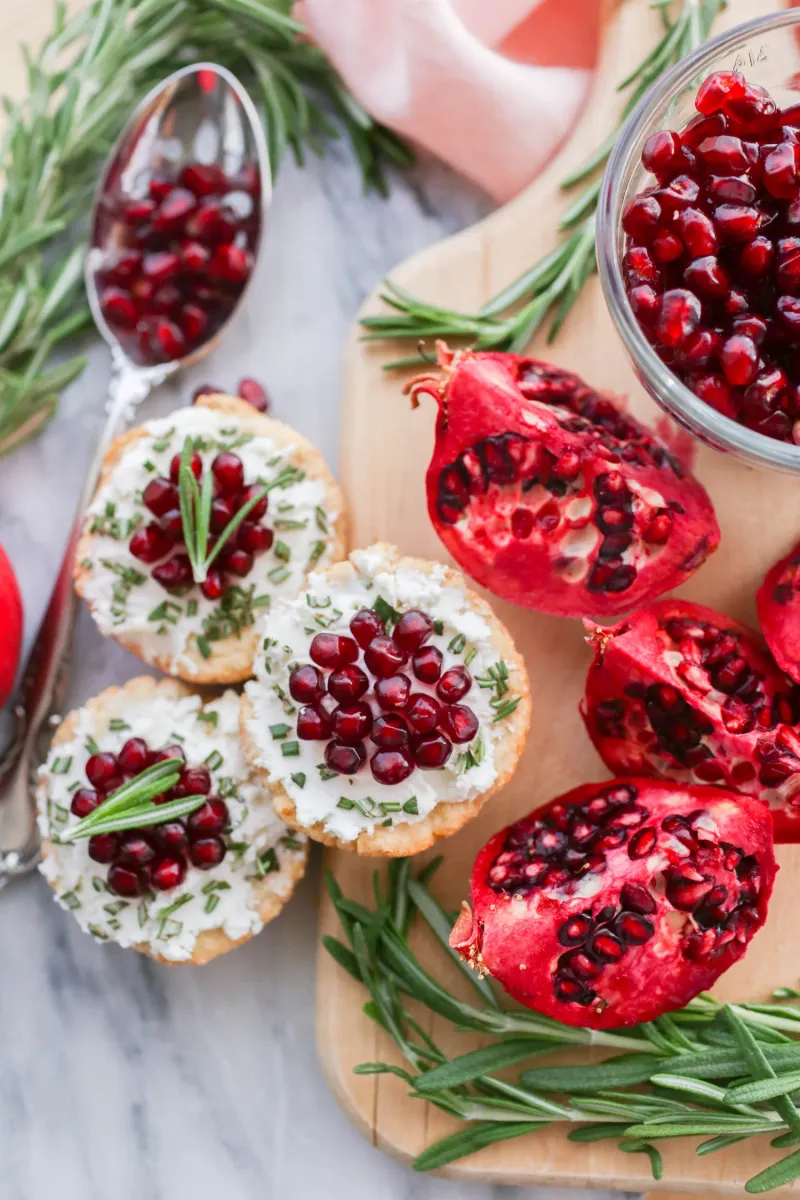
Cracking open a pomegranate and revealing those jewel-like red arils feels almost theatrical. Each tiny seed bursts with a sweet-tart juice that adds color, crunch, and complexity to both sweet and savory dishes.
Scatter pomegranate arils over roasted lamb, stir them into wild rice pilaf, or fold them into a yogurt parfait for a breakfast that looks like it belongs in a magazine. The juice also makes an outstanding base for a winter cocktail or mocktail with sparkling water and mint.
16. Leeks
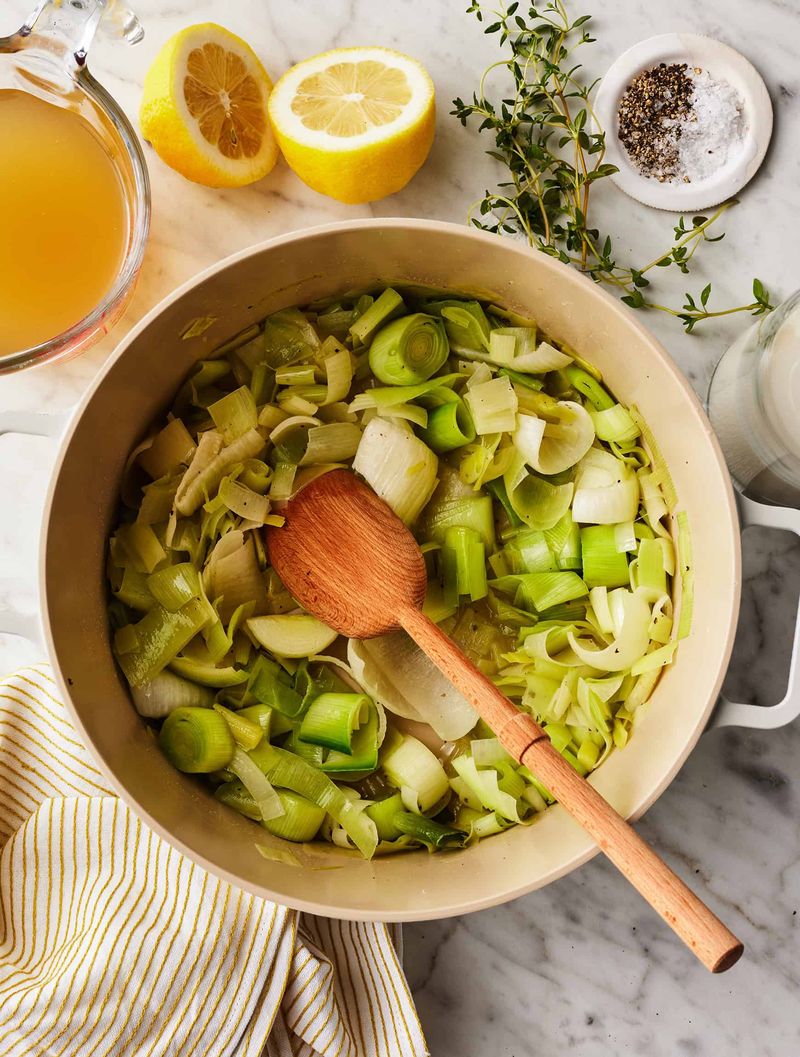
Leeks are the quieter, more elegant cousin of the onion, and they deserve far more attention in home kitchens. Their flavor is mild, slightly sweet, and silky when cooked slowly in butter, making them ideal for soups, tarts, and pasta sauces throughout fall and winter.
Slice leeks and rinse them thoroughly under cold water to remove any hidden grit between the layers. Cook them low and slow until they practically melt, then use them as a base for potato leek soup, a classic that never disappoints.
17. Blood Oranges
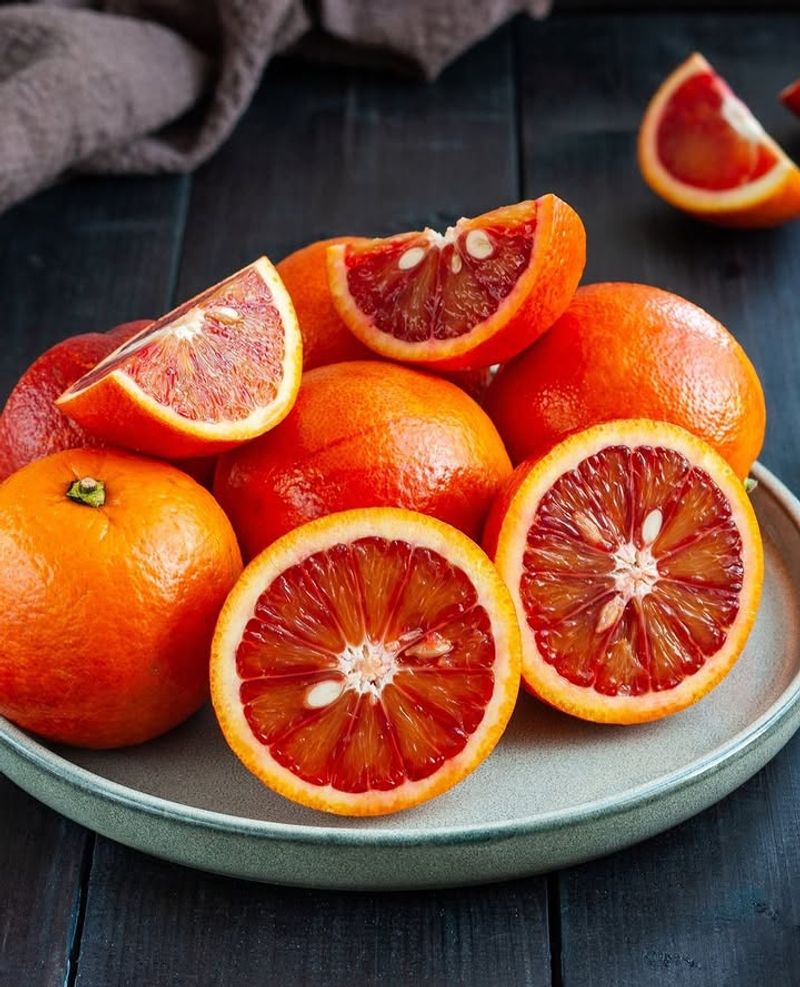
Blood oranges show up in late winter like a surprise gift, their ruby-red interior a dramatic contrast to their ordinary orange exterior. The flavor is a layered combination of citrus brightness and a hint of raspberry that makes them taste almost exotic.
Use blood orange juice in salad dressings, cocktails, or a simple curd for spreading on toast. Their vivid color also makes them stunning in a winter citrus salad layered with fennel, olives, and a drizzle of good olive oil.
18. Fennel
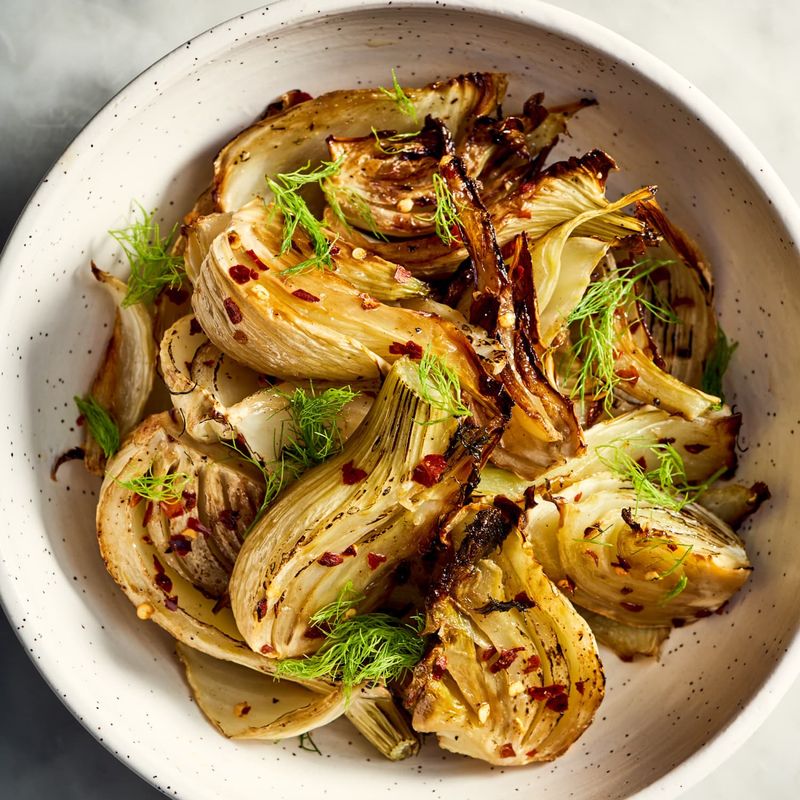
Fennel has a gentle anise flavor that mellows dramatically when roasted or braised, transforming from something sharp and herbal into something almost sweet and caramel-like. Raw, it adds a refreshing crunch to winter salads that pairs beautifully with citrus and shaved Parmesan.
Do not discard the feathery green fronds; chop them finely and use them like an herb to garnish fish dishes or potato soups. Fennel is particularly wonderful braised alongside chicken thighs with white wine and garlic.
19. Citrus Zest
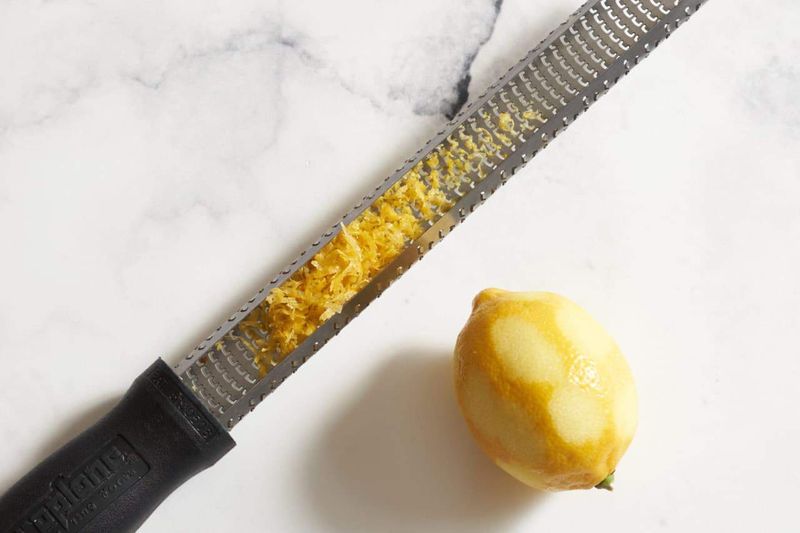
Citrus zest is one of the most underused upgrades in home cooking, and it costs nothing extra when you are already using a lemon or orange. The outermost layer of citrus skin is packed with aromatic oils that carry an intense, bright flavor far more powerful than juice alone.
Stir lemon zest into pasta with butter and Parmesan for an instant weeknight dinner. Add orange zest to muffin batter, brownie mix, or a simple vinaigrette to wake up the entire flavor profile with minimal effort.
20. Parsnips
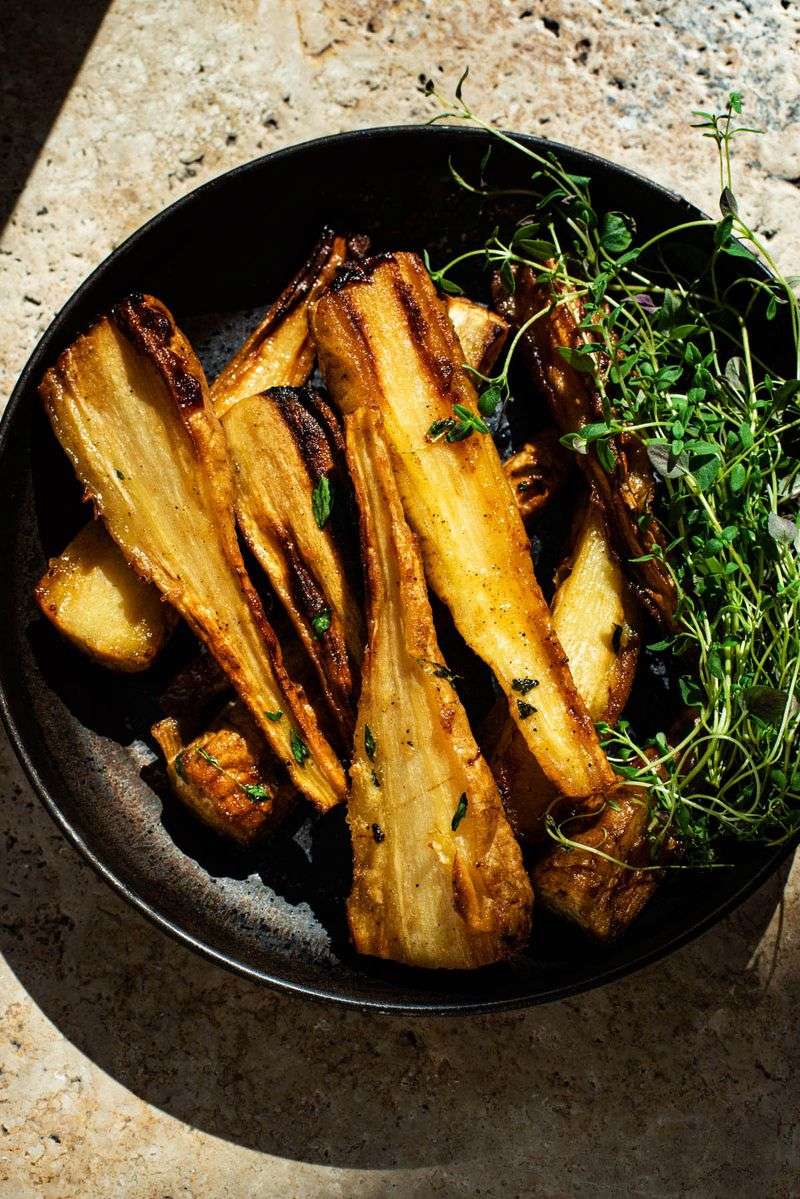
Parsnips look like white carrots but have a flavor that is earthier, nuttier, and slightly spiced, almost like someone added a hint of cinnamon and pepper to a carrot. They shine brightest in cold-weather cooking, roasting beautifully and blending into silky soups.
Roast parsnip wedges alongside carrots and potatoes for a colorful, sweet-savory side dish that upgrades any roast dinner. They also puree into an incredibly creamy mash that pairs brilliantly with braised short ribs or roast beef on a cold winter evening.




Comments
No Comments