













Spring is the season when farmers markets overflow with fresh, colorful vegetables that have been quietly growing all winter long. From crisp asparagus to sweet peas, these seasonal gems are packed with flavor and nutrients that just cannot be beaten.
Cooking with spring vegetables is one of the easiest ways to eat well without spending a lot of time or money in the kitchen. Whether you roast them, toss them in a salad, or eat them raw, right now is the perfect time to enjoy them at their absolute best.
1. Asparagus
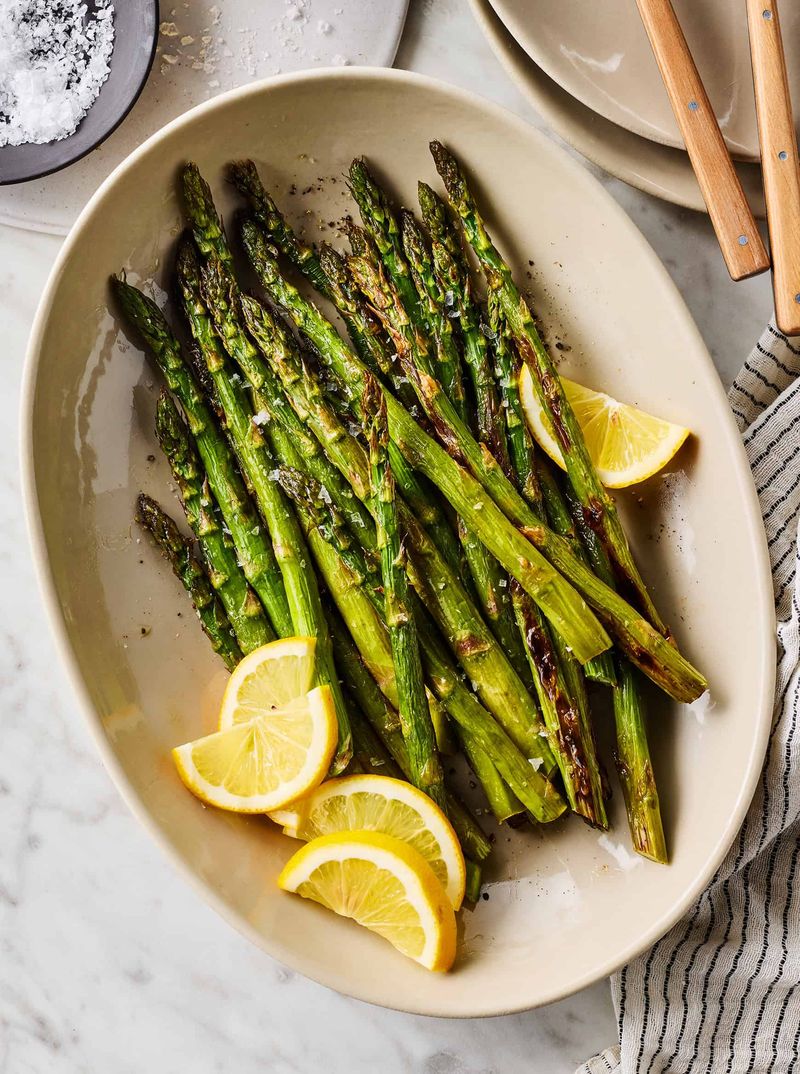
Snap off the woody ends and you are already halfway to a perfect meal. Asparagus is one of spring's most iconic vegetables, and for good reason.
Roasting it in the oven with olive oil, salt, and a squeeze of lemon takes just 12 minutes.
You can also blanch it quickly and toss it into pasta or a grain bowl. Look for firm, bright green spears with tight tips at the market.
Thinner spears cook faster and taste more tender.
2. Peas
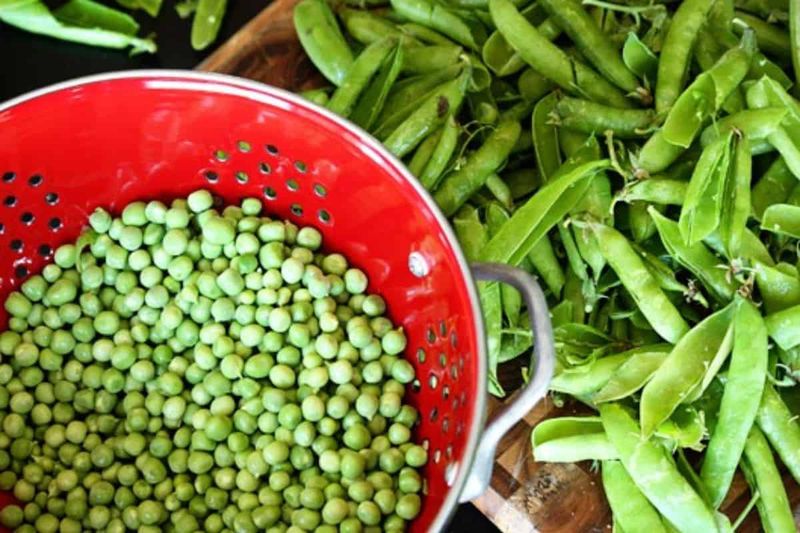
Fresh peas in spring taste nothing like the frozen kind from a bag. Sweet, crisp, and slightly grassy, they pop with flavor the moment you bite into one.
Shelling them is almost meditative, and kids love doing it too.
Toss fresh peas into risotto, mash them onto toast with mint and ricotta, or eat them raw straight from the pod. Did you know peas were one of the first vegetables ever cultivated by humans?
They have been around for over 10,000 years.
3. Spinach
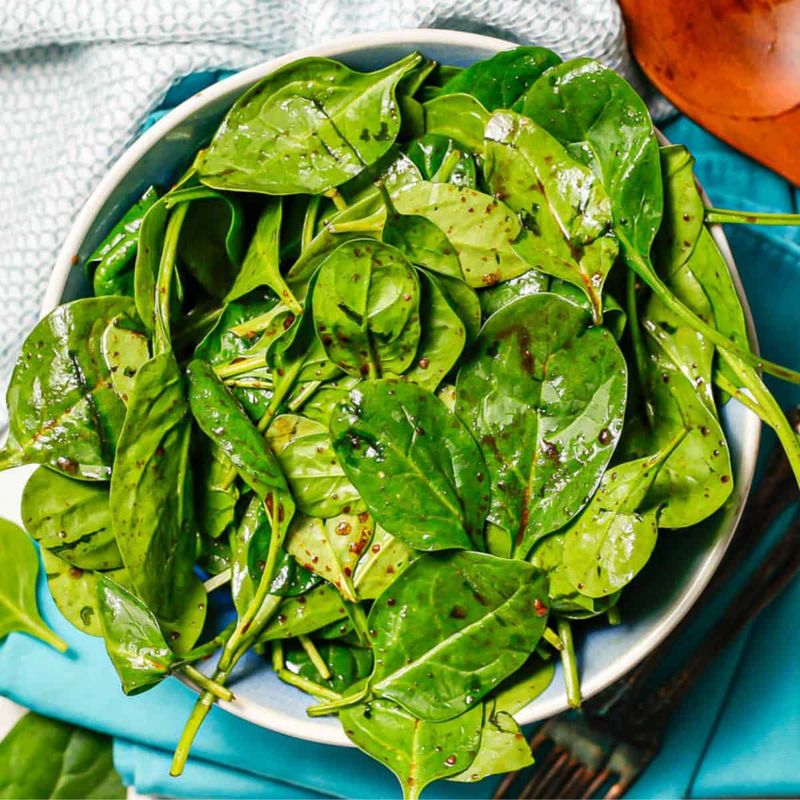
Baby spinach in spring is tender, mild, and nowhere near as bitter as it gets in summer heat. It wilts beautifully in a warm pan with just garlic and olive oil in under three minutes.
That makes it one of the fastest vegetables you will ever cook.
Raw spinach works wonderfully in salads with strawberries and a light balsamic dressing. Packed with iron and vitamins, it is a powerhouse hiding in plain sight.
Buy it fresh and use it within a few days for best flavor.
4. Radishes
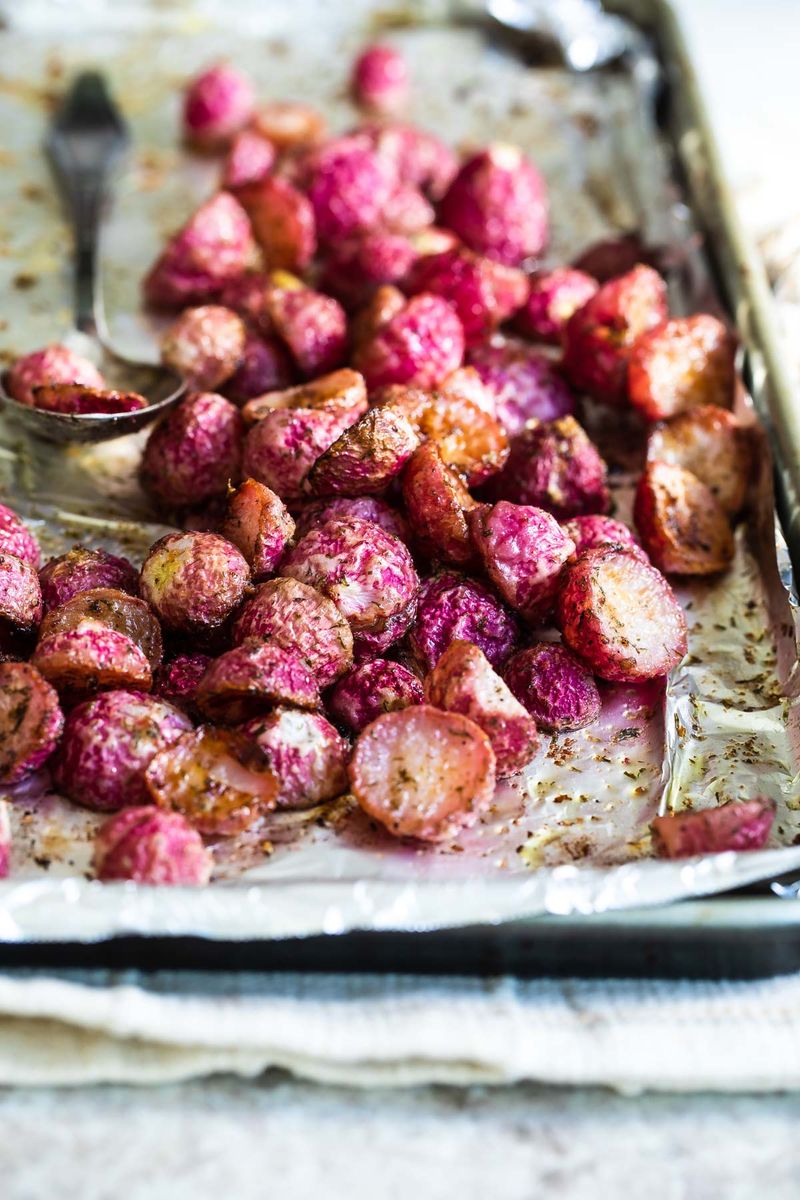
Most people only ever eat radishes raw, but roasting them completely transforms their personality. Heat softens their sharpness and brings out a mild, almost buttery sweetness that surprises everyone who tries it.
Slice them in half, toss with olive oil, and roast at 400 degrees for about 20 minutes.
Raw radishes are brilliant sliced thin on butter-and-salt toast, a classic French snack that is wildly simple and satisfying. Spring radishes come in gorgeous shades of red, pink, and purple, making any dish look instantly more exciting.
5. Artichokes
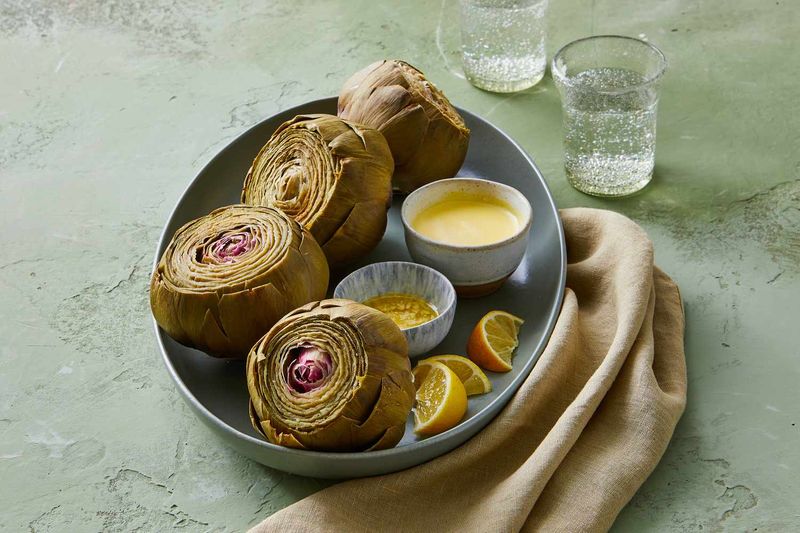
Artichokes can look intimidating, but cooking them is easier than their spiky appearance suggests. Simply trim the top inch off, rub the cut edges with lemon to prevent browning, and steam them for 30 to 45 minutes until a leaf pulls off easily.
Dip the leaves in melted garlic butter or a tangy aioli and scrape the flesh off with your teeth. The real treasure is the heart at the center.
Spring is peak artichoke season, and the flavor is noticeably fresher and more vibrant right now.
6. Leeks
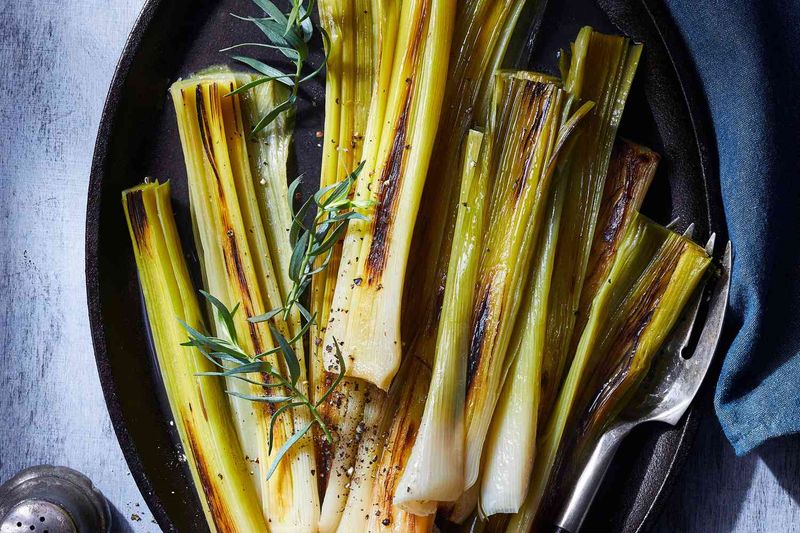
Leeks are essentially the more elegant, mellow cousin of the onion. When cooked slowly in butter, they melt into silky, sweet ribbons that make any dish feel a little fancy.
They are the backbone of a classic vichyssoise soup, but they shine just as well in a simple pasta or quiche.
Always wash leeks thoroughly because grit hides between their layers. Slice them lengthwise, fan the layers open under cold water, and they are ready to go.
Spring leeks are thinner and more delicate than winter ones.
7. Fava Beans
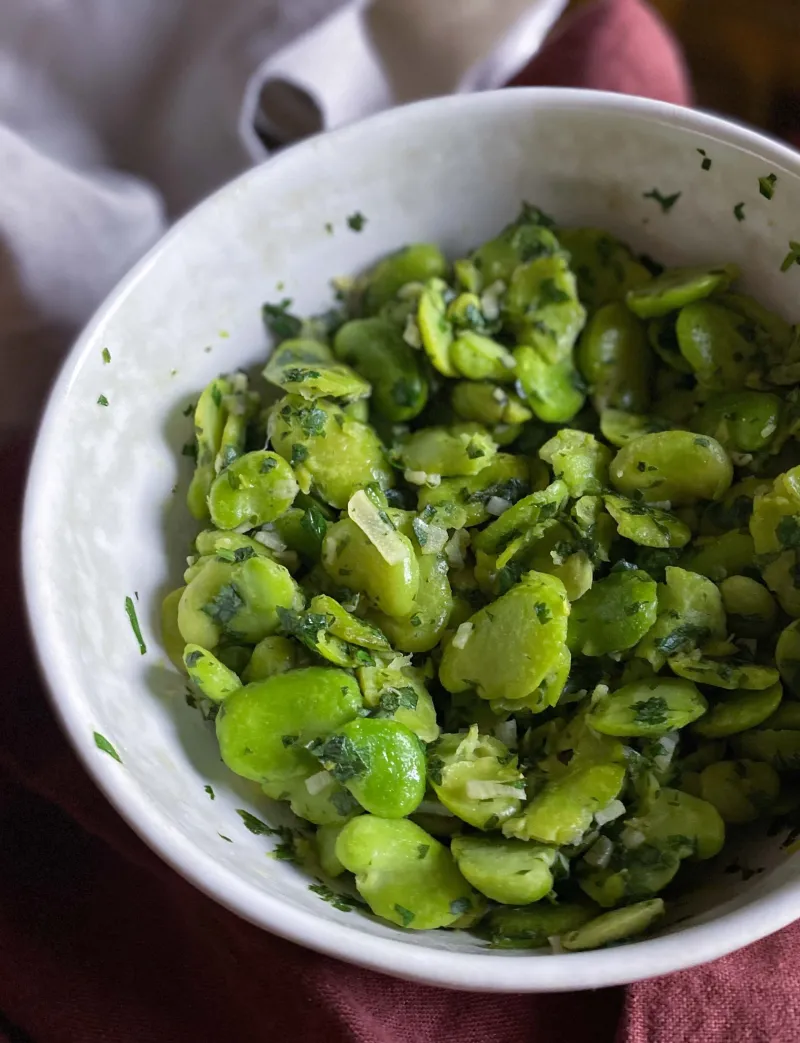
Fava beans require a little extra effort, but every food lover will tell you it is absolutely worth it. First, you shell them from their large pods, then blanch them briefly and peel off the pale outer skin to reveal the bright green bean inside.
That vibrant green bean has a creamy texture and a rich, nutty flavor that frozen or canned versions simply cannot replicate. Toss them with olive oil, lemon, and shaved Parmesan for a five-ingredient side dish that tastes like a restaurant meal.
Spring is their only real season.
8. Swiss Chard
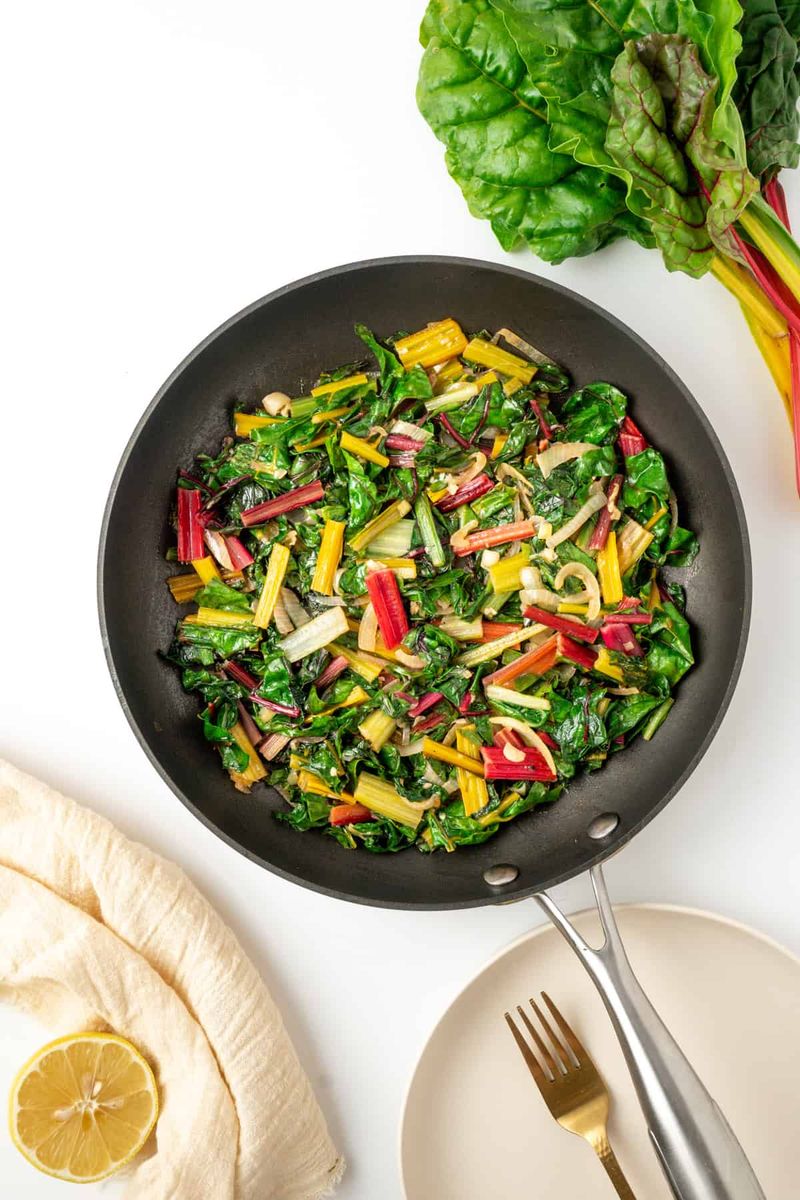
Rainbow Swiss chard is almost too pretty to eat, with stems in shades of red, yellow, and orange that look like a painting. But you absolutely should eat it, because the flavor is earthy, slightly sweet, and wonderfully hearty without being heavy.
Saute the stems first since they take longer to soften, then add the leaves and cook for just a couple of minutes more. A pinch of red pepper flakes and a splash of apple cider vinegar at the end balance everything beautifully.
It pairs perfectly with eggs or grilled fish.
9. Ramps
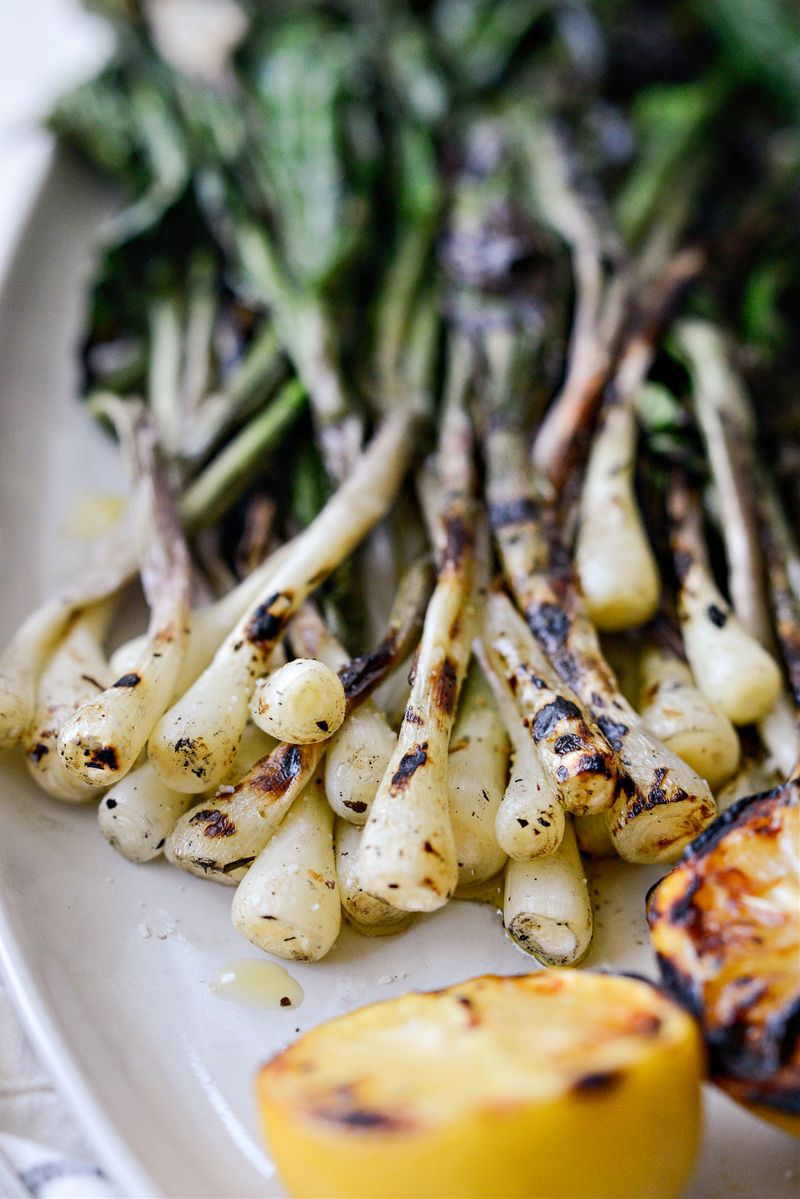
Ramps are the rock stars of the spring vegetable world, showing up briefly and disappearing just as fast. These wild leeks have a garlicky, oniony punch that chefs go absolutely crazy for every year.
Their season lasts only a few weeks, so when you see them, grab them.
Grill whole ramps over high heat until charred and tender, then serve them with a fried egg and crusty bread. You can also pickle them to preserve that punchy spring flavor for months.
They are a true seasonal treat worth hunting down.
10. Snap Peas
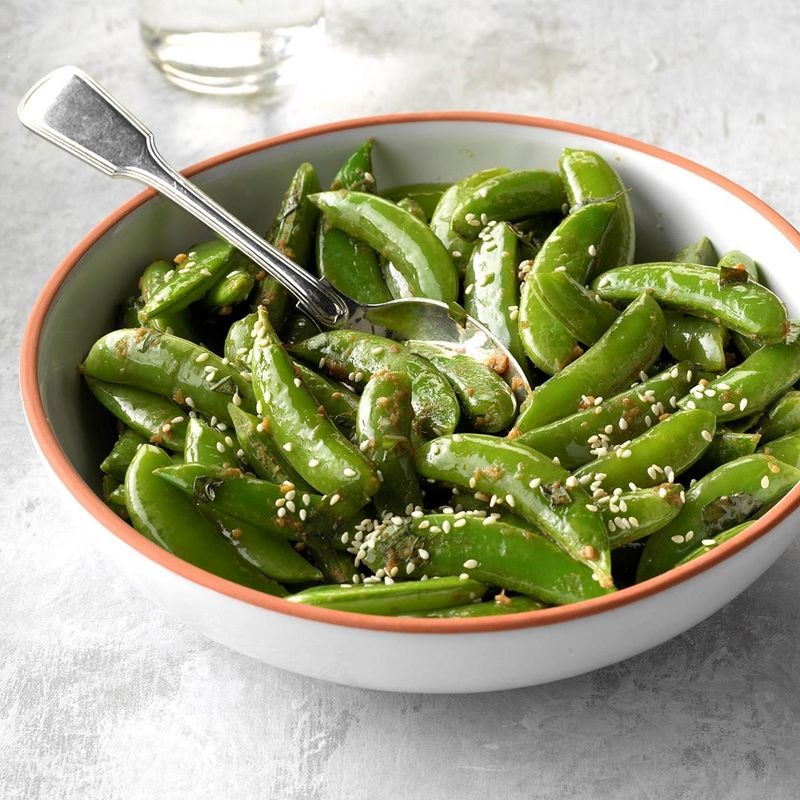
Sugar snap peas are the snack that requires zero preparation and zero guilt. Crunchy, sweet, and satisfying, they are nature's answer to potato chips.
Kids and adults alike tend to eat them straight out of the bag before they ever make it to a recipe.
When you do cook them, keep it simple. A quick stir-fry with sesame oil, soy sauce, and ginger takes about four minutes and tastes incredible.
Spring is when snap peas are at their sweetest and crunchiest, so stock up while they are around.
11. Green Garlic
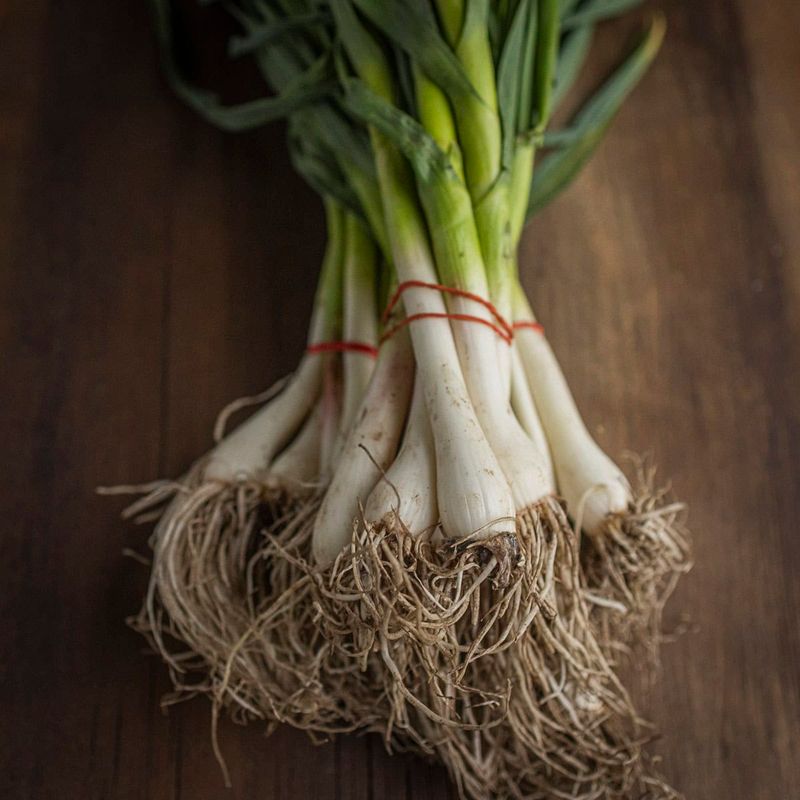
Green garlic is what you get when garlic is harvested young, before the bulb fully forms. It looks a lot like a green onion but tastes like mild, fresh garlic without any of the harshness.
Chefs prize it for adding a delicate garlicky note to dishes where regular garlic would overpower everything.
Chop the whole stalk, both white and green parts, and use it anywhere you would use regular garlic or scallions. It is incredible scrambled into eggs or stirred into creamy mashed potatoes.
Farmers markets in spring are the best place to find it.
12. Watercress
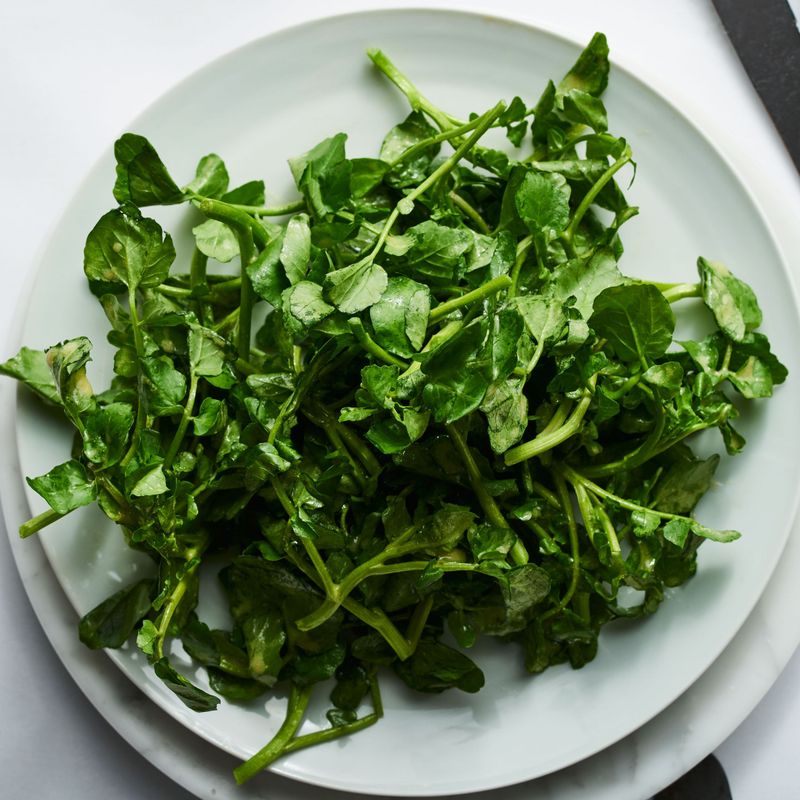
Watercress has a peppery, slightly bitter bite that wakes up any salad or sandwich in the best possible way. It has been eaten for thousands of years and was actually considered a superfood long before that word was invented.
Ancient Greeks believed it sharpened the mind.
Toss it with sliced pears, walnuts, and a honey-mustard dressing for a salad that balances bold and sweet perfectly. Wilted briefly in a pan, it becomes a sophisticated side dish alongside salmon or chicken.
Spring watercress is especially tender and less bitter than later in the year.
13. Nettles
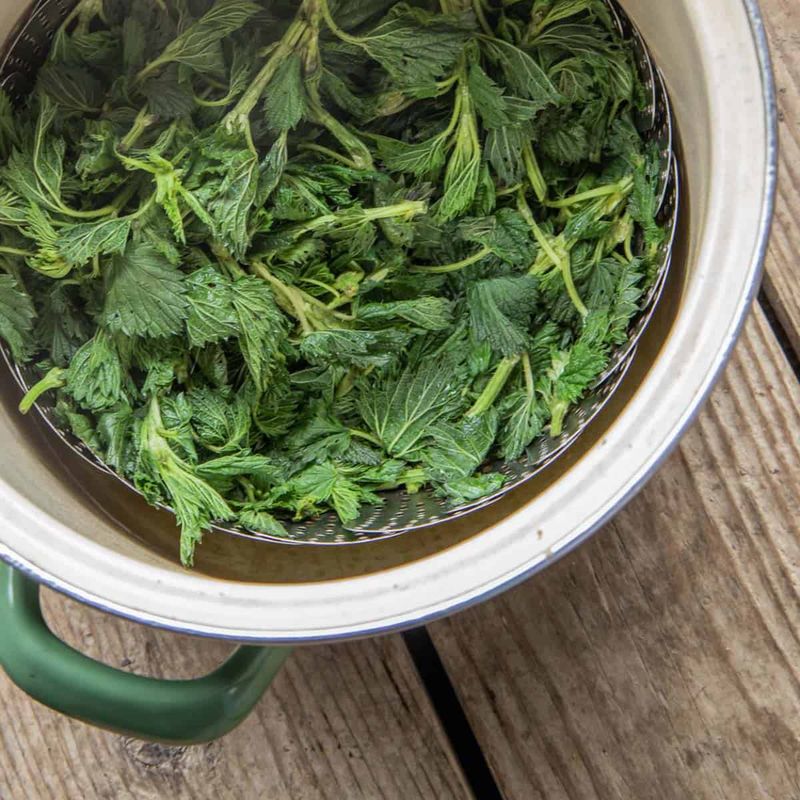
Yes, stinging nettles are edible, and yes, they are delicious. The sting disappears completely the moment heat or water touches them, leaving behind a flavor that tastes like a more intense, earthy version of spinach.
Blanch them for 30 seconds and they are totally safe and ready to cook.
Nettle soup is a spring classic in many European countries, rich and deeply green in color. They also work beautifully stirred into pasta with butter and Parmesan.
Always use gloves when handling fresh nettles, and let the cooking do the rest of the work.
14. Turnips
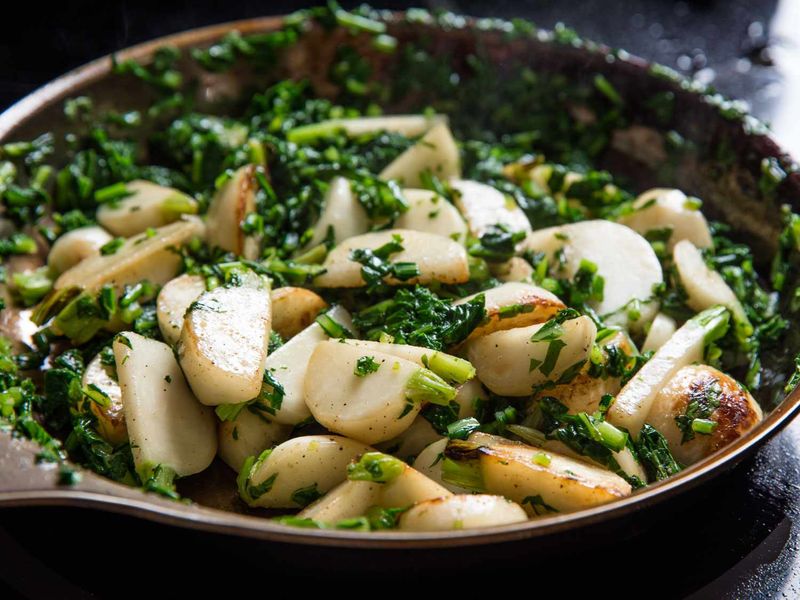
Spring turnips are a completely different vegetable from the large, tough ones you find in winter stews. Young spring turnips are small, tender, and mildly sweet with just a hint of pepper.
You can eat them raw, roasted, or quickly sauteed in brown butter with their greens still attached.
Slice them thin and add to a salad for crunch, or halve them and roast until caramelized and golden. The green tops are edible too and taste similar to mustard greens.
Do not sleep on spring turnips because they are quietly one of the season's best-kept secrets.
15. Fennel
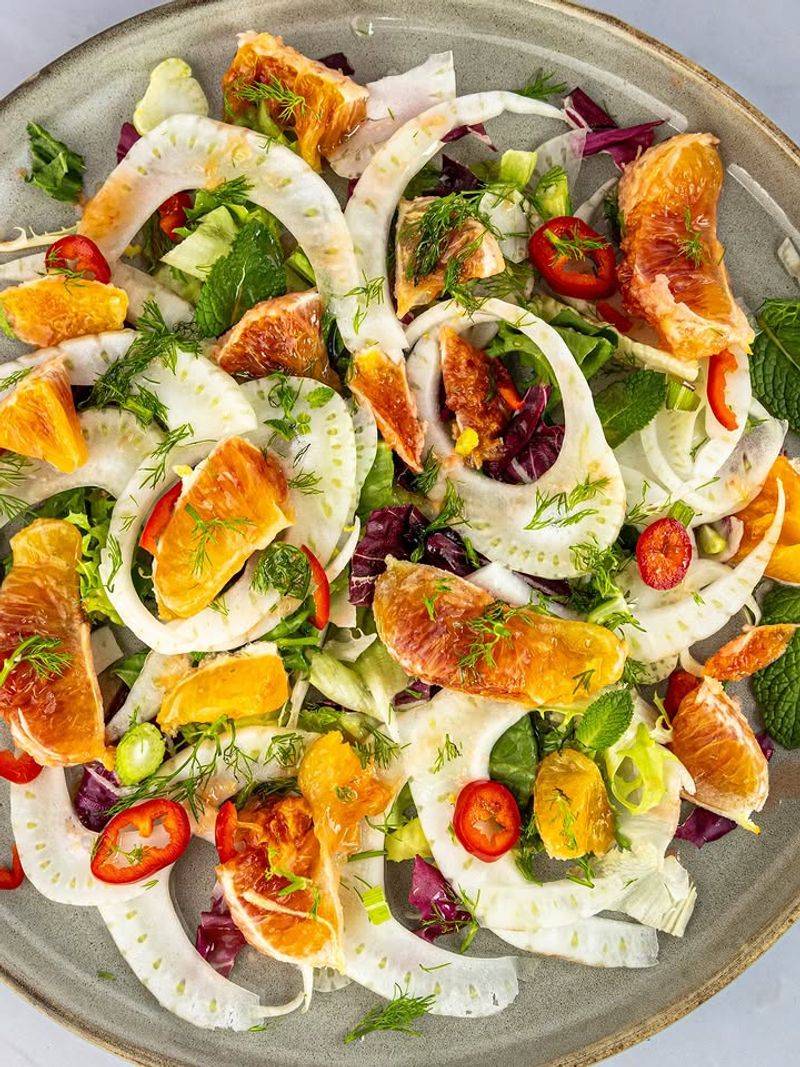
Fennel has a gentle anise flavor that might sound unusual but works beautifully in both raw and cooked dishes. Shaved thin on a mandoline and tossed with orange slices and olive oil, it makes one of the most refreshing spring salads imaginable.
The feathery green fronds on top can be used as an herb, just like dill.
Roasting fennel caramelizes its natural sugars and mellows the anise flavor significantly, making it approachable even for picky eaters. Spring fennel bulbs are smaller and more delicate than fall ones.
Pair roasted fennel with chicken or white fish for an easy weeknight dinner.

Comments
No Comments