













Most people reach for salt and pepper out of habit, but the real magic in cooking comes from a whole world of spices hiding in plain sight. A pinch of the right spice can turn a boring weeknight dinner into something that tastes like it came from a restaurant.
These 18 secret spices are easy to find, simple to use, and guaranteed to make your food taste incredible. Get ready to transform the way you cook.
1. Smoked Paprika
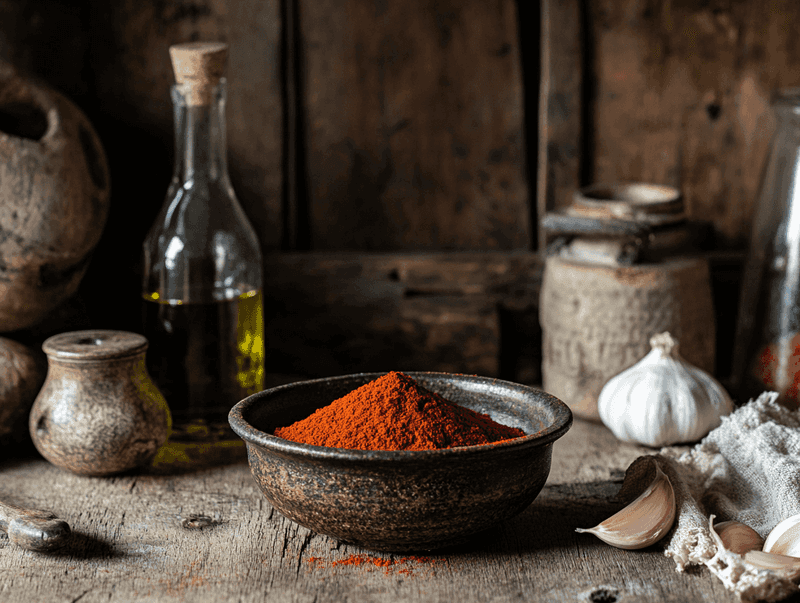
Forget regular paprika — smoked paprika brings a rich, woodsy flavor that makes everything taste like it was cooked over an open fire. Sprinkle it on roasted potatoes, grilled chicken, or even scrambled eggs for an instant upgrade.
It comes from peppers that are dried and smoked over oak wood, giving it that deep, almost barbecue-like taste. A little goes a long way, so start with half a teaspoon and adjust from there.
2. Sumac
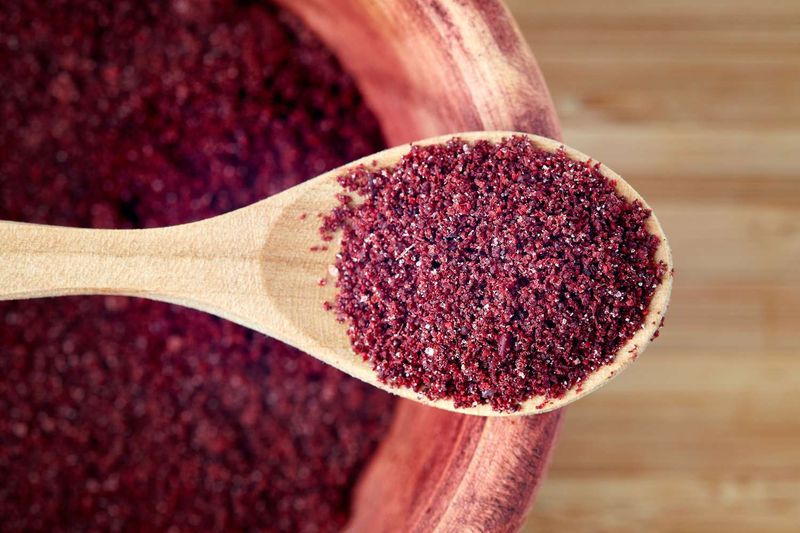
Sumac is a tangy, ruby-red spice popular in Middle Eastern cooking, and it tastes almost like a squeeze of lemon — but deeper and earthier. If you want to brighten up a dish without adding actual citrus, sumac is your secret weapon.
Sprinkle it over hummus, salads, grilled meats, or roasted vegetables. It adds color and a pleasant tartness that wakes up every bite.
You can find it at most grocery stores or online.
3. Za'atar
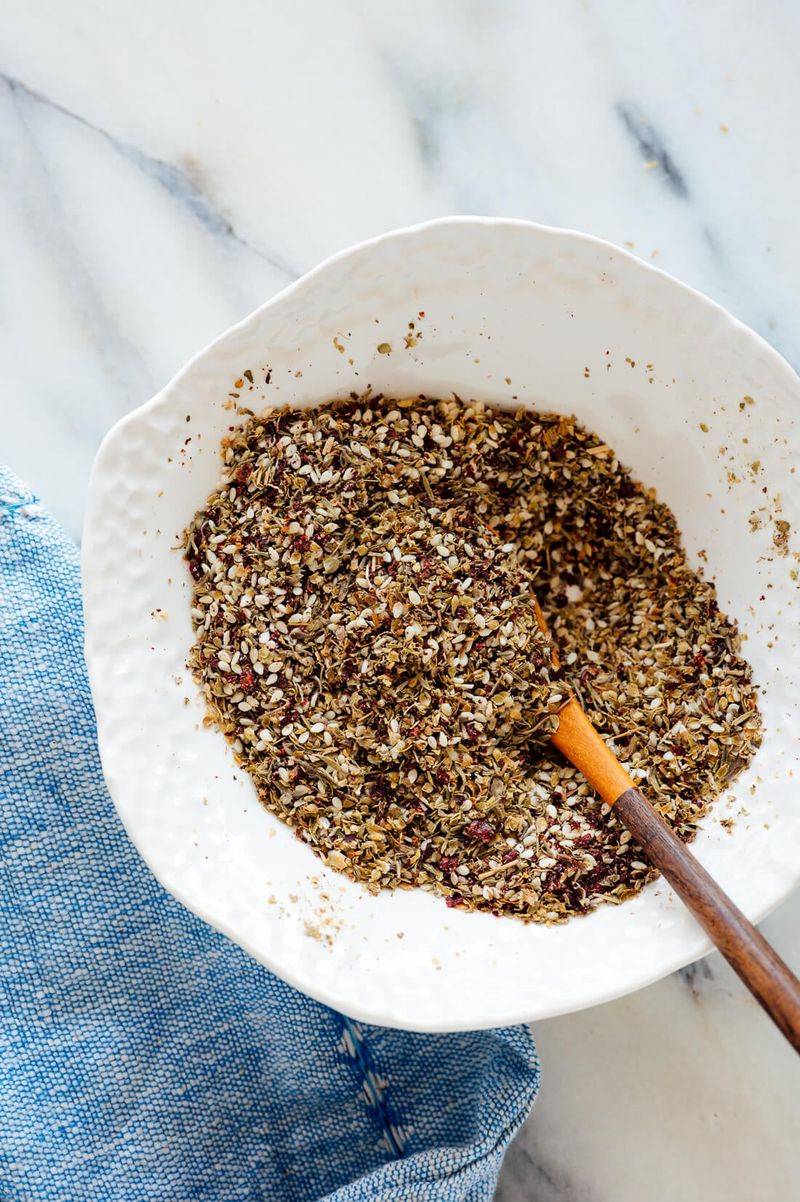
Za'atar is a Middle Eastern spice blend that tastes herby, nutty, and slightly tangy all at once. It usually contains thyme, sesame seeds, sumac, and salt — a combination that works on almost anything.
Mix it with olive oil and spread it on bread before toasting, or sprinkle it on yogurt, eggs, or roasted chicken. Once you try za'atar, you will wonder how you ever cooked without it.
It is that versatile.
4. Fenugreek
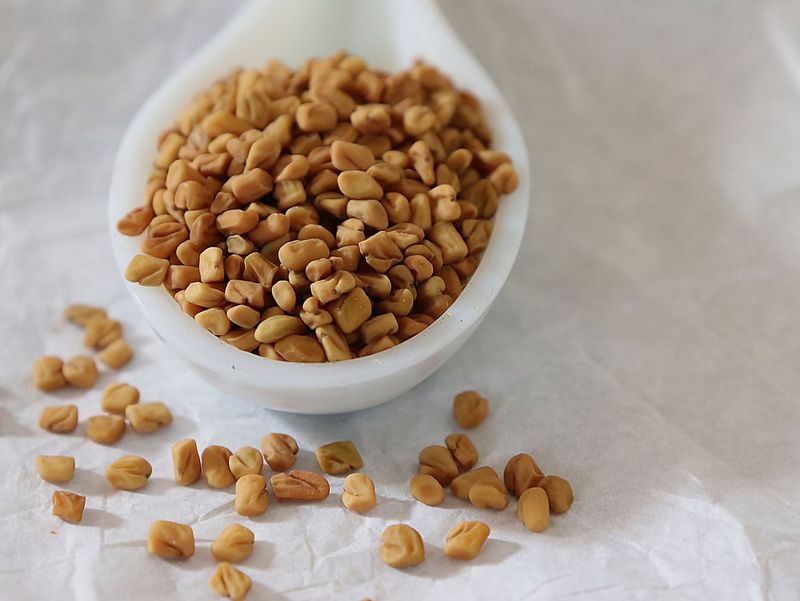
Fenugreek seeds smell faintly like maple syrup, which sounds strange but actually adds an incredible warmth to savory dishes. It is a staple in Indian cooking and shows up in curries, lentil soups, and spice blends like garam masala.
Toast the seeds lightly before using them to bring out their nutty flavor. Ground fenugreek can also be stirred into sauces or marinades.
Just a small amount creates a rich, complex flavor that is hard to put your finger on.
5. Turmeric
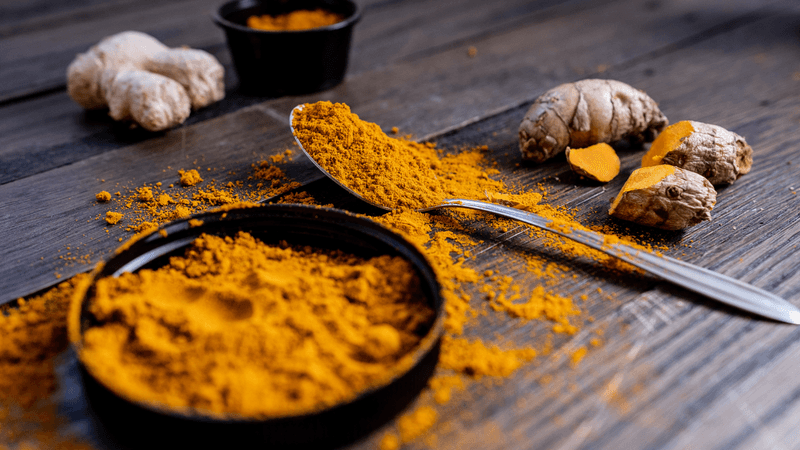
Turmeric has been used for thousands of years in Asian cooking, and it earns its reputation every single time. Its golden color is stunning, and its earthy, slightly bitter flavor adds depth to soups, rice, and roasted vegetables.
Beyond flavor, turmeric is loaded with a compound called curcumin, which many people believe has health benefits. Stir it into warm milk for a golden latte, or add it to scrambled eggs for a vibrant morning boost.
It pairs especially well with black pepper.
6. Cardamom
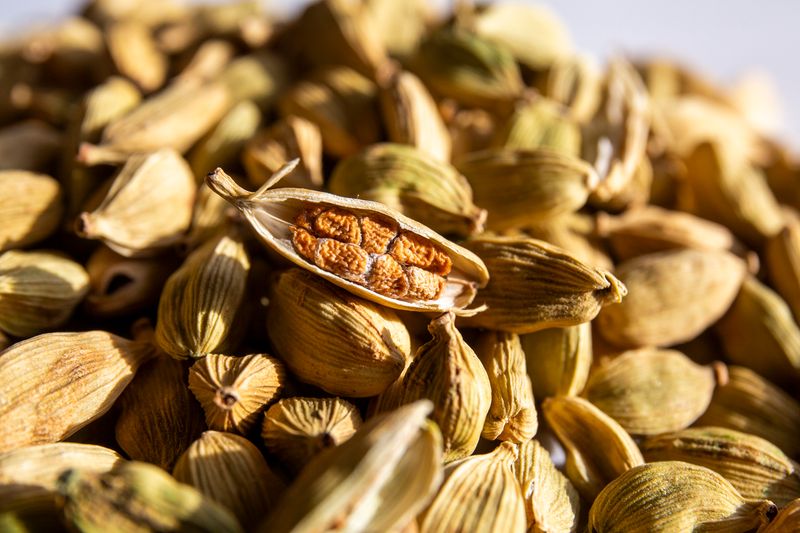
Cardamom smells like a mix of citrus, mint, and spice all wrapped into one tiny pod — and that aroma alone is enough to make a dish feel special. Scandinavians use it in pastries, while South Asians add it to chai and biryanis.
Ground cardamom can be stirred into oatmeal, coffee, or baked goods for an exotic twist. Even a small pinch changes the whole personality of a dish.
Fun fact: cardamom is one of the world's most expensive spices, right after saffron.
7. White Pepper
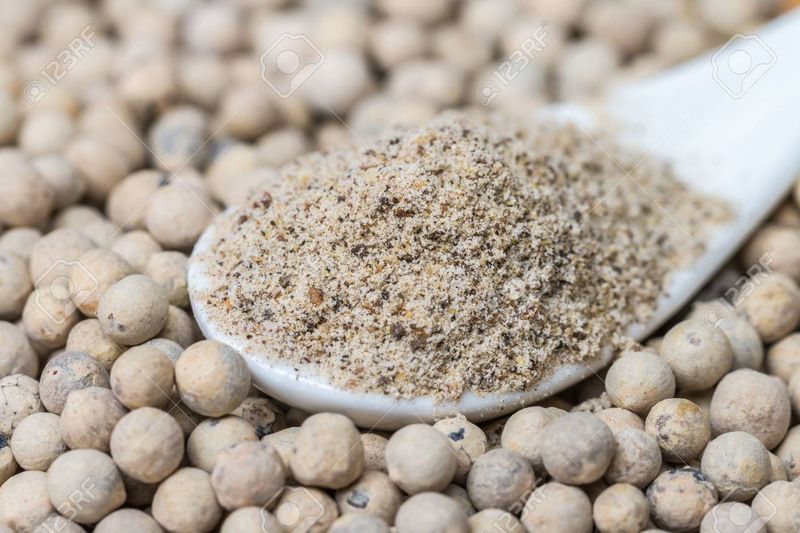
White pepper and black pepper come from the same plant, but white pepper has a sharper, more earthy heat that sneaks up on you differently. Chefs use it in cream sauces and light-colored dishes where they want heat without the visible black specks.
Try swapping white pepper into mashed potatoes, white gravy, or pasta dishes for a subtle kick that feels more refined. It is especially popular in Chinese and Vietnamese cooking.
Once you notice the difference, you will keep both on hand.
8. Mace
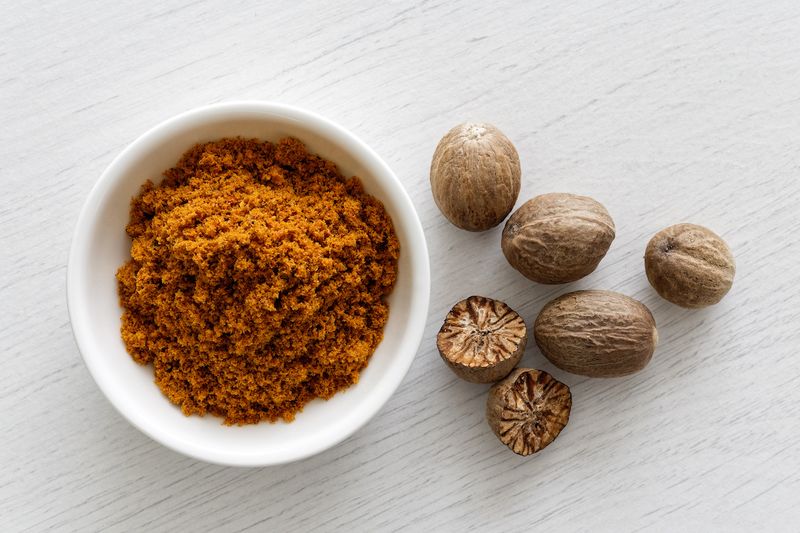
Mace is the spice that wraps around nutmeg seeds, and it tastes like a lighter, more delicate version of nutmeg with a slightly floral note. It is one of those spices most people have never heard of, but chefs absolutely love it.
Add mace to cream soups, bechamel sauce, or spiced baked goods for a warm, sophisticated flavor. It also pairs beautifully with pork and lamb.
Because it is more subtle than nutmeg, mace works in dishes where you want warmth without overpowering anything.
9. Ajwain (Carom Seeds)
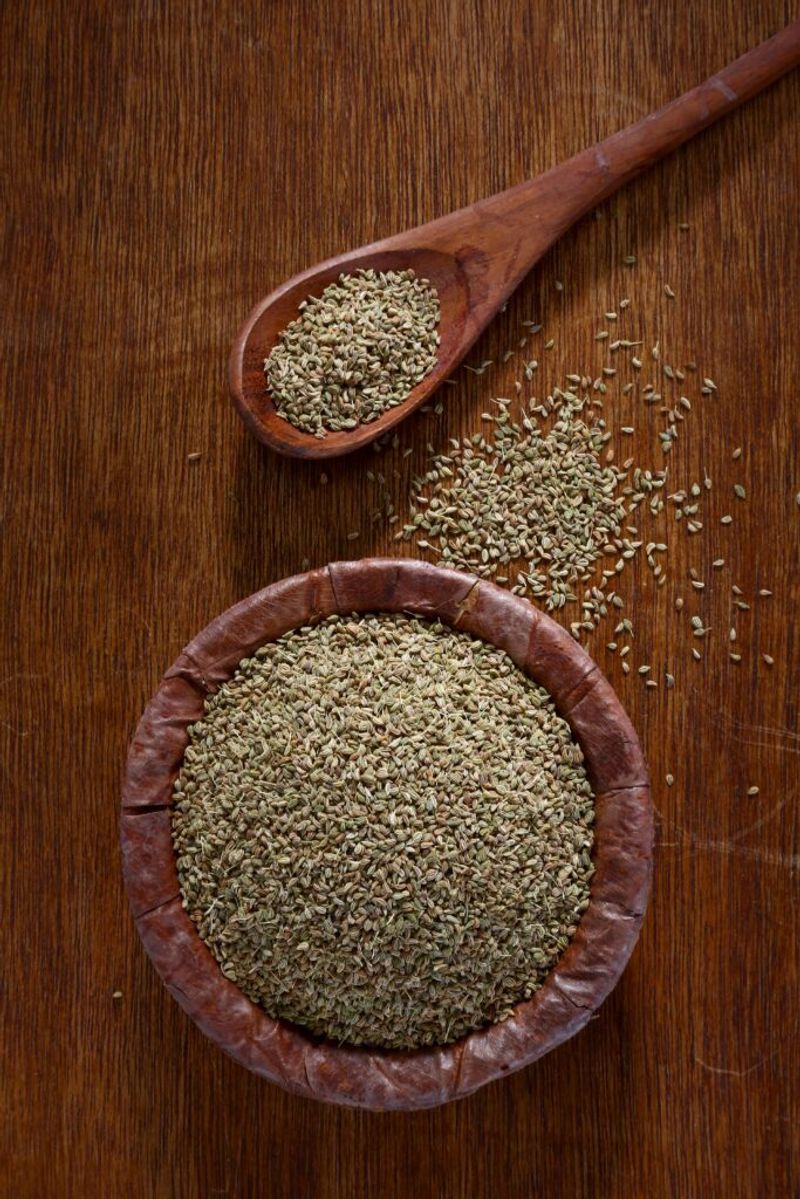
Ajwain, also called carom seeds, smells strongly like thyme but has a sharper, more peppery punch. Just a pinch dropped into hot oil blooms instantly, releasing an aroma that fills the whole kitchen.
In Indian cooking, ajwain is added to flatbreads, fried snacks, and lentil dishes to aid digestion and add bold flavor. It is surprisingly powerful, so less is always more.
If you have never tried it, start with a quarter teaspoon in your next batch of homemade bread or fritters.
10. Asafoetida (Hing)
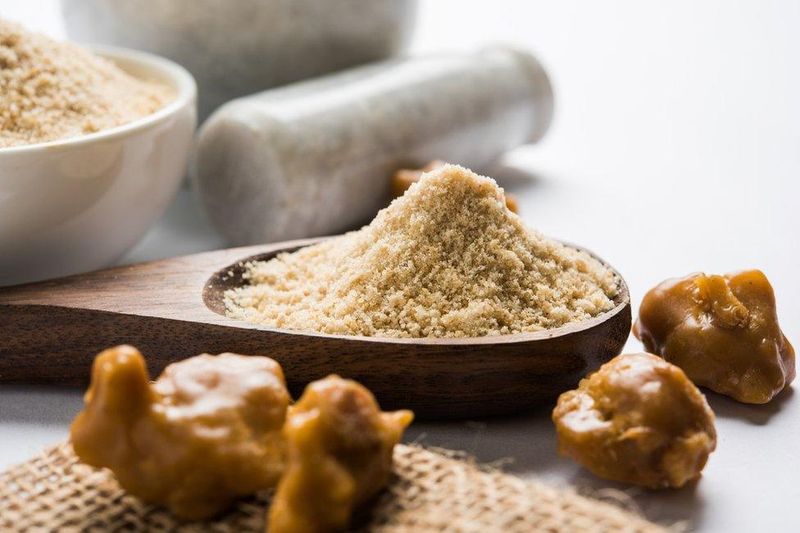
Asafoetida, known as hing in Indian kitchens, smells very strong straight from the jar — almost like onion and garlic turned up to full volume. But the moment it hits hot oil, something magical happens: it mellows into a savory, rich aroma that transforms lentils and vegetables completely.
A tiny pinch — seriously, a tiny pinch — is all you need. It is a staple in many vegetarian Indian recipes and adds a meaty depth that makes plant-based dishes incredibly satisfying.
Start small and build from there.
11. Annatto (Achiote)
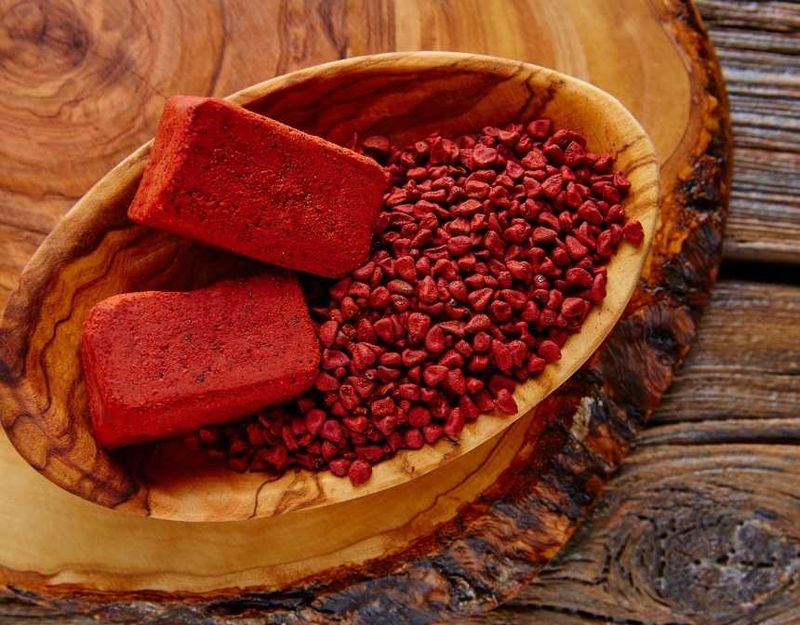
Annatto seeds come from a tropical tree and are responsible for that gorgeous golden-orange color in Latin American and Caribbean dishes like rice, stews, and marinades. Beyond color, annatto adds a mildly earthy, peppery flavor that is totally unique.
You can find it as whole seeds or ground powder. Bloom the seeds in oil to release their color and flavor, then remove them before cooking your main ingredients.
It is the spice behind many beloved dishes, including arroz con pollo and Yucatan-style pork.
12. Epazote
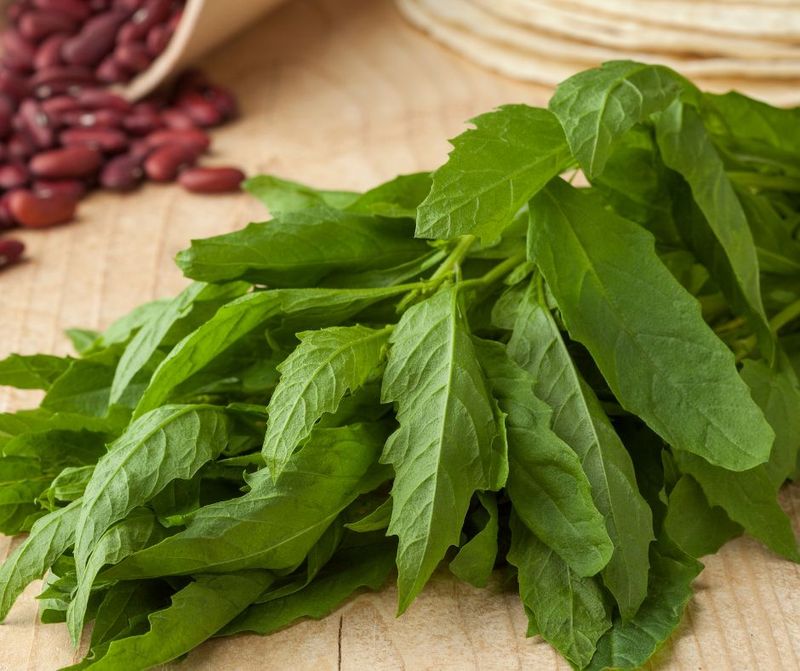
Epazote is a pungent Mexican herb-spice with a flavor that is hard to describe — somewhere between oregano, anise, and something wild and earthy. It has been used in Mexican cooking for centuries, especially in black bean dishes.
Beyond flavor, cooks traditionally add epazote to beans because it is believed to reduce gas — a very practical bonus. You can find it dried in Latin grocery stores.
Add a sprig or a pinch to your next pot of beans and taste the difference immediately.
13. Grains of Paradise
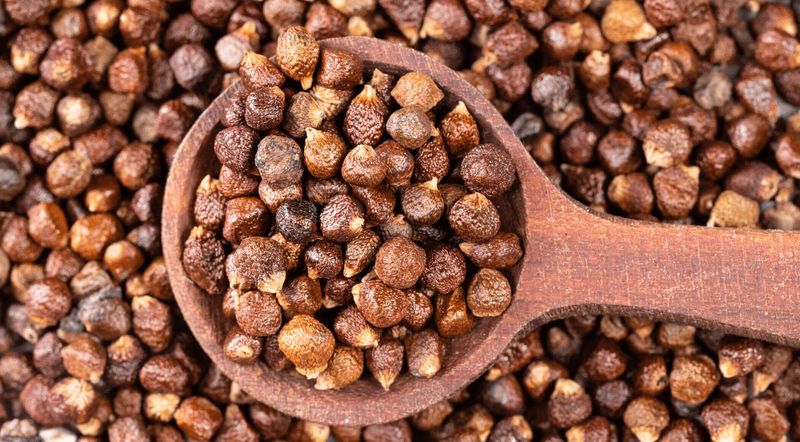
Grains of paradise look like tiny peppercorns but deliver a flavor that is floral, spicy, and slightly citrusy all at once. They were actually used in medieval Europe as a pepper substitute before black pepper became widely available.
Today, craft brewers use them in beer, and adventurous cooks grind them over grilled meats, soups, and roasted root vegetables. Try using them anywhere you would use black pepper for a more complex, aromatic result.
A mortar and pestle works perfectly for grinding them fresh.
14. Dried Galangal
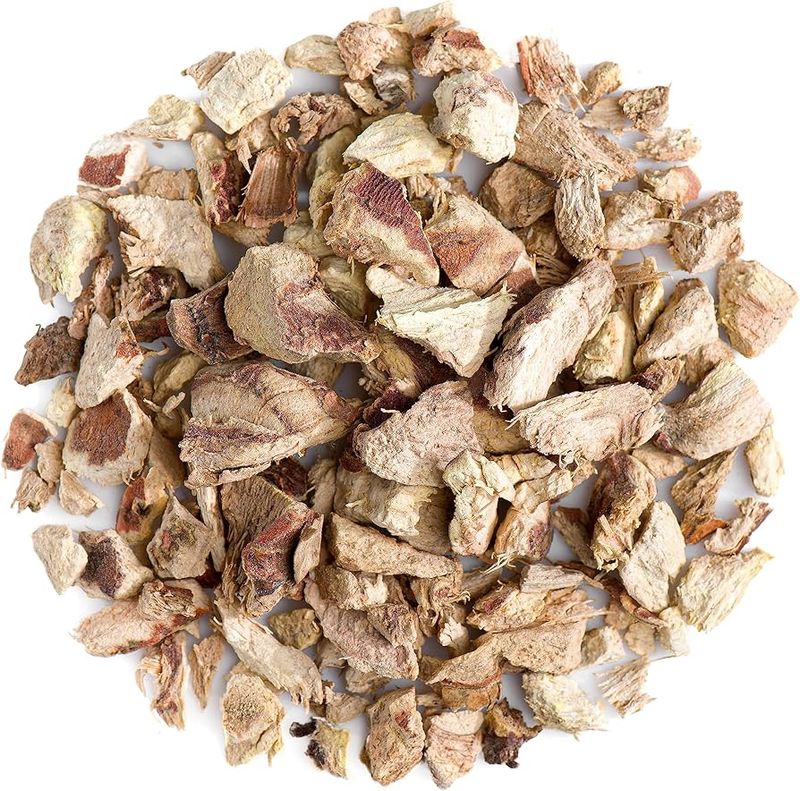
Galangal is a root spice closely related to ginger, but it has a sharper, more piney, and almost medicinal flavor that makes Thai and Indonesian curries taste completely authentic. Fresh galangal can be hard to find, but the dried version works beautifully in soups and stews.
Add dried galangal slices to broths and remove them before eating, much like bay leaves. Ground galangal can be stirred into spice pastes and marinades.
It gives dishes a bold, aromatic quality that ginger alone simply cannot replicate.
15. Urfa Biber (Turkish Chili Flakes)
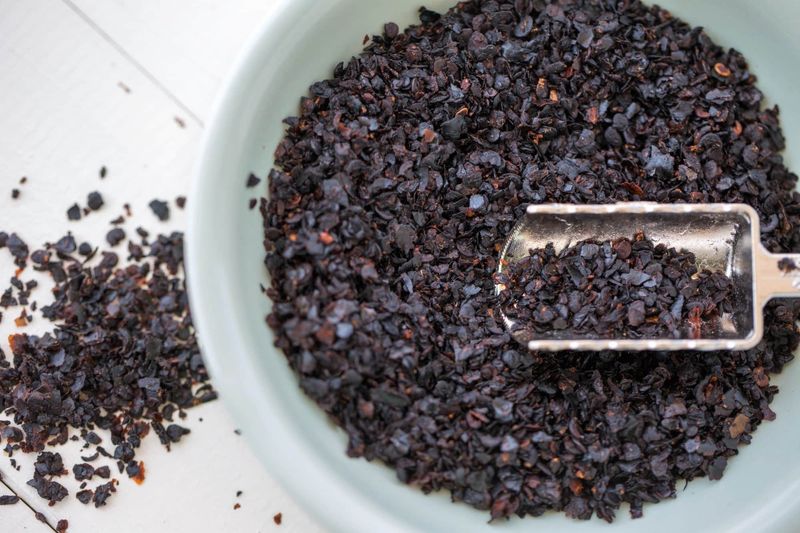
Urfa biber is a Turkish chili flake that looks dark and dramatic — almost purple-black — and tastes like a smoky, chocolatey, mildly spicy raisin. It is one of the most interesting and underused spices in the Western kitchen.
Sprinkle it on eggs, pizza, roasted eggplant, or grilled meats for a slow-building heat with a rich, almost dessert-like depth. Unlike fiery chili flakes that just burn, Urfa biber lingers warmly and sweetly.
Once you try it, regular red pepper flakes will feel one-dimensional.
16. Dried Lime (Loomi)
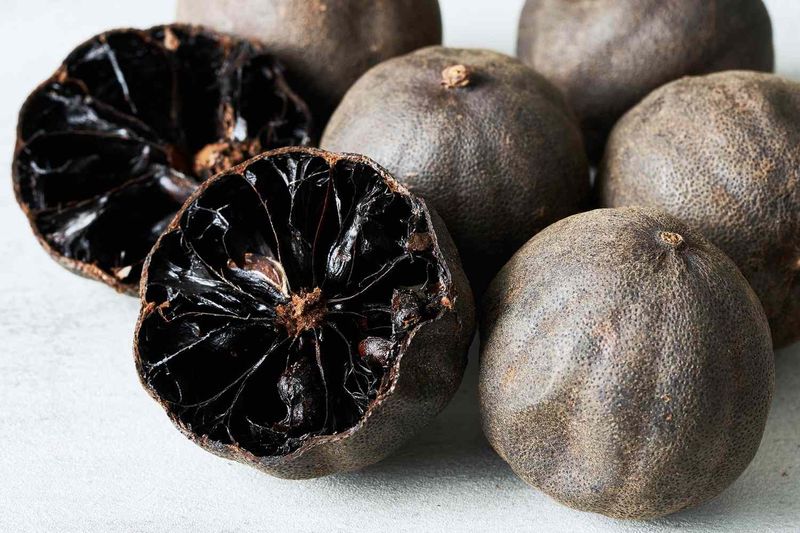
Dried lime, called loomi or black lime, is a staple in Persian and Iraqi cooking. Whole limes are boiled in saltwater and then sun-dried until they turn hard and dark, concentrating a tart, tangy, slightly fermented flavor inside.
Drop a whole dried lime into soups, stews, or rice dishes while cooking to infuse a bright citrus note that feels both familiar and exotic. Ground loomi can be stirred into spice rubs or sauces.
It adds a complexity that fresh lemon juice simply cannot match.
17. Nigella Seeds (Kalonji)
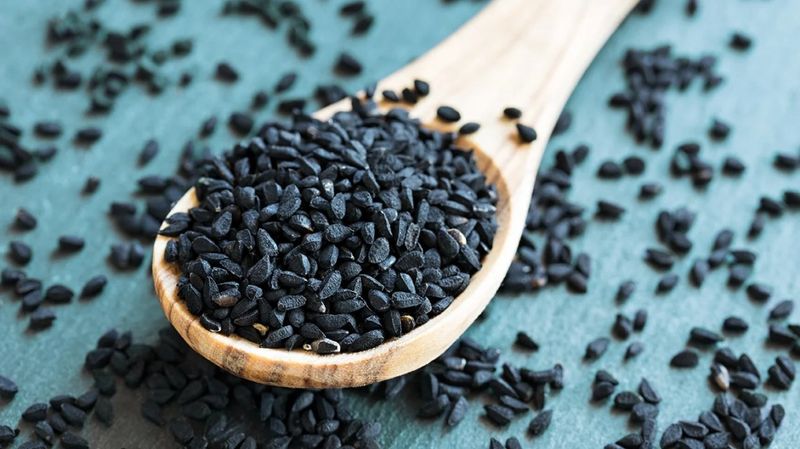
Nigella seeds are tiny, jet-black, and packed with a flavor that is oniony, slightly bitter, and faintly peppery — like nothing else in your spice cabinet. They are scattered on naan bread, bagels, and Turkish pastries for good reason: they add crunch and bold flavor instantly.
Stir them into yogurt dips, sprinkle over roasted cauliflower, or add them to pickle brines for a punchy, aromatic kick. Sometimes called black seed or kalonji, they are easy to find at Indian or Middle Eastern grocery stores.
18. Sichuan Peppercorns
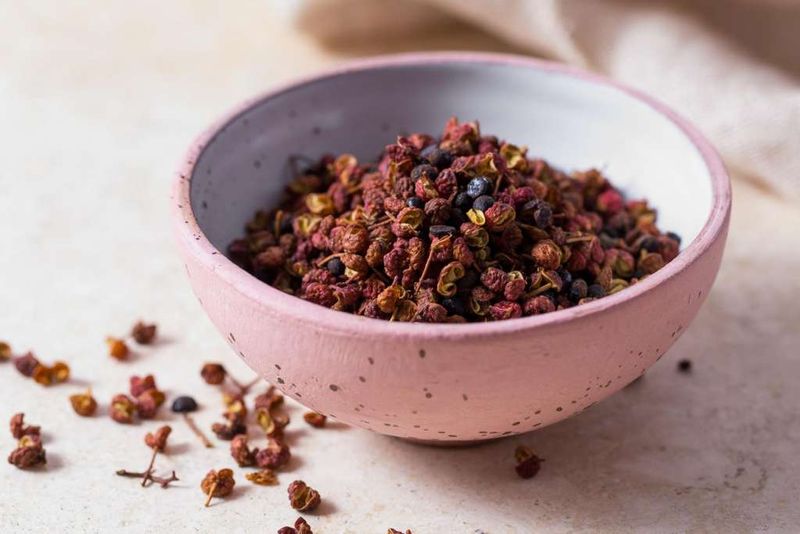
Sichuan peppercorns do not just make your mouth hot — they make it tingle and go slightly numb in the most fascinating way. That buzzing sensation, called ma in Chinese, is unlike any other spice experience and is central to authentic Sichuan cooking.
Toast them lightly and grind them fresh for the best flavor, then add to stir-fries, noodle dishes, or spicy sauces. They pair brilliantly with chilies to create the famous ma la flavor.
A small amount creates a big, unforgettable impression every single time.

Comments
No Comments