













Most people assume that cooking vegetables always makes them healthier, but that is not always true. Some vegetables actually lose important vitamins and minerals when they are exposed to heat.
Eating certain veggies raw keeps their nutrients fully intact, giving your body the best possible benefit. Knowing which ones to enjoy uncooked can make a real difference in how well you eat every day.
1. Broccoli
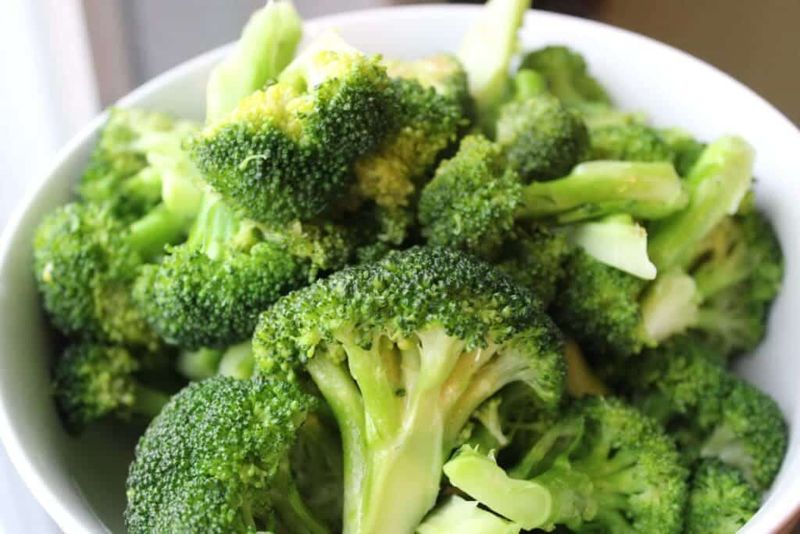
Raw broccoli is basically a superfood in disguise. It contains a powerful compound called sulforaphane, which breaks down when you cook it.
Eating it raw means your body gets the full dose of this cancer-fighting nutrient.
Broccoli is also loaded with vitamin C, and heat destroys a significant portion of that too. Toss raw florets into salads or dip them in hummus for a crunchy, nutrient-packed snack that your body will genuinely thank you for.
2. Bell Peppers
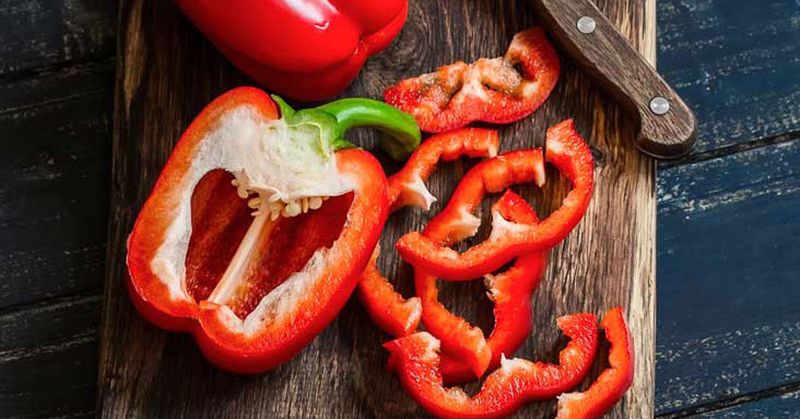
Bell peppers might just be the most underrated raw snack out there. Red bell peppers alone contain more vitamin C than an orange, which is pretty wild when you think about it.
Cooking them can wipe out nearly half of that vitamin content.
Raw bell pepper strips are sweet, crunchy, and incredibly easy to eat on the go. They pair beautifully with dips, and their natural sweetness makes them a hit even with picky eaters who usually avoid vegetables.
3. Garlic
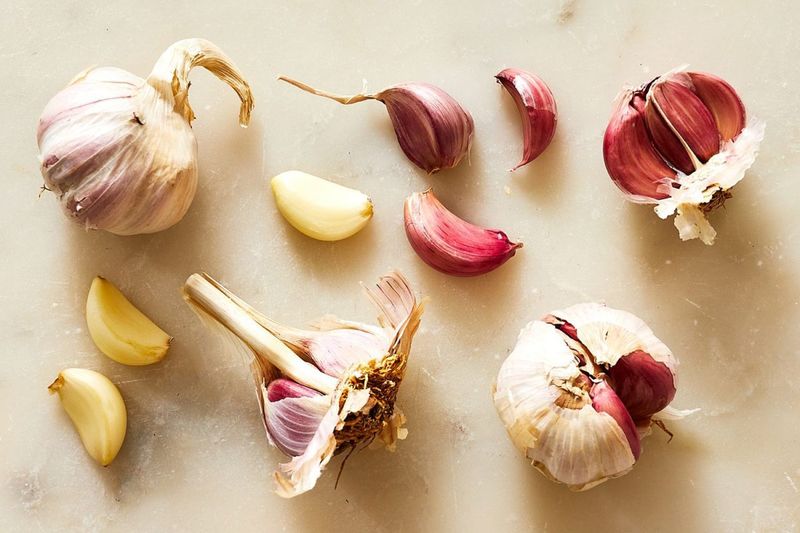
Crushing or chopping raw garlic and letting it sit for about ten minutes before eating it activates a compound called allicin, which is responsible for most of its health benefits. Heat destroys allicin almost immediately, which is why cooked garlic loses much of its medicinal punch.
Raw garlic supports heart health, fights bacteria, and may even boost your immune system. Add a tiny bit to salad dressings or dips to get the full benefit without overwhelming your taste buds.
4. Spinach
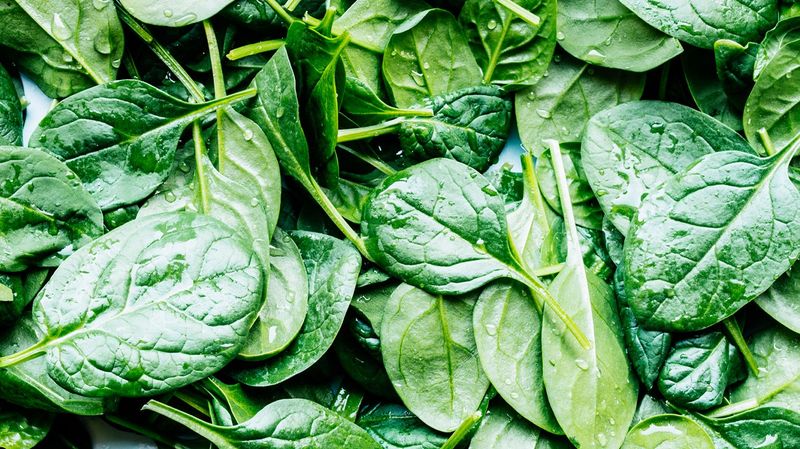
Spinach is one of those vegetables that seems like it would be better cooked, but raw spinach actually holds onto more of its folate and vitamin C. Cooking causes these water-soluble vitamins to leach out or break down from the heat.
Tossing raw spinach into smoothies is one of the easiest ways to eat it without really tasting it. You get all the iron, magnesium, and vitamins your body needs, and the fruit in the smoothie completely masks the leafy flavor.
5. Onions
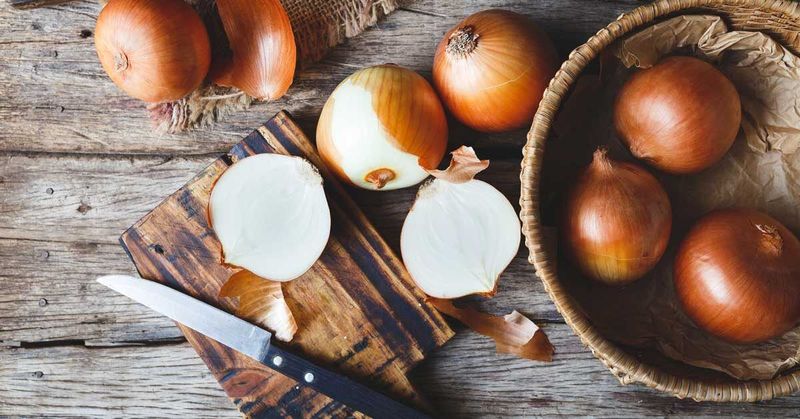
Onions have a reputation for making people cry, but they also have a reputation for being incredibly good for you when eaten raw. The same compounds that make your eyes water are actually powerful antioxidants called quercetin and sulfur compounds, both of which are reduced by heat.
Raw onions support heart health and help reduce inflammation in the body. Thinly sliced, they add a sharp, punchy flavor to salads, sandwiches, and salsas that cooked onions simply cannot replicate.
6. Kale
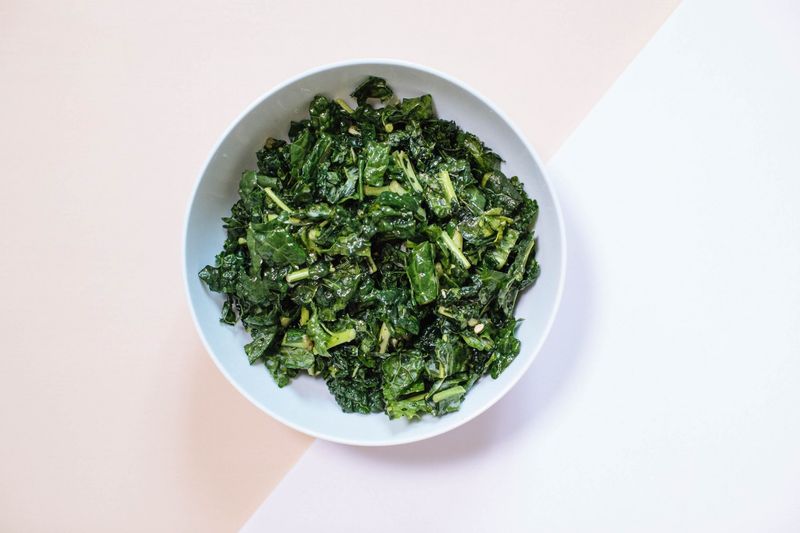
Kale has become one of the most talked-about greens in the health world, and for good reason. When eaten raw, it delivers a strong hit of vitamins K, C, and A, along with powerful antioxidants that help protect your cells from damage.
Massaging raw kale with a little olive oil and lemon juice breaks down its tough fibers, making it much easier and more pleasant to eat. This simple trick transforms it from tough and bitter into something genuinely delicious and satisfying.
7. Carrots
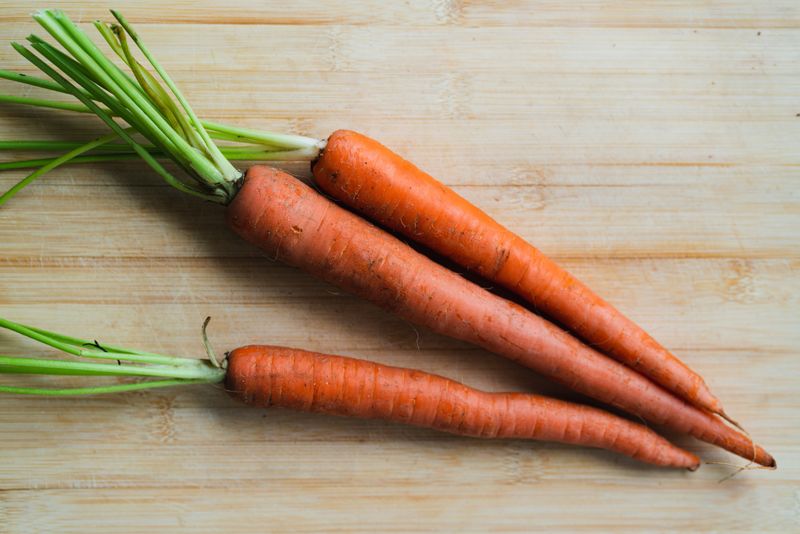
Here is something surprising: carrots actually release more beta-carotene when they are cooked. However, raw carrots still win in other important ways.
They preserve more of their natural enzymes and vitamin C, and the crunching action of eating them raw is genuinely good for your teeth and jaw muscles.
Raw carrots are also incredibly filling because of their fiber content. Snacking on them keeps hunger away longer, making them one of the smartest and most satisfying raw vegetable choices available.
8. Cucumber
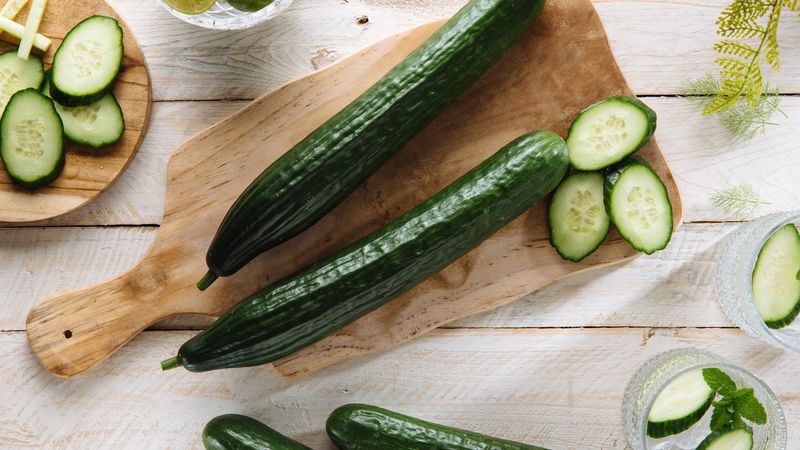
Cucumbers are made up of about 95 percent water, which makes them one of the most hydrating foods you can eat. Most of their nutritional value, including vitamin K and antioxidants like cucurbitacins, stays completely intact when you eat them raw.
Cooking cucumbers is almost unheard of for a reason. They become mushy and lose their refreshing quality almost instantly.
Raw cucumber slices are crisp, cooling, and incredibly easy to add to salads, sandwiches, or just eaten plain with a pinch of salt.
9. Beets
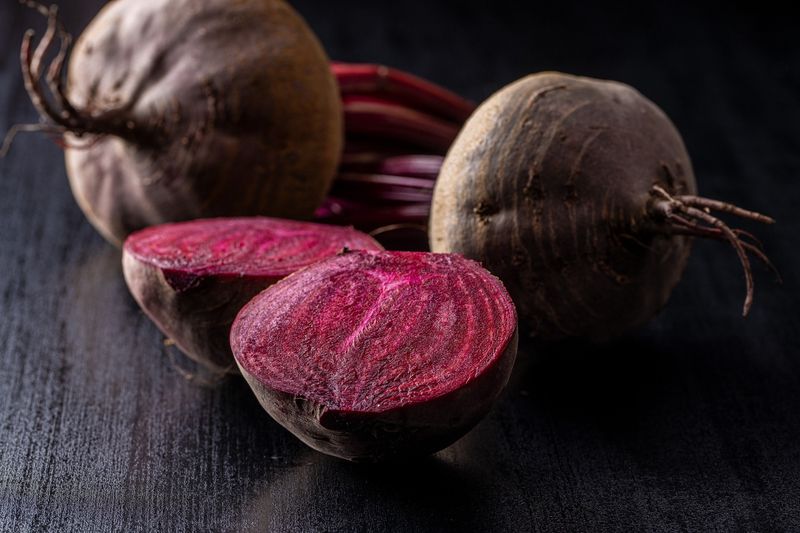
Beets have a naturally earthy sweetness that actually shines when eaten raw, especially when grated or thinly sliced. Cooking beets causes them to lose betalains, the powerful antioxidant pigments responsible for their deep red and purple colors.
Raw beets are also rich in nitrates, which help improve blood flow and athletic performance. Grating them into salads or slicing them paper-thin for a salad topping keeps all those incredible nutrients working in your favor without losing anything to the heat.
10. Cabbage
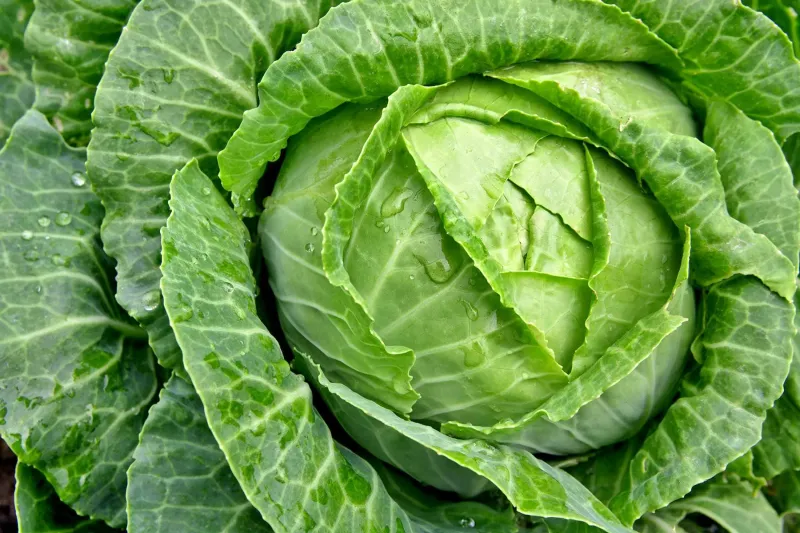
Cabbage is one of the oldest cultivated vegetables in the world, and people have been eating it raw for centuries for very good reason. Raw cabbage is packed with vitamin C, and cooking it can reduce that content by as much as 50 percent.
Raw shredded cabbage is the base of coleslaw for a reason. It holds its crunch, delivers a satisfying bite, and carries dressings beautifully.
It is also loaded with glucosinolates, compounds that have been linked to cancer prevention in several scientific studies.
11. Radishes
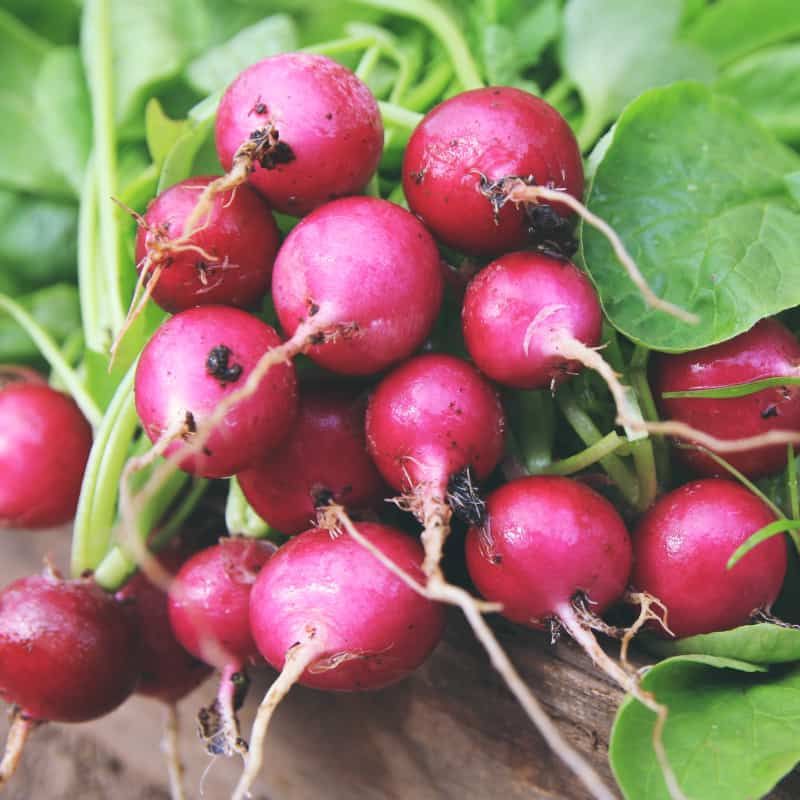
Radishes bring a spicy, peppery kick to any dish, and that bold flavor comes from compounds called isothiocyanates, which are at their strongest when the radish is raw. These compounds have been studied for their potential role in supporting liver health and reducing inflammation.
Slice them thin and layer them onto tacos, grain bowls, or open-faced sandwiches for a satisfying crunch. Cooking radishes mellows them out completely, which also means you lose the very compounds that make them worth eating in the first place.
12. Celery
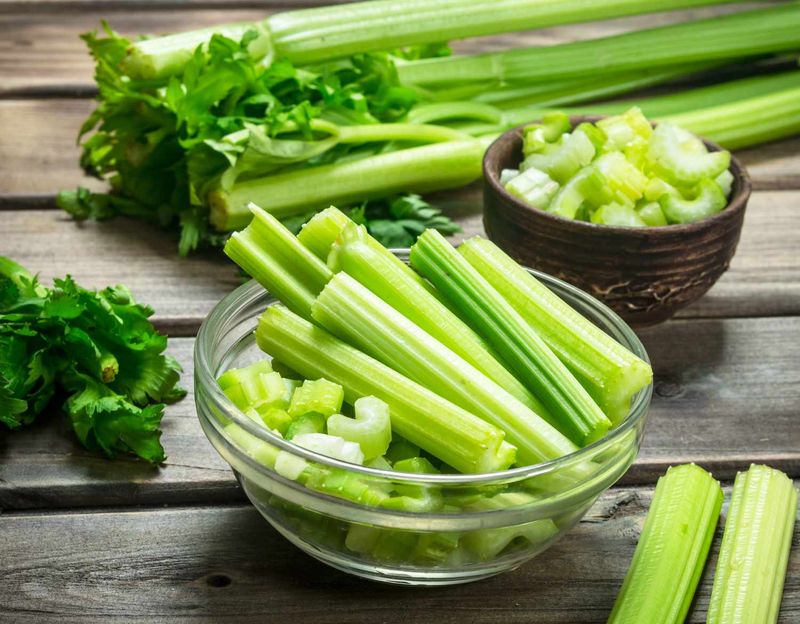
Celery might look like it is mostly water and crunch, but it actually carries a surprisingly solid nutritional profile. Raw celery contains phthalides, natural compounds that help relax blood vessel walls and may support healthy blood pressure levels.
Cooking celery softens its texture and breaks down those beneficial compounds pretty quickly. Eating it raw in sticks with peanut butter or tossed into a fresh salad keeps every bit of its nutrition fully available.
It is one of the most effortless raw vegetable snacks you can prep in seconds.
13. Watercress
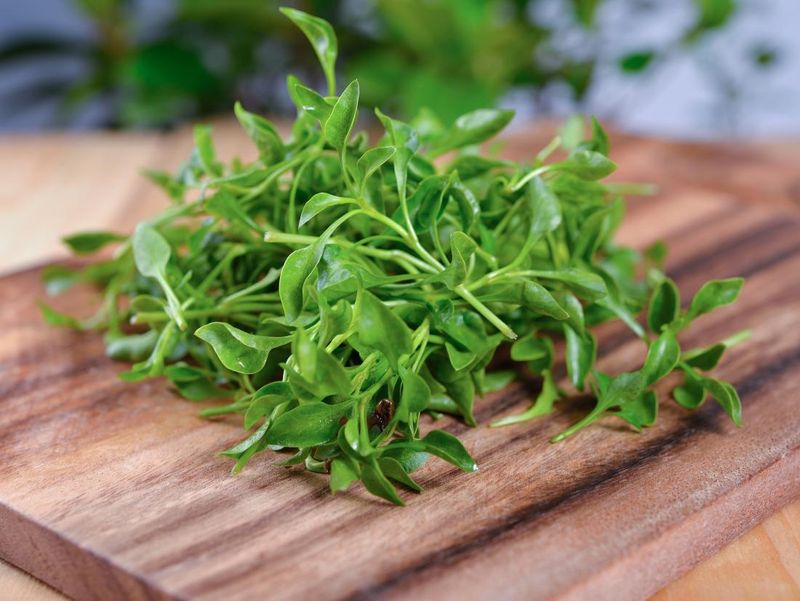
Watercress might be the most nutritionally dense vegetable that most people completely overlook. Gram for gram, it outranks kale and spinach in several key nutrients, including vitamins K, A, and C.
All of these nutrients are best preserved when the watercress is eaten fresh and raw.
Its peppery, slightly bitter flavor makes it a bold addition to salads, wraps, and sandwiches. A small handful goes a long way in terms of both flavor and nutrition, making it one of the most efficient raw greens available anywhere.
14. Tomatoes
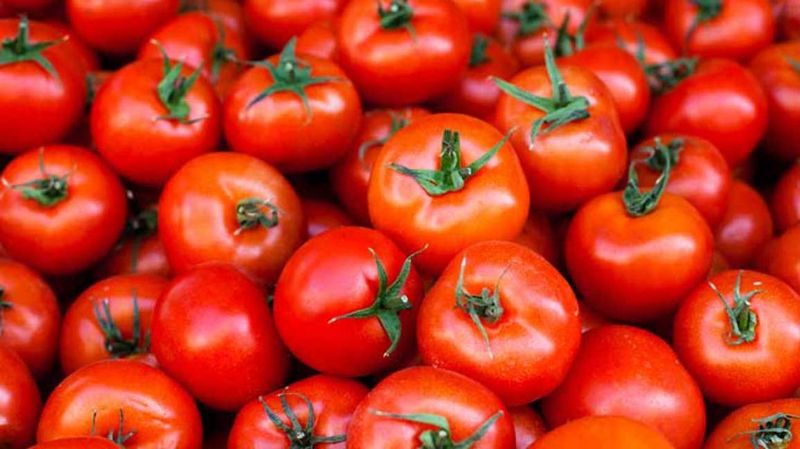
Tomatoes are actually a fruit from a botanical standpoint, but most people treat them as vegetables in everyday cooking. While lycopene in tomatoes does become more available when cooked, raw tomatoes preserve higher levels of vitamin C and other heat-sensitive antioxidants that your body needs.
Eating raw tomatoes in salads, sandwiches, or just sliced with a little sea salt is one of the simplest pleasures in eating well. Fresh, ripe tomatoes bursting with juice are also just genuinely hard to beat in terms of pure flavor.
15. Zucchini
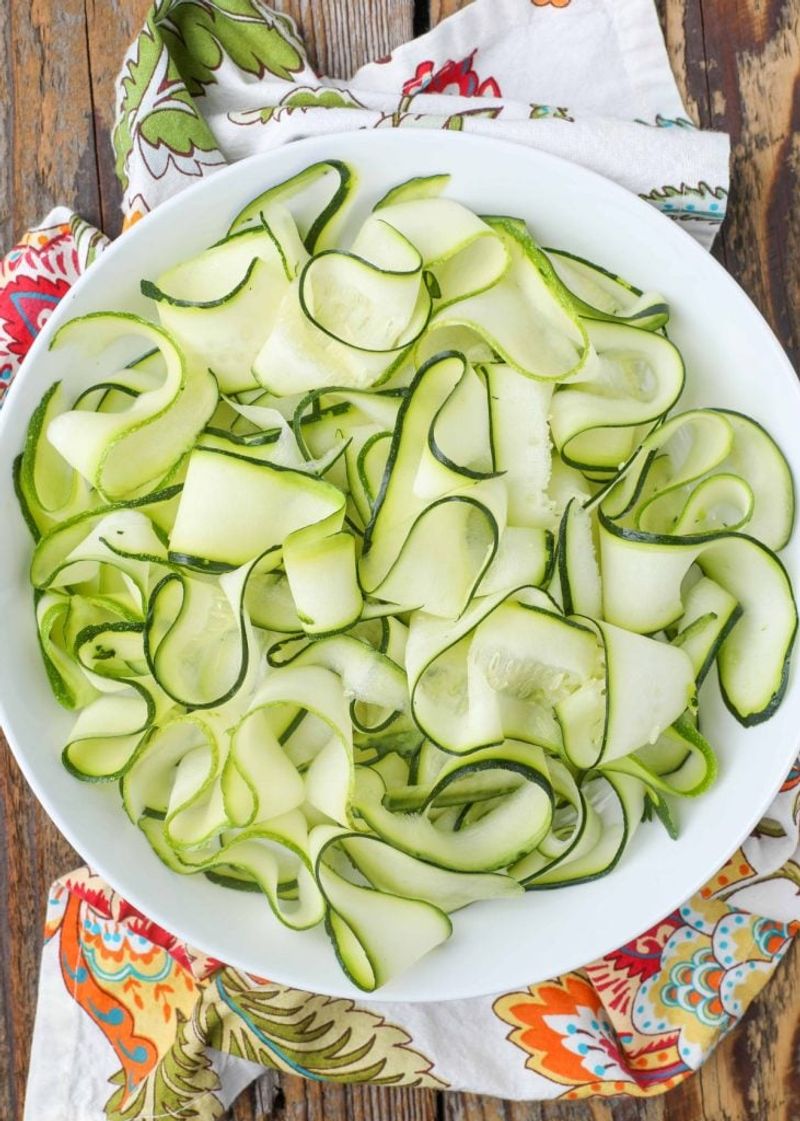
Raw zucchini is something most people have never tried, but it is actually a game-changer. When eaten raw, zucchini holds onto its full supply of vitamin C and riboflavin, a B vitamin that supports energy production and healthy skin.
Using a vegetable peeler or spiralizer to turn raw zucchini into thin ribbons creates a pasta-like base that is light, refreshing, and incredibly nutritious. Cooking zucchini makes it soft and watery, while eating it raw gives you that satisfying texture along with every nutrient it has to offer.




Comments
No Comments