













Pasta is one of those meals that feels simple but can go wrong in sneaky little ways. Whether your noodles turn out mushy, bland, or stuck together, small mistakes in the kitchen can ruin a dish that should be amazing.
The good news is that a few easy changes can completely transform your results. These tips are quick to learn and will have you cooking pasta like a pro in no time.
1. Use a Big Pot with Plenty of Water
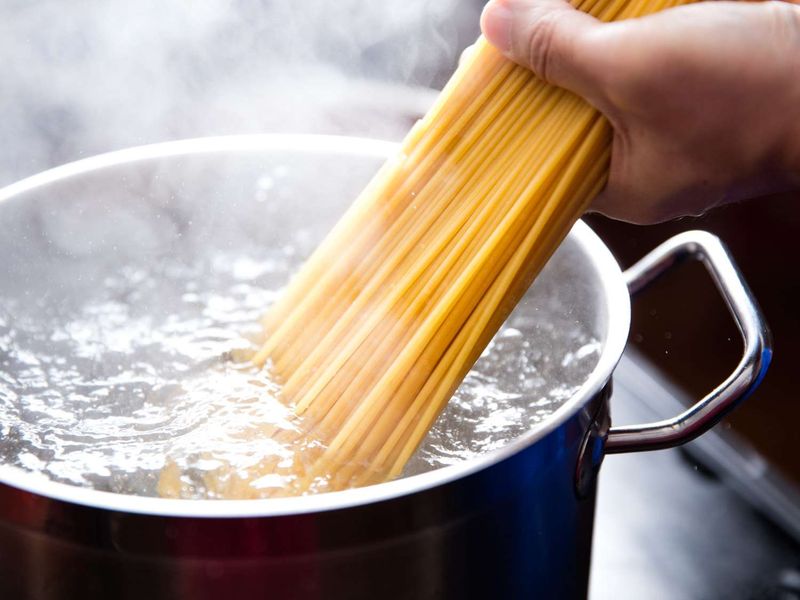
Pasta needs room to move. When you cook noodles in a small pot with too little water, they crowd together and cook unevenly, turning sticky and clumpy before you even plate them.
A big pot gives pasta space to swim freely, which helps it cook evenly all the way through. Aim for about four to six quarts of water per pound of pasta.
Your noodles will thank you with a better texture and flavor every single time.
2. Salt the Water Like You Mean It
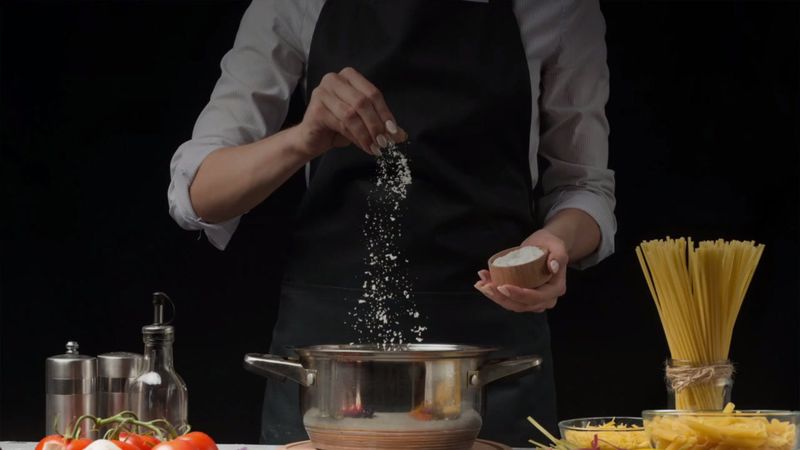
Here is a fact that surprises many home cooks: pasta absorbs flavor while it boils. If your water tastes like nothing, your noodles will taste like nothing too, no matter how good your sauce is.
The water should taste pleasantly salty, almost like a light broth. Most chefs add about one to two tablespoons of salt per pound of pasta.
This single step is one of the easiest ways to upgrade your entire dish without any extra effort.
3. Wait for a Rolling Boil Before Adding Pasta
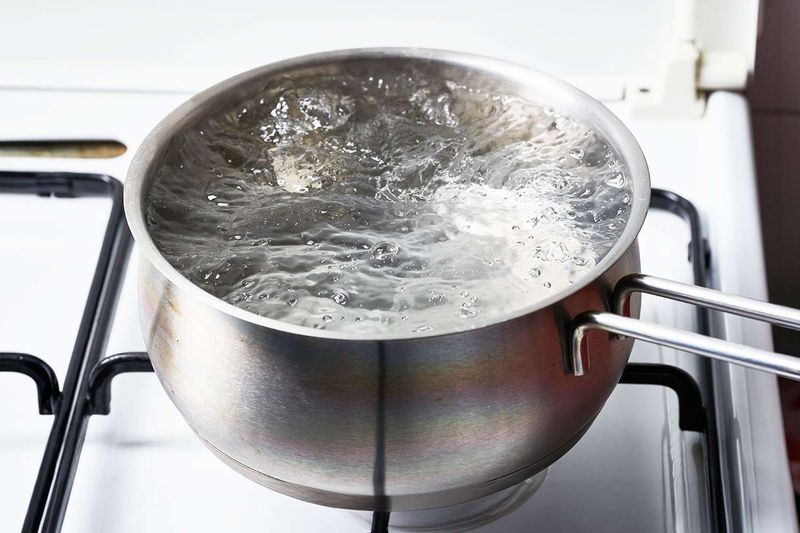
Dropping pasta into water that is barely simmering is a common mistake that leads to soggy, uneven noodles. The water needs to be at a full, vigorous boil before anything goes in.
A rolling boil means the water is churning and bubbling strongly, not just showing a few lazy bubbles. This high heat cooks the pasta quickly and evenly from the start.
Rushing this step by adding noodles too early is a shortcut that almost always backfires in the end.
4. Stir Right After Adding the Pasta
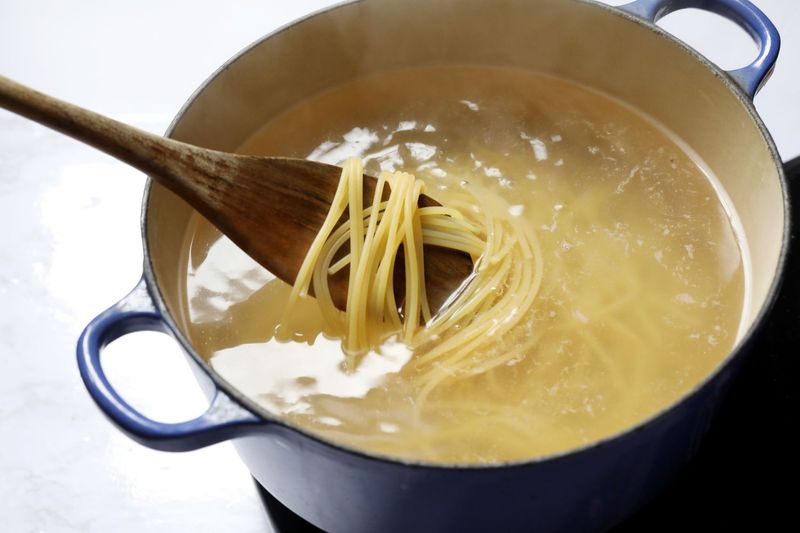
The first two minutes after pasta hits the water are the most important for preventing clumps. Noodles release starch right away, and if they are not moving, they will stick together and stay that way.
Give the pasta a good stir immediately after adding it, then stir again every minute or so during cooking. You do not need to hover over the pot constantly, but those early stirs make a real difference.
A wooden spoon or pasta fork works perfectly for this job.
5. Skip the Oil in the Boiling Water
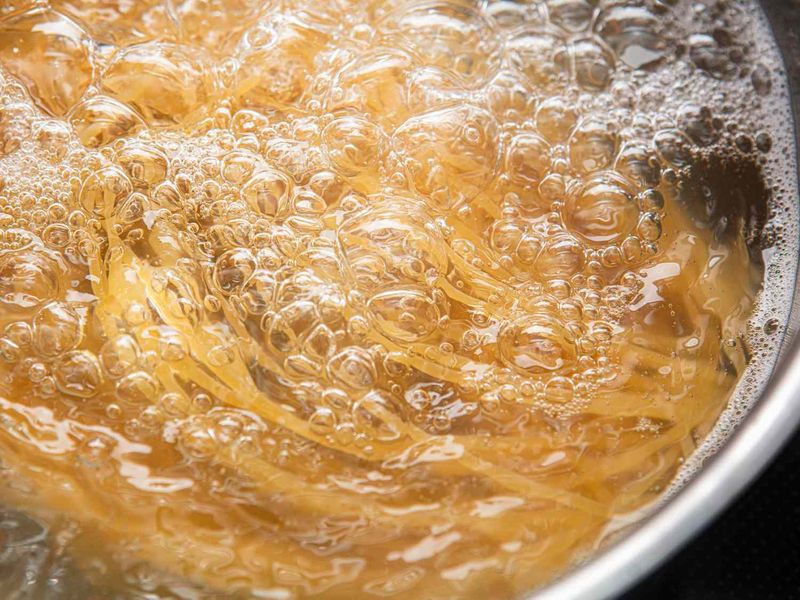
Adding olive oil to pasta water sounds like a smart trick, but it actually works against you. Oil floats on top of the water and coats the noodles as they drain, making the surface slippery.
When pasta is slippery, sauce cannot cling to it properly. Instead of that trick, simply stir the pasta regularly while it cooks.
Save your good olive oil for drizzling over the finished dish or tossing it in the sauce where it actually adds flavor and richness.
6. Taste Test Your Pasta Before Draining
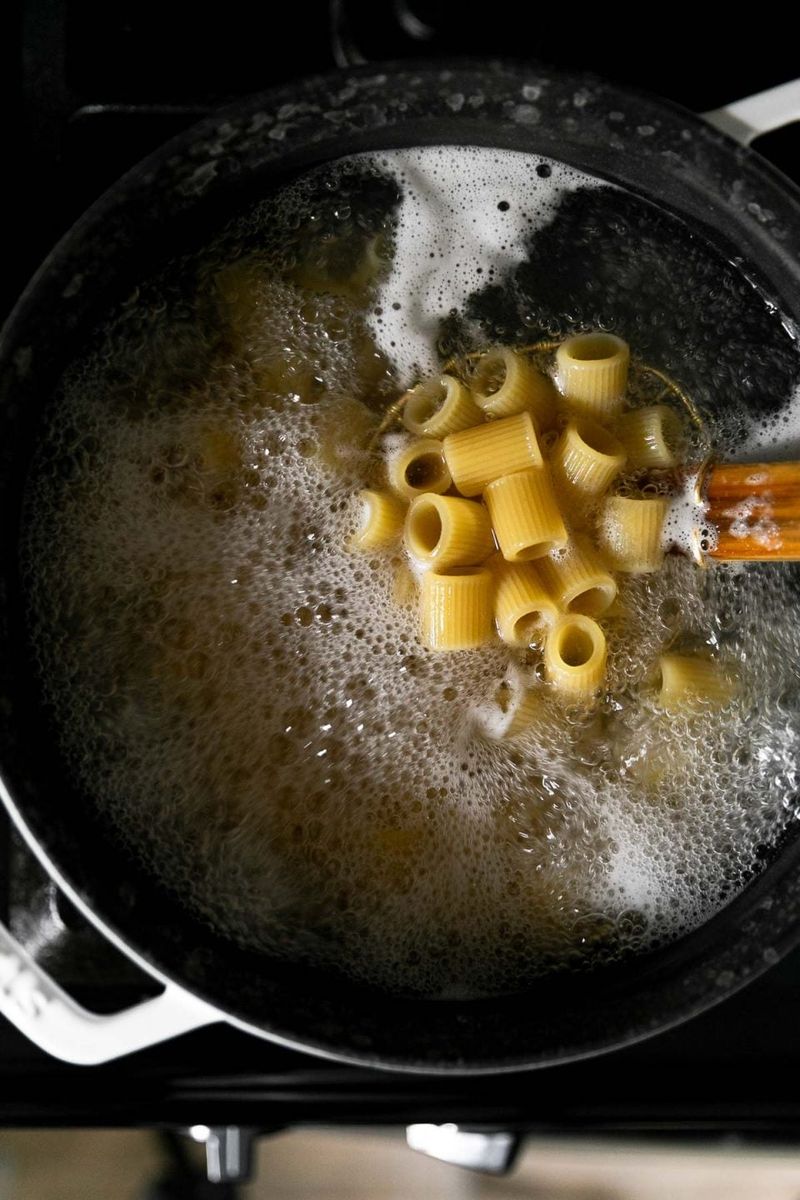
Cooking times on pasta boxes are just guidelines, not guarantees. Factors like altitude, pot size, and even the brand of pasta can change how long it actually takes to cook properly.
Start tasting the pasta a minute or two before the suggested time is up. You are looking for that sweet spot called al dente, where the noodle is tender but still has a very slight chew to it.
Trust your taste buds more than the clock when it comes to pasta doneness.
7. Save a Cup of Pasta Water Before Draining
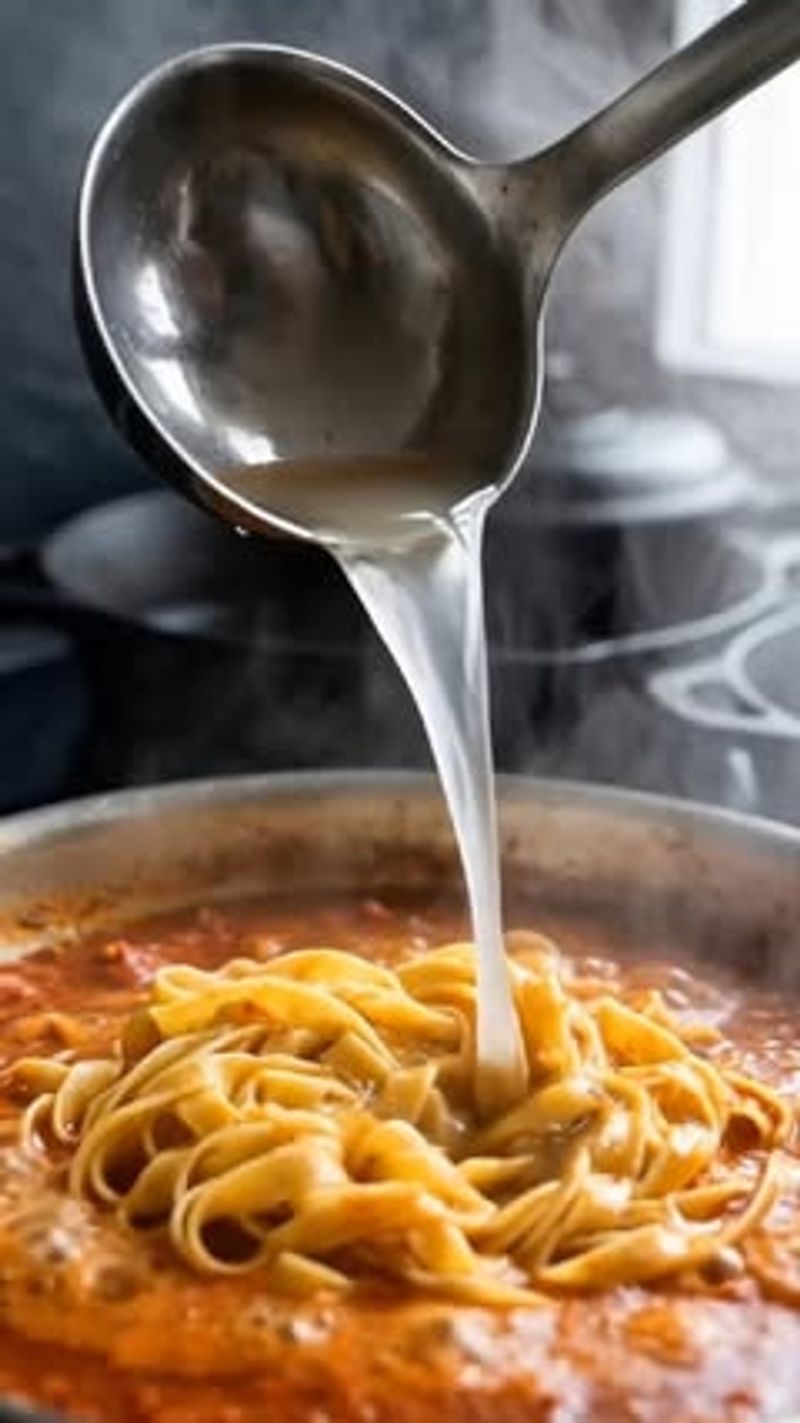
That cloudy, starchy water left in the pot after cooking is pure gold for your sauce. Most people pour it straight down the drain without a second thought, which is a real missed opportunity.
Pasta water contains dissolved starch that helps sauce cling to noodles and creates a silky, smooth texture. Add a splash to your sauce while tossing the pasta, and watch everything come together beautifully.
Keep a mug or measuring cup near the stove so you never forget this step again.
8. Do Not Rinse Your Pasta After Draining
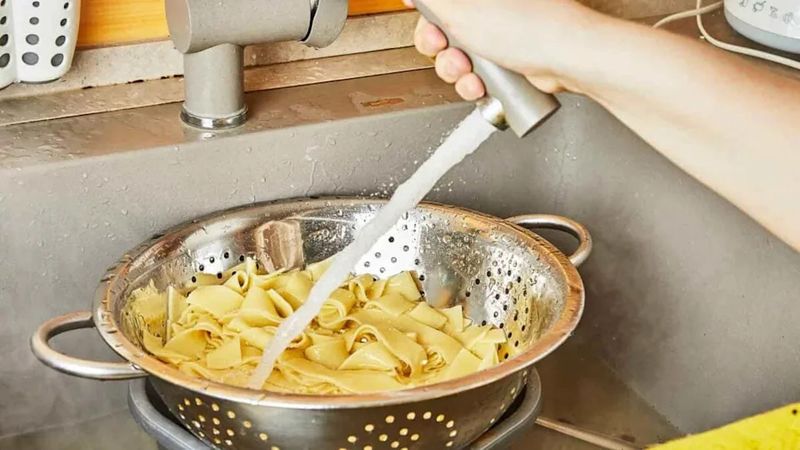
Rinsing cooked pasta under cold water washes away the starch coating that helps sauce stick to every noodle. It also cools the pasta down quickly, which makes it harder for sauce to absorb and blend in.
The only time rinsing makes sense is when you are making a cold pasta salad and need to stop the cooking immediately. For any hot dish, skip the rinse and go straight from the colander to the sauce.
That surface starch is your secret weapon for a dish that actually tastes cohesive.
9. Finish the Pasta in the Sauce
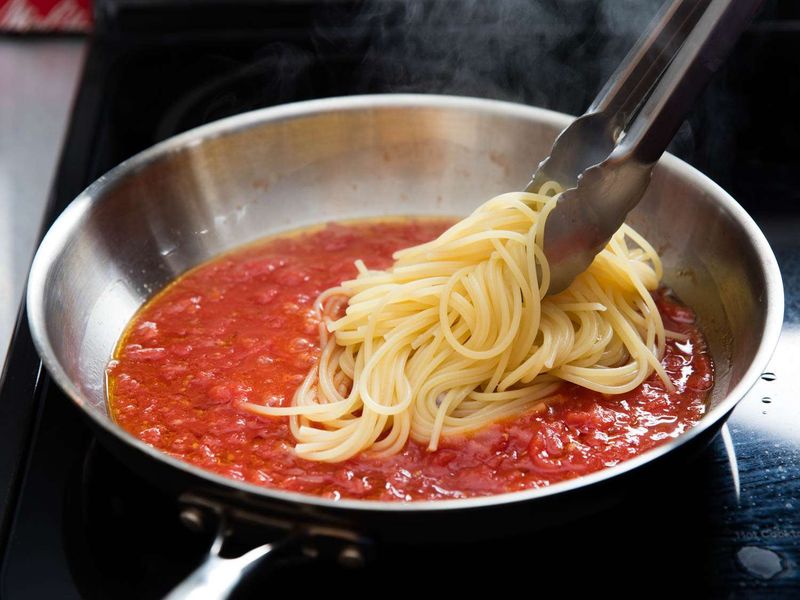
One of the biggest game-changers in pasta cooking is transferring the noodles into the sauce a minute before they are fully done. The pasta finishes cooking right in the sauce, soaking up all that flavor as it completes.
This technique is how most Italian restaurants get that cohesive, restaurant-quality taste. Toss everything together over medium heat, adding splashes of pasta water to loosen the sauce as needed.
The result is a dish where every bite tastes deeply flavorful rather than noodles just sitting in sauce.
10. Match Your Pasta Shape to Your Sauce
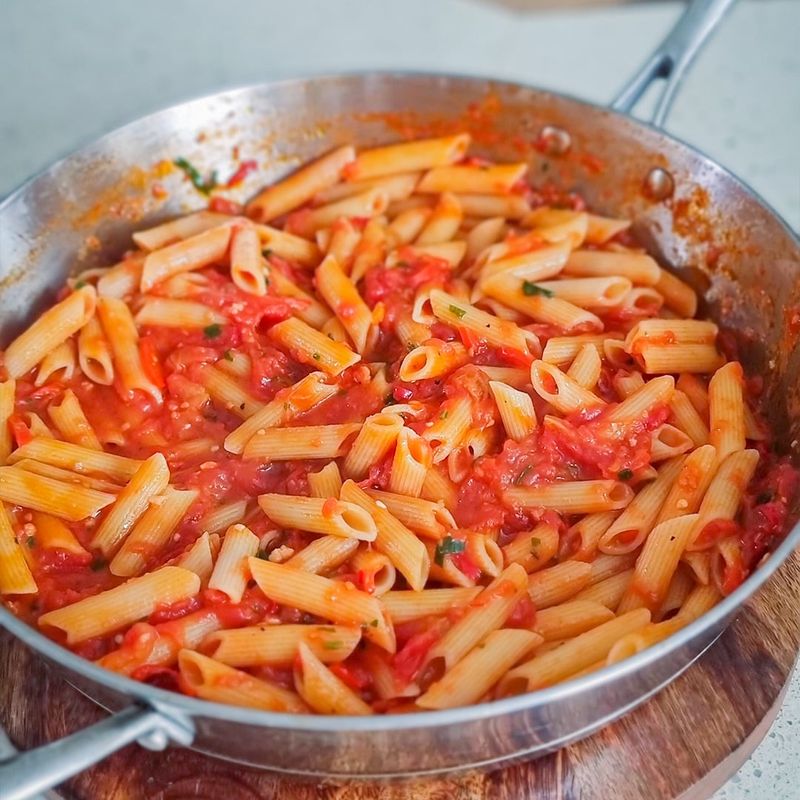
Not all pasta shapes are created equal, and pairing them correctly with the right sauce makes a noticeable difference in the final dish. Thin noodles like spaghetti work beautifully with light, smooth sauces that coat them evenly.
Chunky or hearty sauces need sturdy pasta shapes like rigatoni or penne, which have ridges and hollow centers that trap bits of meat and vegetables in every bite. Think of the shape as a delivery system for the sauce.
Getting this match right is a small detail with a surprisingly big payoff.
11. Use Fresh Pasta When You Want Something Special
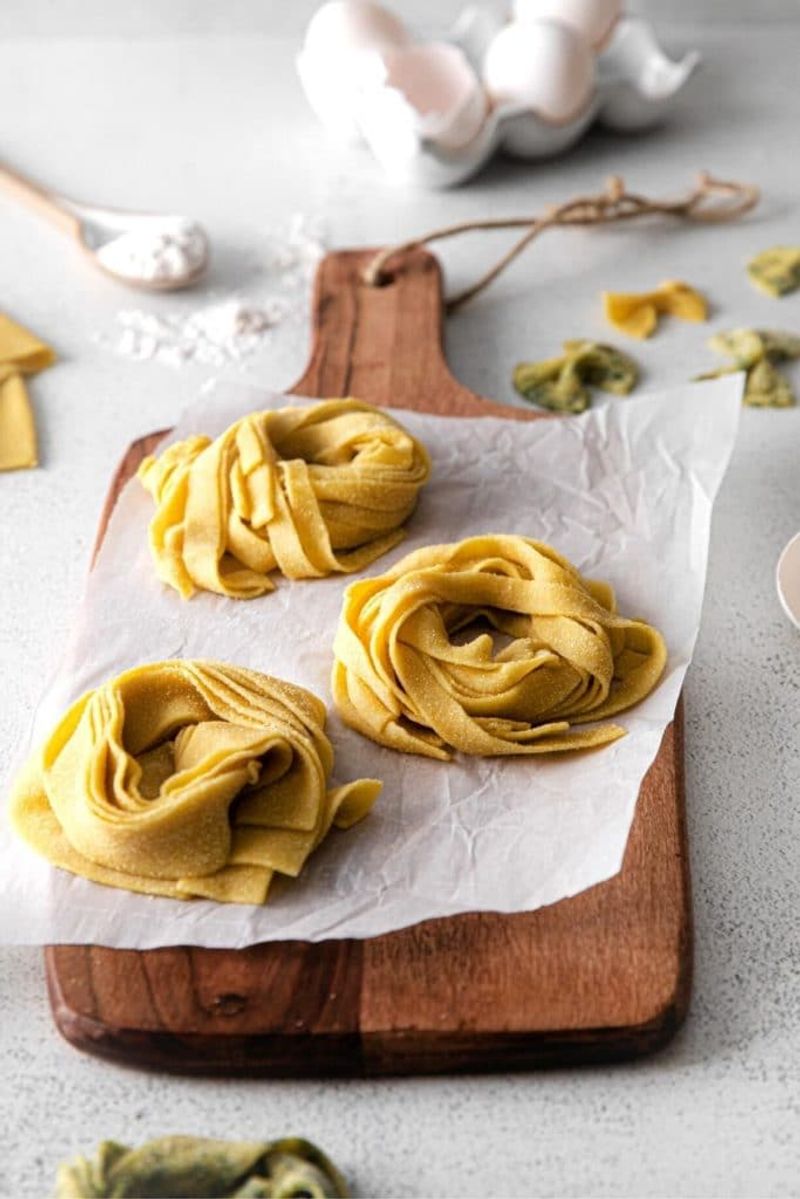
Fresh pasta has a tender, silky texture that dried pasta simply cannot replicate. Made with eggs and soft flour, it cooks in just two to three minutes and pairs beautifully with delicate, creamy sauces like Alfredo or simple butter and sage.
You do not have to make it from scratch at home. Many grocery stores now carry fresh pasta in the refrigerated section, and it is absolutely worth picking up for a special dinner.
The difference in texture and taste compared to dried pasta is something you notice immediately.
12. Do Not Overcook Garlic in the Sauce
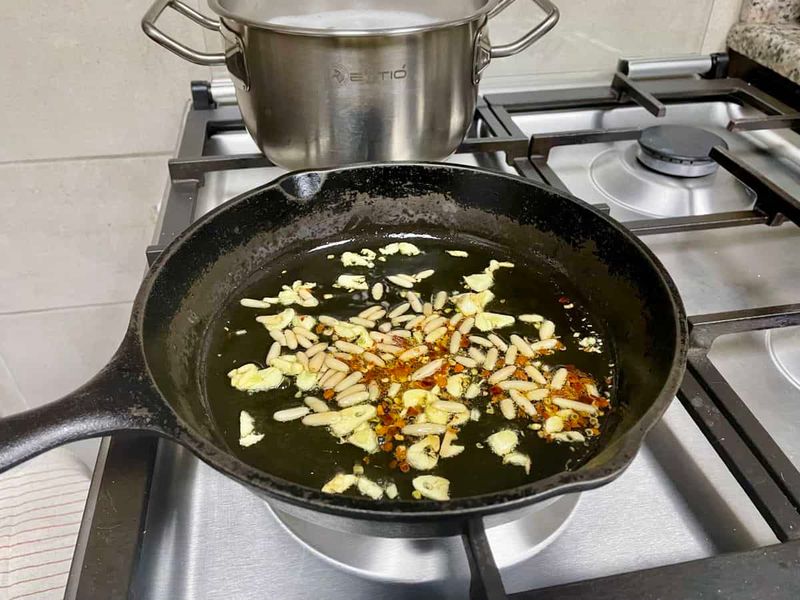
Garlic can go from perfectly golden to bitter and burnt in under thirty seconds. Overcooked garlic ruins an entire sauce, leaving behind a sharp, unpleasant flavor that no amount of seasoning can fix.
Cook garlic over medium-low heat and watch it closely, stirring often. The moment it turns light golden and smells fragrant, add the next ingredient to stop the cooking.
Many experienced cooks remove the pan from heat briefly if garlic is coloring too fast. Patience here pays off in a sauce that tastes smooth and rich.
13. Season Your Sauce at the End, Not Just the Beginning
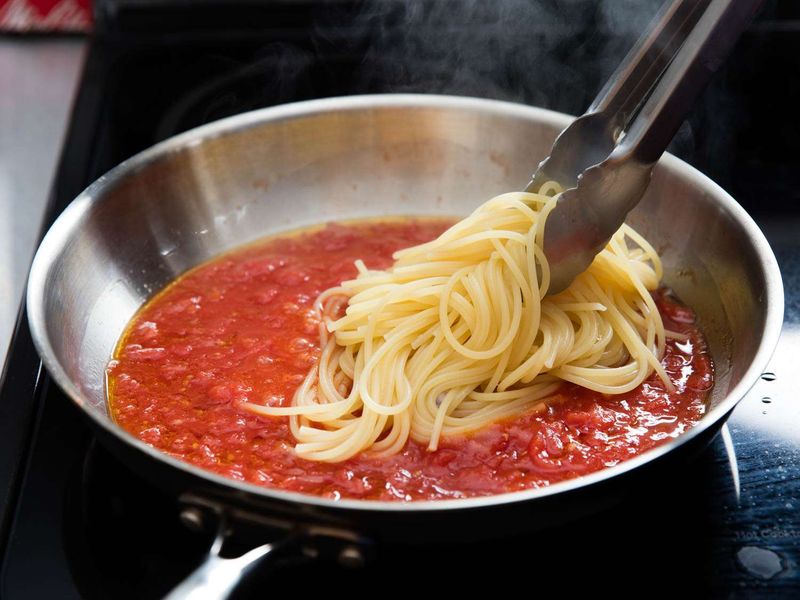
Seasoning a sauce at the start is helpful, but flavors change and concentrate as a sauce simmers and reduces. What tasted perfectly balanced at the beginning can end up too salty or too flat by the time it is done.
Always do a final taste test right before serving and adjust accordingly. A pinch of salt, a squeeze of lemon juice, or a tiny bit of sugar can completely transform a sauce that feels off.
Good cooks treat seasoning as an ongoing process, not a one-time step at the beginning.
14. Grate Your Own Cheese Instead of Using Pre-Shredded
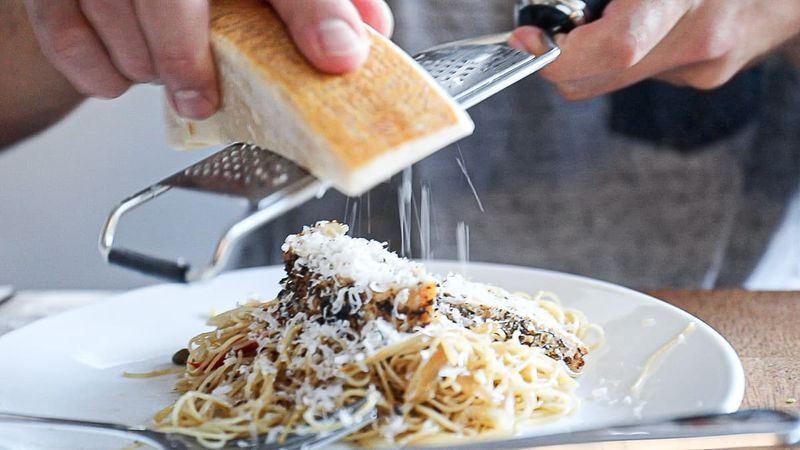
Pre-shredded cheese is convenient, but it contains anti-caking agents that prevent it from melting smoothly. These additives can make your sauce grainy or clumpy instead of silky and luscious.
Buying a block of Parmesan or Pecorino and grating it fresh takes only a couple of extra minutes and makes a genuinely noticeable difference. Freshly grated cheese melts into sauces and pasta much more evenly, creating that creamy, restaurant-style finish.
A microplane grater is an affordable kitchen tool that makes this task incredibly quick and easy.
15. Let the Pasta Rest for One Minute Before Serving
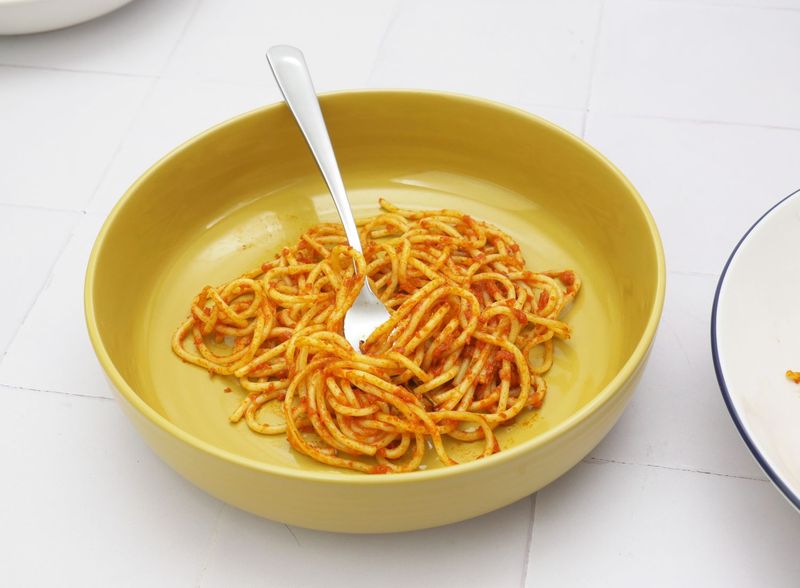
Rushing a bowl of pasta straight from the pan to the table might feel efficient, but giving it just sixty seconds to rest makes a real difference. During that brief pause, the sauce continues to absorb into the noodles and the temperature evens out throughout the dish.
Cover the bowl loosely with a plate to keep the heat in while it rests. This tiny habit creates a more cohesive, flavorful bite from the first forkful to the last.
It is the kind of quiet trick that separates good pasta from truly great pasta.


Comments
No Comments