













Tired of eating the same apples and bananas every day? The world is full of incredible fruits you might have never tried, and many of them are packed with vitamins your body craves.
From tropical rainforests to Asian markets, these exotic fruits bring bold flavors and serious nutritional power. Get ready to discover 15 amazing fruits that could completely change how you think about healthy eating.
1. Dragon Fruit
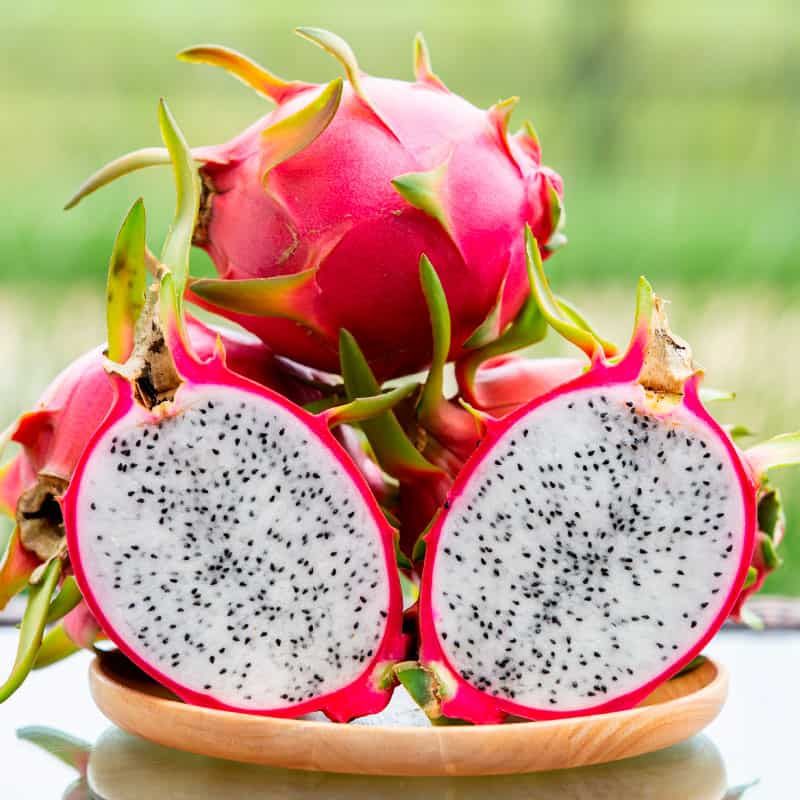
With its electric pink skin and speckled white flesh, dragon fruit looks like it belongs in a fantasy novel. Native to Central America, this showstopper is loaded with Vitamin C and B vitamins that help your body fight off illness and stay energized.
One serving can give you a solid chunk of your daily iron needs too. Try blending it into a smoothie or eating it chilled straight from the skin for a refreshing treat.
2. Jackfruit
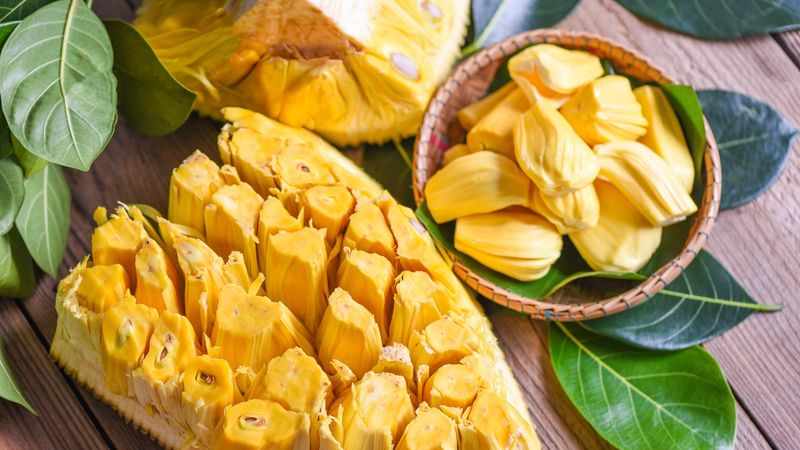
The jackfruit holds a wild record - it is the largest tree fruit in the world, sometimes weighing over 80 pounds. Beyond its impressive size, jackfruit is rich in Vitamin C, Vitamin B6, and potassium, making it a powerhouse for immune support and heart health.
Its sweet, fibrous pods taste almost like a mix of mango and pineapple. Young jackfruit even works as a meat substitute in savory dishes, making it incredibly versatile.
3. Rambutan
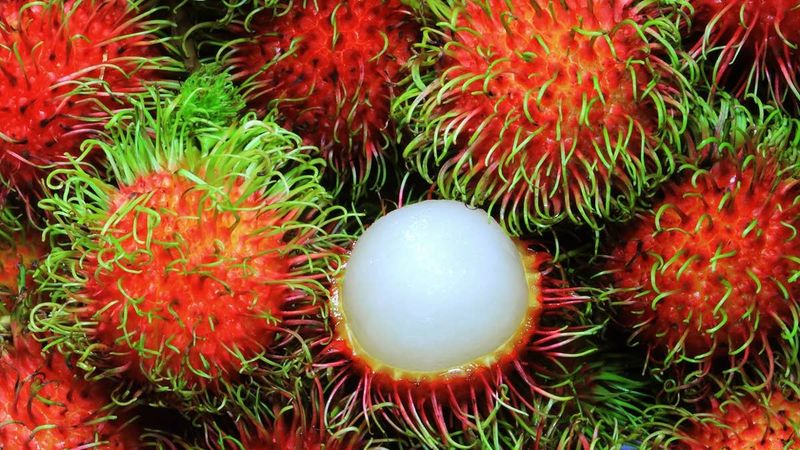
Rambutan looks like a tiny, furry alien fruit - and that is exactly what makes it so fun to discover. Underneath those wild red spines hides a juicy, sweet white flesh loaded with Vitamin C, copper, and manganese.
Originating from Southeast Asia, rambutan has been used in traditional medicine for centuries to boost energy and strengthen the immune system. Pop one open by pressing the seam with your thumb and enjoy the burst of tropical sweetness inside.
4. Cherimoya
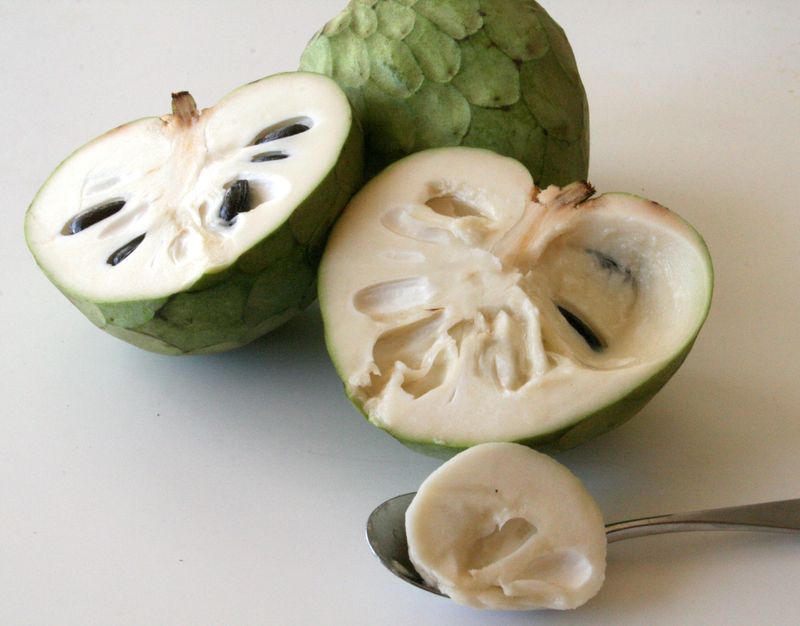
Mark Twain once called the cherimoya the most delicious fruit known to men - and honestly, it is hard to argue. This heart-shaped fruit from South America has a creamy, custard-like texture that tastes like a blend of banana, vanilla, and pineapple.
Cherimoya is packed with Vitamin C, Vitamin B6, and riboflavin, nutrients that support your nervous system and skin health. Eat it chilled with a spoon for a dessert-like experience that also happens to be nutritious.
5. Starfruit (Carambola)
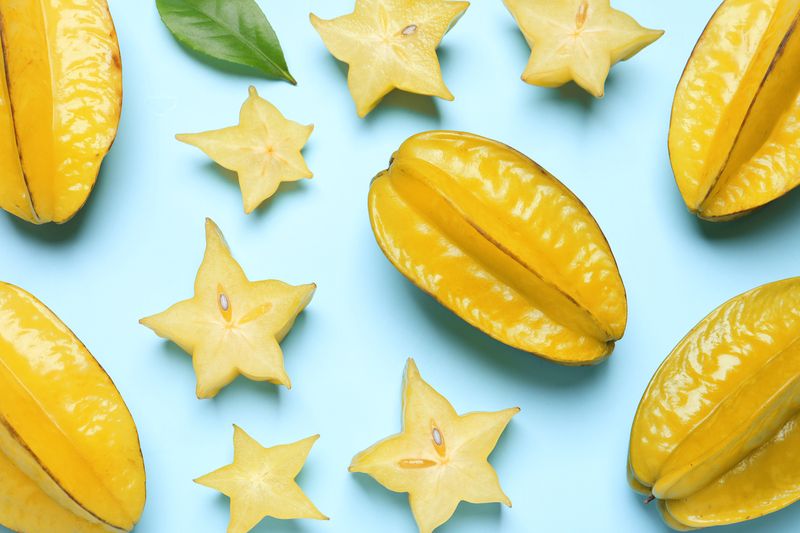
Slice a starfruit crosswise and you get a perfect five-pointed star - nature's most photogenic snack. Originally from Sri Lanka and the Maldives, this tangy-sweet fruit is bursting with Vitamin C and antioxidants that help protect your cells from damage.
Its crisp texture is similar to a grape, and the flavor shifts between tart and sweet depending on ripeness. Starfruit works beautifully in fruit salads, juices, or simply eaten fresh as a crunchy, hydrating snack.
6. Mangosteen
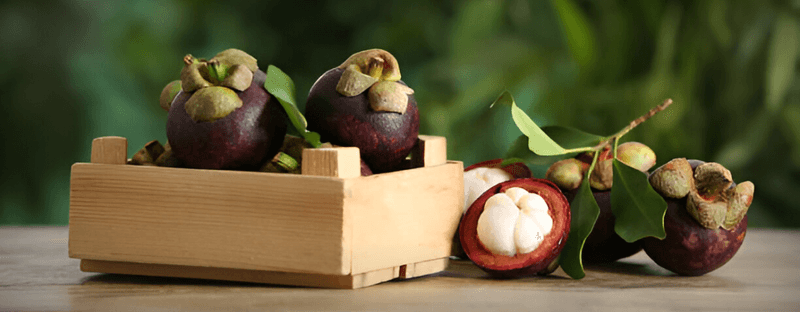
Known as the Queen of Fruits in Southeast Asia, mangosteen has earned its royal title for good reason. The deep purple shell hides snowy white segments that taste floral, tangy, and sweet all at once - unlike anything you have tried before.
Mangosteen is rich in Vitamin C and xanthones, powerful antioxidants linked to reducing inflammation and supporting heart health. Fresh mangosteen can be hard to find in some countries, but frozen or canned versions still carry plenty of nutritional benefits.
7. Guanabana (Soursop)
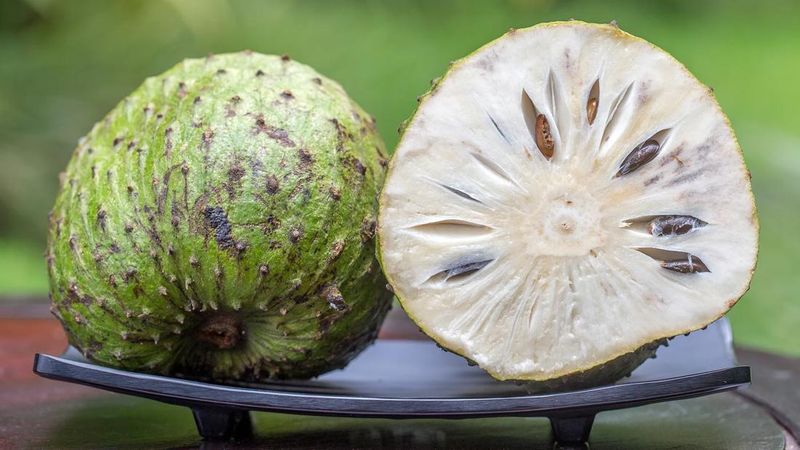
Soursop grows in tropical regions and its flavor is like a wild mashup of strawberry, pineapple, and citrus with a creamy coconut finish. Behind that spiky green exterior is a white pulp absolutely loaded with Vitamin C, Vitamin B1, and Vitamin B2.
These vitamins help your body convert food into energy and keep your immune system running strong. Soursop juice is especially popular in Latin America and the Caribbean, often blended with milk or water into a refreshing, nutrient-rich drink.
8. Longan
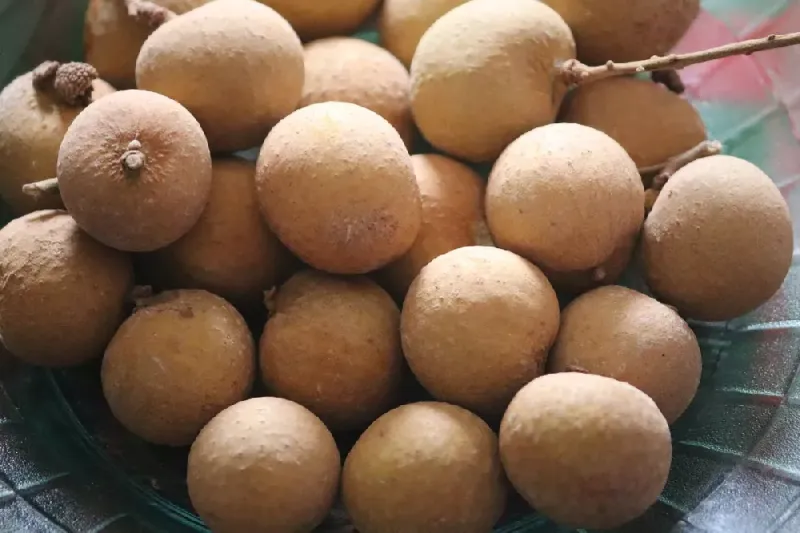
Longan means dragon eye in Chinese, named for the dark seed visible through its translucent flesh when peeled. Small but mighty, this Southeast Asian fruit delivers a surprising punch of Vitamin C and riboflavin in every little bite.
Its flavor is sweeter and less floral than its cousin lychee, with a smooth, juicy texture that makes it incredibly snackable. Longan is also traditionally used in Chinese herbal medicine to calm the mind and support better sleep quality.
9. Feijoa (Pineapple Guava)
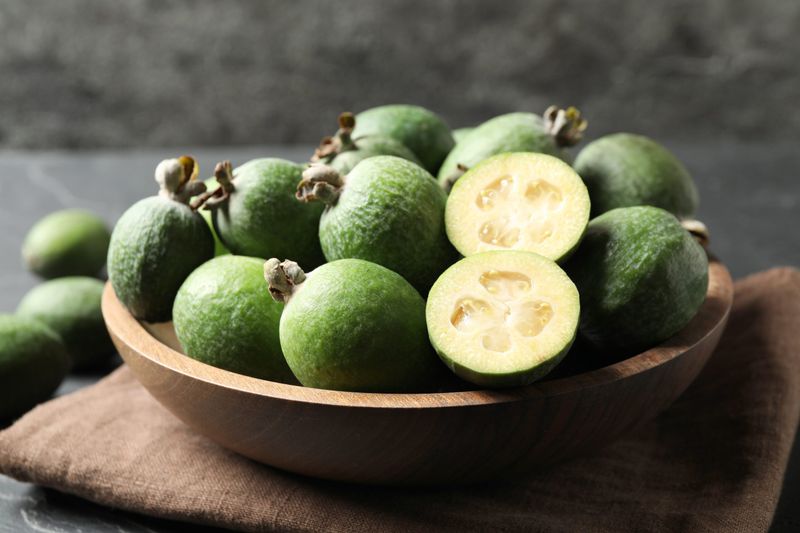
Feijoa smells so good that people in New Zealand sometimes use it as a natural air freshener - no joke. This small green fruit from South America packs a floral, minty-sweet flavor and is an excellent source of Vitamin C, folate, and iodine.
Folate is especially important for growing kids and teens because it supports healthy cell development. Scoop the jelly-like flesh straight from the skin or blend it into smoothies for a fragrant, nutrient-rich boost that tastes like a tropical vacation.
10. Sapodilla
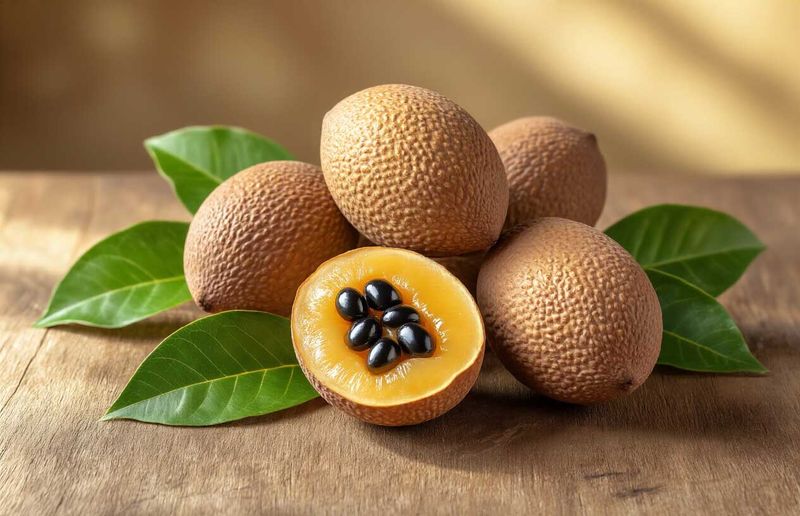
Sapodilla might not win any beauty contests with its rough brown skin, but one bite reveals a caramel-sweet, grainy flesh that tastes like brown sugar and pear combined. This fruit from Central America and Mexico is a solid source of Vitamin C and Vitamin A, both essential for healthy eyes and glowing skin.
It also contains niacin, a B vitamin that helps your body produce energy efficiently. Ripe sapodilla is best eaten fresh, scooped with a spoon for maximum enjoyment.
11. Passion Fruit
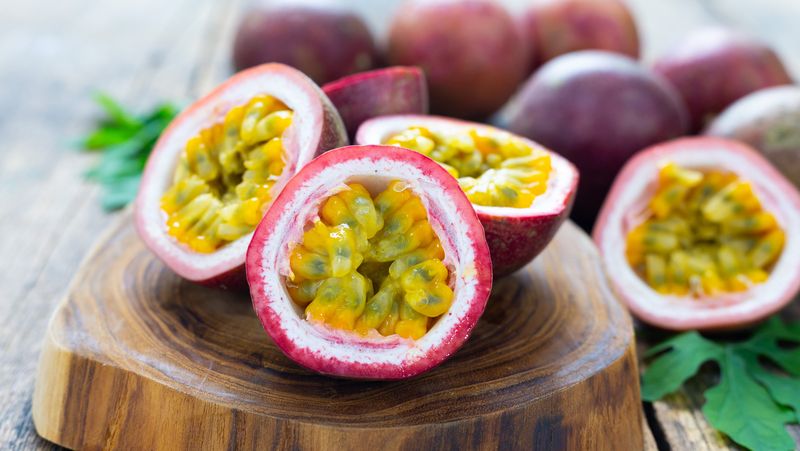
Crack open a passion fruit and you are instantly hit with one of the most intoxicating aromas in the fruit world - tangy, floral, and tropical all at once. This wrinkly purple fruit from South America is absolutely loaded with Vitamin C, Vitamin A, and riboflavin.
Just two passion fruits can cover nearly 30 percent of your daily Vitamin C needs. The seedy pulp is perfect swirled into yogurt, drizzled over ice cream, or mixed into salad dressings for a bright, zesty flavor upgrade.
12. Ackee
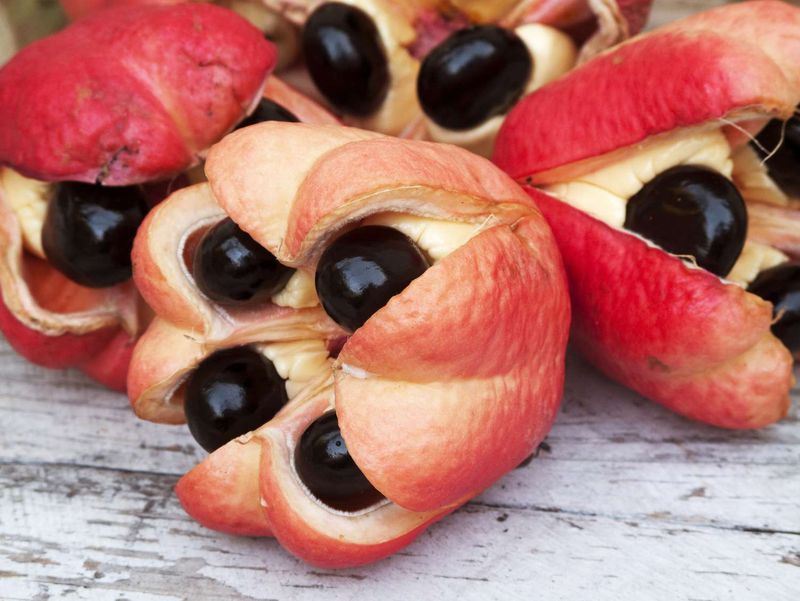
Ackee is Jamaica's national fruit and a cornerstone of Caribbean cooking, most famously paired with saltfish in the beloved national dish. The bright yellow flesh inside its red pod is rich in Vitamin C, niacin, and folate, nutrients that support brain function and energy metabolism.
Here is a fun fact - ackee must be fully ripe before eating, as unripe fruit contains natural toxins. When prepared correctly, it has a mild, buttery flavor that absorbs spices and seasonings beautifully.
13. Durian
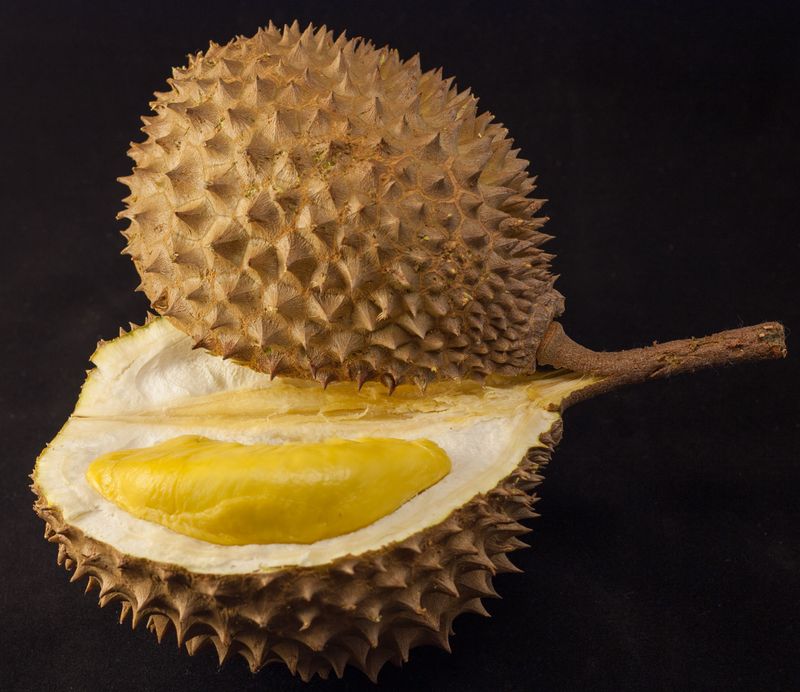
Durian is either beloved or avoided - there is really no middle ground with this famously smelly Southeast Asian fruit. The pungent odor masks a rich, creamy flesh that tastes like a combination of custard, almond, and vanilla, and it delivers impressive amounts of Vitamin C, Vitamin B6, and thiamine.
Thiamine helps your nervous system function properly and keeps your brain sharp. Despite being banned in many hotels and public transport systems in Asia due to its powerful smell, durian remains one of the most nutritionally dense fruits you can eat.
14. Kiwano (Horned Melon)
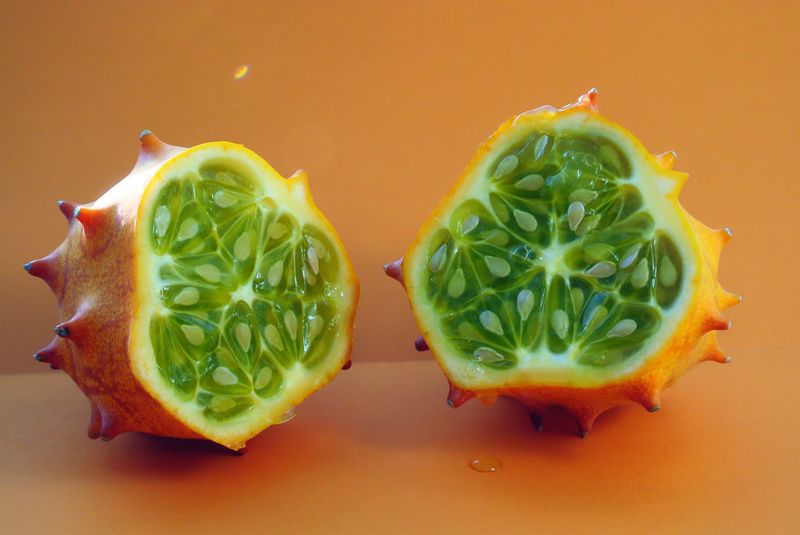
Kiwano looks like it was designed by a science fiction artist - a spiky orange shell hiding electric green, jelly-like flesh filled with crunchy seeds. Native to sub-Saharan Africa, this extraordinary fruit is a good source of Vitamin C and Vitamin A, plus zinc and magnesium for immune and muscle support.
The flavor is mild and refreshing, like a cross between cucumber and lime. Scoop the green pulp straight out of the shell or blend it into a visually stunning smoothie.
15. Salak (Snake Fruit)
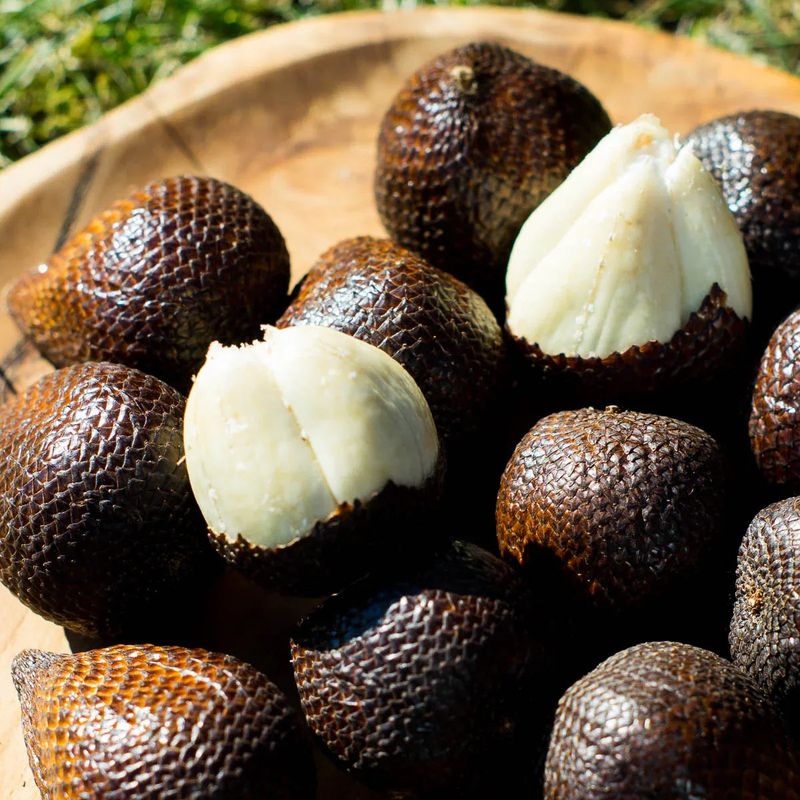
Snake fruit earned its nickname from the reddish-brown scaly skin that wraps tightly around its ivory flesh - it genuinely looks like a tiny snake. Grown primarily in Indonesia, salak is an underrated source of Vitamin C, Vitamin B2, and beta-carotene, which your body converts into Vitamin A.
The crunchy, slightly astringent flesh has a flavor somewhere between apple, pineapple, and honey. Peel back the skin to reveal three segments and enjoy one of the most unique textures the fruit world has to offer.




Comments
No Comments