













Eating more organic produce is one of the smartest choices you can make for your health and the environment. Organic fruits and vegetables are grown without harsh chemicals or synthetic pesticides, making them a cleaner option for your family.
Whether you are new to organic eating or just looking for ways to add more to your diet, these simple steps will help you get started without feeling overwhelmed.
1. Start With the Dirty Dozen List
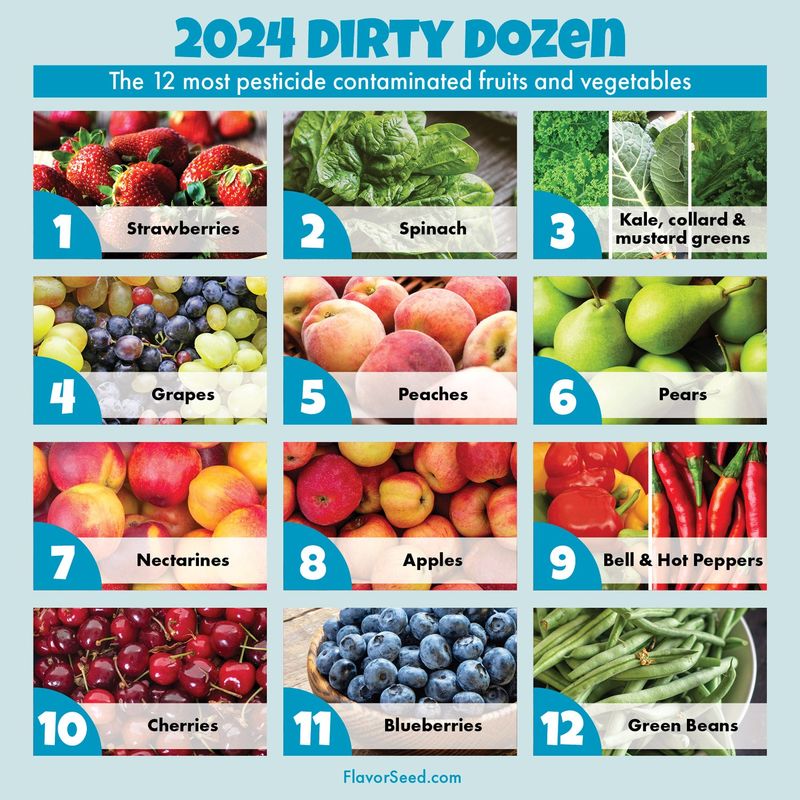
Strawberries, spinach, and peaches top the Environmental Working Group's Dirty Dozen list every year, and for good reason. These fruits and vegetables absorb the most pesticides when grown conventionally.
Swapping just these twelve items for organic versions can make a big difference in what your family consumes.
You do not need to overhaul your entire grocery list at once. Start small, focus on the highest-risk produce, and build from there at your own pace.
2. Shop at Your Local Farmers Market
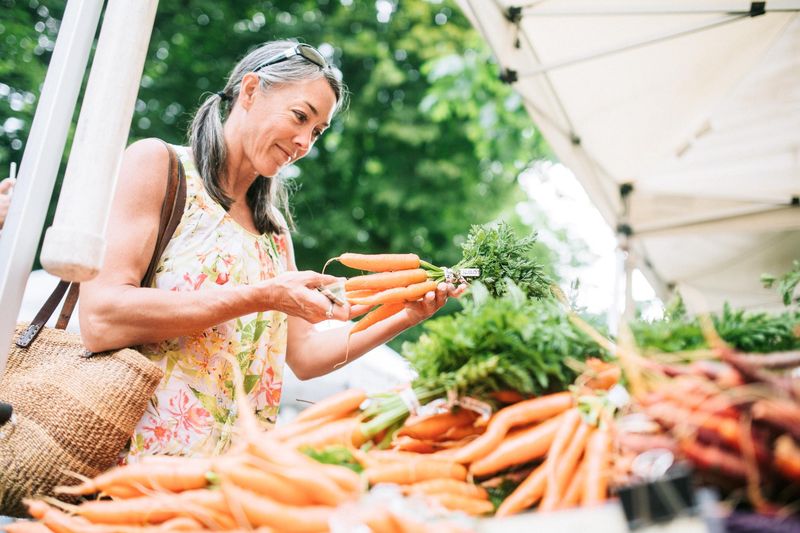
There is something genuinely exciting about walking through a farmers market on a crisp weekend morning, surrounded by fresh-picked tomatoes and leafy greens. Local farmers often grow organically even without official certification, simply because small-scale farming tends to skip heavy chemical use.
Chatting directly with growers lets you ask exactly how they raise their crops. You might be surprised how many vendors use organic practices without advertising it on a label.
3. Join a Community Supported Agriculture Program
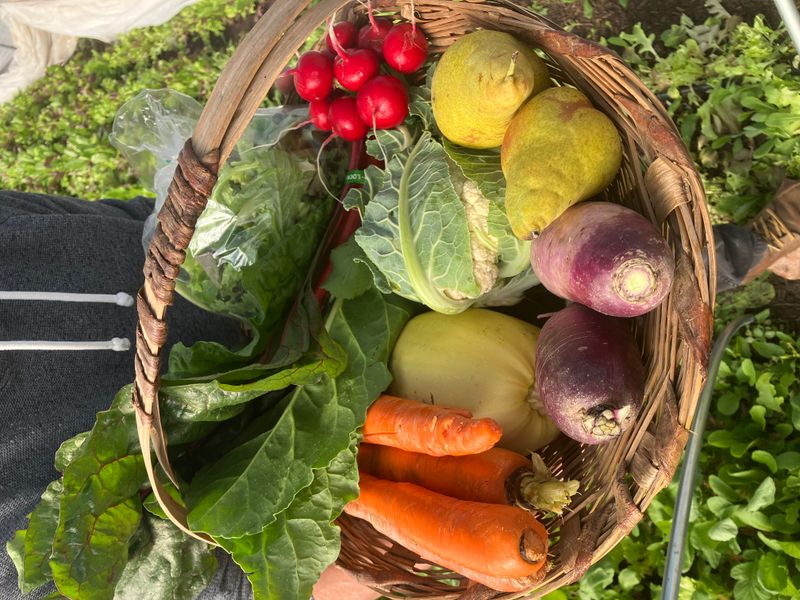
Imagine getting a box of fresh, seasonal organic produce delivered or ready for pickup every week without hunting through grocery store aisles. Community Supported Agriculture, or CSA, programs let you buy a share of a local farm's harvest upfront.
You get regular deliveries of whatever is in season, which keeps things fresh and exciting.
CSA memberships often cost less per pound than grocery store organic prices. Many farms also offer half-shares for smaller households.
4. Grow Your Own Organic Herbs and Vegetables

Nothing beats walking outside and snipping fresh basil or pulling a ripe tomato straight from the vine. Growing your own organic produce gives you total control over what goes into the soil and onto your plants.
Even a small patio or balcony can support containers of herbs, lettuce, or cherry tomatoes.
Starting a garden does not require a green thumb or a big yard. Beginners can start with easy crops like radishes, lettuce, and herbs that grow quickly with minimal fuss.
5. Buy Frozen Organic Produce

Fresh organic produce can get pricey, but the frozen aisle is a budget-friendly secret that many shoppers overlook. Frozen organic fruits and vegetables are picked at peak ripeness and flash-frozen, locking in most of their nutrients.
Berries, peas, corn, and broccoli are all excellent choices in frozen form.
Frozen options also reduce food waste since they last much longer than fresh items. Tossing a handful of frozen organic spinach into a smoothie is one of the easiest nutrition upgrades you can make.
6. Read Labels Carefully at the Grocery Store
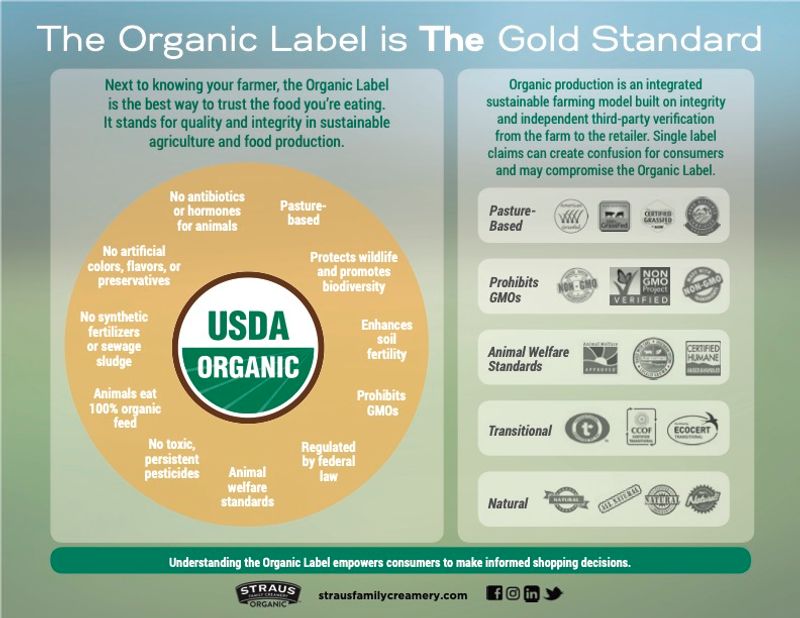
Not every product labeled "natural" is actually organic, and that distinction matters more than most shoppers realize. The USDA Organic seal is the gold standard in the United States, meaning the product meets strict federal guidelines for organic production.
Learning to spot that seal quickly makes grocery shopping much more efficient.
Watch out for tricky marketing words like "all-natural" or "eco-friendly" that have no regulated meaning. Sticking to certified organic labels protects you from misleading packaging claims.
7. Plan Your Meals Around Seasonal Organic Produce
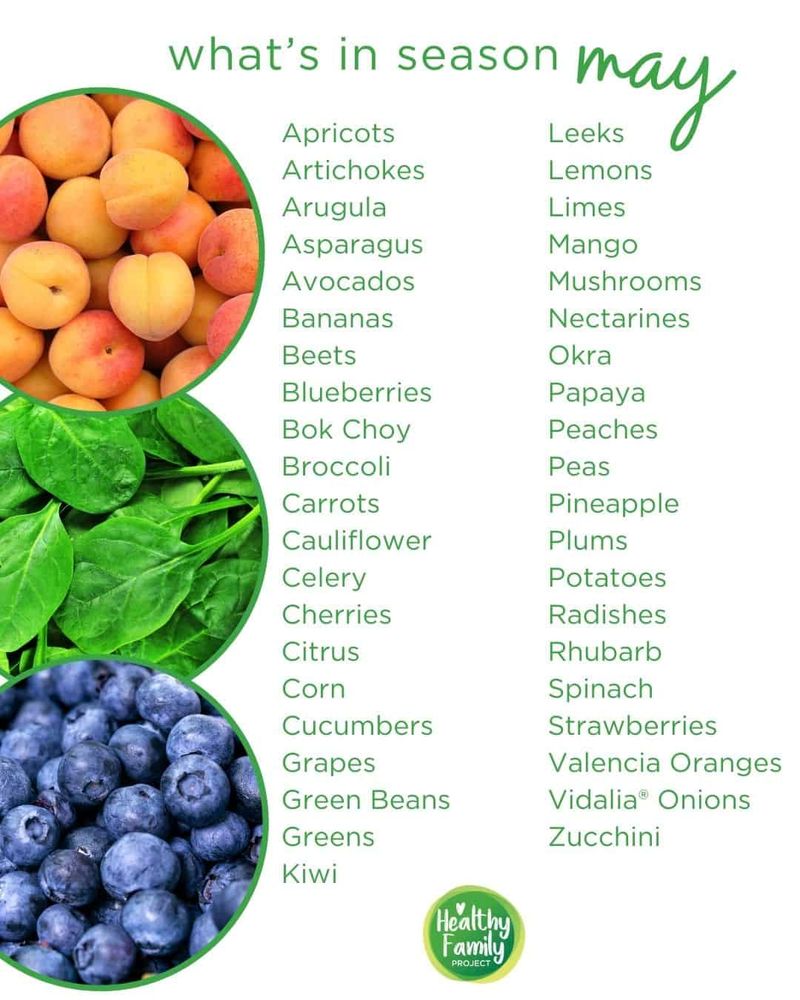
Seasonal eating is one of the oldest tricks in the book, and it works beautifully for keeping organic food affordable. Produce that is in season locally is always cheaper, fresher, and more flavorful than items shipped from far away.
Apples in autumn, asparagus in spring, and zucchini in summer are just a few examples of seasonal smart picks.
Building your weekly meals around what is currently in season keeps grocery bills lower. It also pushes you to try new recipes and flavors throughout the year.
8. Use Grocery Store Apps and Coupons for Organic Items
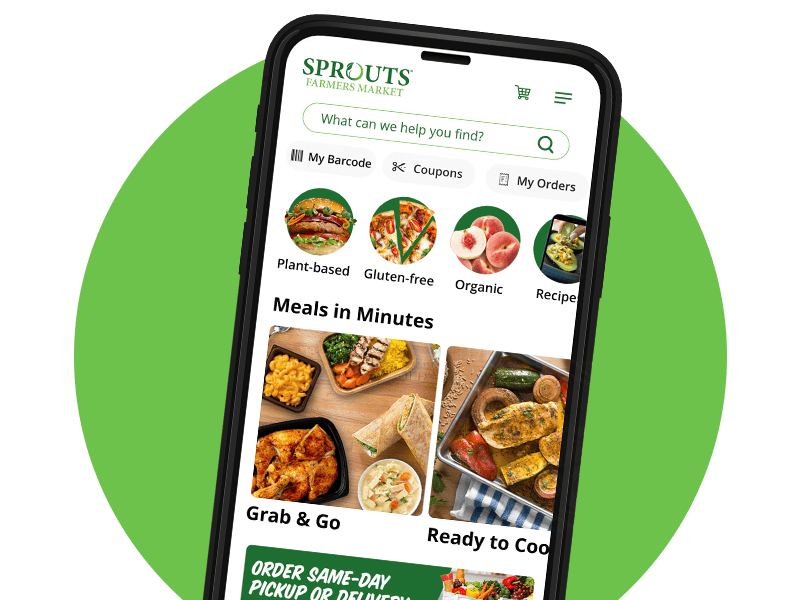
Did you know that many major grocery chains now offer digital coupons specifically for organic products? Apps like Ibotta, Fetch, and store-specific loyalty programs regularly feature deals on organic fruits, vegetables, and packaged goods.
A few minutes of browsing before your shopping trip can shave several dollars off your total bill.
Signing up for store newsletters is another underrated way to catch weekly organic deals. Some stores even offer double-discount days for loyalty members buying organic items.
9. Swap One Conventional Item for Organic Each Week
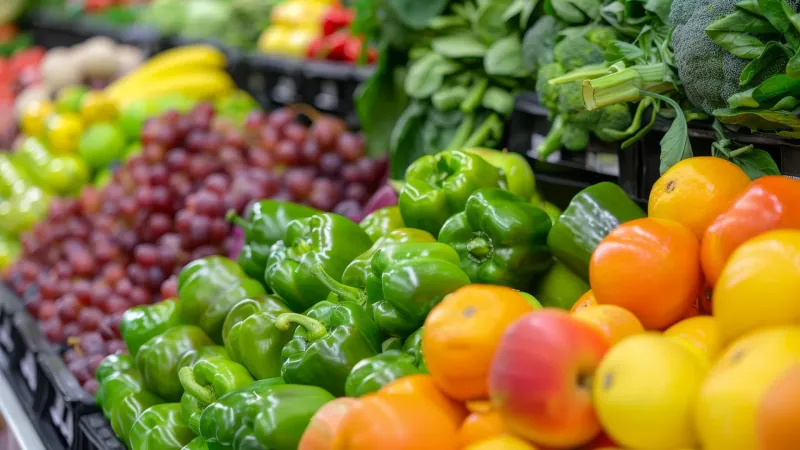
Overhauling your entire diet overnight is exhausting and usually does not stick. A smarter approach is making one small swap each week, replacing one conventional item with its organic counterpart.
Over just a few months, your diet shifts significantly without the stress of a total overhaul.
This week it might be organic apples, next week organic baby spinach. Before you know it, most of your cart is organic, and the transition felt almost effortless because you took it one step at a time.
10. Prioritize Organic for Kids and Babies

Children's bodies are smaller and still developing, which makes them more vulnerable to pesticide exposure than adults. Prioritizing organic produce for babies and young kids is one of the most impactful health decisions a parent can make.
Foods like applesauce, pureed peas, and baby carrots are worth the organic upgrade.
Many pediatric health organizations recommend reducing pesticide exposure during early childhood whenever possible. Choosing organic for the foods your kids eat most frequently offers meaningful protection without requiring a perfect diet.
11. Store Organic Produce Properly to Reduce Waste
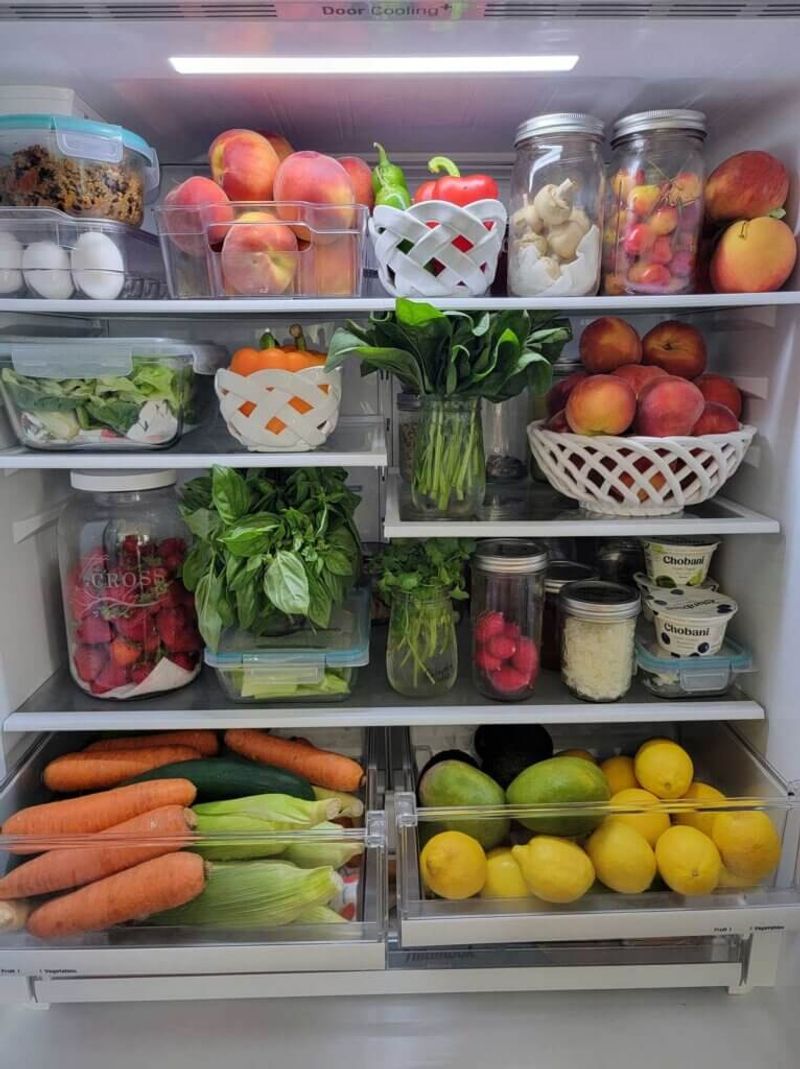
Organic produce can spoil faster than conventional items because it lacks chemical preservatives and wax coatings. Knowing how to store it correctly saves money and reduces the frustrating experience of throwing away wilted greens days after buying them.
Leafy greens stay crisp longer when wrapped in a damp paper towel inside a sealed bag.
Berries last longer when stored unwashed and dried thoroughly before refrigerating. Keeping ethylene-producing fruits like bananas away from other produce also slows down ripening across your entire fridge.
12. Try Organic Produce Delivery Services
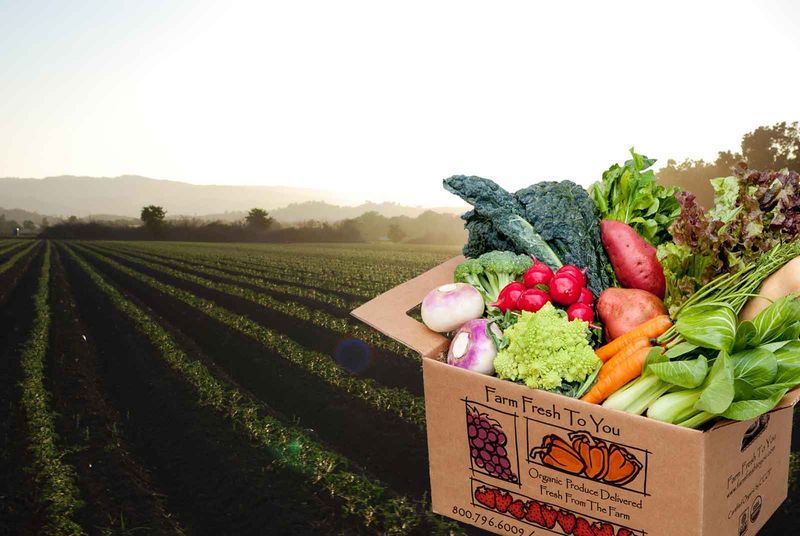
Convenience is king in modern life, and organic produce delivery services have made eating clean easier than ever. Companies like Misfits Market, Imperfect Foods, and Thrive Market deliver organic produce directly to your door, often at prices lower than traditional grocery stores.
Many of these services also rescue "ugly" produce that would otherwise go to waste.
Subscriptions are flexible, letting you skip weeks or adjust box sizes as needed. Trying a starter box is a low-commitment way to see if delivery works for your lifestyle.
13. Explore Bulk Buying Options for Organic Staples
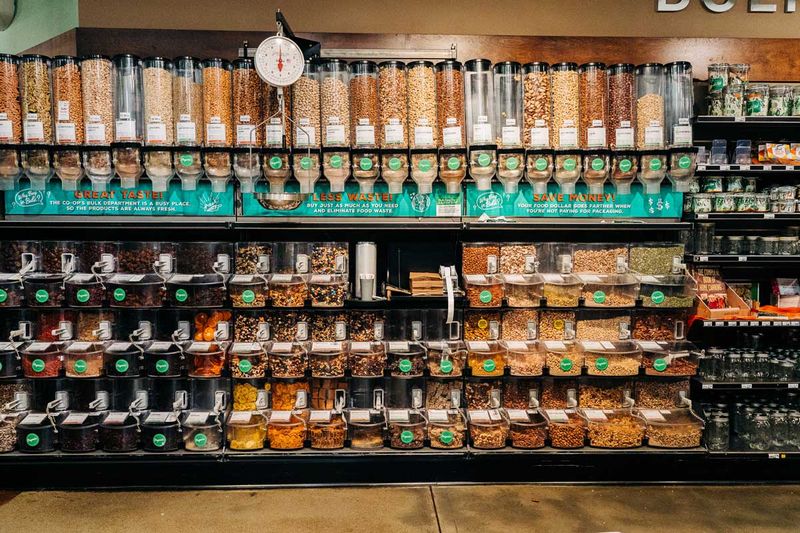
Buying organic in bulk is one of the most wallet-friendly strategies out there, especially for pantry staples like dried beans, nuts, seeds, and grains. Stores like Whole Foods, Natural Grocers, and co-ops often have bulk sections where organic items cost significantly less per ounce than pre-packaged versions.
Warehouse clubs like Costco have also expanded their organic offerings dramatically in recent years. Stocking up on items you use regularly means fewer shopping trips and more savings over time.
14. Cook More Meals at Home Using Organic Ingredients

Home cooking is one of the most powerful tools for eating more organic produce because you control every ingredient that goes into your meals. Restaurant and takeout food rarely uses organic ingredients, so cooking at home naturally increases your organic intake.
Simple dishes like stir-fries, soups, and grain bowls are easy ways to load up on seasonal organic vegetables.
Batch cooking on weekends saves time during busy weekdays. Prepping a big pot of organic vegetable soup or a tray of roasted veggies sets you up for healthy eating all week.
15. Educate Yourself on Organic Farming Benefits
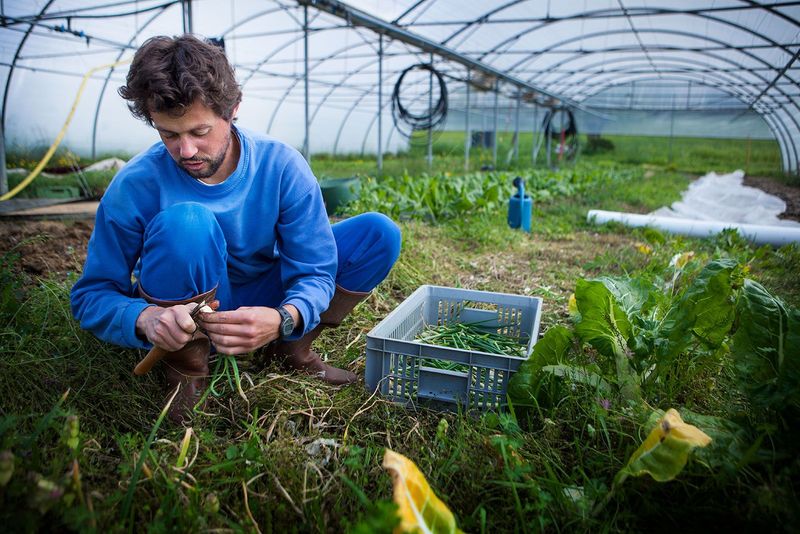
Understanding why organic farming matters can be a powerful motivator for sticking with healthier food choices. Organic agriculture protects soil health, conserves water, and supports biodiversity by avoiding synthetic chemicals that harm ecosystems.
Farmers who go organic often report healthier land that produces better crops over the long term.
Learning about the benefits also helps you explain your choices to friends and family who may be curious or skeptical. Knowledge turns a simple grocery habit into a conscious lifestyle decision you can feel genuinely good about.




Comments
No Comments