













Some foods look totally harmless sitting on your kitchen counter, but they can make you seriously sick if you're not careful. From raw meats to everyday fruits and veggies, the way you store, prepare, and cook food matters more than most people realize.
Foodborne illnesses send millions of people to the doctor every year, and a lot of those cases could have been prevented. Knowing which foods need extra attention in the kitchen can keep you and your family safe and healthy.
1. Raw Chicken
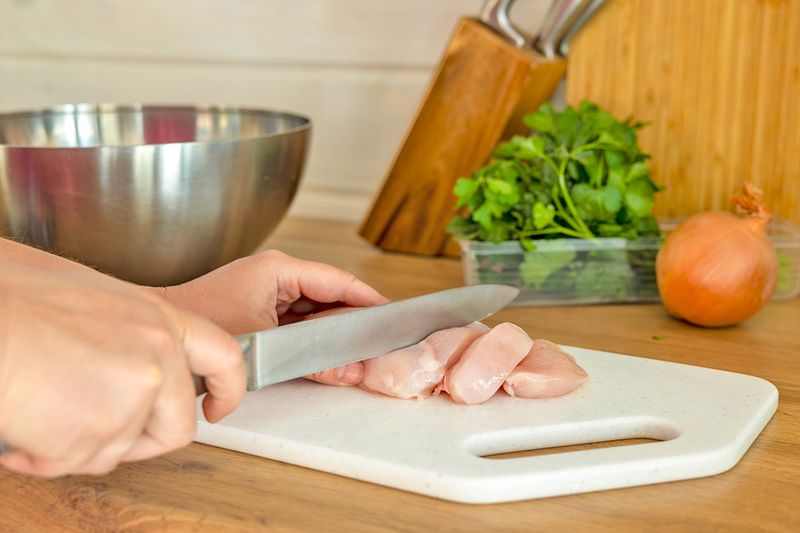
Raw chicken is one of the most common sources of foodborne illness, carrying bacteria like Salmonella and Campylobacter. Always wash your hands before and after handling it, and never rinse the chicken in the sink — that just splashes germs everywhere.
Use a separate cutting board just for raw poultry. Cook chicken to an internal temperature of 165°F to make sure any harmful bacteria are fully destroyed.
2. Raw Eggs
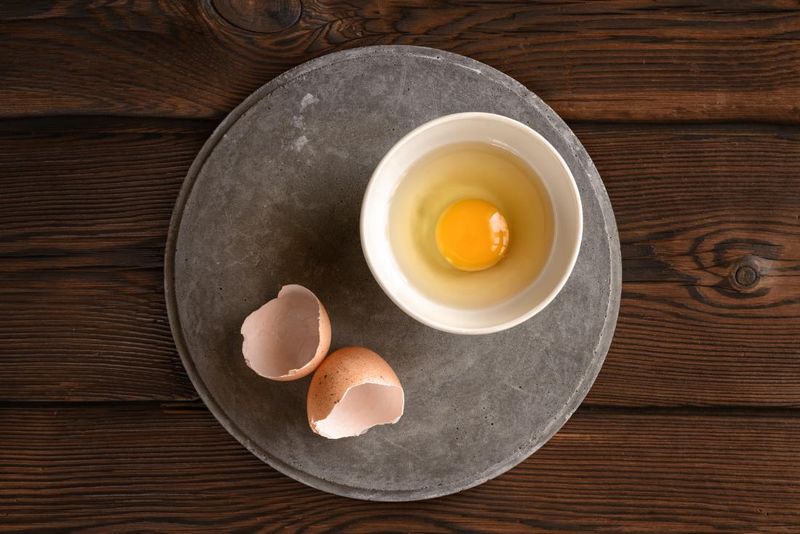
That classic cookie dough taste comes at a risk — raw eggs can carry Salmonella, even when the shell looks perfectly clean. Eating raw or undercooked eggs is especially risky for young children, the elderly, and anyone with a weakened immune system.
Always refrigerate eggs promptly and cook them until both the yolk and white are firm. If a recipe calls for raw eggs, consider using pasteurized egg products as a safer swap.
3. Leafy Greens
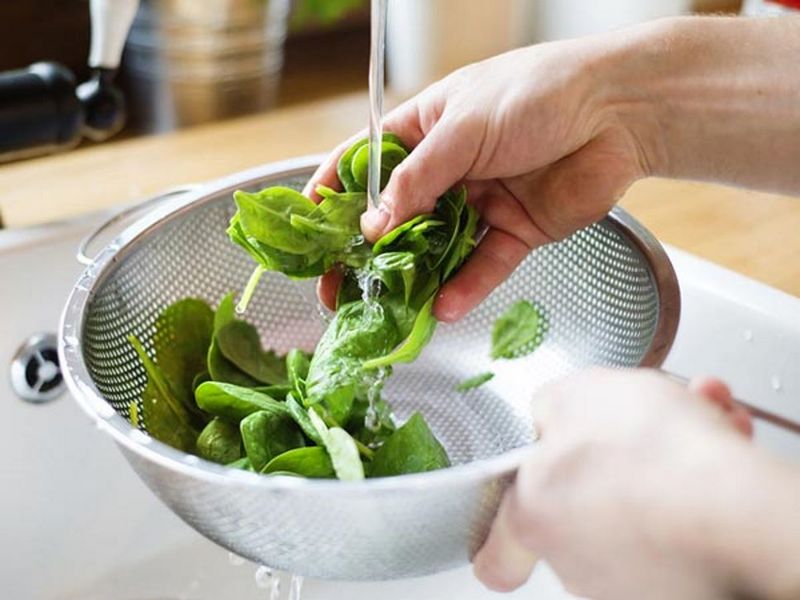
Spinach, romaine, and other leafy greens have caused some of the biggest food recall events in recent history, often linked to E. coli contamination. Because these greens grow close to the ground, they can pick up bacteria from soil, water, and animal waste.
Rinse them thoroughly under cold running water before eating, even if the bag says "pre-washed." Store them in the fridge and use them quickly, since bacteria multiply faster as they wilt.
4. Raw Sprouts
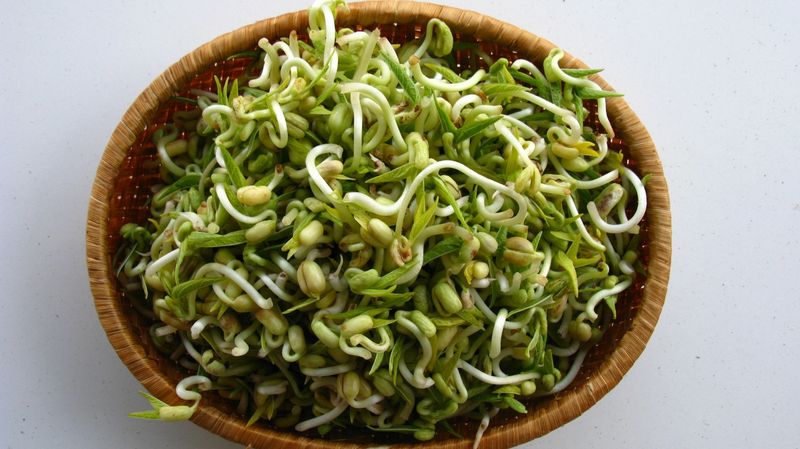
Warm, humid growing conditions make sprouts a perfect breeding ground for harmful bacteria like E. coli and Listeria. Health experts actually recommend that older adults, pregnant women, and people with weak immune systems avoid eating raw sprouts altogether.
If you love sprouts, cooking them thoroughly is the safest route. Store them in the fridge and always check the expiration date before tossing them into a salad or sandwich.
5. Ground Beef
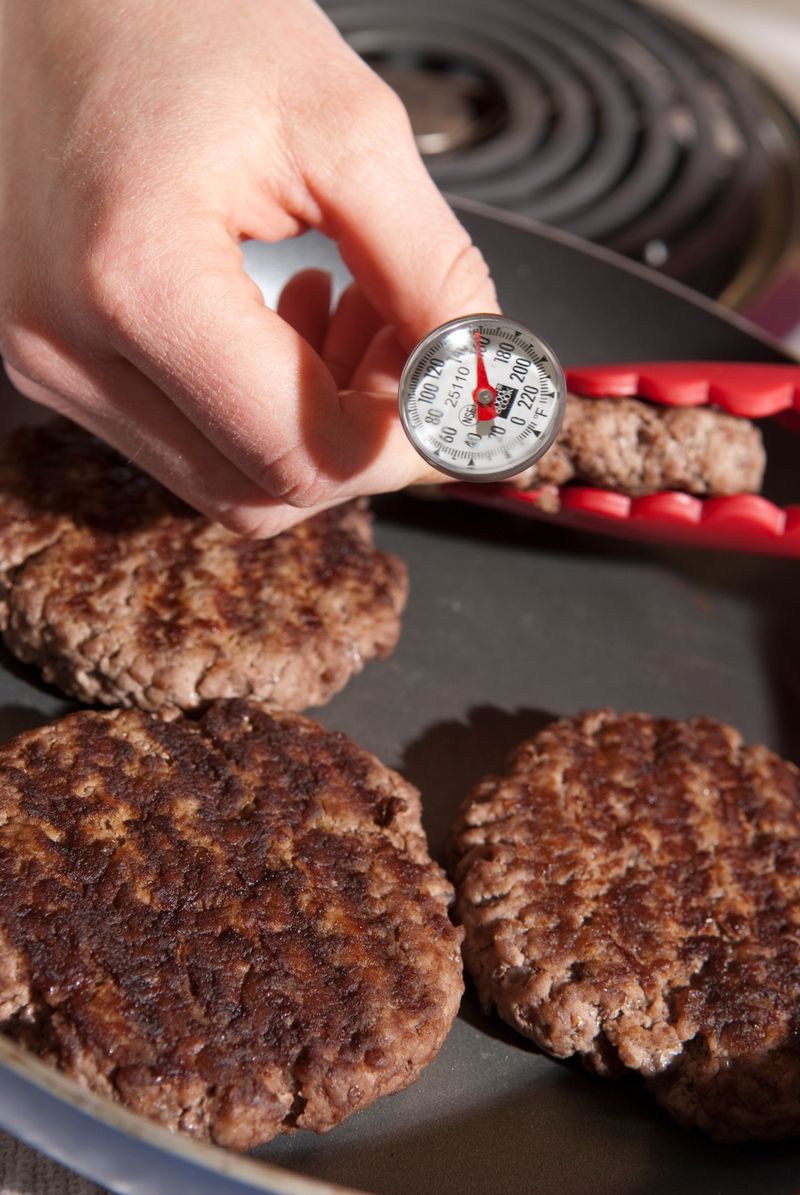
Unlike a whole steak, ground beef mixes meat from many different animals, which means any bacteria on the surface gets blended throughout the entire package. That makes undercooking a much bigger deal with burgers than with a regular steak.
Always cook ground beef to an internal temperature of 160°F. Never leave it sitting out at room temperature for more than two hours, and refrigerate leftovers within that window to keep things safe.
6. Raw Shellfish
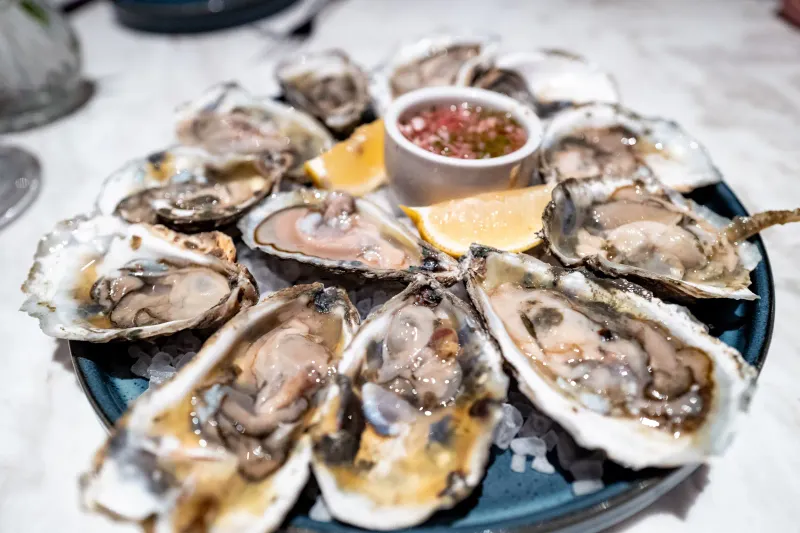
Oysters, clams, and mussels filter huge amounts of seawater, which means they can also filter in viruses and bacteria like Vibrio and norovirus. Eating them raw is a popular tradition in many cultures, but it comes with real health risks.
If you enjoy shellfish, choosing cooked options dramatically lowers your chances of getting sick. Always buy shellfish from reputable sources, check for proper refrigeration, and never eat any with shells that are already open before cooking.
7. Unpasteurized Milk
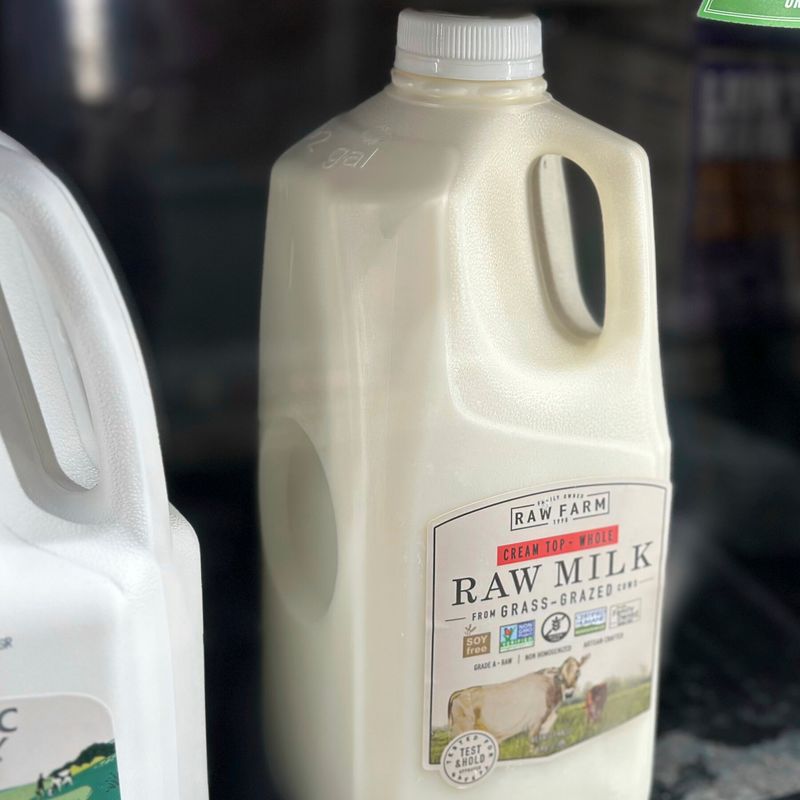
Raw milk, also called unpasteurized milk, skips the heating process that kills dangerous bacteria like Listeria, E. coli, and Salmonella. Some people believe raw milk has more nutrients, but health agencies consistently warn that the risks far outweigh any potential benefits.
Children are especially vulnerable to the bacteria found in raw milk. Stick to pasteurized dairy products from the grocery store, and always check expiration dates to make sure the milk is fresh.
8. Deli Meats
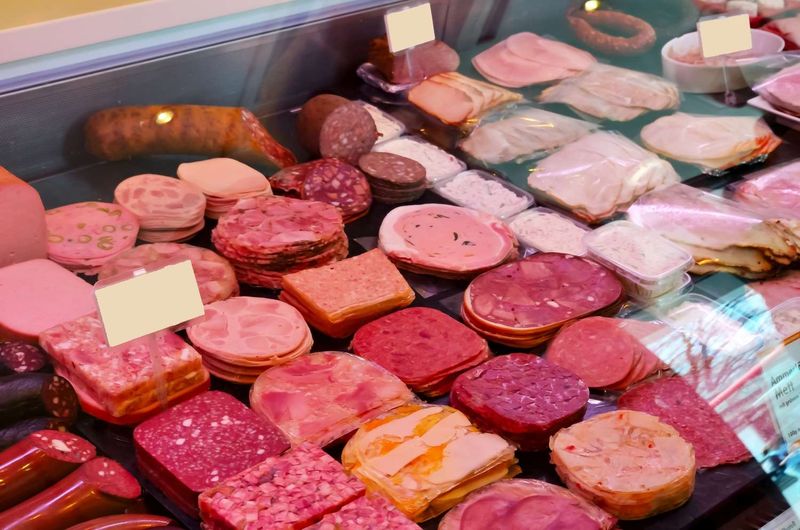
Deli meats like turkey, ham, and salami may look ready to eat, but they can harbor Listeria, a sneaky bacteria that actually grows in cold refrigerators. This makes deli meats particularly dangerous for pregnant women, who are advised to heat them until steaming before eating.
Always store deli meats in the coldest part of your fridge and use them within three to five days of opening. When in doubt, heat them up before eating.
9. Cantaloupe
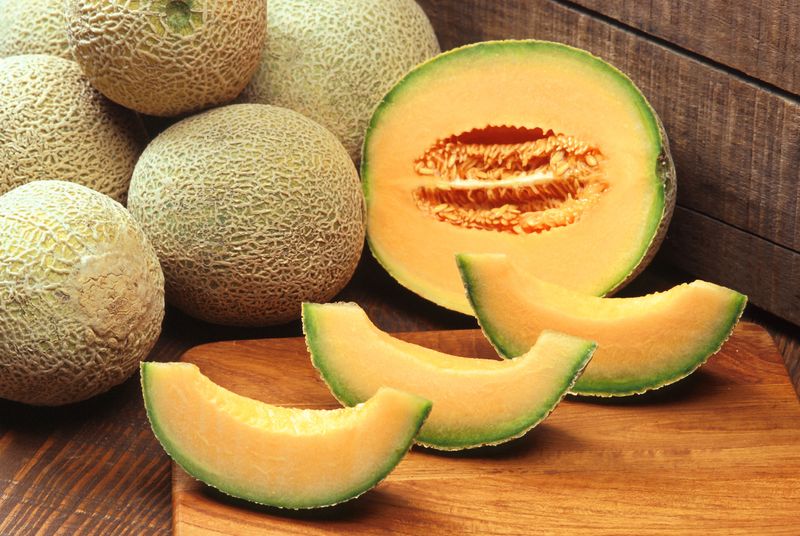
That rough, netted skin on a cantaloupe is practically a trap for bacteria — it can hold onto dirt, Salmonella, and Listeria even after a quick rinse. When you slice into the melon, your knife drags whatever is on the skin right into the flesh you are about to eat.
Scrub the outside of the cantaloupe with a clean brush under running water before cutting. Refrigerate cut pieces right away and eat them within a few days.
10. Raw Flour
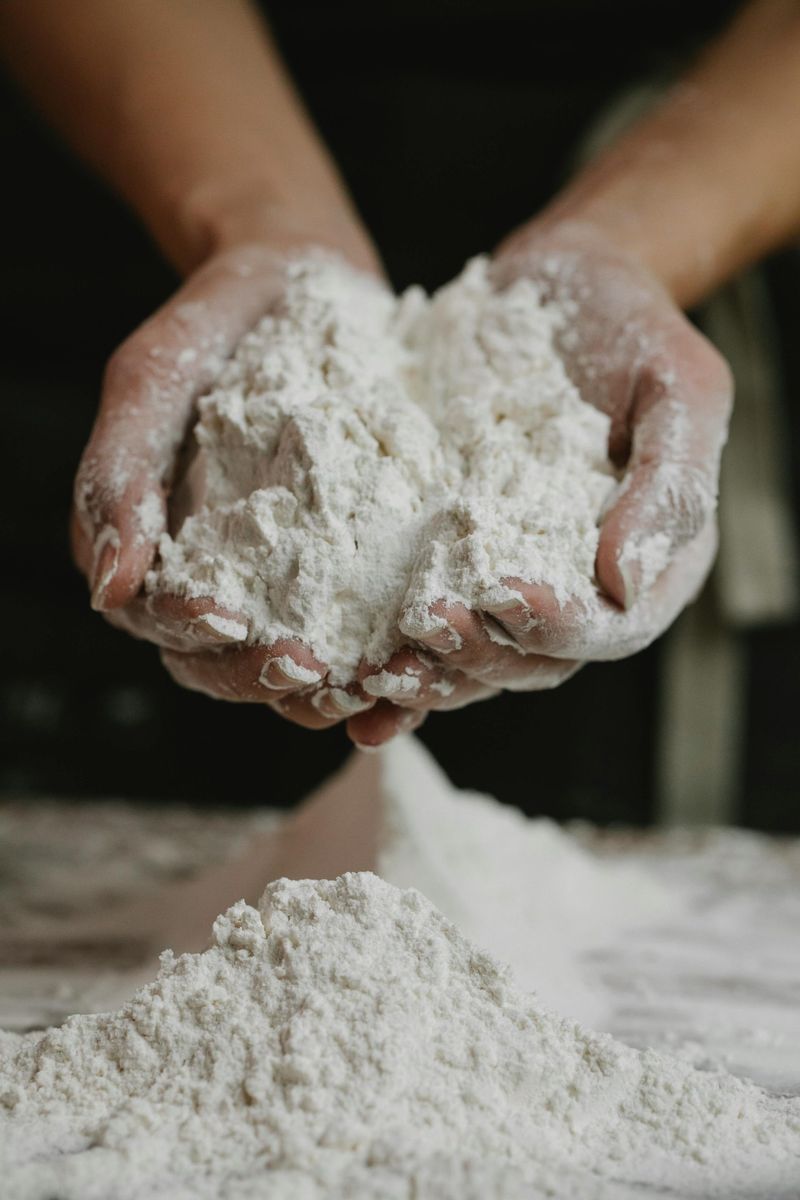
Most people know not to eat raw eggs, but raw flour is another sneaky danger that often gets ignored. Flour is a raw agricultural product that has not been treated to kill E. coli, which means that bag in your pantry could be harboring bacteria right now.
Never taste raw dough or batter, no matter how tempting it smells. Wash your hands and all surfaces thoroughly after working with raw flour, and only eat baked goods that are fully cooked through.
11. Tomatoes
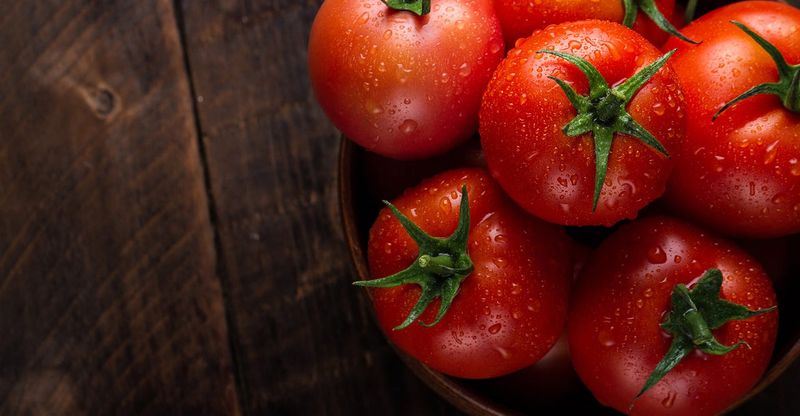
Tomatoes have been linked to several major Salmonella outbreaks over the years, partly because bacteria can enter through the stem scar and contaminate the inside of the fruit. Even tomatoes that look clean and bright red on the outside can carry bacteria within.
Rinse them well under running water before cutting, and use a clean knife and cutting board. Store cut tomatoes in the refrigerator and try to use them within two days for the safest experience.
12. Soft Cheeses
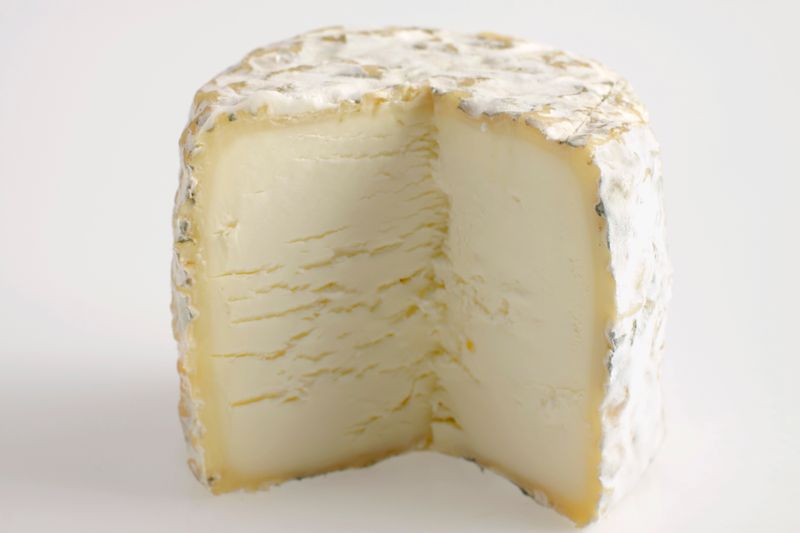
Brie, camembert, and queso fresco are delicious, but their high moisture content makes them a cozy home for Listeria monocytogenes. Unlike most pathogens, Listeria can survive and grow even at refrigerator temperatures, making soft cheeses a food to approach with care.
Pregnant women, older adults, and people with compromised immune systems are strongly advised to avoid soft cheeses made from unpasteurized milk. Always check the label to confirm pasteurized milk was used before buying.
13. Potatoes
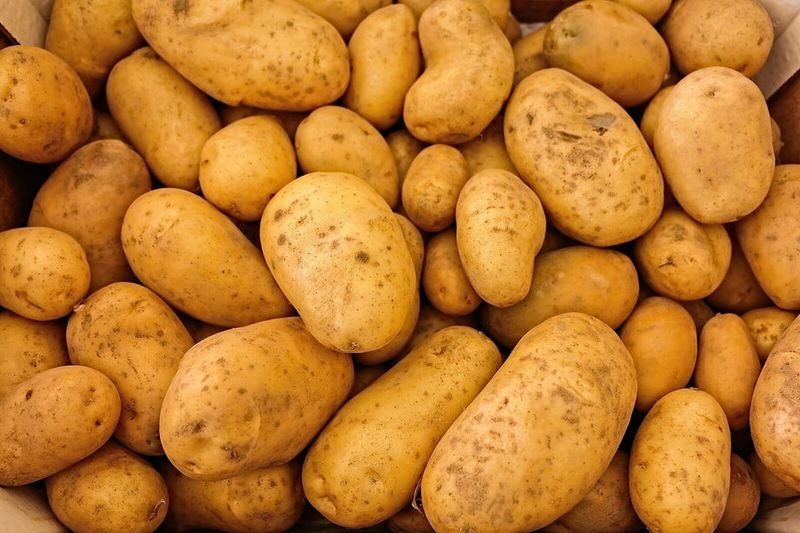
Potatoes seem like one of the safest foods around, but they have a hidden danger: when they turn green or start sprouting, they produce a toxic compound called solanine. Eating too much solanine can cause nausea, headaches, and even more serious symptoms in large amounts.
Cut away any green areas or sprouts generously before cooking. Store potatoes in a cool, dark, dry place — not in the fridge — to slow down the sprouting and greening process.
14. Rice
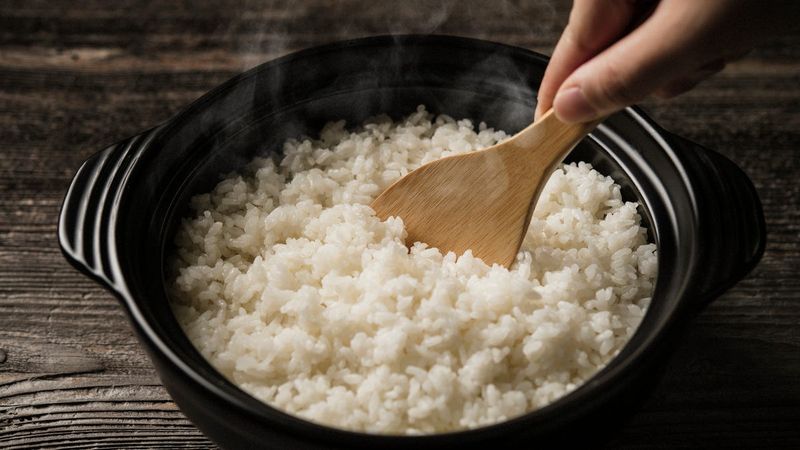
Leftover rice might seem totally harmless, but it is actually one of the trickier foods to handle safely. Cooked rice can harbor Bacillus cereus spores that survive cooking and multiply rapidly at room temperature, producing toxins that cause food poisoning.
Never leave cooked rice sitting out for more than an hour. Cool it quickly, store it in the fridge within two hours of cooking, and always reheat it thoroughly to a steaming hot temperature before eating.
15. Kidney Beans
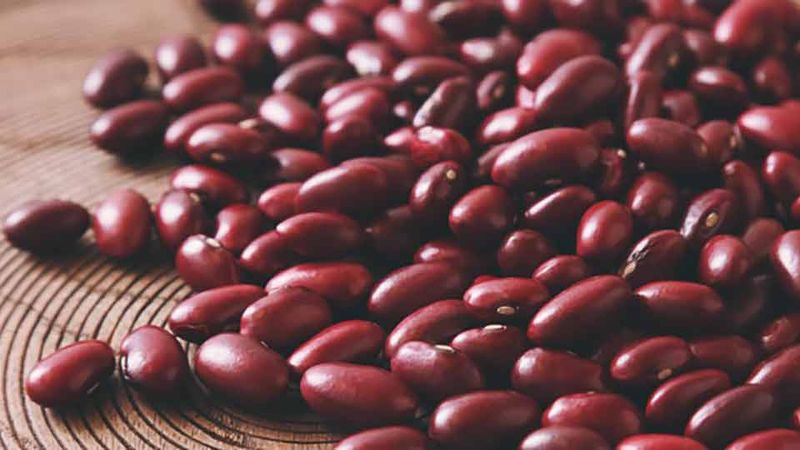
Here is a surprising one — raw kidney beans contain a natural toxin called phytohaemagglutinin that can cause severe nausea and vomiting if the beans are not cooked properly. Slow cookers do not always get hot enough to destroy this toxin, which has caught many home cooks off guard.
Always boil kidney beans vigorously for at least ten minutes before eating or adding them to slow cooker recipes. Canned kidney beans are pre-cooked and safe to eat right from the can.
16. Raw Pork
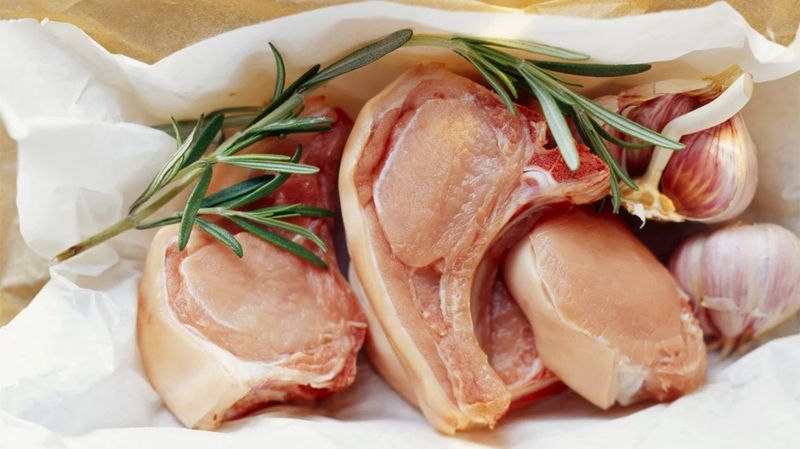
Pork can carry Trichinella spiralis, a parasite that causes a condition called trichinosis, along with bacteria like Yersinia enterocolitica. For years, people were told to cook pork until well done, but updated guidelines now say whole cuts are safe at 145°F with a three-minute rest.
Ground pork still needs to reach 160°F throughout. Always use a reliable meat thermometer rather than guessing by color — pink pork can sometimes be safe, and gray pork can still be dangerous.
17. Honey (for Infants)

Honey is a natural, wholesome food for most people, but it is genuinely dangerous for babies under one year old. It can contain spores of Clostridium botulinum, the bacteria that causes botulism, which can germinate in an infant's immature digestive system and produce deadly toxins.
Never add honey to a baby's food, formula, or pacifier. Once children are past their first birthday, their digestive systems are developed enough to handle honey safely, so the rule is clear: wait until age one.
18. Fish (Especially Tuna and Swordfish)
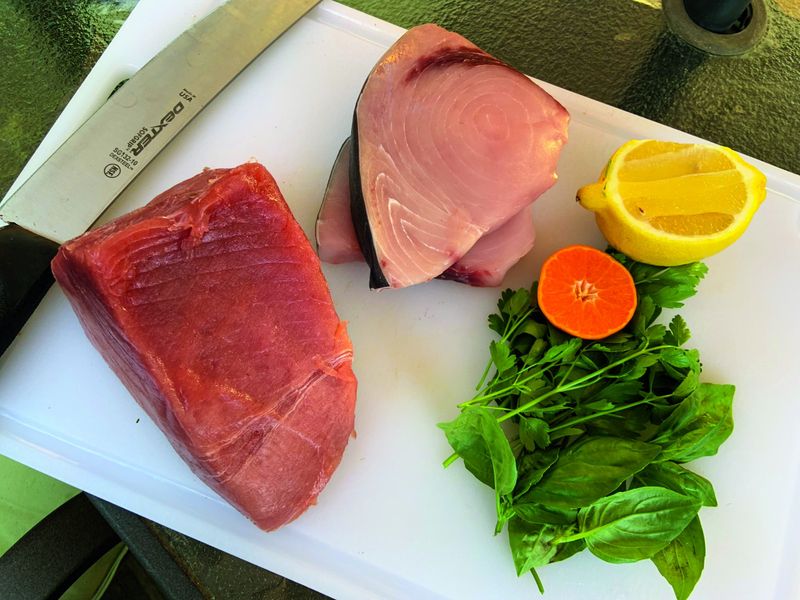
Large predatory fish like tuna and swordfish accumulate mercury over their long lifespans, which can cause serious neurological damage with repeated exposure. Pregnant women and young children are especially advised to limit how often they eat these particular types of fish.
The FDA recommends that pregnant women eat no more than one serving of swordfish per week and choose lower-mercury options like salmon or shrimp more often. Variety is the key to enjoying seafood while keeping mercury exposure in check.
19. Wild Mushrooms
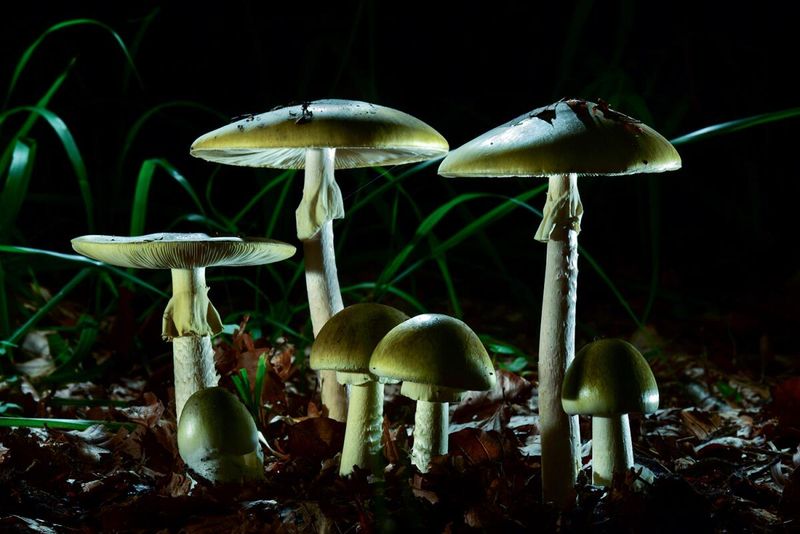
Foraging for wild mushrooms has become trendy, but it is genuinely one of the most dangerous food activities you can do without expert knowledge. Many deadly mushrooms look almost identical to edible ones, and even experienced foragers have made fatal mistakes.
Unless you are a trained mycologist or are with one, stick to mushrooms bought at a grocery store or farmers market. Eating the wrong wild mushroom can cause liver failure, and there is no antidote for some species like the death cap.
20. Stone Fruit Pits
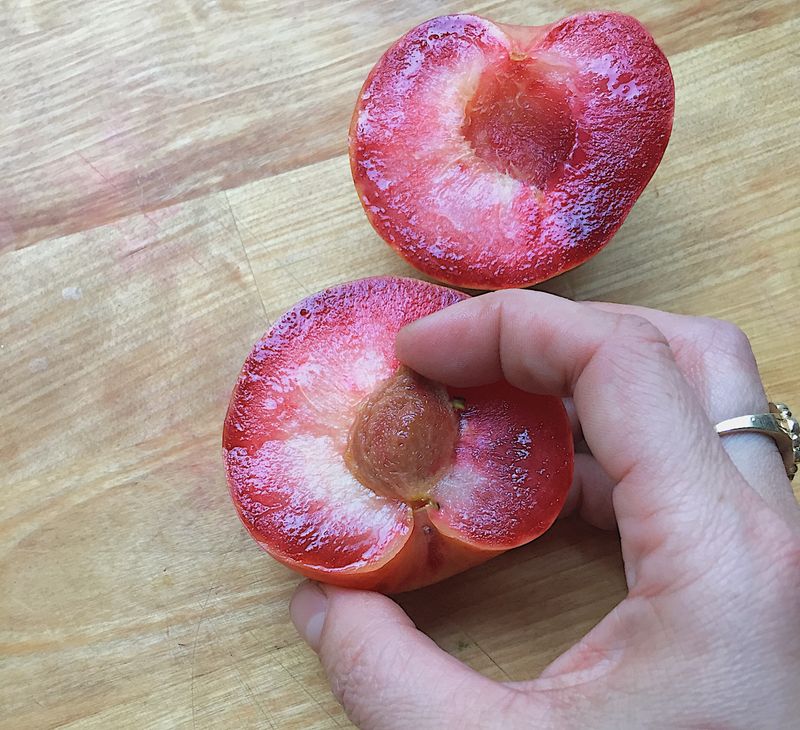
The seeds inside cherries, apricots, peaches, and plums contain amygdalin, a compound that converts into cyanide when chewed or crushed. Accidentally swallowing a whole pit is generally not dangerous, but deliberately cracking them open and eating the kernels is a different story.
Keep an eye on young children around stone fruits, since curious kids sometimes chew on pits. Stick to eating the fleshy fruit around the pit, and discard the seeds safely rather than leaving them on the table.
21. Rhubarb Leaves
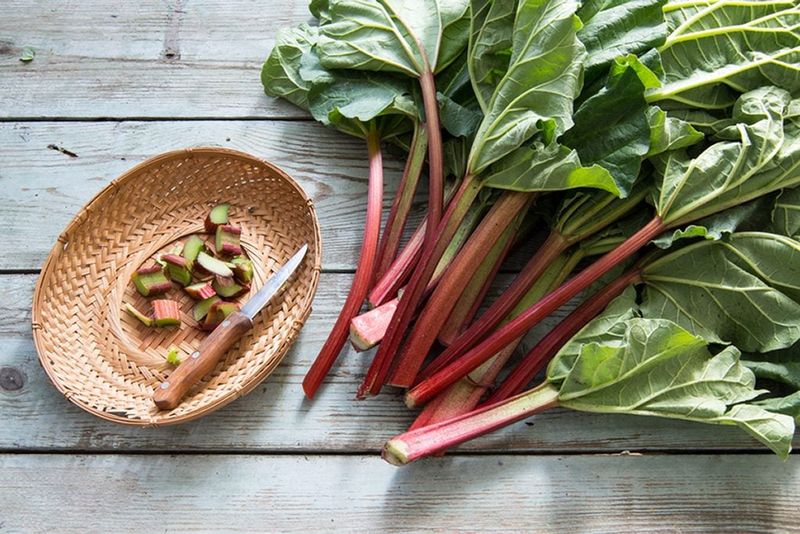
Rhubarb stalks are a tart, tasty ingredient in pies and jams, but the large green leaves attached to them are actually toxic. Rhubarb leaves contain high levels of oxalic acid, which can cause kidney damage, difficulty breathing, and in severe cases, can be life-threatening.
Always remove and discard the leaves before cooking with rhubarb, and never compost them where pets or children might access them. Only the firm, celery-like stalks are safe to eat, and even those should be cooked before eating.



Comments
No Comments