













Ever wonder what separates a home-cooked meal from a restaurant-quality dish? More often than not, it comes down to a handful of simple, everyday ingredients that professional chefs keep close at hand.
These pantry staples might already be sitting in your kitchen, waiting to be used to their full potential. Get ready to cook smarter and tastier with the ingredients chefs can't live without.
1. Garlic
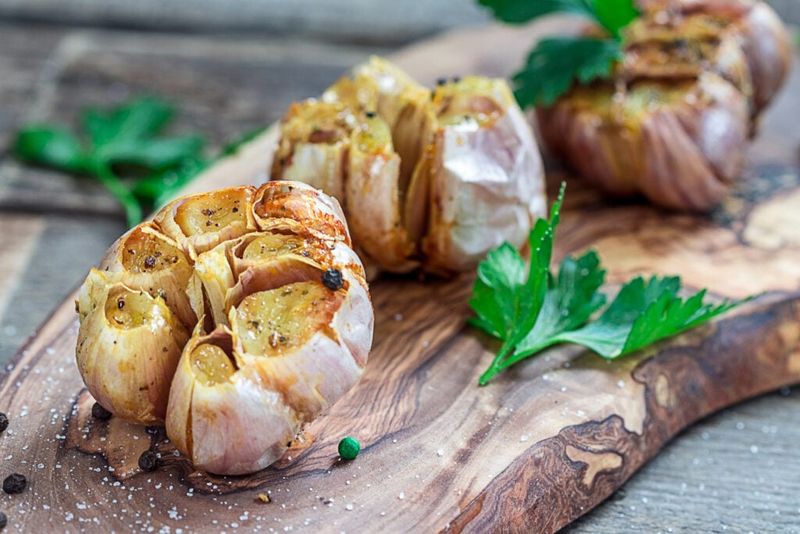
Ask any chef what they reach for first, and garlic will almost always top the list. Raw, roasted, minced, or whole, this little bulb packs a flavor punch that transforms even the simplest dishes into something memorable.
Roasting garlic brings out a sweet, buttery flavor, while raw garlic adds a bold, spicy kick. Chefs use it in sauces, soups, marinades, and stir-fries.
Keeping a fresh bulb on your counter is one of the easiest upgrades you can make to your cooking routine.
2. Extra Virgin Olive Oil
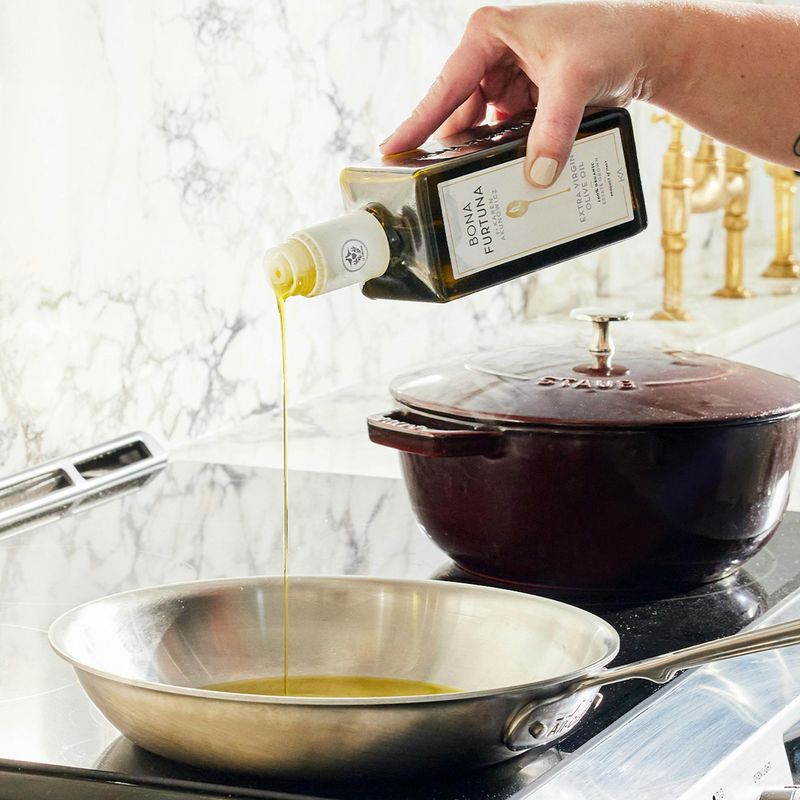
Walk into any professional kitchen and you'll find a generous bottle of extra virgin olive oil within arm's reach of the stove. Its rich, fruity flavor does double duty as both a cooking fat and a finishing drizzle.
Unlike regular vegetable oil, extra virgin olive oil adds actual taste to a dish. Chefs use it to saute vegetables, dress salads, and finish pasta with a glossy, flavorful coating.
A high-quality bottle truly makes a noticeable difference in your final result.
3. Kosher Salt
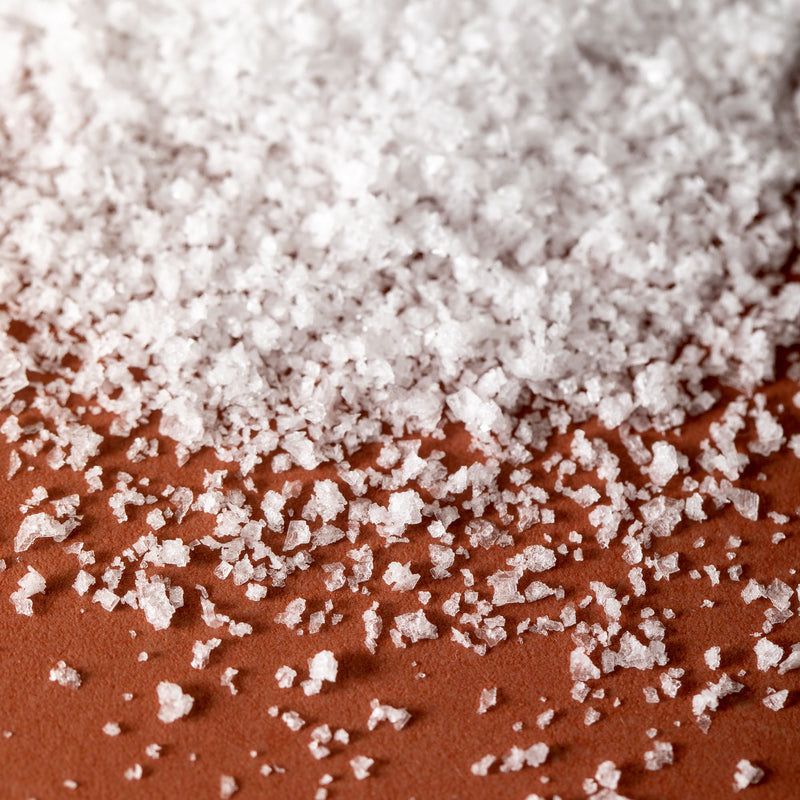
Not all salt is created equal, and chefs will tell you that kosher salt is in a league of its own. Its large, flat flakes are easy to pinch and control, giving cooks precise seasoning power at every stage of cooking.
Table salt is too fine and can easily over-season a dish, while kosher salt dissolves evenly and enhances natural flavors without making food taste salty. Seasoning food properly at each cooking step is one of the most important skills a cook can develop.
4. Unsalted Butter
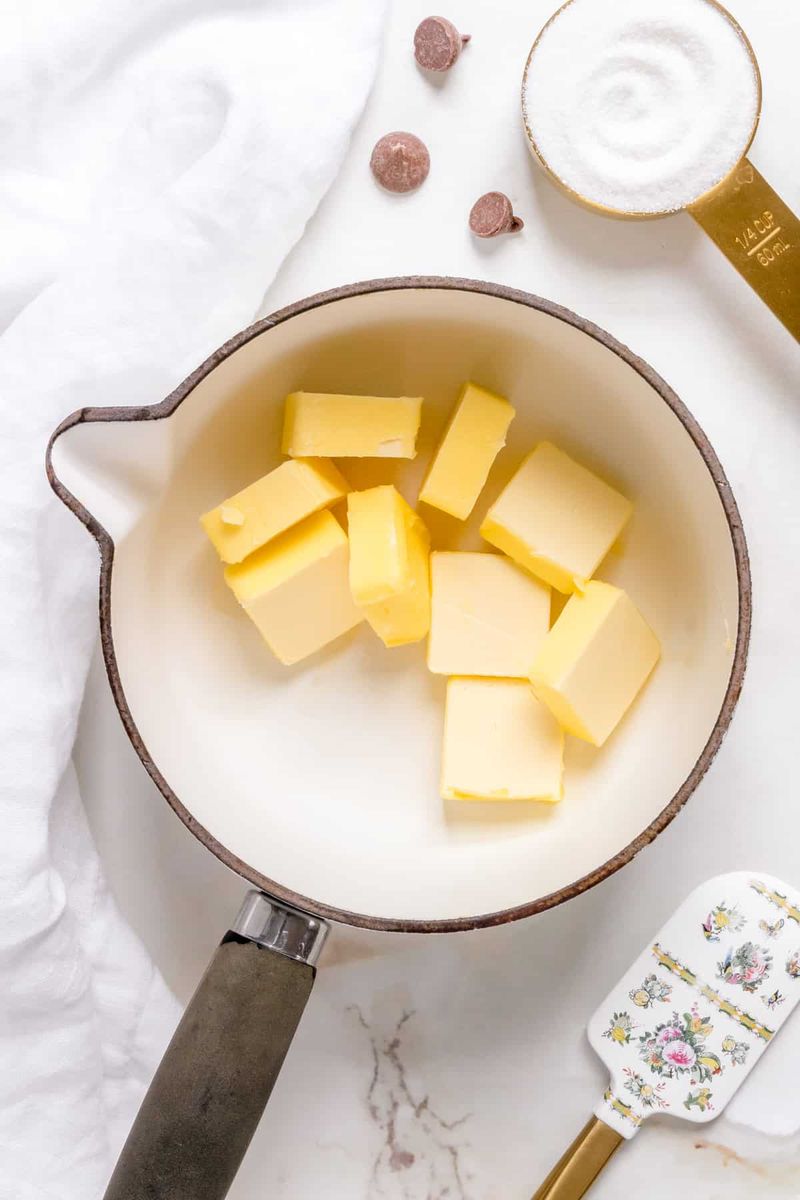
There is a reason French cuisine is legendary, and butter plays a starring role in that story. Chefs prefer unsalted butter because it gives them full control over the salt levels in their dishes.
A pat of cold butter stirred into a sauce at the last minute creates a silky, restaurant-worthy finish called "mounting." Butter also adds richness to scrambled eggs, depth to baked goods, and a golden crust to pan-seared proteins. Keep it unsalted and let the chef in you take charge.
5. Fresh Lemon
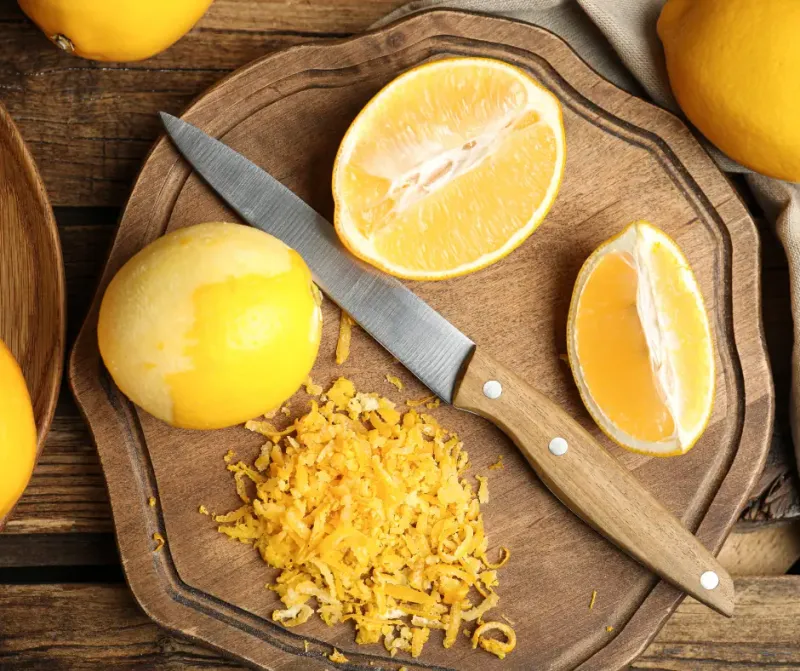
A squeeze of fresh lemon at the end of cooking is one of the most underrated tricks in a professional chef's playbook. Acid wakes up flavors and brings balance to dishes that taste flat or one-dimensional.
Lemon zest adds a fragrant, citrusy depth to pastas, dressings, and baked goods, while the juice brightens fish, chicken, and roasted vegetables instantly. Many home cooks skip this step and wonder why their food tastes dull.
One squeeze can change everything about a dish.
6. Black Pepper
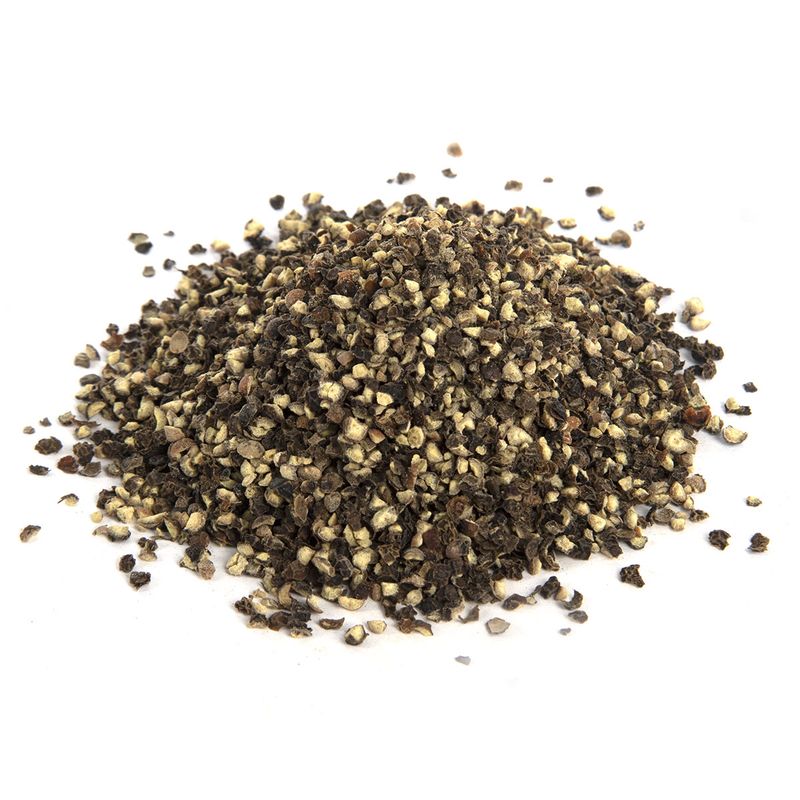
Freshly cracked black pepper is not the same thing as the pre-ground powder sitting in a shaker at the diner table. Chefs grind their pepper fresh because it releases aromatic oils that add complexity and warmth to every bite.
Pre-ground pepper loses its punch within weeks of being processed, leaving behind a dusty, flat flavor. Investing in a good pepper grinder is one of the simplest kitchen upgrades you can make.
Once you taste the difference, you will never go back to the pre-ground stuff again.
7. Onions
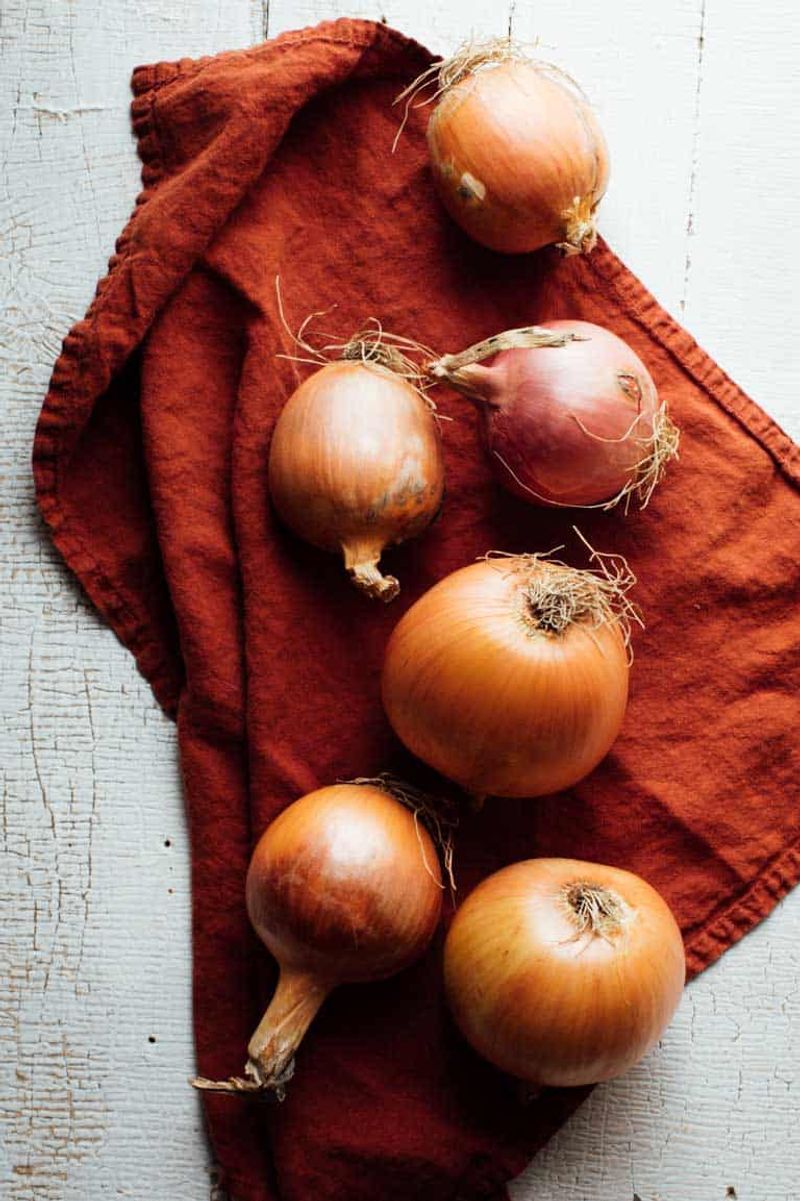
Humble and often overlooked, the onion is the unsung hero of the culinary world. Chefs rely on onions as the flavor foundation for countless dishes, from French onion soup to classic tomato sauce.
Slowly caramelizing onions over low heat transforms them from sharp and pungent to sweet, golden, and deeply savory. That process alone can make a simple burger or sandwich taste like something special.
Learning how to properly cook onions at different stages is a skill that pays off in nearly every recipe you attempt.
8. Canned Tomatoes
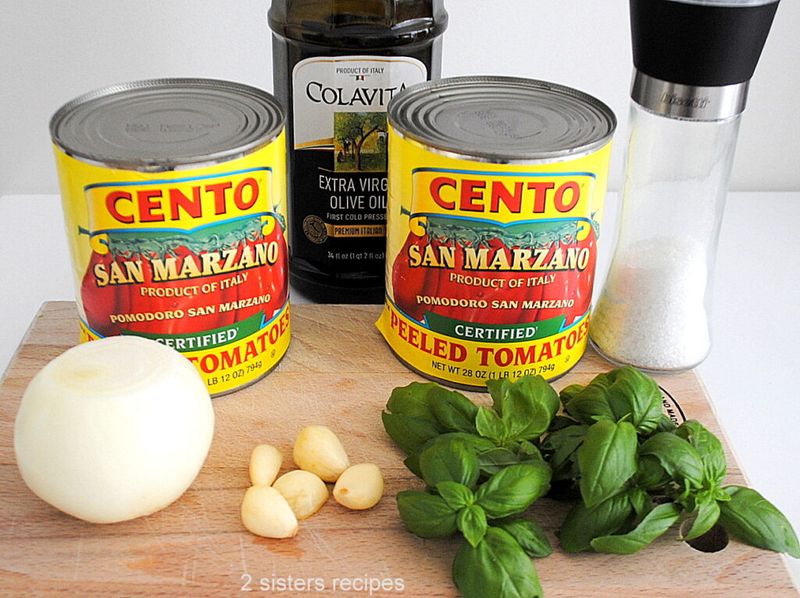
Fresh tomatoes get all the glory, but professional chefs know that a quality can of whole peeled tomatoes is often the better choice for cooked dishes. Canned tomatoes are picked at peak ripeness and preserved immediately, locking in deep, concentrated flavor.
San Marzano tomatoes, in particular, are a chef favorite for their low acidity and rich, sweet taste. Use them for pasta sauces, braises, soups, and shakshuka.
Keeping a few cans stocked in your pantry means a great meal is always just minutes away.
9. Eggs

Few ingredients are as versatile or as essential as the egg. Chefs often say that mastering the egg is the truest test of a cook's skill, from a perfectly soft scramble to a flawless hollandaise sauce.
Eggs act as binders in meatballs, emulsifiers in dressings, and leavening agents in cakes. They can be the star of a dish or quietly work behind the scenes.
Fresh, high-quality eggs with bright orange yolks make a visible and delicious difference in everything from omelets to pasta dough.
10. Fresh Herbs
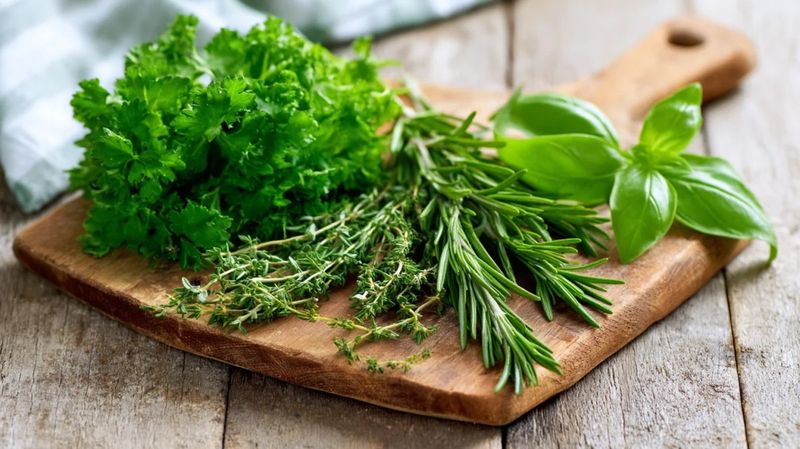
Dried herbs have their place, but chefs reach for fresh herbs when they want a dish to truly come alive. Stirring chopped fresh parsley or basil into a finished dish adds bright color, fragrance, and a pop of flavor that dried herbs simply cannot replicate.
Hardy herbs like rosemary and thyme hold up well during cooking and work beautifully in roasts and braises. Tender herbs like cilantro, basil, and mint are best added at the very end.
Growing a small pot of herbs on your windowsill is a game-changer for everyday cooking.
11. Chicken Stock
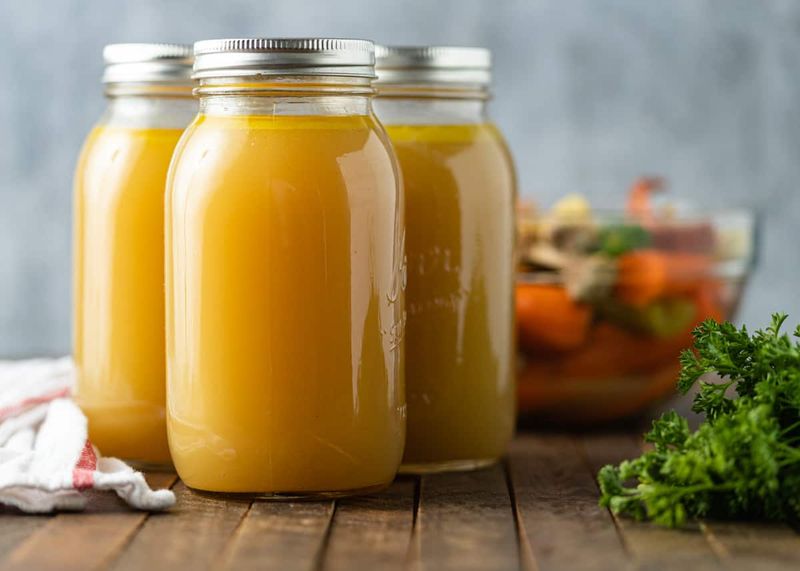
Water cooks food, but stock builds flavor. Professional chefs almost never use plain water when they can substitute a good chicken stock instead.
The difference in depth and richness is immediately noticeable in soups, risottos, and braised dishes.
Homemade stock is the gold standard, but a quality store-bought low-sodium version works well too. Using stock to deglaze a pan after searing meat creates an instant, flavorful sauce with almost no effort.
Keep a carton in your fridge and you will find yourself reaching for it constantly.
12. Soy Sauce
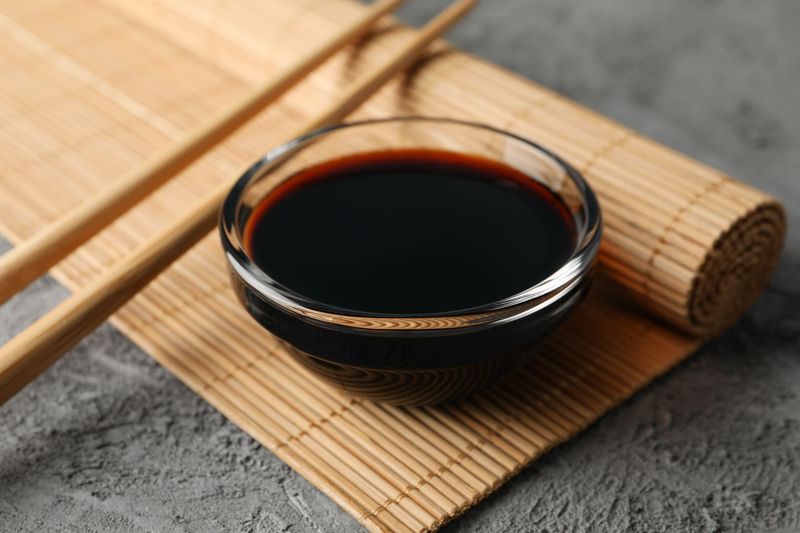
Soy sauce is not just for Asian cooking. Smart chefs use it across all kinds of cuisines to add umami, the savory fifth taste that makes food deeply satisfying and crave-worthy.
A small splash added to a beef stew, a burger patty mix, or even a salad dressing can give the dish a mysterious richness that is hard to identify but impossible to ignore. Tamari is a great gluten-free alternative with a slightly smoother flavor.
Stock a quality bottle and start experimenting with just a teaspoon at a time.
13. Dijon Mustard
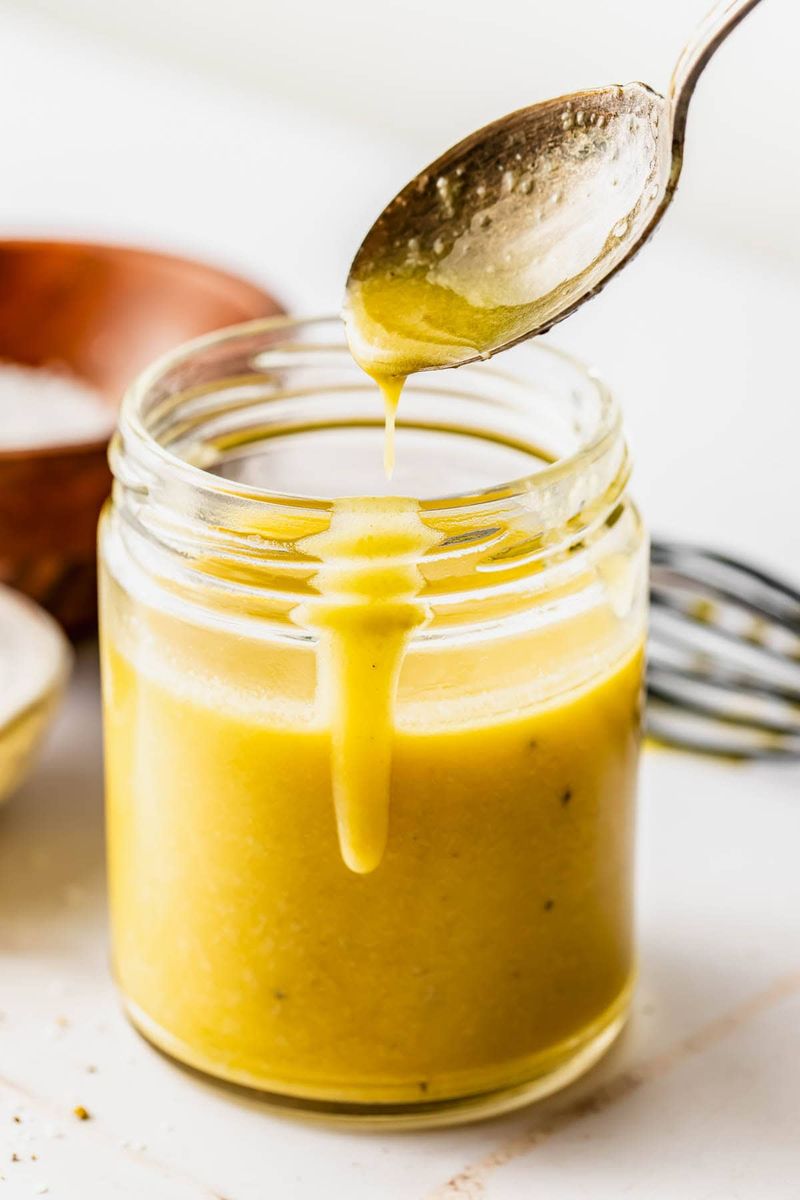
Dijon mustard is a secret weapon hiding in plain sight. Chefs use it not just as a condiment but as an emulsifier in vinaigrettes, a flavor booster in marinades, and a crust coating for roasted meats.
Its sharp, tangy profile cuts through rich, fatty dishes and adds complexity without overpowering other flavors. Just one teaspoon whisked into a salad dressing helps the oil and vinegar bind together into a creamy, cohesive sauce.
It is one of those ingredients that quietly makes everything around it taste better.
14. Parmesan Cheese
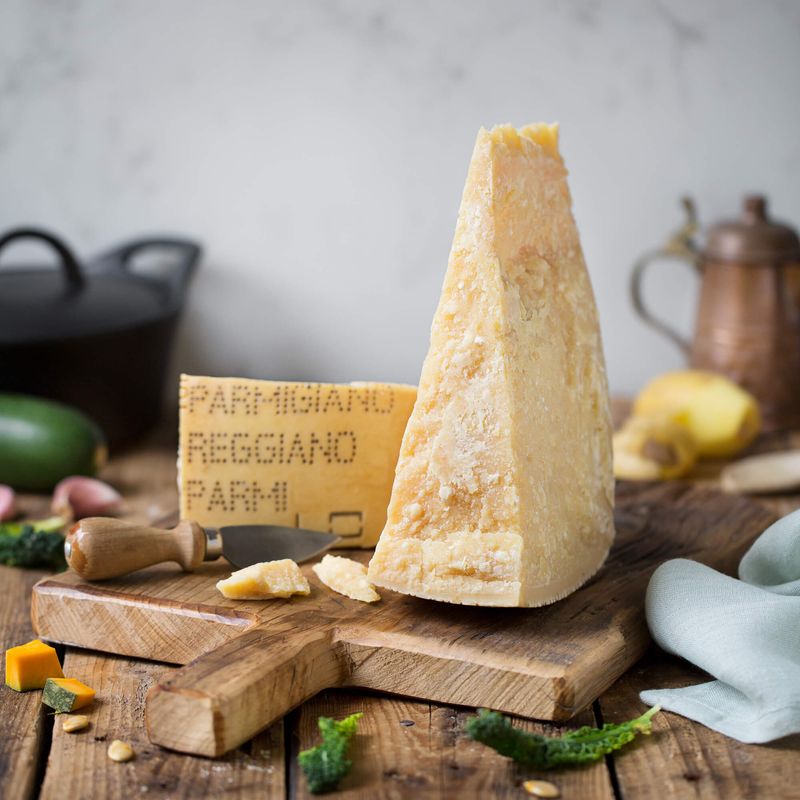
Real Parmigiano-Reggiano is not just a topping. Chefs treat it as a full-blown ingredient that adds saltiness, nuttiness, and umami to pastas, soups, and even salads.
The rind of the cheese is especially prized in professional kitchens. Dropping a Parmesan rind into a simmering pot of soup or tomato sauce infuses the entire dish with a deep, savory richness.
Buying a wedge and grating it fresh rather than using the pre-grated powder in a green can will completely change how your food tastes.
15. Vinegar
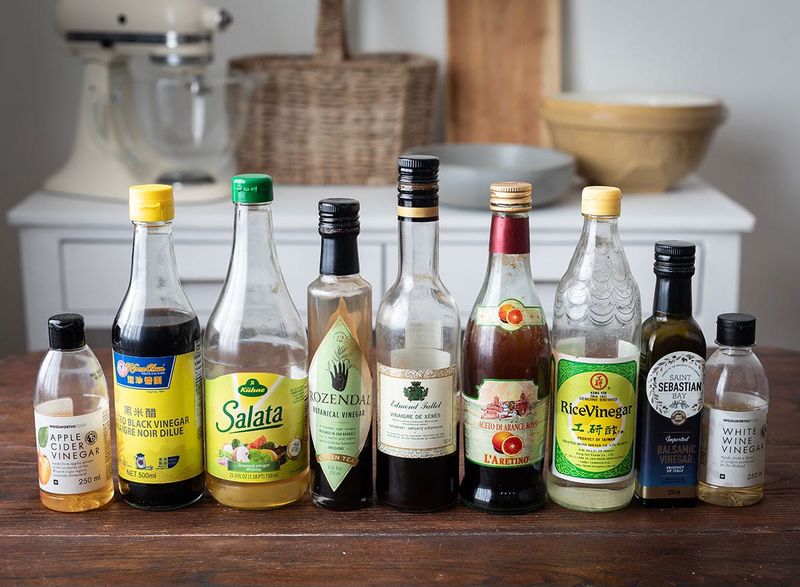
Chefs think about acid the same way musicians think about rhythm. Without it, a dish can feel flat and unfinished, no matter how many other flavors are present.
Vinegar is one of the most powerful acidic tools in the kitchen.
Balsamic vinegar adds sweetness and depth to glazes and salads, while red wine vinegar brightens pasta dishes and braised meats. Apple cider vinegar works wonders in slaws and marinades.
Having two or three varieties on hand gives you the flexibility to balance flavors in nearly any dish you cook.
16. Cumin
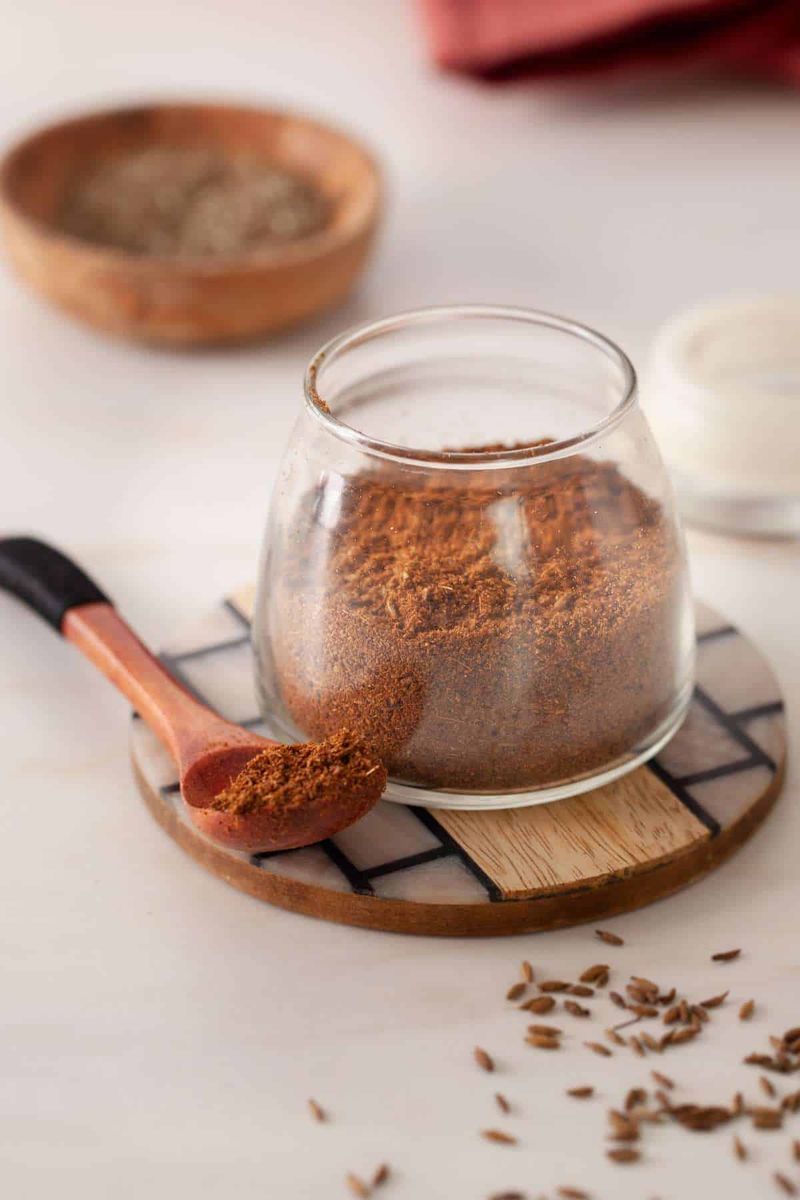
Cumin has a warm, earthy, slightly smoky aroma that instantly makes a kitchen smell like something amazing is cooking. It is a cornerstone spice in Mexican, Indian, Middle Eastern, and North African cuisines, and chefs across the globe keep it within easy reach.
Toasting whole cumin seeds in a dry pan before grinding them releases a depth of flavor that pre-ground cumin cannot match. Add it to taco meat, roasted vegetables, lentil soups, or hummus.
A little goes a long way, but its impact on a dish is enormous.
17. Honey

Honey is so much more than a sweetener for tea. Professional chefs use it to balance acidity, add a glossy finish to glazes, and create that irresistible caramelized crust on roasted meats and vegetables.
Its natural sugars brown beautifully under heat, creating complex, slightly bitter notes that refined sugar cannot replicate. A drizzle over a cheese board, stirred into a spicy sauce, or brushed onto salmon before roasting elevates the dish instantly.
Raw, unfiltered honey offers the most complex flavor and is well worth seeking out.
18. Flour

All-purpose flour is the backbone of baking, but its role in savory cooking is just as important. Chefs use it to dredge proteins before pan-searing, creating a golden, crispy crust that locks in moisture and adds texture.
A tablespoon whisked into a pan sauce thickens it into something rich and velvety. In baking, the protein content of flour directly affects whether your bread is chewy or your cake is tender.
Understanding how flour behaves in different recipes is a foundational skill that makes every dish more predictable and delicious.
19. Chili Flakes
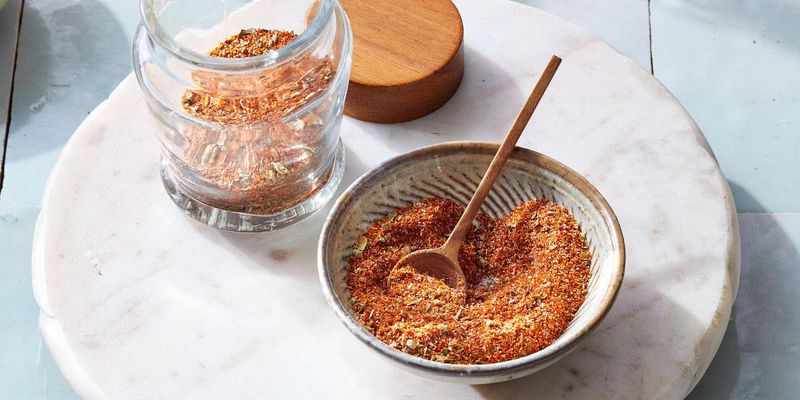
A pinch of red chili flakes can turn an ordinary dish into something exciting. Chefs use them not just for heat but for the fruity, slightly smoky flavor that dried chili peppers carry naturally.
Added to olive oil while it heats, chili flakes infuse the entire cooking fat with warmth that carries through every ingredient in the pan. They work beautifully in pasta, pizza, roasted vegetables, and even chocolate desserts.
The key is adding them early enough to bloom in the oil, which unlocks their full flavor potential.
20. Heavy Cream
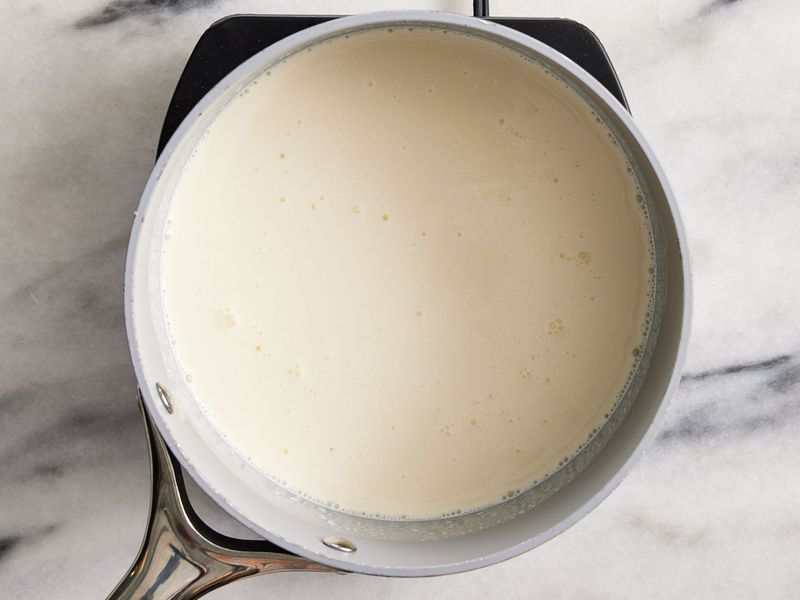
Heavy cream is the ingredient that turns a good sauce into a great one. Chefs rely on it to add richness, smooth out sharp flavors, and create the kind of silky, luxurious texture that makes restaurant food feel special.
A splash added to mashed potatoes makes them unbelievably creamy. Reduced in a pan with garlic and herbs, it becomes an elegant pasta sauce in minutes.
Even a small amount stirred into scrambled eggs at the end of cooking makes them taste indulgent. A little heavy cream goes a surprisingly long way in the kitchen.




Comments
No Comments