













Most people know omega-3 fatty acids are good for you, but getting enough of them can be tricky if you only rely on fish oil supplements. These healthy fats support your brain, heart, and joints in ways that really matter over time.
The good news is that plenty of delicious, everyday foods are packed with omega-3s. Some of them might already be sitting in your kitchen right now.
1. Mackerel
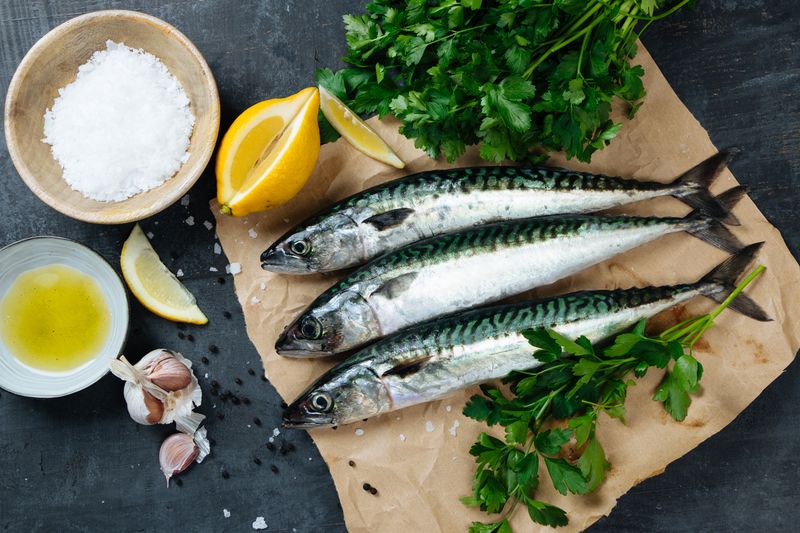
Mackerel is one of the most omega-3-packed fish you can eat, yet it rarely gets the spotlight that salmon does. A single serving delivers more than 4,000 mg of omega-3s, which is seriously impressive.
This oily fish has a bold, rich flavor that works beautifully when grilled, smoked, or baked with garlic and herbs. You can also find canned mackerel at most grocery stores, making it an affordable and convenient option for busy weeknights.
2. Walnuts
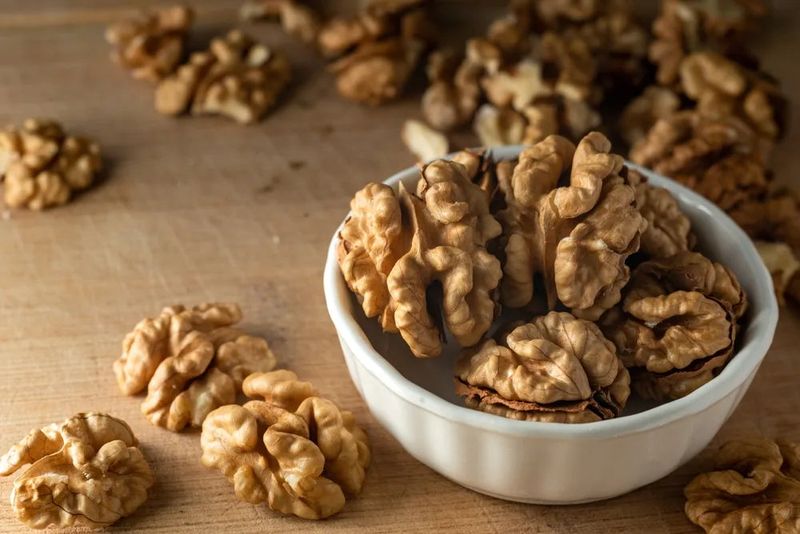
Walnuts are the only common tree nut with a significant amount of omega-3 fatty acids, specifically the plant-based type called ALA. Just one ounce gives you over 2,500 mg of ALA, which is more than your daily recommended amount.
Toss them into oatmeal, salads, or yogurt for a satisfying crunch. They also make a surprisingly good topping for roasted vegetables and pasta dishes, adding both nutrition and texture without much effort.
3. Chia Seeds
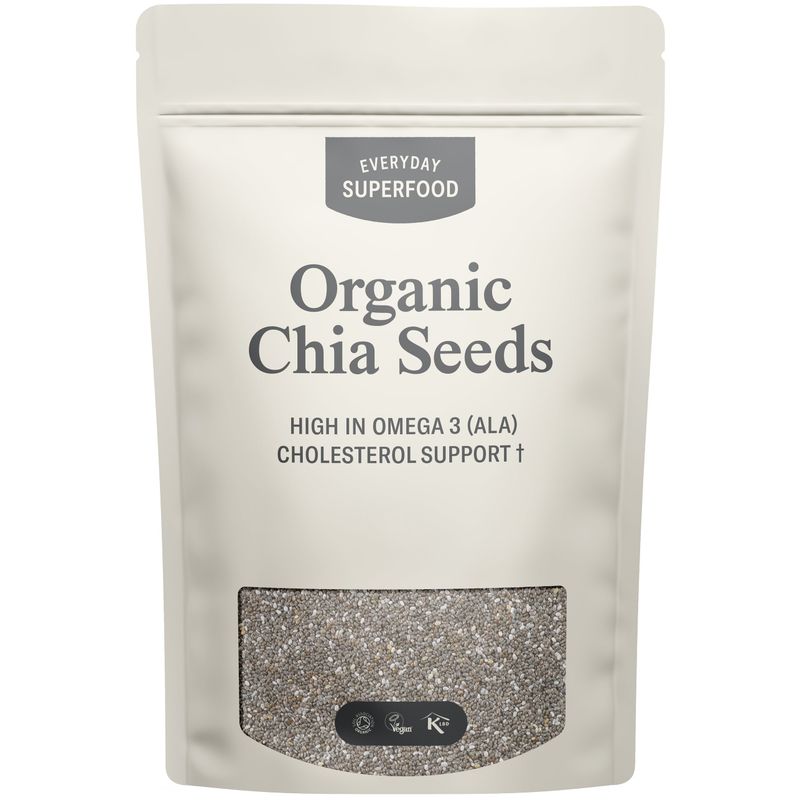
Tiny but mighty, chia seeds pack about 5,000 mg of ALA omega-3s per ounce, making them one of the richest plant-based sources available. They were a staple food for ancient Aztec warriors for good reason.
Stir them into smoothies, sprinkle them on toast with avocado, or soak them overnight in almond milk to make a creamy chia pudding. Their ability to absorb liquid and form a gel makes them incredibly versatile in the kitchen.
4. Flaxseeds
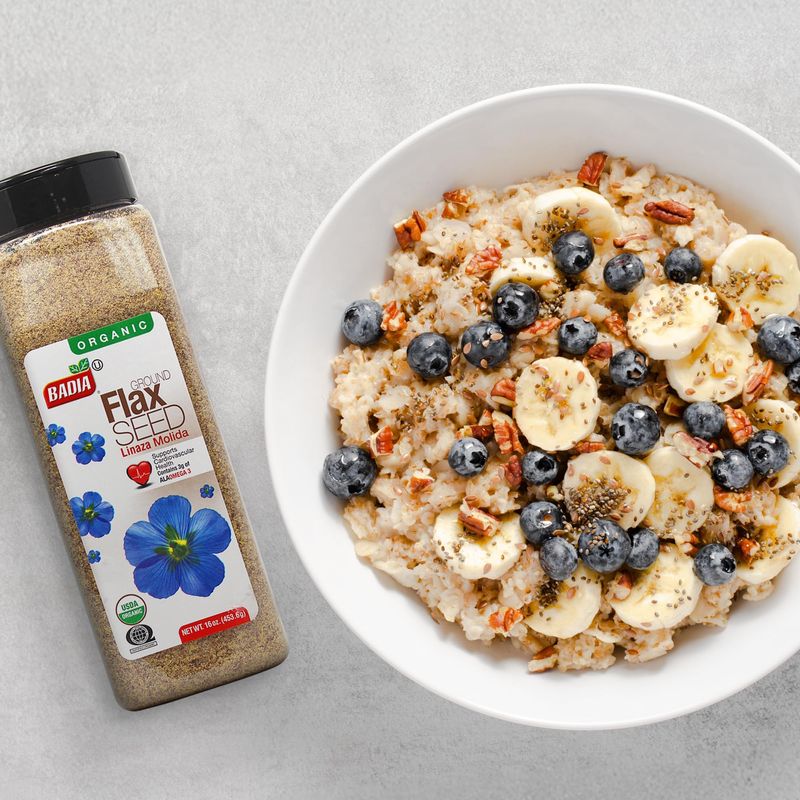
Ground flaxseeds are a nutritional powerhouse that most people overlook at the grocery store. One tablespoon of ground flax delivers around 1,600 mg of ALA omega-3s along with a healthy dose of fiber and lignans.
Always go for ground flax rather than whole seeds, since your body absorbs the nutrients much more easily that way. Mix it into pancake batter, stir it into oatmeal, or blend it into a morning smoothie without even noticing it is there.
5. Sardines

Sardines might not be the trendiest food at the dinner table, but nutritionists quietly love them. A single can provides roughly 2,200 mg of omega-3s along with calcium, vitamin D, and protein, all for very little money.
Their strong flavor mellows out beautifully when paired with lemon juice, mustard, or hot sauce on whole grain crackers. Sardines on toast has actually become a trendy snack in health-conscious food circles, and once you try it, you will understand why.
6. Hemp Seeds
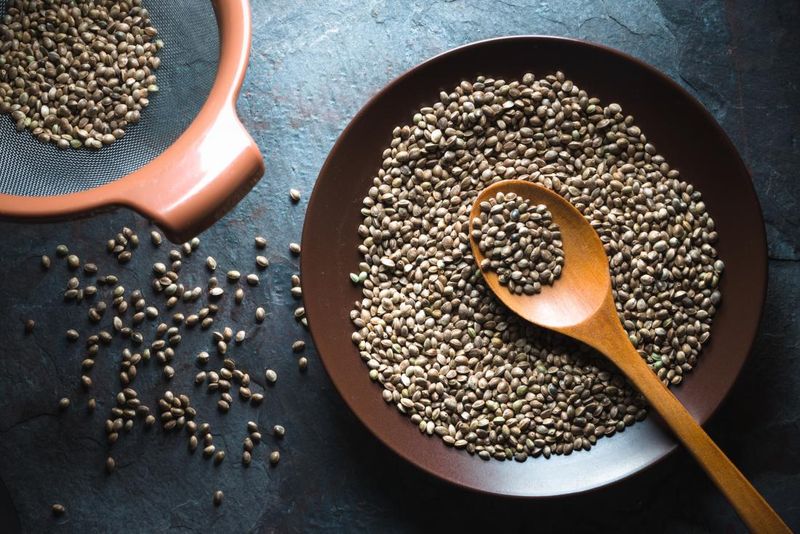
Hemp seeds have a mild, nutty flavor that makes them easy to add to almost anything without changing the taste. Three tablespoons contain about 1,000 mg of omega-3 fatty acids along with all nine essential amino acids.
Sprinkle them over salads, blend them into protein shakes, or stir them into yogurt for an easy nutritional boost. They are also a fantastic option for people following a plant-based diet who want to increase their omega-3 intake without supplements.
7. Herring
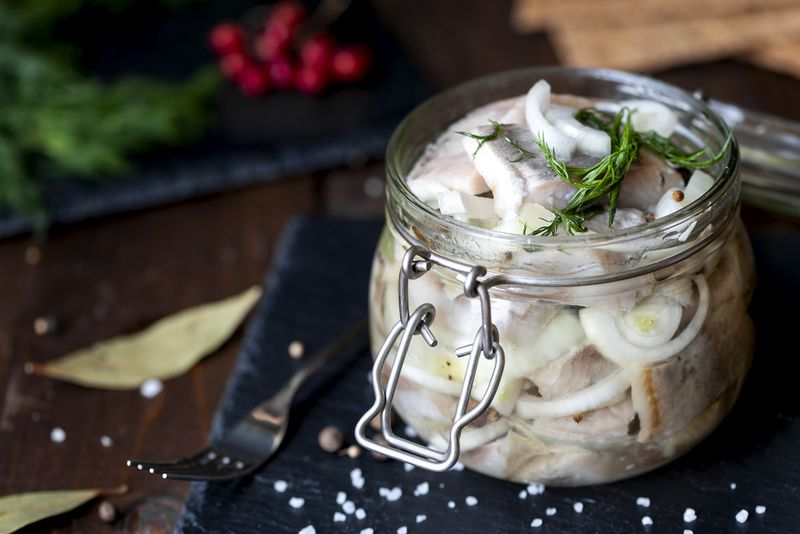
Herring has been a beloved staple in Scandinavian and Eastern European cuisines for centuries, and there is a very good reason it stuck around. A three-ounce serving packs about 1,700 mg of omega-3s alongside high-quality protein and vitamin B12.
Pickled herring is one of the most common ways to enjoy it, and the tangy, briny flavor pairs perfectly with rye bread and cream cheese. Smoked herring is another option that is easy to find and surprisingly satisfying as a quick snack.
8. Edamame

Edamame, those bright green soybeans you get as an appetizer at Japanese restaurants, are a surprisingly solid source of plant-based omega-3s. Half a cup of cooked edamame provides around 280 mg of ALA along with plenty of protein and fiber.
They are incredibly easy to prepare at home. Just steam or boil frozen edamame pods for a few minutes, sprinkle with sea salt, and you have a snack that is both nutritious and genuinely fun to eat straight from the shell.
9. Seaweed and Algae
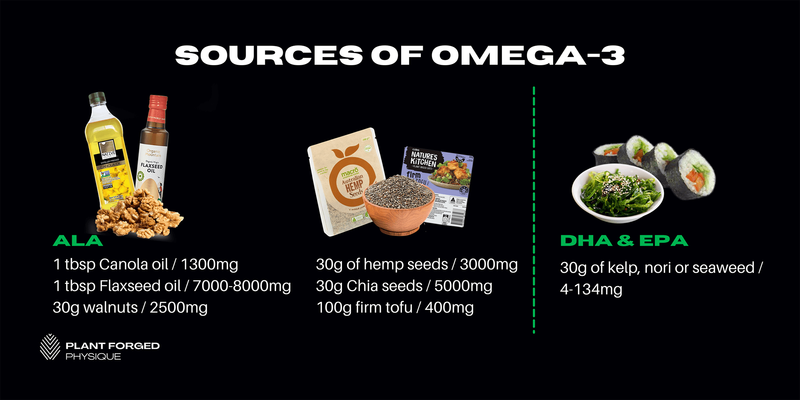
Here is something most people do not realize: fish get their omega-3s by eating algae. So going straight to the source makes a lot of sense, especially for vegans and vegetarians.
Seaweed and algae like spirulina and nori contain DHA and EPA, the same powerful forms of omega-3 found in fish.
Algae oil supplements are made directly from these sources. But you can also eat nori sheets as snacks, add spirulina to smoothies, or enjoy wakame in miso soup for a natural boost.
10. Anchovies

Anchovies are one of those foods people either love or avoid completely, often because of their salty, intense flavor. But that boldness is exactly what makes them so useful in cooking.
Just a few fillets can transform a pasta sauce, Caesar salad dressing, or pizza into something deeply savory and complex.
Beyond flavor, anchovies offer about 411 mg of omega-3s per ounce. Since you typically use them in small amounts, they are an effortless way to sneak more healthy fats into everyday meals.
11. Oysters
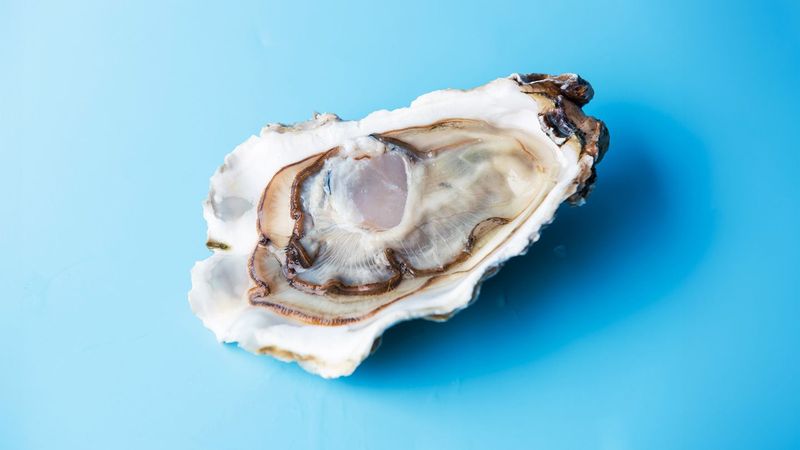
Oysters are often thought of as a fancy restaurant treat, but they deserve a regular spot in your diet. A three-ounce serving of oysters contains about 585 mg of omega-3s along with an extraordinary amount of zinc, which supports your immune system.
They can be enjoyed raw with a squeeze of lemon, baked with garlic butter, or added to chowders and stews. Canned smoked oysters are a budget-friendly alternative that still delivers impressive nutritional benefits without the fancy price tag.
12. Spinach
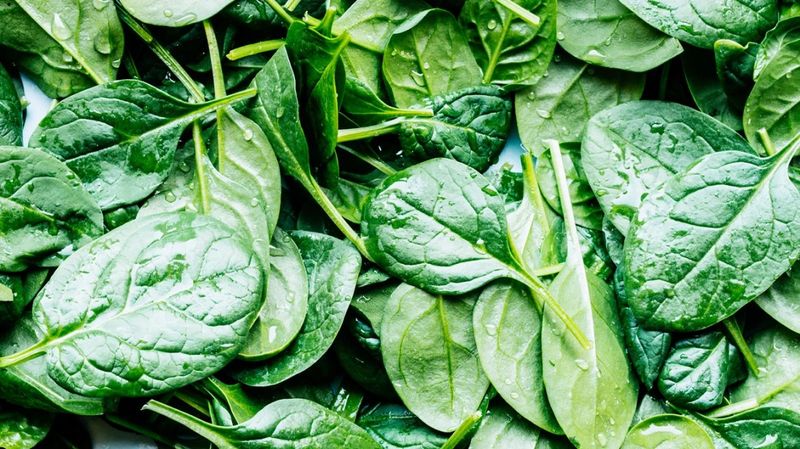
Spinach might not scream omega-3s the way salmon does, but this leafy green quietly contributes a meaningful amount of ALA to your diet, especially when you eat it regularly. One cup of cooked spinach contains around 166 mg of omega-3 fatty acids.
Beyond omega-3s, spinach is loaded with iron, folate, and vitamin K. Add it to smoothies where you will barely taste it, wilt it into scrambled eggs, or use it as the base for a hearty grain bowl topped with other omega-3-rich ingredients.
13. Brussels Sprouts
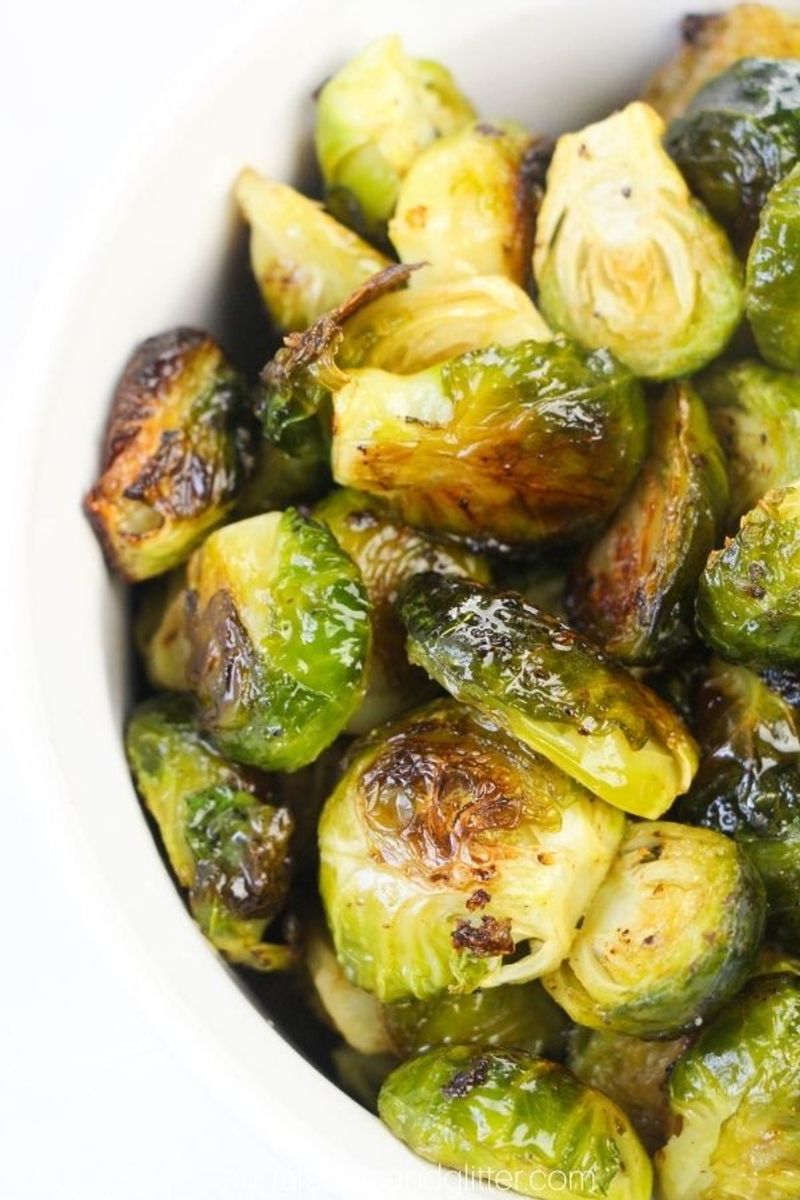
Brussels sprouts might have a bad reputation with picky eaters, but these little cabbages are genuinely impressive from a nutrition standpoint. Half a cup of cooked Brussels sprouts provides about 135 mg of ALA omega-3s along with fiber, vitamin C, and vitamin K.
Roasting them at high heat until the edges caramelize is the trick that converts even the most stubborn sprout skeptics. Toss them with olive oil, salt, and a splash of balsamic vinegar before roasting for a side dish that feels almost indulgent.
14. Perilla Oil

Perilla oil is a staple in Korean cooking that most people outside of Asia have never heard of, but it is one of the highest plant-based sources of ALA omega-3s on the planet. Just one tablespoon contains over 9,000 mg of ALA, which is extraordinary compared to most other oils.
It has a nutty, slightly herbal flavor that works well as a finishing oil drizzled over noodle dishes, soups, or salads. Look for it in Asian grocery stores or online.
15. Caviar
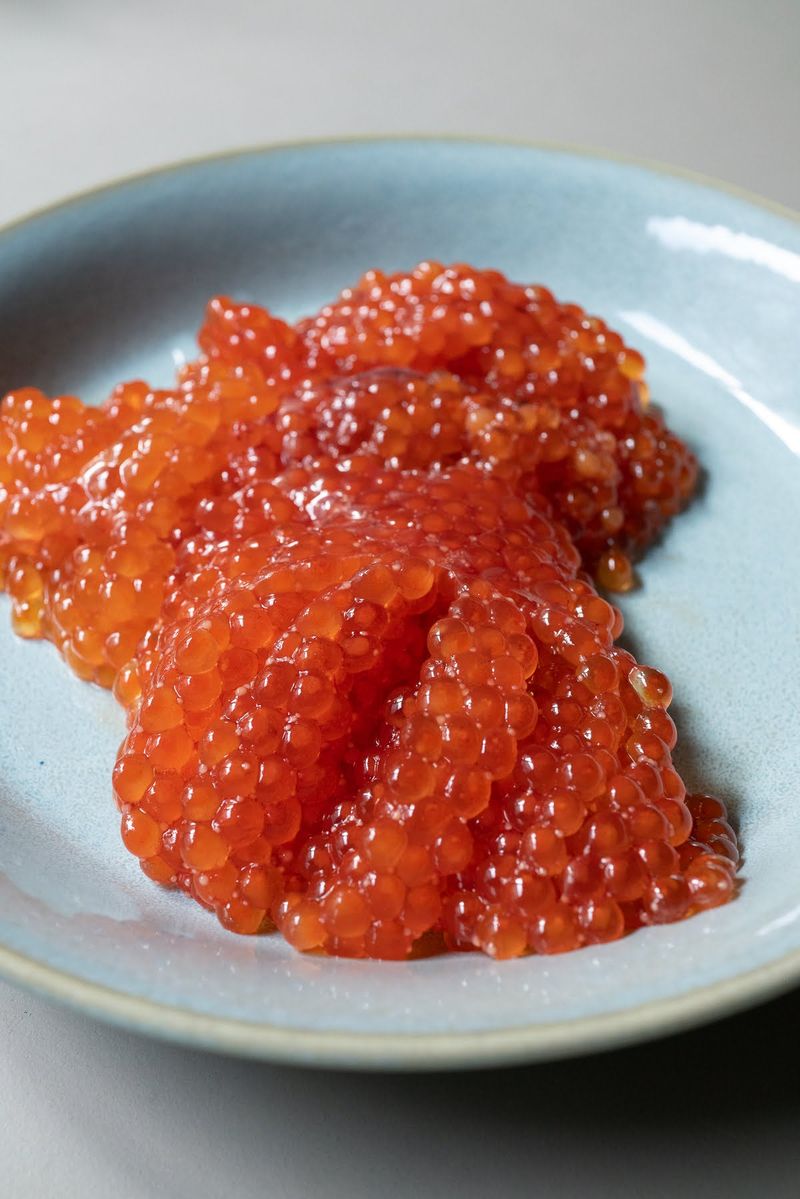
Caviar is often associated with luxury dining, but from a nutritional perspective, it earns its status for a very different reason. Just one tablespoon of fish roe delivers about 1,000 mg of omega-3s, making it one of the most concentrated sources available per gram.
While traditional sturgeon caviar can be expensive, more affordable options like salmon roe or lumpfish caviar offer similar omega-3 benefits at a fraction of the cost. Try it on scrambled eggs or cucumber rounds for an easy, elegant upgrade.
16. Mussels
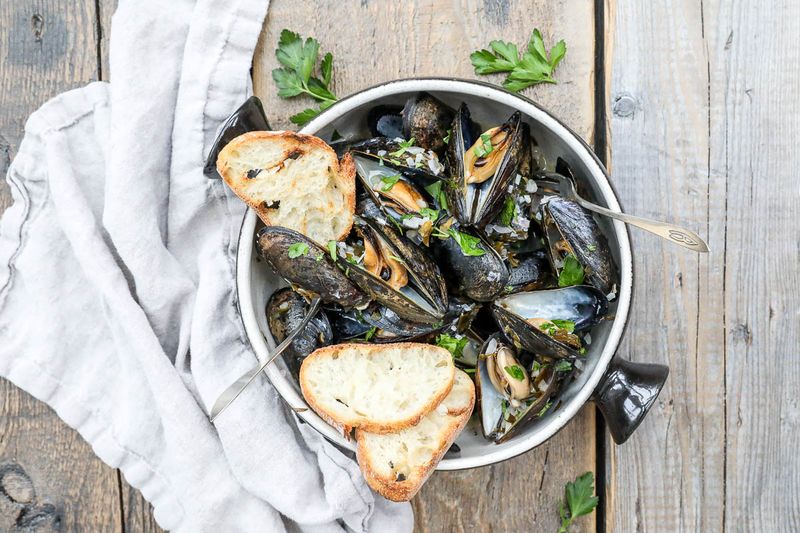
Mussels are one of the most underrated seafood options at the grocery store, and they are far easier to cook than most people think. A three-ounce serving provides around 665 mg of omega-3s along with impressive amounts of vitamin B12 and iron.
Steam them with white wine, garlic, and shallots for a restaurant-quality meal in under 15 minutes. Mussels are also considered one of the most environmentally sustainable seafood choices available, so eating them is good for both your health and the planet.
17. Kidney Beans
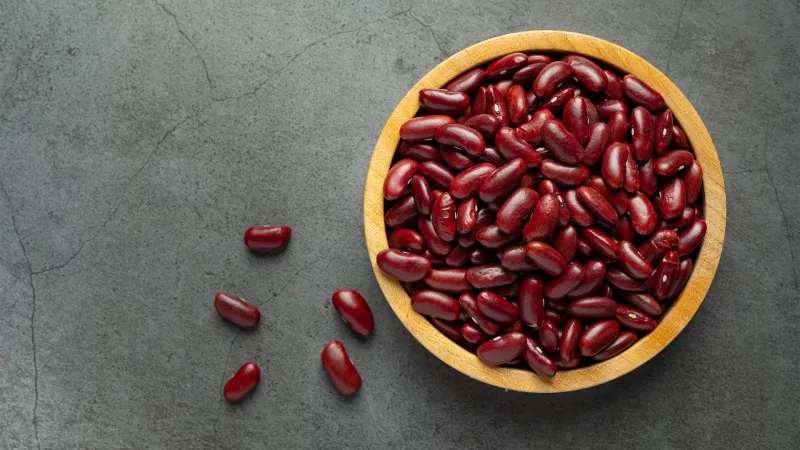
Kidney beans are a pantry staple that most households already have, yet very few people think of them as an omega-3 source. One cup of cooked kidney beans contains about 300 mg of ALA omega-3 fatty acids along with plenty of fiber and plant-based protein.
They work in so many dishes, from chili and soups to rice bowls and burritos. Using canned kidney beans makes meal prep incredibly fast, and adding them regularly to your weekly meals is one of the simplest dietary upgrades you can make.
18. Cod Liver Oil

Cod liver oil has been used as a health remedy for centuries, and grandparents everywhere swore by it for a reason. Just one tablespoon contains about 2,600 mg of omega-3s along with high doses of vitamins A and D, which are hard to get from most modern diets.
The old-fashioned liquid form is still available, but capsule versions make it much easier to take daily without the fishy aftertaste. It is especially valuable during winter months when sunlight exposure for vitamin D production is limited.
19. Soybeans
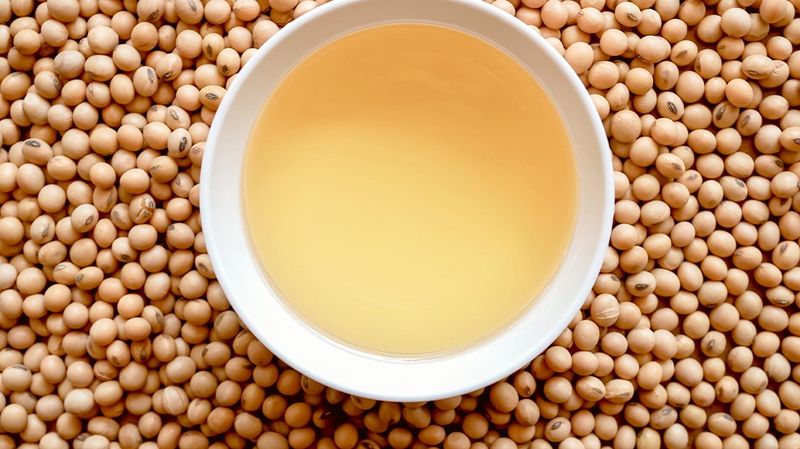
Soybeans are one of the most omega-3-rich legumes you can eat, yet they are mostly known for protein and tofu. One cup of cooked soybeans provides about 1,000 mg of ALA omega-3 fatty acids, which is a genuinely impressive amount for a bean.
Beyond eating them whole, soybean oil is also a meaningful source of ALA and is one of the most widely consumed oils in the United States. Whole soybeans can be added to grain bowls, stir-fries, or eaten simply with a little soy sauce and sesame oil.
20. Trout
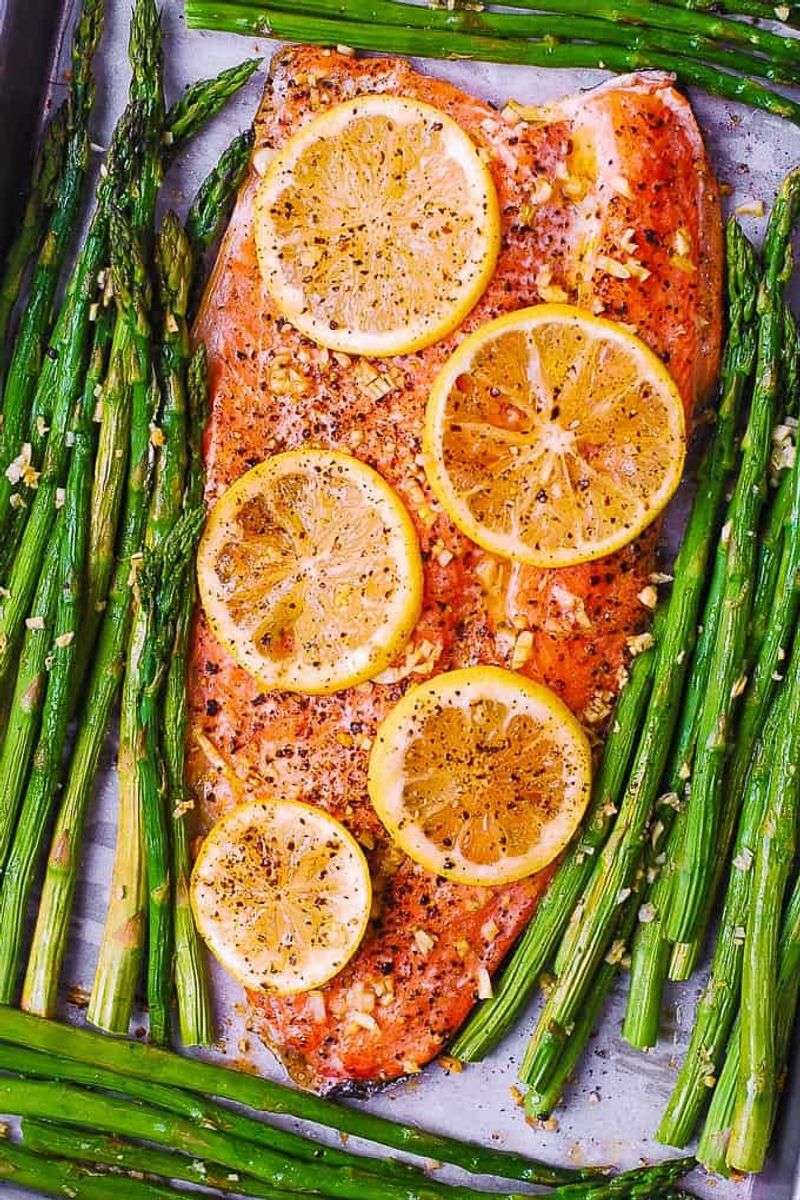
Rainbow trout is a freshwater fish that often gets overshadowed by salmon, but it deserves way more attention on dinner plates. A three-ounce serving provides about 840 mg of omega-3s along with high-quality protein and B vitamins.
Its flavor is milder and less fishy than salmon, making it a great starting point for people who are new to eating fish regularly. Pan-sear it with butter, capers, and lemon for a simple preparation that highlights its naturally delicate, slightly nutty taste beautifully.
21. Butternuts (White Walnuts)
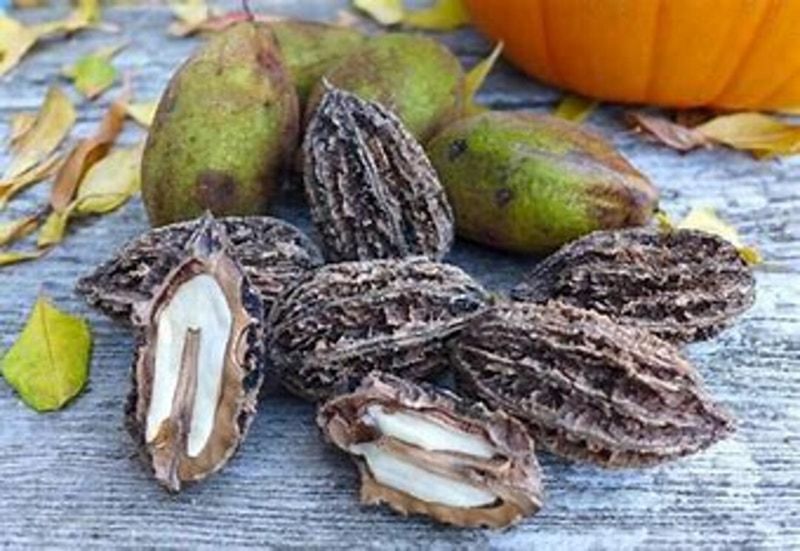
Butternuts, also called white walnuts, are a North American native nut that most people have never even heard of, which is a real shame. They contain even more ALA omega-3 fatty acids than regular walnuts, making them one of the richest plant-based sources of healthy fats available.
Their flavor is buttery, rich, and slightly sweeter than common walnuts, which makes them wonderful in baked goods or eaten as a snack. They can be harder to find than other nuts, but specialty stores and farmers markets sometimes carry them.
22. Purslane
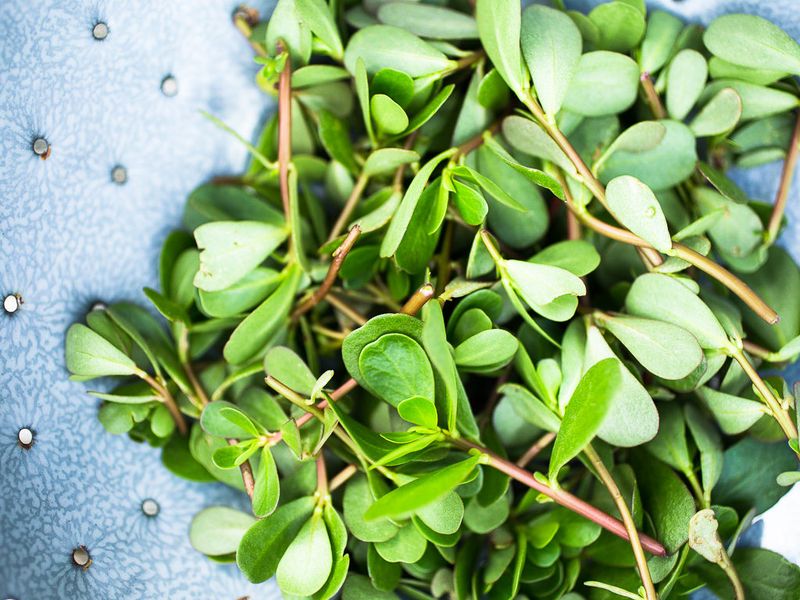
Purslane is a humble little weed that grows in sidewalk cracks and garden beds, and most people pull it out and throw it away without knowing it is edible and nutritious. It actually contains more omega-3 ALA than any other leafy green vegetable, which is remarkable for something most of us treat as a nuisance.
It has a mild, slightly tangy flavor and a satisfying crunch that works well in salads, stir-fries, and tacos. Many Mediterranean and Middle Eastern cuisines have used purslane for generations in fresh salads and cooked dishes.




Comments
No Comments