













Most people think about vitamins when they want to eat healthier, but minerals are just as important for keeping your body running strong. From building bones to helping your heart beat, minerals do a lot of heavy lifting behind the scenes.
The tricky part is that many of the best mineral-rich foods are ones most people rarely put on their plates. Here are 20 foods packed with minerals that deserve a regular spot in your diet.
1. Pumpkin Seeds
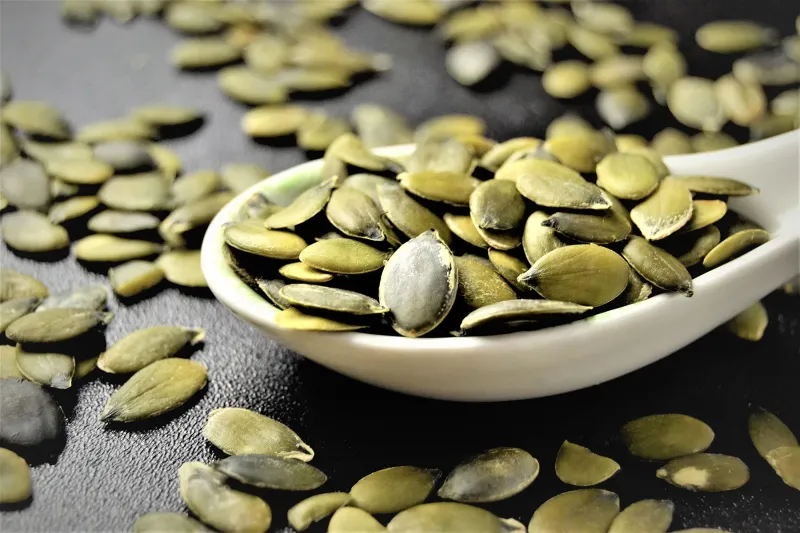
Grab a handful of pumpkin seeds and you are getting one of the best magnesium boosts around. Just one ounce delivers nearly half of your daily magnesium needs, plus a solid dose of zinc and iron.
Magnesium helps your muscles relax and supports better sleep, while zinc keeps your immune system sharp. Toss them on salads, blend them into smoothies, or snack on them straight from the bag.
2. Blackstrap Molasses

Blackstrap molasses is basically the dark, forgotten cousin of regular sugar, but it carries something sugar never could: serious minerals. One tablespoon packs calcium, iron, magnesium, and potassium all at once.
It is a byproduct of refining sugarcane, which means all those minerals get concentrated into a thick, bittersweet syrup. Stir it into oatmeal, baked beans, or warm drinks for an easy mineral upgrade that most people completely overlook.
3. Seaweed
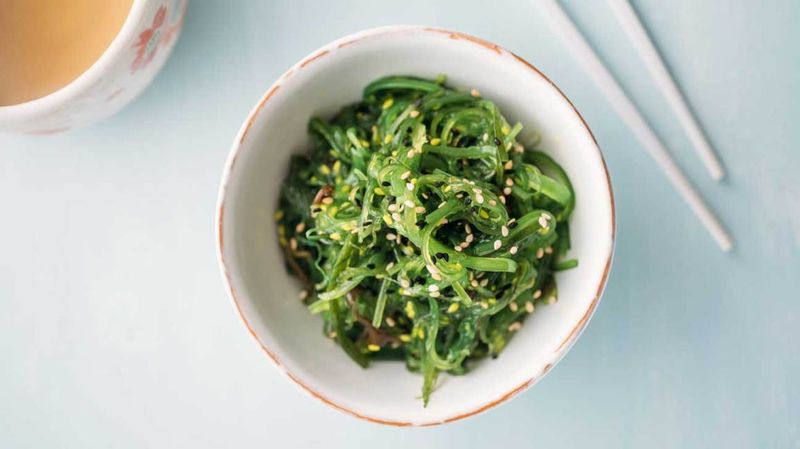
Seaweed grows in the ocean, which means it soaks up a remarkable range of minerals straight from seawater. Iodine, calcium, magnesium, and iron are all found in generous amounts depending on the variety.
Iodine is especially hard to get from everyday foods, and seaweed is one of the richest natural sources available. Wakame in miso soup, nori wrapped around sushi, or dried seaweed snacks are all easy ways to get started.
4. Hemp Seeds
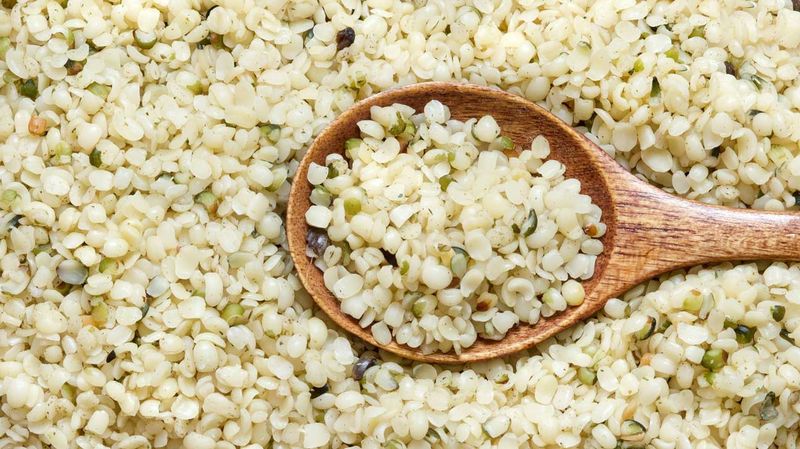
Hemp seeds fly under the radar compared to chia or flax, but they deserve just as much attention. They are loaded with magnesium, phosphorus, zinc, and iron, all packed into tiny seeds with a mild, nutty taste.
What makes them especially handy is how easy they are to use. Sprinkle them over yogurt, mix them into smoothies, or stir them into salad dressings without changing the flavor of your meal at all.
5. Clams
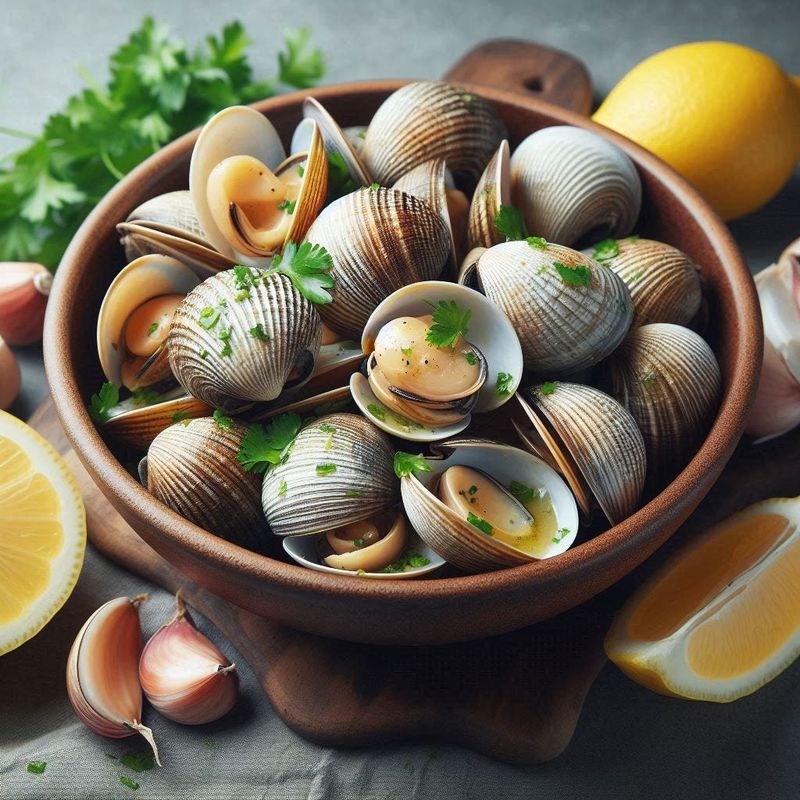
Clams might not be on your weekly grocery list, but they probably should be. A single three-ounce serving of cooked clams provides more iron than almost any other food on the planet, making them a powerhouse for fighting fatigue.
They also deliver zinc, selenium, and potassium in impressive amounts. Whether you enjoy them in chowder, steamed with garlic and butter, or stirred into pasta, clams are a seriously underrated mineral source.
6. Tahini
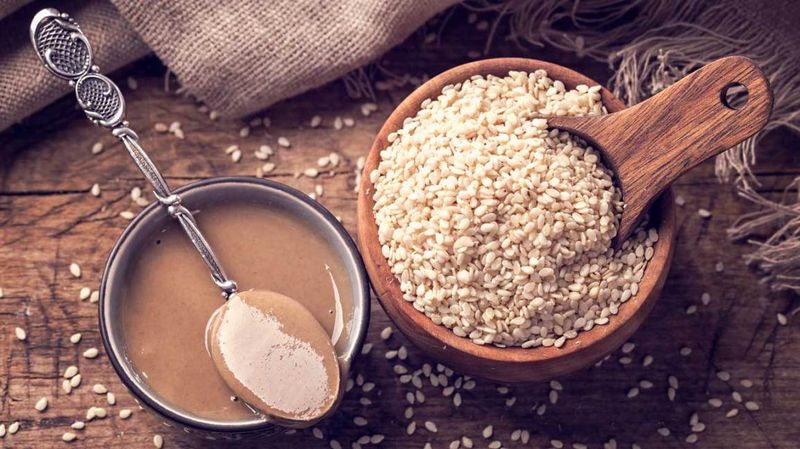
Made from ground sesame seeds, tahini is the spread that quietly outperforms most nut butters when it comes to mineral content. It is rich in calcium, magnesium, phosphorus, and iron, all in a smooth, creamy package.
Sesame seeds have been used in cooking for thousands of years, and for good reason. Drizzle tahini over roasted vegetables, blend it into hummus, or thin it with lemon juice for a quick, mineral-packed salad dressing.
7. White Beans
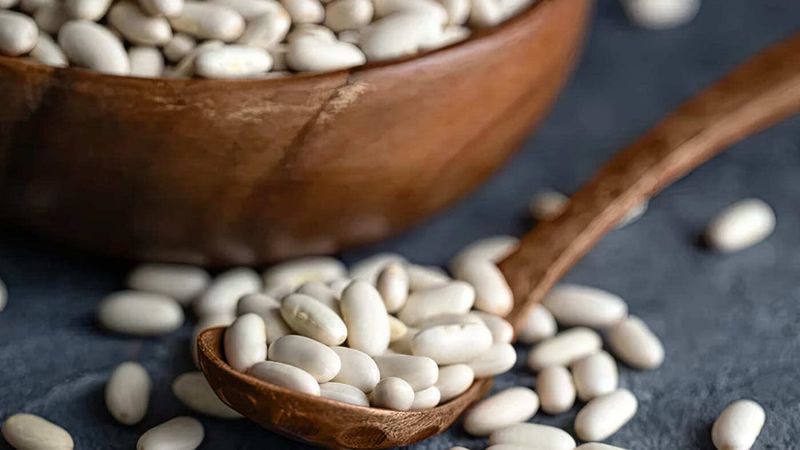
White beans are one of those humble pantry staples that most people underestimate. A single cup of cooked white beans delivers impressive amounts of potassium, magnesium, iron, and phosphorus all at once.
Potassium is a mineral many people fall short on, and it plays a big role in keeping blood pressure healthy. Add white beans to soups, mash them into dips, or toss them into grain bowls for a filling, mineral-rich boost.
8. Brazil Nuts
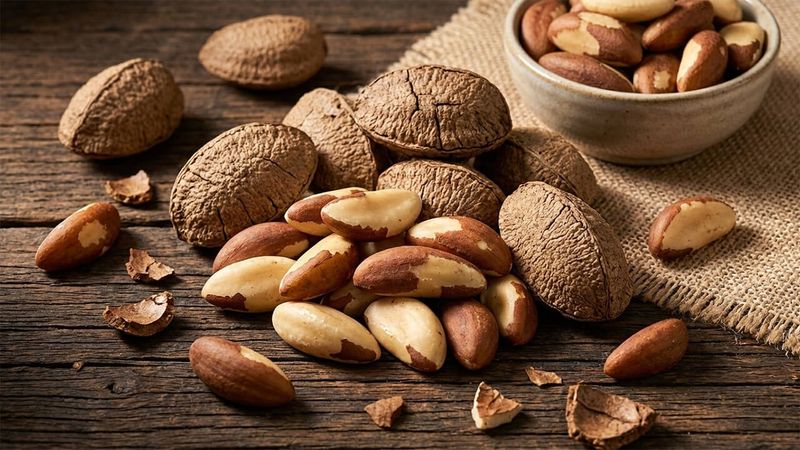
Here is a wild fact: just two Brazil nuts a day can meet your entire daily selenium requirement. Selenium is a trace mineral that supports thyroid function, protects cells from damage, and helps your immune system do its job.
Brazil nuts also contain magnesium, phosphorus, and copper in solid amounts. Because they are so rich in selenium, eating just a small handful a few times a week is plenty to get the benefits.
9. Amaranth
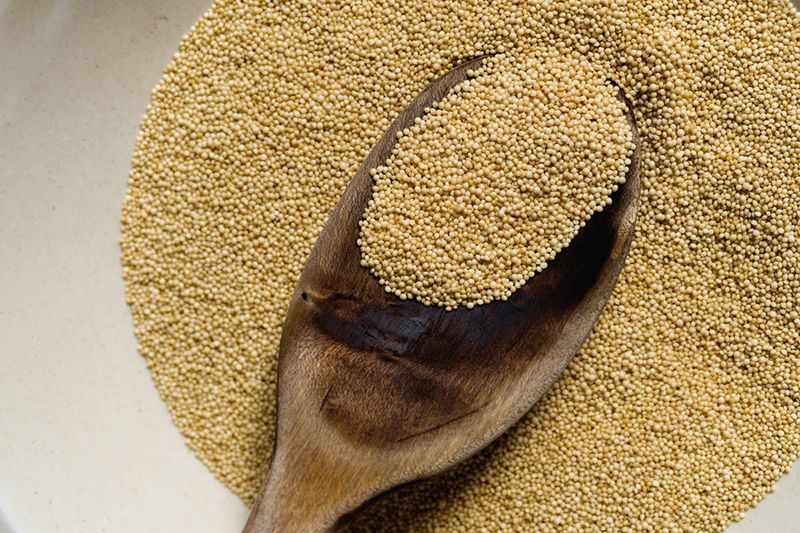
Amaranth was a staple food for ancient Aztec civilizations, and it is finally getting some well-deserved modern attention. This tiny grain is packed with manganese, magnesium, phosphorus, and iron, making it one of the most mineral-dense grains available.
Unlike many grains, amaranth is also a complete protein, which makes it doubly valuable. Cook it like oatmeal for breakfast, use it in soups, or pop it like popcorn for a crunchy, nutty snack.
10. Mussels
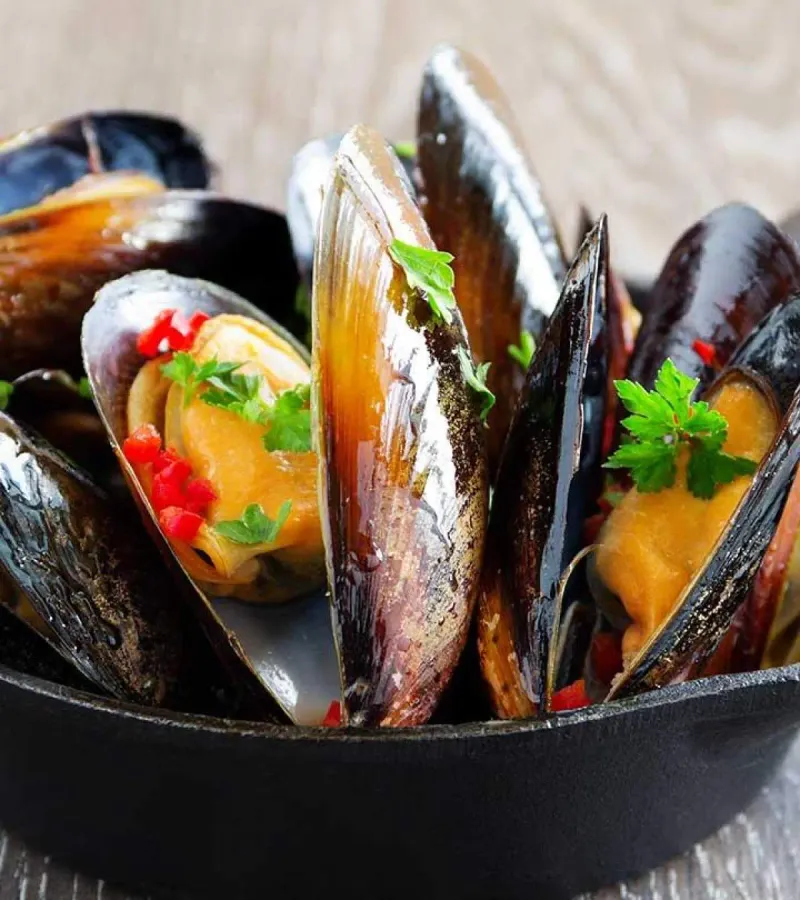
Mussels are one of the most affordable and nutritious shellfish you can buy, yet they rarely make it into most people's regular meals. They are bursting with selenium, zinc, iron, and manganese, plus a healthy dose of omega-3 fatty acids.
Manganese supports bone health and helps your body process nutrients properly. Mussels cook quickly, taste incredible in a simple white wine and garlic broth, and cost far less than most other seafood options.
11. Edamame
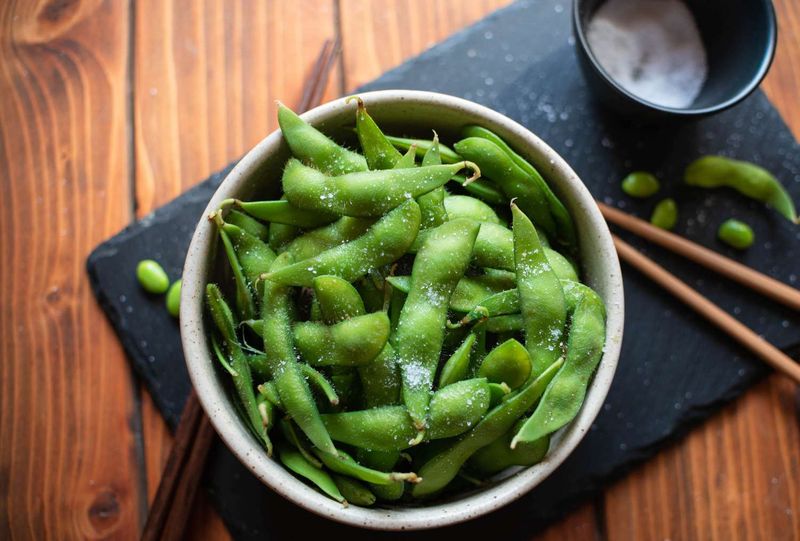
Edamame are young soybeans, and they are way more than just a fun appetizer at Japanese restaurants. A cup of edamame provides solid amounts of magnesium, iron, calcium, potassium, and phosphorus in one satisfying snack.
They are also high in protein and fiber, which makes them filling and nutritious. Keep a bag of frozen edamame in your freezer, steam them in minutes, sprinkle with a little sea salt, and you have a mineral-rich snack ready to go.
12. Swiss Chard
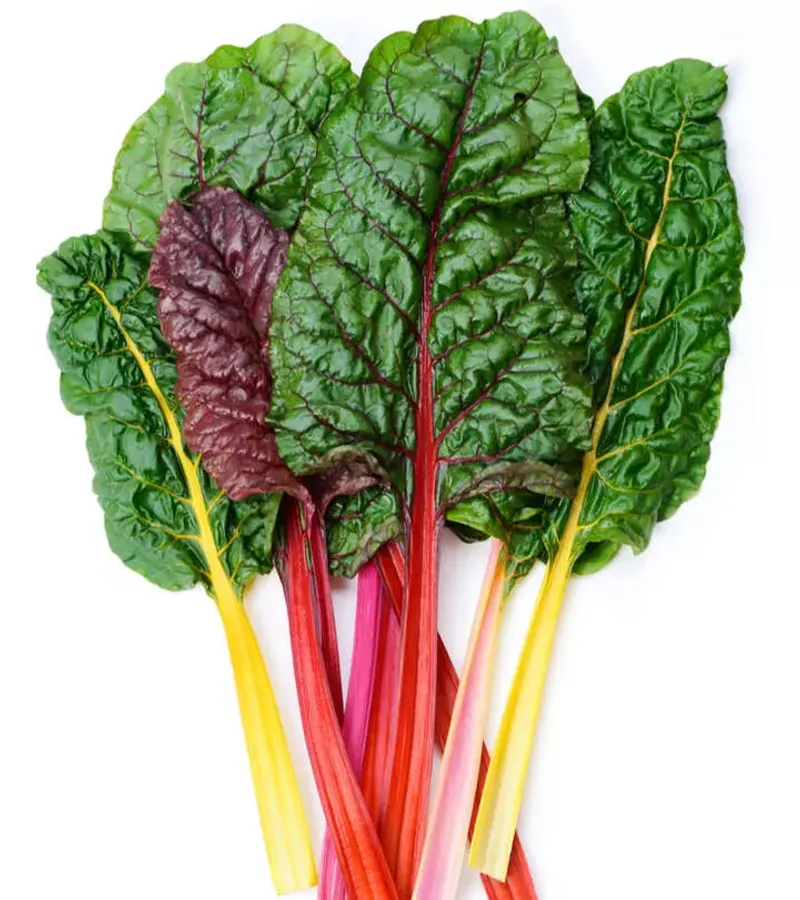
Swiss chard has bold, colorful stems and wide leafy greens that make it one of the most visually striking vegetables in the produce aisle. It is also one of the richest vegetable sources of magnesium, potassium, and iron available.
Magnesium alone plays a role in over 300 chemical reactions in your body. Saute Swiss chard with olive oil and garlic for a quick side dish, or chop it into soups and stews where its slightly earthy flavor blends in beautifully.
13. Oysters
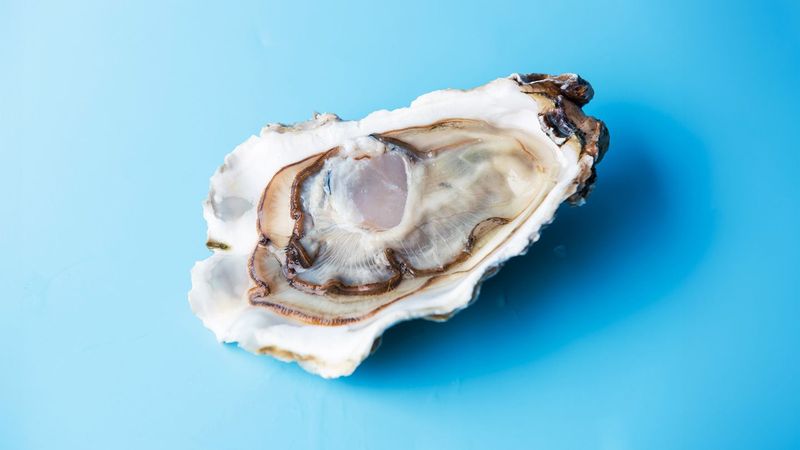
Oysters hold a legendary status in the food world, and their mineral content is a big reason why. A single serving of oysters provides more zinc than virtually any other food, and zinc is essential for immune function, wound healing, and even taste and smell.
They also contain copper, selenium, and iron in notable amounts. Whether you enjoy them raw, baked, or grilled, oysters are a mineral jackpot that most people only eat on special occasions.
14. Teff
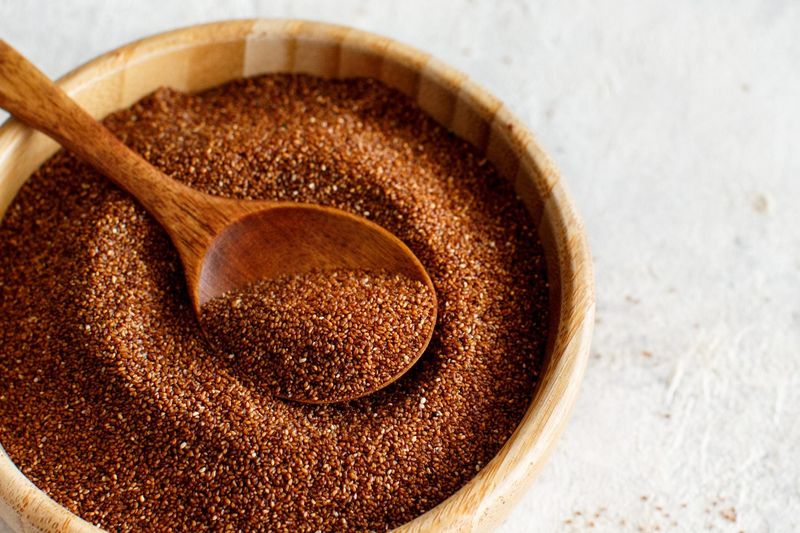
Teff is the tiny grain behind Ethiopia's famous injera flatbread, and it deserves far more recognition worldwide. It is exceptionally high in calcium compared to other grains, and also delivers iron, magnesium, and zinc in impressive quantities.
Calcium from plant sources can be harder to find, making teff a standout option for people who do not eat dairy. Cook it into a warm porridge, use teff flour in baking, or mix it into grain bowls for an earthy, nutty flavor.
15. Sardines
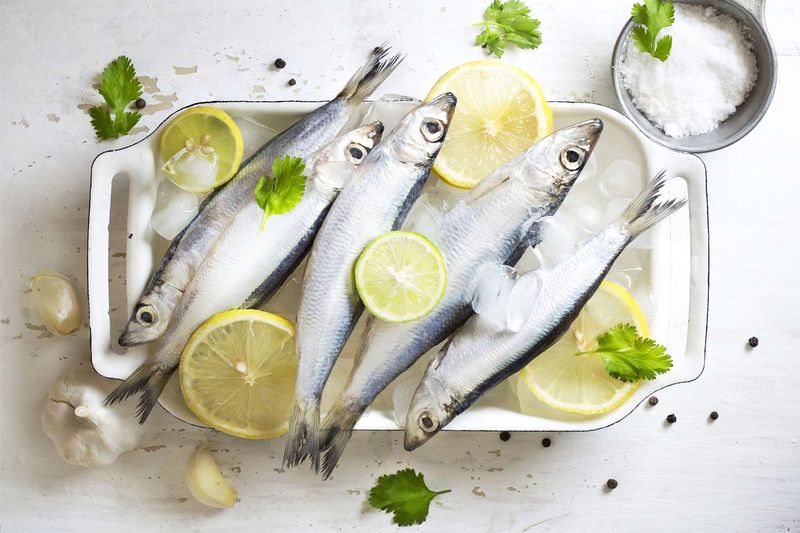
Sardines are tiny, affordable, and wildly underappreciated in most Western kitchens. Because you eat the bones, sardines deliver a remarkable amount of calcium alongside phosphorus, selenium, and iron in every serving.
The bones are soft and completely edible, which is where most of the calcium hides. Mash sardines onto whole grain toast with mustard and capers, toss them into pasta, or eat them straight from the can for a fast, mineral-dense meal.
16. Sunflower Seeds
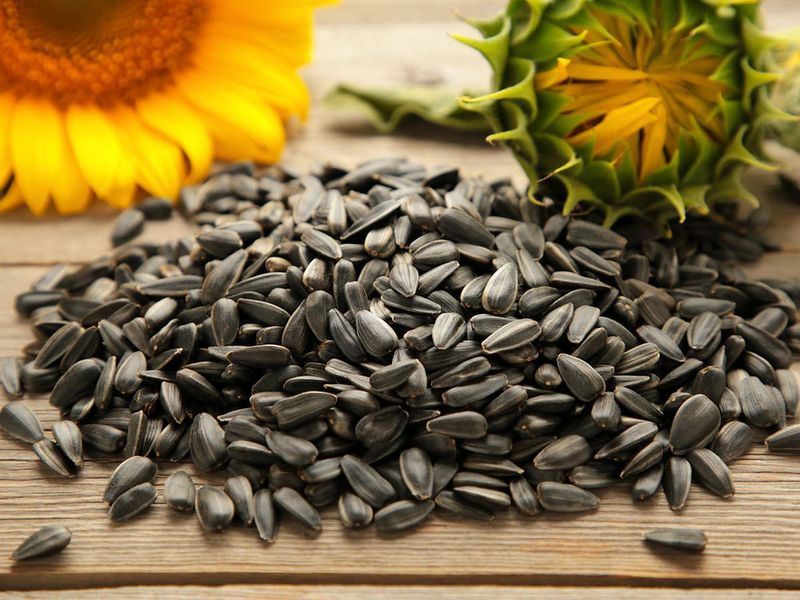
Sunflower seeds are a classic road trip snack, but their mineral credentials go way beyond their convenience. They are one of the best food sources of copper, a trace mineral that helps your body form red blood cells and maintain healthy nerves.
They also offer magnesium, selenium, and phosphorus in solid amounts. Eat them roasted as a snack, sprinkle them over salads, or blend them into a homemade sunflower seed butter for a creative, mineral-boosting spread.
17. Tempeh
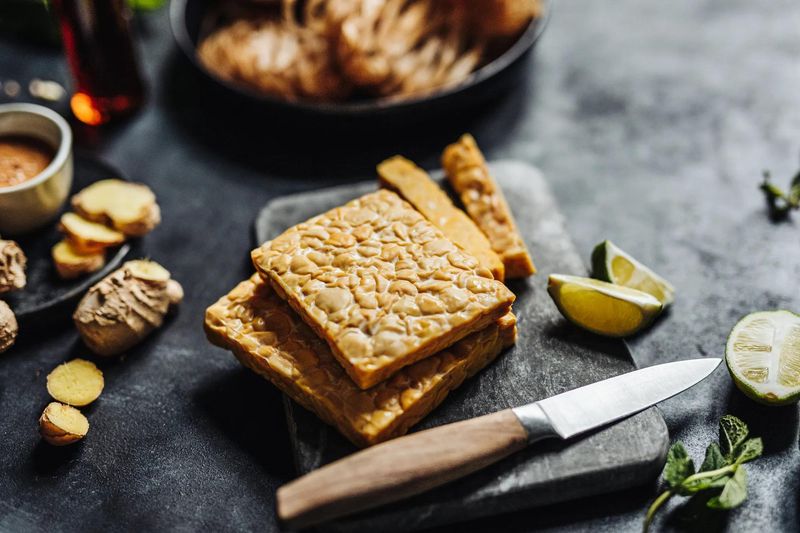
Tempeh is fermented soybeans pressed into a firm cake, and its texture and flavor are completely different from tofu. The fermentation process actually makes its minerals easier for your body to absorb, which is a big deal for plant-based eaters.
Tempeh is rich in manganese, phosphorus, magnesium, and iron. Slice it thin and pan-fry it until crispy, crumble it into tacos, or marinate it and bake it as a protein-packed, mineral-rich alternative to meat.
18. Lentils
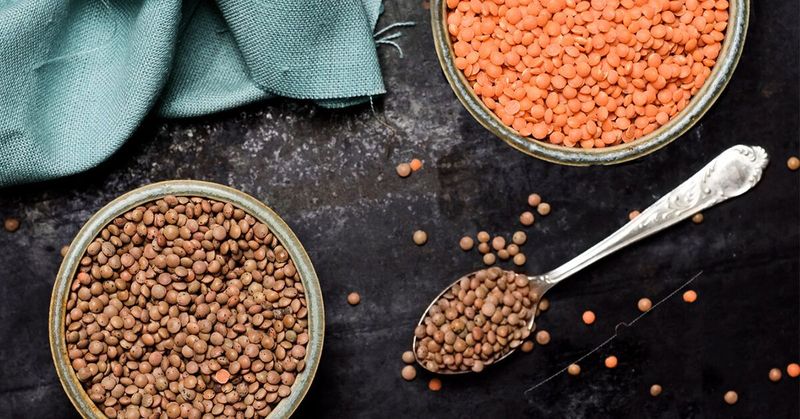
Lentils have been feeding people for thousands of years, and they are still one of the most nutrient-dense foods you can put in a pot. They are loaded with iron, folate, potassium, and phosphorus, making them a true mineral powerhouse for the price.
Iron from plant foods works best when paired with vitamin C, so squeeze some lemon juice over your lentil soup or add tomatoes to your recipe. Lentils cook faster than most legumes and require no soaking, making them incredibly practical.
19. Cacao Nibs
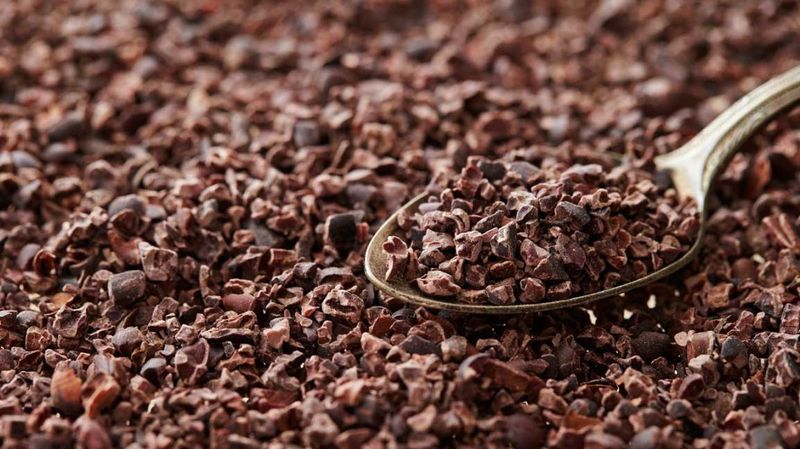
Raw cacao nibs are basically chocolate before it gets sweetened, and they carry a mineral punch that most desserts can only dream of. They are one of the richest food sources of magnesium, and also contain iron, zinc, and copper.
Magnesium plays a role in muscle function, energy production, and mood regulation, which might explain why chocolate has such a feel-good reputation. Stir cacao nibs into yogurt, blend them into smoothies, or sprinkle them over oatmeal for a slightly bitter, deeply satisfying crunch.
20. Spirulina
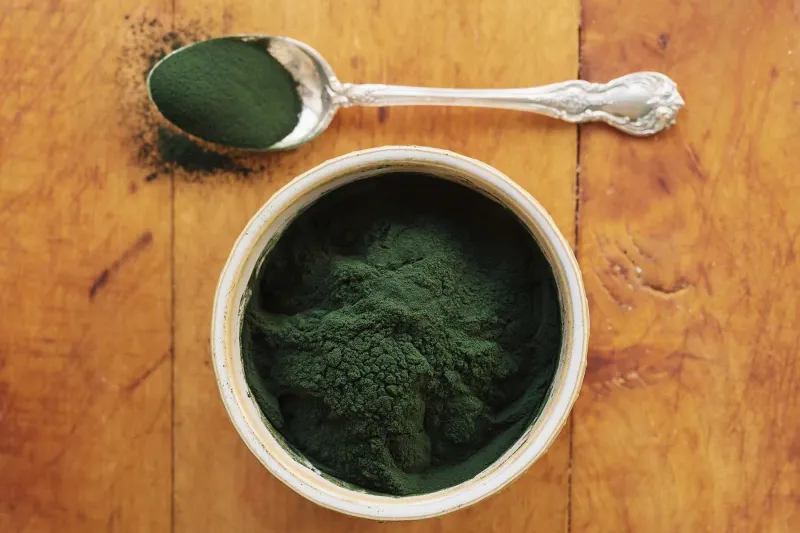
Spirulina is a blue-green algae that has been consumed for centuries, and modern nutrition science has confirmed just how remarkable it really is. Gram for gram, it is one of the most nutrient-dense foods on Earth, rich in iron, copper, magnesium, and potassium.
Just one tablespoon of spirulina powder provides a meaningful boost of iron, which is especially helpful for vegetarians and vegans. Blend it into smoothies, stir it into juices, or mix it into energy balls for an easy mineral upgrade.




Comments
No Comments