













Europe is a continent packed with incredible food traditions, each country offering dishes that tell a story about its culture and history. From hearty stews in the mountains to delicate pastries by the sea, the variety is truly mind-blowing.
Whether you are a foodie or just someone who loves trying new things, European cuisine has something special waiting for you. Get ready to discover 24 unforgettable meals that might just inspire your next kitchen adventure or travel bucket list.
1. Boeuf Bourguignon - France
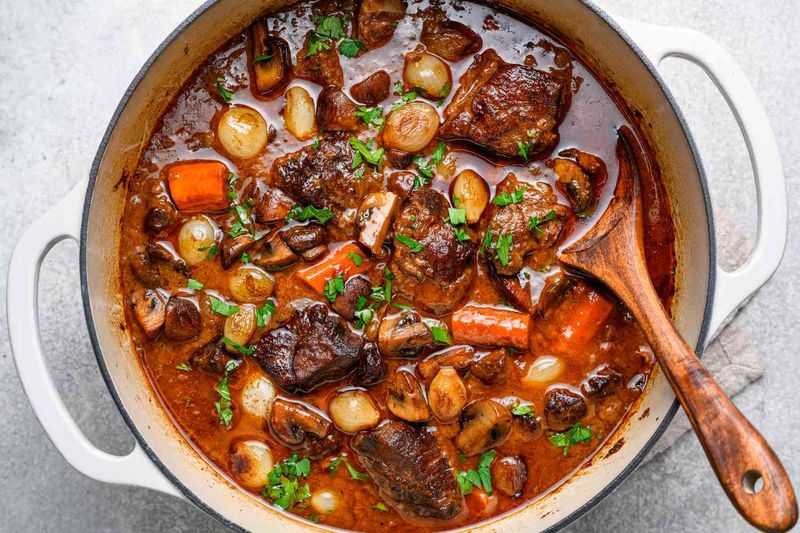
Few dishes capture the soul of French countryside cooking quite like Boeuf Bourguignon. This slow-cooked beef stew is simmered for hours in red Burgundy wine, giving it a deep, rich flavor that warms you from the inside out.
Mushrooms, pearl onions, and carrots join the mix, making every bite a little different. Chef Julia Child made this dish famous worldwide after introducing it to American kitchens in the 1960s.
Try it with crusty French bread to soak up every last drop of that incredible sauce.
2. Pierogi - Poland
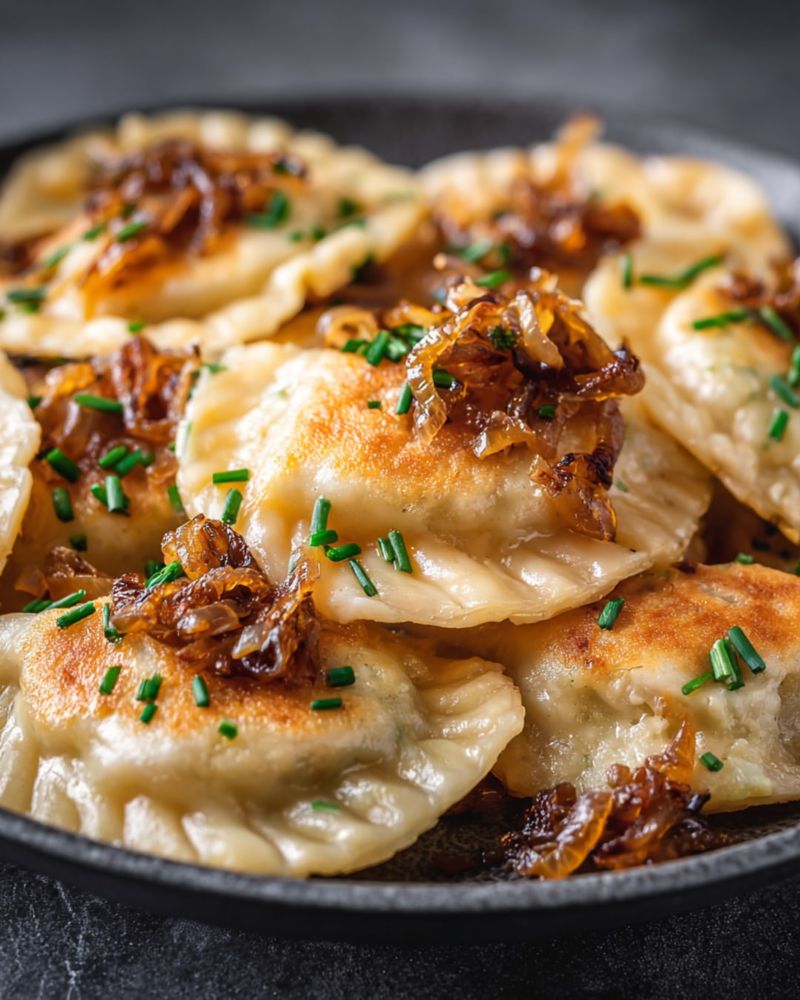
Poland's most beloved comfort food comes in a half-moon shape and hides a delicious surprise inside. Pierogi are soft dough dumplings stuffed with fillings like mashed potato and cheese, sauerkraut, meat, or even sweet fruit.
They can be boiled, pan-fried, or baked, each method giving a slightly different texture. Polish families often make pierogi together during holidays, turning cooking into a cherished tradition.
Once you try a crispy pan-fried version topped with sour cream and caramelized onions, you will completely understand the obsession.
3. Wiener Schnitzel - Austria
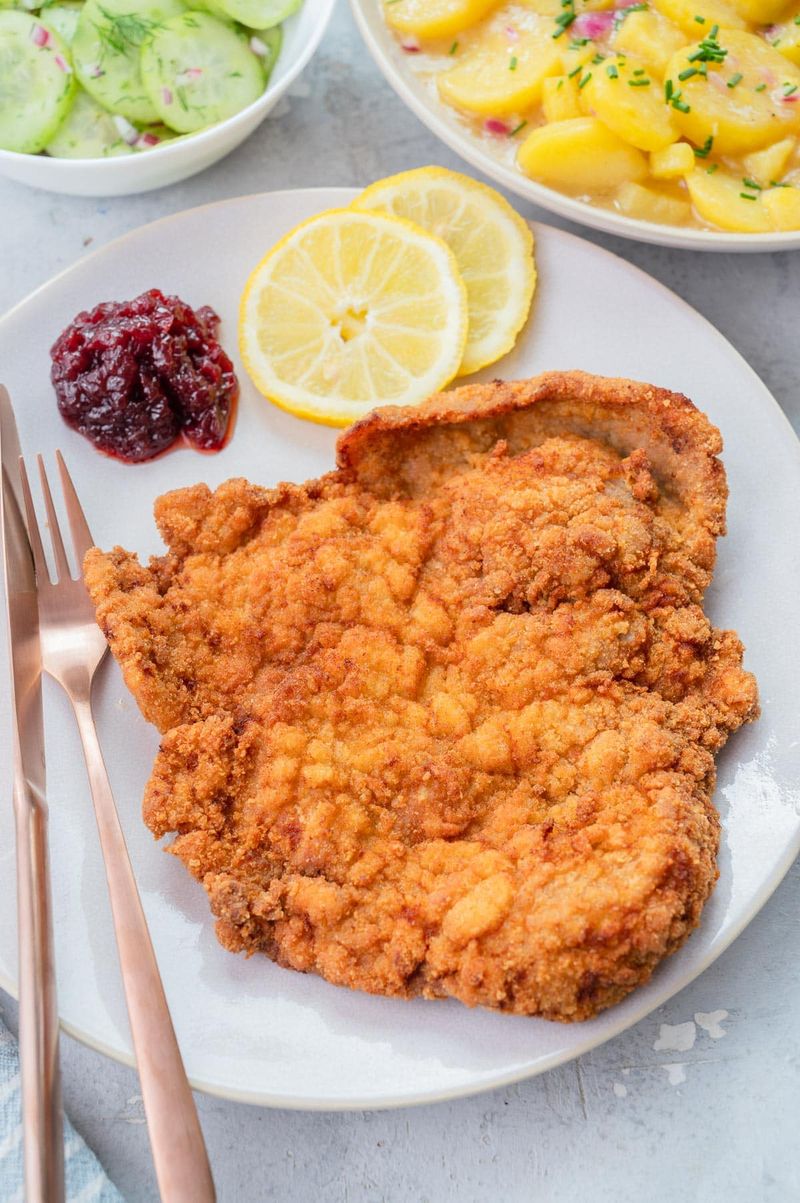
Austria's most iconic dish is surprisingly simple but absolutely satisfying. Wiener Schnitzel is a thin veal cutlet pounded flat, coated in breadcrumbs, and pan-fried until perfectly golden and crispy.
By law in Austria, the authentic version must use veal, though pork versions are popular too. The dish is traditionally served with a lemon wedge and potato salad or lingonberry jam on the side.
That crispy, airy coating with the juicy meat underneath is a combination that food lovers never forget.
4. Paella - Spain
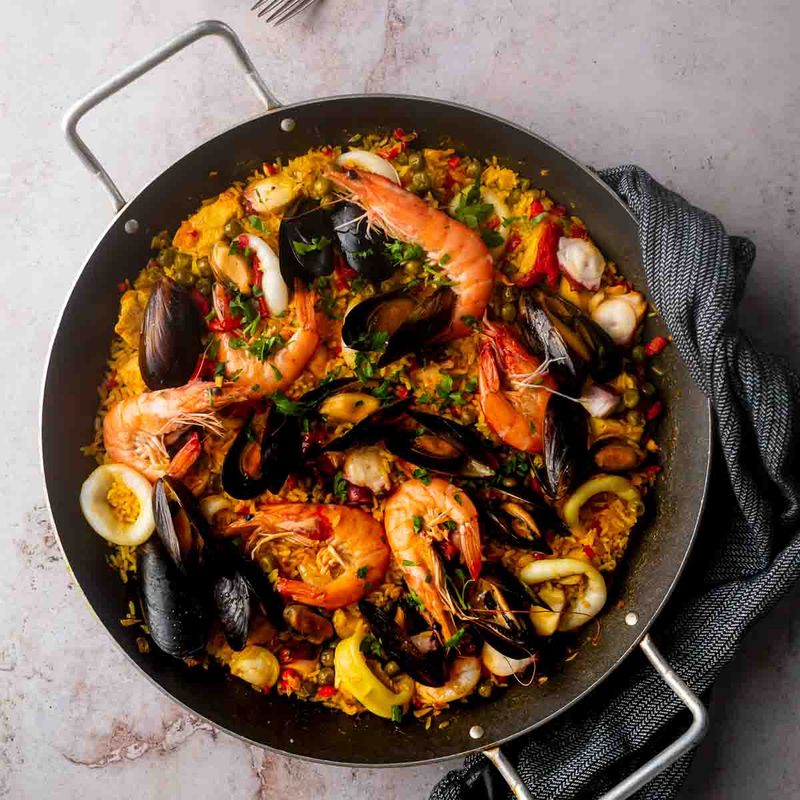
Born on the eastern coast of Spain in the Valencia region, paella is one of the world's most recognizable rice dishes. Cooked in a wide, shallow pan, it gets its golden color from saffron and its smoky bottom crust, called socarrat, from high heat.
Seafood paella loads in shrimp, mussels, and clams, while the traditional Valencian version uses rabbit and chicken. Sharing a big pan of paella with family or friends on a sunny afternoon is a Spanish tradition worth experiencing at least once.
5. Moussaka - Greece
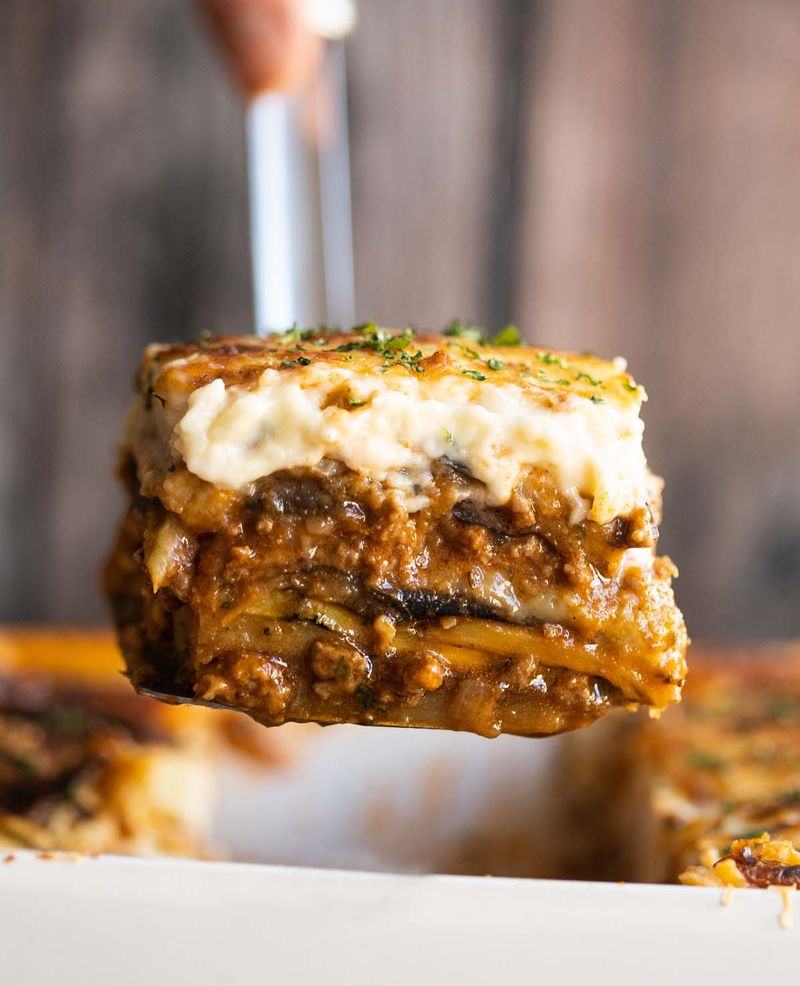
Greece's answer to lasagna is layered, hearty, and absolutely packed with flavor. Moussaka stacks sliced eggplant with spiced ground lamb or beef, then tops everything with a thick, creamy bechamel sauce before baking until golden.
The combination of savory meat, soft vegetables, and rich sauce creates something truly magical. Some versions also include sliced potatoes in the layers for extra heartiness.
Moussaka is a staple at Greek family gatherings and tavernas alike, and one forkful explains exactly why it has stayed popular for centuries.
6. Goulash - Hungary
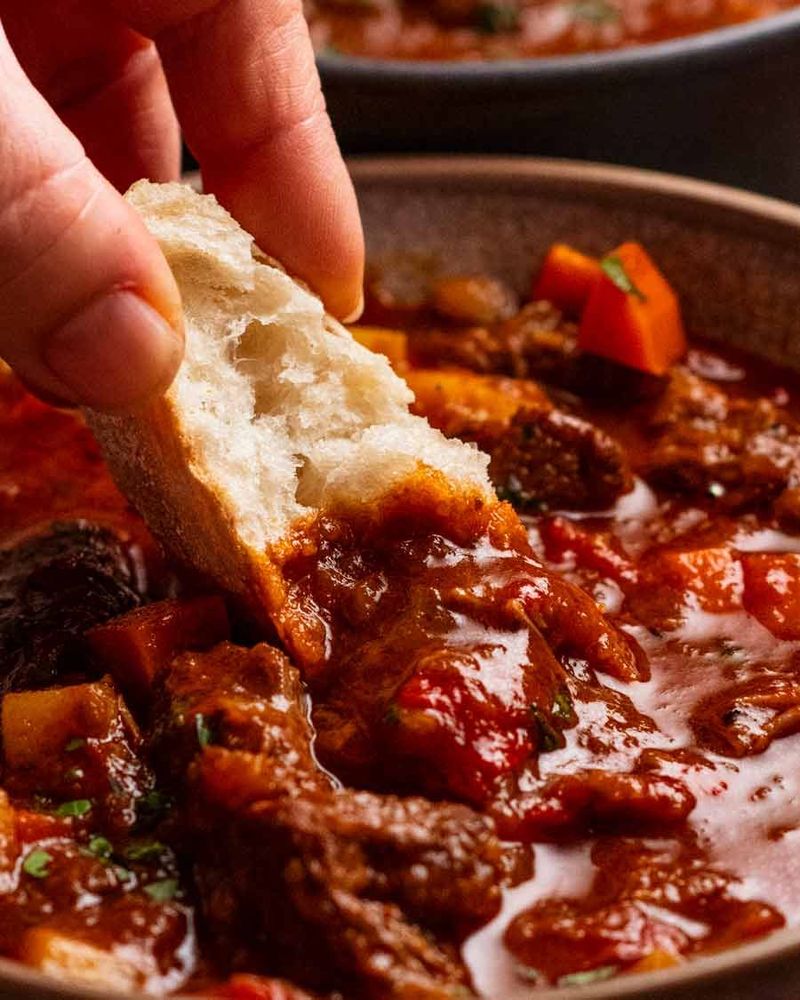
Hungarian goulash started as a simple herdsmen's meal centuries ago and grew into one of Europe's most celebrated comfort dishes. Slow-cooked beef is simmered with onions and a generous amount of sweet Hungarian paprika, creating a broth that is bold, smoky, and deeply satisfying.
Potatoes and carrots often join the pot, making it a full meal in a bowl. Hungarians take their paprika seriously, and the quality of this spice truly makes or breaks the dish.
Served with a thick slice of bread, it is pure, honest food.
7. Carbonara - Italy
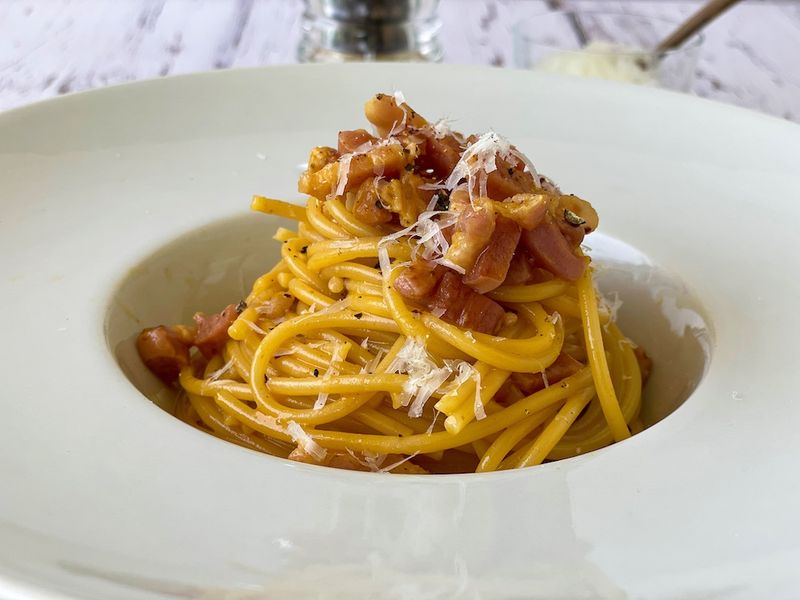
Romans will passionately tell you that real carbonara contains only four ingredients: pasta, eggs, Pecorino Romano cheese, and guanciale, which is cured pork cheek. No cream allowed, ever.
The magic happens when hot pasta is tossed with the egg and cheese mixture off the heat, creating a silky, glossy sauce that clings to every strand. Guanciale adds a salty, fatty richness that bacon simply cannot replicate.
This dish proves that sometimes the simplest combinations produce the most extraordinary results, and Rome has been proving that point for decades.
8. Smorgasbord - Sweden
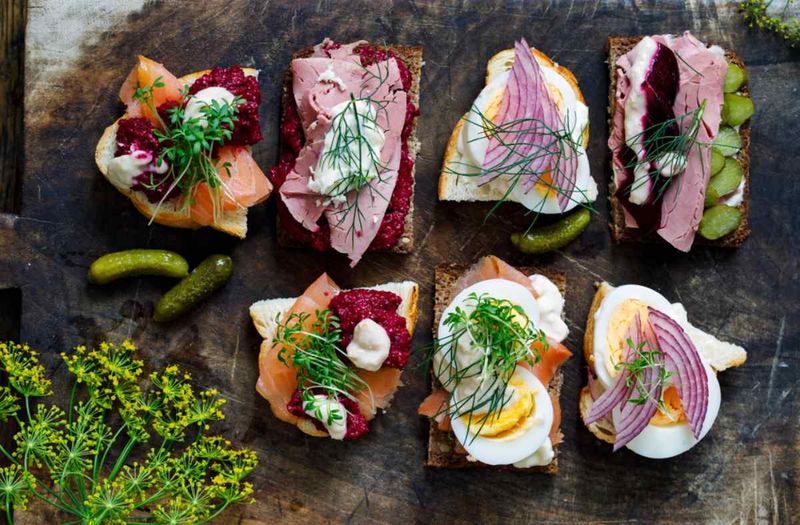
Sweden's smorgasbord is less a single dish and more of an epic culinary experience. This traditional spread features dozens of cold and hot dishes laid out buffet-style, inviting guests to pile their plates with pickled herring, gravlax, Swedish meatballs, boiled potatoes, crispbread, and much more.
The tradition dates back to the 16th century and was originally a way to feed large groups at celebrations. Eating a proper smorgasbord is a leisurely event meant to be enjoyed slowly over several hours with good company and warm conversation.
9. Caldo Verde - Portugal
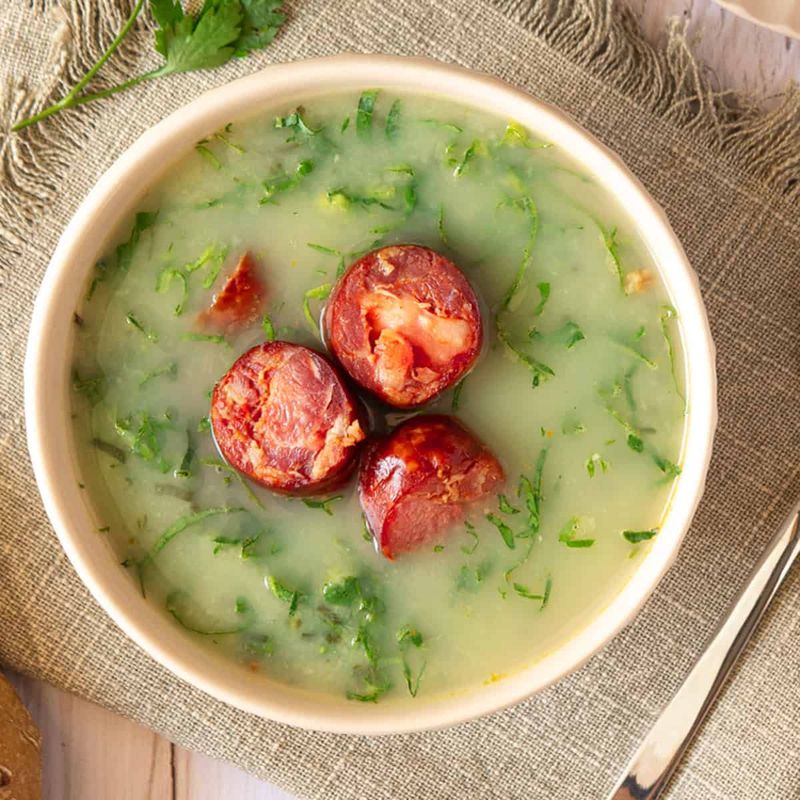
Portugal's most beloved soup is surprisingly humble but delivers enormous comfort. Caldo Verde, which translates to green broth, is made with creamy pureed potato soup swirled with finely shredded collard greens or kale and slices of smoky chourico sausage.
It is a dish deeply tied to northern Portugal, especially the Minho region, and is served at nearly every celebration from weddings to festivals. The combination of earthy greens, starchy potatoes, and spiced sausage creates a bowl that feels like a warm hug on a cold day.
10. Borscht - Ukraine
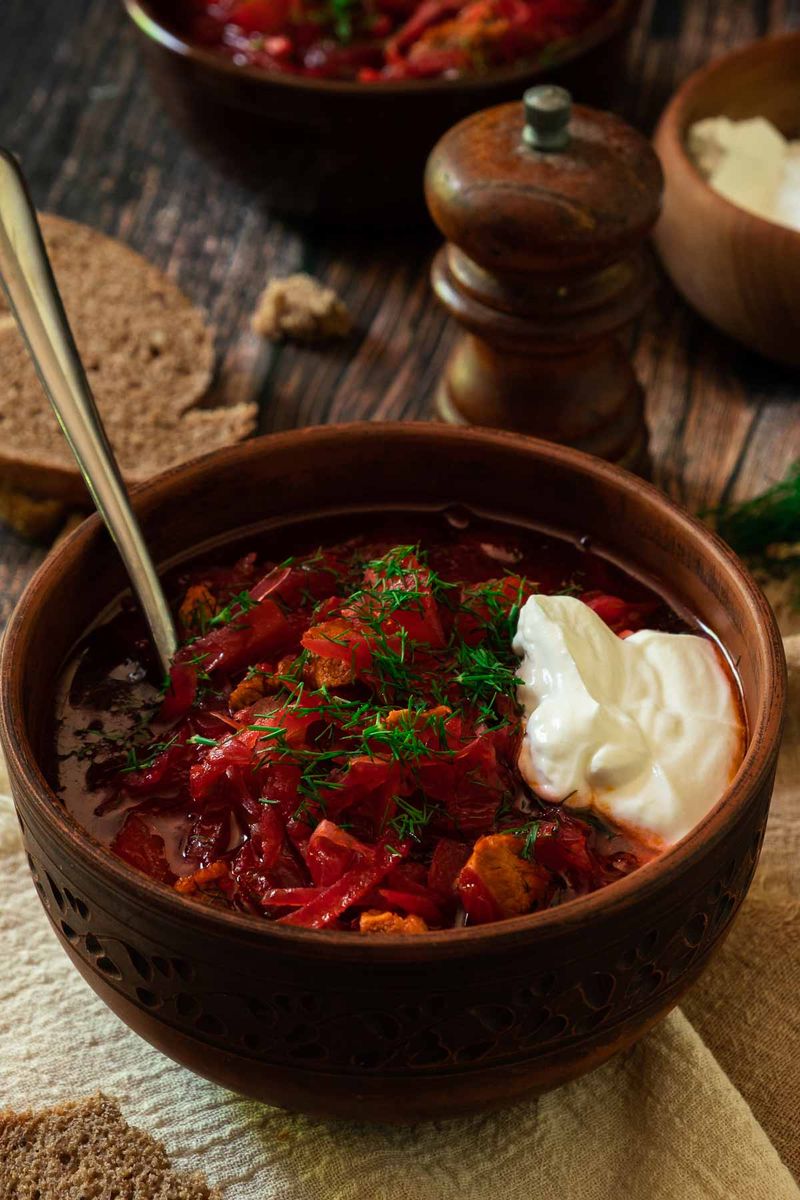
Borscht is one of Eastern Europe's most iconic soups, and Ukraine proudly claims it as a national treasure. This vibrant ruby-red soup gets its color from beets and is loaded with cabbage, carrots, potatoes, and often chunks of beef or pork.
A generous spoonful of sour cream stirred in at the table is non-negotiable for most families. UNESCO even added Ukrainian borscht to its list of intangible cultural heritage in 2022.
Every family has its own cherished recipe, and no two bowls taste exactly the same, which makes tasting them endlessly interesting.
11. Fondue - Switzerland
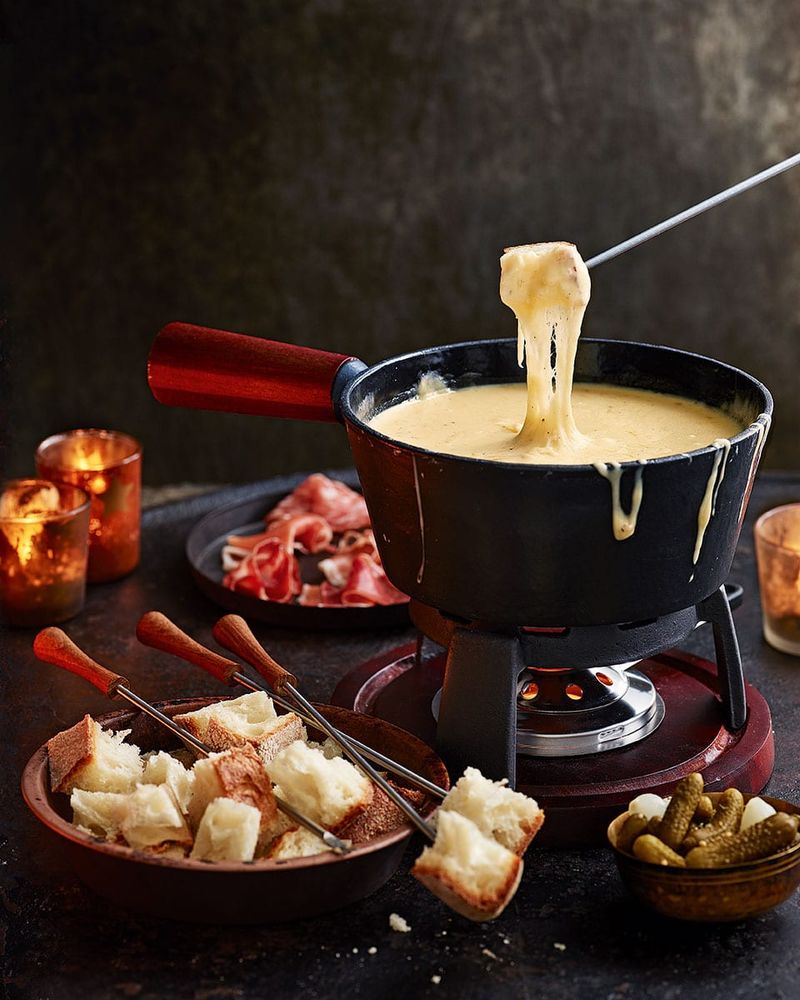
Nothing brings a group of people together quite like gathering around a bubbling pot of melted cheese. Swiss fondue is made by melting Gruyere and Emmental cheese together with white wine and a splash of kirsch, a cherry brandy, until smooth and irresistibly gooey.
Bread cubes on long forks are dipped in and twirled to coat them in the rich cheese mixture. Fondue originated in the Swiss Alps as a way for mountain communities to use aged cheese and stale bread during winter.
It is interactive, delicious, and undeniably fun.
12. Haggis - Scotland
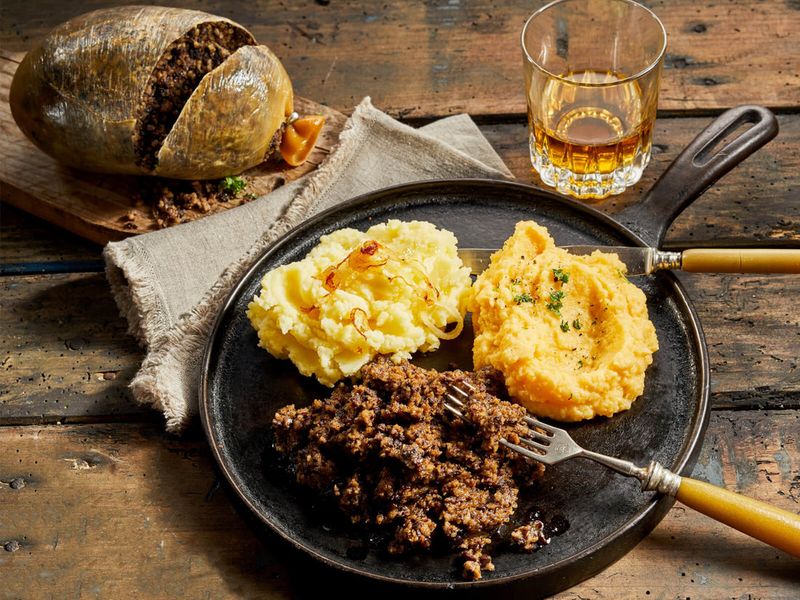
Scotland's national dish has a reputation that scares people off before they even try it, which is a real shame. Haggis is made from sheep's offal, which includes heart, liver, and lungs, mixed with oatmeal, onions, suet, and spices, then traditionally cooked inside a sheep's stomach.
Modern versions often skip the stomach and use a casing instead. The flavor is nutty, peppery, and savory in the best possible way.
Served alongside neeps and tatties, meaning turnip and potato mash, it is a hearty Scottish meal that deserves a fair chance.
13. Cevapcici - Bosnia and Herzegovina
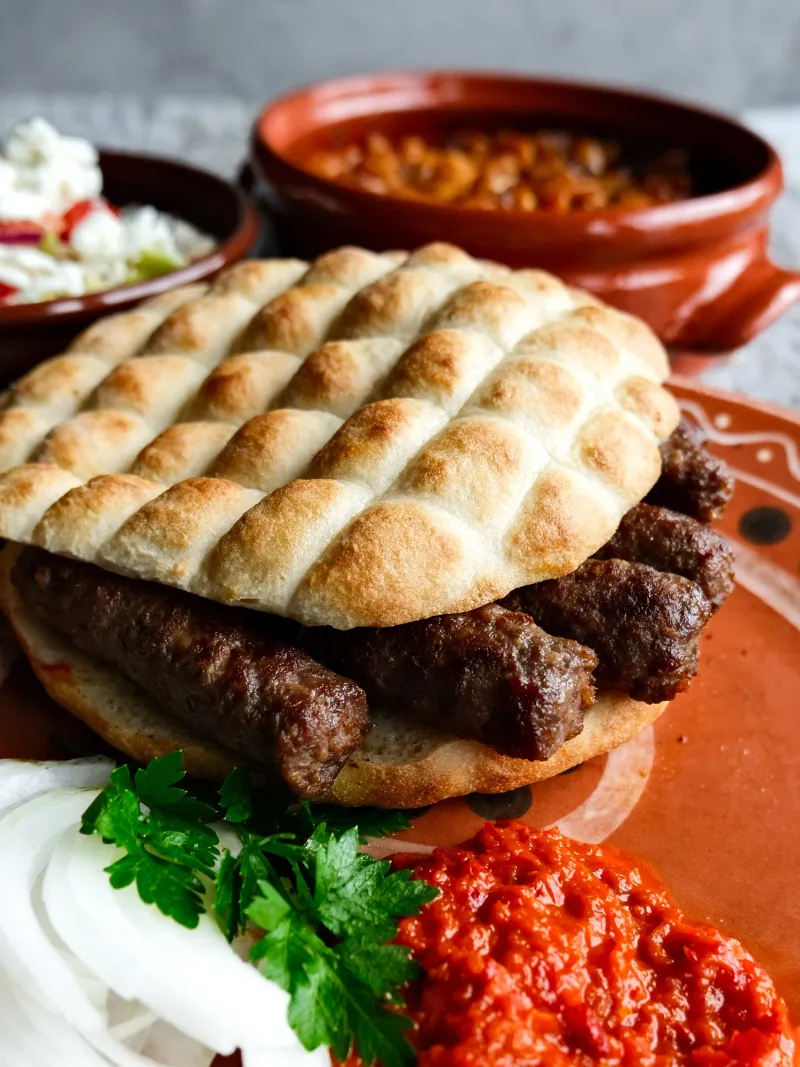
Small but mighty, cevapcici are finger-shaped grilled sausages made from a mixture of minced beef, lamb, and pork seasoned with garlic and spices. They are a beloved street food and restaurant staple across the Balkans, but Bosnia claims them with particular pride.
Traditionally served with somun flatbread, raw diced onions, and a smoky red pepper relish called ajvar, this meal is straightforward and deeply satisfying. The charred, juicy sausages paired with the fresh onion bite and tangy ajvar create a flavor combination that keeps people coming back again and again.
14. Stamppot - Netherlands

Dutch winters call for something warm, filling, and utterly unpretentious, and stamppot delivers exactly that. This classic dish mashes potatoes together with vegetables like kale, sauerkraut, or endive, then tops it all with a smoked rookworst sausage and a generous pat of butter.
It is the kind of food Dutch grandmothers have been making for generations, and it never goes out of style. The earthy greens mixed into the creamy potato base create a balanced, nourishing meal that proves simple food done right is always satisfying.
15. Rendang-Inspired Beef Stew - Kosovo
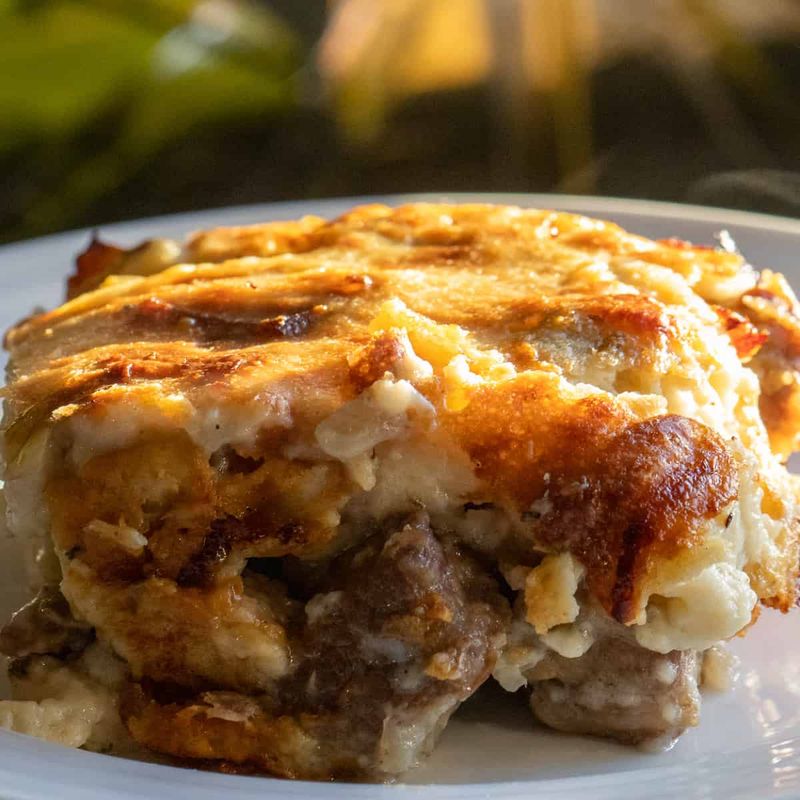
Kosovo's most celebrated dish, Tavë Kosi, is a slow-baked casserole that layers tender lamb or beef with rice, then covers everything in a thick, tangy yogurt and egg custard before baking until golden. The result is creamy, rich, and wonderfully aromatic from herbs like oregano.
This dish has roots stretching back through Ottoman culinary influence, and it remains a proud symbol of Kosovar identity today. It is most commonly served at family celebrations and Sunday lunches, where the whole household gathers around the table to share a proper meal together.
16. Pljeskavica - Serbia
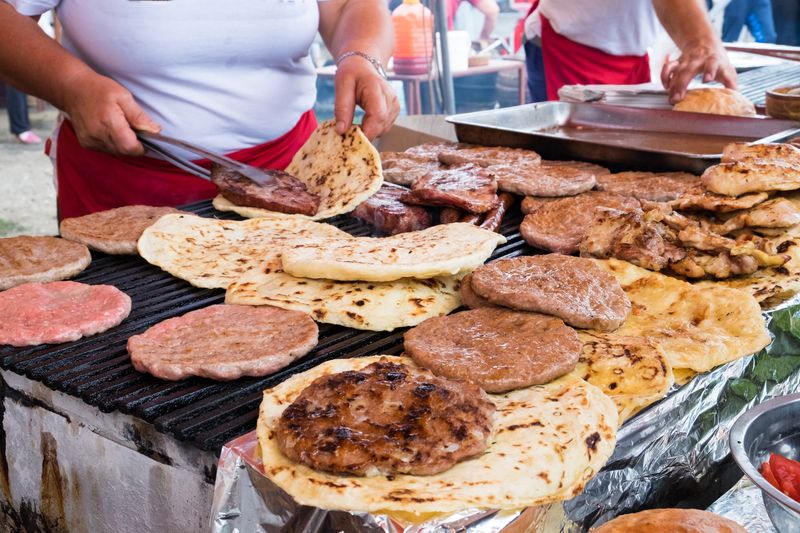
Serbia's answer to the burger is bigger, spicier, and arguably more exciting than anything you will find at a fast food chain. Pljeskavica is a wide, flat patty made from a blend of beef, pork, and lamb, seasoned with onion, paprika, and garlic, then grilled over charcoal.
The stuffed version, called punjana pljeskavica, hides a molten cheese center that oozes out with every bite. Served in soft flatbread with kajmak, a rich creamy dairy spread, and fresh vegetables, it is a street food experience that genuinely rivals anything in Europe.
17. Knodel - Germany
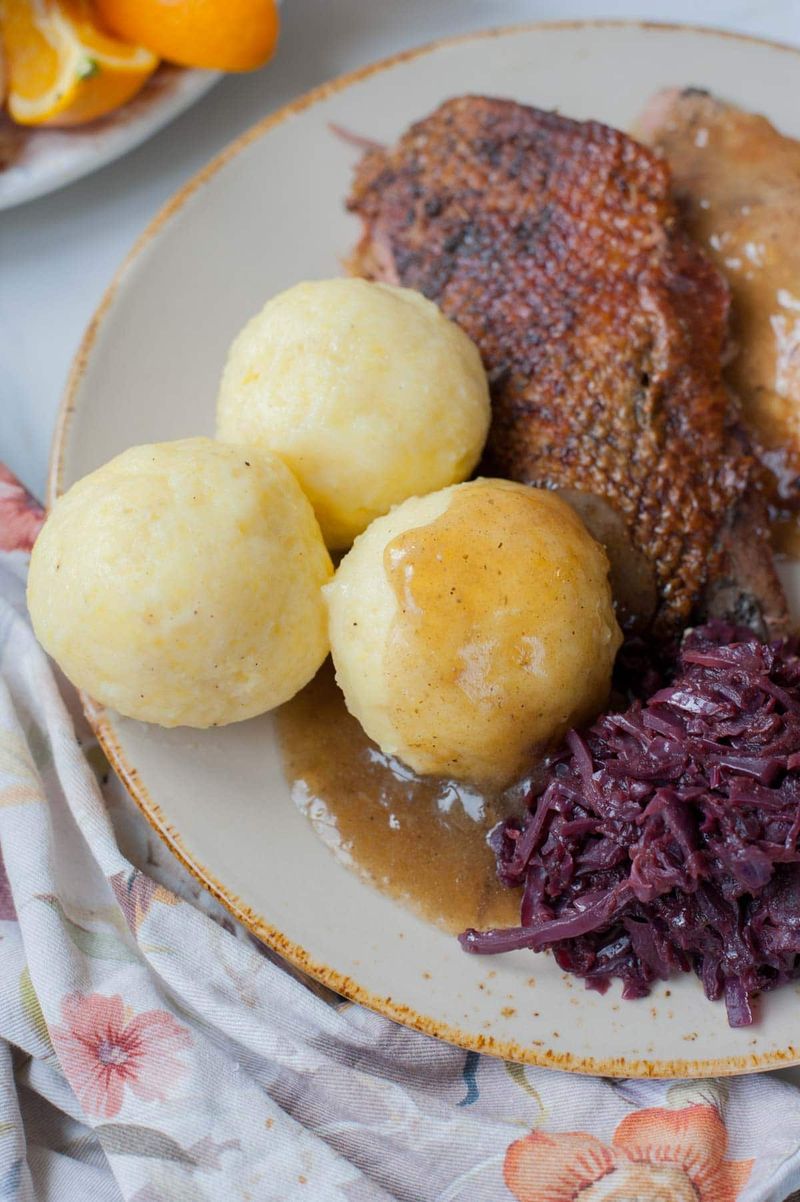
Bavaria's beloved knodel, also spelled knoedel, are large round dumplings that show up at nearly every traditional German meal. Bread knodel are made from stale bread, eggs, and milk, while potato knodel use mashed or raw grated potatoes for a denser, silkier texture.
Both versions are steamed or boiled and served alongside roast pork, duck, or venison with rich gravy poured generously over the top. Their satisfying chewiness soaks up sauces beautifully.
If you ever visit Bavaria during Oktoberfest, knodel are an essential part of the full, authentic experience.
18. Pastel de Nata - Portugal
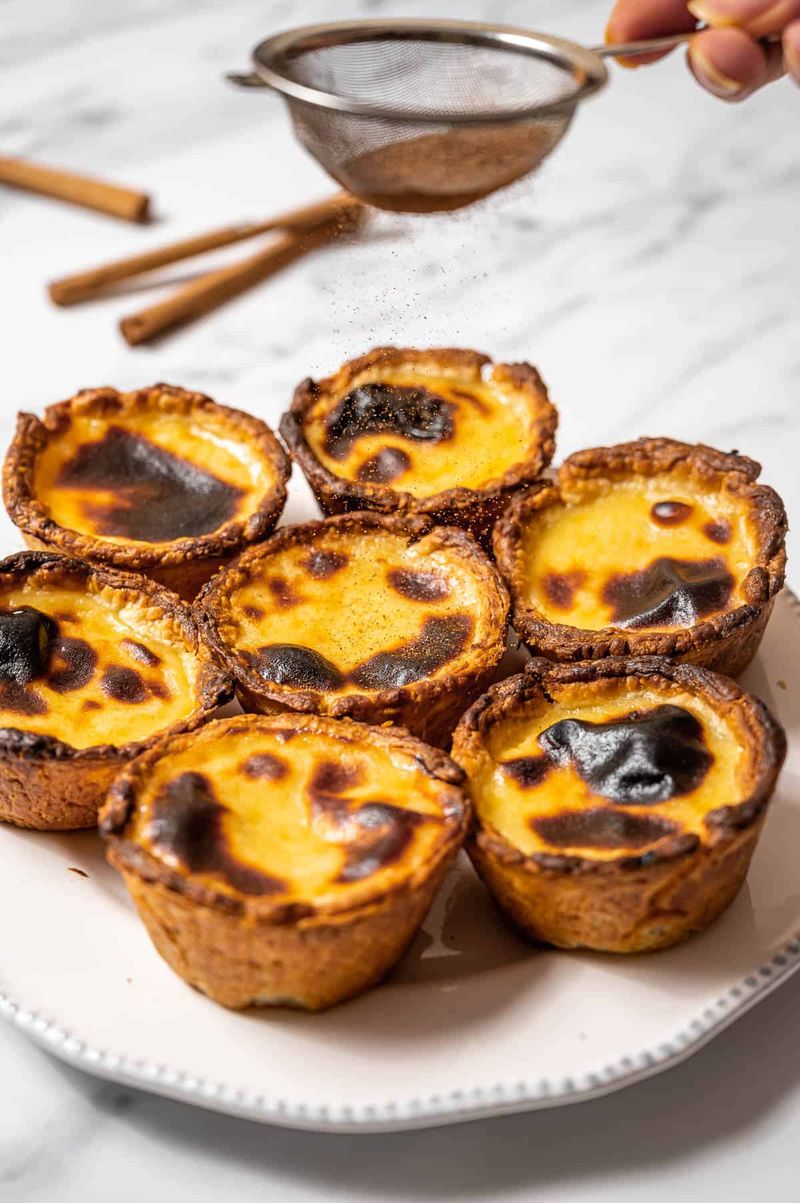
Monks at the Jeronimos Monastery in Lisbon created these flaky, creamy custard tarts in the early 1800s as a way to use leftover egg yolks. Today, pastel de nata are Portugal's most iconic sweet treat and one of the most beloved pastries in all of Europe.
The buttery, shatteringly crisp pastry shell holds a silky custard that gets beautifully caramelized dark spots on top from a very hot oven. Dusted with cinnamon and powdered sugar, eaten fresh and warm, they are absolutely irresistible and nearly impossible to stop at just one.
19. Ratatouille - France
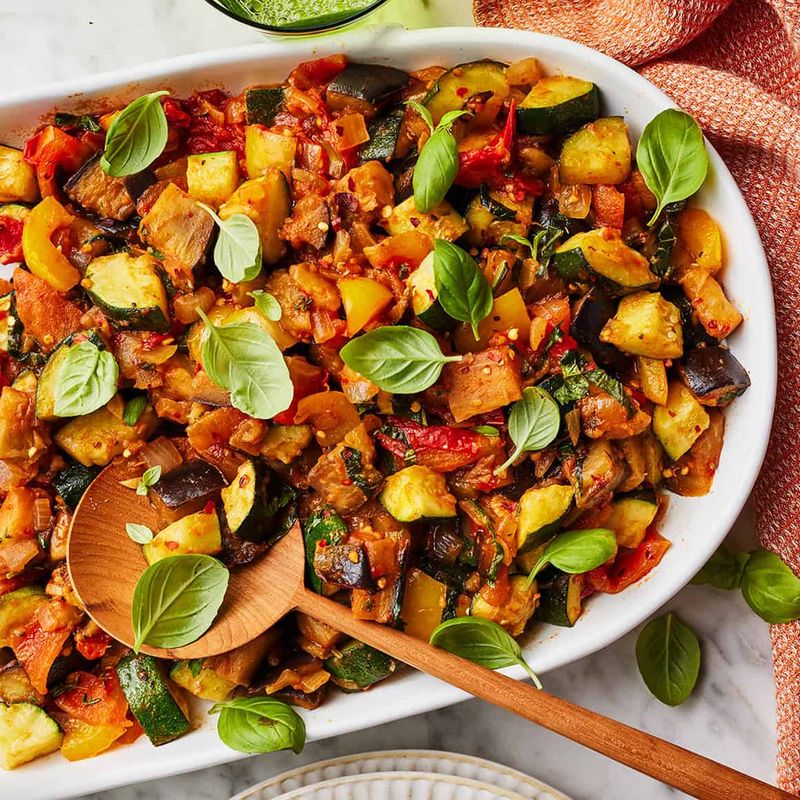
Long before a cartoon rat made it famous, ratatouille was a humble Provencal vegetable stew from the south of France. Zucchini, eggplant, bell peppers, tomatoes, and onions are slowly cooked together with olive oil, garlic, and fragrant herbs like thyme and basil.
The modern tian-style version arranges the vegetables in overlapping circles for a stunning presentation, but the rustic stewed version is equally delicious. Ratatouille celebrates summer vegetables at their peak and proves that plant-based cooking can be just as satisfying and colorful as any meat dish on the table.
20. Surströmming - Sweden
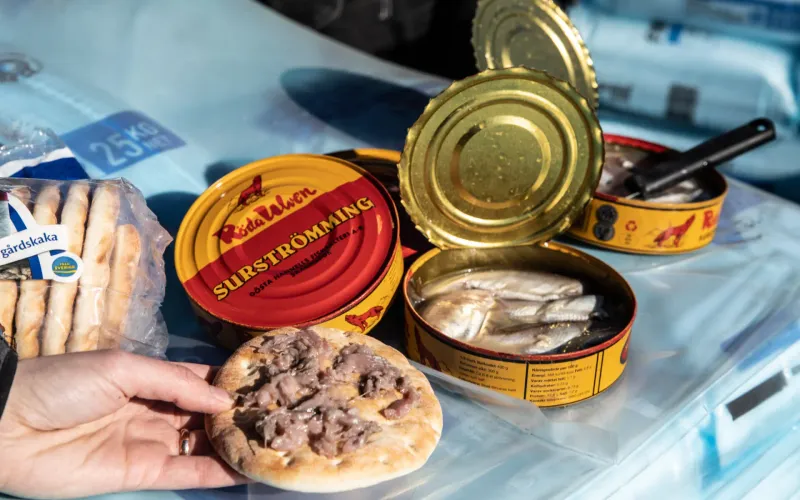
Sweden's most notorious food is not for the faint-hearted, and its reputation precedes it by miles. Surströmming is fermented Baltic herring that has been left to ripen in cans for months, developing an extraordinarily pungent smell that has been compared to the worst odor imaginable.
Swedes traditionally open the cans outdoors to avoid complaints from neighbors, and airlines have banned them from flights. Yet devoted fans insist the taste, served on crispbread with potatoes and onion, is mild and pleasantly sour.
It is a true test of culinary courage worth accepting at least once.
21. Trdelnik - Czech Republic
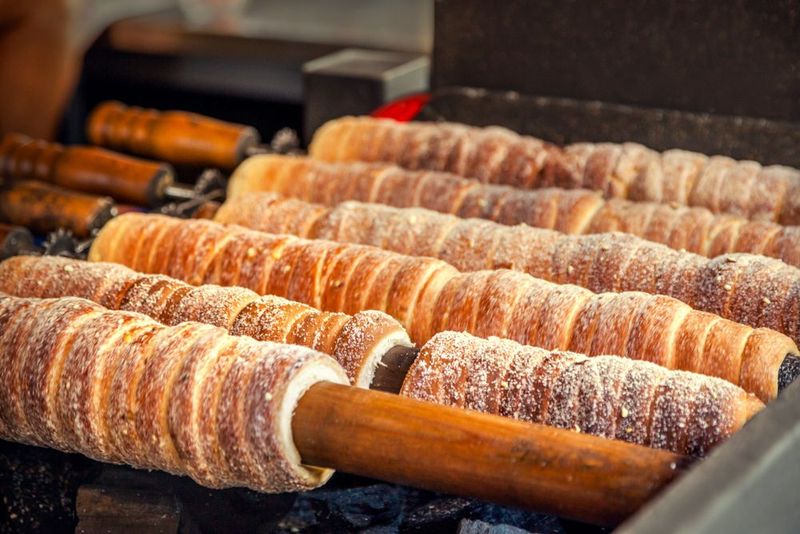
Walking through Prague's cobblestone streets on a cold day and spotting a trdelnik vendor is one of life's simple joys. This cylindrical pastry is made by wrapping sweet dough around a wooden spit, then grilling it over charcoal while rolling it in cinnamon sugar and crushed walnuts.
The outside caramelizes into a crispy, fragrant shell while the inside stays soft and doughy. Modern versions are filled with ice cream or Nutella, making them even more indulgent.
Whether plain or loaded, trdelnik is the perfect handheld treat for exploring European Christmas markets in winter.
22. Spanakopita - Greece
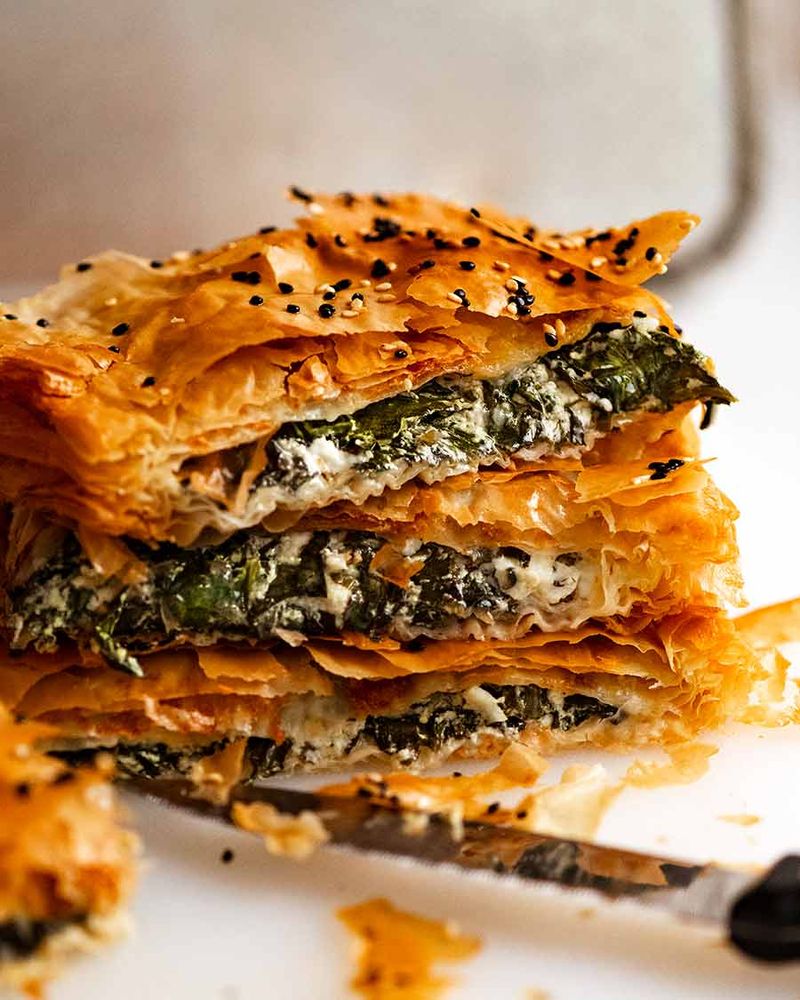
Greece's famous spinach and feta pie has been satisfying hunger for centuries, and for very good reason. Spanakopita layers buttered sheets of paper-thin phyllo pastry around a savory filling of wilted spinach, crumbled feta cheese, eggs, and fresh herbs like dill and scallions.
When baked, the phyllo turns shatteringly crisp and golden while the filling stays moist and rich. It can be made as a large tray-baked pie or folded into individual triangles perfect for snacking.
Either way, the contrast between the flaky pastry and creamy, salty filling is completely addictive and endlessly satisfying.
23. Jamon Iberico - Spain
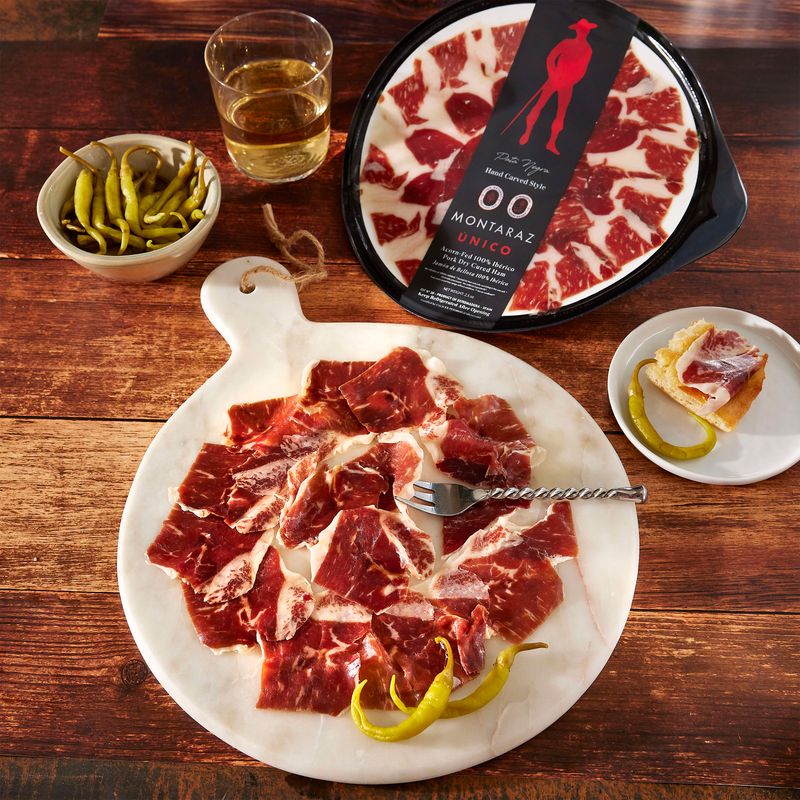
Spain produces some of the world's finest cured ham, and Jamon Iberico sits at the very top of that list. Made from black Iberian pigs that roam freely through oak forests eating acorns, this ham develops an incredibly complex, nutty, and silky flavor during its long curing process.
The best grade, called Jamon Iberico de Bellota, can be cured for up to four years. Sliced paper-thin and served at room temperature, it practically melts on your tongue.
Paired with manchego cheese and a glass of Spanish wine, it is an effortlessly elegant eating experience.
24. Zuurkoolstamppot - Belgium
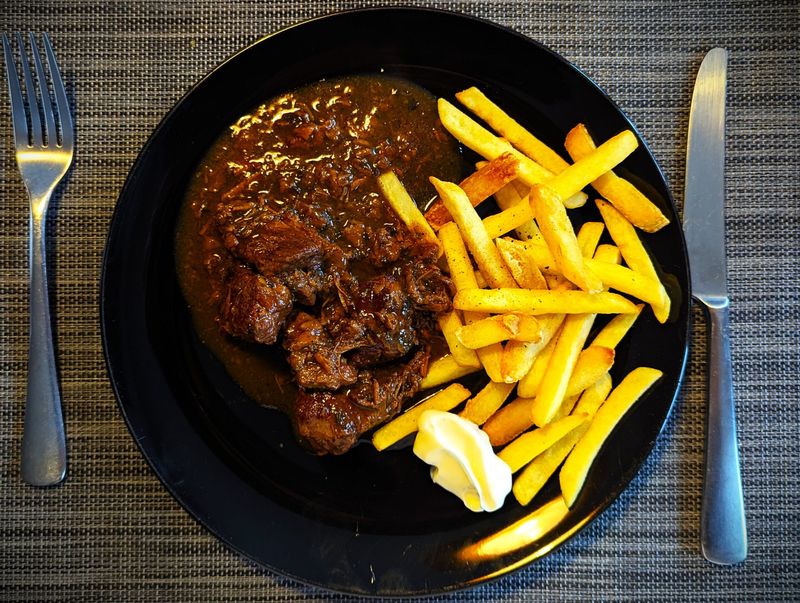
Belgium's stoofvlees, also called carbonnade flamande, is a slow-braised beef stew that uses dark Belgian ale as its cooking liquid, giving the sauce a beautifully bitter, malty depth that wine-based stews simply cannot match. Onions caramelize slowly alongside the beef, adding sweetness that balances the beer's bitterness.
A slice of mustard-spread bread is often placed on top while it cooks, thickening the sauce naturally. Belgians traditionally serve it over crispy thick-cut fries with a generous spoonful of mayonnaise on the side.
It is gloriously unpretentious, deeply flavorful, and a true Belgian comfort food masterpiece.
25. Kleftiko - Cyprus
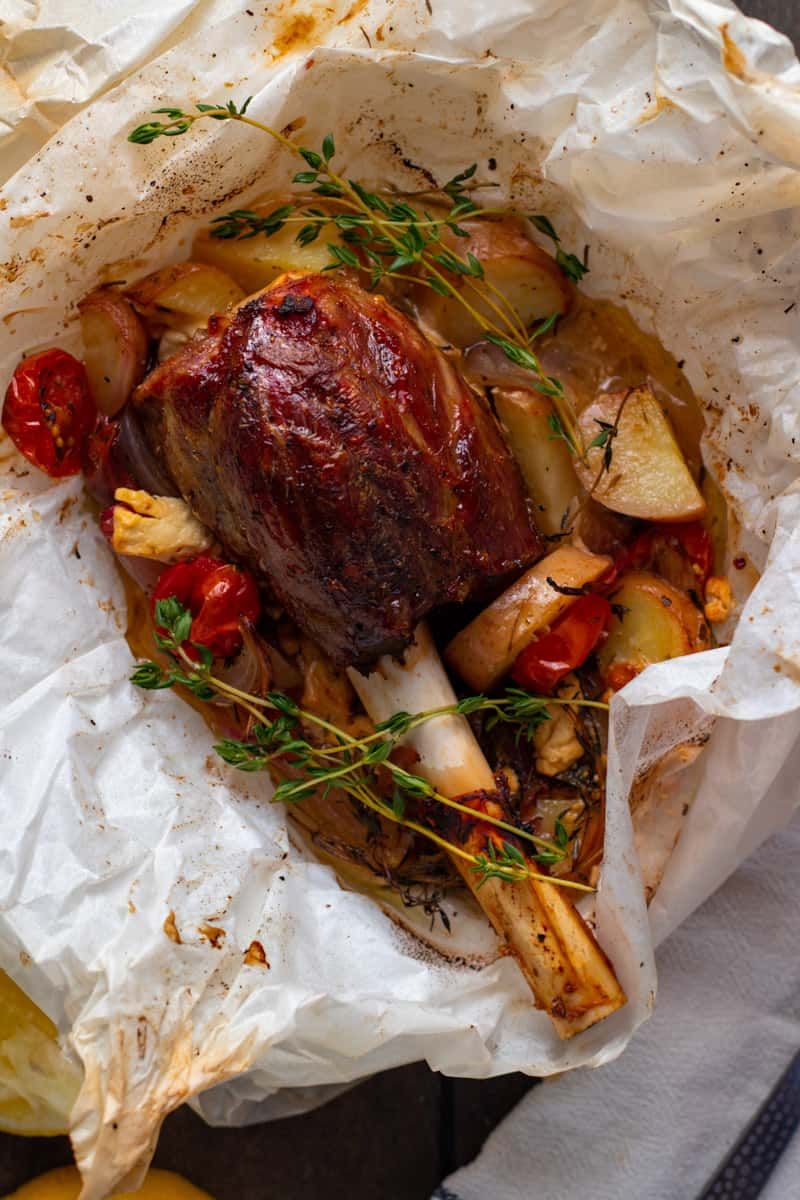
Legend says that kleftiko gets its name from Greek bandits called kleftes who would steal a lamb, seal it in a pit with hot coals, and slow-cook it underground to hide the smoke from authorities. Whether or not the story is true, the cooking method produces absolutely magnificent results.
Lamb is marinated with lemon juice, garlic, oregano, and olive oil, then sealed tightly in parchment paper and slow-roasted for hours until the meat falls off the bone in tender, fragrant shreds. Every bite carries the bright Mediterranean flavors that make Cypriot cooking so wonderfully distinct.

Comments
No Comments