













Most of us grab the same foods week after week without thinking twice about what vitamins we might be missing. But there are some incredibly nutritious foods out there that rarely make it onto our plates, even though they pack a serious health punch.
From leafy greens to unusual fruits, these foods are loaded with vitamins your body truly needs. Here are 19 underrated, vitamin-rich foods worth adding to your diet.
1. Dandelion Greens
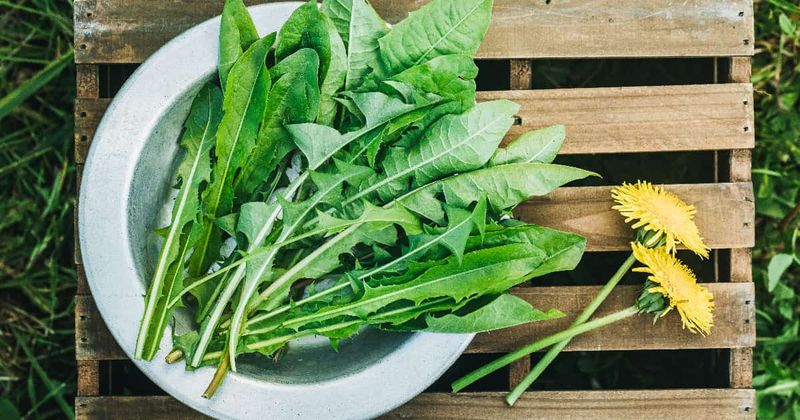
Most people yank dandelions out of their yard without realizing those bright leaves are edible gold. Dandelion greens are bursting with vitamins A, C, and K, and they also deliver a solid dose of calcium and iron.
You can toss them raw into a salad or saute them with garlic and olive oil for a quick side dish. Their slightly bitter taste pairs well with lemon juice.
Foragers and chefs alike have celebrated this humble plant for centuries.
2. Beef Liver

Beef liver might not be the first thing you reach for at the grocery store, but nutritionists often call it nature's multivitamin. A single serving delivers enormous amounts of vitamin A, B12, riboflavin, and folate.
Just three ounces covers more than your entire daily vitamin A requirement. It also supports red blood cell production and brain health.
Pan-fry it with onions and a splash of balsamic vinegar to tame its bold, earthy flavor.
3. Canned Sardines

Sardines are one of those foods that get overlooked at the supermarket, yet they are absolutely loaded with nutrients. They are an outstanding source of vitamin D and vitamin B12, two vitamins many people are deficient in.
Their omega-3 fatty acids also support heart health and brain function. Because sardines are small fish, they accumulate very little mercury compared to larger seafood options.
Mash them onto whole grain toast with mustard for a quick, satisfying snack.
4. Chard (Swiss Chard)
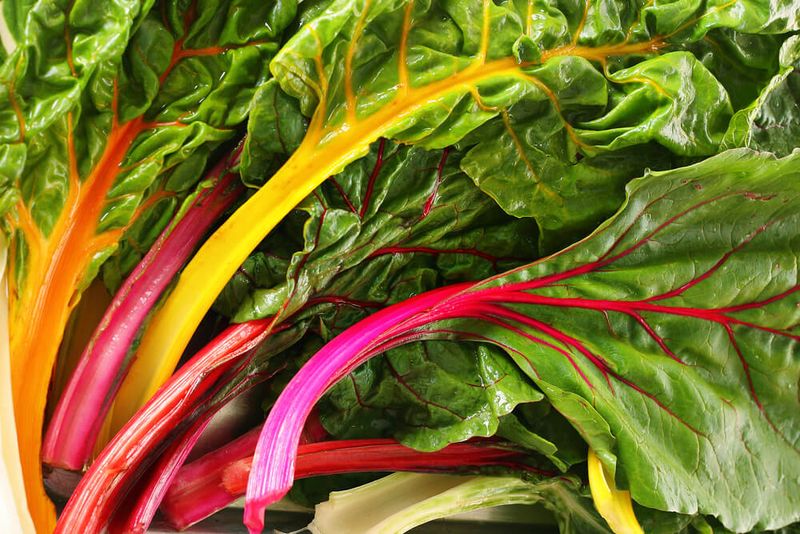
Walk past the spinach at the farmers market and pick up some Swiss chard instead. This colorful leafy green is packed with vitamins K, A, and C, plus magnesium and potassium that your muscles and nerves depend on.
The stems come in stunning shades of red, yellow, and white, making it as beautiful as it is healthy. Saute it with garlic and red pepper flakes for a simple, flavorful side.
One cup cooked provides over 700% of your daily vitamin K needs.
5. Acerola Cherries
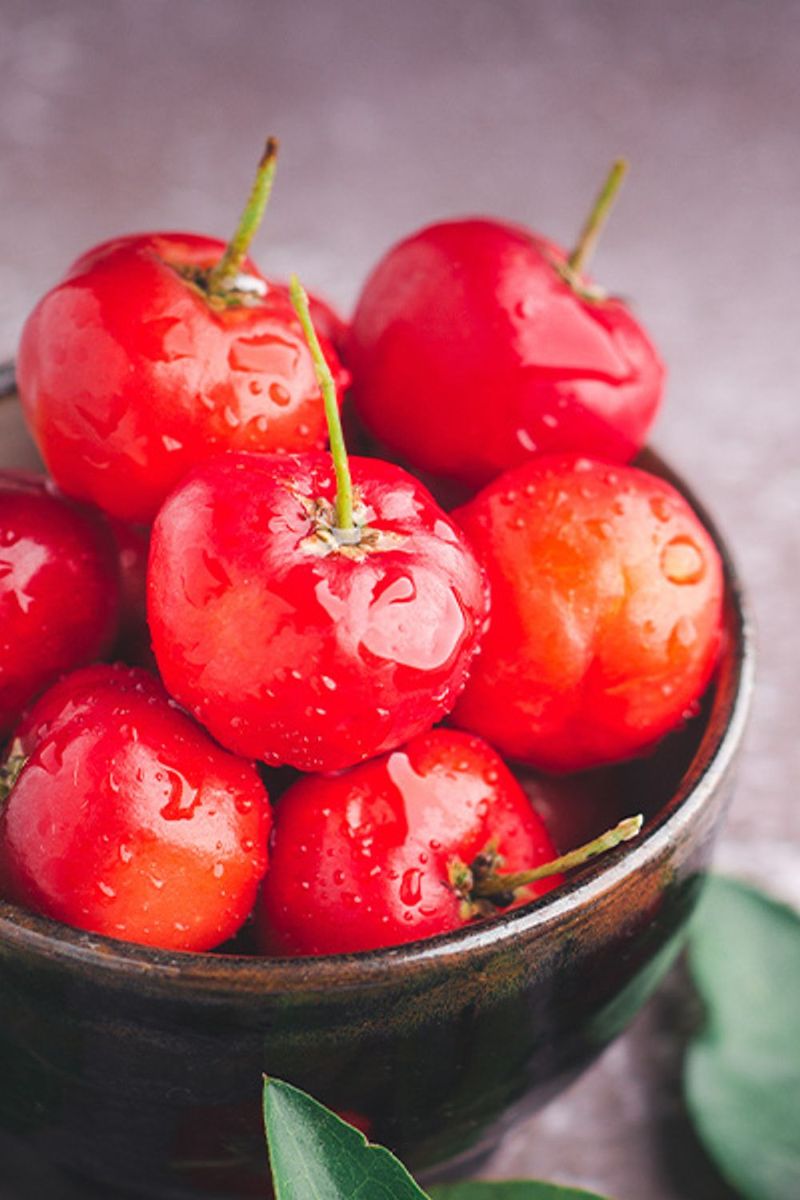
Forget oranges when it comes to vitamin C bragging rights. Acerola cherries contain up to 65 times more vitamin C per serving than a standard orange, making them one of the most potent sources of this antioxidant on Earth.
They are popular in tropical regions like Brazil and the Caribbean, where they grow on small shrubs. You can find them in powder or supplement form at health food stores.
Their tart, tangy flavor makes them perfect blended into smoothies.
6. Sunflower Seeds
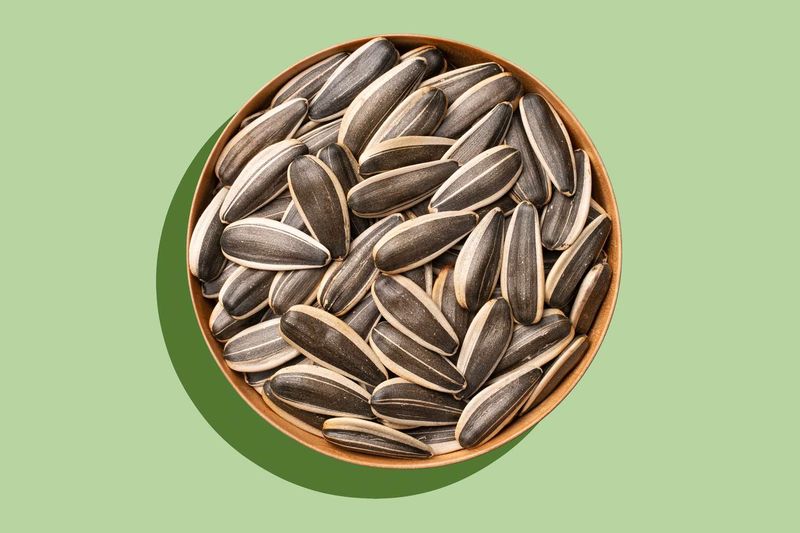
Sunflower seeds are the kind of snack that looks simple but quietly delivers impressive nutrition. They are one of the best plant-based sources of vitamin E, a fat-soluble antioxidant that protects your cells from damage and supports immune function.
A small one-ounce handful covers nearly 50% of your daily vitamin E needs. Sprinkle them over yogurt, salads, or oatmeal for an easy crunch upgrade.
Their mild, nutty taste makes them one of the most versatile seeds in your pantry.
7. Mung Bean Sprouts
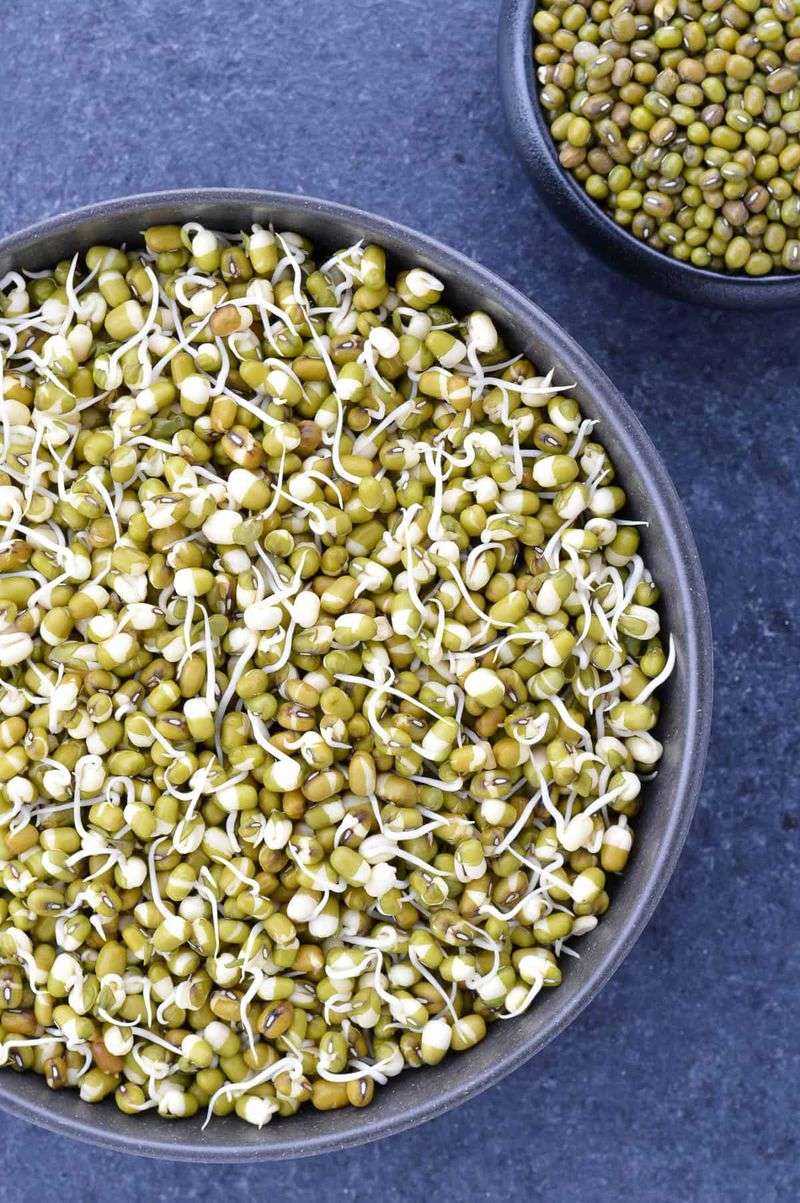
Sprouting transforms a humble little bean into a nutritional powerhouse. Mung bean sprouts are rich in vitamins C and K, and the sprouting process actually increases their vitamin content compared to the unsprouted seed.
They are crisp, refreshing, and incredibly easy to grow at home with just a jar and some water. Add them to stir-fries, sandwiches, or spring rolls for a fresh crunch.
They are also very low in calories, making them a smart addition to almost any meal.
8. Butternut Squash
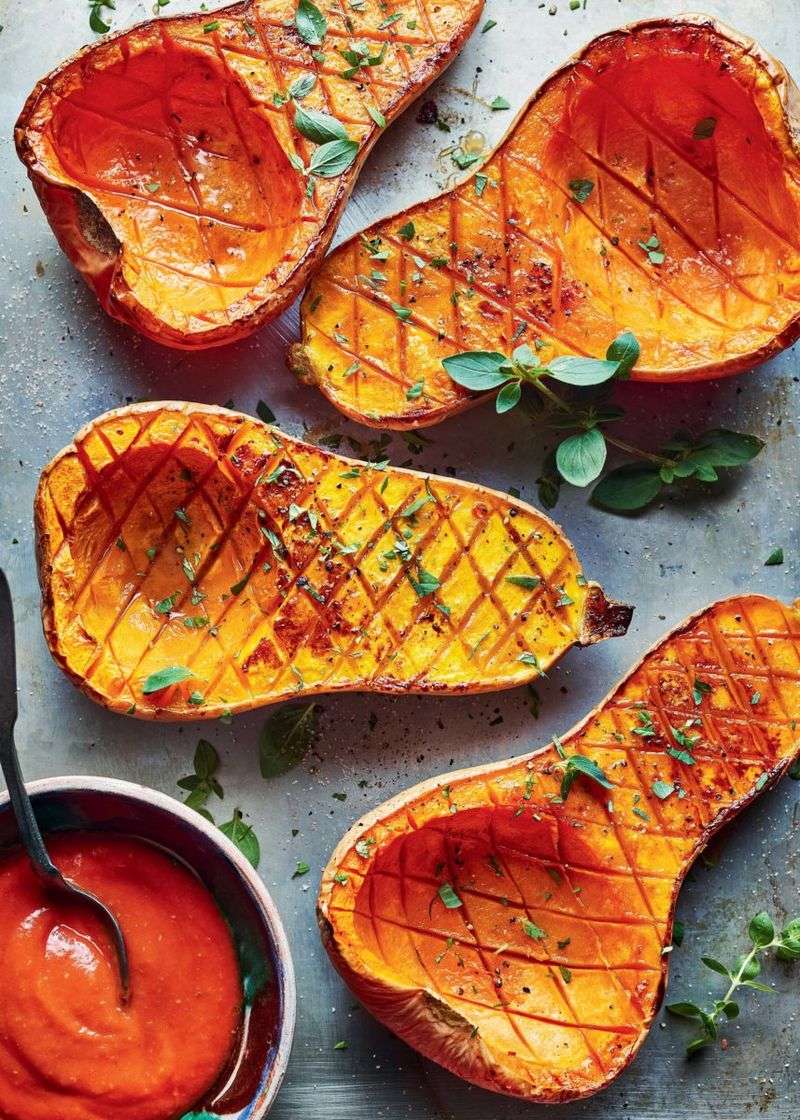
That golden-orange flesh inside a butternut squash is your first clue that something nutritionally special is going on. The deep color signals high levels of beta-carotene, which your body converts into vitamin A to support eye health and immunity.
One cup of cooked butternut squash delivers about 80% of your recommended daily vitamin A. It also contains meaningful amounts of vitamin C and vitamin E.
Roast it with a drizzle of olive oil and a pinch of cinnamon for a cozy, healthy side dish.
9. Nutritional Yeast
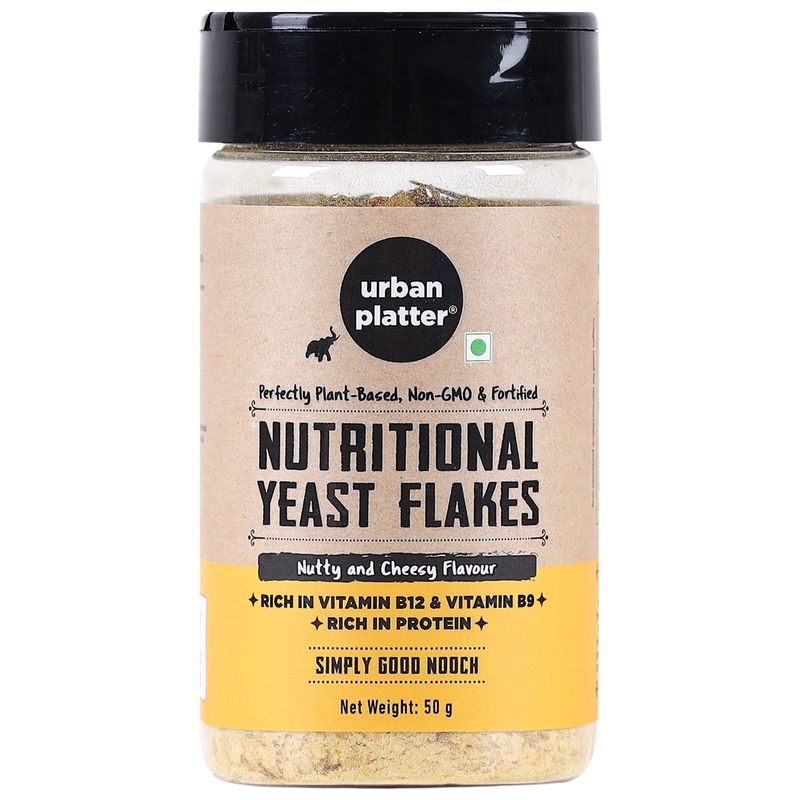
Nutritional yeast has a devoted fan base in the plant-based eating world, and for good reason. This cheesy-flavored, flaky ingredient is one of the few non-animal sources of vitamin B12, a nutrient critical for nerve health and energy production.
Many brands are also fortified with additional B vitamins, making it a nutritional triple threat. Sprinkle it over popcorn, pasta, or roasted vegetables for a savory, umami-rich boost.
Just two tablespoons can meet your entire daily B12 requirement with ease.
10. Purslane
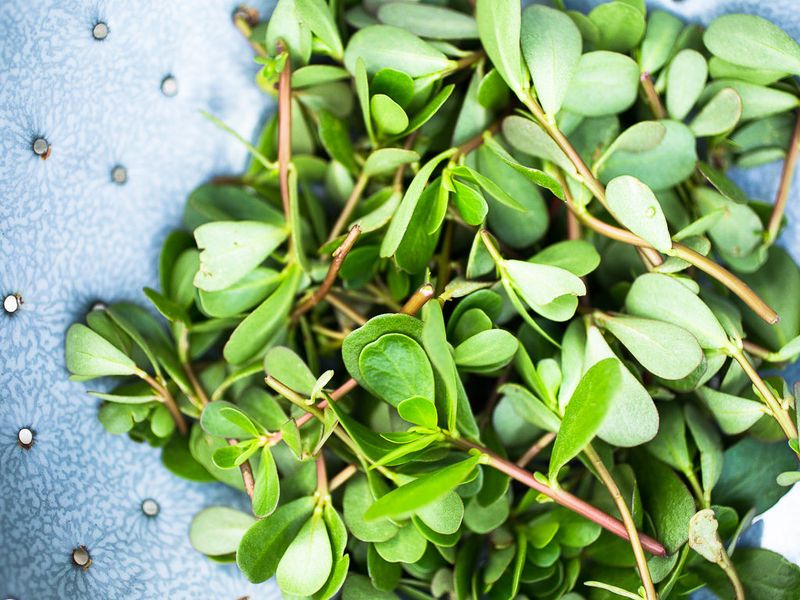
Purslane grows as a common weed in many gardens, yet most people mow right over it without a second thought. This overlooked succulent is the richest plant-based source of omega-3 fatty acids and also delivers impressive levels of vitamins A, C, and E.
Its slightly tangy, lemony taste works surprisingly well in salads, soups, and stir-fries. Ancient Greeks and Romans prized it as a medicinal herb.
Next time you spot it growing in your garden, consider tossing it in your salad bowl instead.
11. Clams
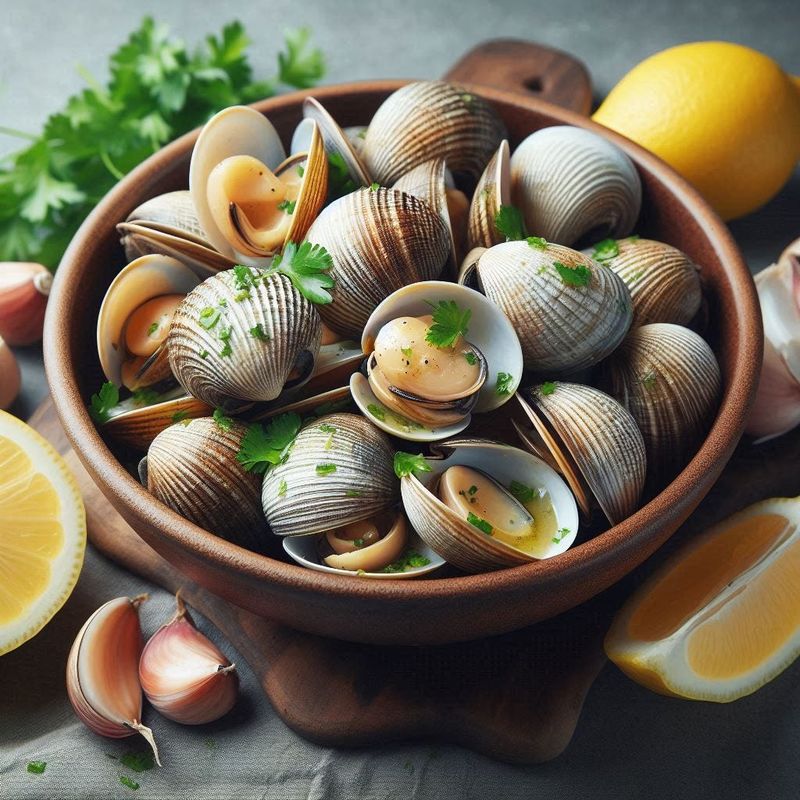
Clams hold a record that most people would never guess. Ounce for ounce, they contain more vitamin B12 than almost any other food on the planet, with a single three-ounce serving providing over 1,400% of the daily recommended value.
They are also high in iron, zinc, and lean protein, making them a seriously well-rounded seafood choice. Steam them with white wine and garlic for a classic preparation that lets their natural briny sweetness shine.
Canned clams work just as well in chowders and pasta dishes.
12. Moringa Leaves
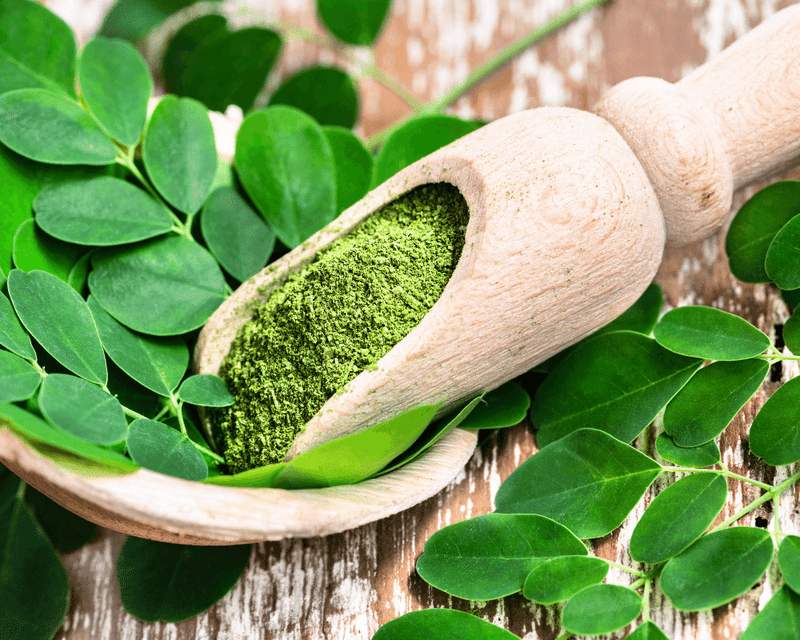
Called the miracle tree in many parts of Asia and Africa, moringa has been used as both food and medicine for thousands of years. Its leaves contain vitamins A, C, and E, along with calcium, potassium, and protein in surprisingly high concentrations.
Gram for gram, moringa leaves have more vitamin C than oranges and more calcium than milk. Dried moringa powder can be stirred into smoothies or soups without dramatically changing the flavor.
Fresh leaves can be used like spinach in cooked dishes.
13. Kiwi Fruit
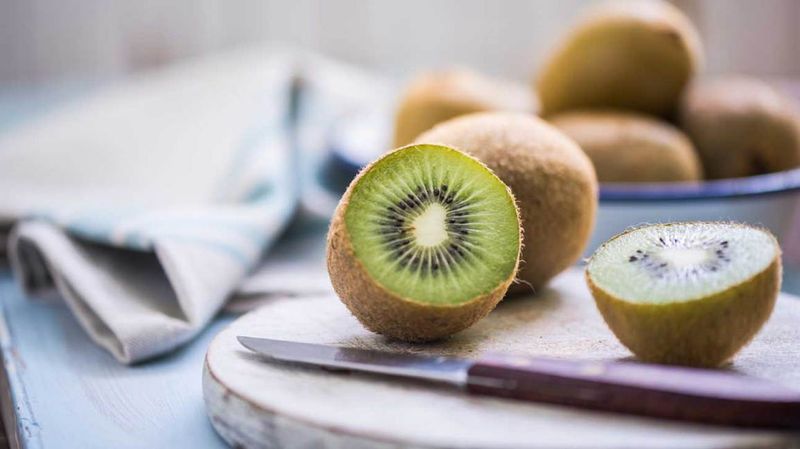
Kiwi fruit looks unassuming from the outside, but slice one open and you will find a nutrient-packed gem. A single medium kiwi contains more vitamin C than an orange, along with vitamin K, vitamin E, and folate all in one small fruit.
Research has also linked kiwi consumption to improved sleep quality, which is a surprising bonus. Eat them skin and all for an extra fiber boost.
They are sweet, tangy, and refreshing eaten straight from the fruit or blended into a tropical smoothie.
14. Pumpkin Seeds
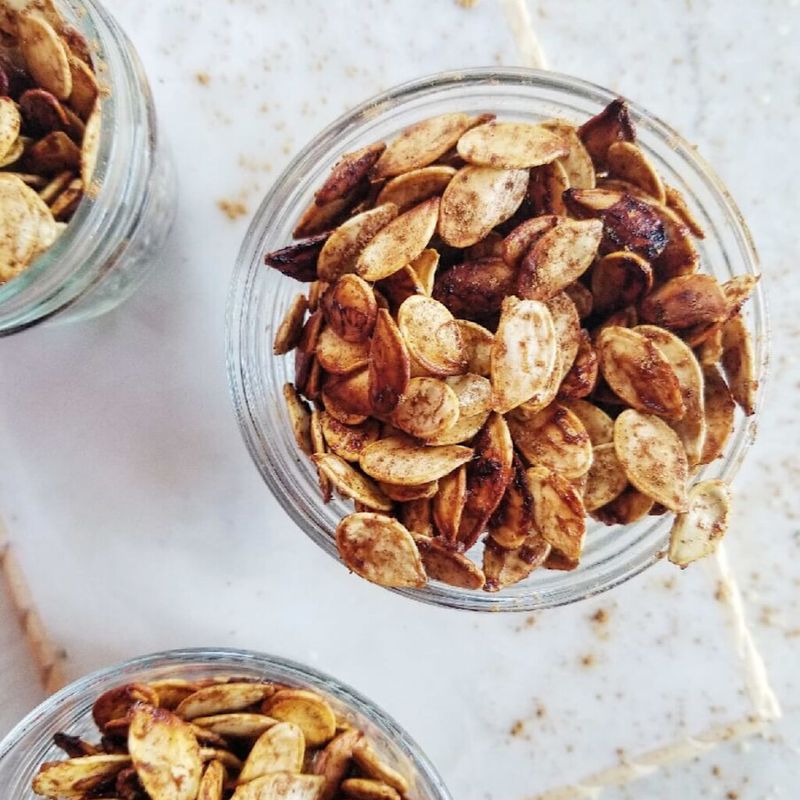
Pumpkin seeds are the kind of small snack that quietly does big nutritional work. They are one of the best dietary sources of vitamin K and also provide zinc, magnesium, and healthy fats that support bone and immune health.
Roasting them with a little sea salt brings out a warm, nutty crunch that makes them seriously hard to stop eating. Toss them over salads, soups, or granola for an easy nutrient upgrade.
A small handful goes a long way toward filling nutritional gaps in your daily diet.
15. Lamb's Quarters

Lamb's quarters might sound like something from a fairy tale, but this wild green is one of the most nutritious leafy plants you can eat. It is rich in vitamins A, C, and K, and historically it was a staple food for many indigenous communities across North America.
Its powdery, silver-dusted leaves have a mild spinach-like flavor that works well in soups, stir-fries, or raw salads. It grows abundantly in disturbed soils and is easy to forage.
Always wash wild plants thoroughly before eating them.
16. Red Bell Peppers
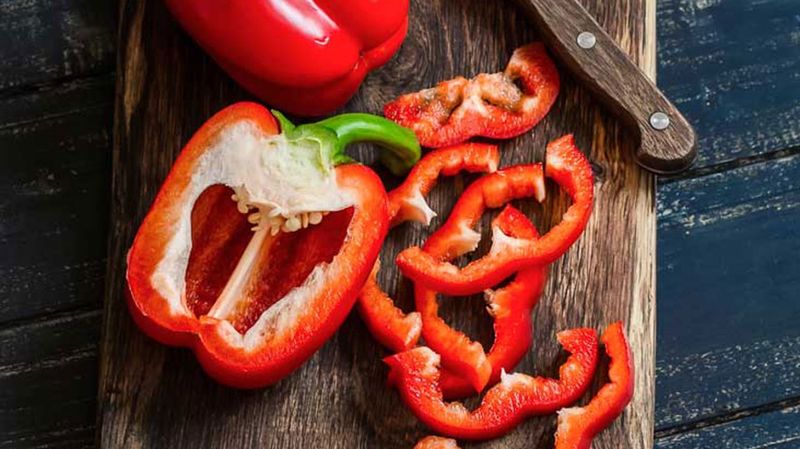
Here is a fun fact that surprises most people: red bell peppers contain nearly three times more vitamin C than oranges do. One medium red bell pepper delivers about 150% of your daily vitamin C, plus a solid amount of vitamin A and B6.
They are also loaded with antioxidants called carotenoids, which give them their vivid scarlet color. Slice them raw for dipping, roast them for sweetness, or toss them into stir-fries.
Their natural sweetness makes them one of the easiest healthy foods to actually enjoy eating.
17. Dulse (Sea Vegetable)
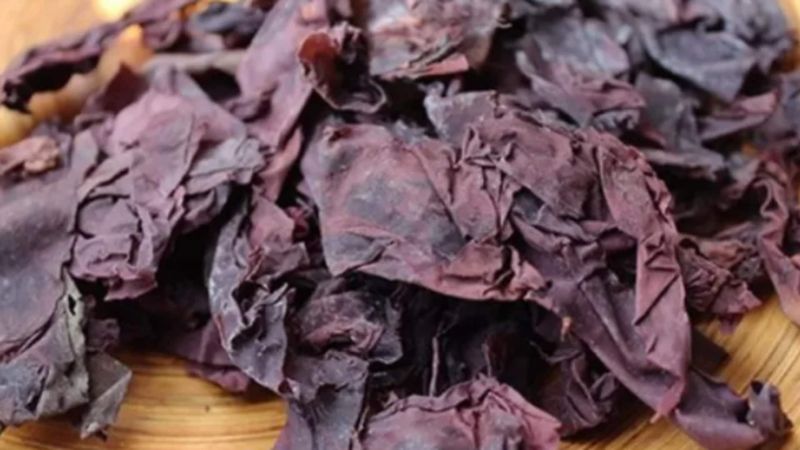
Dulse is a red seaweed that has been harvested along the coasts of Ireland and Atlantic Canada for over a thousand years. It is one of the few plant-based foods that naturally contains vitamin B12, and it also provides iodine, potassium, and vitamins A and C.
When pan-fried, dulse develops a smoky, bacon-like flavor that even skeptics tend to enjoy. You can also find it dried and flaked as a seasoning for soups and salads.
Its oceanic umami punch makes it a standout ingredient in any kitchen.
18. Calf's Kidney

Organ meats have been enjoyed across cultures for centuries, and kidney is one of the most nutrient-dense options you can choose. Calf's kidney is exceptionally high in vitamin B12, riboflavin, and folate, all of which play key roles in energy metabolism and cell repair.
It also delivers a strong dose of vitamin A and selenium, a powerful antioxidant mineral. Its bold, earthy flavor mellows considerably when soaked in cold water before cooking.
Steak and kidney pie is a classic British dish that showcases this underrated ingredient beautifully.
19. Mustard Greens
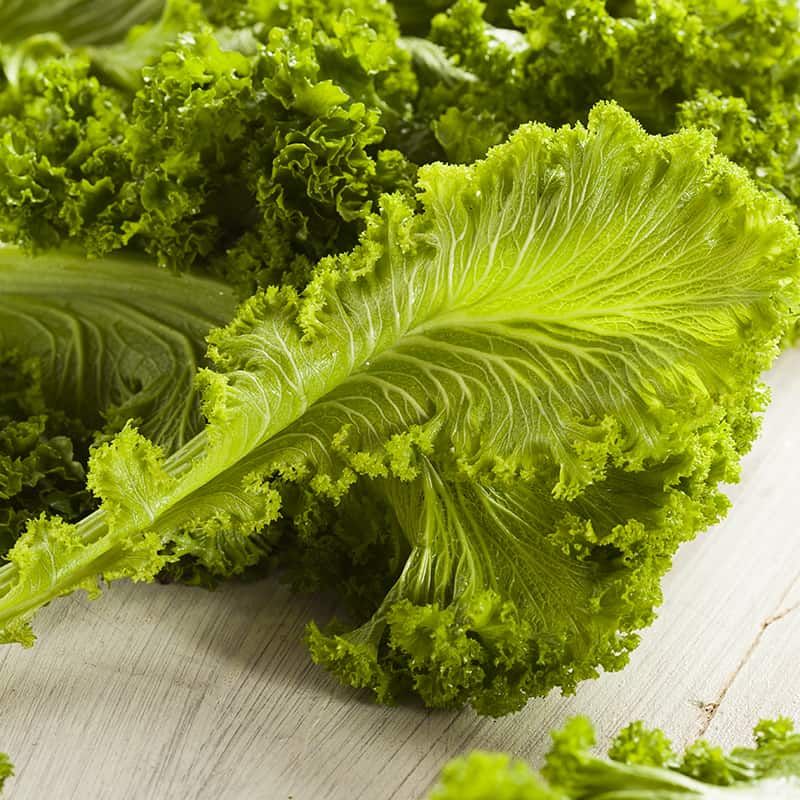
Mustard greens bring a peppery, bold kick to any dish, along with an impressive nutritional resume. They are loaded with vitamins K, A, and C, and emerging research suggests they may help support liver detoxification through compounds called glucosinolates.
A single cooked cup provides over 500% of your recommended daily vitamin K intake. They are popular in Southern American cooking, often braised with garlic, onion, and a splash of apple cider vinegar.
Their assertive flavor softens significantly with cooking, making them more approachable for first-timers.




Comments
No Comments