













Most people assume fresh vegetables are always the healthiest choice, but that is not always true. Frozen vegetables are often picked at peak ripeness and flash-frozen within hours, locking in nutrients that fresh produce can lose during long shipping and storage times.
Knowing which vegetables are actually better frozen can save you money, reduce food waste, and keep your meals nutritious. You might be surprised by how many common veggies belong in your freezer instead of your produce drawer.
1. Peas
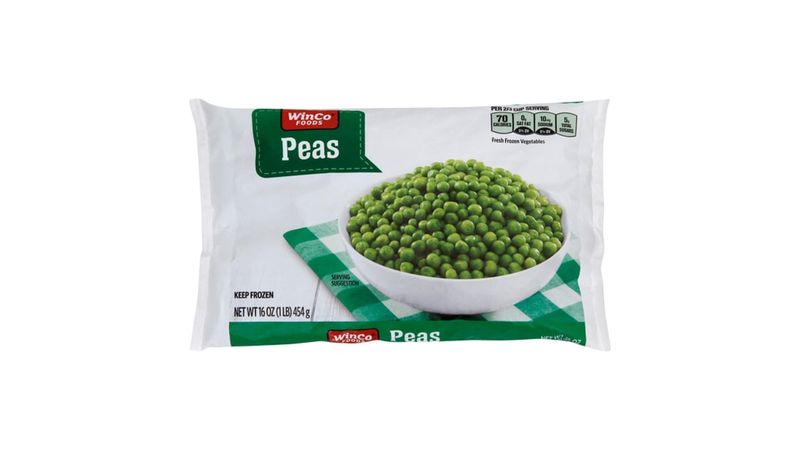
Peas are one of the best vegetables to buy frozen, and food scientists have been saying so for years. Fresh peas start losing their natural sweetness and nutrients within hours of being picked.
By the time they reach your grocery store, much of their goodness is already gone.
Frozen peas are flash-frozen right after harvest, preserving their flavor and vitamin C almost perfectly. They are also cheaper and ready to use straight from the bag.
2. Corn
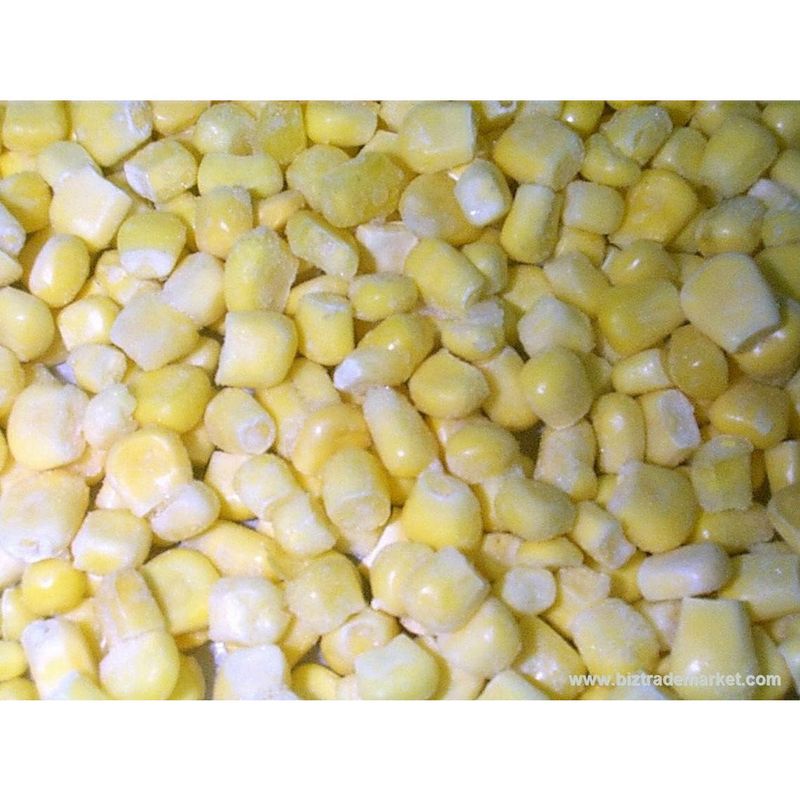
Sweet corn has a sneaky secret: its natural sugars convert to starch incredibly fast after picking, sometimes within just a few hours. That means the fresh corn sitting in the store bin may already taste bland compared to what it could be.
Frozen corn is blanched and frozen at the peak of sweetness, keeping that summer flavor intact all year long. It is a reliable pantry staple that works in soups, stir-fries, and salads without any prep work.
3. Spinach
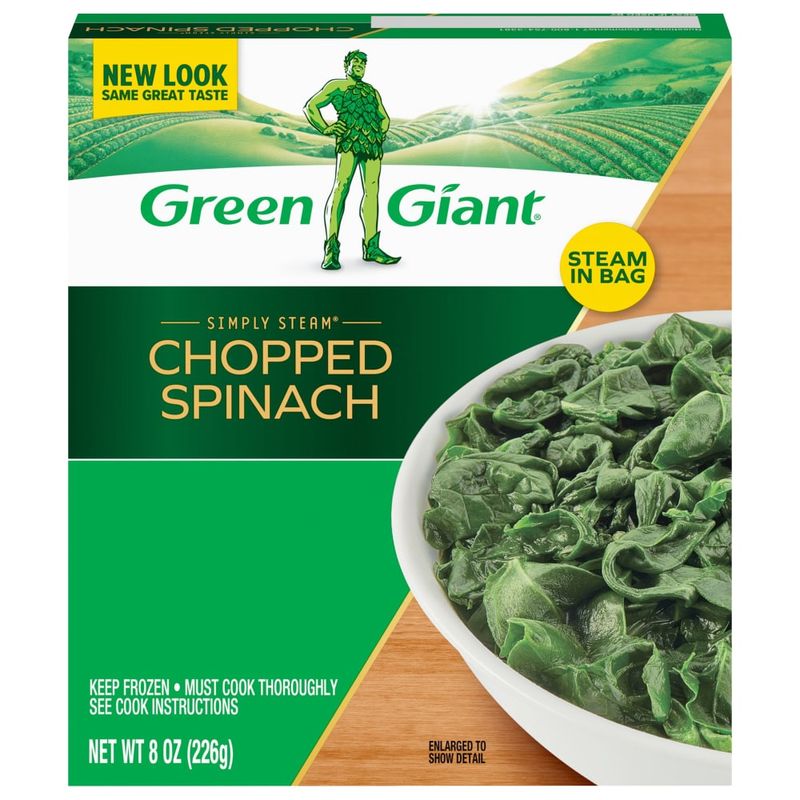
Fresh spinach wilts, yellows, and loses nutrients faster than almost any other leafy green. Studies show that fresh spinach can lose up to half its folate content within just a few days of refrigeration.
That is a big nutritional drop for something you thought was healthy.
Frozen spinach is packed tight with nutrients and is far more economical. A single bag of frozen spinach equals several large bunches of fresh, making it the smarter buy for cooked dishes like soups and casseroles.
4. Broccoli
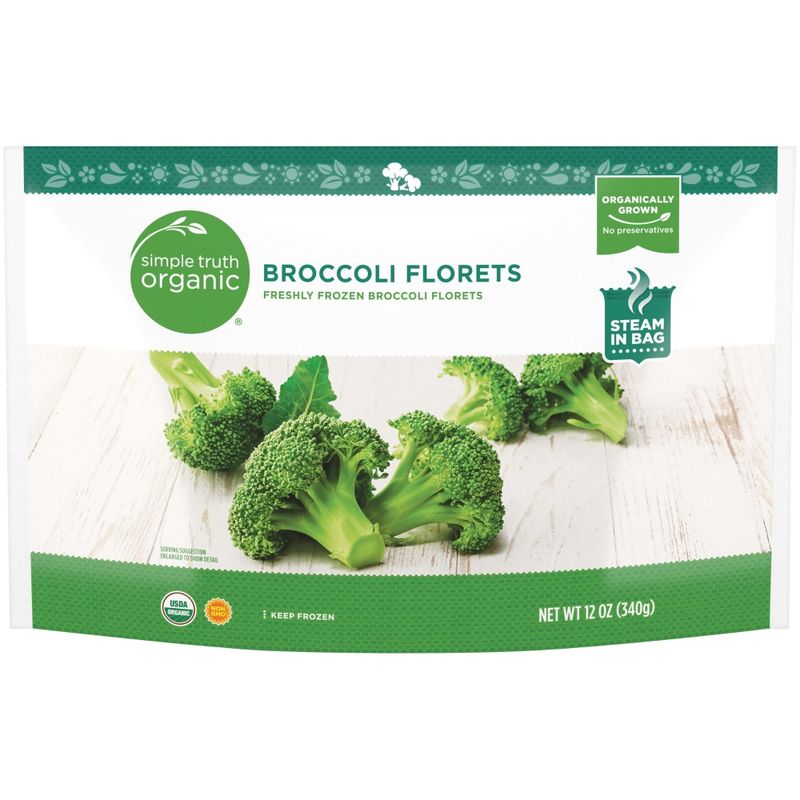
Broccoli is a nutrition powerhouse, but it is also surprisingly fragile once harvested. Fresh broccoli begins losing its vitamin C and cancer-fighting compounds called glucosinolates almost immediately after being cut from the plant.
Buying it frozen means those nutrients are locked in right after harvest. Frozen broccoli florets are already cut and ready to roast, steam, or toss into a stir-fry.
You skip the chopping, waste less, and get more nutritional bang for your buck every single time.
5. Edamame
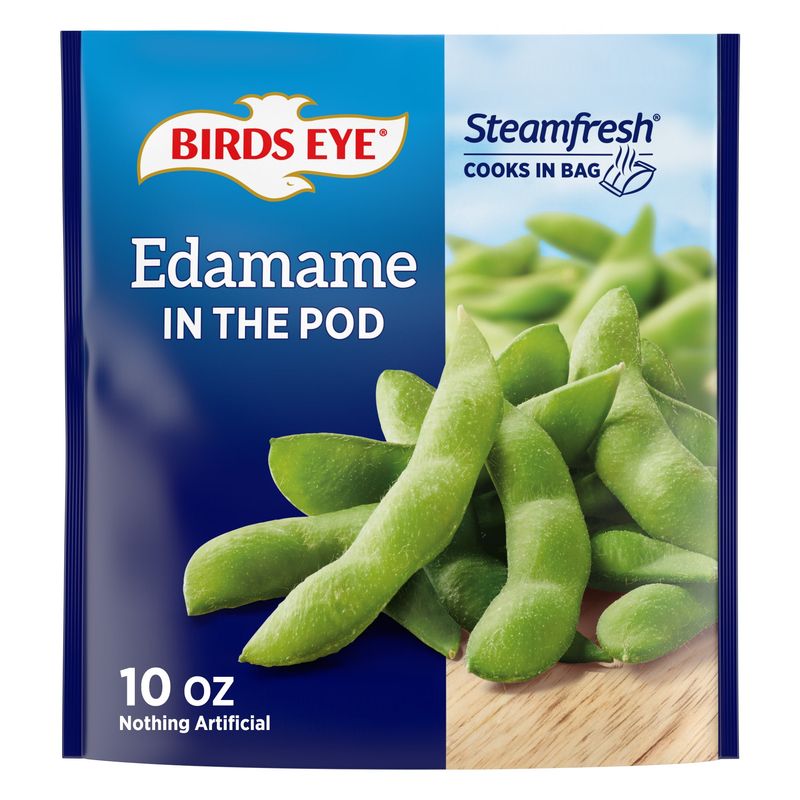
Edamame, those fun green soybeans often served at Japanese restaurants, are surprisingly hard to find fresh unless you live near a farm. Most grocery stores only carry them frozen, which is actually great news.
Frozen edamame is harvested and frozen at just the right moment, keeping its protein content and mild, buttery flavor intact. Toss a bag in boiling water for five minutes and you have a protein-packed snack or side dish that beats most fresh options available.
6. Lima Beans
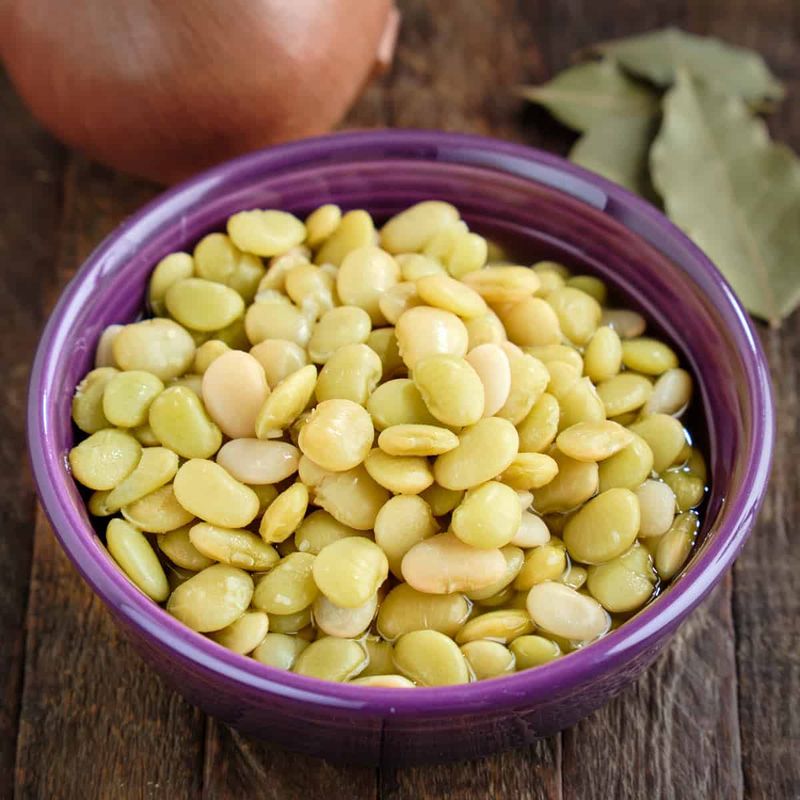
Lima beans do not get nearly enough credit, and buying them frozen is the smartest way to enjoy them. Fresh lima beans require extensive shelling, are only available seasonally, and go starchy quickly after harvest.
Most people simply never bother with them.
Frozen lima beans skip all that hassle. They are pre-shelled, consistently tender, and ready to drop straight into soups, stews, or succotash.
Their creamy texture and mild flavor hold up beautifully through freezing, making the frozen version genuinely superior for everyday cooking.
7. Butternut Squash
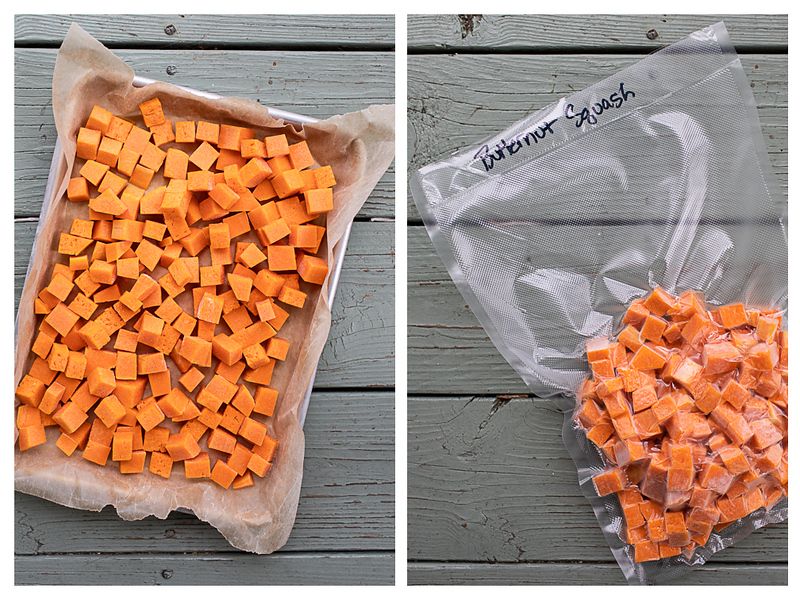
Peeling and cubing a butternut squash is one of the most dreaded kitchen tasks. The skin is tough, the shape is awkward, and the prep time alone can put people off cooking healthy meals altogether.
Frozen butternut squash comes pre-cut into perfect cubes, saving you serious time and effort. Nutritionally, it holds up extremely well through freezing, retaining its beta-carotene and vitamin A content.
For soups, roasted veggie bowls, or pasta dishes, frozen butternut squash is a total game-changer in the kitchen.
8. Cauliflower
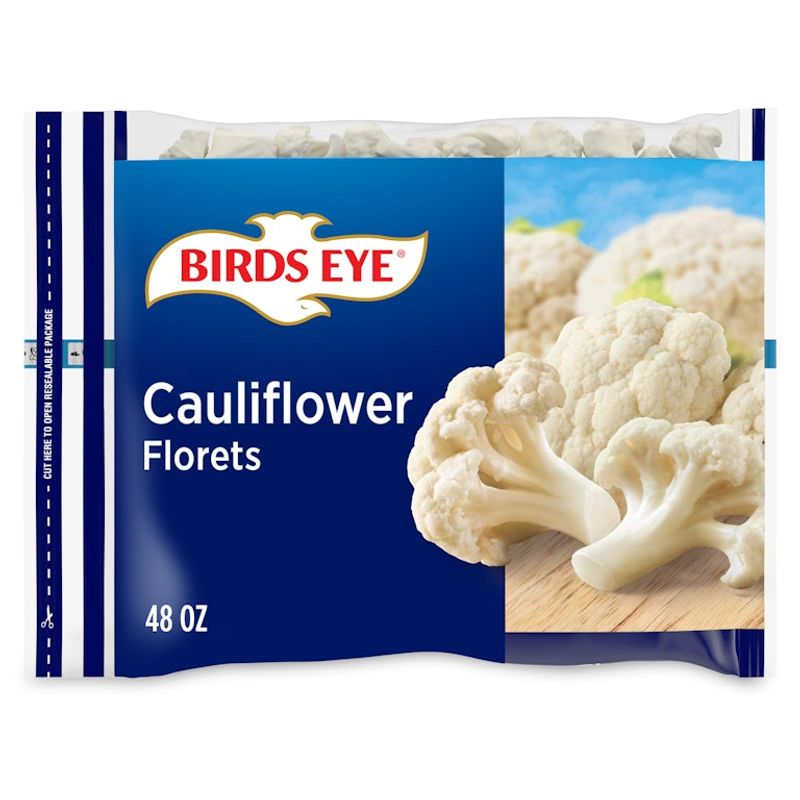
Cauliflower has exploded in popularity as a low-carb substitute for rice, pizza crust, and mashed potatoes. But fresh cauliflower is bulky, expensive, and spoils within days, often developing brown spots before you even get to use it.
Frozen cauliflower, including pre-riced versions, is already trimmed, cut, and ready to use. The freezing process does not significantly affect its texture for cooked dishes, and it costs far less per serving.
Keeping a few bags stashed in your freezer just makes smart sense.
9. Artichoke Hearts
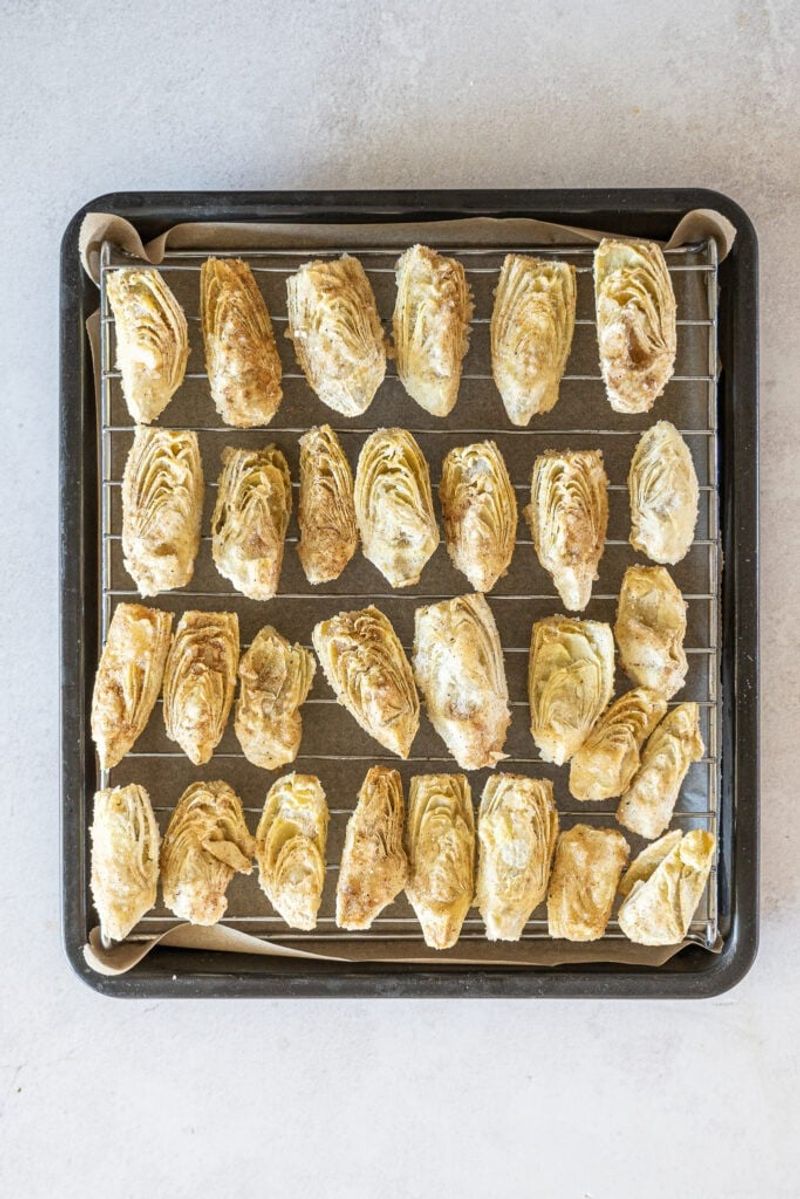
Fresh artichokes are intimidating, time-consuming to prepare, and only available during a short seasonal window. Getting to the edible heart involves removing dozens of tough leaves and dealing with the prickly choke, which discourages most home cooks from ever trying them.
Frozen artichoke hearts skip all of that entirely. They come pre-trimmed and ready to roast, blend into dips, or toss into pasta.
Their flavor and texture are nearly identical to fresh, making frozen artichoke hearts one of the best freezer shortcuts in any kitchen.
10. Brussels Sprouts
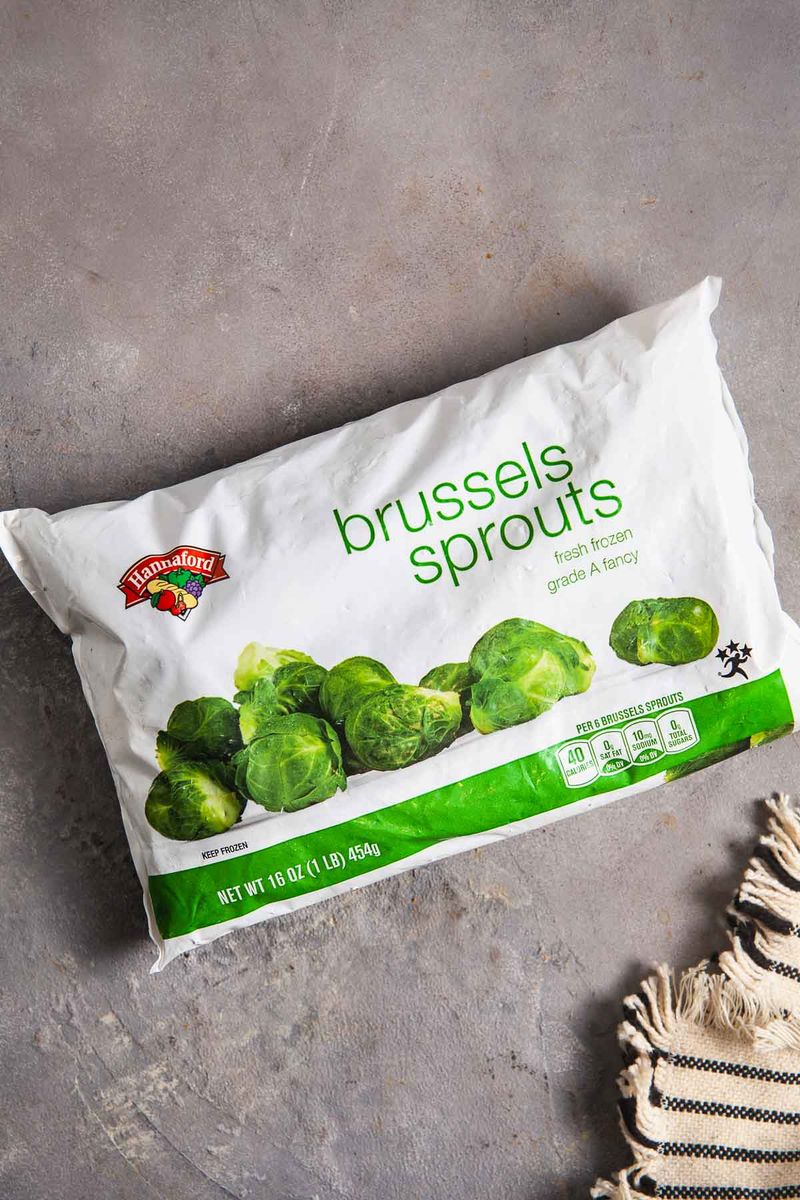
Fresh Brussels sprouts can turn bitter and smelly if not cooked soon after purchase. Many people who claim to dislike them may have only ever eaten ones that were past their prime, sitting in a store bin for too long.
Frozen Brussels sprouts are blanched before freezing, which actually mellows their bitterness slightly. They roast up beautifully with olive oil and garlic, developing crispy edges just like fresh ones.
Buying them frozen also means you always have them ready without worrying about spoilage.
11. Green Beans
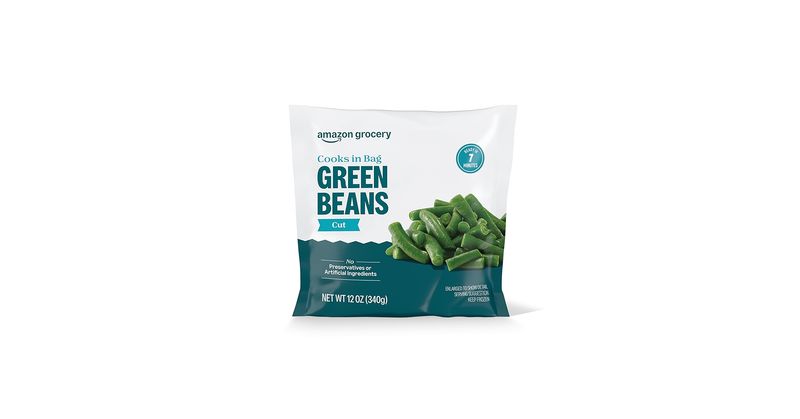
Here is something most shoppers do not realize: the green beans in the fresh produce section are often older than the ones in the freezer aisle. Green beans lose their crispness and vitamin C rapidly after harvest, and long supply chains mean freshness is rarely guaranteed.
Frozen green beans are processed quickly and retain their color, nutrients, and flavor reliably. They work wonderfully in casseroles, stir-fries, and steamed side dishes.
For everyday cooking, the frozen bag is almost always the smarter, more consistent choice.
12. Carrots
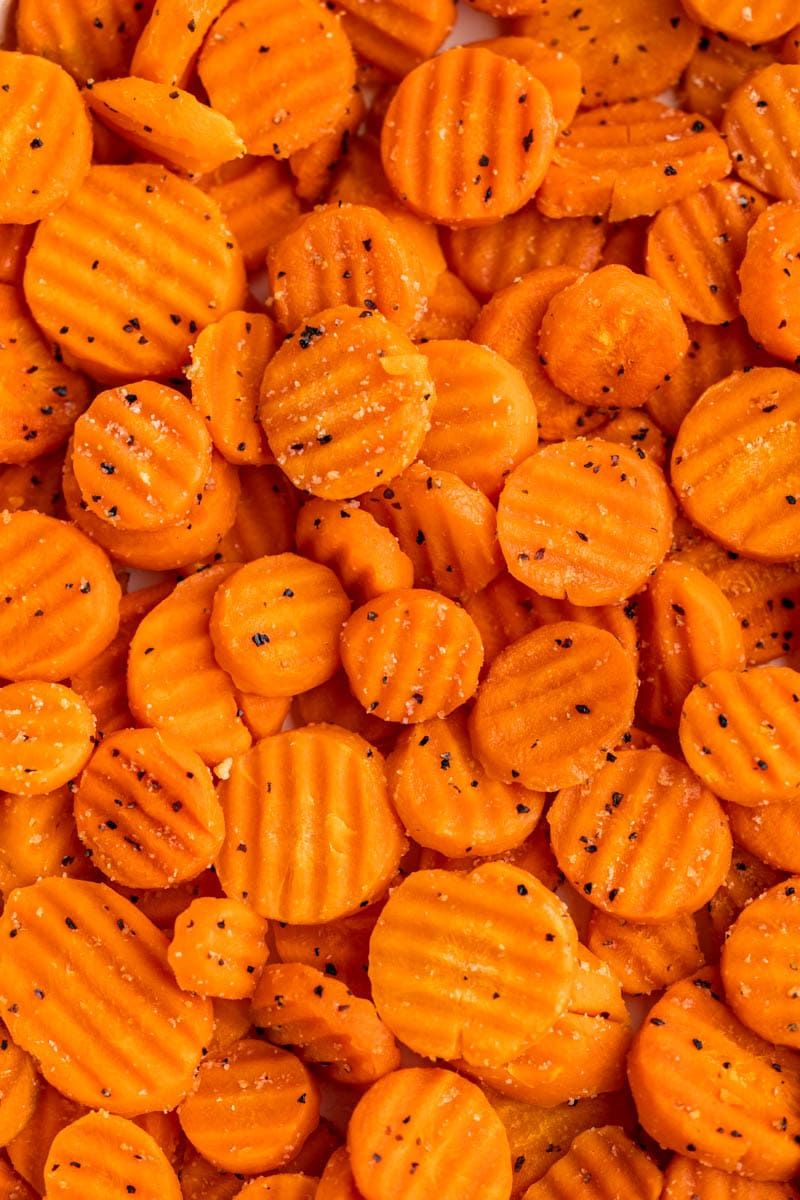
Whole fresh carrots actually store pretty well, but pre-cut or baby carrots dry out, lose flavor, and can develop a slimy coating within days. Many busy cooks end up tossing half a bag before they ever use it.
Frozen sliced or diced carrots are blanched and frozen at peak freshness, making them ideal for soups, stews, and stir-fries. They are pre-cut, consistent in size, and always ready to go.
When a recipe calls for cooked carrots, frozen ones perform just as well, with less prep and less waste.
13. Kale
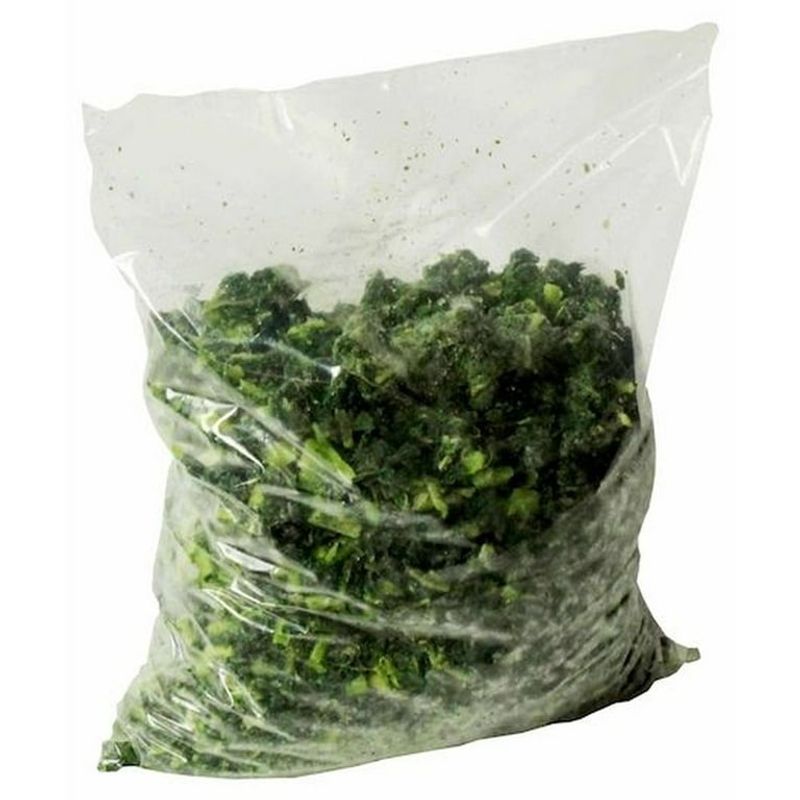
Kale might be the trendy superfood of the decade, but fresh kale has a frustratingly short shelf life. It turns yellow, becomes limp, and develops a more bitter taste within just a few days of purchase, especially if it is not stored perfectly.
Frozen kale is harvested young and tender, then frozen quickly to preserve its iron, calcium, and vitamin K. It blends smoothly into smoothies and cooks down perfectly in soups and pasta dishes, making frozen kale a practical, nutrient-dense choice for health-focused households.
14. Mixed Stir-Fry Vegetables
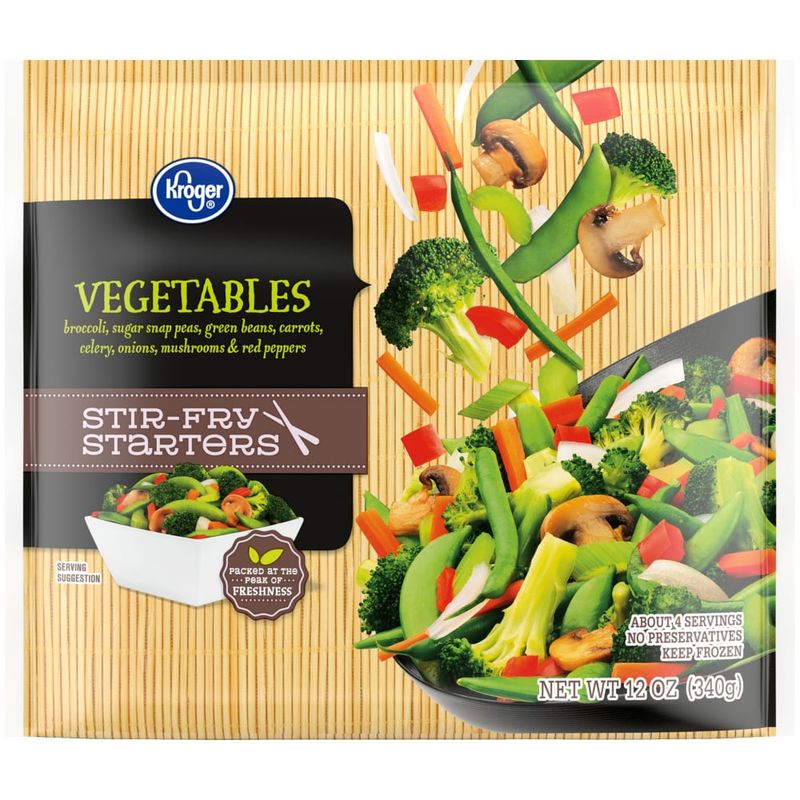
Buying individual fresh vegetables for a stir-fry means purchasing multiple items that may spoil at different rates, often leading to wasted food and wasted money. It is one of those situations where convenience and nutrition actually align perfectly with frozen options.
Frozen stir-fry blends combine peak-season vegetables in one bag, pre-cut and ready to cook in minutes. The variety of colors means a range of nutrients in every serving.
Toss them straight from the freezer into a hot pan and dinner is basically done.
15. Asparagus
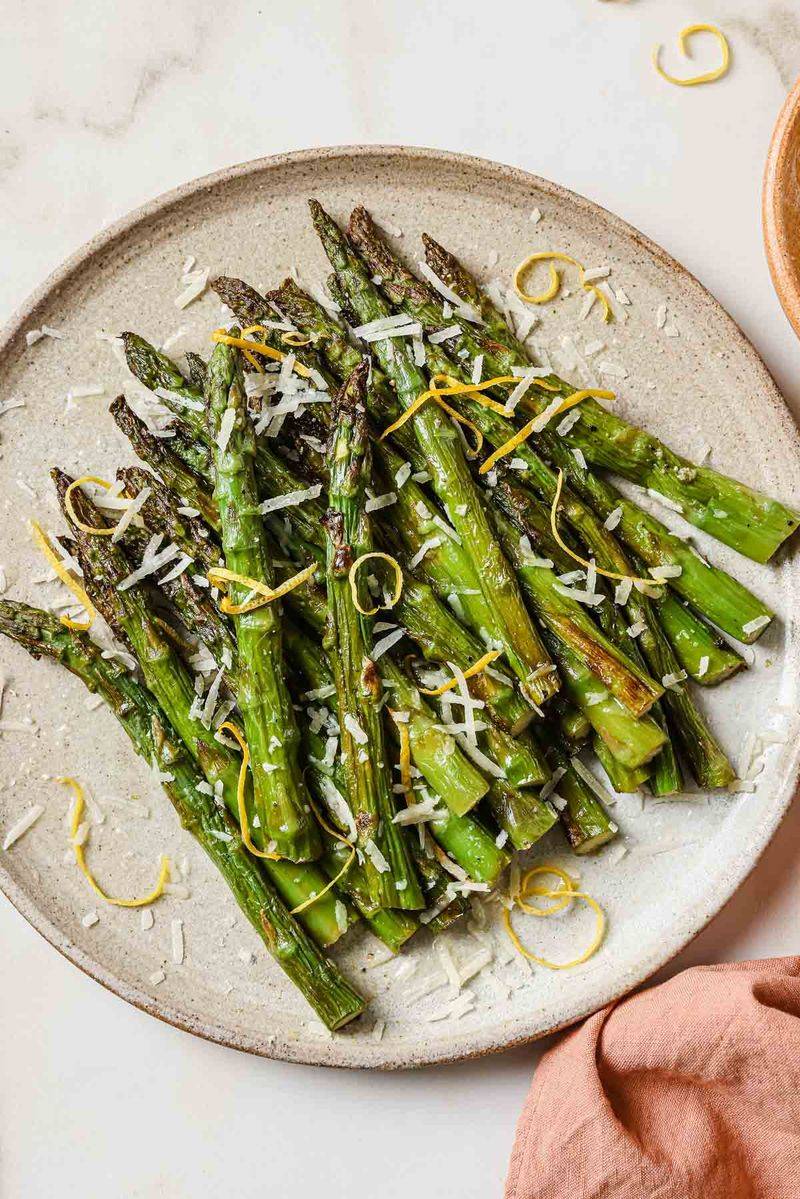
Asparagus is one of the fastest-deteriorating vegetables you can buy. From the moment it is harvested, its natural sugars convert to starch rapidly, and its texture becomes woody and tough within just two or three days of refrigeration.
Timing has to be nearly perfect to enjoy it fresh.
Frozen asparagus spears are cut and frozen at their most tender stage. While they are not ideal for raw dishes, they roast, steam, and saute wonderfully.
For most cooked preparations, frozen asparagus delivers great flavor without the pressure of using it immediately.




Comments
No Comments