













Protein is one of the most talked-about nutrients out there, but it also comes with a ton of misinformation. From gym locker rooms to social media feeds, myths about protein spread fast and can seriously mess with your health goals.
Dietitians hear these misconceptions every single day and are ready to set the record straight. Here are the most common protein myths you should stop believing right now.
1. You Need Massive Amounts of Protein to Build Muscle
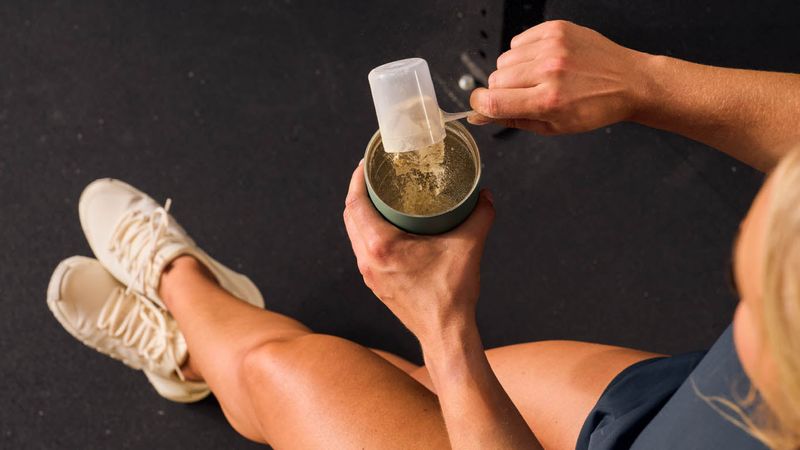
Bigger is not always better when it comes to protein intake. Many people believe they need to eat enormous amounts of protein daily to gain muscle, but research says otherwise.
Your body can only use a certain amount of protein at one time.
Most adults need about 0.7 to 1 gram of protein per pound of body weight. Eating way more than that does not automatically mean more muscle.
Extra protein just gets stored as fat or excreted.
2. Plant Proteins Are Inferior to Animal Proteins
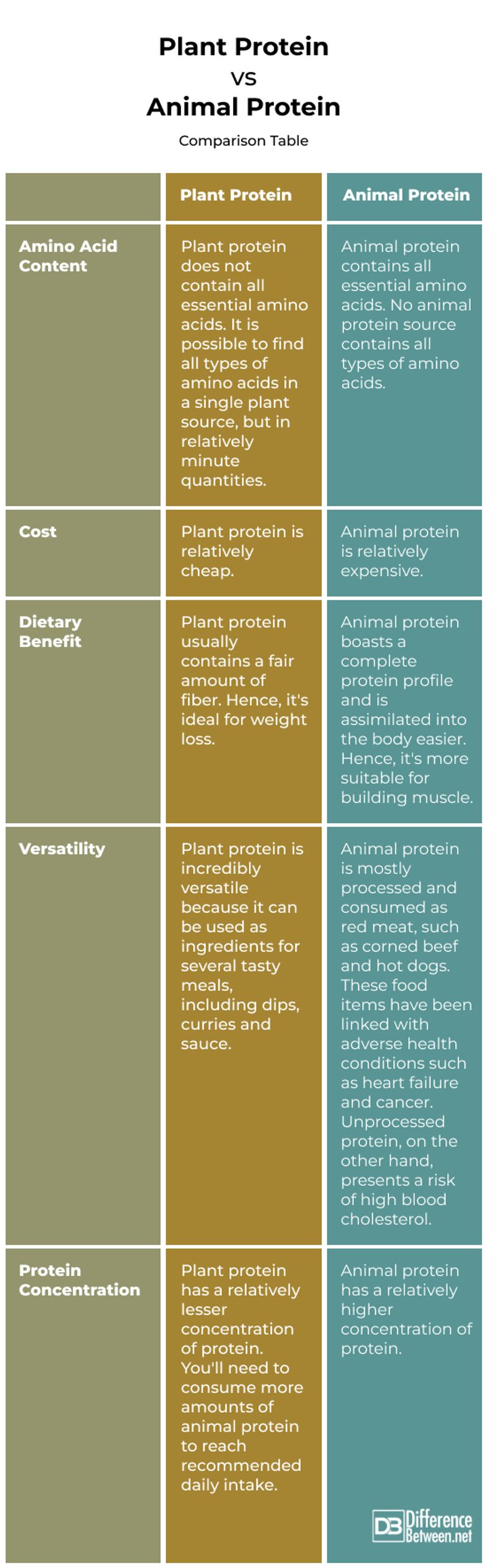
Plant proteins have been unfairly labeled as second-rate for years, but that reputation is outdated. While some plant proteins lack certain amino acids on their own, eating a variety of plant foods throughout the day covers all your needs easily.
Lentils, tofu, quinoa, and chickpeas are powerful protein sources that support muscle growth and overall health. Many elite athletes thrive on fully plant-based diets.
Your protein source matters less than getting a balanced variety.
3. Protein Shakes Are Essential for Everyone Who Exercises
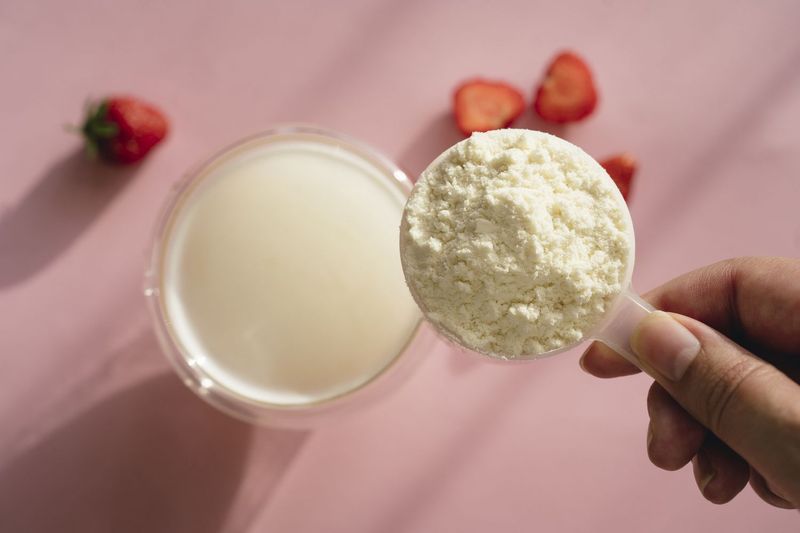
Walk into any gym and someone is probably clutching a protein shake like it is a magic potion. The truth is, most people who exercise regularly can meet their protein needs through regular food alone.
Whole foods like eggs, Greek yogurt, chicken, and beans provide protein along with other valuable nutrients that shakes often lack. Protein shakes are convenient tools, not necessities.
Unless your diet is genuinely lacking, real food works just as well.
4. Eating Too Much Protein Will Damage Your Kidneys
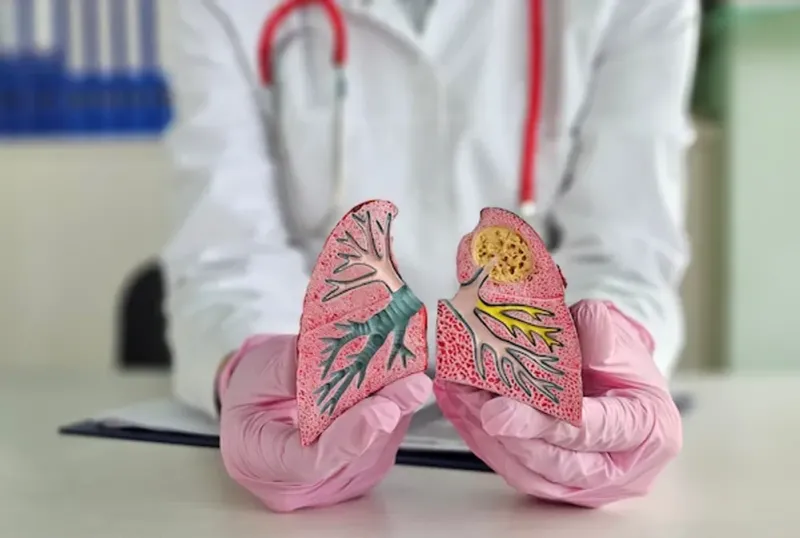
This myth has scared many people away from eating enough protein, but the science tells a different story. High protein intake can be a concern for people who already have existing kidney disease, but it does not cause kidney damage in healthy individuals.
Studies consistently show that healthy kidneys handle increased protein loads without any problem. If your kidneys are functioning normally, a higher protein diet is considered safe.
Always check with your doctor if you have any underlying health conditions.
5. You Must Eat Protein Immediately After a Workout
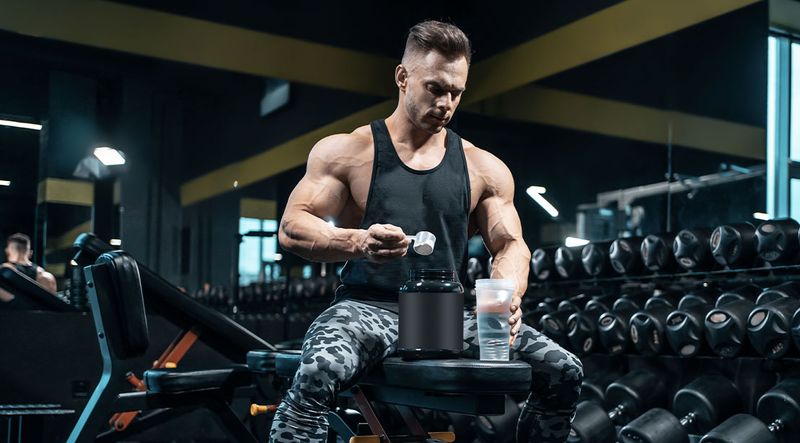
The so-called anabolic window has been talked about like it is a closing door you have only minutes to sneak through. Sports nutrition research has actually shown the post-workout protein window is much wider than originally thought.
Eating protein within a few hours before or after exercise is effective enough for muscle recovery and growth. Panicking about downing a shake within 30 minutes is unnecessary stress.
Focus on total daily protein intake rather than obsessing over exact timing.
6. High-Protein Diets Are Only for Bodybuilders
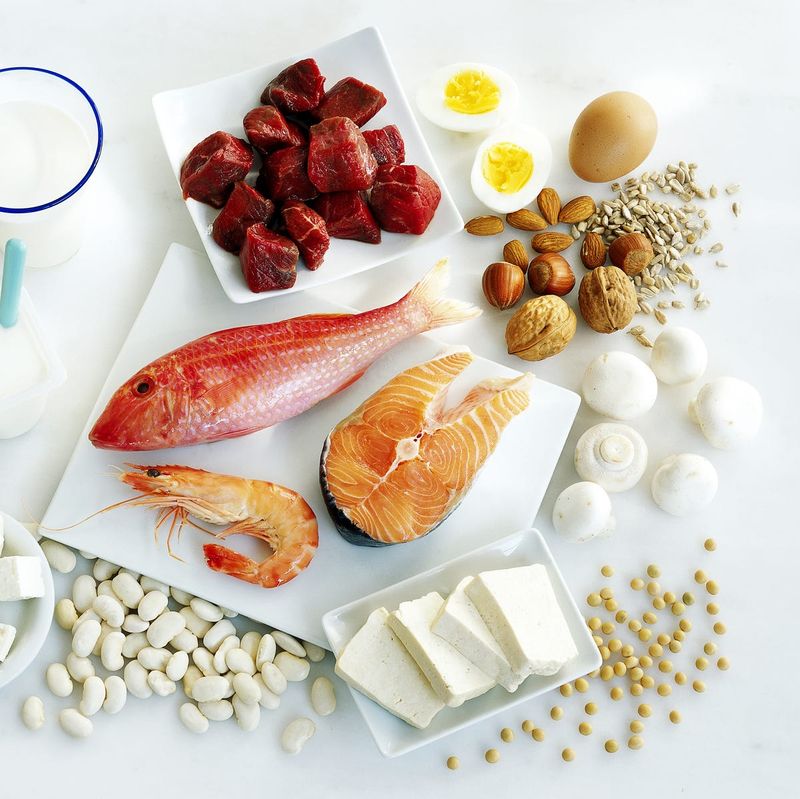
Protein is not just a bodybuilder thing. Older adults, busy parents, teenagers, and people managing their weight all benefit from eating adequate protein every day.
It helps maintain muscle mass, keeps you full longer, and supports immune function.
As people age, their bodies actually become less efficient at using protein, meaning seniors need even more of it to preserve muscle. A protein-focused diet supports energy, metabolism, and healthy aging for everyone, not just those lifting heavy weights at the gym.
7. More Protein Always Means More Muscle
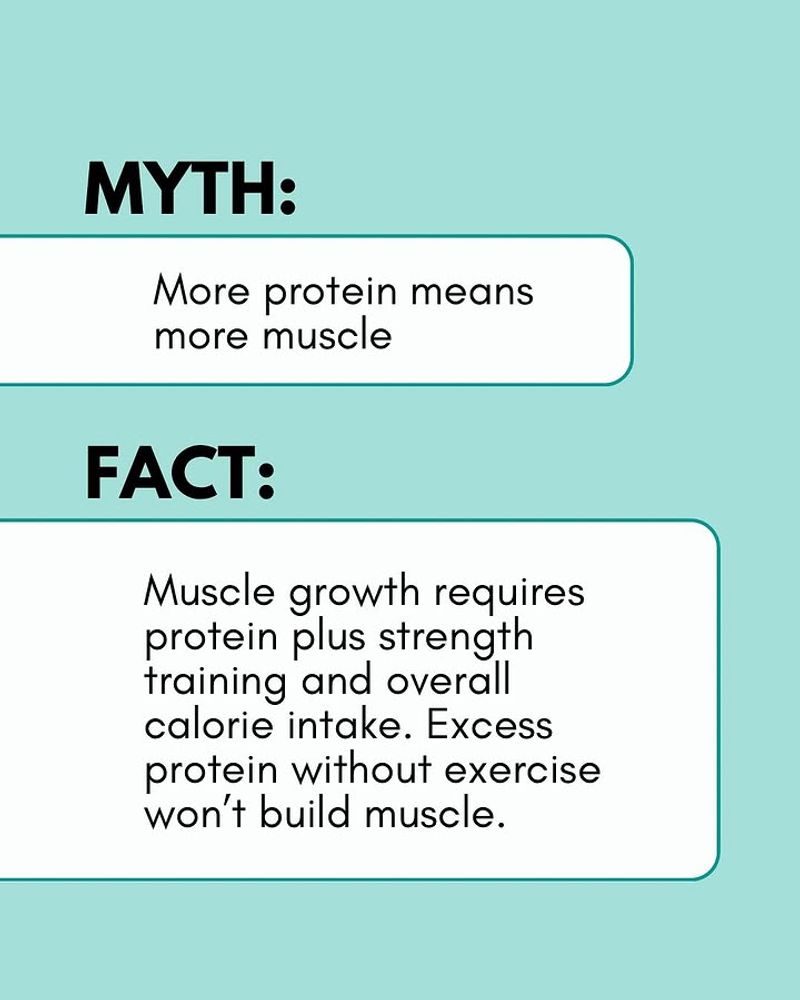
Protein does support muscle building, but there is a ceiling to how much your body can actually use. Eating double or triple the recommended amount will not double your muscle gains.
The body simply does not work that way.
Muscle growth also depends on consistent resistance training, adequate sleep, and overall calorie intake. Without exercise as the stimulus, extra protein just becomes extra calories.
Think of protein as one important piece of a much bigger puzzle.
8. Protein Makes You Bulky and Oversized

Many people, especially women, avoid protein-rich diets because they fear looking bulky. Building significant muscle mass actually requires years of dedicated heavy training combined with a specific calorie surplus.
Protein alone cannot make you bulky.
Eating adequate protein while exercising typically results in a leaner, more toned appearance rather than an oversized physique. Protein also helps preserve muscle when you are losing fat, which improves body composition overall.
There is genuinely nothing to fear here.
9. All Protein Sources Are Basically the Same
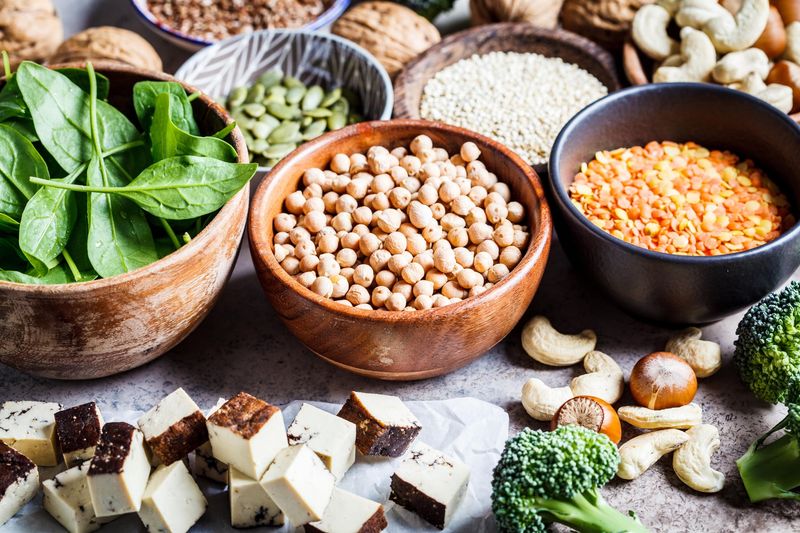
Not all proteins are created equal, and the differences actually matter for your health. Protein quality is measured by the types and amounts of amino acids it contains, along with how well your body can absorb and use them.
Animal proteins are generally considered complete proteins because they contain all essential amino acids. Many plant proteins are incomplete on their own, though combining different sources solves that easily.
Processing also affects quality, so whole food protein sources typically beat heavily processed options every time.
10. You Cannot Get Enough Protein on a Vegan Diet
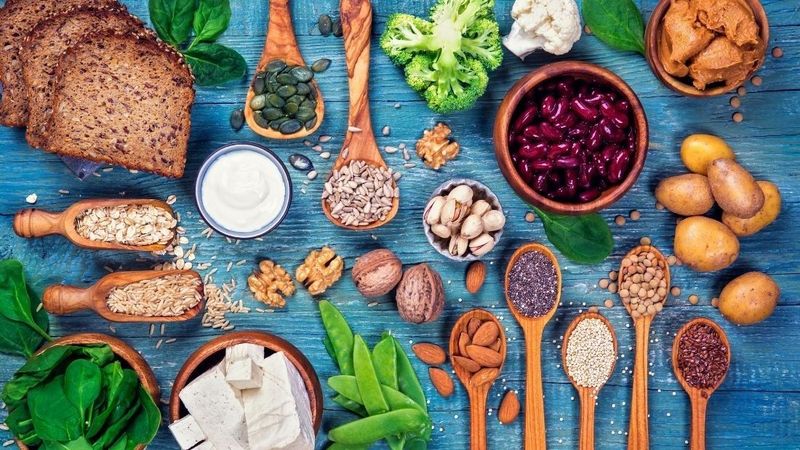
Vegans hear this one constantly, but it is a myth that has been thoroughly disproven. With thoughtful meal planning, a fully plant-based diet can meet and even exceed daily protein requirements without any supplements.
Foods like tempeh, seitan, edamame, lentils, black beans, and nutritional yeast are protein powerhouses. Many world-class athletes and Olympians have thrived on vegan diets.
The key is variety and paying attention to overall food intake rather than stressing about a single nutrient.
11. Protein Bars Are a Healthy Snack Choice

Protein bars look healthy because they have the word protein on the label, but many of them are basically candy bars wearing a disguise. Flip one over and you might find more sugar, artificial sweeteners, and additives than actual quality nutrition.
Some bars do offer a decent protein boost with minimal junk, so reading labels carefully is essential. A hard-boiled egg, a handful of nuts, or Greek yogurt often delivers more nutritional value with fewer ingredients.
Real food almost always wins.
12. Protein Only Matters for Muscles

Muscles get all the attention when protein is discussed, but this nutrient does so much more behind the scenes. Every single cell in your body contains protein, and it plays a starring role in countless vital functions.
Protein helps produce hormones like insulin, supports immune system antibodies, repairs tissues, and carries oxygen through the blood via hemoglobin. Enzymes that power digestion are also made of protein.
Thinking of protein only as a muscle food seriously undersells how critical it is for total body health.
13. Children and Teenagers Do Not Need Much Protein

Growing bodies actually have some of the highest protein needs relative to body size. Children and teenagers are in a constant state of building new muscle, bone, and tissue, which demands a steady supply of quality protein every day.
Protein also supports brain development, hormone production, and immune strength during critical growth years. Skimping on protein during childhood and adolescence can negatively affect growth and energy levels.
Parents should make sure kids are eating enough protein-rich foods at every meal.
14. Eating Protein Before Bed Causes Fat Gain
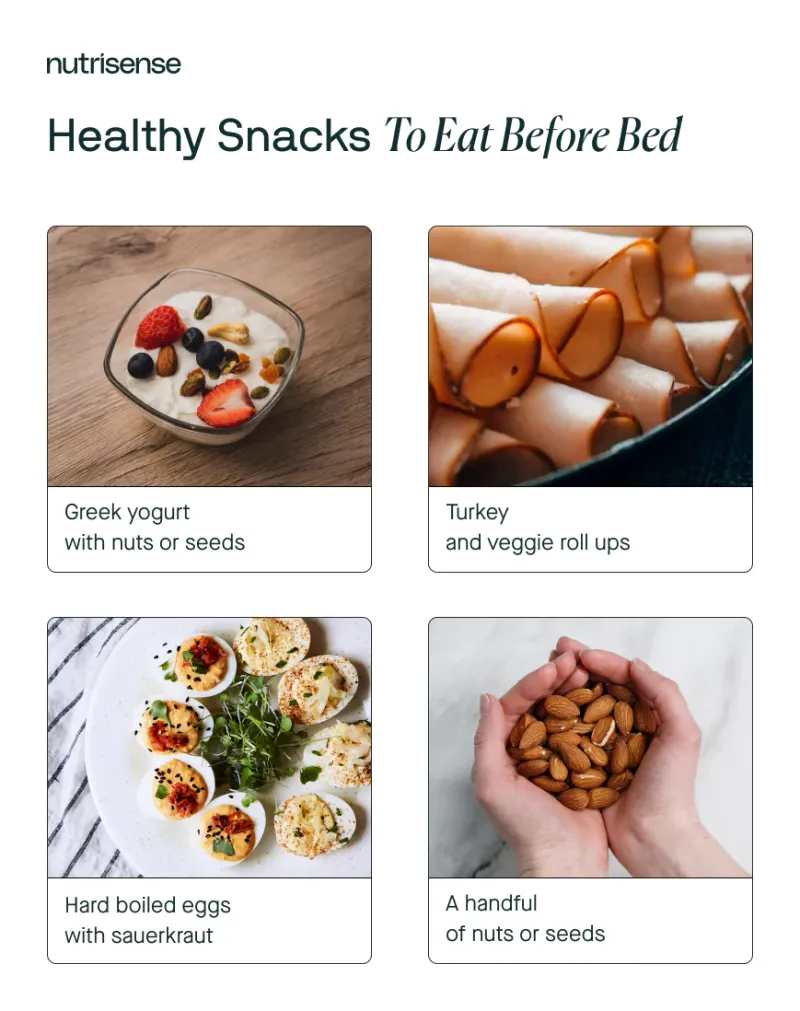
Nighttime protein has gotten a bad reputation, but the science actually supports eating it before bed in some cases. Research shows that consuming protein in the evening can support overnight muscle repair and recovery, especially after exercise.
A small serving of cottage cheese, Greek yogurt, or a handful of nuts before bed is not going to cause fat storage. Total daily calorie intake determines weight gain, not meal timing alone.
Smart evening snacks can actually work in your favor.
15. Protein Supplements Are Strictly Regulated for Safety

Many people assume that because protein supplements are sold in stores, they must be rigorously tested and guaranteed safe. That assumption is unfortunately not accurate.
Dietary supplements in many countries, including the United States, are not strictly regulated before hitting shelves.
Some protein powders have been found to contain heavy metals, undisclosed ingredients, or inaccurate label claims. Choosing products with third-party testing certifications like NSF or Informed Sport offers much better protection.
Being an informed shopper matters more than trusting flashy packaging.




Comments
No Comments