













Your aluminium pans might be your go-to kitchen helpers, but not every food plays nice with them. Some ingredients react with aluminium in ways that can change the taste of your meal or even wear down your cookware over time.
The good news is that knowing which foods to avoid can save your dishes and keep your pans lasting longer. Here are 16 foods you should think twice about cooking in aluminium pans.
1. Tomatoes
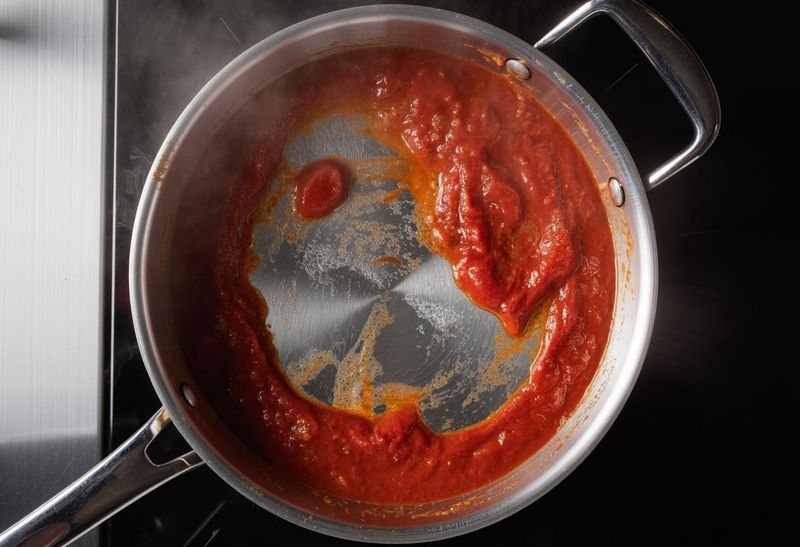
Ever wonder why your tomato sauce tastes a little metallic after cooking in an aluminium pan? That sharp, tinny flavor is a real sign that something went wrong.
The high acidity in tomatoes reacts with aluminium, causing the metal to leach into your food.
This not only changes the taste but can also discolor the pan. Use stainless steel or enameled cookware instead for rich, clean-tasting tomato dishes every time.
2. Citrus Fruits
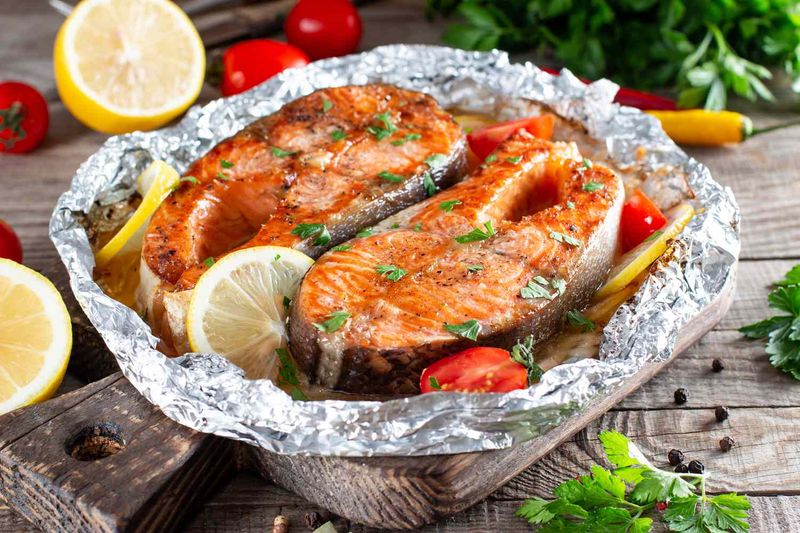
A splash of lemon juice can brighten up almost any dish, but not when you're cooking it in aluminium. The citric acid in fruits like lemons, limes, and oranges is highly reactive with aluminium metal.
Even a short simmer can cause pitting on your pan and leave a weird off-flavor in your food. For citrus-based sauces or glazes, reach for a non-reactive pot made from stainless steel or ceramic instead.
3. Vinegar-Based Foods
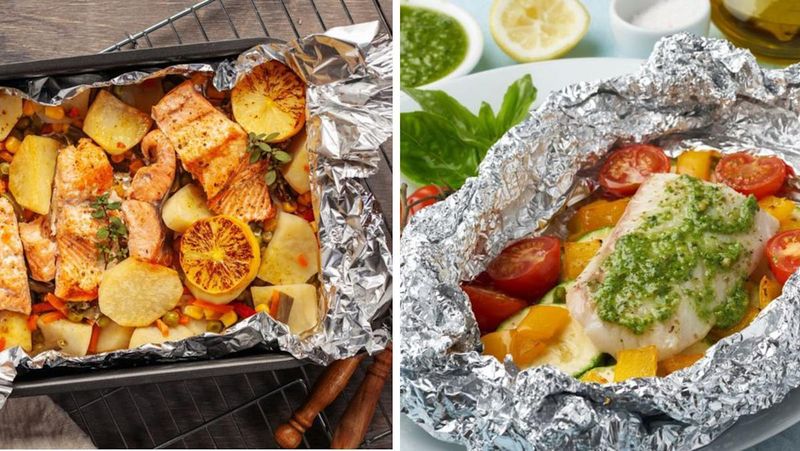
Any recipe that calls for vinegar as a key ingredient should stay far away from aluminium pans. Whether it is apple cider vinegar, white vinegar, or balsamic, the acetic acid reacts quickly with aluminium.
This reaction can pit the surface of your pan and cause small amounts of aluminium to enter your food. It is a sneaky problem because the food might still look fine, but the flavor and safety are both compromised.
4. Eggs
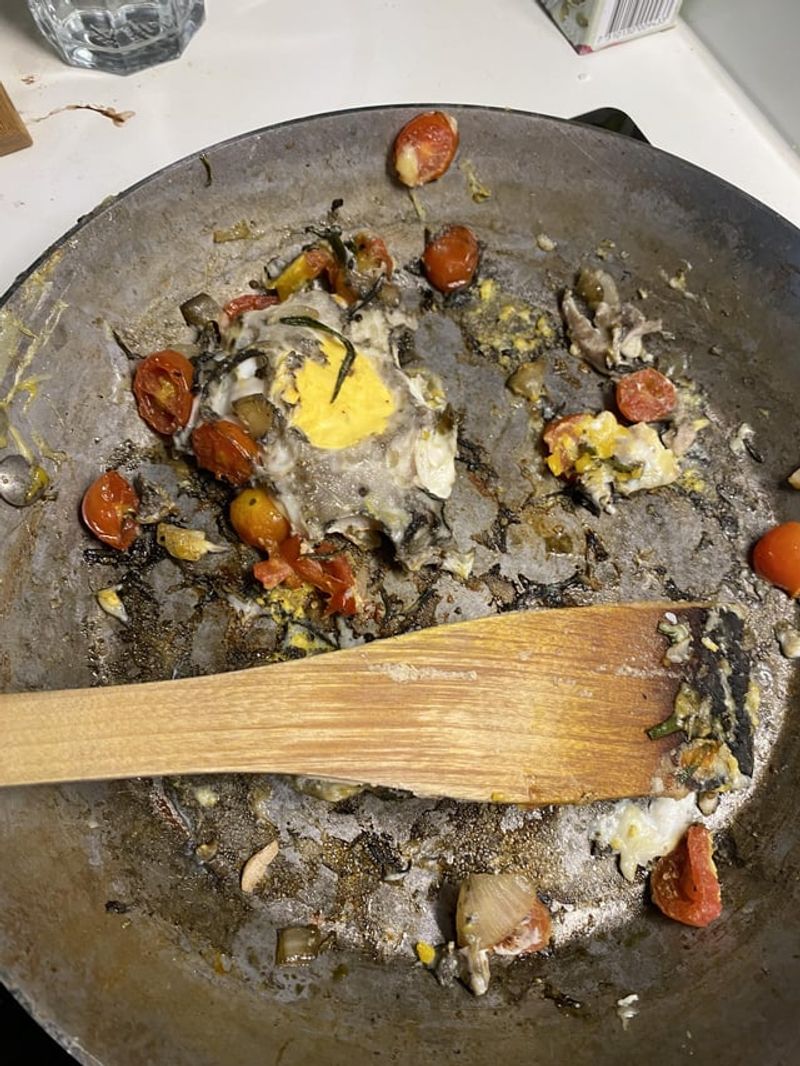
Here is a fun fact: eggs contain sulfur compounds that react with aluminium and can turn your scrambled eggs a grayish color. That surprising color change is not just unpleasant to look at, it also signals a chemical reaction happening in your breakfast.
The flavor can turn slightly off too. A cast iron or non-stick pan is a much better choice for cooking eggs and keeps them looking golden and tasting fresh every morning.
5. Spinach
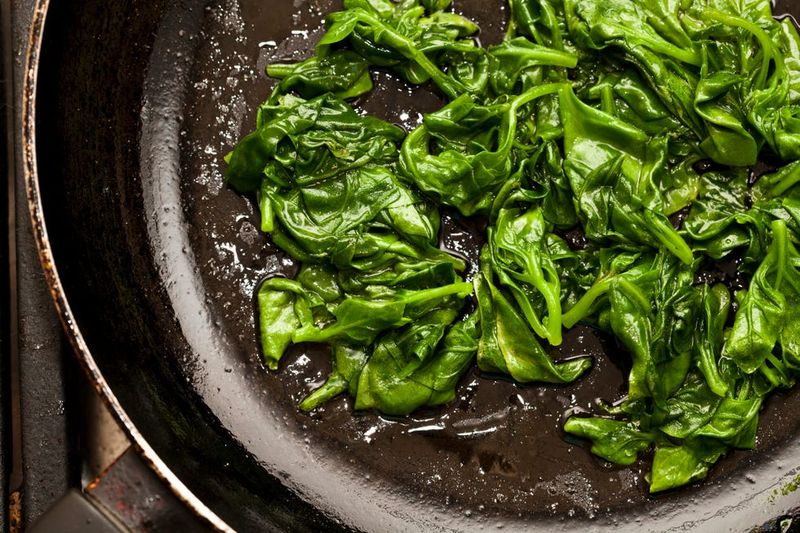
Dark leafy greens like spinach are packed with oxalic acid, which does not get along well with aluminium cookware. When spinach wilts down in an aluminium pan, that acid can react with the metal surface and pull out tiny traces of aluminium.
Over time, this also dulls and pits your pan. While the amounts involved may be small, cooking spinach in stainless steel or a good ceramic pan is a smarter and safer kitchen habit worth keeping.
6. Rhubarb
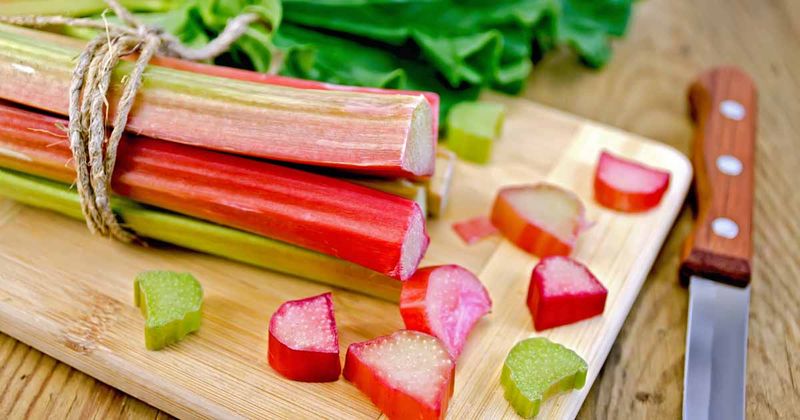
Few people think about rhubarb when it comes to cookware safety, but this tart veggie is one of the most reactive foods you can put in an aluminium pan. With one of the highest oxalic acid contents of any common food, rhubarb aggressively attacks aluminium surfaces during cooking.
The result? A discolored pan and a strange metallic taste in your dish.
Always cook rhubarb in stainless steel or enameled cast iron for the best results.
7. Salty Marinades
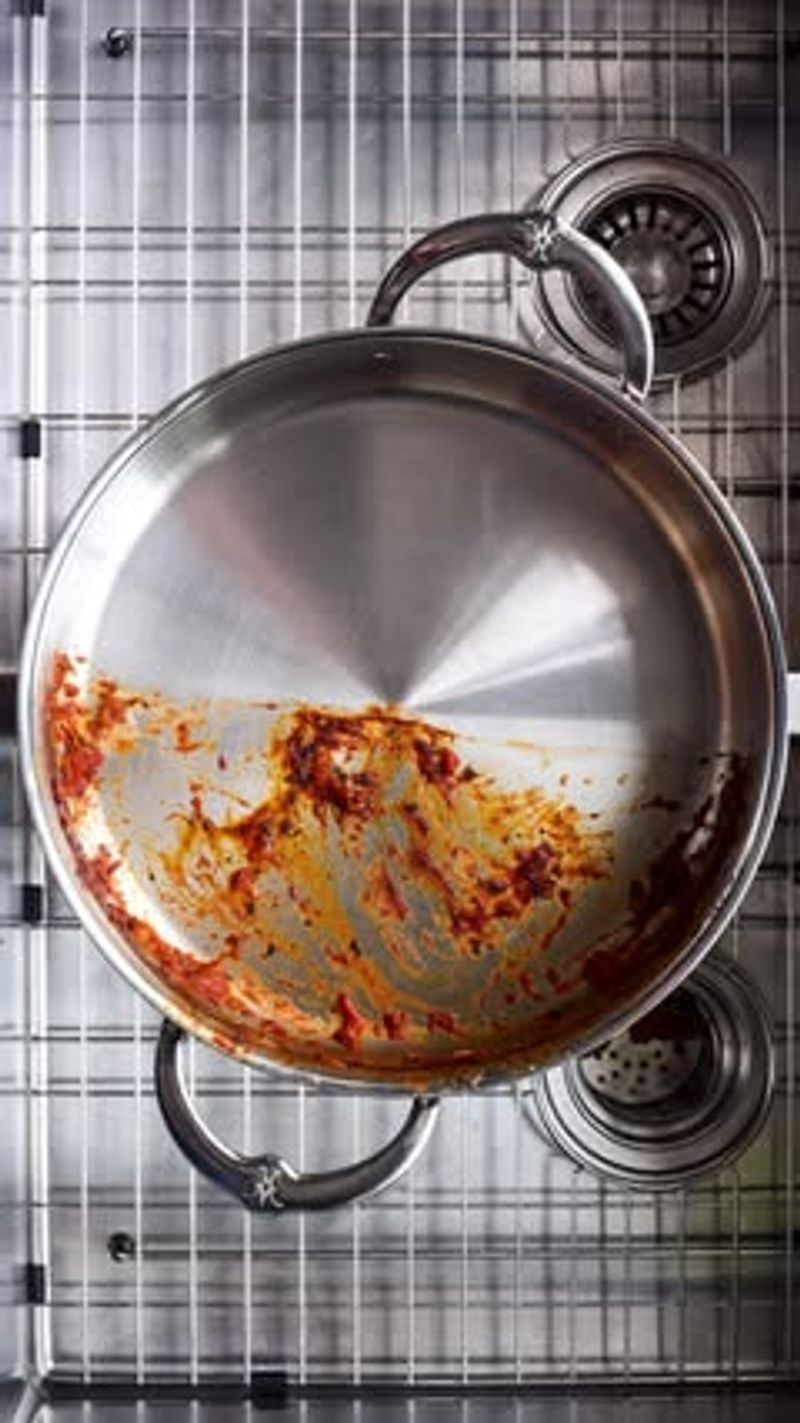
Salt is a powerful corrosive agent when it comes to aluminium cookware. High-salt marinades used for meats or vegetables can start eating away at the aluminium surface even before the heat is turned on.
This is why marinating food directly in aluminium pans is a bad idea. The pitting and corrosion that result can shorten the life of your pan significantly.
Use glass or ceramic bowls for marinating, then transfer to a safer pan for cooking.
8. Wine
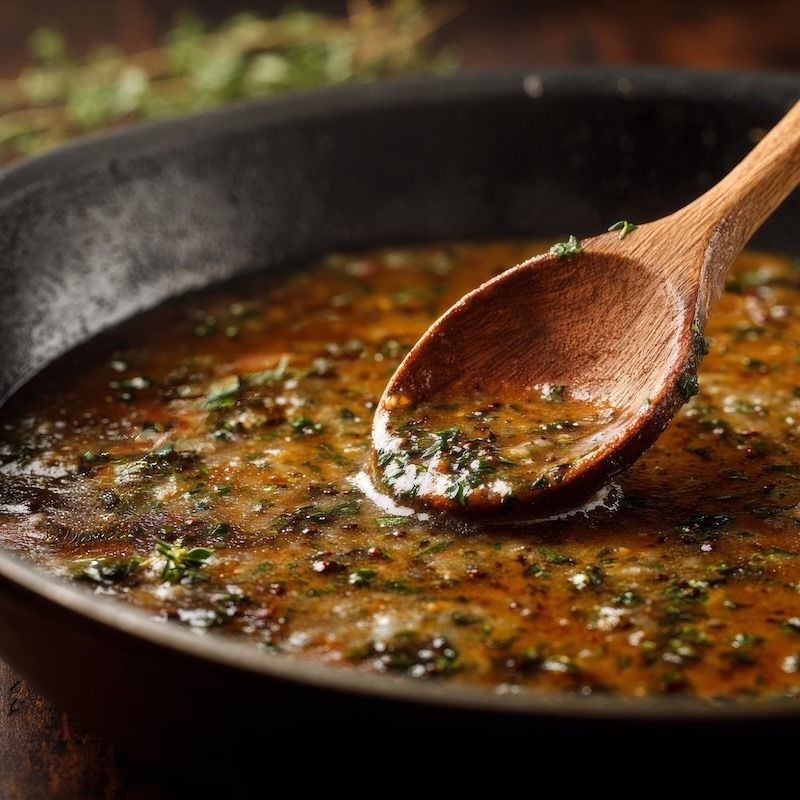
Wine adds a beautiful depth of flavor to sauces and braises, but it should never be reduced in an aluminium pan. Both red and white wines are acidic enough to react with aluminium, and reducing them concentrates that acidity even further.
The longer the wine simmers, the more the pan degrades and the more metallic the sauce tastes. Choose a stainless steel or enameled Dutch-style pot when cooking with wine for clean, restaurant-quality results.
9. Berries
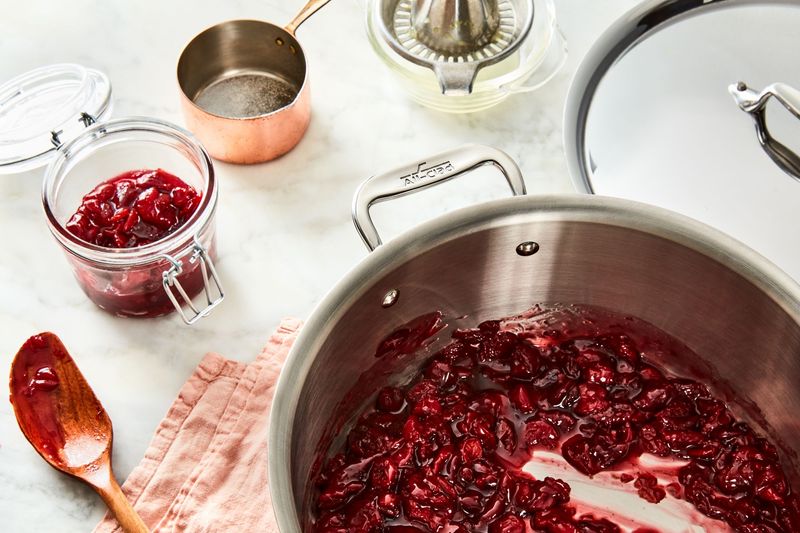
Making a berry compote or jam sounds simple enough, but doing it in an aluminium pot can turn your beautiful fruit sauce into something with a strange metallic edge. Most berries, including strawberries, blueberries, and raspberries, are naturally acidic.
That acidity reacts with the aluminium and can give your jam or sauce an off taste. Plus, the vibrant colors of the berries can sometimes turn dull.
Use a stainless steel or heavy-bottomed pot for bright, flavorful results.
10. Fish
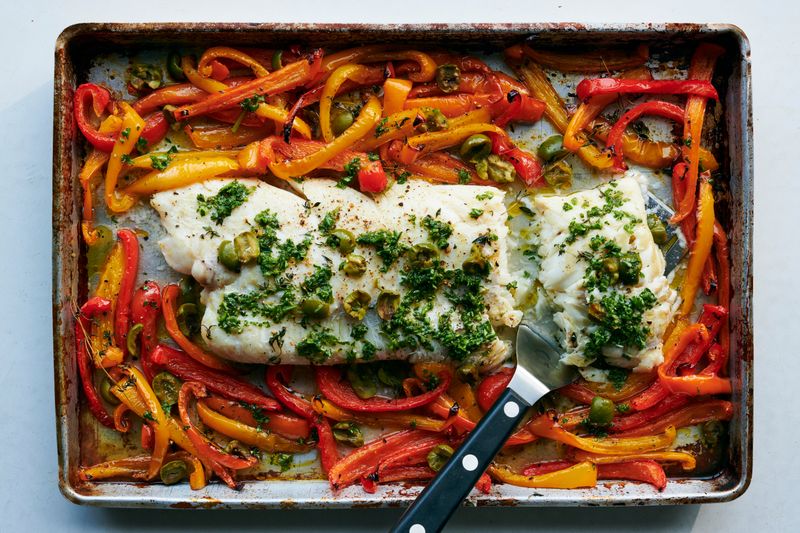
Fish has a delicate flavor that can easily be overwhelmed by the metallic taste that comes from cooking it in aluminium. The natural oils and proteins in fish can react with the metal, especially if the fish is marinated in anything acidic beforehand.
The result is often a dish that tastes more like the pan than the sea. For the cleanest fish flavors, use a well-seasoned cast iron skillet, a ceramic pan, or a quality non-stick option.
11. Soy Sauce Dishes
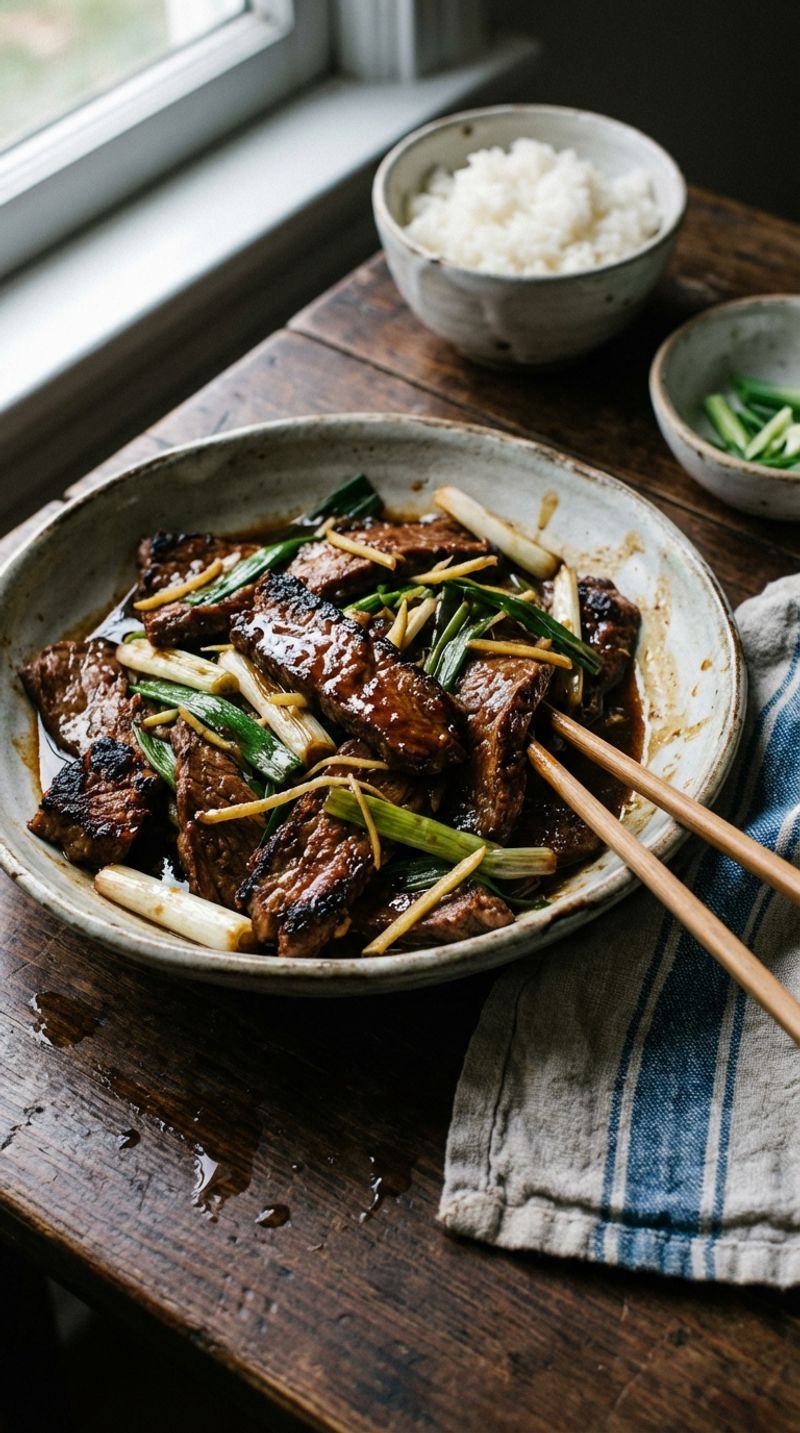
High in salt and slightly acidic, soy sauce is a double threat when it comes to aluminium cookware. Using it in stir-fries or braises cooked in an aluminium pan can cause rapid corrosion of the surface.
Over time, this wears down the pan and may affect the taste of your food. If you love Asian-inspired cooking with soy-based sauces, a well-seasoned carbon steel wok or stainless steel pan will handle the flavors far better without breaking down.
12. Applesauce
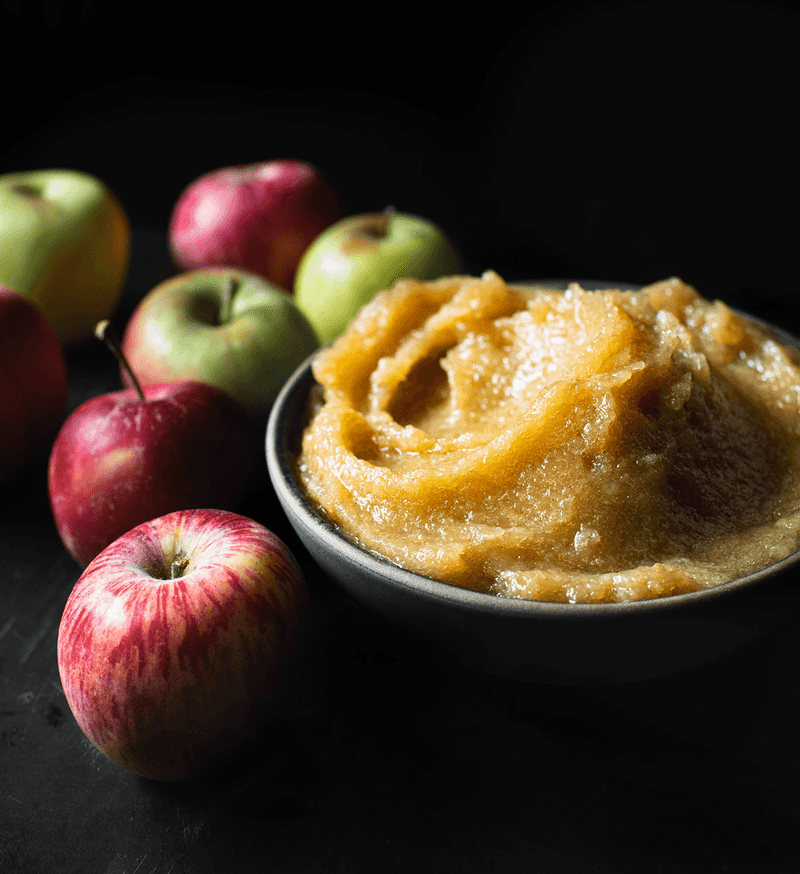
Making homemade applesauce feels wholesome and old-fashioned, but cooking it in an aluminium pot can quietly ruin the experience. The natural malic acid in apples reacts with aluminium during the long simmering process required to make a good sauce.
This can give your applesauce a faint metallic aftertaste that is hard to miss once you know it is there. A stainless steel or enameled pot keeps things clean and preserves that sweet, natural apple flavor perfectly.
13. Pickled Vegetables
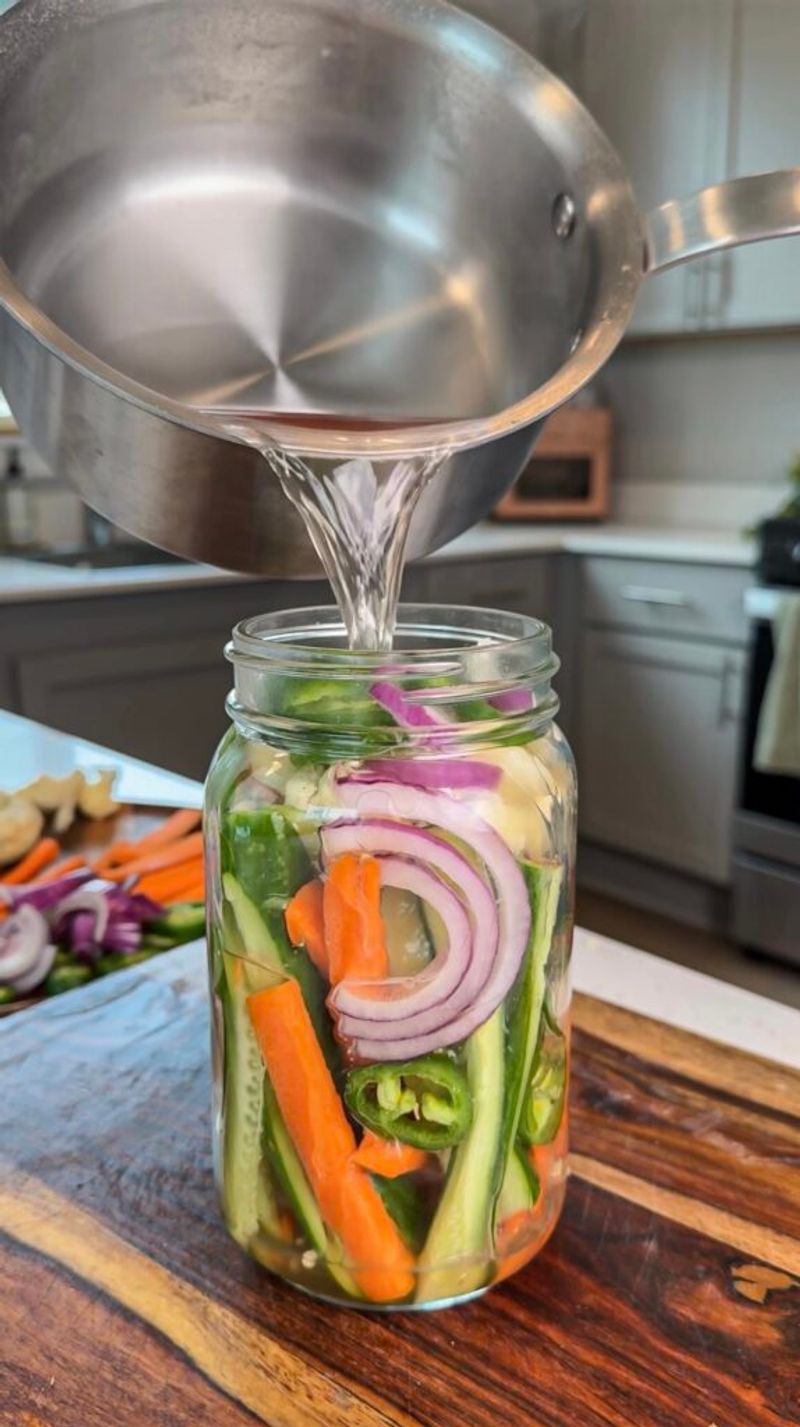
The brine used to pickle vegetables is essentially an acid bath, usually made with vinegar and salt. Those two ingredients together are extremely reactive with aluminium, making aluminium pots a poor choice for heating pickling liquid or cooking pickled vegetables.
The acid can strip the surface of the pan and even affect the color and taste of your pickles. Always use stainless steel or glass when working with pickling recipes to get safe, crisp, and flavorful results.
14. Cranberry Sauce
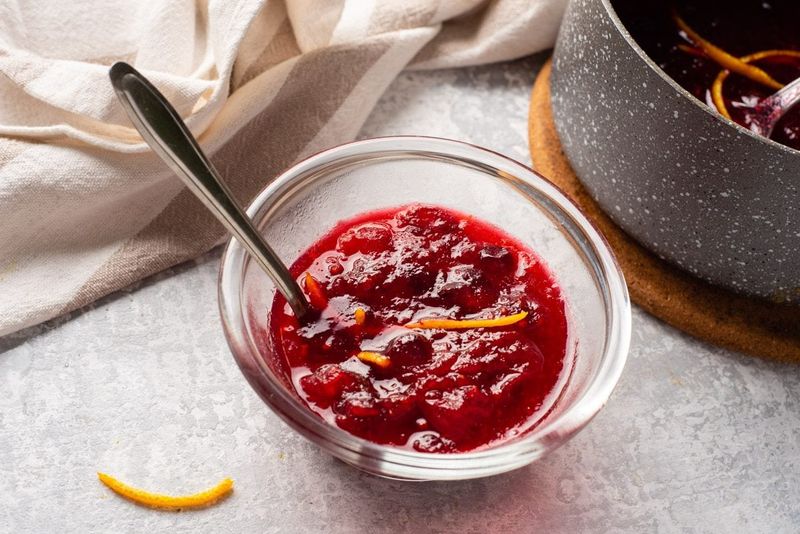
Nothing says a holiday meal like cranberry sauce, but this beloved condiment is very acidic and should never be made in an aluminium pot. The tartness that makes cranberries so delicious also makes them highly reactive with aluminium surfaces.
Even a short cooking time can cause the pan to discolor and leave an unpleasant metallic taste in the sauce. A stainless steel saucepan keeps the bright, tangy flavor intact and makes cleanup a whole lot easier too.
15. Dairy-Based Sauces
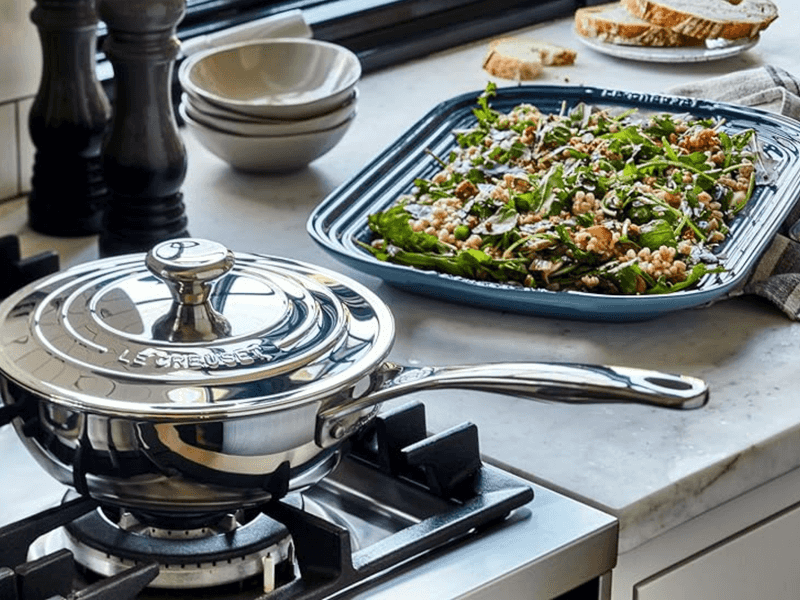
Think twice before making a creamy bechamel or cheese sauce in an aluminium pan. While dairy is not as aggressively acidic as citrus or vinegar, it can still interact with aluminium over medium-to-high heat, especially when the sauce is thickened and simmers for a while.
The result can be a slightly grayish tint and a subtle off-flavor in your sauce. A heavy stainless steel or enameled saucepan is the right tool for smooth, creamy dairy-based recipes.
16. Coffee
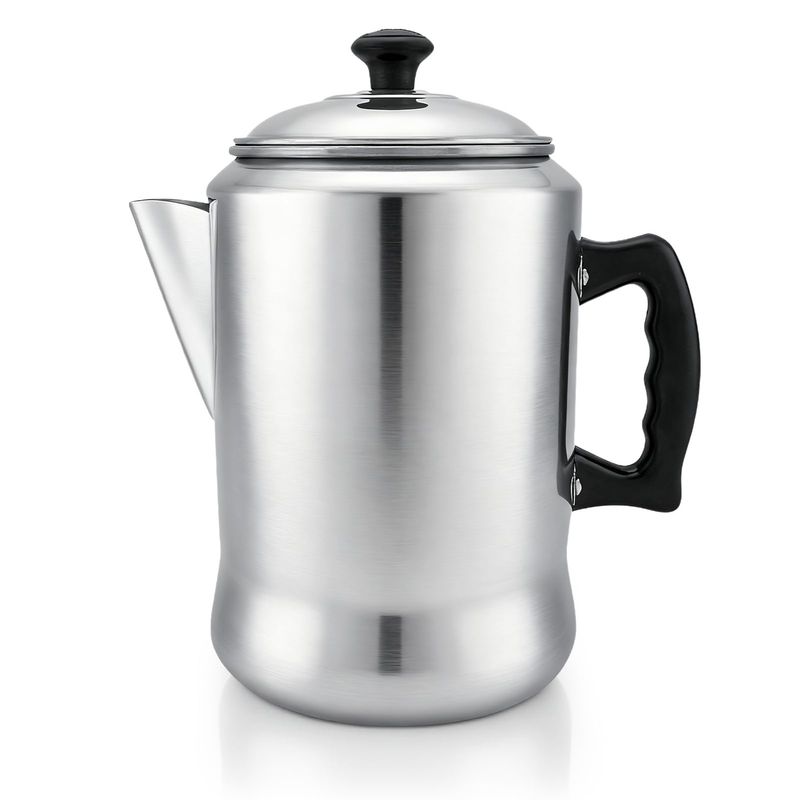
Coffee lovers who use old aluminium percolators or pots might notice their brew has a slightly metallic or bitter edge that is hard to explain. Coffee is mildly acidic, and when it sits in or brews through aluminium, that acidity slowly reacts with the metal surface.
This can subtly alter the flavor profile of your cup and may wear down the pot over time. For the cleanest, most flavorful coffee, use a stainless steel, glass, or ceramic brewing setup instead.

Comments
No Comments