













Getting enough iron becomes more important as we age, yet many older Britons unknowingly fall short of their daily needs. Low iron can cause tiredness, weakness, and even anaemia, which can seriously affect quality of life.
The good news is that plenty of tasty, everyday foods are packed with iron. Some of them might already be sitting in your kitchen cupboard right now.
1. Canned Sardines
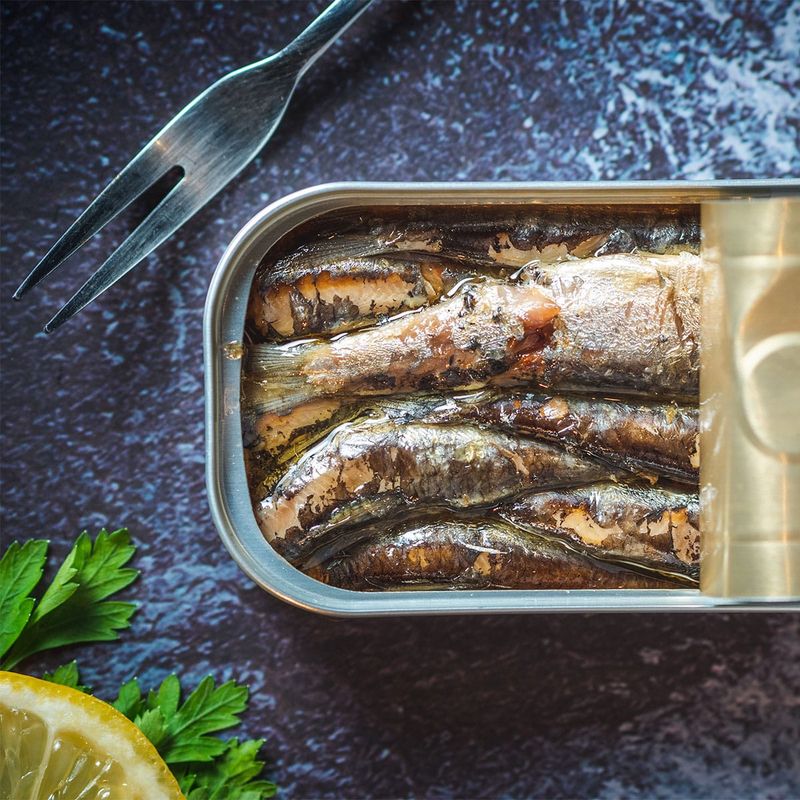
Sardines are one of the most underrated tins in the supermarket aisle. Packed with iron, omega-3 fats, and calcium, they offer serious nutrition in a small, affordable package.
Many older Britons walk straight past them without a second glance.
Try them on wholegrain toast with a squeeze of lemon for a quick, iron-boosting lunch. One small tin can provide around 2.9mg of iron, which is a meaningful contribution toward your daily target.
2. Black Beans
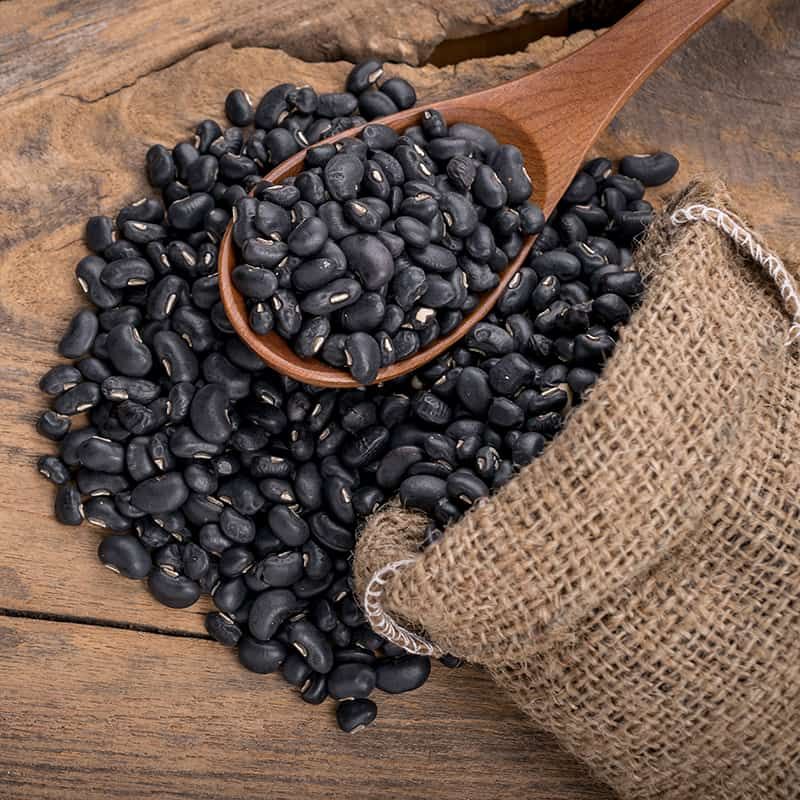
Black beans have quietly become a staple in health-conscious kitchens, yet many older Britons have never cooked with them. A single cup of cooked black beans delivers roughly 3.6mg of iron, making them one of the most powerful plant-based sources around.
They work brilliantly in soups, stews, or even mixed into a jacket potato filling. Eating them alongside a vitamin C-rich food, like tomatoes, helps your body absorb the iron more effectively.
3. Pumpkin Seeds
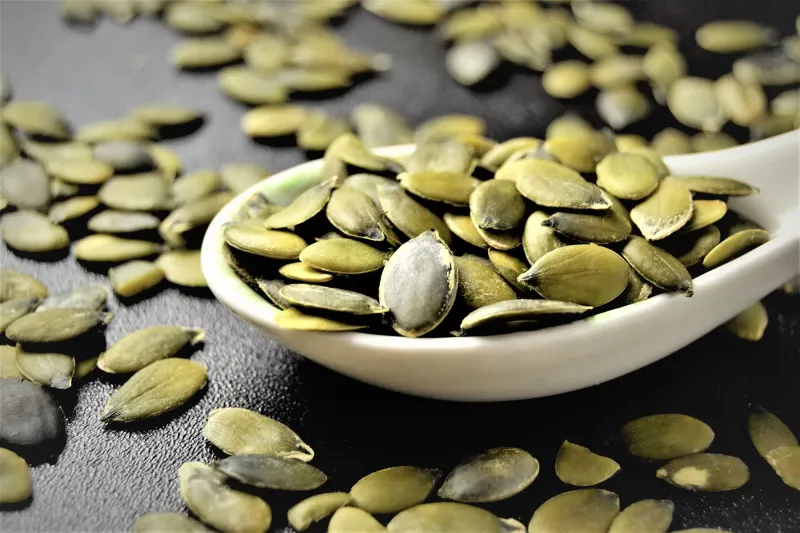
Here is a fun fact worth knowing: just one ounce of pumpkin seeds contains nearly 2.5mg of iron. That is more than many people would expect from such a tiny snack.
Yet most older Britons reach for crisps or biscuits instead.
Sprinkle them over porridge, toss them into a salad, or simply munch them as a mid-afternoon snack. They are also rich in magnesium and zinc, giving your body even more reasons to love them.
4. Fortified Breakfast Cereals
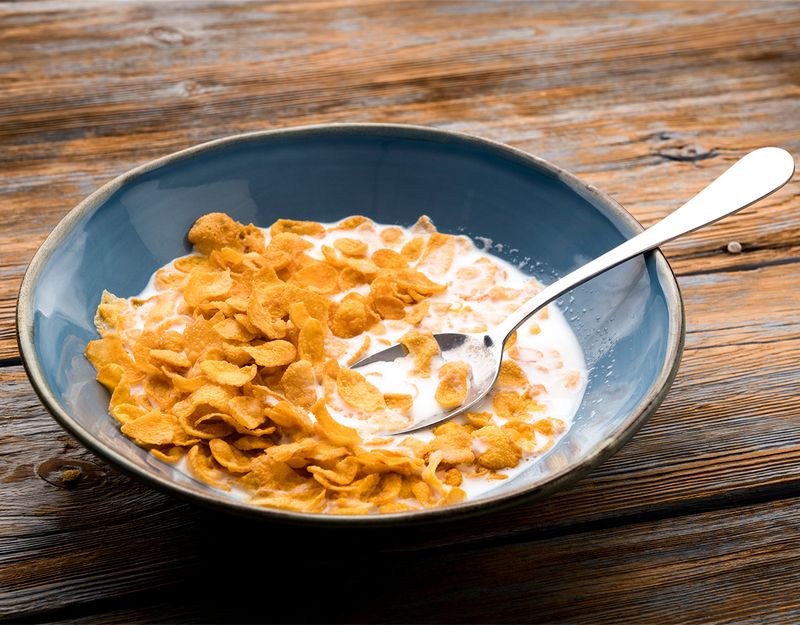
Many fortified cereals contain as much as 8mg of iron per serving, which is more than half the recommended daily intake for older adults. The tricky part is that not everyone realises which cereals are fortified, so checking the nutrition label matters.
Brands like bran flakes and certain wholegrain varieties are often good choices. Pairing your bowl with a small glass of orange juice is a smart move, as the vitamin C dramatically boosts iron absorption from plant-based sources.
5. Tofu
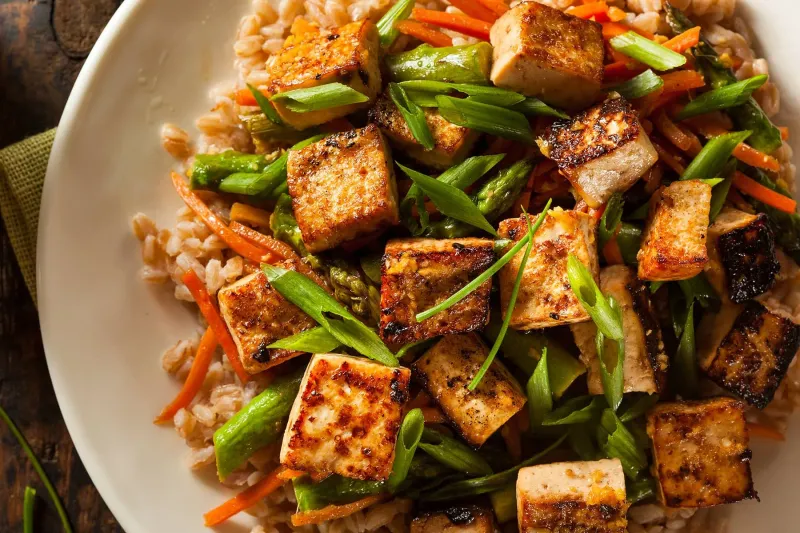
Tofu often gets dismissed as bland or unfamiliar, but it is one of the most iron-dense foods available, with around 3mg per half-cup serving. It soaks up flavours brilliantly, making it far more versatile than its reputation suggests.
Marinate it in soy sauce, garlic, and ginger before pan-frying for a surprisingly satisfying meal. For older Britons looking to reduce red meat consumption without sacrificing nutrition, tofu is a genuinely practical and protein-rich alternative worth trying.
6. Dried Apricots
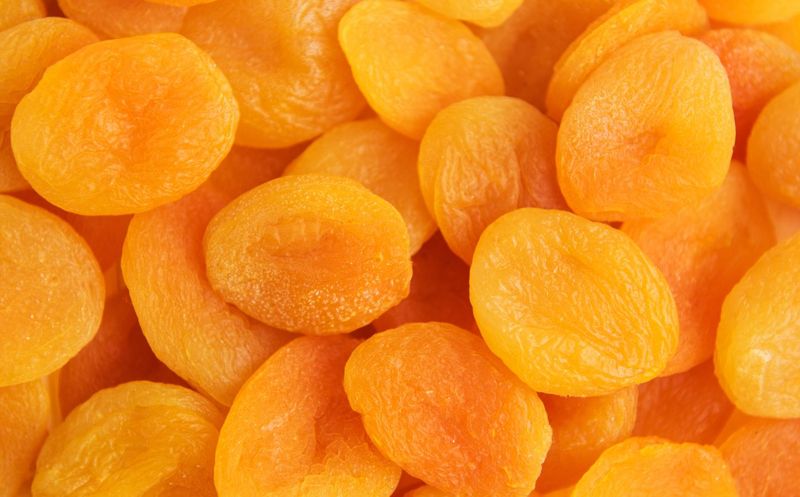
Dried apricots have a long history in British pantries, often tucked away for baking or Christmas recipes. What fewer people realise is that a 100g portion delivers around 2.7mg of iron, making them an easy and sweet way to top up your intake.
Keep a small bag on the kitchen counter and snack on a handful between meals. They also provide fibre and potassium, which support digestive and heart health, two priorities that matter more as the years go on.
7. Lentils
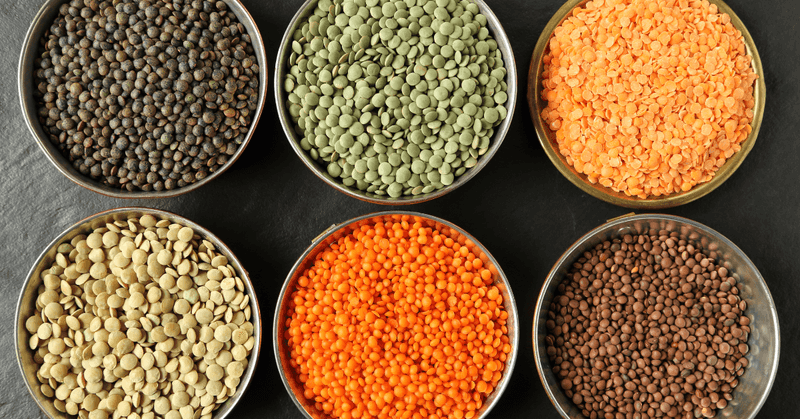
Lentils have been feeding families in Britain for centuries, yet somehow they have slipped off many dinner tables in recent decades. A cooked cup provides an impressive 6.6mg of iron, putting them firmly in the top tier of plant-based sources.
Red lentils dissolve into soups and dals beautifully, while green and brown varieties hold their shape well in salads or stews. Budget-friendly, filling, and deeply nutritious, lentils deserve a proper comeback in the kitchens of older Britons everywhere.
8. Dark Chocolate
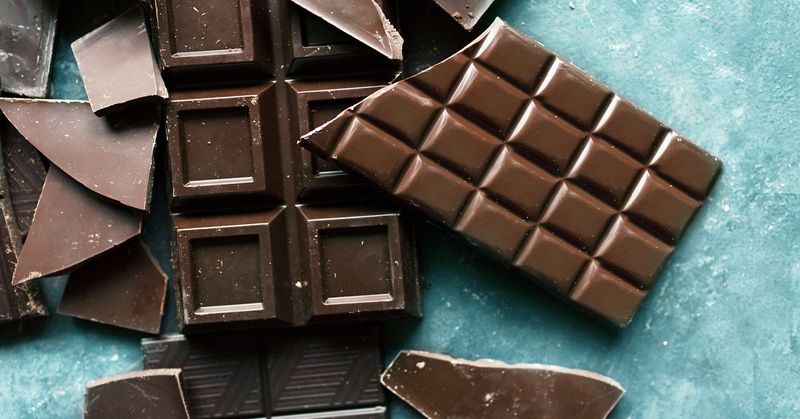
Good news for anyone with a sweet tooth: dark chocolate containing 70% cocoa or more delivers around 3.4mg of iron per 30g serving. It is one of the most enjoyable ways to support your iron intake, and it requires absolutely no cooking.
A couple of squares after dinner can make a real difference over time. Dark chocolate also contains antioxidants that support heart health, so there is very little guilt in making it a regular, modest treat in your daily routine.
9. Spirulina
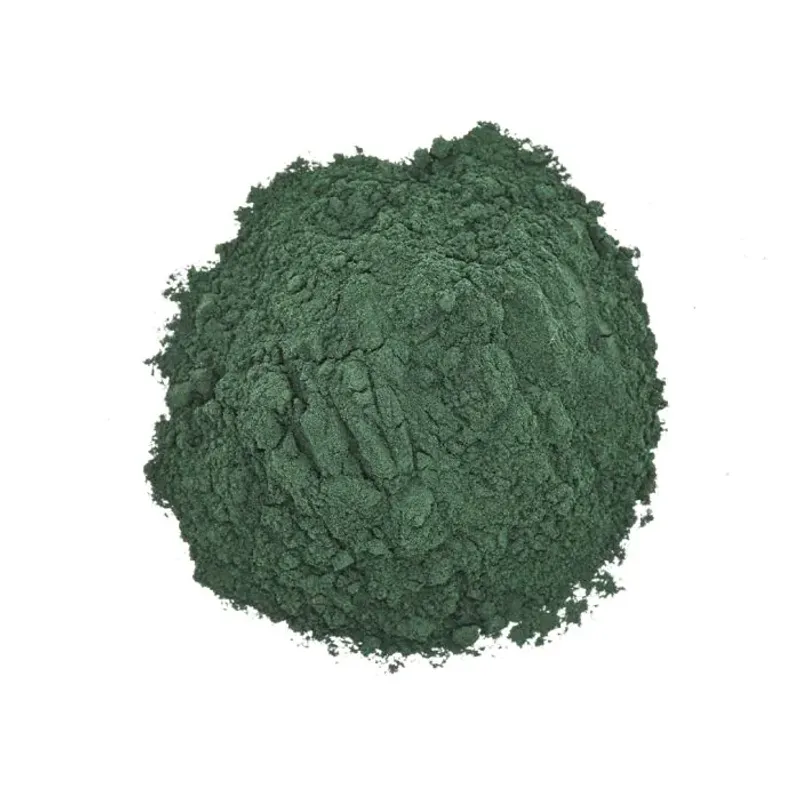
Spirulina is a blue-green algae that sounds more like a science experiment than a food, but nutritionists are enthusiastic about it for good reason. Just one tablespoon contains around 2mg of iron, plus B vitamins and protein in a remarkably compact form.
Stir it into a morning smoothie or mix it with juice to mask the earthy flavour. While it might seem unusual, spirulina is increasingly available in UK health shops and supermarkets, making it more accessible than ever for curious older adults.
10. Quinoa
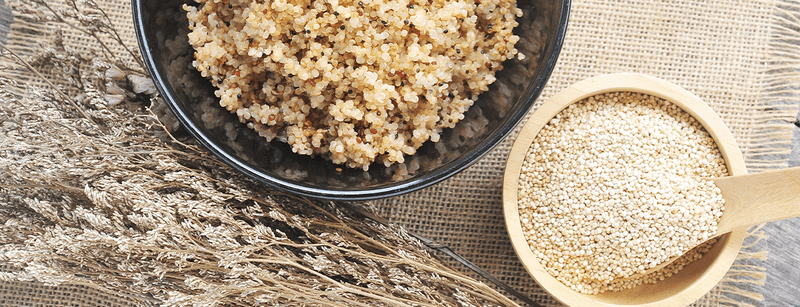
Quinoa became fashionable a decade ago and then quietly faded from many shopping baskets, which is a real shame nutritionally. One cooked cup provides around 2.8mg of iron, along with all nine essential amino acids, making it a complete protein source as well.
It cooks in just 15 minutes and works as a base for salads, a side dish, or even a warm breakfast with fruit and honey. For older adults managing multiple dietary needs, quinoa is genuinely one of the most efficient foods available.
11. Chickpeas
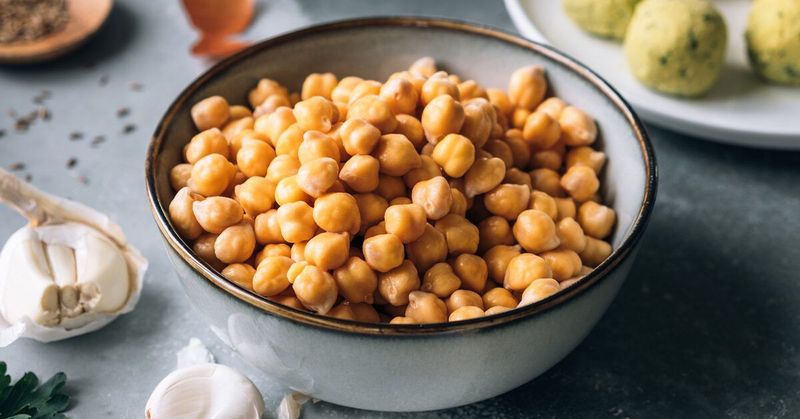
Chickpeas are a staple of Middle Eastern and South Asian cooking, but they deserve a much bigger place in British everyday meals. Half a cup of cooked chickpeas provides about 2.4mg of iron, alongside plenty of fibre and plant-based protein.
Roast them in the oven with olive oil and spices for a crunchy snack, blend them into hummus, or toss them into a warming curry. They are inexpensive, widely available, and surprisingly filling, which makes them a brilliant choice for older Britons watching their budget.
12. Sunflower Seeds
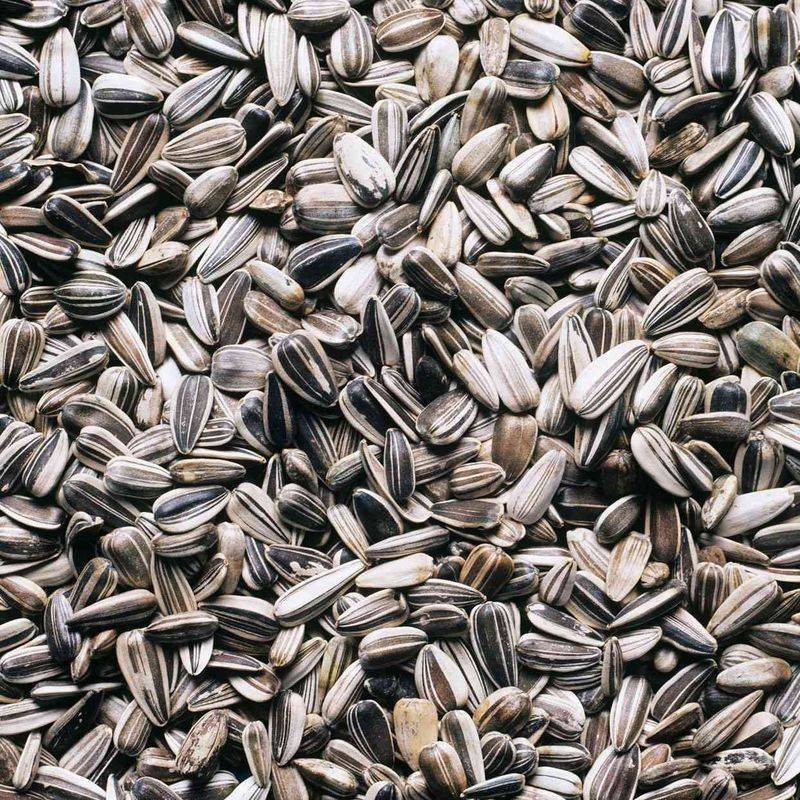
Sunflower seeds are almost always overlooked in favour of their flashier cousins like almonds or walnuts. Yet a 30g handful contains around 1.5mg of iron plus vitamin E and healthy fats that support skin and immune health as we age.
Scatter them over yoghurt, add them to homemade bread, or mix them into a trail mix for an easy, iron-boosting snack on the go. Small changes like this can quietly add up to meaningful nutritional improvements across an entire week.
13. Edamame Beans
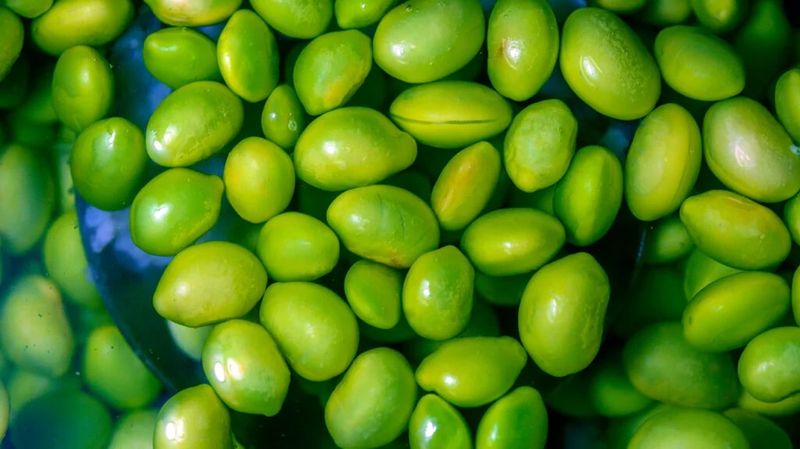
Edamame beans are young soybeans, and they have been a staple snack in Japan for generations. A cup of cooked edamame delivers around 3.5mg of iron, which is a surprisingly high amount for something so easy to prepare from frozen.
Simply boil or steam them from frozen, sprinkle with a little sea salt, and enjoy them as a light snack or side dish. They are also rich in folate and fibre, making them a well-rounded nutritional choice for older adults managing their health proactively.
14. Molasses
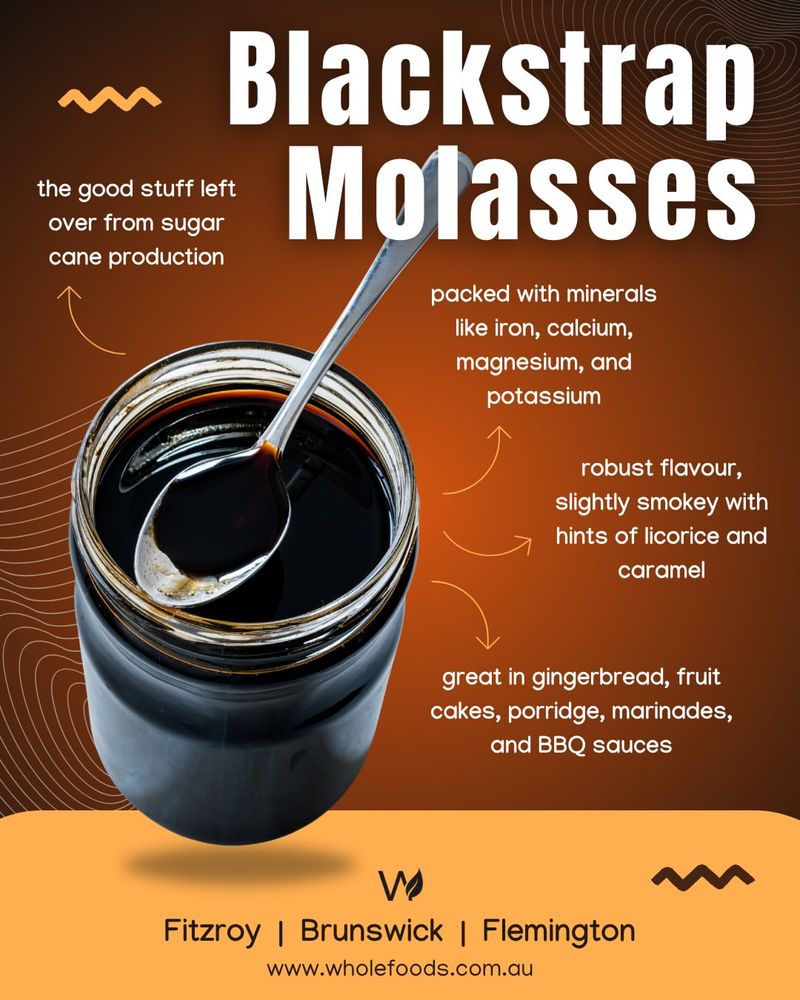
Blackstrap molasses is one of those old-fashioned ingredients that has nearly vanished from British kitchens, yet it is extraordinarily rich in iron. A single tablespoon contains around 3.5mg, along with calcium, magnesium, and potassium in genuinely useful amounts.
Stir it into warm milk, drizzle it over porridge, or use it in baking for a deep, rich sweetness. Older generations may actually remember it fondly, as it was once a common household remedy used to combat tiredness and low energy throughout the winter months.
15. Watercress
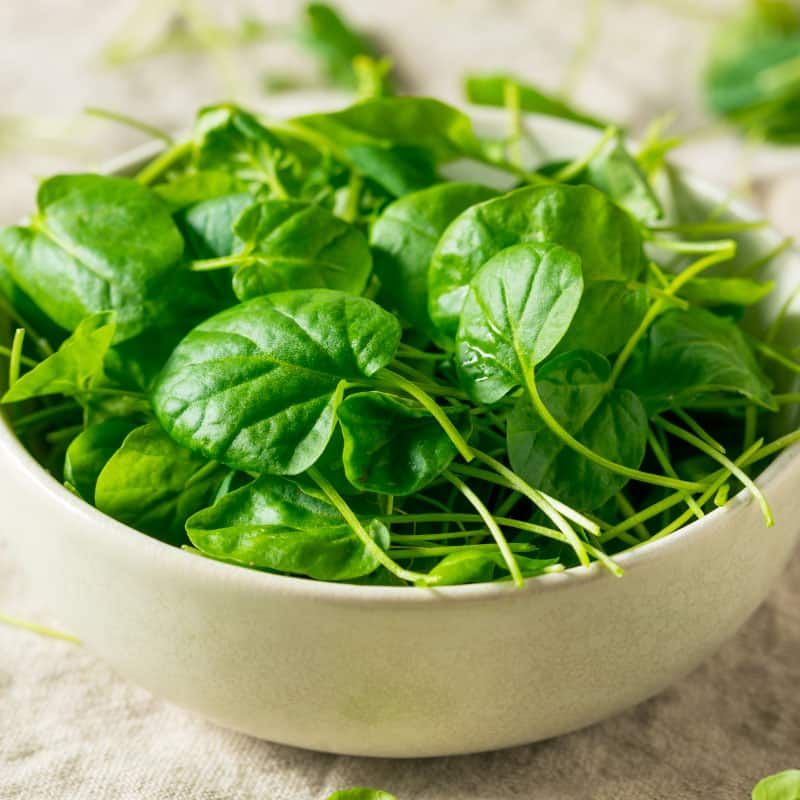
Watercress was once considered a humble British staple, sold from street carts in Victorian England and eaten by working-class families as an affordable, nutritious green. Today it is often overlooked in favour of spinach or kale, yet 100g contains around 1.1mg of iron alongside impressive levels of vitamin K and vitamin C.
Add it to sandwiches instead of lettuce, blend it into a soup, or toss it into a salad while it is fresh and peppery. Vitamin C in the watercress itself helps your body absorb the iron it contains, making it a cleverly self-sufficient nutritional choice.




Comments
No Comments