













Your kitchen might be hiding some real problems right under your nose. Old tools, worn-out gadgets, and expired supplies can make cooking harder, less safe, and even unhealthy.
Clearing out the clutter is one of the easiest ways to make your kitchen work better for you. Take a look around — you might be surprised by how much junk is taking up space.
1. Scratched Non-Stick Pans
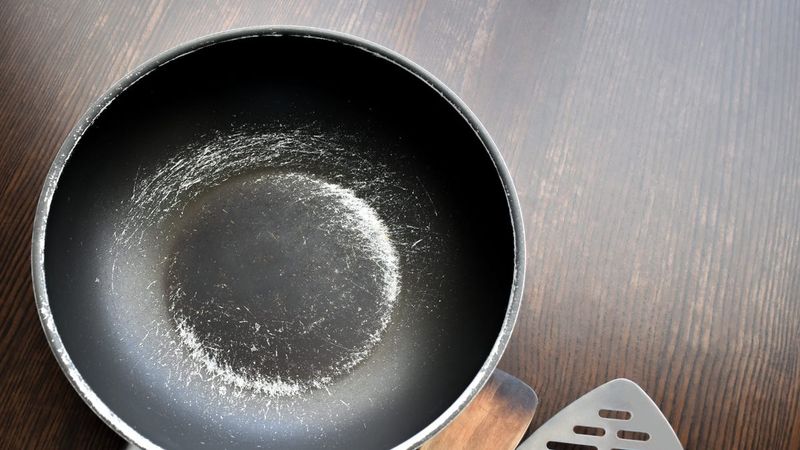
That scratched-up pan sitting in your cabinet could be doing more harm than good. When the coating on a non-stick pan starts to peel, tiny flakes of it can end up right in your food.
Not exactly a tasty addition to your scrambled eggs.
Replacing a damaged non-stick pan is a small investment that pays off in safer, healthier cooking. Look for pans with ceramic or PFOA-free coatings for a better option.
2. Expired Spices
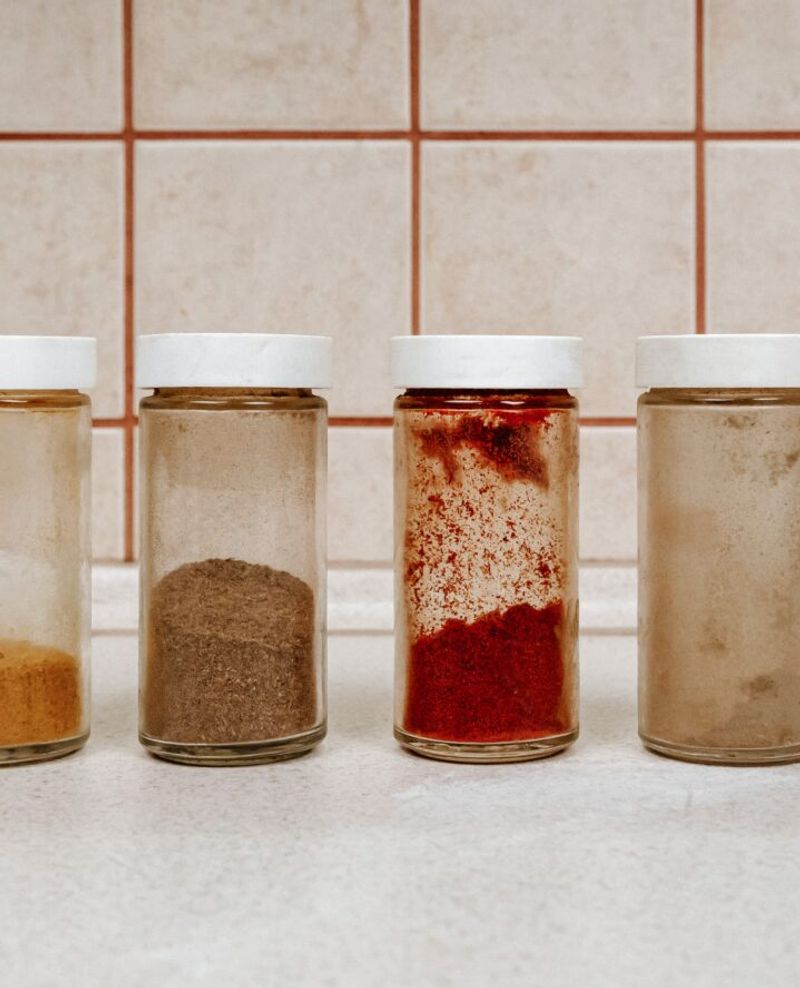
Spices do not last forever, even though they look fine sitting on the shelf for years. Old spices lose their flavor and aroma, which means your food ends up tasting flat and boring.
Check those little jars — some might be older than your youngest sibling.
Ground spices typically stay fresh for about one to two years, while whole spices can last up to four. When in doubt, give them a sniff.
No smell? Toss them out.
3. Cracked Plastic Cutting Boards
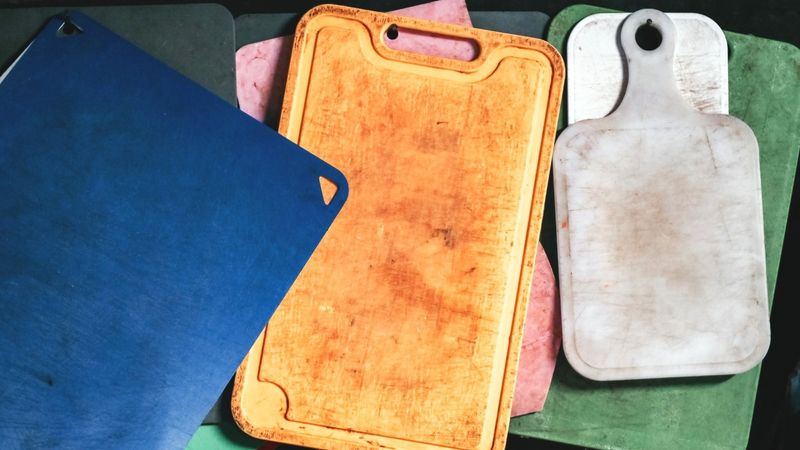
Plastic cutting boards seem tough, but those knife grooves are actually tiny traps for bacteria. Once cracks and deep cuts form, no amount of scrubbing will fully clean them.
You might be preparing a healthy meal on what is basically a germ hotel.
Swap your cracked board for a fresh plastic one or upgrade to a wood or bamboo board. Either way, your food prep area should never be working against you.
4. Old Wooden Spoons
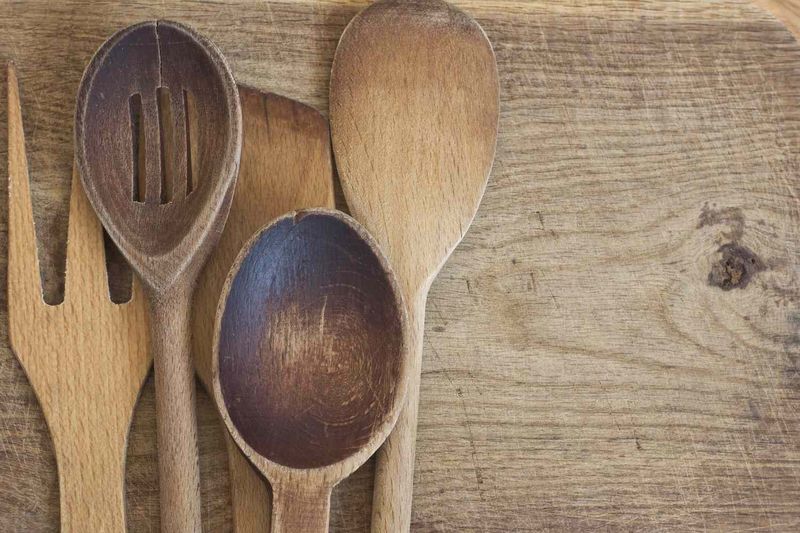
Wooden spoons are kitchen classics, but they do not last forever. Over time, wood absorbs moisture, odors, and even bacteria — especially when it starts to crack or splinter.
That beloved stirring spoon might be carrying flavors from meals made years ago.
If your wooden spoon has deep cracks, a sour smell, or rough splinters, it is time to say goodbye. New ones are inexpensive, and your soups and sauces will thank you for the upgrade.
5. Chipped Mugs and Dishes
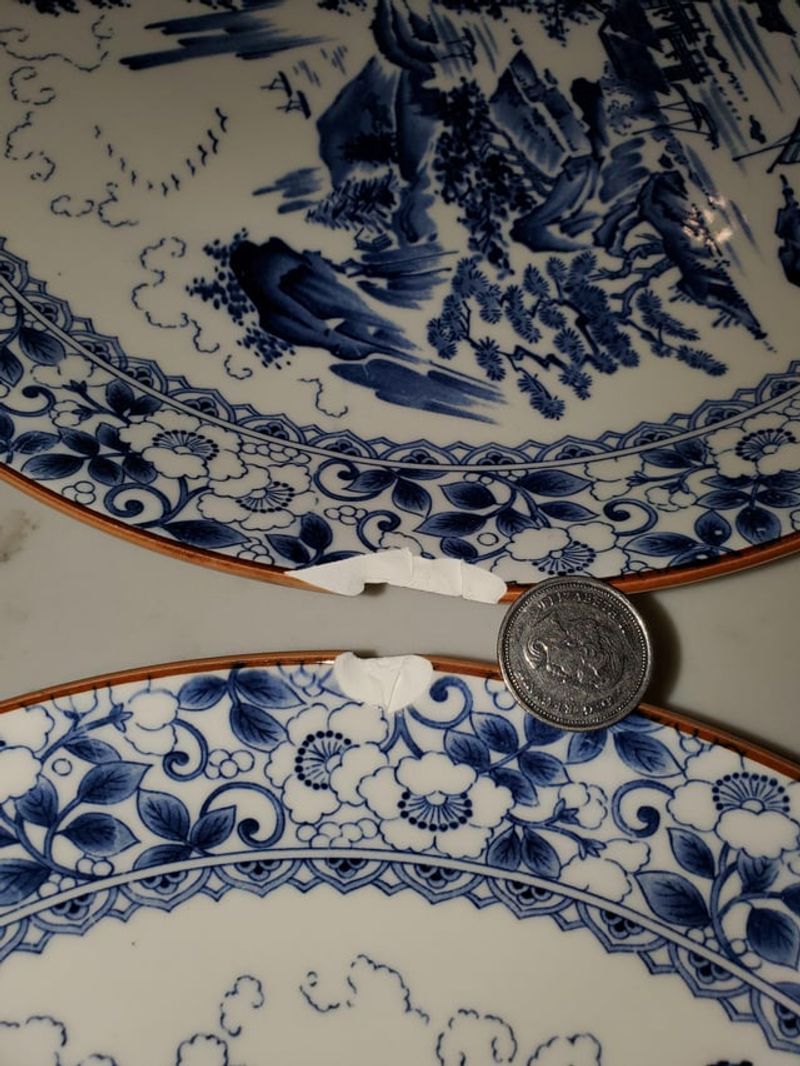
Chipped mugs might feel charming and cozy, but they can actually be a health risk. The rough edges of a chip can harbor bacteria and are nearly impossible to clean properly.
Plus, nobody wants a sharp edge against their lips first thing in the morning.
Ceramic and porcelain dishes can also develop tiny cracks that weaken over time, making them more likely to break suddenly. Letting go of a chipped mug is not sentimental — it is just smart.
6. Expired Canned Goods
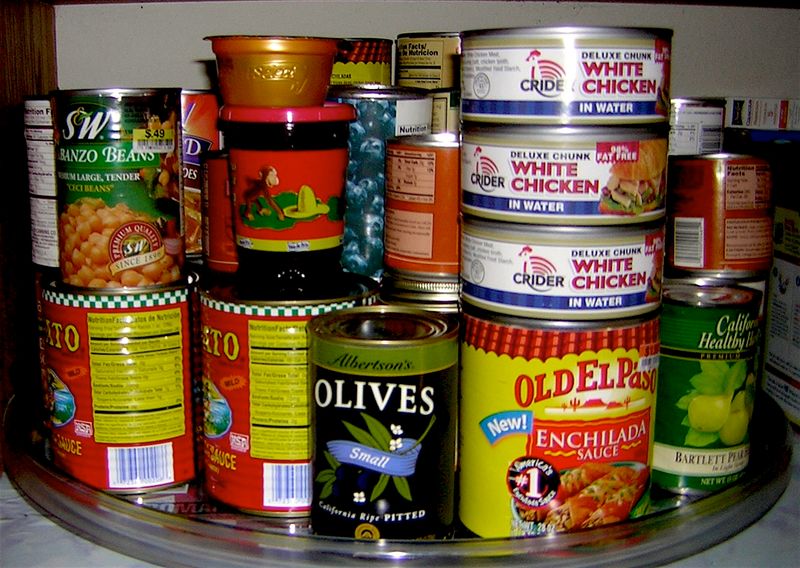
Canned goods have a reputation for lasting forever, but that is not quite true. Most canned foods are best used within two to five years, and anything past that can lose nutritional value or even become unsafe.
Do a pantry sweep and check every single label.
Watch out for cans that are dented, bulging, or rusted — those are signs something has gone seriously wrong inside. When a can looks suspicious, trust your gut and throw it out immediately.
7. Worn-Out Sponges
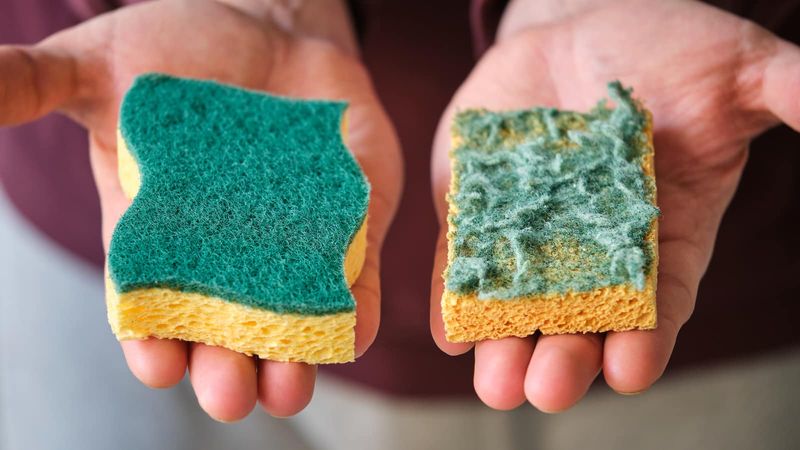
Kitchen sponges are among the germiest objects in the entire home — even dirtier than most bathroom surfaces. That warm, wet environment is practically a paradise for bacteria like E. coli and salmonella.
Using an old sponge to wipe down counters can actually spread more mess than it cleans.
Replace your sponge every one to two weeks, or whenever it starts to smell funky. Silicone scrubbers are a great alternative since they are easier to sanitize and last longer.
8. Plastic Containers with Missing Lids
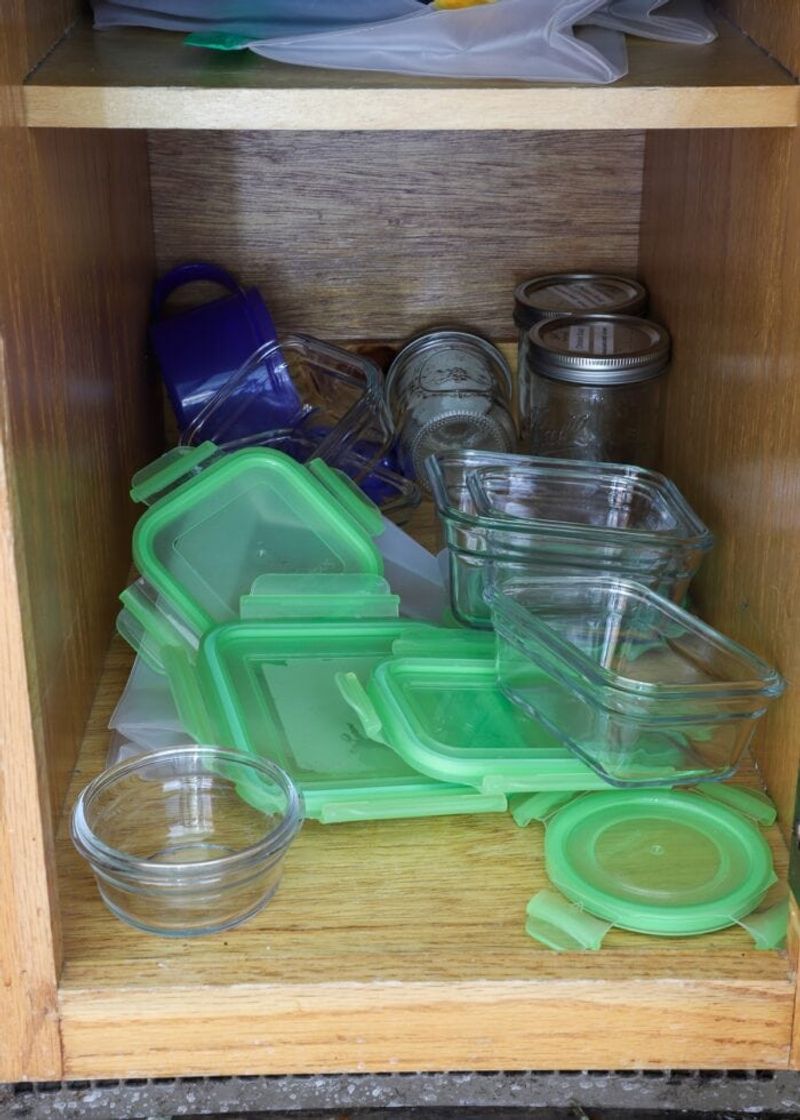
Everybody has that one drawer or cabinet overflowing with containers that have no matching lids. They take up tons of space, and honestly, a lidless container is not doing much for you.
Leftovers need a proper seal to stay fresh and safe in the fridge.
Go through your collection and match every container to its lid. Anything without a match should go straight to the recycling bin.
A streamlined set of matching containers will make your kitchen feel instantly more organized.
9. Dull Kitchen Knives
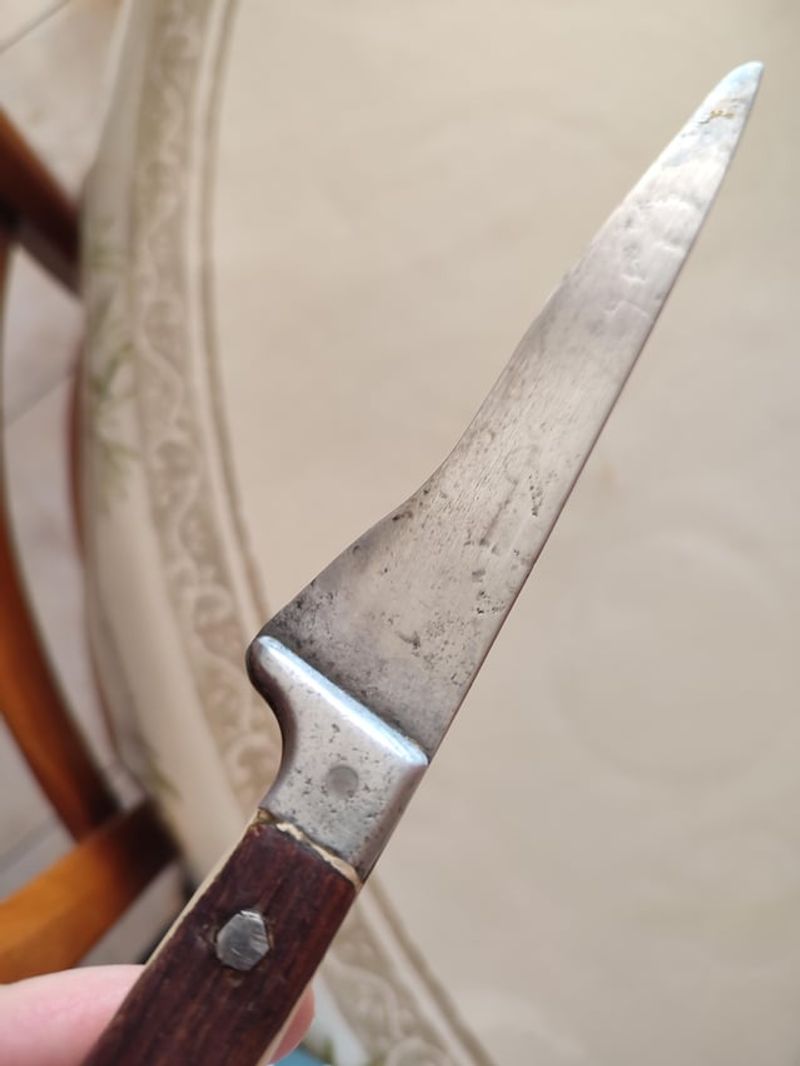
Here is something that surprises a lot of people: dull knives are actually more dangerous than sharp ones. When a blade is dull, you have to press harder to cut, which makes it way more likely to slip and hurt you.
A sharp knife glides through food smoothly and safely.
If your knives struggle to slice a ripe tomato, they need attention. Either invest in a good knife sharpener or replace them.
Your fingers will definitely appreciate the change.
10. Grimy Oven Mitts
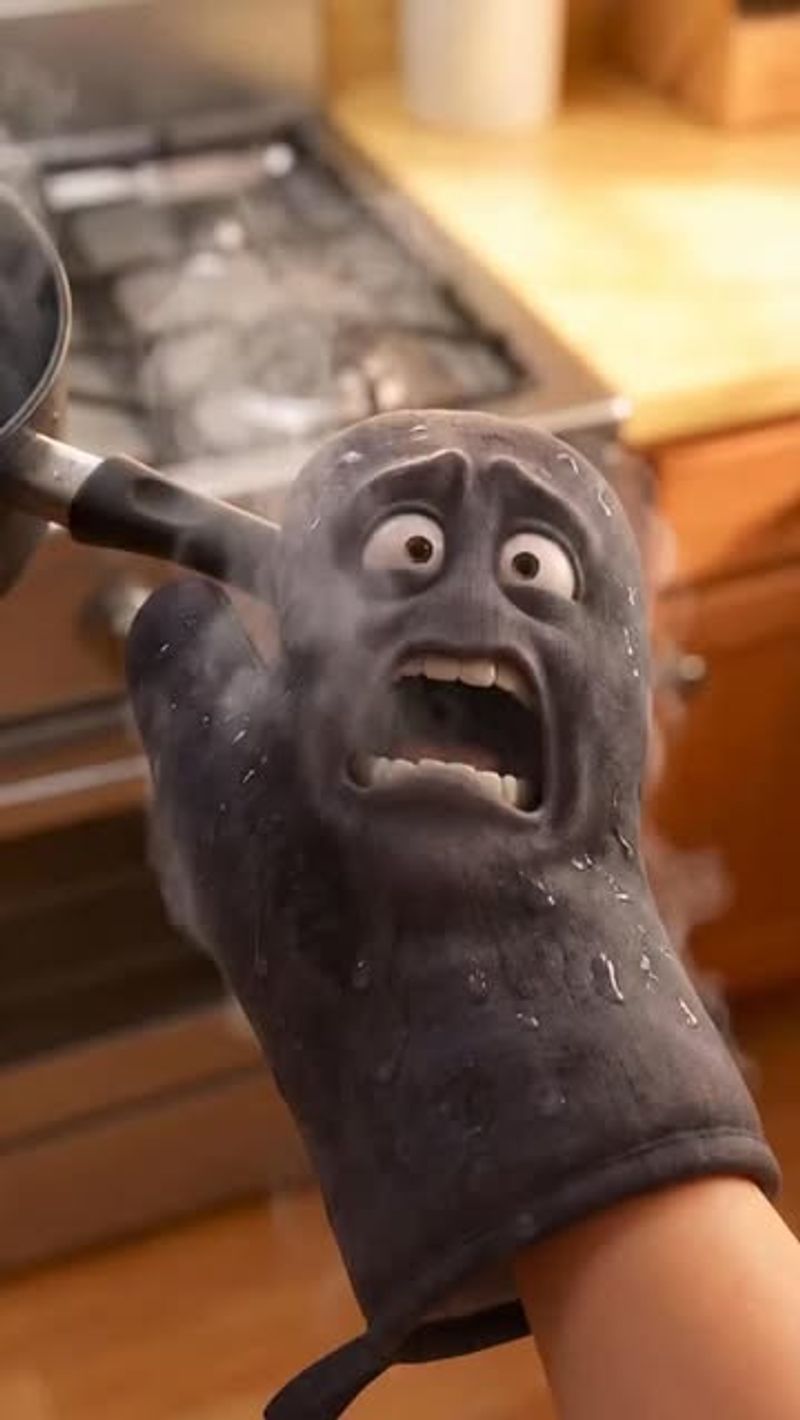
Oven mitts take a beating — grease, heat, spills, and burns all add up fast. Once the padding inside starts to break down or the fabric gets too thin, they stop protecting your hands the way they should.
A burn from a hot dish is not worth the risk.
Stained mitts are also just unsanitary. If yours look like they survived a cooking disaster and cannot be properly washed, pick up a fresh pair.
Silicone oven mitts are especially durable and easy to clean.
11. Old Dish Towels
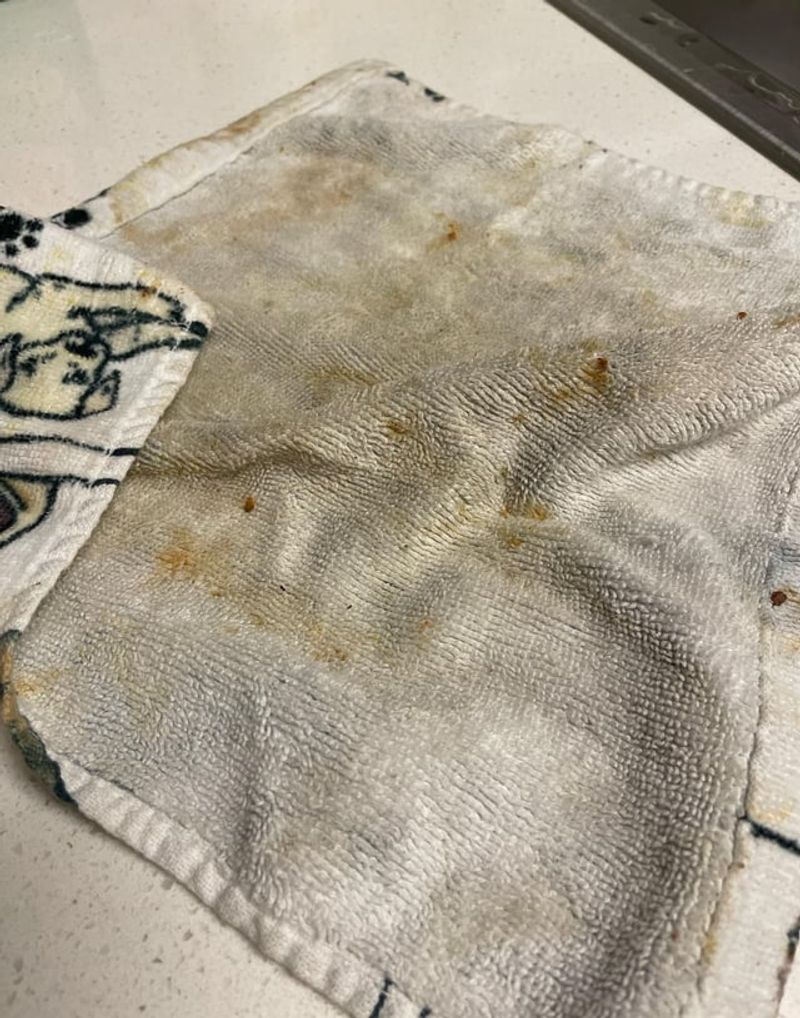
Dish towels get used constantly — drying hands, wiping counters, handling hot pots — and all that action adds up. Over time, they become frayed, stained, and full of bacteria that regular washing cannot always remove.
That fresh-from-the-dishwasher plate might not be so clean if you dry it with a grimy towel.
Swap out old towels every few months, and wash them frequently in hot water. Keeping a few clean, fresh towels on rotation makes a big difference in kitchen hygiene.
12. Rusted Baking Sheets
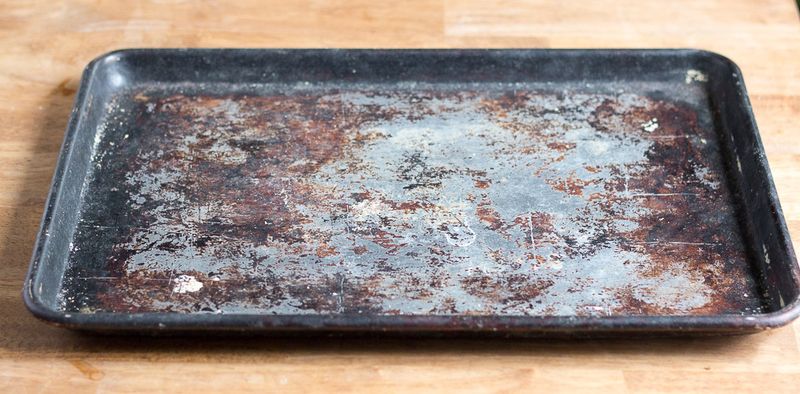
Rust on a baking sheet is not just ugly — it is a sign that the pan has broken down and should not be used for food anymore. Rust can transfer to whatever you are baking, affecting both taste and safety.
No cookie is worth that kind of risk.
Light staining is fine, but actual rust spots mean it is time for a replacement. Heavy-duty aluminum or stainless steel baking sheets are great long-term investments that hold up much better over time.
13. Cracked Silicone Spatulas
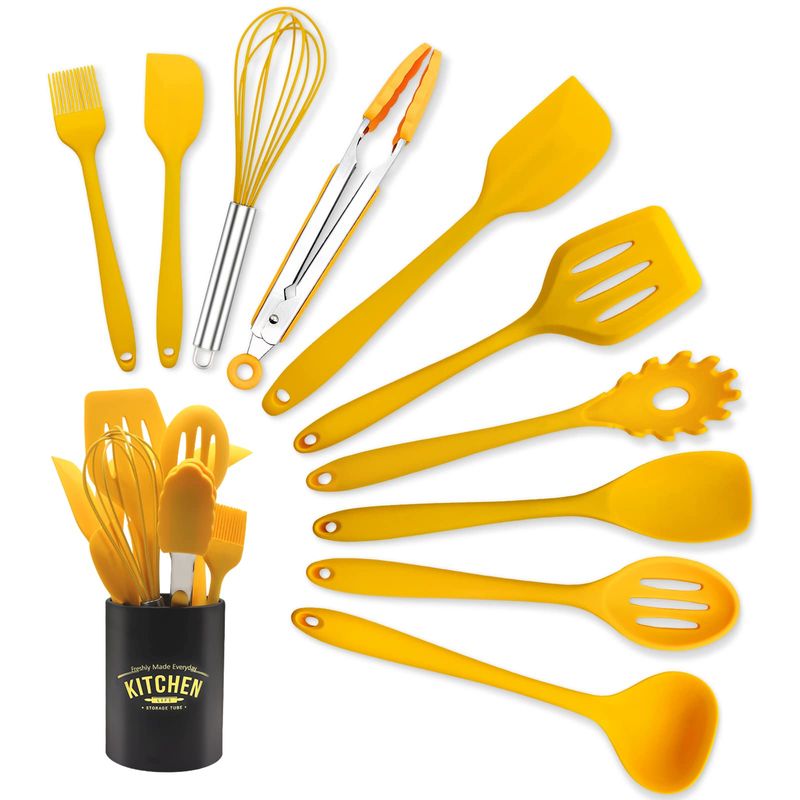
Silicone spatulas seem indestructible, but they do wear out eventually. Cracks, tears, or discoloration are signs that the material has broken down — and those cracks trap food and bacteria in the same sneaky way that wooden spoons do.
A spatula that looks rough on the edges is past its prime.
The good news is that silicone spatulas are pretty affordable to replace. Look for heat-resistant, one-piece designs that are easier to clean and less likely to crack under pressure.
14. Mystery Gadgets You Never Use
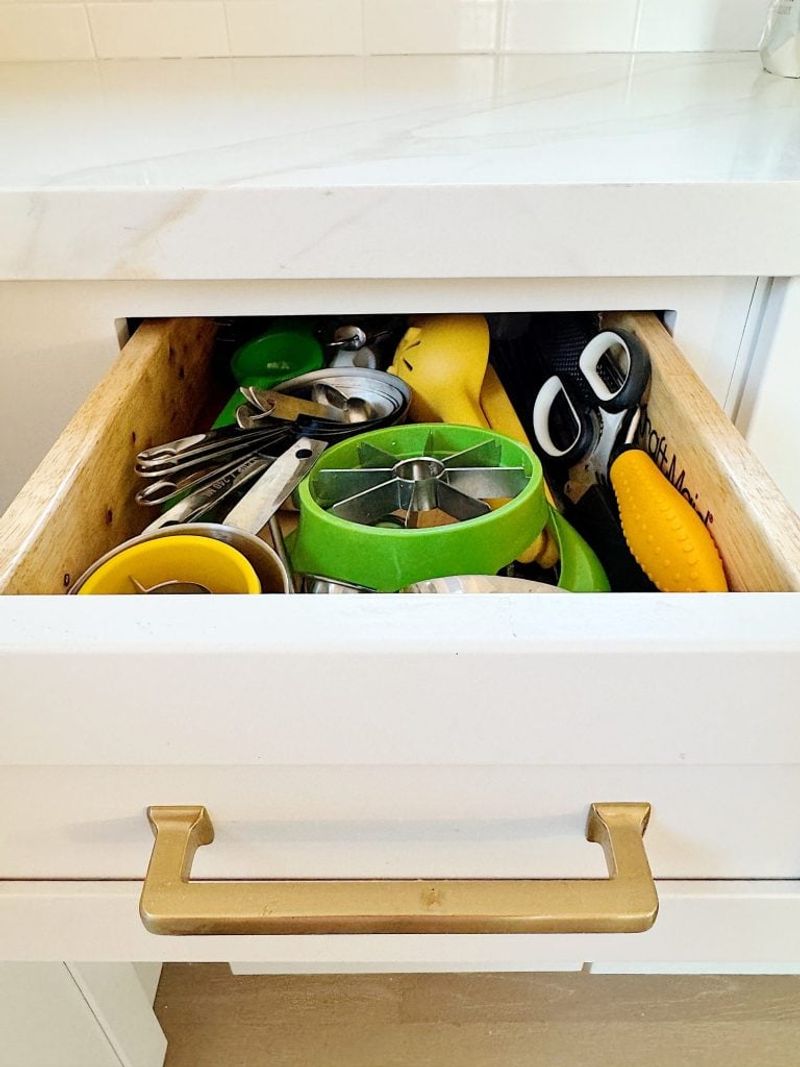
Every kitchen has at least one gadget that seemed like a brilliant idea at the store but has never actually been used. The avocado slicer, the egg separator, the spiralizer still in its box — sound familiar?
These items just eat up drawer and counter space without contributing anything to your meals.
If you have not touched something in over a year, chances are you never will. Donate it, sell it, or recycle it.
Less clutter means a calmer, more functional kitchen.
15. Grimy Range Hood Filters
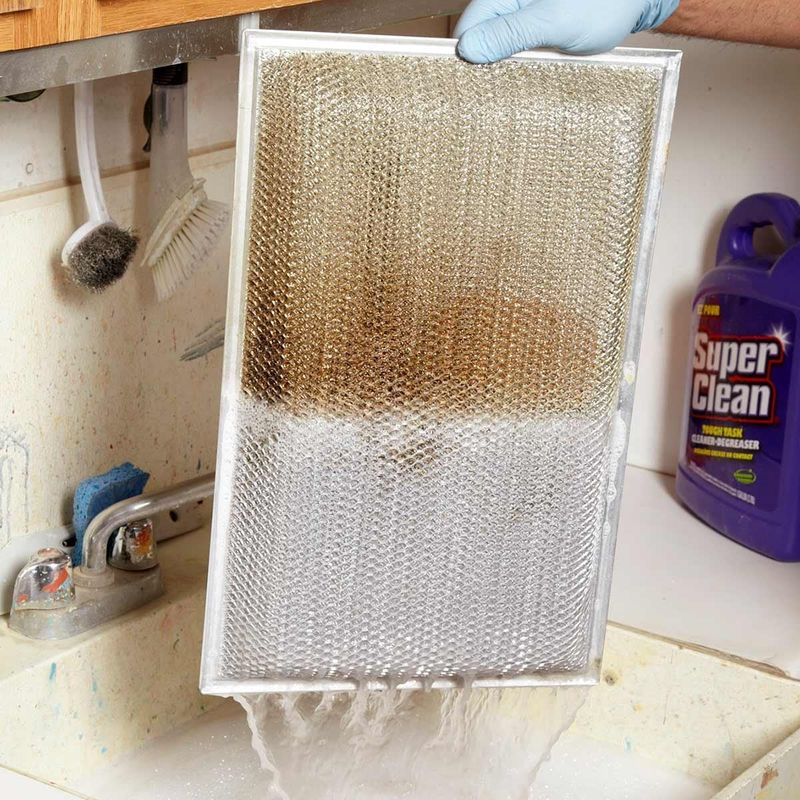
Range hood filters are easy to forget because they are up high and out of sight. But over time, they clog with grease and grime, which makes them completely useless at keeping your kitchen air clean.
A blocked filter can even become a fire hazard near an open flame.
Most metal filters can be cleaned in the dishwasher or with hot soapy water. If yours is warped, falling apart, or completely caked with years of grease, replacing it is the smarter and safer move.




Comments
No Comments