













Many adults in the UK consume less plant-based protein than recommended, which can affect energy levels and overall nutrient intake. Plant proteins are an important part of a balanced diet, contributing to muscle maintenance, satiety, and general wellbeing.
Increasing intake does not have to mean sacrificing taste or variety. Foods such as legumes, seeds, nuts, and whole grains offer simple ways to boost protein while keeping meals enjoyable.
Incorporating these options regularly can support dietary goals and make plant-based eating more accessible for everyday meals.
All information is provided for general interest only. Consult a qualified healthcare professional for personalised advice. Taste, appearance, and availability may vary.
1. Lentils
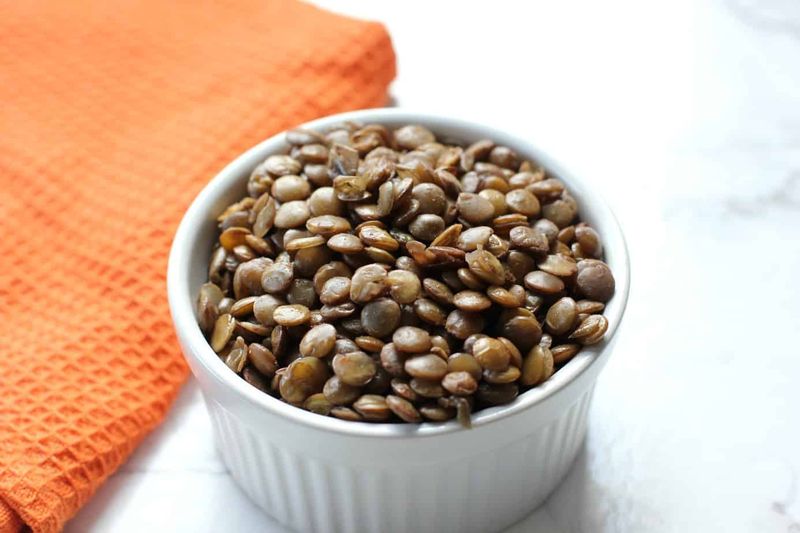
Packed with roughly 18 grams of protein per cooked cup, lentils are brilliant for bulking up meals without breaking the bank. They cook faster than most beans, taking just 20 to 30 minutes, which makes them perfect for busy weeknights.
Red lentils turn soft and golden, ideal for curries and soups. Green and brown varieties hold their shape better, making them ace in salads or as a side dish.
Their earthy flavour pairs beautifully with spices like cumin and coriander, and they soak up whatever seasonings you throw at them.
2. Chickpeas
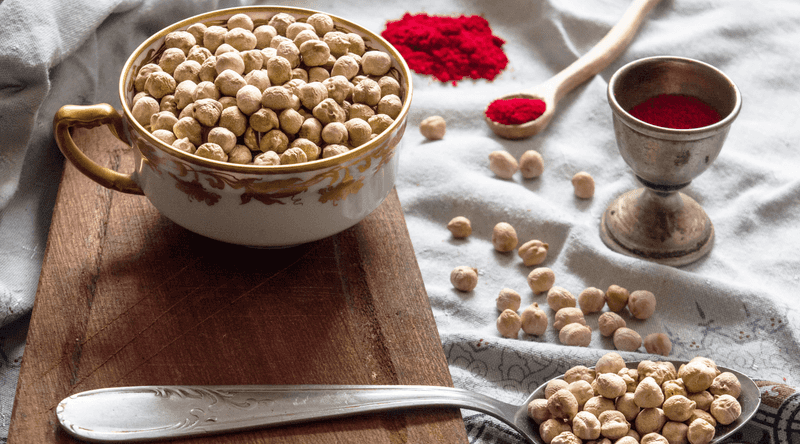
With about 14.5 grams of protein per cooked cup, chickpeas bring a nutty taste and satisfying bite to countless dishes. Roast them with spices for a crunchy snack that beats crisps any day.
Blending them creates silky hummus that's perfect for dipping vegetables or spreading on toast. Toss them into salads for extra texture, or simmer them in tomato-based curries where they'll soak up all those lovely flavours.
Their mild taste means they work brilliantly in both savoury and sweet recipes, including chocolate brownies if you're feeling adventurous.
3. Black Beans
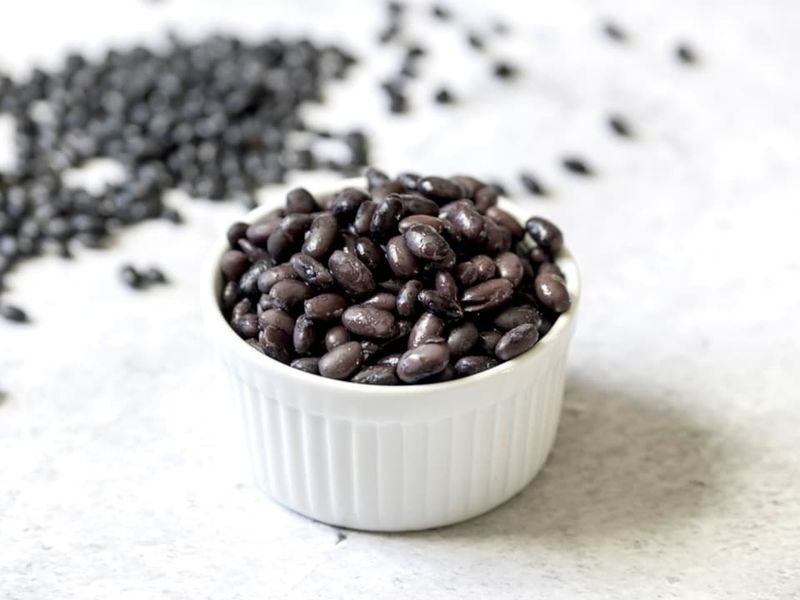
These glossy legumes deliver a meaty texture that makes them brilliant for hearty meals. Their slightly sweet, earthy flavour stands up well to bold seasonings like chilli and garlic.
Black beans shine in Mexican-inspired dishes, from burritos to bean burgers that actually hold together on the grill. Mash them for a protein-rich base in veggie patties, or keep them whole in soups and stews.
They're loaded with fibre alongside their protein content, keeping you fuller for longer and supporting healthy digestion throughout the day.
4. Kidney Beans
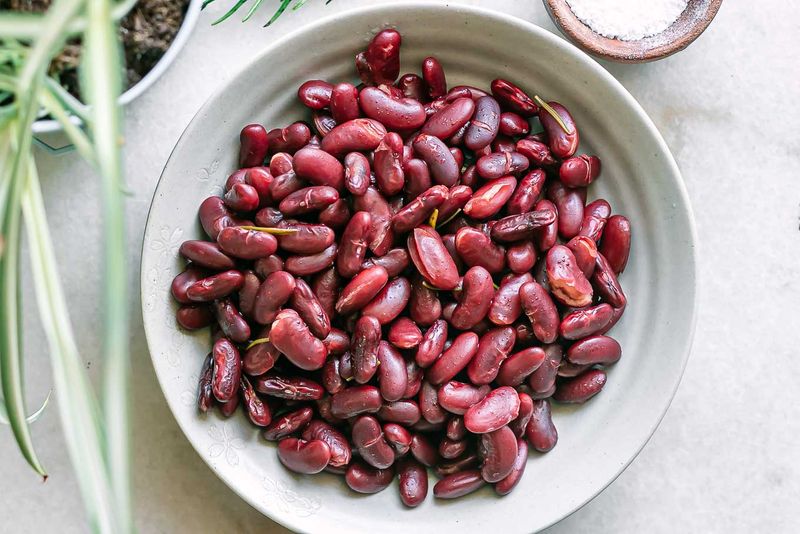
Named for their distinctive shape, kidney beans bring a firm texture and rich flavour to warming dishes. They're particularly famous in chilli con carne's veggie cousin, where their robust nature holds up brilliantly during long cooking times.
Always cook them thoroughly, as raw kidney beans contain toxins that disappear with proper preparation. Tinned versions are already safe and ready to use straight away.
Mix them into rice dishes for a complete protein combo, or add them to pasta sauces for extra substance that turns a light meal into something properly filling.
5. Tofu
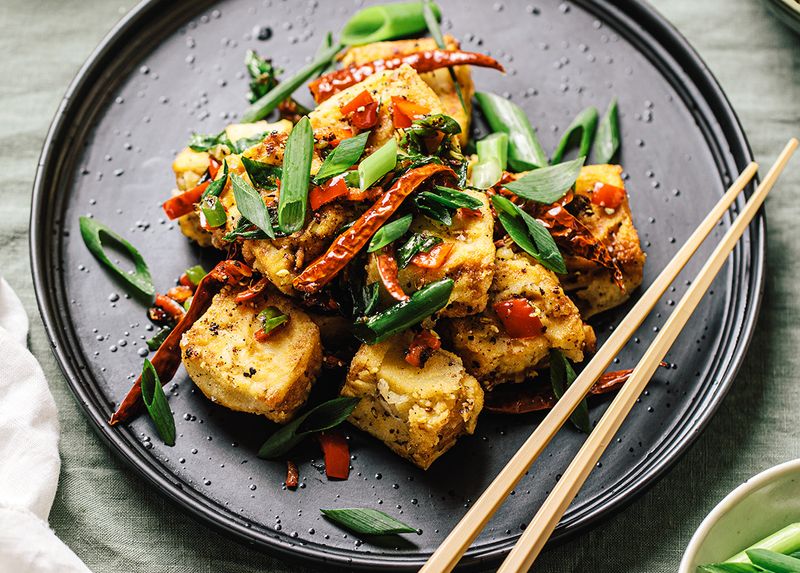
Made from pressed soya milk, tofu acts like a flavour sponge that takes on whatever seasonings surround it. With 13 to 19 grams of protein per 100 grams, it's a complete protein containing all essential amino acids your body needs.
Press out excess water before cooking to get a better texture and help it crisp up nicely. Firm tofu works brilliantly in stir-fries and can be grilled or baked until golden.
Silken varieties blend smoothly into puddings, sauces, and even scrambled egg alternatives that'll surprise you with their creamy consistency.
6. Tempeh
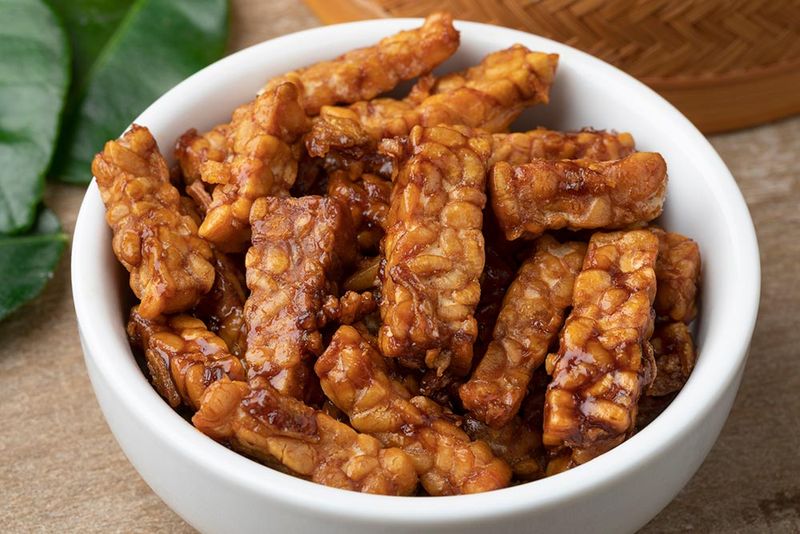
This fermented soya product boasts 18 to 21 grams of protein per three-ounce serving and brings a nutty, slightly mushroomy taste to plates. Its firm, dense texture means it slices beautifully and holds together during cooking.
Fermentation makes tempeh easier to digest than regular soybeans whilst adding beneficial probiotics. Marinate slices in soy sauce and ginger before pan-frying for a satisfying main that doesn't fall apart.
Crumble it into pasta sauces as a mince alternative, or cube it for kebabs that actually stay on the skewer.
7. Edamame
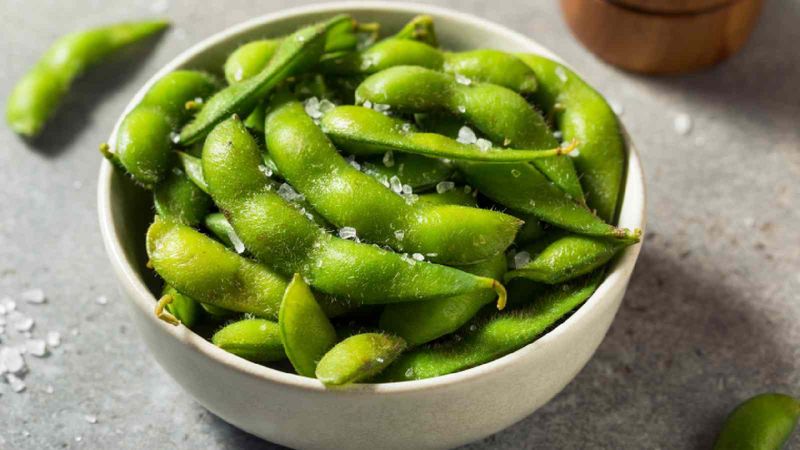
These young soybeans arrive in fuzzy pods that make snacking feel like an activity rather than mindless munching. Pop them from their shells to reveal tender green beans offering 13.5 grams of protein per cooked cup.
Steam or boil them for just five minutes, then sprinkle with sea salt for a simple starter or side dish. Their sweet, slightly grassy flavour works brilliantly tossed into grain bowls or pasta salads.
Find them in the freezer section of most supermarkets, already podded or still in their shells for interactive eating.
8. Quinoa
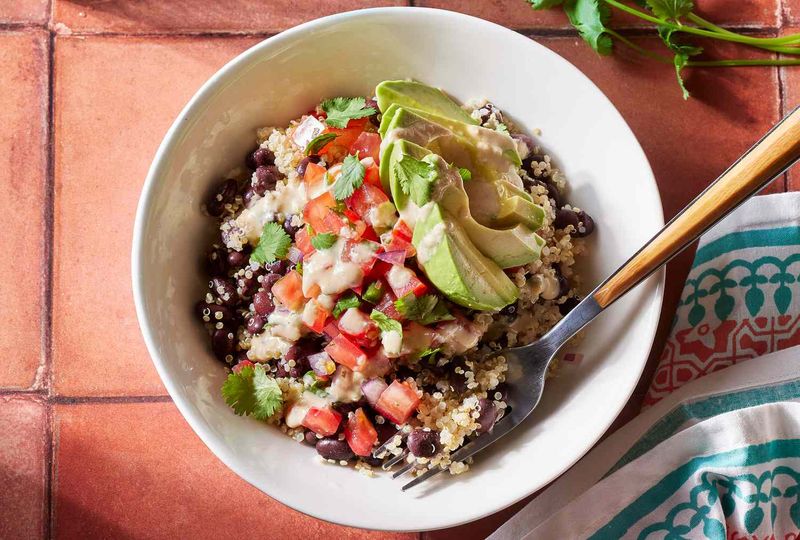
Technically a seed rather than a grain, quinoa delivers all nine essential amino acids, making it a complete protein that's relatively rare in the plant kingdom. Each cooked cup provides 8 grams of protein alongside a pleasant, slightly nutty taste.
Rinse it before cooking to remove any bitter coating that sometimes clings to the seeds. It fluffs up beautifully and works as a base for Buddha bowls or as a substitute for rice or couscous.
Red and black varieties offer a firmer texture than white quinoa, holding their shape better in cold salads.
9. Peas
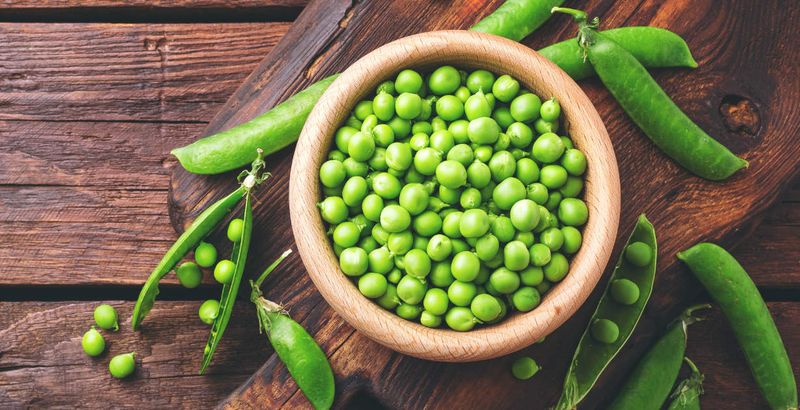
Often overlooked as just a side dish, garden peas punch above their weight with surprising protein content. Fresh or frozen both work brilliantly, with frozen varieties sometimes containing more nutrients since they're preserved right after picking.
Blend them into vibrant green soups that taste like springtime in a bowl. Mash them with mint for a British classic that pairs perfectly with roasted vegetables.
Their natural sweetness balances savoury dishes beautifully, and they cook in minutes whether you're steaming, boiling, or adding them straight from frozen into risottos and curries during the final moments.
10. Nuts
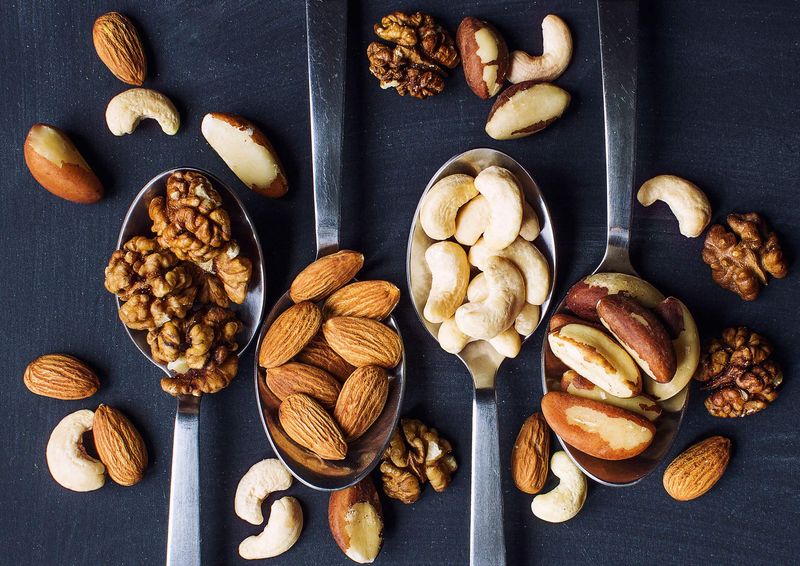
Crunchy and satisfying, nuts deliver protein alongside healthy fats that help your body absorb vitamins properly. Almonds offer a mild, slightly sweet flavour that works in both sweet and savoury dishes.
Cashews turn incredibly creamy when soaked and blended, creating dairy-free sauces that fool even the fussiest eaters. Walnuts bring an earthy, slightly bitter note that complements salads and baked goods beautifully.
Keep a jar of mixed nuts handy for quick snacking, or chop them to add texture to porridge, yoghurt, and stir-fries for an instant protein boost.
11. Seeds
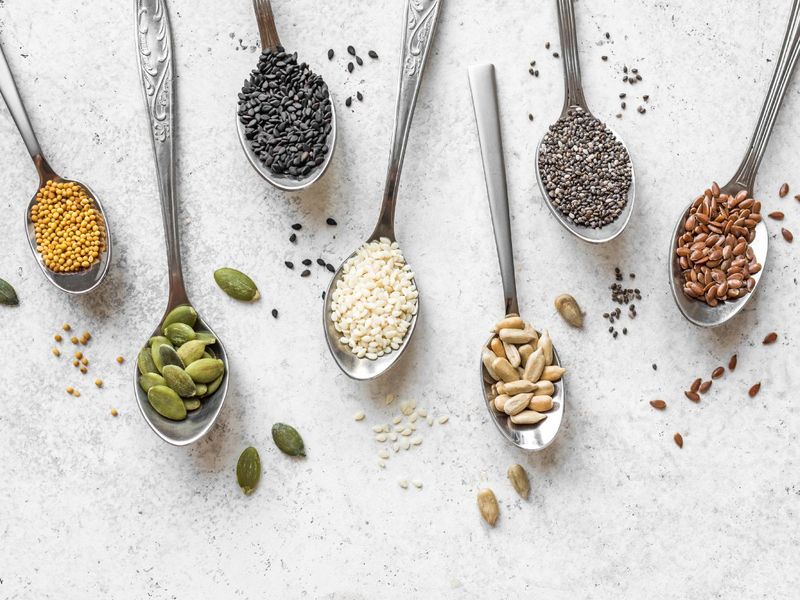
Tiny but mighty, seeds pack serious nutritional punch into every spoonful. Chia seeds absorb liquid and create a gel-like texture that thickens smoothies and makes brilliant puddings without any cooking required.
Pumpkin seeds bring a satisfying crunch and nutty taste when toasted, perfect for sprinkling over soups or salads. Sunflower seeds offer a mild, slightly sweet flavour that works brilliantly in homemade granola or energy balls.
All three varieties store well in sealed containers, making them convenient pantry staples that boost protein content without changing the flavour of your favourite dishes.



