













It is easy for cupboards, fridges, and freezers to quietly fill up with duplicate ingredients and forgotten staples. Many households end up buying items they already have, simply because they are out of sight or overlooked during quick shops.
Taking a moment to use up what is already at home can help reduce waste, free up storage space, and make weekly food shopping more intentional.
All information is provided for general interest only. Food quality, storage life, and suitability for use may vary depending on packaging, storage conditions, and individual circumstances. Photos are for illustrative purposes only.
1. Tinned Tomatoes
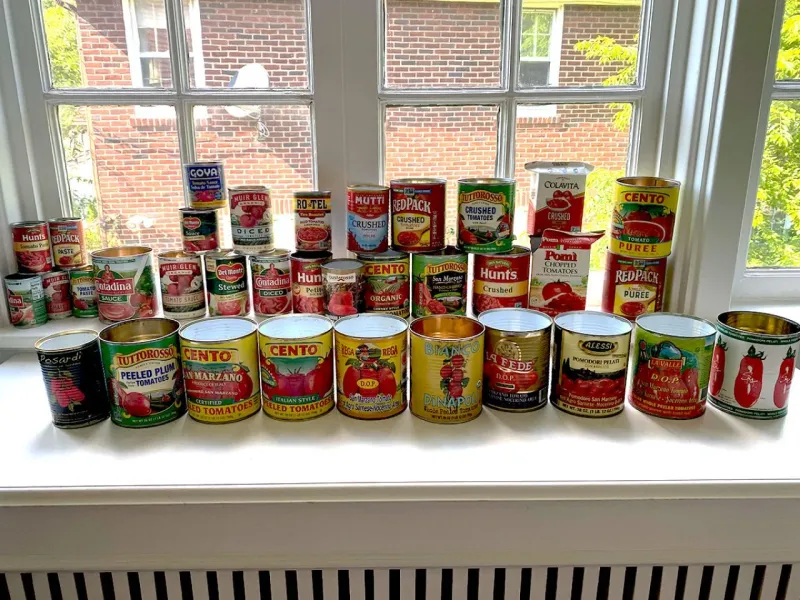
A tin of tomatoes is basically a kitchen superhero in disguise. They're brilliant for whipping up pasta sauces, soups, curries, and stews without much fuss.
Most tins have a best-before date years away, but once you've cracked one open and started hoarding them, they tend to pile up fast.
Check your cupboard before grabbing more – you probably have enough to feed half the street already.
Plus, using what you've got means fresher stock rotation and less clutter taking up valuable shelf space.
2. Dried Pasta And Rice
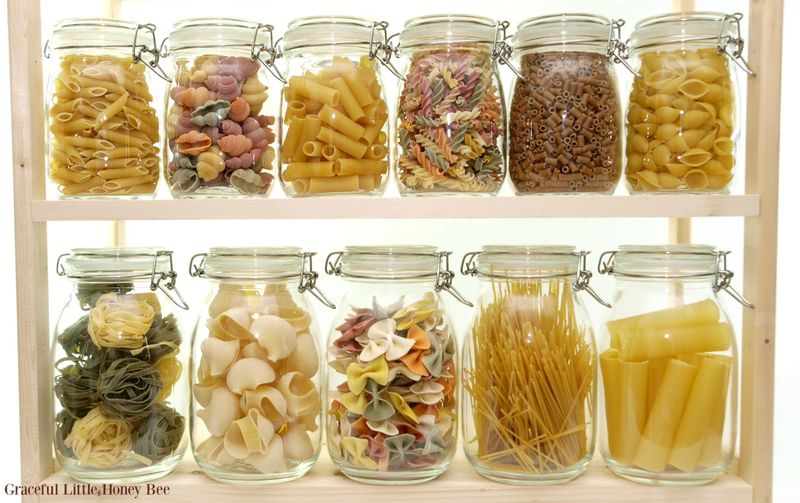
Pasta and rice are the ultimate comfort foods that seem to multiply in the back of your cupboard. Because they last ages, it's easy to forget what you've already stocked.
Before long, you've got six half-empty bags of fusilli and three types of basmati competing for space. Both store beautifully for months when kept dry and sealed, so there's rarely a rush to restock.
Give your pantry a proper once-over and use up those open packets first – they're begging to be turned into something delicious.
3. Frozen Vegetables
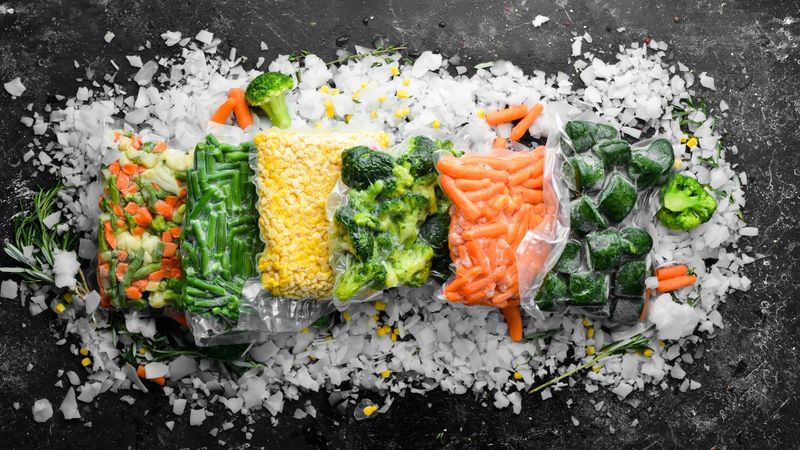
Frozen veg is a total lifesaver when you need something quick and nutritious. They're flash-frozen at peak freshness, locking in vitamins and flavour, and they last for months tucked away in the freezer.
The trouble is, bags get shoved to the back and forgotten, slowly losing quality over time. While they won't spoil, they can develop freezer burn or go a bit mushy if left too long.
Have a good rummage before your next shop – those peas and sweetcorn are ready to jazz up stir-fries, pies, and sides right now.
4. Half-Used Jars Of Sauces And Pastes
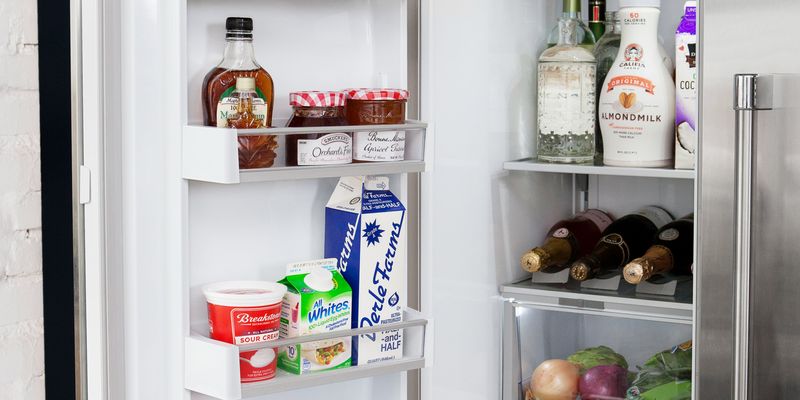
That jar of curry paste or dollop of pesto you opened weeks ago is still sat in the fridge, isn't it?
These flavour-packed heroes are brilliant for adding depth to meals, but they often get neglected after the first use. Most sauces and pastes stay good for a fair while once opened, especially if stored properly with the lid screwed tight.
Instead of buying yet another jar, raid your fridge door and get creative. A spoonful here and there can transform boring dinners into something properly tasty without extra expense.
5. Opened Bags Of Flour
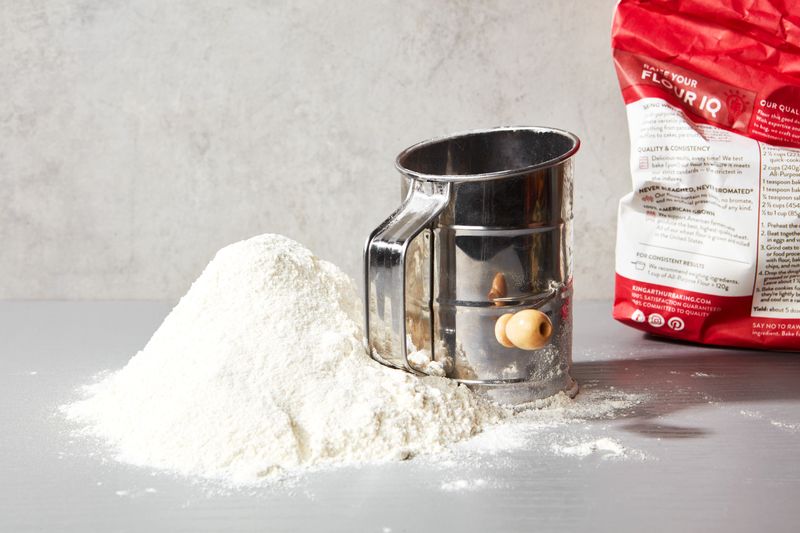
Flour has a sneaky habit of accumulating once you've started baking. Plain, self-raising, wholemeal – before you know it, you've got a small bakery's worth tucked away.
Once opened, flour can lose freshness or even attract unwanted pantry pests if not sealed properly. It's best used within a few months to keep its baking magic intact.
Have a peek at what's already open before stocking up again. That bag you bought for lockdown banana bread is probably still perfectly fine for pancakes, pastry, or a weekend bake.
6. Breakfast Cereals And Oats
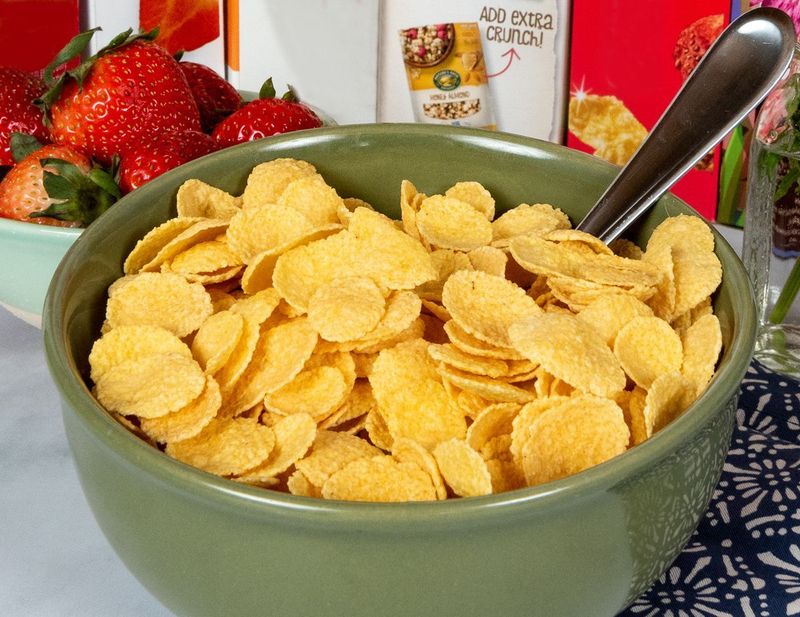
Cereal boxes and oat packets seem harmless until you realise you've got five varieties going stale at once. Once the seal's broken, they start losing their crunch and freshness pretty quickly, especially in humid weather.
Oats are slightly more forgiving, but they can still go a bit musty if left too long. Rather than adding to the collection, finish what's already open – mix leftover cereals into granola bars or use oats for flapjacks and porridge toppings.
Your breakfast cupboard will thank you for the clear-out.
7. Cooking Oils And Vinegars
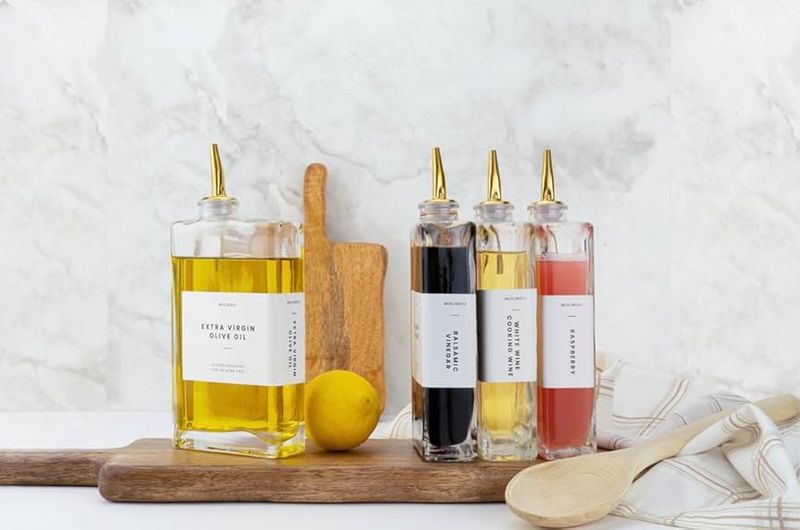
Oils and vinegars are kitchen essentials, but they don't last forever once opened. Olive oil, for example, starts losing its flavour and nutrients after a few months, especially if exposed to light and heat.
Smaller bottles are often a smarter buy if you're not cooking daily. Vinegars are more stable, but they can still lose their punch over time.
Before grabbing another bottle, check what's already lurking by the hob. Using them up ensures you're cooking with the freshest flavours and getting your money's worth from every drop.
8. Spices And Dried Herbs
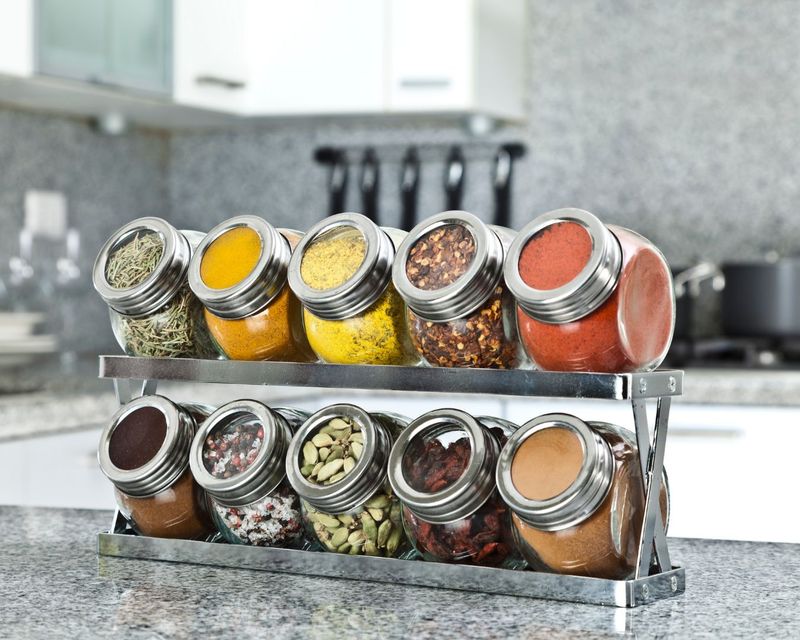
Spices and herbs don't technically go off, but they definitely lose their oomph after sitting around too long.
That jar of paprika from two years ago probably tastes more like dust than sunshine at this point. Ground spices fade faster than whole ones, and dried herbs are best used within a year for maximum flavour.
Give your spice rack a proper sniff test before restocking. Use up the older ones in marinades, rubs, or big batch cooking where their flavours can still shine through, even if they're a bit muted.
9. Long-Life Milk Or Plant Drinks
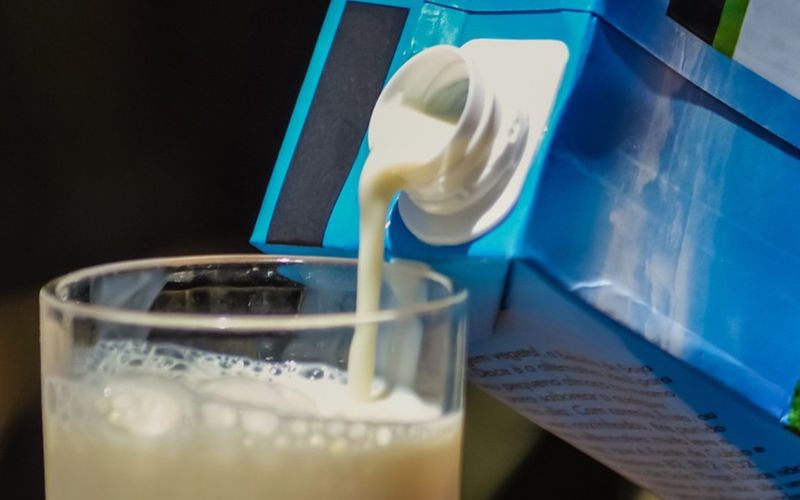
Long-life milk and plant-based alternatives are pantry staples that last for months unopened. But once you've cracked the seal, they need using up within a few days, just like fresh milk.
It's easy to stockpile cartons thinking you'll need them, only to find three open ones competing for fridge space. Before buying more, check what's already there – unopened cartons are fine to sit tight for ages.
Use opened ones in porridge, tea, smoothies, or baking to avoid waste and keep your fridge a bit less crowded.
10. Bread And Wraps
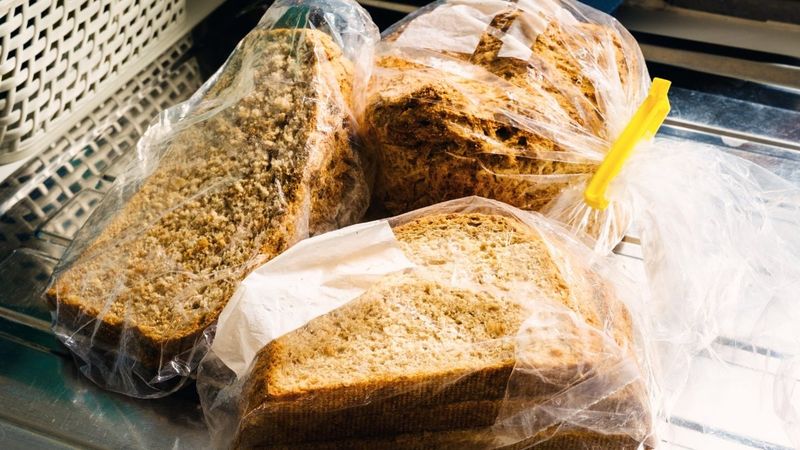
Bread and wraps are everyday essentials, but they go off faster than you'd think. Fresh loaves can turn stale or mouldy within days, especially in warm weather.
Wraps fare a bit better sealed up, but once opened, they dry out quickly. Freezing is a brilliant trick to extend their life – just pop slices or wraps in the freezer and toast them straight from frozen.
Before grabbing another loaf, use up what you've got. Stale bread makes cracking croutons, breadcrumbs, or bread pudding with minimal fuss.



