













It’s easy to ignore those little green shoots that appear on forgotten potatoes, but they’re more than just unsightly. When potatoes sprout, they start producing natural toxins that can make them unsafe to eat.
While it’s tempting to simply cut off the sprouts and carry on cooking, knowing when to keep or toss your spuds can make all the difference.
Here’s what you should know before your next mash or roast. This article is for general informational purposes only; It is not a substitute for professional medical or nutritional advice.
Always consult a qualified expert if you are unsure whether food is safe to eat.
What Causes Potatoes To Sprout?
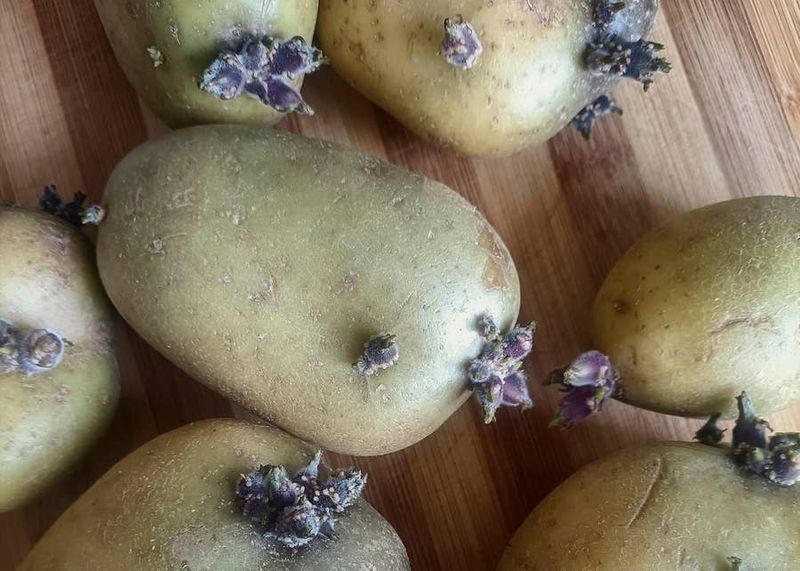
Ever wonder why your potatoes suddenly decide to grow legs and make a break for it? Sprouting happens when spuds are exposed to warmth, light, or just left sitting around too long.
Potatoes are living organisms, and those little eyes are actually dormant buds waiting for the right conditions. When temperatures rise above 7°C or they catch some rays, they think it's spring and start sprouting.
Moisture also plays a sneaky role, encouraging growth. Storing them in cool, dark, and dry spots helps keep them dormant longer.
Are Sprouted Potatoes Safe To Eat?
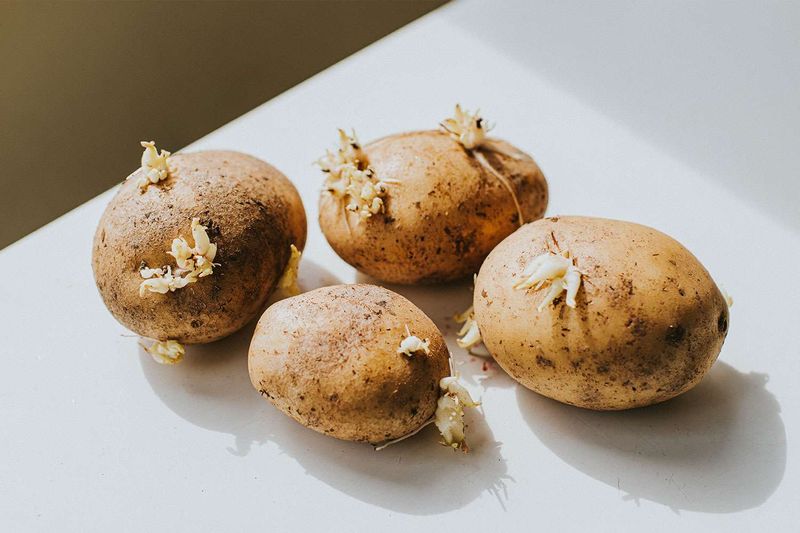
The short answer is: sometimes, but caution is key. When potatoes sprout, they produce natural compounds called glycoalkaloids, which can be toxic in large amounts.
These chemicals are present in all potatoes, but the levels rise significantly as sprouts grow and spread.
That bitter taste you might notice is your first warning sign. Eating too many sprouted potatoes can cause nausea, stomach cramps, or even more serious symptoms, according to the National Capital Poison Center.
If your potatoes are still firm and the sprouts are tiny, you can safely remove them before cooking.
However, if they’ve gone soft, wrinkled, or the sprouts are long and green, it’s best to play it safe and throw them away.
How To Keep Potatoes From Sprouting Too Soon
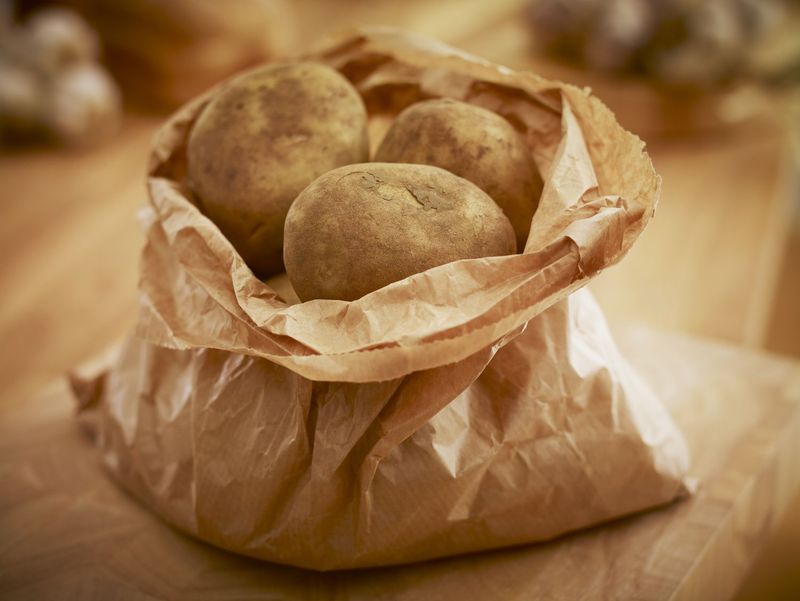
Prevention is better than chucking out half your weekly shop, right? The golden rule is keeping potatoes somewhere cool, dark, and well ventilated.
A pantry or cupboard away from the boiler works brilliantly. Avoid the fridge though, as cold temperatures convert starches to sugars, affecting taste and cooking quality.
Paper bags are your friend here, letting potatoes breathe whilst blocking light. Keep them away from onions too, which release gases that speed up sprouting.



