













Most parents have had that moment - the untouched broccoli, the sudden obsession with beige food, or the mysterious refusal of something that was loved last week. Feeding children can feel like guesswork mixed with hope.
A healthy relationship with food isn’t about perfectly balanced plates or strict rules. It’s about how children experience meals day after day - the tone at the table, the freedom to listen to hunger, and the messages they absorb about bodies and eating.
Research in child development shows these early patterns matter more than we sometimes realise.
The good news is that small shifts at home can quietly shape how your child thinks about food long before they can explain it.
The information provided is for general educational purposes and reflects widely accepted child nutrition guidance. For personalised advice, consult a qualified healthcare professional or registered dietitian.
Start With Regular Meals And Predictable Routines
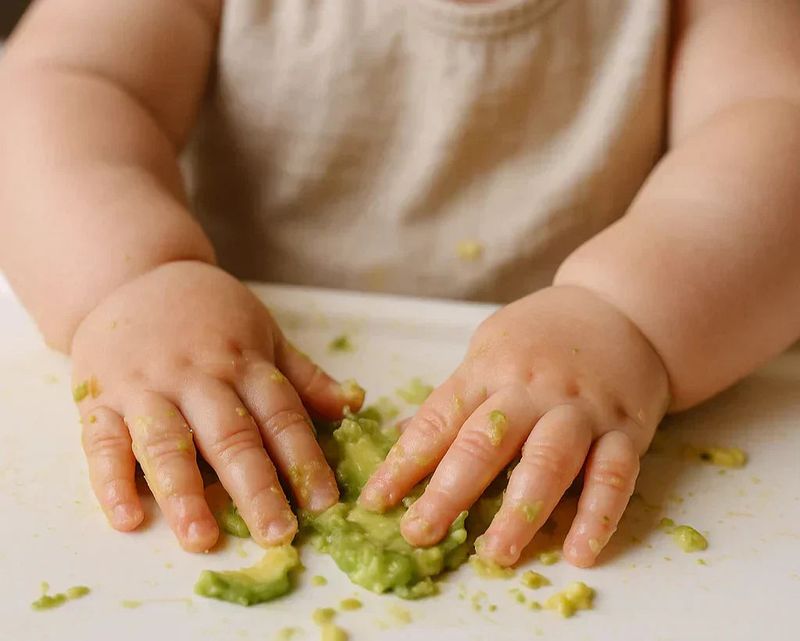
Children feel safer when they know what to expect, and that includes food. Offering meals and snacks at roughly the same times each day helps regulate appetite and energy levels.
Grazing all day can dull natural hunger cues, while long gaps can lead to meltdowns and overeating. A simple rhythm of three meals and one or two planned snacks works well for most families.
Routine also reduces constant requests for food because children learn that another eating opportunity is coming. Predictability builds trust, and trust is the foundation of a healthy relationship with food.
Let Them Listen To Their Own Hunger Cues
Children are born with a natural ability to stop eating when they're full. Pressuring them to clear their plate can override that instinct.
It's better to let them decide how much to eat from what you provide. Some days they'll eat more, and some days less, and that's completely normal.
Growth isn't perfectly steady, so appetite isn't either.
Trusting their internal cues teaches body awareness rather than external rule-following. When children feel respected at the table, mealtimes become calmer and less stressful.
Avoid Labelling Foods As Good Or Bad
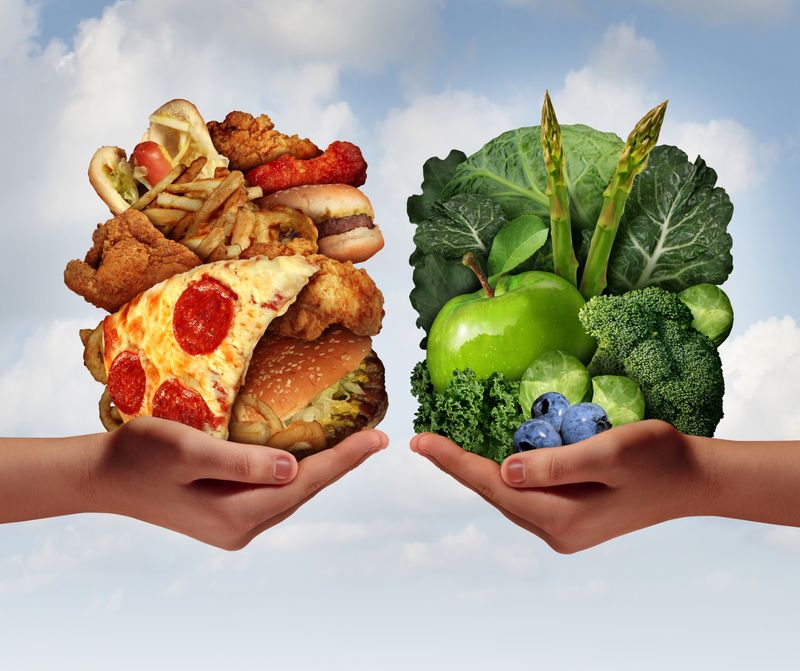
Calling foods "naughty," "junk," or "treat-only" can make them seem more exciting and desirable. Research shows that restricting foods too tightly can increase a child's focus on them.
Instead, talk about balance and variety. You might explain that some foods help our bodies grow strong, while others are fun to enjoy sometimes.
Keeping a neutral tone removes guilt and secrecy.
When no food is forbidden, children are less likely to overvalue certain items. Food becomes just food, not a reward or a rule.
Eat Together As Often As You Can
Family meals are linked to healthier eating habits in children. Sitting down together, even if it's only a few times a week, makes a difference.
Children who see adults enjoying a range of foods are more likely to try them. Conversation at the table also shifts the focus away from policing bites.
It turns eating into a shared social experience rather than a task.
Studies consistently show that regular family meals are associated with better diet quality. The atmosphere matters more than perfection.
Involve Them In Choosing And Preparing Food
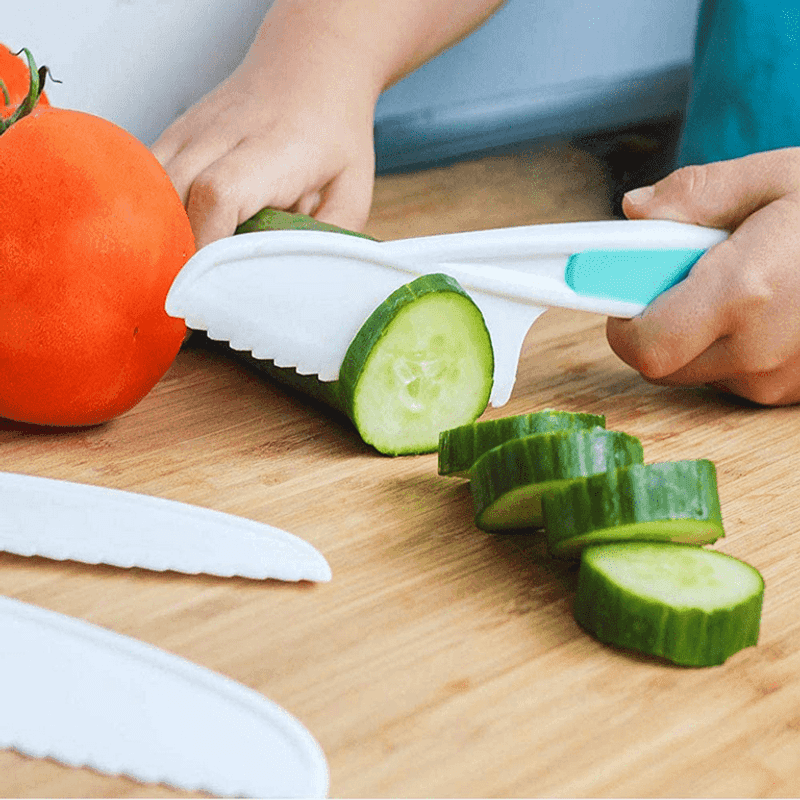
Children are more curious about food when they've had a hand in making it. Even small tasks like washing vegetables or stirring batter build familiarity.
Familiarity increases acceptance, especially with new foods.
Letting them help choose a vegetable at the shop can spark interest at dinner. Cooking together also teaches practical life skills.
Kids who feel included are less defensive about what's on their plate.
It doesn't need to be complicated. A simple stir, sprinkle, or taste test can make a big difference.
Keep Conversations About Bodies Positive
Children notice how adults talk about weight and appearance. Negative body talk can shape how they see themselves and others.
Focusing on strength, energy, and health is far more helpful.
Avoid commenting on your own body in a critical way around them. Research shows that parental attitudes strongly influence children's body image.
When food isn't tied to shame, kids feel safer exploring new choices. Encouraging body respect supports long-term wellbeing.
Confidence grows in environments free from comparison and criticism.
Be Patient With New Foods
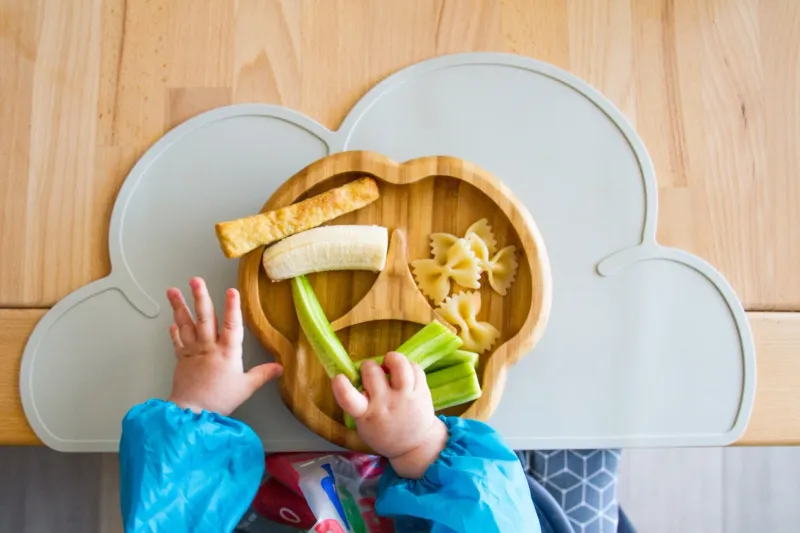
It can take many exposures before a child accepts a new food. Some research suggests it may take ten or more tries.
A polite "no thank you" is progress compared to pushing the plate away.
Keep offering small portions without pressure. Taste preferences develop gradually.
Repeated, calm exposure is more effective than bribing or forcing.
Over time, familiarity reduces hesitation. Patience often wins where persuasion fails.
Trust the process and celebrate small steps forward.
Model Balanced Eating Yourself
Children watch everything you do, especially at the table. If they see you skipping meals, criticizing your choices, or avoiding certain foods, they absorb those patterns.
Modeling balanced eating means showing enjoyment of a variety of foods without guilt or restriction. It means eating when you're hungry and stopping when you're satisfied.
Your relationship with food becomes their blueprint. When you approach eating with confidence and balance, they learn to do the same naturally over time.



