











Most of us think we’re eating “quite healthy” until someone mentions fibre and we suddenly go quiet. It’s one of those things we know we should get more of, yet it rarely feels exciting enough to prioritise.
The good news is that adding fibre doesn’t mean overhauling your entire kitchen or chewing on dry cereal all day. Small swaps and easy additions can make a noticeable difference without changing the foods you already enjoy.
A few simple tweaks could quietly transform your weekly shop - and your plate might look far more satisfying than you expect.
This article is for general informational purposes only and is not a substitute for personalised medical or dietary advice. Nutritional needs vary between individuals, so consult a qualified healthcare professional for guidance tailored to you.
1. Swap White Rice For Brown Rice
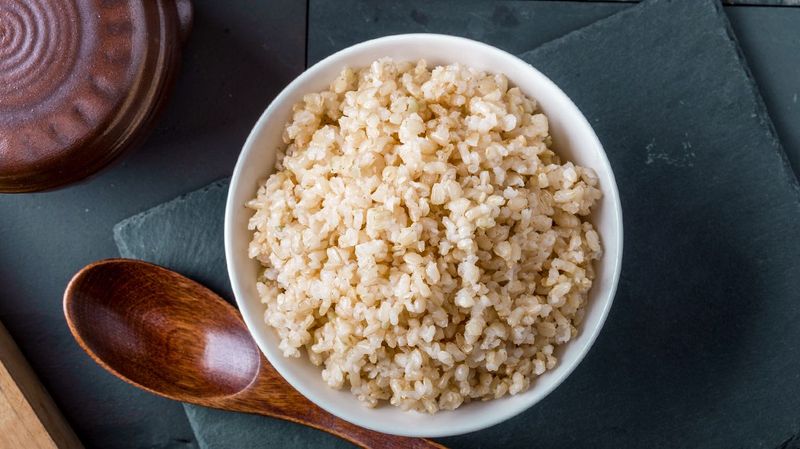
Brown rice might take a bit longer to cook, but it's absolutely worth the extra few minutes. Unlike white rice, brown rice keeps its outer layer, which is where all the fibre lives.
A cup of cooked brown rice contains about 3.5 grams of fibre, whilst white rice barely has 1 gram. Plus, brown rice has a lovely nutty flavour that makes meals more interesting and keeps you satisfied longer.
2. Add Oats To Breakfast
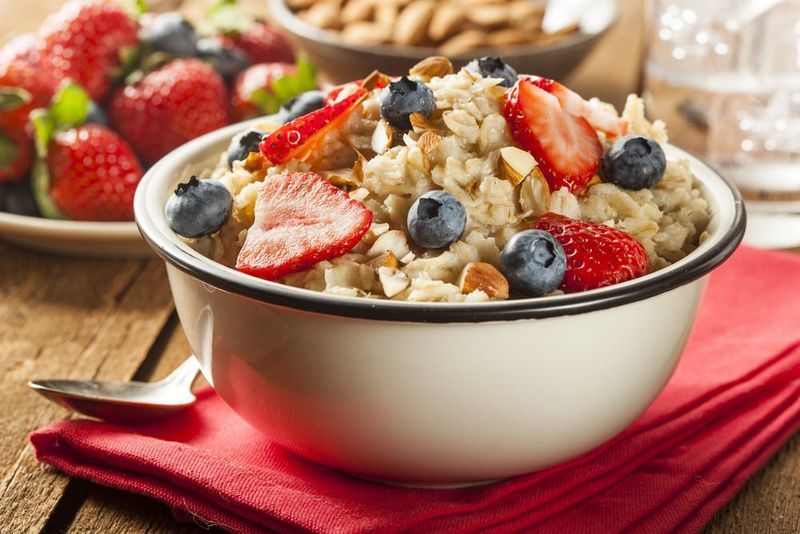
Starting your morning with oats is like giving your digestive system a gentle wake-up call. Oats contain a special type of fibre called beta-glucan, which is brilliant for your heart and helps control blood sugar levels.
Whether you prefer porridge, overnight oats, or adding them to smoothies, you'll get around 4 grams of fibre per serving. They're incredibly versatile and taste delicious with almost any topping you fancy.
3. Choose Wholegrain Bread
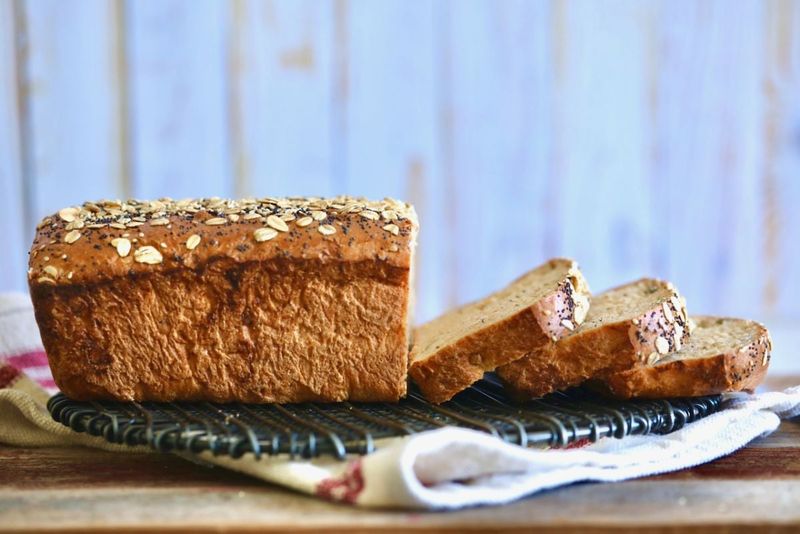
Swapping your usual white bread for wholegrain is one of the easiest changes you can make. Wholegrain bread keeps all the natural parts of the grain intact, which means you get loads more fibre in every slice.
Two slices of wholegrain bread can give you around 6 grams of fibre, compared to just 2 grams in white bread. That's triple the amount without changing what you eat, just what you eat it on!
4. Snack On Fresh Fruit
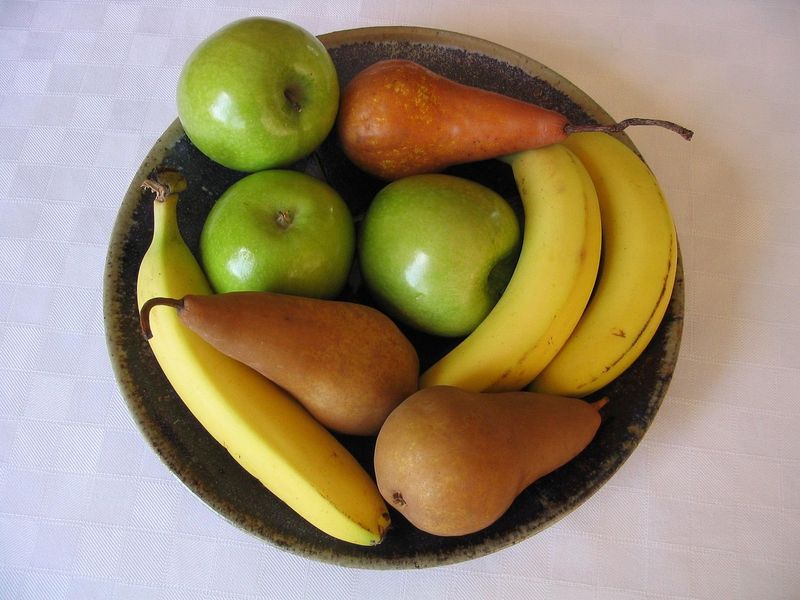
Fresh fruit is nature's perfect snack, packed with fibre and natural sweetness. An apple with its skin on contains about 4.5 grams of fibre, whilst a medium pear gives you nearly 6 grams.
Keep a fruit bowl on your kitchen counter as a visual reminder to grab something healthy. Berries, oranges, and bananas are all excellent choices that travel well in your bag for snacking on the go throughout the day.
5. Eat The Skins On Potatoes

Many people peel their potatoes without realising they're throwing away the best bit. Potato skins are absolutely loaded with fibre, vitamins, and minerals that your body needs.
A medium baked potato with its skin contains about 4 grams of fibre, but peel it and you'll only get 2 grams. Just give them a good scrub under running water, and you're ready to enjoy all those extra nutrients.
6. Add Beans To Soups And Stews

Beans are absolute fibre champions that transform ordinary soups and stews into nutritional powerhouses. Half a cup of kidney beans packs in around 8 grams of fibre, whilst the same amount of black beans gives you about 7.5 grams.
They're incredibly affordable, come in tins for convenience, and add lovely texture to your meals. Toss them into almost any soup or stew recipe for an instant fibre boost.
7. Sprinkle Chia Seeds On Yoghurt

These tiny seeds might look insignificant, but they're absolutely bursting with fibre. Just two tablespoons of chia seeds contain an impressive 10 grams of fibre, which is nearly half your daily needs.
They don't have much flavour, so they won't change how your yoghurt tastes. Chia seeds absorb liquid and create a lovely gel-like texture that makes your breakfast feel more substantial and keeps you full until lunch.
8. Include Lentils In Curries

Lentils are incredibly versatile and soak up the flavours of whatever spices you're using. Red lentils work brilliantly in curries because they break down and create a thick, creamy texture without needing any cream.
A single cup of cooked lentils provides about 15 grams of fibre, plus loads of protein. They cook much faster than dried beans and don't need soaking, making them perfect for weeknight dinners.
9. Add Extra Vegetables To Sandwiches
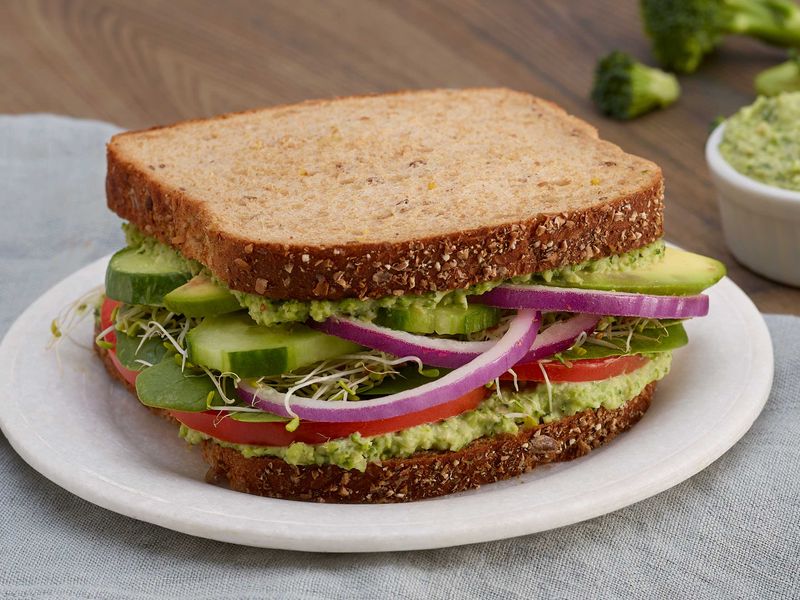
Your sandwich doesn't have to be boring with just one sad lettuce leaf. Pile on the vegetables like tomatoes, cucumbers, peppers, grated carrots, and spinach to create a proper feast between two slices of bread.
Each vegetable adds its own fibre contribution, and before you know it, you've got a seriously nutritious lunch. The extra crunch makes every bite more interesting and satisfying too.
10. Choose Wholegrain Pasta

Wholegrain pasta has come a long way from the cardboard-like versions of the past. Modern wholegrain pasta tastes delicious and has a satisfying, slightly nutty flavour that works beautifully with any sauce.
A serving gives you around 6 grams of fibre compared to just 2 grams in regular pasta. It keeps you feeling fuller for longer, which means you're less likely to raid the biscuit tin an hour after dinner.
11. Snack On Nuts And Seeds
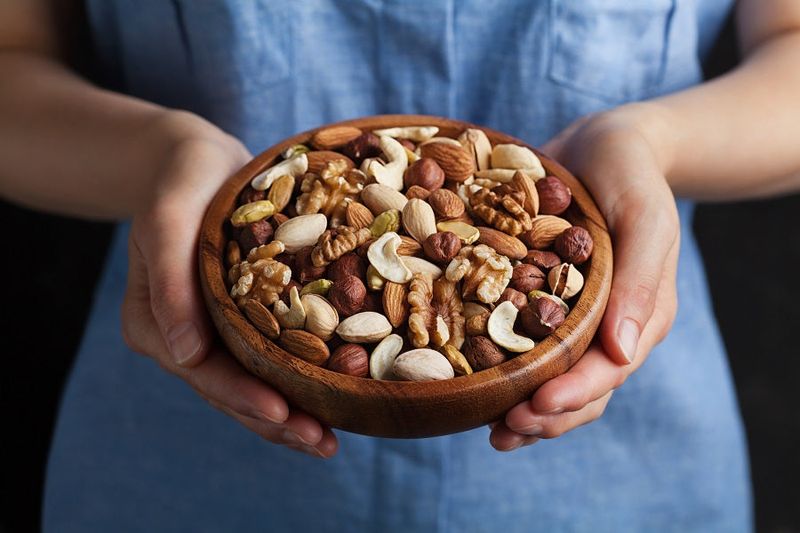
Nuts and seeds are brilliant for when you need something crunchy and satisfying. Almonds contain about 3.5 grams of fibre per handful, whilst pumpkin seeds give you around 5 grams in the same amount.
Keep a small container in your desk drawer or car for emergencies. They're much better than reaching for crisps or chocolate, and they'll actually keep your energy levels steady throughout the afternoon.
12. Blend Berries Into Smoothies

Berries are fibre superstars that make smoothies taste absolutely amazing. Raspberries are particularly impressive, with a cup containing about 8 grams of fibre, whilst blackberries offer around 7.5 grams.
Frozen berries work just as well as fresh ones and are often cheaper too. Blend them with yoghurt, milk, or a banana for a delicious drink that counts as a proper serving of fruit.
13. Replace Sugary Cereals With Bran Flakes
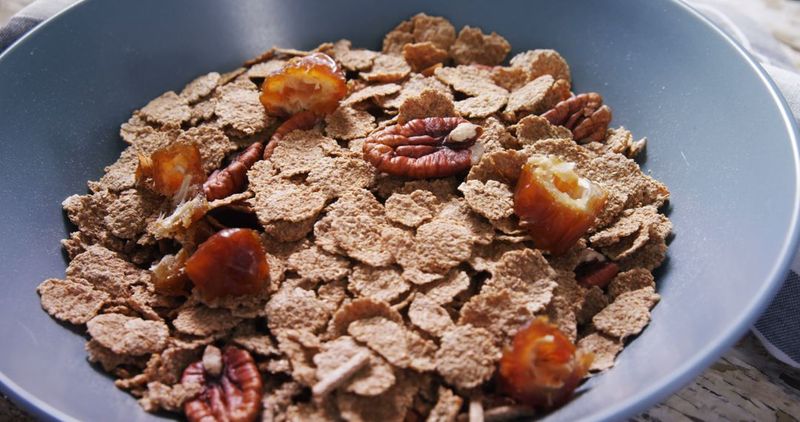
If your breakfast bowl leans heavily on sugar, fibre can easily get pushed aside. Swapping to bran flakes is a simple way to tip the balance back, since they’re made with bran-rich grains that naturally contain more fibre.
A serving of bran flakes typically provides around 5 grams of fibre. Top them with sliced banana or a handful of berries, and you’ve got a bowl that feels satisfying and steady rather than leaving you reaching for a snack an hour later.
14. Add Flaxseed To Porridge
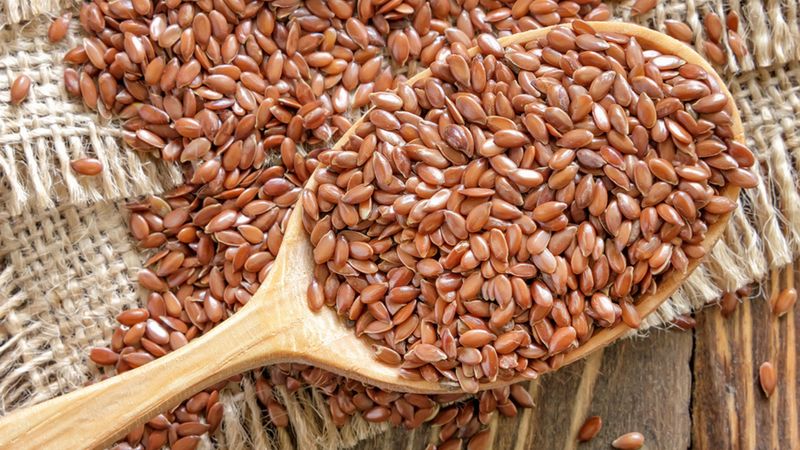
Looking for an easy fibre boost that doesn’t change the flavour of your breakfast? Ground flaxseed blends in almost invisibly, yet two tablespoons provide about 4 grams of fibre along with omega-3 fatty acids that support heart health.
It’s best to choose ground flaxseed rather than whole seeds, as they’re easier for your body to digest and absorb. Stir a spoonful into porridge, yoghurt, or even a smoothie, and it quietly does its job without altering the taste or texture too much.
15. Include Chickpeas In Salads

Chickpeas transform a simple salad into a proper meal that'll actually fill you up. Half a cup of chickpeas adds about 6 grams of fibre to your plate, along with protein that keeps your energy levels steady.
They taste lovely straight from the tin, or you can roast them with spices for extra crunch. Either way, they're an easy addition that makes your salad much more satisfying and nutritious without any extra effort.