













Lunchtime has a habit of sneaking up when energy dips and time feels short, which is exactly when quick but less thoughtful choices tend to happen. The good news is that creating lunches that feel satisfying, flavourful, and balanced does not need complicated planning or expensive ingredients.
A few clever habits can transform midday meals into something you actually look forward to rather than something you rush through. Curious how small tweaks can turn everyday ingredients into lunches that keep you feeling full and energised?
This content is intended for general informational purposes only and is not a substitute for personalised nutritional or medical advice. Individual dietary needs vary, and readers with specific health conditions or dietary concerns should consult a qualified healthcare or nutrition professional.
1. Build Lunch Around Higher-Fibre, Wholegrain Carbs
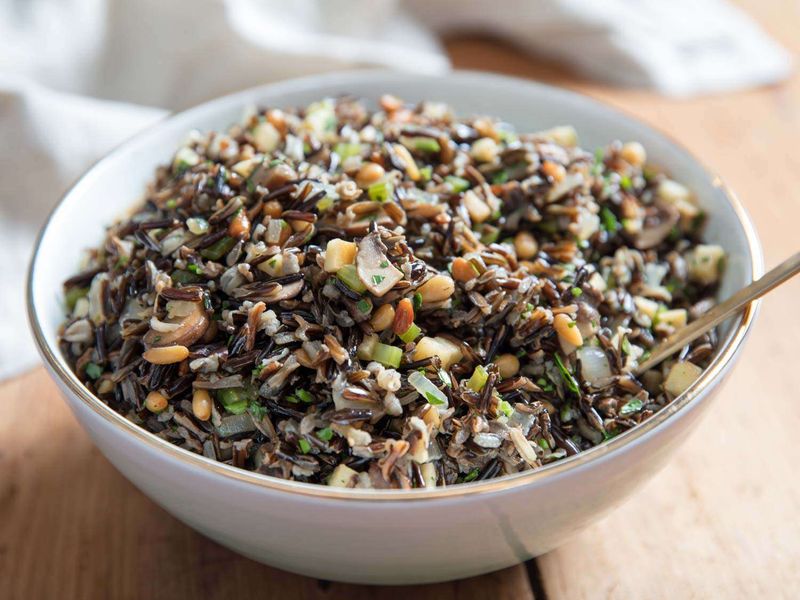
Swapping white bread for wholemeal or choosing brown rice instead of white gives your lunch staying power. Wholegrains release energy slowly, so you won't crash an hour later craving snacks.
Oats, quinoa, bulgur wheat, and wholemeal wraps all work brilliantly as lunch bases. They're packed with fibre that keeps your digestion happy and helps you feel satisfied longer.
Try different grains throughout the week to keep things interesting and enjoyable.
2. Add At Least One Portion Of Veg

Getting vegetables into lunch doesn't mean forcing down sad lettuce leaves. Roasted peppers, grated carrot, sliced cucumber, or leftover roasted veg from dinner all count and add proper flavour.
Even a handful of baby spinach tucked into a wrap or some cherry tomatoes on the side makes a real difference. Fresh veg adds crunch, colour, and nutrients without much effort.
Keep pre-washed salad and chopped veg ready for quick assembly.
3. Include A Solid Protein
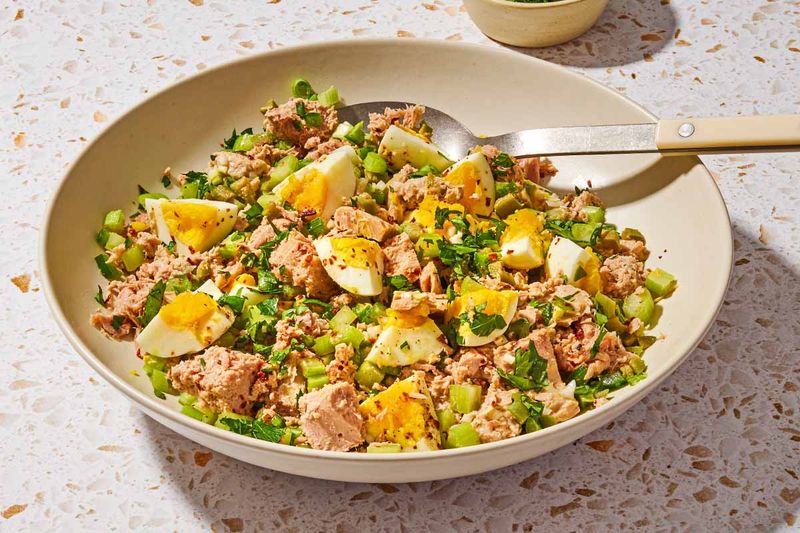
Protein keeps hunger at bay and helps your body repair itself throughout the day. Chicken, turkey, eggs, tuna, cheese, tofu, or even a good scoop of hummus all do the job nicely.
You don't need massive portions either - a palm-sized amount usually does it. Leftover roast chicken works perfectly, as do boiled eggs you've prepped ahead.
Mix up your protein sources to get different nutrients and prevent taste fatigue.
4. Use A Healthy Fat For Flavour
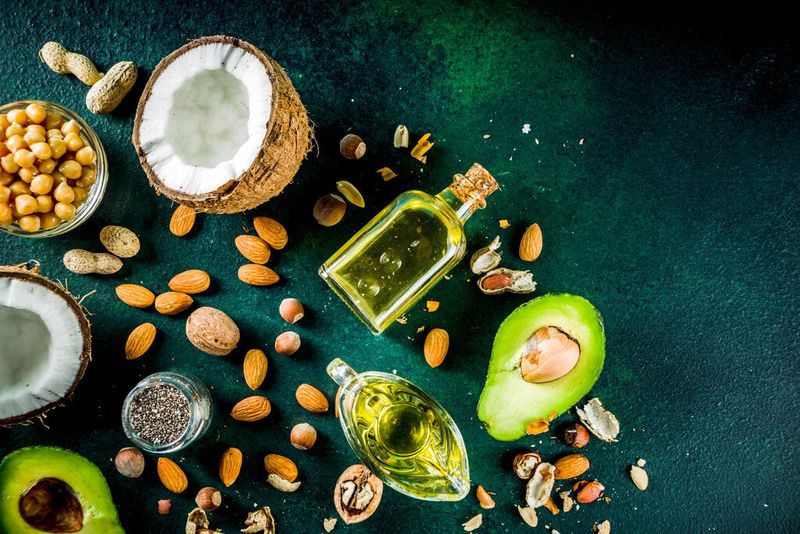
Fat gets unfairly blamed, but the right kinds make food taste better and help you absorb vitamins properly. Avocado, a drizzle of olive oil, a few nuts, or some seeds add richness without being heavy.
These fats keep you satisfied and stop you reaching for crisps later. A tablespoon of nut butter or a small handful of almonds goes a long way.
Just watch portions since fats are calorie-dense, though perfectly healthy.
5. Keep A Fruit Option Ready
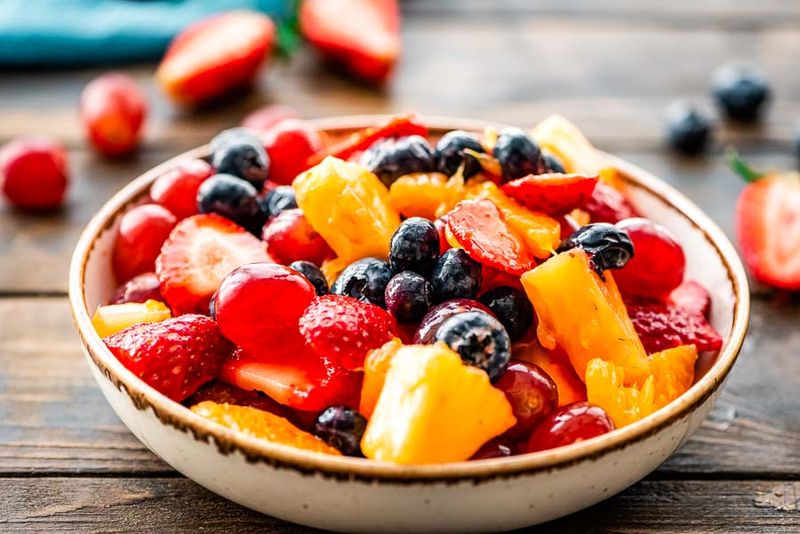
Having fruit as part of lunch or as a follow-up snack gives you natural sweetness and vitamins without added sugar. Apples, bananas, berries, or orange segments are dead easy to pack and don't need preparation.
Fruit satisfies sweet cravings whilst providing fibre that processed desserts simply can't match. It's also brilliantly portable and rarely makes a mess.
Wash and prep fruit the night before for grab-and-go convenience.
6. Choose Lower-Salt Fillings And Toppings
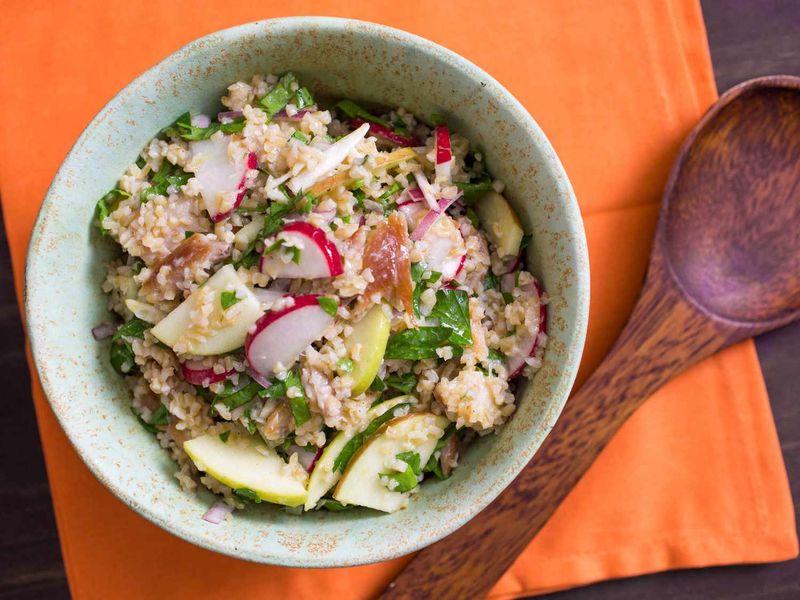
Shop-bought sandwich fillings and processed meats often contain shocking amounts of salt that leaves you feeling bloated and thirsty. Cooking your own chicken or using fresh ingredients cuts sodium dramatically whilst tasting better.
Check labels when buying ingredients - some cheeses and breads contain far less salt than others. Your taste buds adjust quickly to less salty food.
Fresh herbs and spices add flavour without any sodium whatsoever.
7. Go For Grilled, Baked, Or Roasted Over Fried
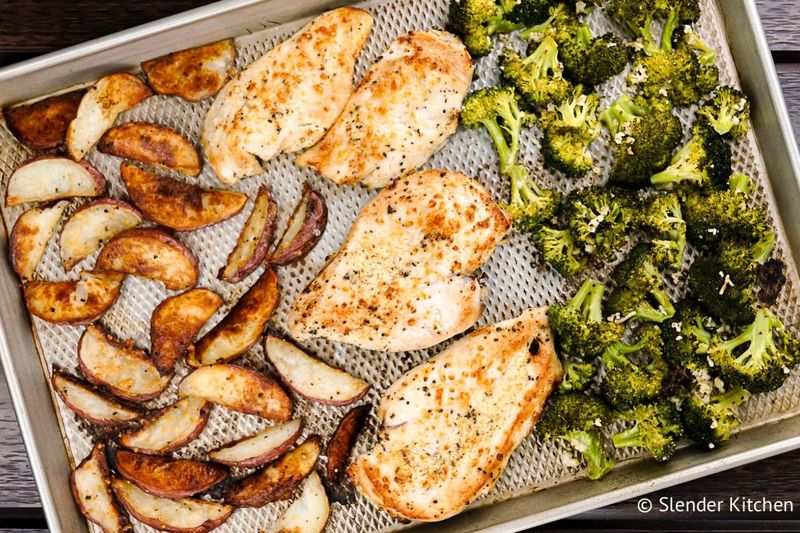
Cooking methods matter more than you'd think for keeping lunch healthy without sacrificing taste. Grilling, baking, and roasting bring out natural flavours whilst using minimal oil compared to deep-frying.
Roasted chicken breast stays moist and delicious, whilst baked sweet potato wedges satisfy chip cravings with far less grease. These methods also preserve more nutrients in your food.
Batch-cook roasted proteins and veg on Sunday for the week ahead.
8. Use Herbs, Citrus, And Spices Instead Of Extra Salt
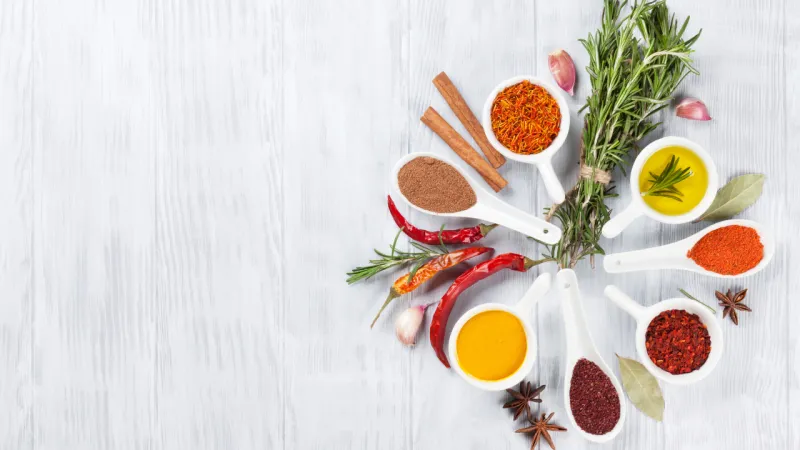
Fresh basil, coriander, parsley, or mint transform boring lunches into something properly tasty without adding a single grain of salt. A squeeze of lemon or lime brightens flavours amazingly well.
Spices like paprika, cumin, or black pepper add depth and interest to simple ingredients. These natural flavour boosters are brilliant for your health and cost next to nothing.
Keep dried herbs handy when fresh ones aren't available or practical.
9. Keep Sauces Separate Until Eating
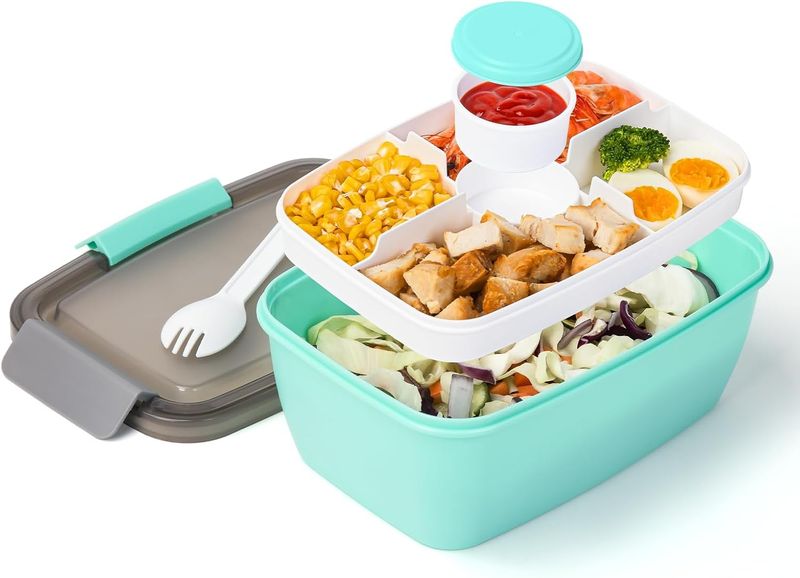
Nobody enjoys soggy sandwiches or wilted salads, which is exactly what happens when dressings and sauces sit too long. Packing them separately keeps everything fresh and appetising until lunchtime arrives.
Small containers or even clean jam jars work perfectly for transporting dressings, hummus, or yoghurt-based sauces. This simple trick makes packed lunches feel restaurant-fresh.
You'll also use less sauce when adding it fresh, saving calories naturally.
10. Batch-Cook One Component For The Week
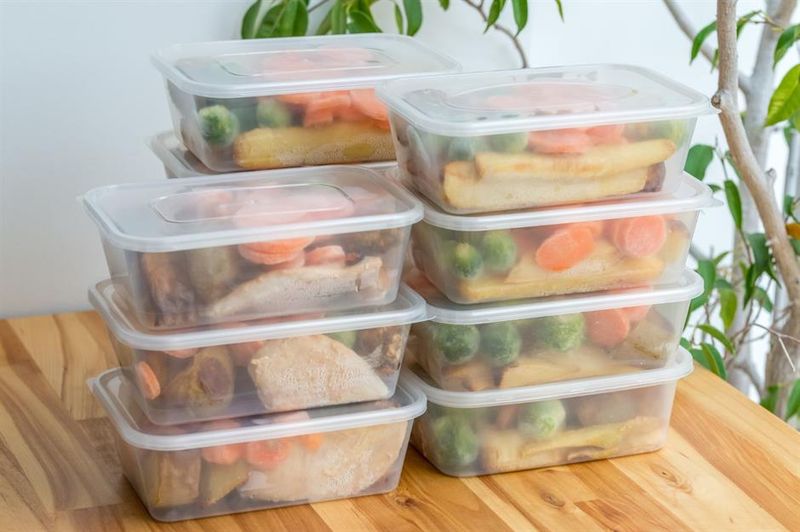
Spending thirty minutes on Sunday cooking a big batch of rice, roasting vegetables, or grilling chicken saves massive time during busy weekdays. You're not starting from scratch each morning, which makes healthy lunches actually happen.
Store cooked components in separate containers so you can mix and match throughout the week. This prevents boredom whilst keeping prep minimal.
Batch-cooking turns healthy eating from a chore into something manageable and realistic.
11. Pack Crunch For Texture

Texture matters enormously for satisfaction - nobody wants a lunch that's entirely soft and mushy. Raw vegetables like carrots, peppers, or radishes add satisfying crunch alongside their nutritional benefits.
A few nuts, seeds, or even wholegrain crackers provide that pleasant contrast to softer elements. Crunch makes eating more enjoyable and often means you eat more slowly.
Apple slices or celery sticks work brilliantly as crunchy additions that need zero cooking.
12. Aim For A Mix Of Colours
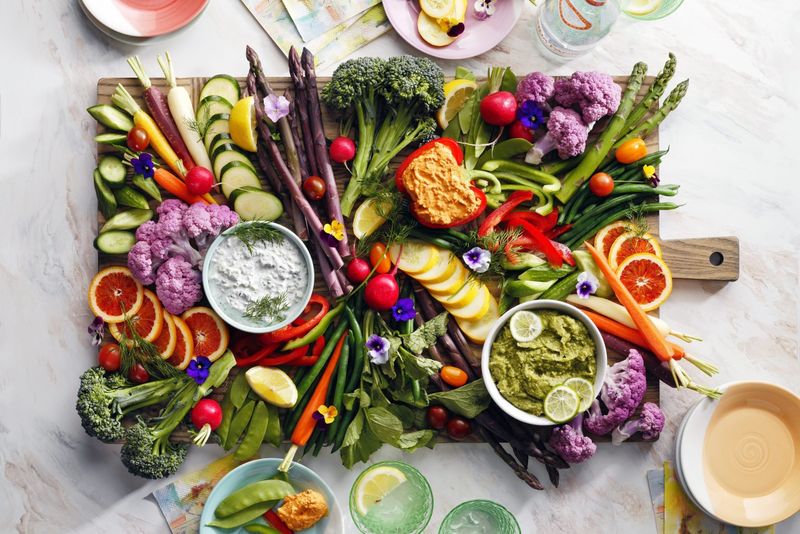
Eating the rainbow isn't just Instagram nonsense - different coloured foods contain different nutrients your body needs. A lunch with varied colours usually means you're getting a good range of vitamins and minerals.
Red tomatoes, orange peppers, green leaves, and purple cabbage all bring something different to the table. Making lunch colourful naturally makes it healthier without overthinking it.
Colourful plates also look more appetising, which helps you actually enjoy healthy eating.
13. Include Beans Or Lentils A Few Times A Week
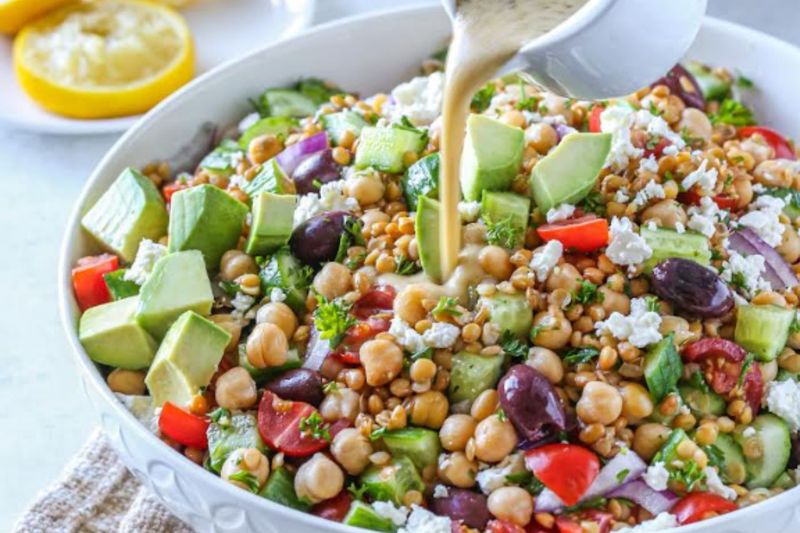
Beans and lentils are nutritional powerhouses that cost pennies and keep you full for ages. Chickpeas, black beans, kidney beans, or red lentils work brilliantly in salads, wraps, or soups.
They're packed with protein and fibre whilst being naturally low in fat. Tinned versions are just as nutritious as dried and require zero soaking or long cooking.
Adding them twice weekly boosts nutrition significantly without much effort or expense.
14. Choose Water Or Unsweetened Drinks

Sugary drinks add calories that don't fill you up, leaving you hungry despite consuming loads of energy. Water, unsweetened tea, or sparkling water with a squeeze of fruit keeps you hydrated without the sugar crash.
Your body often mistakes thirst for hunger, so proper hydration actually helps with portion control. Flavoured water with cucumber or mint makes plain water more interesting.
Ditch the fizzy drinks and you'll feel noticeably better by mid-afternoon.
15. Keep Portion Sizes Sensible
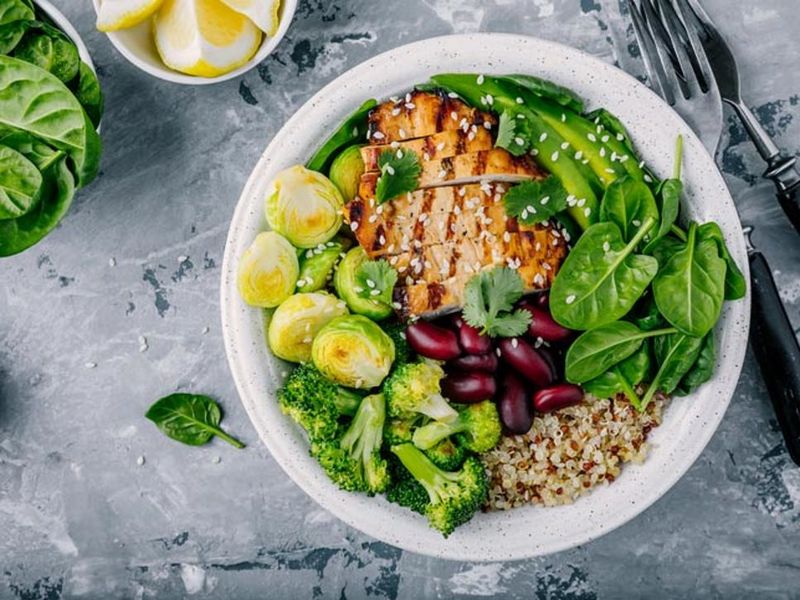
Even healthy food can leave you sluggish if you eat massive portions that your body struggles to process. A palm-sized portion of protein, a fist-sized amount of carbs, and loads of veg usually hits the sweet spot.
Using smaller containers naturally limits portions without feeling restrictive or requiring calorie counting. You can always have a piece of fruit later if genuinely hungry.
Sensible portions keep energy steady rather than causing the afternoon slump.
16. Plan A "Fallback" Lunch For Busy Days
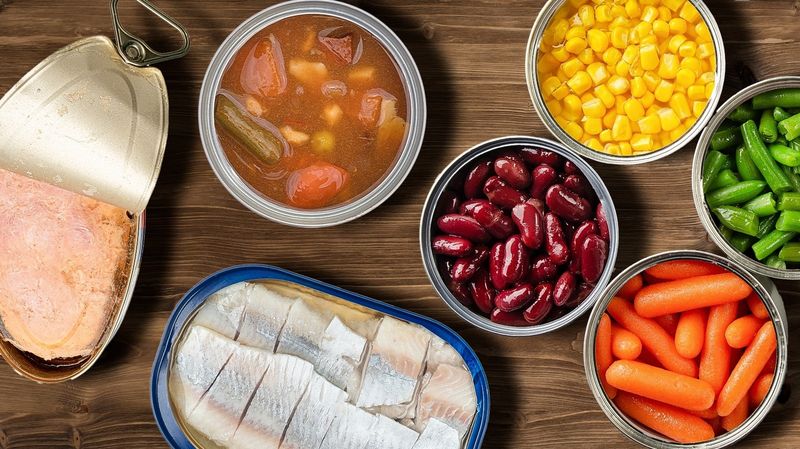
Life gets hectic and sometimes meal prep simply doesn’t happen, which is exactly why having a backup lunch option can be a lifesaver. Keeping simple staples like tinned fish, wholegrain crackers, nut butter, or quality soup nearby makes it far easier to stay on track.
These quick options may not feel fancy, but they still provide balanced nutrition and steady energy. Knowing you have something reliable waiting removes pressure during busy mornings or unexpected schedule changes.
A small stash of dependable foods can turn chaotic days into manageable ones without sacrificing good eating habits.
17. Rotate A Few Reliable Combos To Avoid Boredom
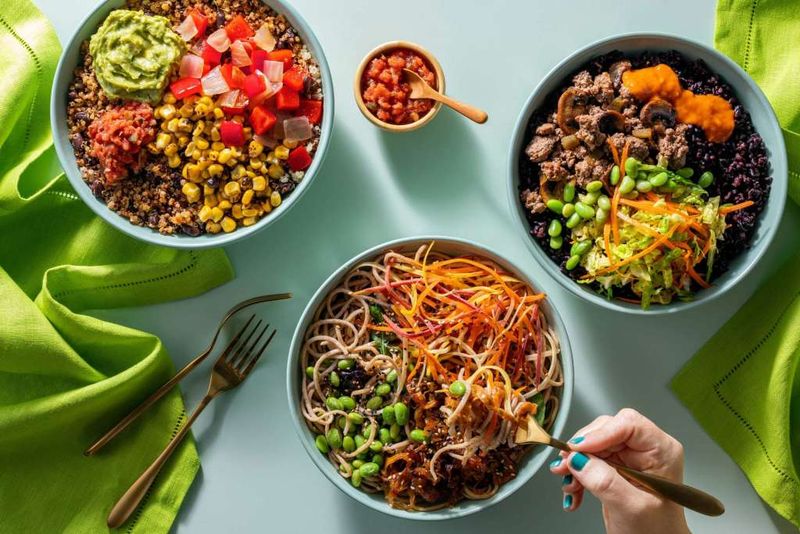
Having three or four go-to lunch combinations that you genuinely enjoy prevents decision fatigue whilst keeping things interesting. Rotate between a wrap one day, a grain bowl the next, then soup with bread.
You're not eating identical meals daily but you're also not reinventing the wheel each morning. Familiarity with a few solid options makes healthy eating sustainable long-term.
Write down your favourite combos so you're never stuck wondering what to make.



