













Broccoli has long been recognised as one of the most nutrient-dense vegetables commonly found in British kitchens. Packed with essential vitamins, minerals, fibre, and plant compounds, this versatile green plays a meaningful role in supporting overall wellbeing.
Adding broccoli to everyday meals is a simple way to increase nutrient intake without drastically changing familiar recipes. Its mild flavour and adaptability make it suitable for everything from roasts to stir-fries and soups.
Understanding how broccoli supports different aspects of health can help highlight why this everyday vegetable continues to earn its place on balanced plates across the UK.
All information is provided for general interest only and should not replace professional medical or dietary advice.
Nutritional values may vary depending on preparation methods and portion sizes. Photos are for illustrative purposes only.
1. Supports Immune Function

Broccoli absolutely loads your system with vitamin C, which your body desperately needs to fight off colds and infections. Just one cup gives you more vitamin C than an orange, making it a proper immune system champion.
Your white blood cells rely on this vitamin to function properly and tackle nasty germs before they make you poorly. Regular broccoli munching means fewer sick days and a stronger defence against seasonal bugs that go round the office or school.
2. Promotes Heart Health

Your ticker absolutely loves broccoli because it helps slash bad cholesterol levels that clog up your arteries. The antioxidants work like tiny plumbers, keeping your blood vessels clear and your heart pumping smoothly.
Potassium in broccoli helps regulate blood pressure, whilst fibre sweeps cholesterol out before it causes trouble. Studies show people who eat cruciferous veg regularly have significantly lower risks of heart disease, which is brilliant news for anyone wanting to protect their cardiovascular system long term.
3. Helps Maintain Digestive Health

Fibre is broccoli's secret weapon for keeping your digestive tract running like clockwork. Each serving delivers both soluble and insoluble fibre, which basically means everything moves through your system properly without uncomfortable delays.
The fibre feeds beneficial gut bacteria that keep your microbiome balanced and happy. Regular broccoli consumption prevents constipation, reduces bloating, and helps your intestines absorb nutrients more efficiently, making your whole digestive system work brilliantly without drama or discomfort.
4. Provides Anti-Inflammatory Compounds

Chronic inflammation quietly damages your body over time, but broccoli contains sulforaphane, a compound that actively fights this sneaky problem. This powerful substance works at the cellular level to reduce inflammatory markers throughout your system.
Athletes and people with joint issues particularly benefit from these anti-inflammatory properties. The compounds in broccoli can ease muscle soreness, reduce swelling, and help your body recover faster from physical stress, making it a natural alternative to reaching for pills every time something aches.
5. Supports Bone Strength

Calcium gets all the glory for bone health, but vitamin K might be even more important, and broccoli delivers heaps of it. This vitamin helps your bones actually use calcium properly instead of letting it float around uselessly in your bloodstream.
One serving provides over 100% of your daily vitamin K needs, which is absolutely mental when you think about it. Combined with decent calcium content, broccoli helps prevent osteoporosis and keeps your skeleton sturdy well into old age.
6. May Help Support Healthy Blood Sugar Levels

Keeping blood sugar stable prevents energy crashes and reduces diabetes risk, and broccoli excels at this job. The fibre slows down sugar absorption, preventing those horrible spikes and crashes that leave you feeling knackered.
Sulforaphane also improves insulin sensitivity, helping your cells respond better to this crucial hormone. For anyone watching their blood sugar or managing diabetes, adding broccoli to meals creates a steadier, more manageable glucose response throughout the day without medication side effects.
7. Supports Eye Health
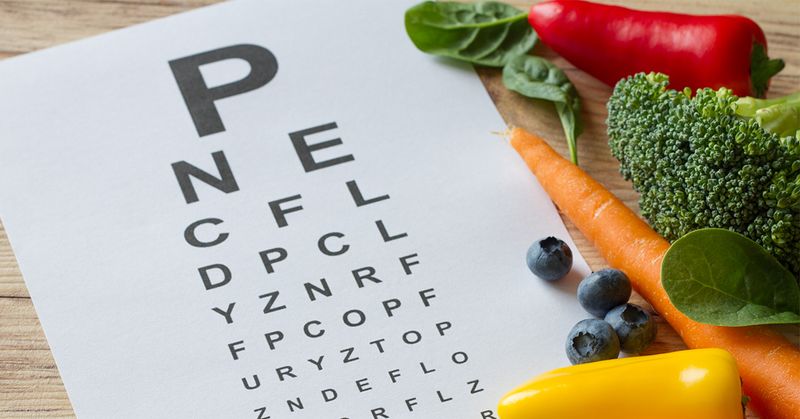
Staring at screens all day absolutely batters your eyes, but broccoli contains lutein and zeaxanthin that protect your precious peepers. These antioxidants filter harmful blue light and reduce oxidative damage that leads to vision problems later in life.
Vitamin A in broccoli keeps your retinas functioning properly and prevents night blindness. Regular consumption may reduce risks of cataracts and age-related macular degeneration, which means clearer vision for longer without needing stronger specs every year.



