













February may sit firmly in the colder part of the year, but it still offers a variety of fresh, flavourful ingredients grown across the UK. Seasonal produce harvested during this month often benefits from winter conditions, which can enhance taste and texture.
Choosing ingredients that are naturally in season can support local farming and provide a reliable way to plan meals around what is freshest and widely available. From vibrant forced rhubarb to hardy winter vegetables, February produce offers plenty of options for everyday cooking.
This article is for general information only. Seasonal availability can vary by region, weather conditions, and supplier.
Taste, appearance, and freshness may differ. Images, where used, are for illustrative purposes only.
1. Brussels Sprouts
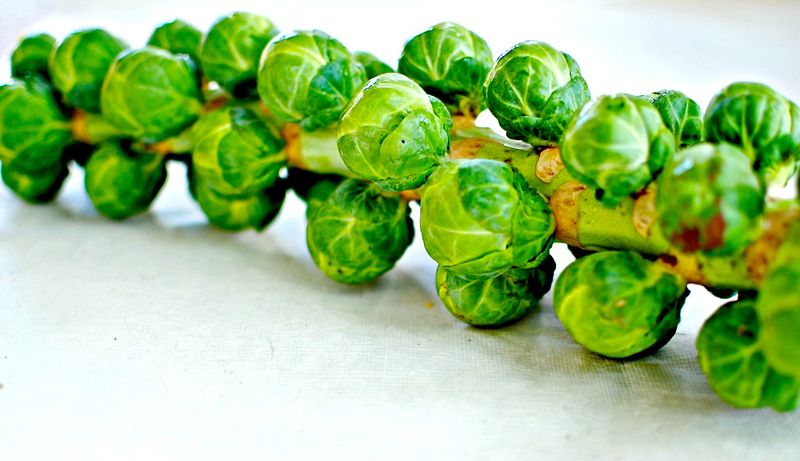
Yes, they're still around, and honestly, they're sweeter now than they were at Christmas. Cold weather converts their starches into sugars, which means less bitterness and more nutty depth.
Shred them raw into slaws with apple and mustard dressing, or roast them until the outer leaves go properly crispy. They're brilliant with chestnuts, bacon bits, or a drizzle of balsamic glaze that caramelises in the oven.
Don't boil them into grey mush like your nan used to. These deserve better.
2. Cauliflower
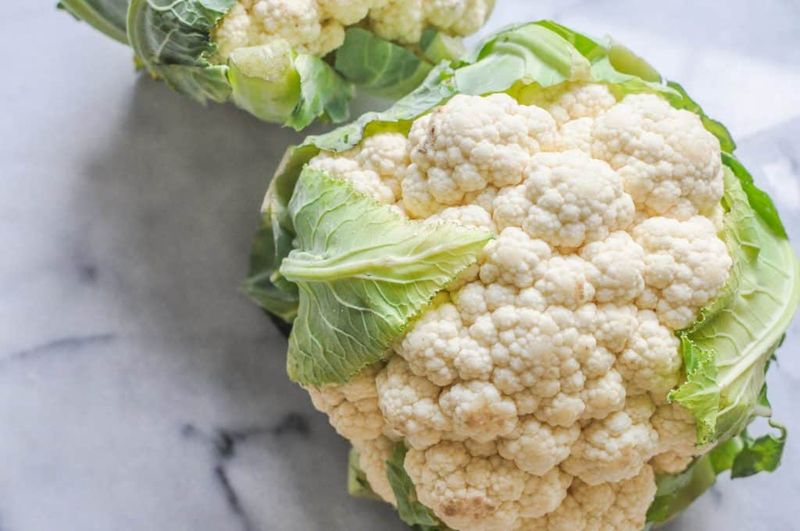
Cauliflower's having a proper moment, and February's crop is dense, creamy, and ridiculously versatile. You can rice it, mash it, roast it whole like a Sunday joint, or blend it into the silkiest soup you've ever tasted.
The florets caramelise beautifully when roasted with curry spices or simply with olive oil and garlic. It also makes a convincing stand-in for potatoes in gratins, soaking up cheese sauce like an absolute champion.
Plus, the leaves are edible too. Crisp them up for a zero-waste snack.
3. Forced Rhubarb
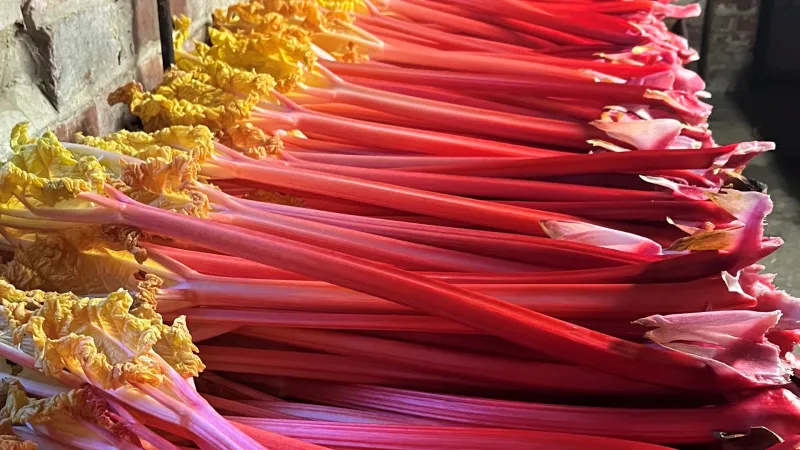
Grown in candlelit sheds around Yorkshire's Rhubarb Triangle, forced rhubarb is the supermodel of the vegetable world. Those shocking pink stalks are tender, sweet, and far less mouth-puckeringly sour than their summer cousins.
Poach them gently with a bit of sugar and orange zest for compotes, crumbles, or fool. They collapse quickly, so keep an eye on them unless you want pink mush.
The colour alone makes any pudding look like you've actually made an effort, even if you haven't really.
4. Kale
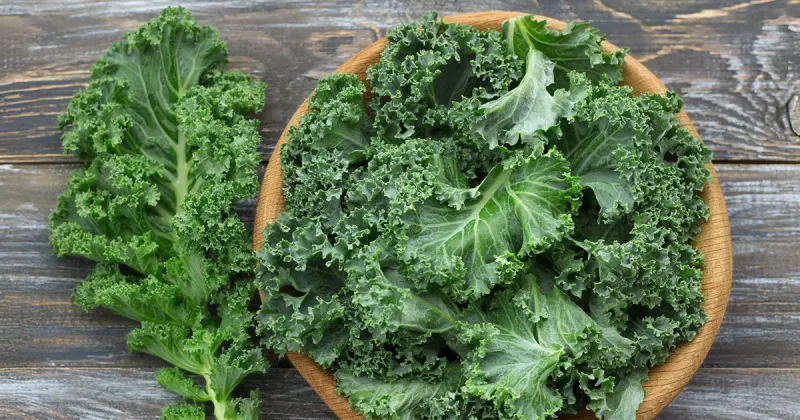
Kale's reputation as the boring health food has done it dirty. February kale, especially after a frost, is actually sweet and tender rather than leathery and bitter like the summer stuff.
Strip the leaves from their thick stems and massage them with a bit of olive oil and lemon juice for salads that won't feel like chewing cardboard. Or wilt them into soups, pasta dishes, or bubble and squeak.
Cavolo nero is particularly lovely right now if you can find it at the market.
5. Purple Sprouting Broccoli
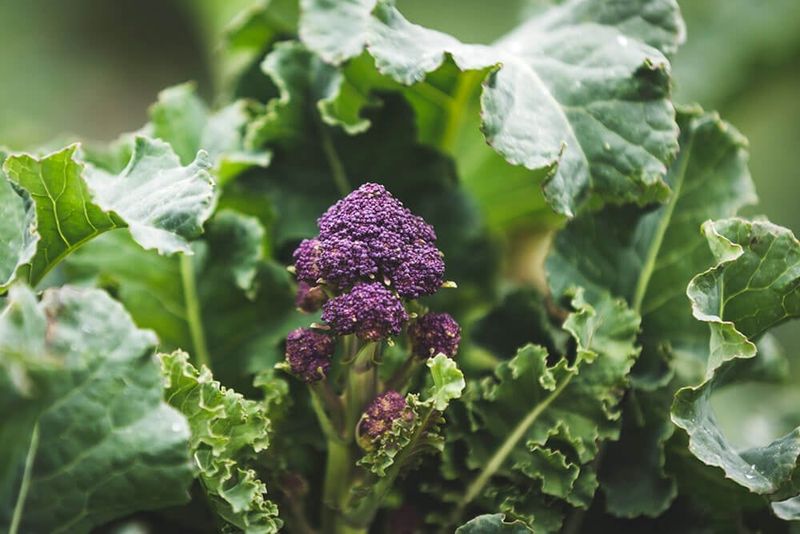
This is what broccoli dreams of becoming. Purple sprouting has a sweeter, nuttier flavour than the regular stuff, with tender stems that don't need peeling and cook in minutes.
Steam or griddle the spears until just tender, then finish with a squeeze of lemon, chilli flakes, and good olive oil. It's also gorgeous tossed through pasta with anchovies and garlic, or served alongside roasted fish.
The purple colour fades when cooked, but the flavour more than makes up for it. Proper February luxury.
6. Salsify
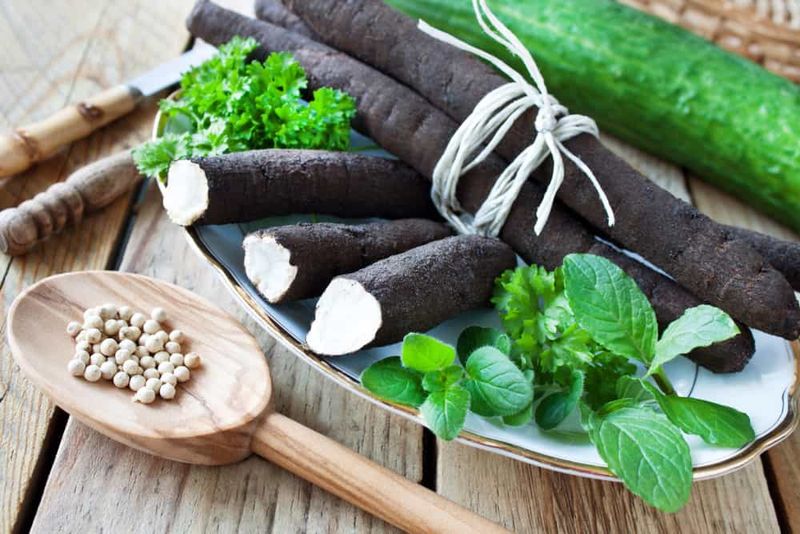
Salsify looks like a skinny, slightly hairy parsnip, but it tastes completely different. Some reckon it's got an oyster-like flavour, which is why it's sometimes called the oyster plant, though that's a bit of a stretch if we're honest.
Peel and simmer the roots until tender, then sauté them in butter until golden. They're also lovely in gratins or pureed into creamy soups that taste far posher than the effort required.
A proper old-fashioned veg that deserves a comeback.
7. Swedes
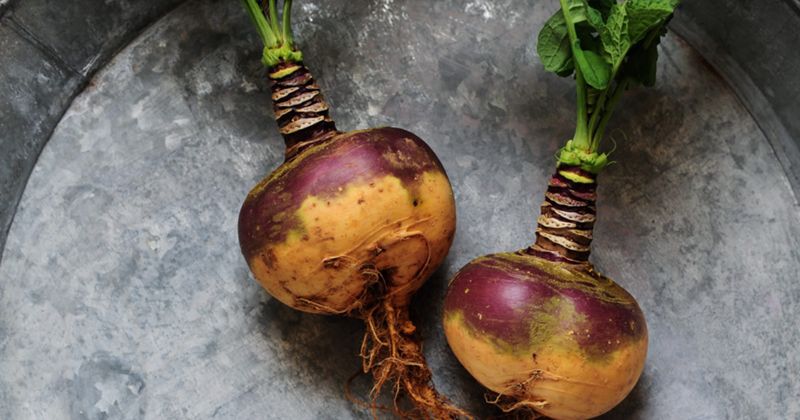
Swedes get a bad rap for being boring, but they're actually brilliant when treated right. Their sweet, earthy flavour works in everything from mash to curries, and they're dirt cheap right now because they're absolutely everywhere.
Cube and roast them with honey and thyme until caramelised, or boil and mash with butter and black pepper for the ultimate comfort side. They also make cracking chips if you're after something different.
Scotland knows what's up with neeps and tatties for a reason.
8. Turnips
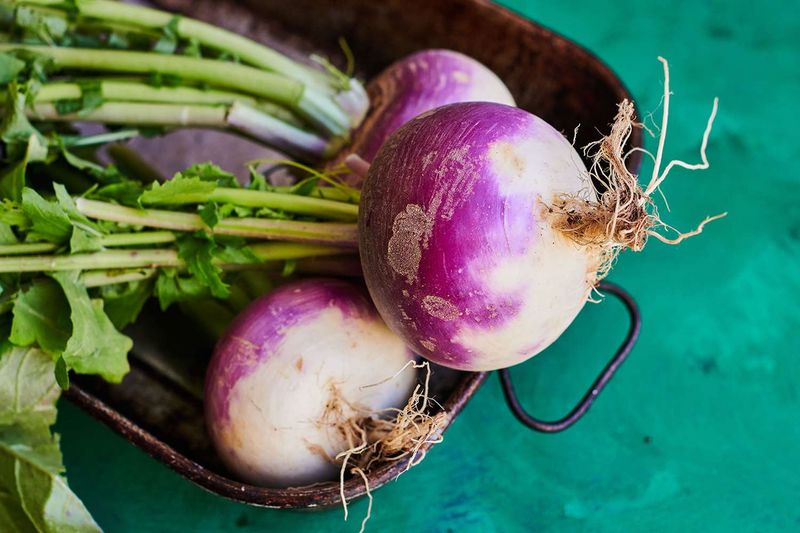
Baby turnips are miles better than the massive woody ones that put everyone off at school dinners. February's crop is sweet, tender, and lovely eaten raw in salads or quick-pickled with rice vinegar and chilli.
Roast them whole with their greens still attached for a pretty side dish, or simmer in stock and mash with potatoes for something creamy and comforting. They also work brilliantly in stews where they soak up all the flavours.
Think of them as radishes' more sophisticated older sibling.
9. Winter Cabbage
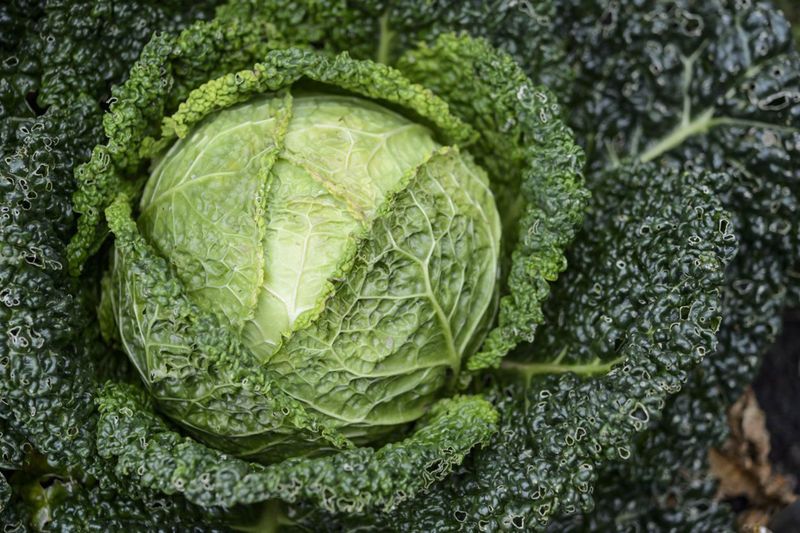
Winter cabbage varieties like January King are absolute workhorses in the kitchen right now. Their leaves are sturdy enough to braise slowly with onions and caraway seeds, but also tender enough to shred finely for coleslaw that actually has flavour.
Wedges roasted until charred at the edges become sweet and caramelised, perfect alongside sausages or pies. Or go Polish and layer them with mince and rice for stuffed cabbage rolls that'll warm you from the inside out.
Proper cold-weather cooking at its finest.



