













Creatine is often linked with gym tubs and shaker bottles, yet it already exists in everyday foods many people eat without a second thought. It tends to fly under the radar because it comes naturally bundled with familiar meals rather than bold health claims.
What makes this interesting is how quietly it shows up through normal eating habits, no special planning required. For anyone curious about where their nutrients really come from, this list may feel more eye opening than expected.
All information is provided for general interest only and should not be taken as medical or dietary advice. Nutrient needs and responses vary between individuals, particularly for those with existing health conditions. Anyone considering dietary changes for performance or health reasons should seek guidance from a qualified healthcare professional.
1. Beef
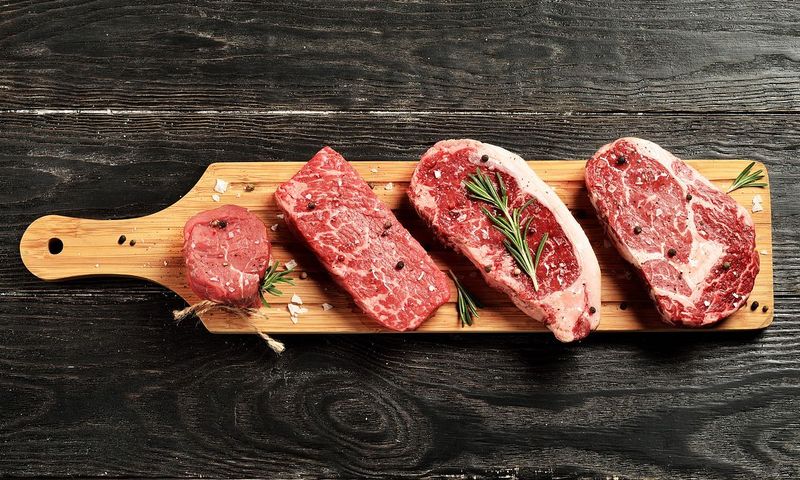
Red meat is one of the most reliable natural sources of creatine in everyday diets. Beef contains noticeably higher levels than most other foods, which is why it often comes up in discussions around muscle support.
Alongside creatine, it also delivers protein, iron, and several B vitamins. Different cuts and cooking methods affect the final amount you get.
Enjoyed in moderation, it remains one of the most efficient food-based sources.
2. Pork
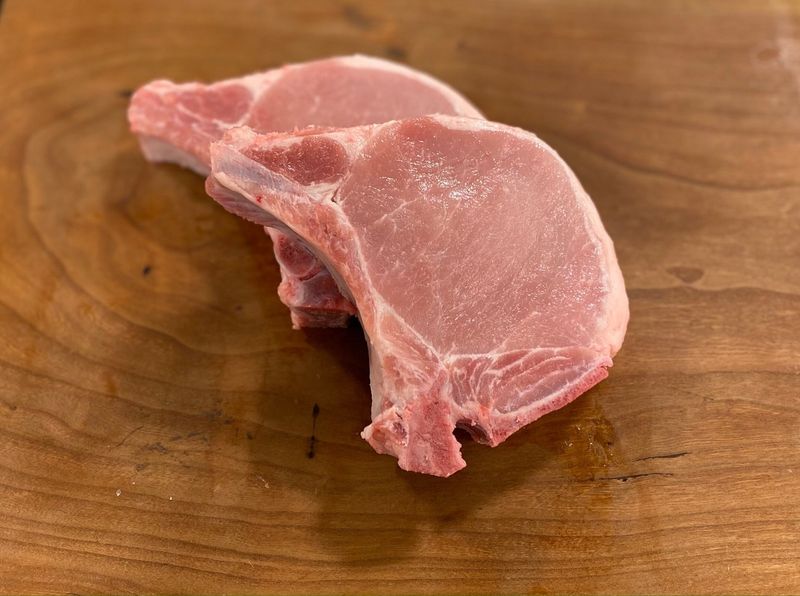
Often overlooked in these conversations, pork provides a meaningful amount of naturally occurring creatine. Levels vary depending on the cut, but it consistently contributes more than many people expect.
It also offers protein, B vitamins, and minerals that support everyday energy needs. Its versatility makes it easy to include across a wide range of meals.
When eaten regularly, it quietly supports creatine intake without drawing attention to itself.
3. Lamb
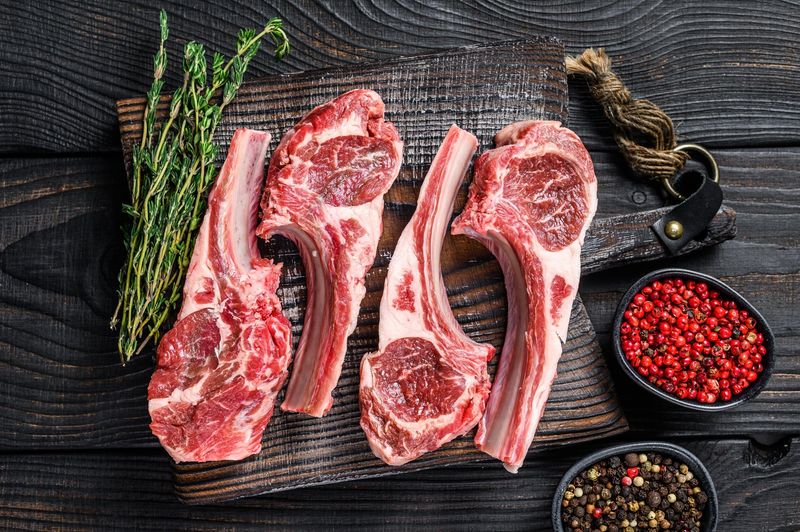
This rich and distinctive meat contributes creatine as part of its overall nutritional profile. While amounts differ by cut, lamb generally sits in a similar range to other red meats.
It also supplies protein, zinc, and iron, making it nutritionally dense. The natural fat content adds flavour and satiety.
As an occasional choice, it fits comfortably into a creatine-supportive diet.
4. Chicken
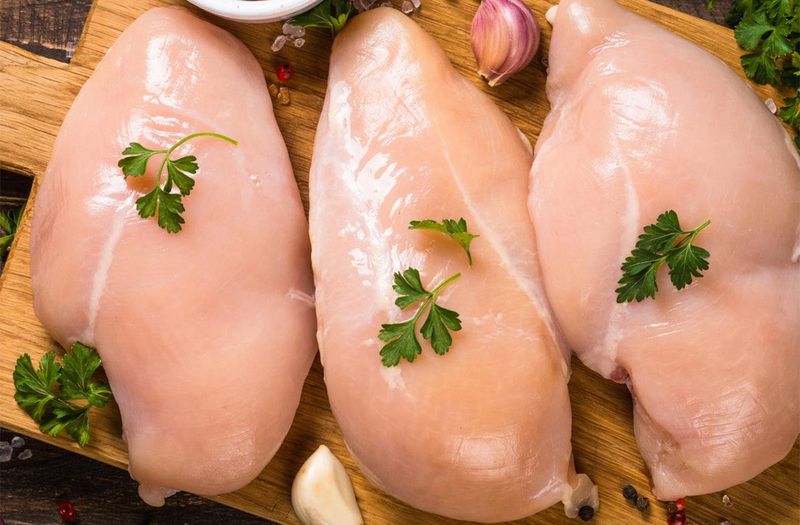
Poultry lovers rejoice! Chicken breast contains roughly 3.4 grammes of creatine per kilogramme, making it a leaner alternative to red meat.
This affordable protein source fits perfectly into various diets whilst delivering consistent creatine levels. Whether baked, grilled, or stir-fried, chicken remains one of the most accessible ways to support your muscles naturally.
Its mild flavour pairs wonderfully with countless seasonings and cooking styles for endless variety.
5. Turkey
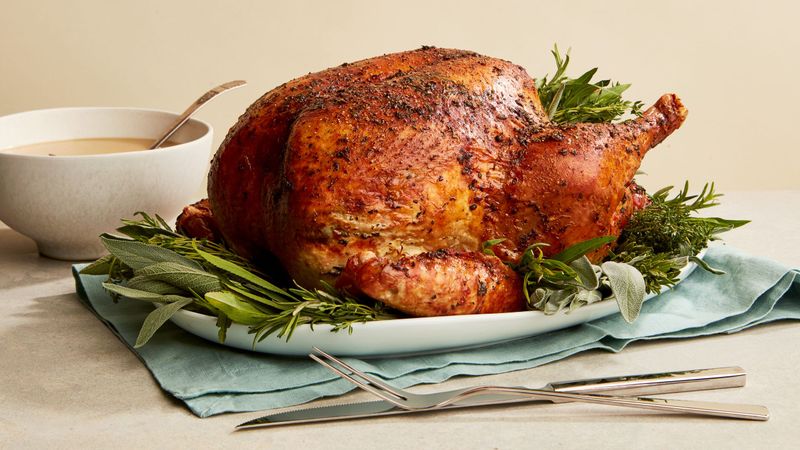
Often reserved for festive occasions, turkey deserves regular rotation in your meal plan. It provides about 3.4 grammes of creatine per kilogramme, matching chicken's contribution whilst offering slightly different nutrients.
The breast meat stays particularly lean, making turkey brilliant for those watching their fat intake. Beyond the holiday table, turkey mince and cutlets offer convenient, everyday options for boosting your natural creatine consumption deliciously.
6. Salmon
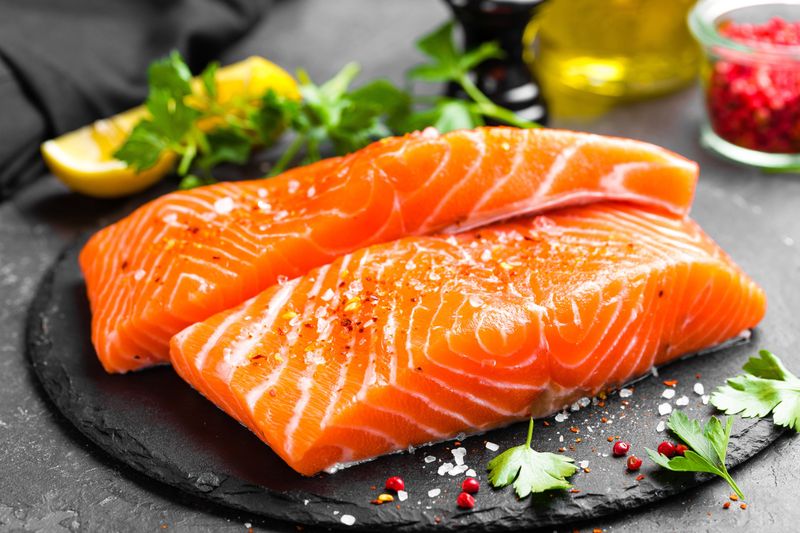
Fatty fish like salmon contain creatine alongside other well-known nutrients. The amount is lower than in red meat but still meaningful when eaten regularly.
Omega-3 fatty acids remain its standout feature, supporting heart and muscle function together. Wild and farmed varieties differ slightly, though both contribute.
It offers a well-rounded option rather than a single-nutrient focus.
7. Tuna
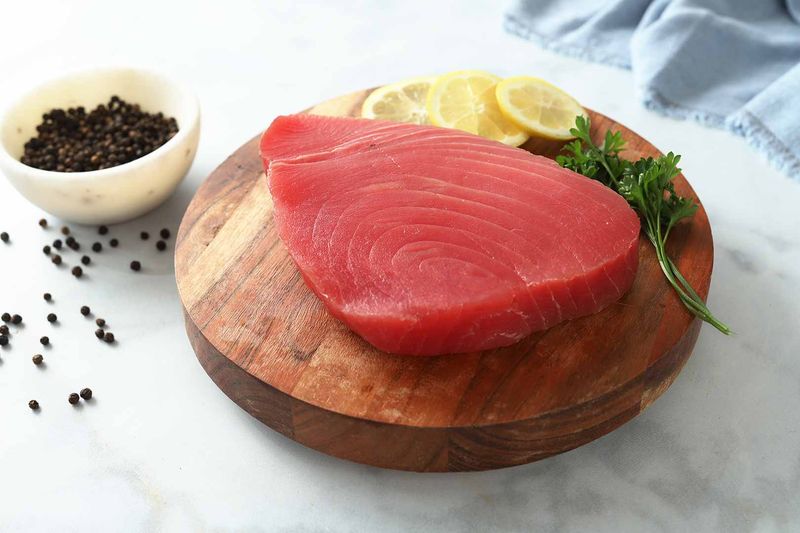
Dense and meaty in texture, tuna provides creatine as part of its protein-rich makeup. Different species and preparations influence how much is present.
Fresh tuna tends to retain more of its natural compounds than heavily processed forms. It remains a practical option for those who prefer seafood over meat.
Paired with simple sides, it fits easily into balanced meals.
8. Herring

Small oily fish like herring are known for concentrated nutrition. Creatine is naturally present alongside omega-3 fats and vitamin D.
Exact amounts fluctuate, but it is considered one of the higher fish-based sources. Traditional preparation methods help preserve its nutrients.
It delivers a lot in a relatively small portion.
9. Cod
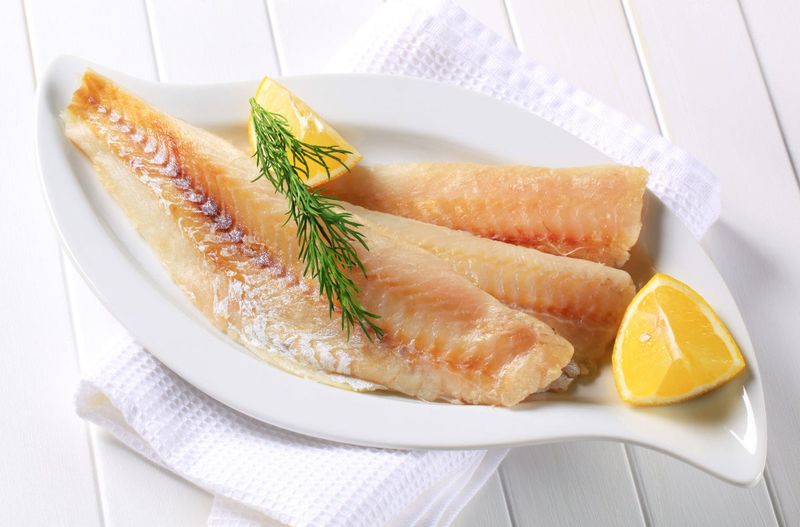
Mild and flaky, cod provides about 3 grammes of creatine per kilogramme whilst remaining incredibly versatile in the kitchen. Its gentle flavour makes it perfect for those new to seafood.
This white fish absorbs marinades beautifully and pairs wonderfully with various seasonings. Whether battered for classic fish and chips or baked with herbs, cod offers a lighter creatine source that's easier to digest than heavier meats.
10. Sardines
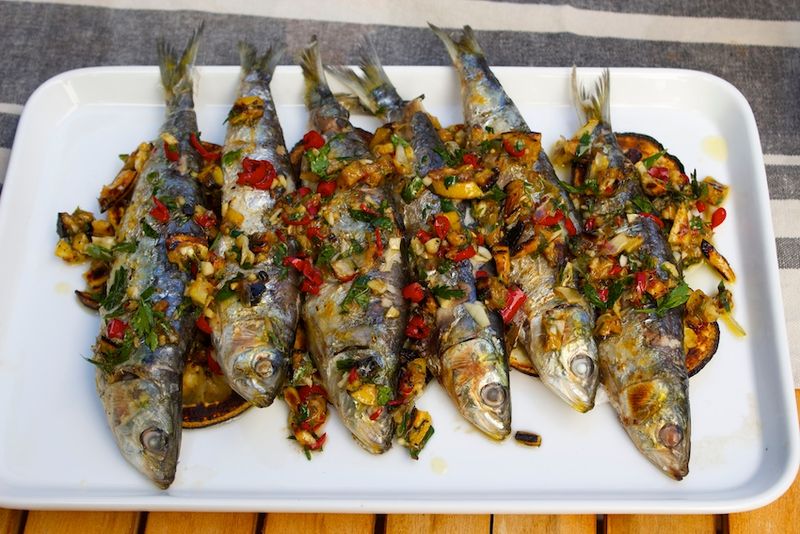
Despite their size, sardines contribute a range of nutrients including creatine. Their compact structure means nutrients are densely packed rather than diluted.
Levels vary depending on freshness and preparation. They also supply calcium, protein, and healthy fats.
For such a small food, they punch above their weight nutritionally.
11. Mackerel
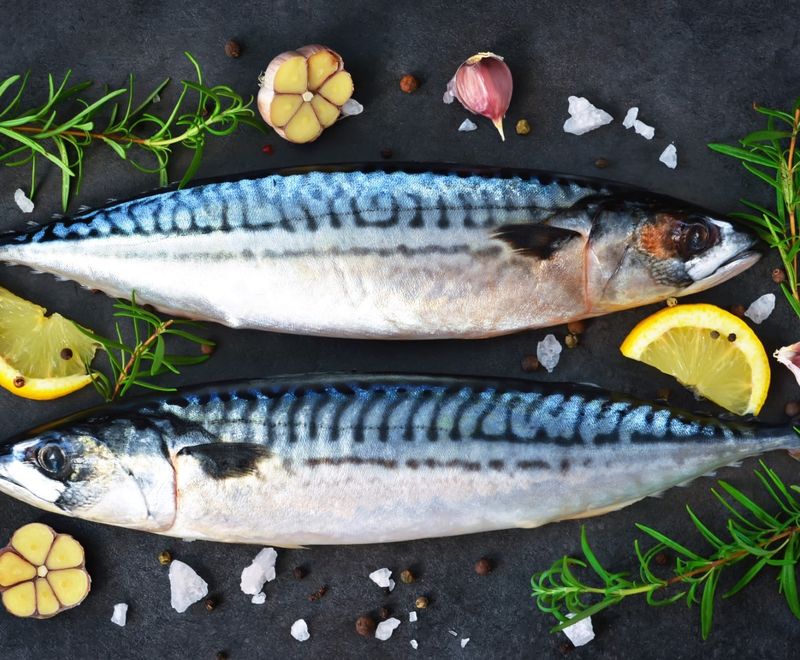
Sporting handsome stripes, mackerel contains roughly 4 grammes of creatine per kilogramme whilst boasting one of the highest omega-3 contents amongst commonly available fish.
This oily fish stays budget-friendly compared to salmon whilst delivering similar nutritional benefits. Smoked mackerel makes brilliant salads and pâtés, whilst fresh fillets grill beautifully.
The bold, rich flavour pairs wonderfully with sharp, acidic accompaniments.
12. Shellfish
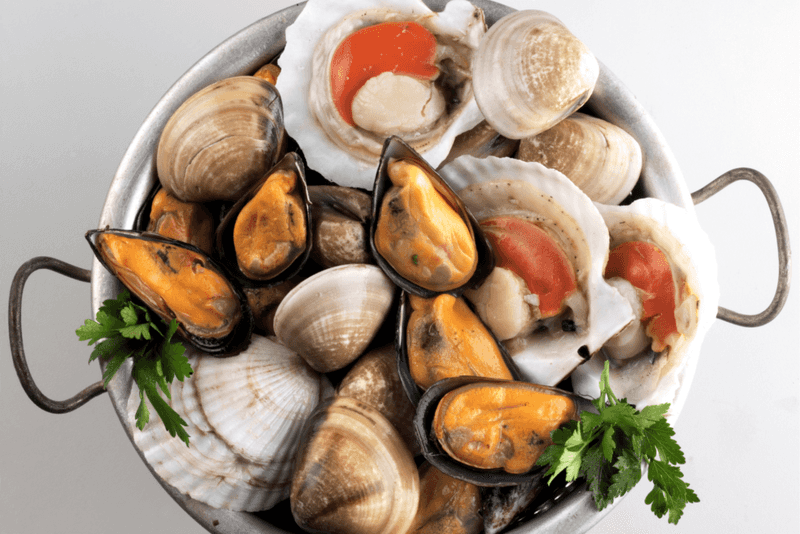
Creatine appears in shellfish in smaller amounts compared to meat and fish. That said, regular consumption still contributes to overall intake.
These foods also provide zinc, selenium, and iodine. Cooking methods can influence nutrient retention.
They add variety rather than acting as a primary source.



