











Even with varied diets, some nutrients quietly slip through the cracks. Busy routines, food preferences, and seasonal habits can all play a role.
Small changes at mealtimes often make a bigger difference than people expect. Understanding where gaps commonly appear helps everyday choices feel more intentional.
All information is provided for general interest only and should not be considered medical advice. Nutritional needs vary between individuals, and dietary changes may not be suitable for everyone. Consult a qualified healthcare professional for personalised guidance.
1. Vitamin D

Often called the sunshine vitamin, this nutrient can be difficult to get enough of in the UK. Your body produces it through sunlight exposure, but levels tend to drop during the darker months.
Fatty fish such as salmon and mackerel are among the most reliable food sources. Fortified foods, including some cereals and spreads, also help boost intake.
Being aware of these options makes it easier to support vitamin D levels year-round.
2. Vitamin A

Carrots aren't just good for your eyesight - they're packed with beta-carotene, which your body converts into vitamin A. This nutrient keeps your immune system strong and your skin healthy.
Sweet potatoes, butternut squash, and dark leafy greens like spinach are also excellent choices. Even a glass of semi-skimmed milk at breakfast provides a decent amount, making it easier than you might think to meet your daily needs.
3. Folate (Vitamin B9)
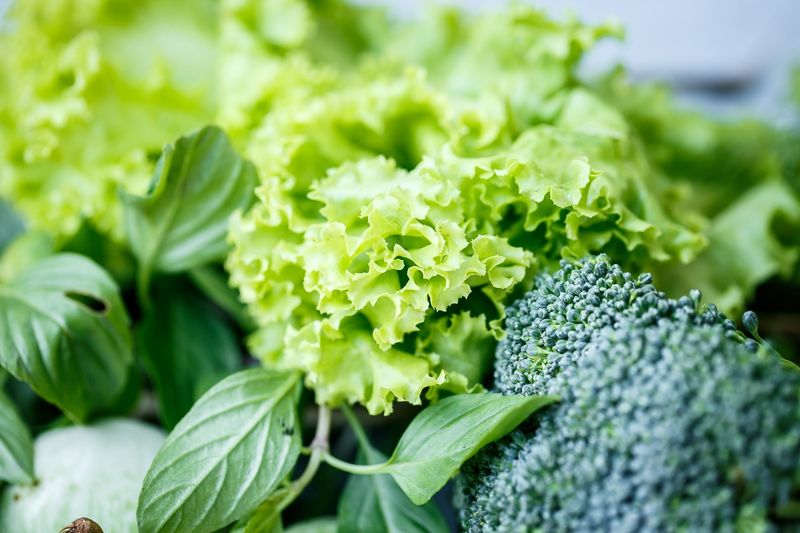
Expecting mothers know about folate, but everyone benefits from this vitamin that supports cell growth and DNA formation. Broccoli, Brussels sprouts, and peas are fantastic British staples that deliver plenty of it.
Fortified breakfast cereals offer an easy morning boost, whilst chickpeas and lentils make hearty additions to soups and stews. Just half a cup of cooked spinach gives you a substantial portion of your daily requirement.
4. Vitamin B12
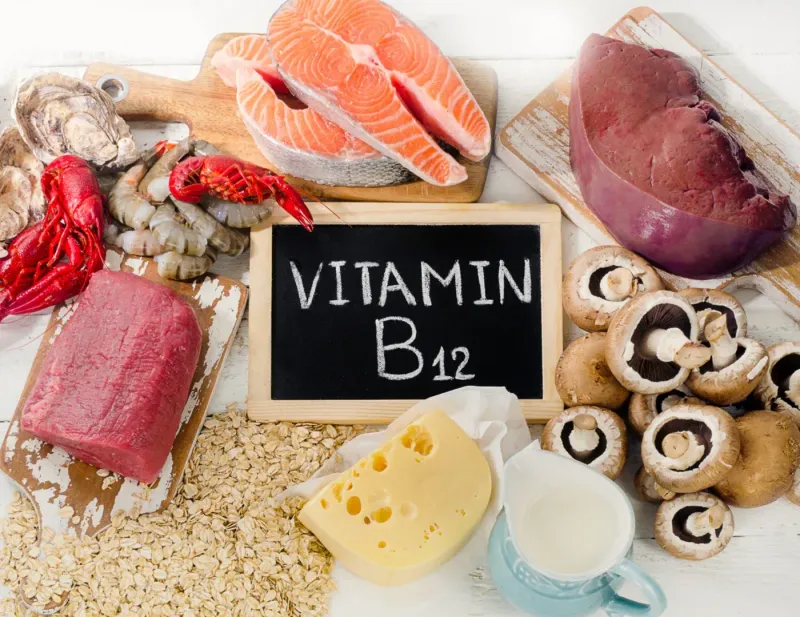
Vitamin B12 plays an important role in keeping the nervous system working as it should. It is mainly found in animal-based foods such as meat, fish, eggs, and dairy.
People who eat these foods regularly usually get some B12 without much effort. Vegetarians often rely on fortified cereals, plant-based milks, or nutritional yeast to meet their needs.
Paying attention to these sources helps prevent levels from quietly dropping over time.
5. Riboflavin (Vitamin B2)
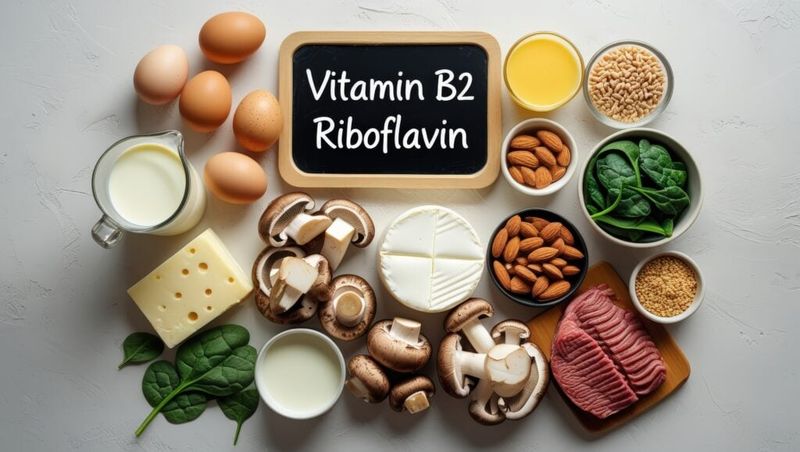
Riboflavin supports energy release and contributes to healthy skin and vision. Dairy foods like milk and yoghurt are dependable everyday sources for many people.
Other options include mushrooms, almonds, and fortified breakfast cereals. Including a mix of these foods across meals spreads intake naturally through the day.
Small choices add up without needing major changes to eating habits.
6. Vitamin E
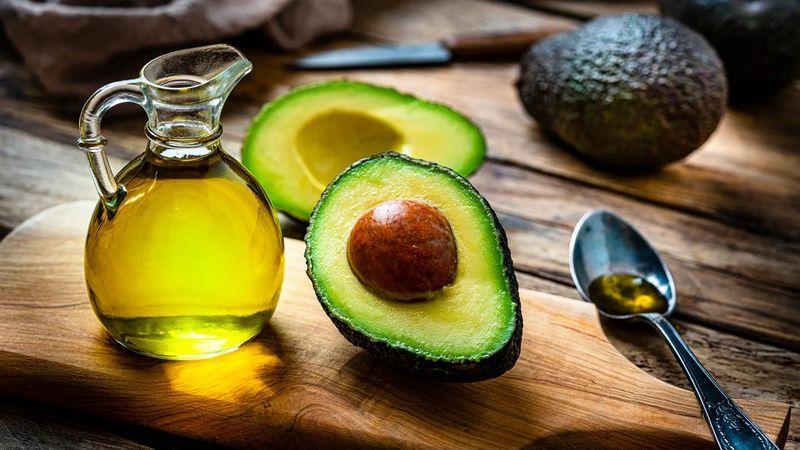
Almonds, sunflower seeds, and hazelnuts are nature's vitamin E powerhouses, protecting your cells from damage and supporting healthy skin. Just a small handful of nuts as an afternoon snack delivers a significant amount.
Avocado on toast isn't just trendy - it's nutritious too, providing healthy fats alongside vitamin E. Cooking with sunflower or rapeseed oil instead of butter adds extra vitamin E to your meals effortlessly.