










• Skip to primary navigation
  • Skip to main content
  • Skip to primary sidebar
The Daily Dish
  • About Me
  • Recipes
  • Wellbeing🧡
  • Contact
  • Subscribe
  • Gluten-Free
  • Navigation Menu: Social Icons

    Connect With Me

    • Facebook
    • Instagram
    • Pinterest
menu icon
go to homepage
  • About Me
  • Recipes
  • Wellbeing🧡
  • Contact
  • Subscribe
  • Gluten-Free
  • Let's Connect

    • Facebook
    • Instagram
    • Pinterest
  • subscribe
    search icon
    Homepage link
    • About Me
    • Recipes
    • Wellbeing🧡
    • Contact
    • Subscribe
    • Gluten-Free
  • Let's Connect

    • Facebook
    • Instagram
    • Pinterest
  • ×
    • 15 Places In Texas To Enjoy Breakfast With A Million-Dollar View
    • 12 Cincinnati Area, Ohio Hole-In-The-Wall Restaurants Tourists Always Walk Past
    • 11 Anna Maria Island Restaurants In Florida You Can't Miss
    • 12 Maryland Restaurants That Stay Packed Without Ever Advertising
    • 14 Florida Buffets So Good You Won't Mind The Wait
    • 13 Under-The-Radar Detroit, Michigan Restaurants Worth Seeking Out
    • 12 Tennessee Restaurants So Remote The Journey Becomes Part Of The Experience
    • 11 Atlanta, Georgia Hole-In-The-Wall Restaurants Locals Love
    • 11 Top-Rated Restaurants In New Jersey That Are Always Worth The Trip
    • 10 Small Local Restaurants In Marietta, Georgia Worth A Visit
    • 11 Top-Rated Restaurants In Maryland That Are Always Worth The Drive
    • 12 Winston-Salem, North Carolina Hole-In-The-Wall Restaurants Only Locals Know About
    Home » Recommendations

    8 Easy Tweaks That Make Homemade Carrot Cake Taste Bakery-Level

    Published:Feb 2, 2026· Modified: Jan 30, 2026 by Lily Harper

    • Share
    • Email

    There is something deeply satisfying about a carrot cake that feels just a bit more polished than expected. Small adjustments in technique and ingredients can quietly transform a homemade bake without making it complicated.

    These subtle changes are the kind that bakers often learn through trial, error, and a few happy accidents. Once you know them, they are hard to unlearn.

    All information is provided for general interest only. Baking results may vary depending on ingredients, equipment, and individual technique.

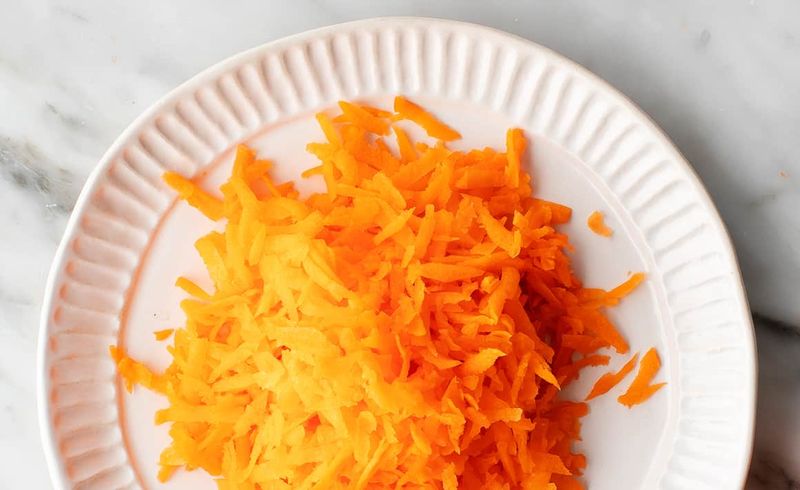
    1. Use Freshly Grated Carrots
    Use Freshly Grated Carrots
    Image Credit: © Love and Lemons

    Pre-packaged shredded carrots might save time, but they're often dry and lack the moisture that makes carrot cake irresistibly tender. Grating your own carrots releases natural juices and oils that keep every bite moist.

    Fresh carrots also have a sweeter, more vibrant flavour that shines through in the finished cake. Grab a box grater and spend those extra few minutes - your taste buds will thank you for the effort.

    2. Toast The Spices Before Mixing

    Toast The Spices Before Mixing
    Image Credit: © Healthline

    Most recipes tell you to simply dump spices straight from the jar into your batter, but toasting them first unlocks incredible depth. Heat cinnamon, nutmeg, and ginger in a dry pan for about two minutes until fragrant.

    This quick step intensifies their flavour and adds a complexity that tastes professionally crafted. Your kitchen will smell amazing, and the spices will infuse the cake with warmth that grocery-shop versions simply can't match.

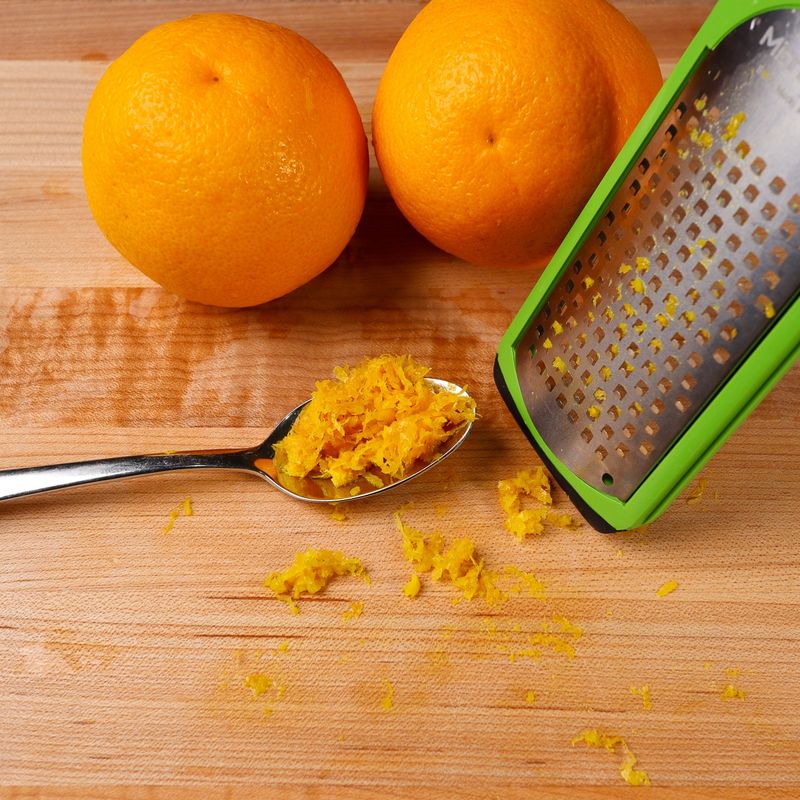
    3. Add A Touch Of Orange Zest
    Add A Touch Of Orange Zest
    Image Credit: © Home Cook Basics

    Orange zest might sound unexpected, but it brings a gentle lift to carrot cake without stealing the spotlight. The citrus oils add freshness that balances the warmth of spices and the richness of the crumb.

    Even a small amount can make the flavours feel brighter and more layered. It blends quietly into the background rather than announcing itself.

    Once added, the cake simply tastes a little more interesting from the first bite to the last.

    4. Use Oil Instead Of Butter

    Use Oil Instead Of Butter
    Image Credit: © Good Housekeeping

    Butter might be your go-to for most cakes, but carrot cake actually benefits from oil's unique properties. Oil creates a more tender crumb and keeps the cake moist for days longer than butter-based versions.

    Vegetable or sunflower oil works brilliantly because it doesn't solidify when chilled, meaning your cake stays soft even straight from the fridge. Professional bakers know this trick produces that signature bakery texture that stays perfect from the first slice to the last.

    5. Include A Small Amount Of Pineapple

    Include A Small Amount Of Pineapple
    Image Credit: © SNAP-Ed Connection - USDA

    Pineapple often raises eyebrows, but used carefully it can improve texture more than flavour. Crushed pineapple adds moisture that helps keep the cake soft without making it heavy.

    When drained properly, it melts into the batter and stays subtle. The finished cake does not taste tropical, just comfortably tender.

    It is one of those additions people notice only because the cake feels better.

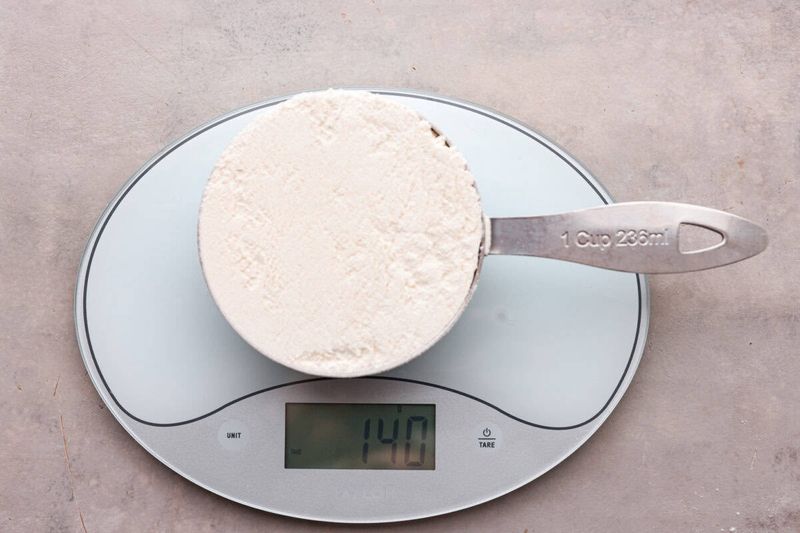
    6. Measure Flour Carefully
    Measure Flour Carefully
    Image Credit: © The Recipe Critic

    Flour measurements can make or break a carrot cake faster than most people expect. Scooping straight from the bag packs too much into the cup and dries everything out.

    Taking a gentler approach helps keep the crumb light and soft. Accuracy matters more here than fancy ingredients.

    A little care at this stage pays off all the way through the final slice.

    7. Let The Batter Rest Briefly
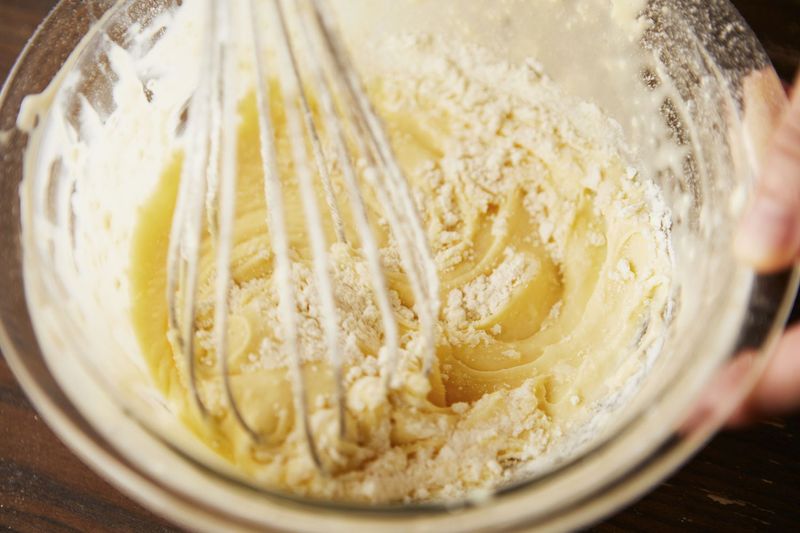
    Let The Batter Rest Briefly
    Image Credit: © Food & Wine

    Giving the batter a short rest can quietly improve the finished cake. This pause allows the flour to absorb moisture and the spices to settle evenly.

    The batter becomes smoother and more cohesive before baking. The change is subtle but noticeable once the cake is sliced.

    It is an easy step that fits neatly into the rhythm of baking.

    8. Chill The Cake Before Frosting
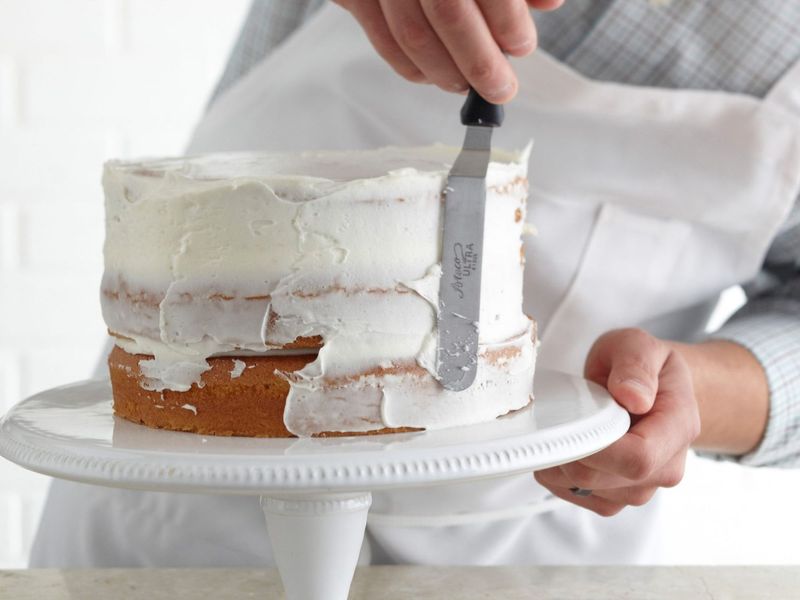
    Chill The Cake Before Frosting
    Image Credit: © Southern Living

    Frosting a warm cake rarely ends well and usually leads to unnecessary mess. Cooling the layers helps them firm up and hold their shape.

    The frosting spreads more cleanly and stays where it should. This makes decorating feel calmer rather than rushed.

    The final result looks neater without requiring extra skill.
    More Recommendations

    • 16 Surprisingly Useful Things To Cook When You Have Too Much Cheese And Not Enough Ideas
    • 21 Copycat Recipes That Might Make You Skip The Takeaway Altogether
    • 17 Cheap Meals That Taste Far Better Than Their Tiny Price Tag Suggests
    • 21 Everyday Foods Prepared Completely Differently Across Five Continents

    Primary Sidebar

    Keri Bevan

    Welcome, I'm Keri

    I'm the food photographer and recipe developer and writer behind Daily Dish.

    More About Me
    SUBSCRIBE

    Popular Posts

    • 13 Under-The-Radar Florida Beachfront Restaurants Locals Keep To Themselves
    • 12 Small-Town New York Diners With Huge Pancakes And Classic Comfort Food Locals Call The Best
    • 11 Breathtaking Waterfront Restaurants You'll Only Find In New Jersey
    • 12 Michigan Factory Tours Worth Taking For A Surprisingly Cool Day Trip

    Cozy Soups

    • Fava bean soup in a ceramic bowl.
      Fava Bean Soup
    • Vegan potato soup in a bowl with chives and croutons.
      Creamy Vegan Potato Soup
    • Bok choy soup with garlic and ginger.
      Bok Choy Soup With Garlic & Ginger
    • gluten free and dairy free tomato soup
      Creamy Gluten Free And Dairy Free Tomato Soup
    Company logs of people I have worked with.

    Footer

    ↑ back to top

    Recipes

    • Breakfast
    • Lunch
    • Dinner
    • Sauces and Dips
    • Gluten Free

    Newsletter

    • Sign Up! for emails and updates

    Contact

    • Contact
    • Privacy Policy
    • Daily Dish Web Stories

    As an Amazon Associate I earn from qualifying purchases.

    Copyright © 2024 Daily Dish