













Sweden has a quiet talent for desserts that feel cosy without trying too hard. From coffee-break classics to celebration cakes, these sweet treats are woven into everyday life rather than saved for special occasions.
Many are simple on the surface but packed with flavour and tradition. Once you start reading, it is hard not to mentally plan a fika break.
All information is provided for general interest only and reflects traditional and commonly enjoyed desserts. Recipes and variations may differ by region.
1. Kanelbullar
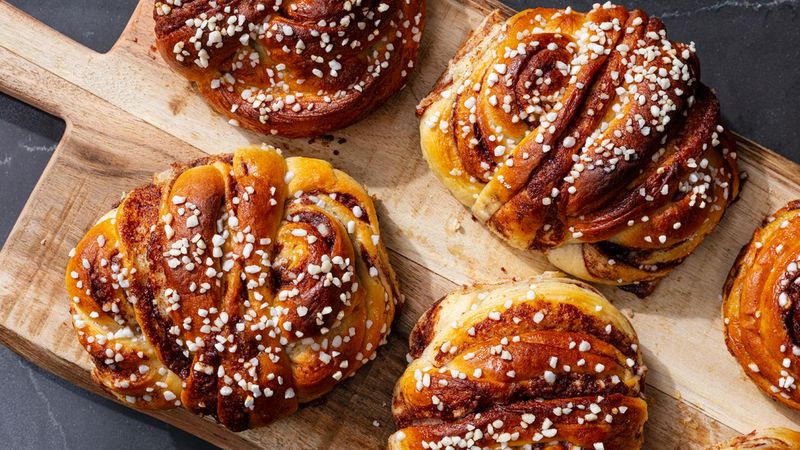
Cinnamon buns in Sweden aren't just pastries - they're a national treasure with their own special day on 4th October. These soft, pillowy rolls get twisted into their iconic shape, then brushed with butter and sprinkled with pearl sugar that adds a delightful crunch.
The cardamom-spiced dough creates a flavour that's distinctly Swedish, setting them apart from American versions. Perfect alongside coffee during fika, they're best enjoyed warm when the cinnamon filling is still gooey and fragrant.
2. Semla
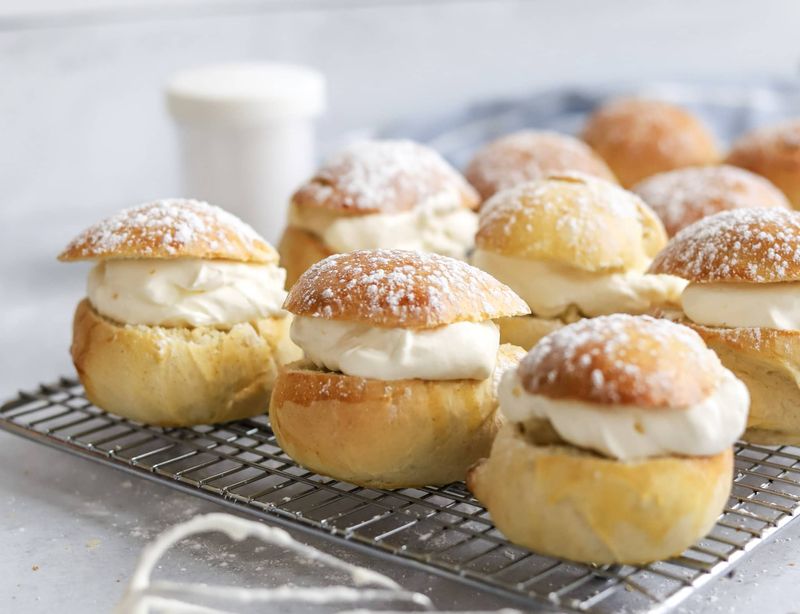
Fat Tuesday in Sweden means one thing: semla season has arrived! This cardamom-spiced wheat bun gets hollowed out and packed with sweet almond paste, then topped with a cloud of whipped cream before the lid goes back on.
Traditionally eaten only before Lent, nowadays Swedes start devouring these as early as January. The combination of fluffy bread, nutty filling, and airy cream creates pure magic.
Some folks even dunk them in warm milk for an extra indulgent experience.
3. Prinsesstårta
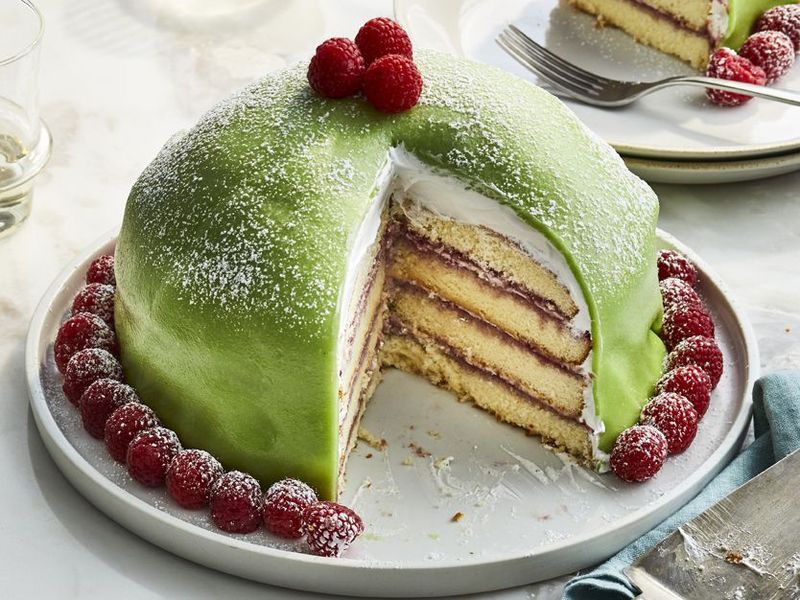
This stunning green dome isn't just pretty - it's Sweden's most beloved layer cake. Underneath that smooth marzipan coating, you'll find alternating layers of sponge cake, raspberry jam, vanilla custard, and whipped cream that create heaven in every bite.
Legend says it was named after three Swedish princesses who adored the recipe in the 1920s. The bright green colour makes it impossible to miss in any bakery window.
Birthday parties and celebrations simply aren't complete without this showstopper on the table.
4. Kladdkaka
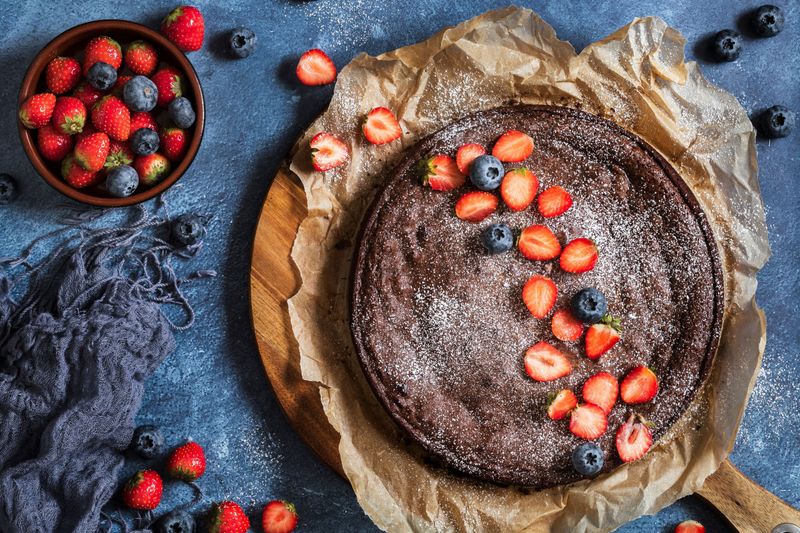
Imagine a brownie that never quite finished baking - that's the glorious concept behind this chocolate marvel. The edges turn crispy whilst the centre stays wonderfully gooey, creating a texture contrast that chocolate lovers dream about.
Only six simple ingredients go into making this treat, yet the result tastes incredibly decadent. Swedes often serve it warm with a scoop of vanilla ice cream or fresh berries.
The name literally means "sticky cake," which perfectly describes its addictive, fudgy middle.
5. Chokladbollar
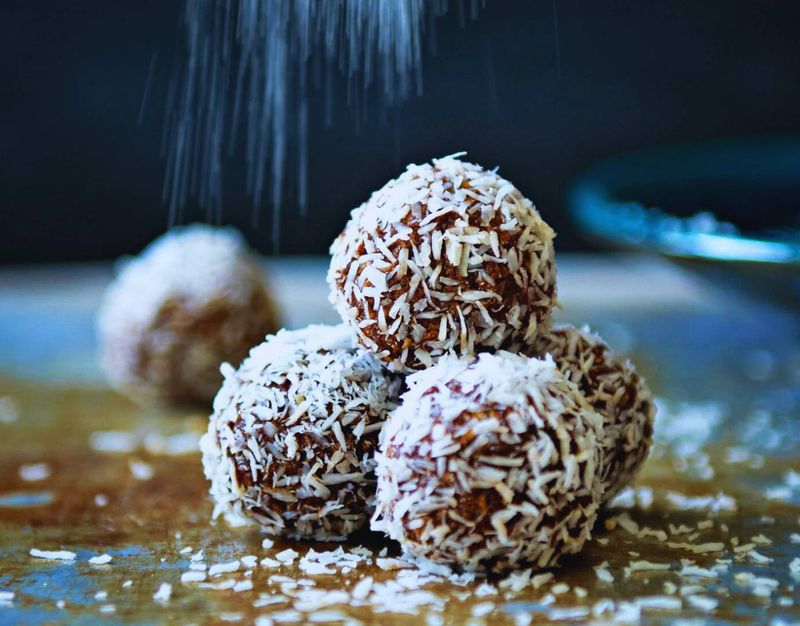
No baking required for these no-fuss chocolate treats that Swedish children learn to make from an early age. Oats, cocoa, butter, and sugar get mixed together, then rolled into balls and coated with coconut, pearl sugar, or sprinkles.
They're the ultimate fika companion and perfect for satisfying sudden chocolate cravings. Some families add a splash of strong coffee to deepen the chocolate flavour.
Stored in the fridge, they stay fresh for weeks - though they rarely last that long in any Swedish household!
6. Äppelkaka
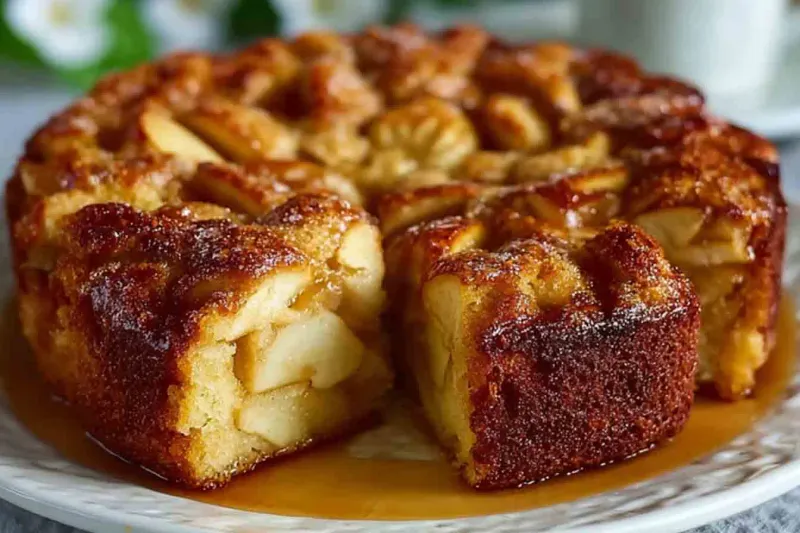
Autumn in Sweden smells like cinnamon-spiced apples baking under a buttery crumb topping. This humble dessert transforms simple ingredients into something that feels like a warm hug on a chilly evening.
The apples soften and release their juices whilst baking, creating a jammy layer beneath the crispy topping. Served warm with vanilla custard or a dollop of whipped cream, it's comfort food at its finest.
Every Swedish grandmother has her own secret twist on the recipe passed down through generations.
7. Rulltårta
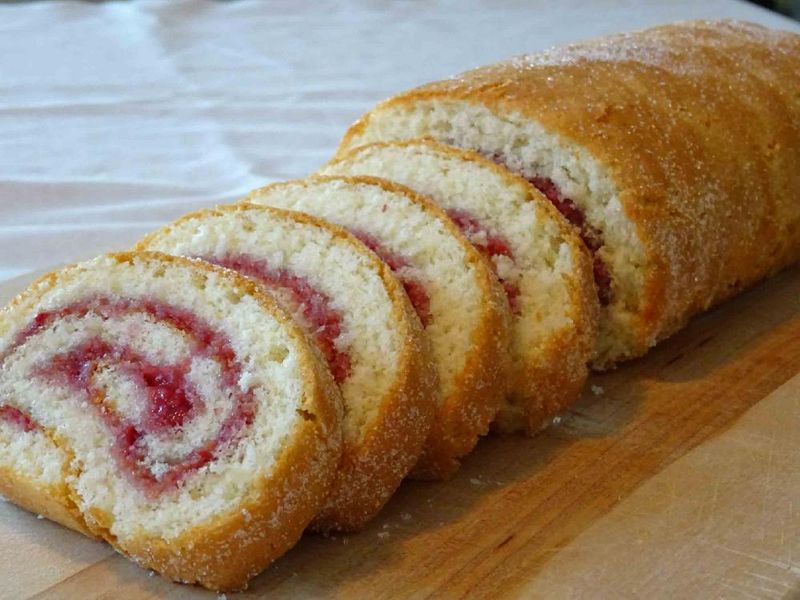
This elegant rolled cake proves that simplicity can be stunning. A thin sponge gets spread with jam and whipped cream, then carefully rolled into a spiral log that looks impressive but isn't fussy to make.
The light, airy texture makes it less heavy than frosted layer cakes, perfect after a big meal. Raspberry or strawberry jam are traditional choices, though creative bakers experiment with different flavours.
Dusted with icing sugar, it's a classic at Swedish coffee parties and celebrations throughout the year.
8. Toscakaka
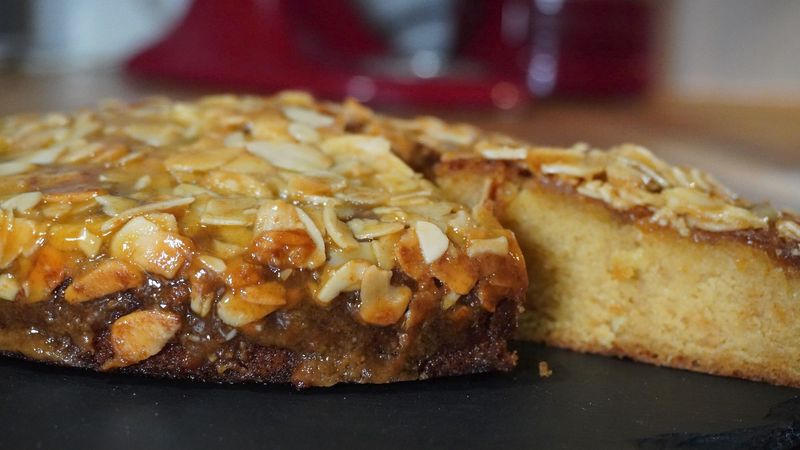
A plain vanilla cake transforms into something extraordinary when topped with caramelised almonds and butter. The magic happens in the final minutes of baking when the topping bubbles and turns golden, creating a crunchy caramel layer.
The contrast between soft sponge and crispy topping makes every bite interesting. Some bakers add a hint of almond extract to the cake itself for extra flavour.
This retro favourite from the 1950s remains a Swedish coffee table staple that never goes out of style.
9. Saffransbullar
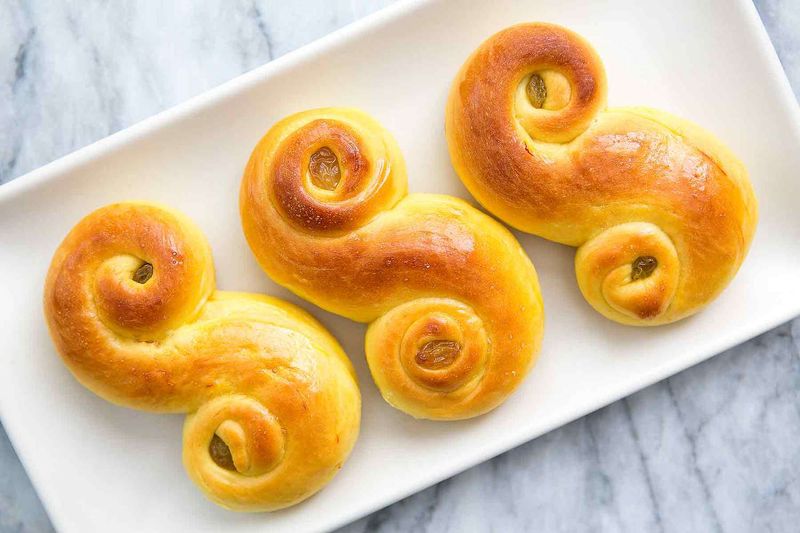
Come December, these golden-yellow buns appear everywhere across Sweden, their distinctive S-shape and saffron hue announcing that Lucia Day celebrations have begun. The precious spice gives them their sunny colour and subtle, exotic flavour.
Raisins tucked into each curl add little bursts of sweetness. The dough gets enriched with butter and eggs, making them richer than everyday buns.
Traditionally enjoyed on 13th December, many Swedes can't resist baking them throughout the entire Christmas season.
10. Hallongrottor
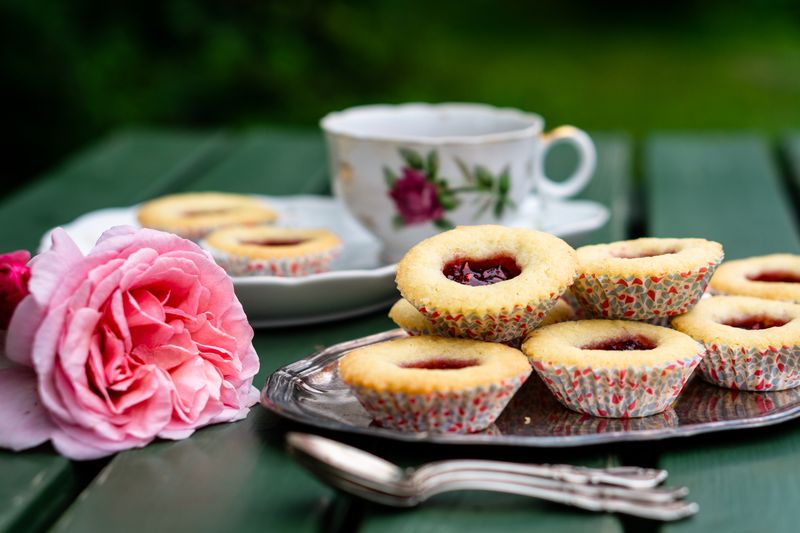
These buttery shortbread cookies get their charming name from the raspberry jam "caves" pressed into their centres before baking. The dough melts in your mouth, whilst the tart jam provides a fruity contrast to the sweet, crumbly cookie.
They're surprisingly easy to make, requiring just a few pantry staples. Children love helping press the dimples and filling them with jam.
Often dusted with icing sugar, they look elegant enough for special occasions yet simple enough for everyday fika moments.
11. Pepparkakor
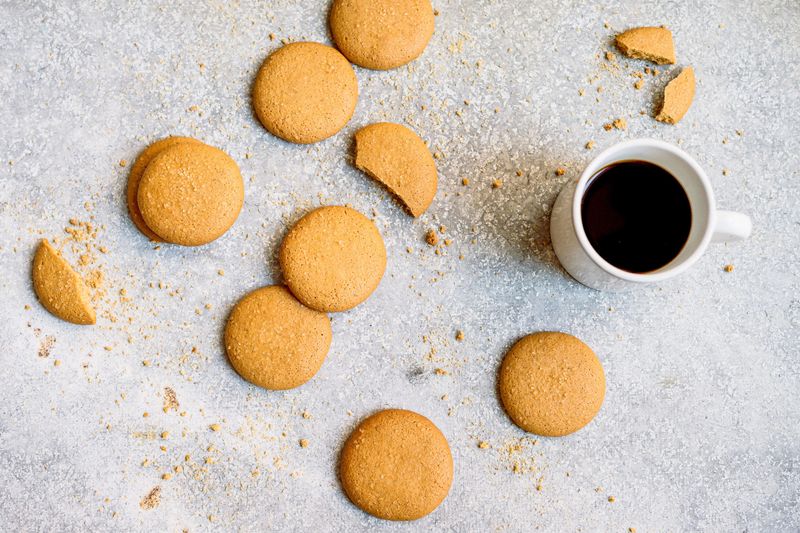
These paper-thin ginger biscuits snap satisfyingly when you bite them, releasing warm spices like cinnamon, cloves, and ginger. Swedish Christmas would feel incomplete without the smell of pepparkakor baking and cooling on wire racks.
Families often gather to roll out the dough and cut festive shapes together, turning baking into a shared ritual. Some Swedes balance a biscuit on one finger and make a wish before snapping it, hoping it breaks into three pieces.
Enjoyed with a warm non-alcoholic drink or simply on their own, they capture the cosy spirit of the season perfectly.
12. Knäck
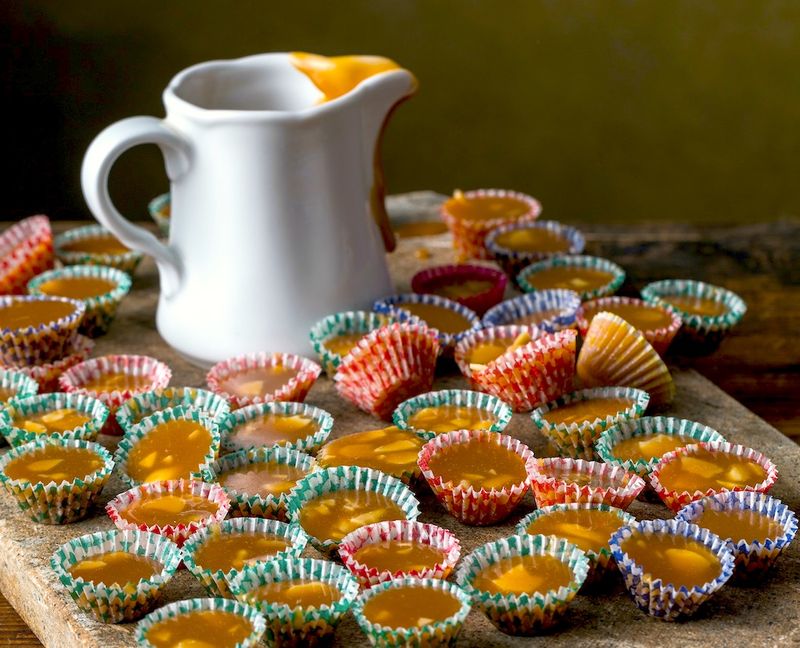
Christmas toffee-making is a cherished Swedish tradition where families gather to stir pots of bubbling sugar, cream, and golden syrup. The mixture gets poured into tiny paper cases and left to set into chewy, buttery sweets.
Getting the texture just right requires patience and a watchful eye on the thermometer. Some versions include chopped almonds for extra crunch.
Wrapped in colourful foil, they're shared as gifts or enjoyed whilst watching Christmas films. The rich, caramelised flavour makes them dangerously addictive.
13. Risgrynsgröt
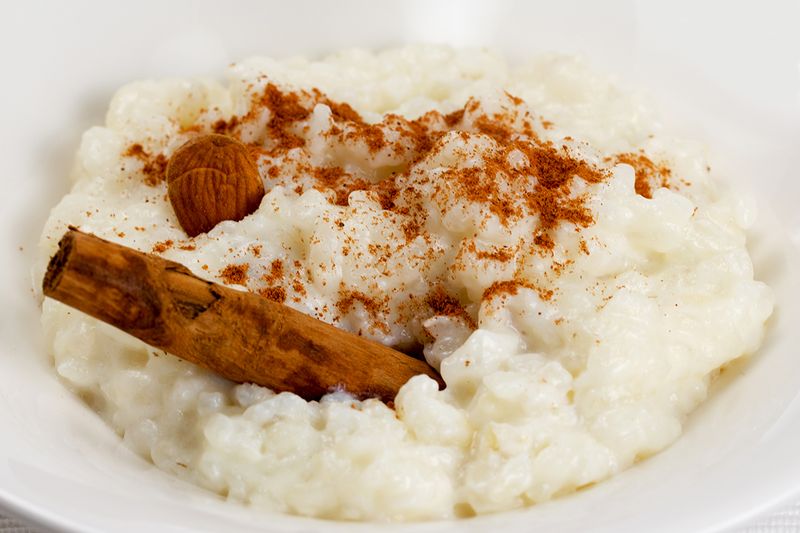
On Christmas Eve, Swedish families tuck into bowls of creamy rice pudding spiced with cinnamon and dotted with butter. One bowl contains a hidden almond, and whoever finds it supposedly gets married within the year.
The pudding cooks slowly, requiring frequent stirring to achieve its signature creamy consistency. Served warm with cold cherry compote or lingonberry jam, the temperature contrast adds to the experience.
Though traditionally a Christmas dish, many Swedes enjoy this comforting porridge throughout the cold winter months.
14. Jordgubbstårta
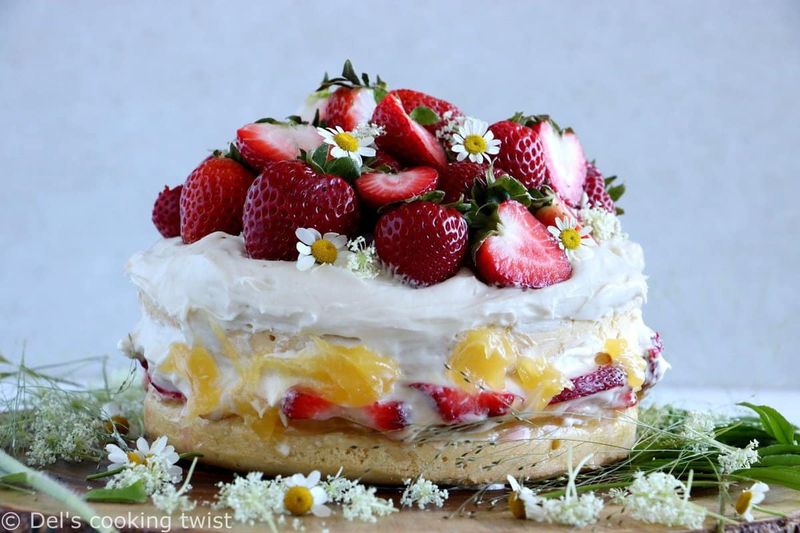
When Swedish strawberries ripen in late June, this cake becomes the star of Midsummer celebrations. Layers of vanilla sponge get sandwiched with whipped cream and fresh berries, then decorated lavishly with more strawberries on top.
The cake tastes light and refreshing, perfect for warm summer evenings. Using freshly picked berries makes all the difference in flavour.
Some bakers brush the sponge with strawberry juice for extra moisture. It's pure summer on a plate, capturing the brief but glorious Swedish strawberry season.
15. Ostkaka
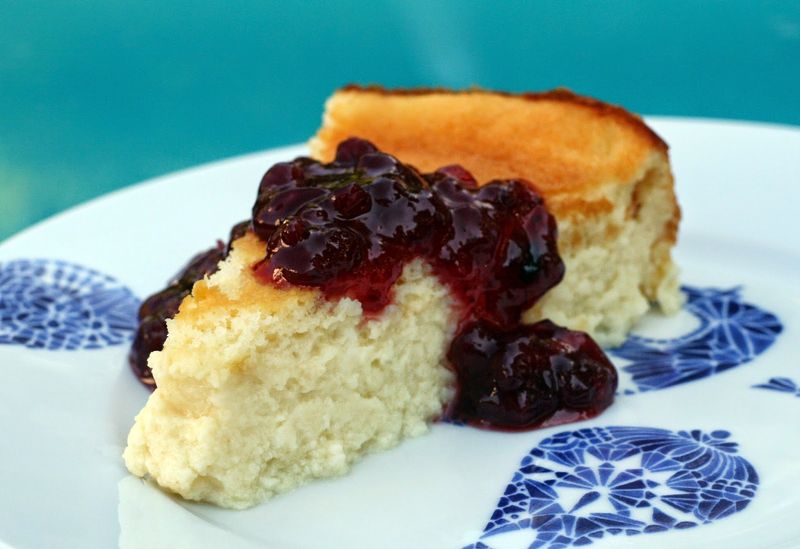
Don't let the name fool you - this "cheese cake" bears little resemblance to New York-style versions. Made with rennet-curdled milk, eggs, and almonds, it bakes into something between a custard and a soufflé with a slightly grainy texture.
Originating from southern Sweden, it's traditionally served warm with jam and cream. Cloudberry jam is the classic pairing, though lingonberries work beautifully too.
The unique texture and subtle almond flavour make it unlike any other dessert you've tried before.



