













Seasonal diet changes are common at the start of the year, often influenced by new routines and short-term goals. As weeks pass, many people naturally settle into more sustainable habits that fit everyday schedules and preferences.
In the UK, this often means making small, practical food adjustments rather than following strict plans, allowing routines to remain flexible while still supporting balanced eating.
This content is for general information only. Individual routines, taste preferences, appearance, and product availability may vary.
For personalised dietary advice or health-related concerns, consult a qualified healthcare or nutrition professional. Images are for illustrative purposes only.
Smaller Portion Sizes At Home
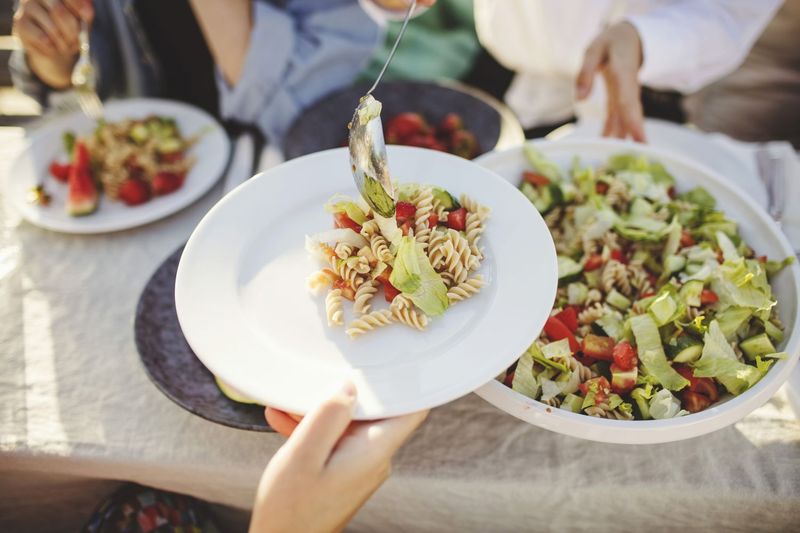
Overfilling your plate is one of those habits that sneaks up on you. Many Britons find that once the January diet pressure lifts, they simply dial back portion sizes without the drama of strict calorie counting.
Using smaller plates can trick your brain into feeling satisfied with less food. It's a gentle shift that doesn't require weighing every morsel or following complicated meal plans.
This approach works brilliantly because it feels natural rather than restrictive, making it far easier to maintain week after week without feeling deprived or frustrated.
More Home-Cooked Midweek Meals
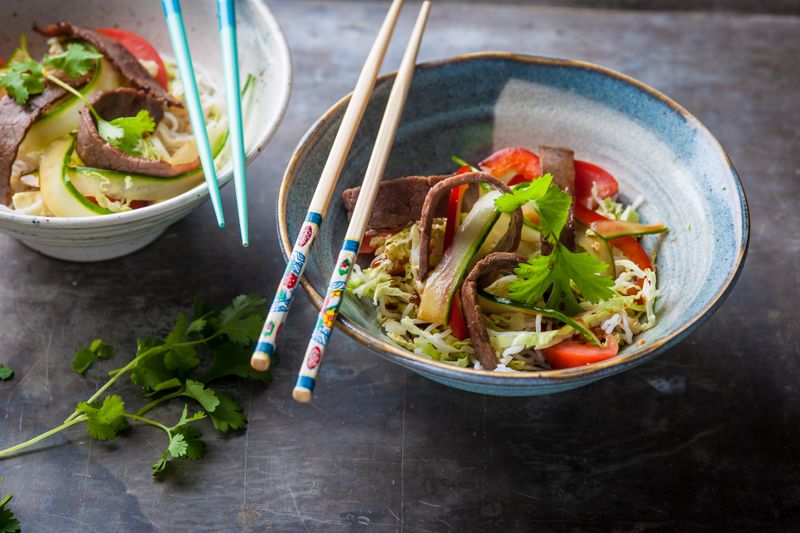
Takeaways are brilliant when you're knackered, but cooking at home a few extra nights each week makes a surprising difference. After January's strict regimes, many people realise they don't need perfection – just a simple pasta or stir-fry will do.
Home cooking lets you control what goes into your food, from the amount of salt to the type of oil. Plus, it's often cheaper and leaves you with leftovers for lunch.
The trick is keeping it simple. No one's asking you to become a Michelin chef – just boil some pasta and toss in some veg.
Increased Use Of Frozen Vegetables
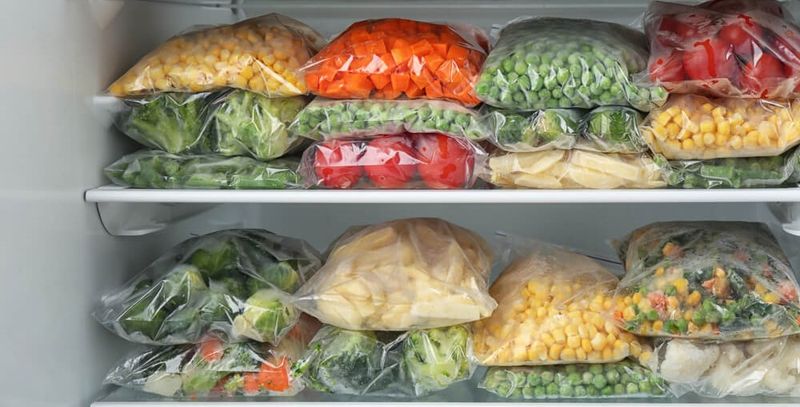
Fresh veg is lovely, but let's be honest – it goes off faster than you can say "use by date." Frozen vegetables have become a lifesaver for many households, offering the same nutrients without the guilt of binning wilted carrots.
They're pre-chopped, quick to cook, and often cheaper than fresh options. Whether it's peas, broccoli, or mixed veg, you can toss them straight into curries, stir-fries, or pasta dishes.
There's zero shame in reaching for the freezer. It's practical, reduces food waste, and means you always have something green on your plate.
Switching To Wholegrain Staples
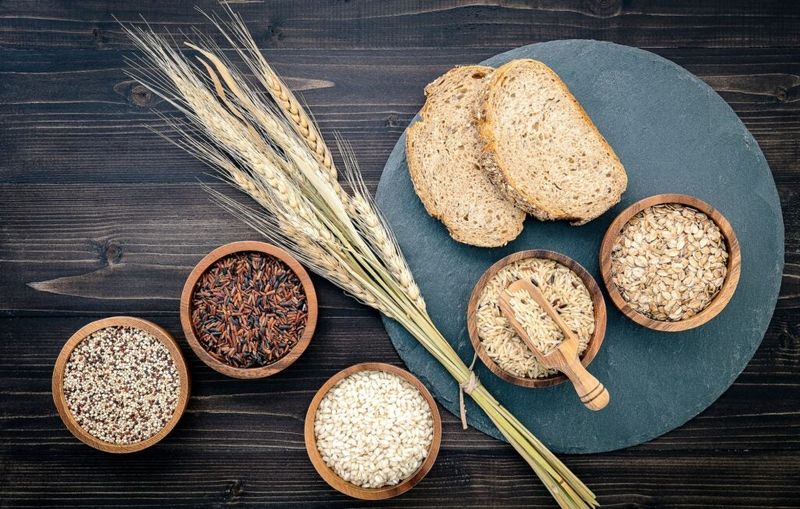
White bread and pasta are fine, but swapping to wholegrain versions is one of those changes that feels almost too easy. Brown rice, wholemeal bread, and whole wheat pasta pack more fibre, keeping you fuller for longer.
Over the past few decades, Britons have shifted dramatically towards wholegrain options. Consumption of white bread has dropped by 75%, while wholemeal varieties have surged by 85%.
The taste difference is minimal once you adjust, and your digestive system will thank you. It's a swap that supports steady energy levels throughout the day.
Choosing Lighter Lunch Options

That heavy meal deal at lunchtime can leave you feeling sluggish all afternoon. Many people find that opting for lighter lunches – like salads, soups, or wraps – keeps energy levels more consistent without the post-lunch slump.
Lighter doesn't mean boring or unsatisfying. A hearty vegetable soup or a chicken wrap with plenty of salad can be just as filling as a sandwich and crisps combo.
This shift often happens naturally after January diets end, as people realise they feel better without that midday heaviness weighing them down for hours.
Reducing Sugary Snacks Gradually
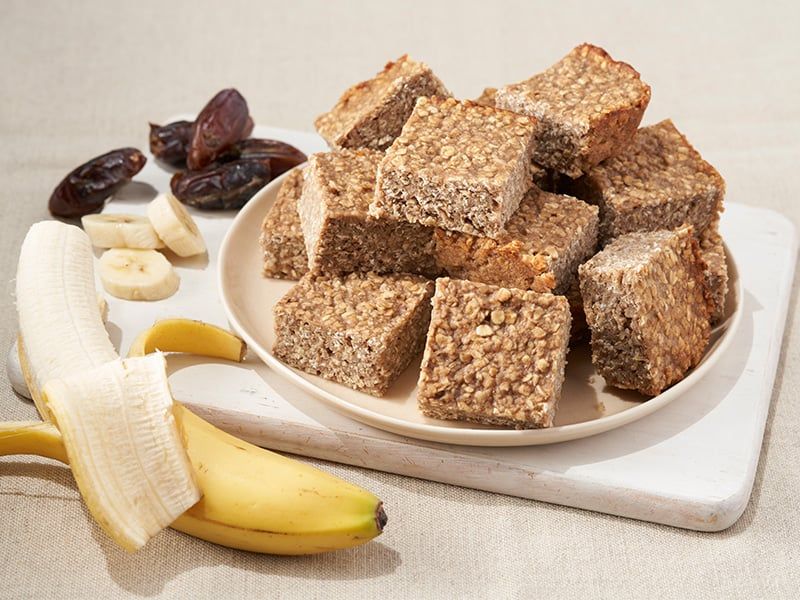
Going cold turkey on biscuits and chocolate rarely works long term. Instead, many Britons ease off sugary snacks bit by bit, perhaps having one fewer biscuit with their tea or swapping a chocolate bar for fruit a few times a week.
Gradual reduction feels less like punishment and more like a natural evolution. Your taste buds adapt over time, and those super-sweet treats start to feel a bit much.
It's about balance, not banishment. You can still enjoy a treat, just not every single time the kettle goes on.
Drinking More Water Throughout The Day

Staying hydrated sounds boring, but it's one of the easiest changes to stick with. Many people keep a reusable water bottle at their desk or in their bag, sipping throughout the day rather than reaching for sugary drinks.
Proper hydration helps with concentration, digestion, and even skin health. Plus, sometimes when you think you're hungry, you're actually just thirsty.
It doesn't require willpower or meal prep – just fill up your bottle in the morning and keep it nearby. Simple, effective, and surprisingly satisfying once it becomes routine.
Planning Simple Weekly Food Shops
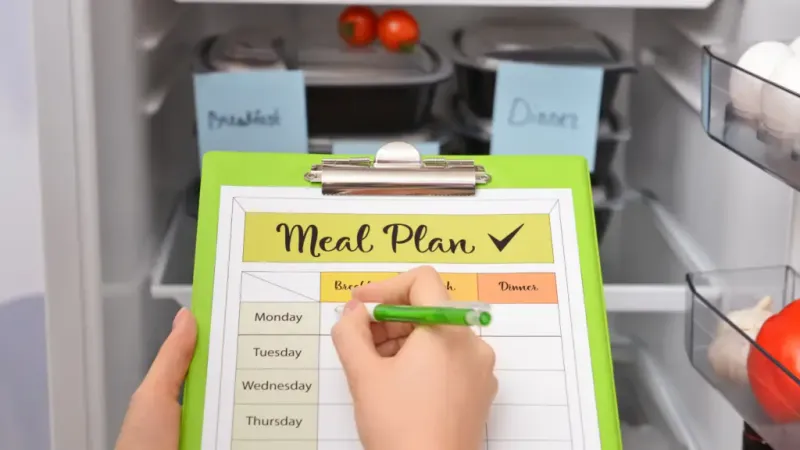
Winging it at the supermarket usually ends with a trolley full of random items and nothing for dinner. Planning a basic weekly shop – even just jotting down a few meal ideas – helps avoid impulse buys and food waste.
You don't need a complicated meal plan with every ingredient listed. Just knowing you'll make a curry on Tuesday and pasta on Thursday gives structure without stress.
This habit saves money, reduces those frantic weeknight shop runs, and means you always have the basics on hand for a decent meal.
Adding More Fruit To Daily Meals
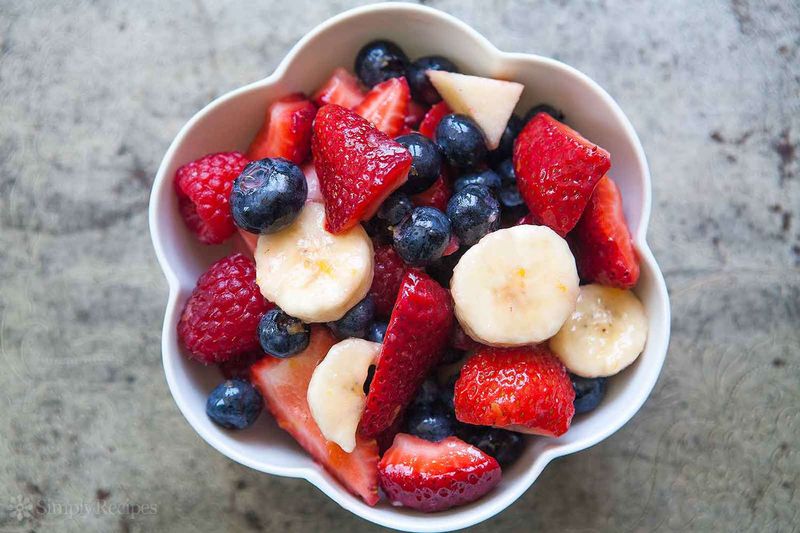
Fruit doesn't have to be a standalone snack. Many Britons start adding berries to their morning porridge, slicing banana onto toast, or tossing apple chunks into salads for a touch of sweetness.
It's an effortless way to boost vitamin intake and add natural flavour without much fuss. Frozen berries work just as well as fresh and are available year-round.
This small shift makes meals more interesting and colourful. Plus, the natural sugars in fruit satisfy sweet cravings in a way that feels nourishing rather than indulgent.



