













Potatoes are a familiar staple in many kitchens, yet their nutritional value is often overlooked. Beyond being filling and versatile, they provide useful nutrients such as fibre, potassium, and vitamin C, which can support everyday eating patterns when prepared sensibly.
Understanding what potatoes contribute to a balanced diet helps place them in a practical, realistic role within regular meals rather than viewing them through the lens of food trends.
This content is for general information only. Individual nutritional needs, taste preferences, appearance, and product availability may vary.
For personalised dietary advice or health-related concerns, consult a qualified healthcare or nutrition professional. Images are for illustrative purposes only.
1. Good Source Of Complex Carbohydrates
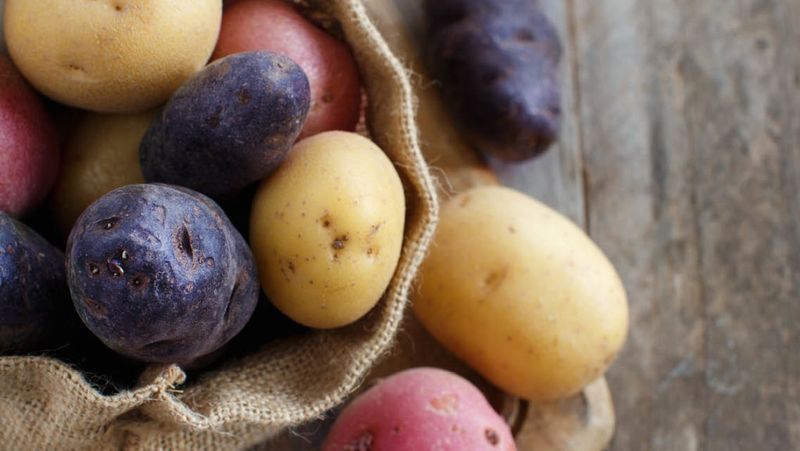
Forget what those low-carb diets tell you – your body actually needs carbs for energy, and potatoes deliver them in the best possible way. Unlike sugary snacks that send your blood sugar on a rollercoaster ride, the complex carbohydrates in potatoes break down slowly, giving you steady energy throughout the day.
Athletes and active folks especially benefit from this sustained fuel source. A medium potato provides about 26 grams of quality carbs that power your muscles and brain without the crash.
Plus, when you eat the skin, you're getting even more nutritional value packed into every bite.
2. Naturally Rich In Potassium
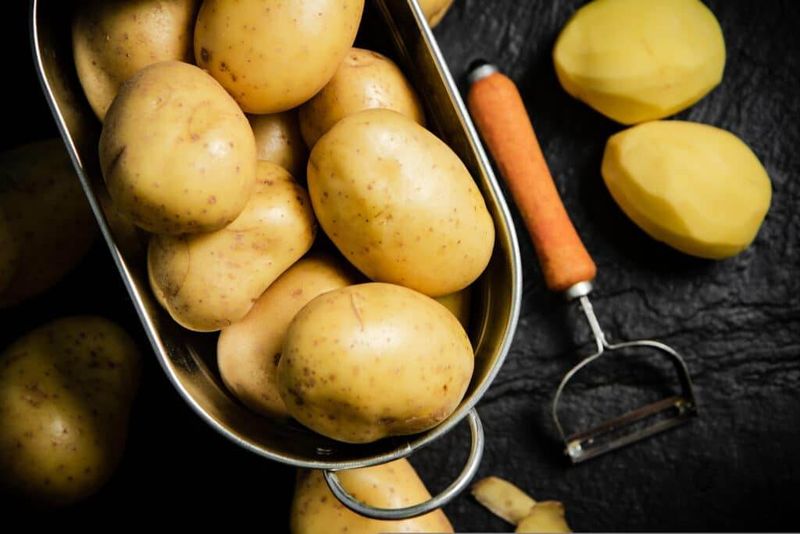
Most people think bananas when they hear potassium, but here's a fun fact: a medium baked potato with skin actually contains more potassium than your average banana. This mineral is absolutely crucial for keeping your heart ticking properly and maintaining healthy blood pressure levels.
Potassium works behind the scenes to balance out sodium in your body, which is brilliant news if you're watching your heart health. It also helps your muscles contract smoothly and supports proper nerve function.
Getting enough potassium daily can reduce your risk of stroke and help prevent those annoying muscle cramps.
3. Contains Vitamin C
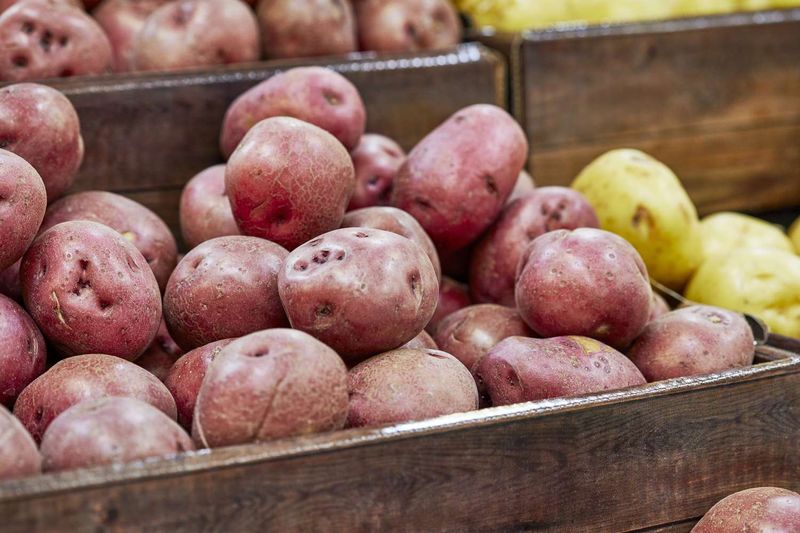
Surprise! Potatoes aren't just starchy fillers – they're actually loaded with vitamin C, that immune-boosting superstar we all need.
A medium spud provides roughly 30 per cent of your daily vitamin C requirement, which is genuinely impressive for something that isn't citrus fruit.
Vitamin C does more than fight off colds, though. It helps your body produce collagen for healthy skin, speeds up wound healing, and acts as a powerful antioxidant protecting your cells from damage.
The best part? You don't need fancy supplements when you've got potatoes in your kitchen.
4. Provides Vitamin B6
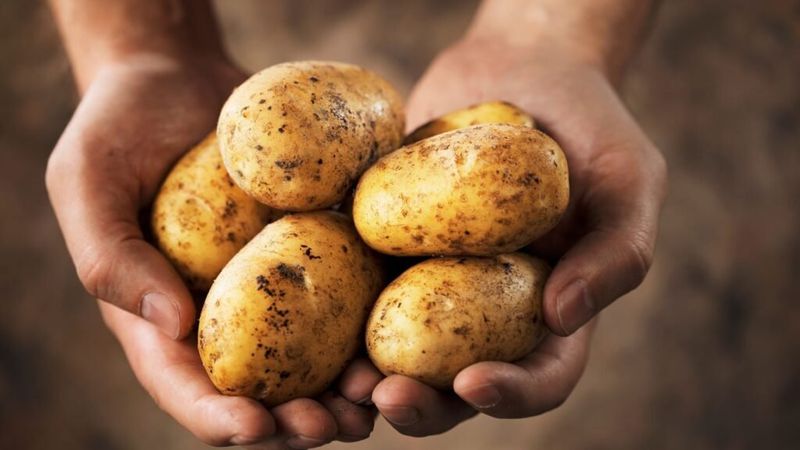
Ever feel foggy-brained or a bit run down? You might be low on vitamin B6, and potatoes can help sort that out.
This vitamin plays a starring role in over 100 enzyme reactions in your body, particularly those involved in protein metabolism and brain development.
One medium potato gives you about a quarter of your daily B6 needs. Your brain relies on this vitamin to produce neurotransmitters like serotonin and dopamine, which regulate your mood and help you feel good.
B6 also supports red blood cell formation, keeping oxygen flowing efficiently throughout your entire body.
5. Supports Digestive Health Through Fibre
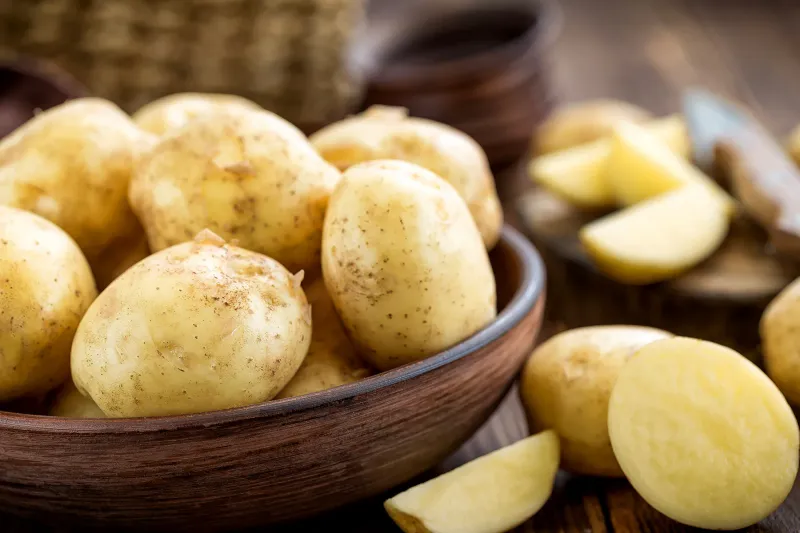
Your gut will absolutely thank you for eating more potatoes, especially if you leave the skin on. That's where most of the fibre lives, and fibre is basically your digestive system's best mate.
A medium potato with skin contains about 2 grams of dietary fibre, which feeds the good bacteria in your gut and keeps everything moving along nicely. Potatoes also contain resistant starch, which acts like fibre and can improve insulin sensitivity.
Regular fibre intake helps prevent constipation, reduces bloating, and may even lower your risk of colon problems down the line.
6. Naturally Low In Fat
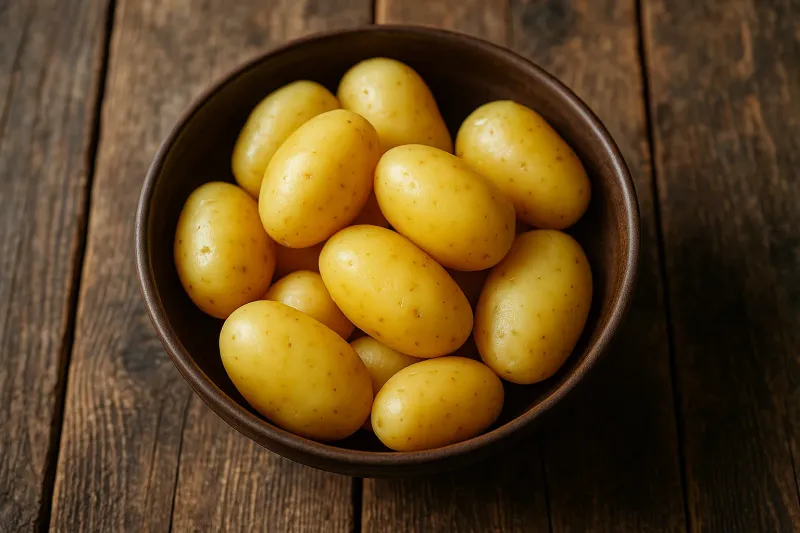
Before you smother them in butter and cheese, consider this: potatoes themselves contain virtually no fat. A plain medium potato has less than 0.2 grams of fat, making it an excellent choice for anyone watching their fat intake or trying to eat lighter meals.
The problem isn't the potato – it's what we pile on top that causes trouble. Boiled, baked, or steamed spuds are incredibly low-calorie and nutritious base ingredients.
When prepared healthily, they provide filling satisfaction without the guilt, proving that wholesome eating doesn't have to mean tiny portions or feeling hungry all the time.
7. Gluten-Free And Widely Tolerated

Living gluten-free doesn't mean living without comfort food, and that's where potatoes shine brilliantly. They're naturally gluten-free straight from the earth, making them a safe and satisfying option for people with coeliac disease or gluten sensitivity.
Unlike many gluten-free alternatives that are heavily processed, potatoes are whole foods that most people tolerate exceptionally well. They're also free from common allergens like nuts, soy, and dairy.
Whether you're dealing with dietary restrictions or simply want wholesome ingredients everyone can enjoy, potatoes are reliably inclusive and universally loved at the dinner table.
8. Contributes Important Minerals
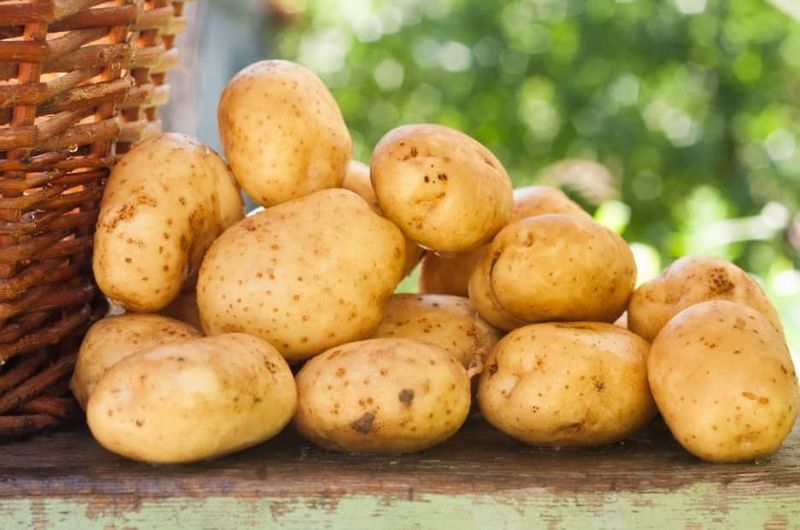
Beyond potassium, potatoes pack in a whole roster of essential minerals that your body needs to function properly. Magnesium, phosphorus, iron, and manganese all make appearances in decent amounts, supporting everything from bone strength to energy production.
Magnesium helps regulate muscle and nerve function whilst phosphorus works alongside calcium to build strong bones and teeth. Iron carries oxygen through your bloodstream, fighting fatigue and keeping you energised.
Manganese supports metabolism and has antioxidant properties. Getting these minerals from whole food sources like potatoes is far better than relying solely on supplements.
9. Helps With Satiety And Portion Control
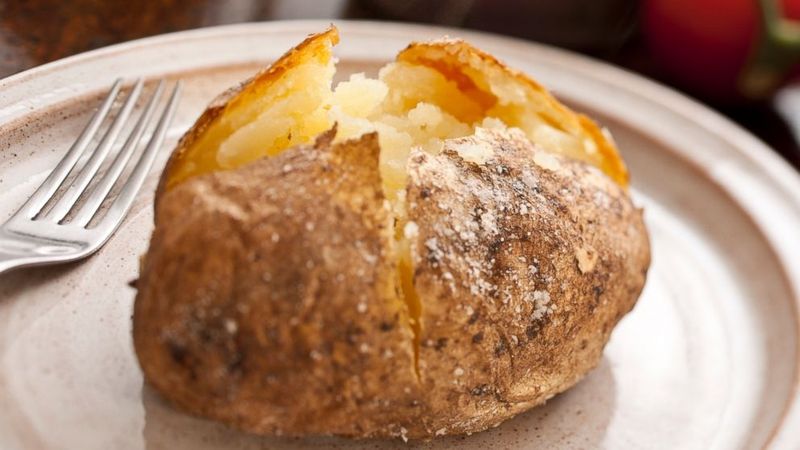
Did you know potatoes actually rank as one of the most filling foods you can eat? Research shows they score incredibly high on the satiety index, meaning they keep you feeling full for ages after eating them.
This makes them brilliant for weight management because you're less likely to raid the biscuit tin an hour after dinner. The combination of fibre, resistant starch, and water content creates that satisfying fullness without loads of calories.
When you feel properly satisfied after meals, portion control becomes natural rather than a constant battle of willpower and hunger pangs throughout the day.
10. Versatile For Healthy Cooking Methods

The beauty of potatoes lies in their incredible versatility – you can prepare them a thousand different ways without ever getting bored. Baking, boiling, steaming, roasting, or even microwaving all work brilliantly and keep the nutrition intact without adding unnecessary fats.
Jacket potatoes make perfect vessels for healthy toppings like cottage cheese or baked beans. Roasted potato wedges with herbs deliver crispy satisfaction without deep-frying.
Mashed potatoes become creamy with just a splash of milk. The possibilities are genuinely endless, making it easy to enjoy potatoes regularly whilst keeping your meals interesting and nutritious.



