













Many people buy meat as part of a weekly shop without giving much thought to how it reached the shelf. The journey from farm–to–processing–to–store can involve different suppliers, standards, and handling practices that influence quality, labelling, and traceability.
Taking a moment to understand where meat comes from can support more informed shopping decisions and clearer expectations about sourcing and production.
This content is for general information only. Food sourcing practices, labelling standards, availability, and supplier policies may vary by location and retailer.
Images are for illustrative purposes only.
1. Where Was The Animal Raised?
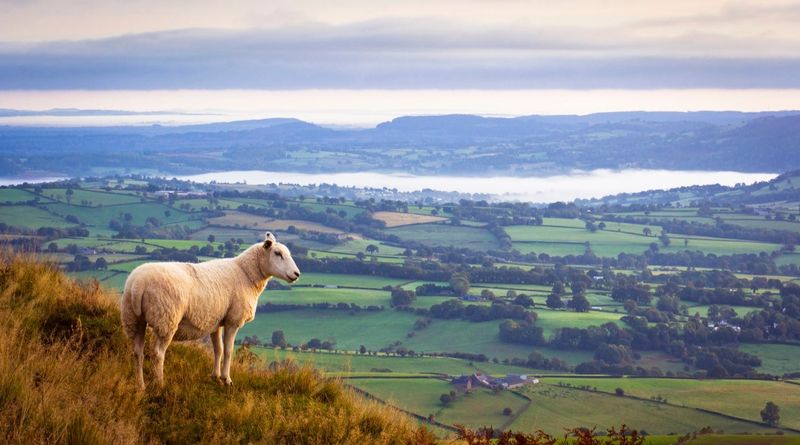
Geography matters more than you'd think when it comes to meat quality. Animals raised in different regions experience varying climates, diets, and farming practices that directly affect flavour and texture.
British lamb tastes different from New Zealand lamb partly because of where the sheep graze and what they munch on daily.
Asking about location also helps you support local farmers and reduce your carbon footprint. Plus, you'll get a clearer picture of the animal's living conditions and the standards they were held to during their lifetime.
2. Was The Meat Farmed Locally Or Imported?
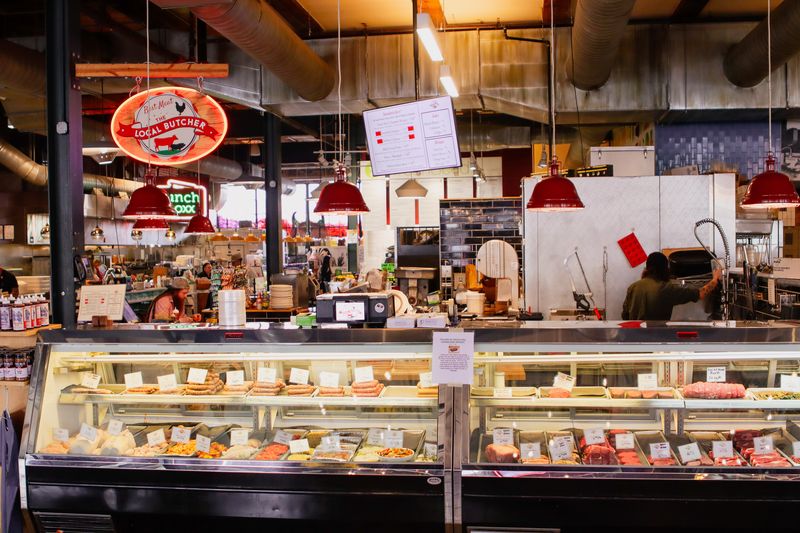
Imported meat can travel thousands of miles before reaching your kitchen, racking up a hefty carbon footprint along the way. Local meat, on the other hand, often means fresher cuts and a chance to support nearby farms and businesses.
You're also more likely to know exactly how the animals were treated when they're raised close to home.
Don't be shy about asking your butcher or checking labels for origin details. Transparency here is a good sign of quality and ethical standards worth trusting.
3. How Was The Animal Fed?
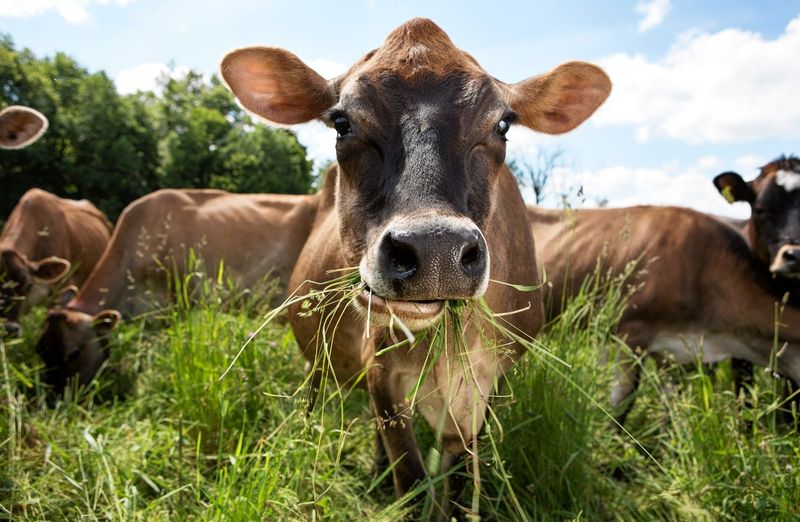
What goes into an animal's belly shapes the taste and nutrition of the meat you eat. Grass-fed beef, for instance, tends to have a richer, earthier flavour and boasts higher levels of omega-3 fatty acids compared to grain-fed varieties.
Chickens fed on natural diets produce meat with better texture and taste than those raised on processed feed alone.
Feed choices also reflect farming philosophy. Farms prioritising natural diets often care more about animal welfare and environmental sustainability, making this question a window into their values.
4. Were Antibiotics Or Growth Treatments Used?
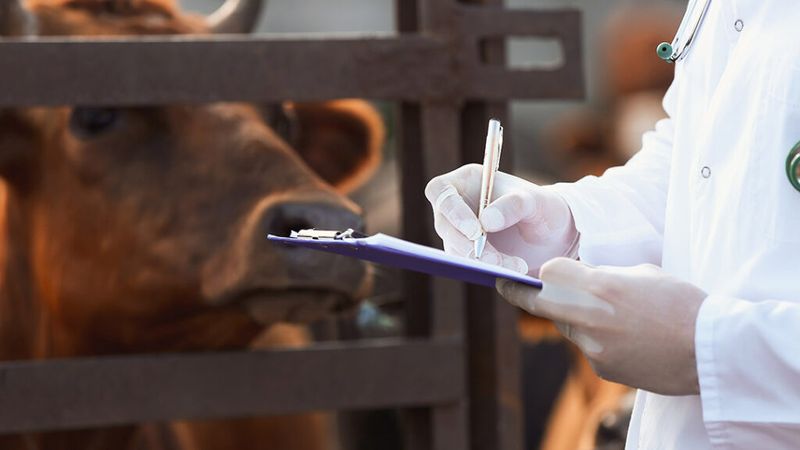
Overuse of antibiotics in farming is a growing concern, contributing to antibiotic-resistant bacteria that can affect human health. Some farms routinely dose animals to prevent illness, whilst others only use medication when absolutely necessary.
Growth hormones speed up production but raise questions about long-term health impacts for consumers.
Knowing whether your meat comes from animals treated with these substances helps you make informed choices. Look for labels like organic or antibiotic-free, and don't hesitate to quiz your supplier directly about their practices.
5. How Was The Animal Housed And Cared For?
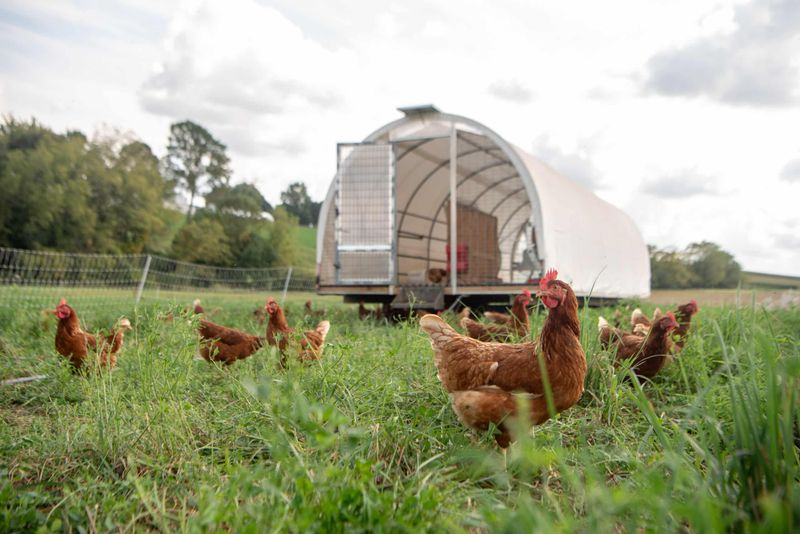
Cramped cages versus open fields – the difference in living conditions dramatically affects animal welfare and meat quality. Free-range chickens that roam outdoors develop stronger muscles and tastier meat compared to those confined indoors.
Pigs raised in spacious, enriched environments are healthier and less stressed, which translates to better flavour and texture on your plate.
Ethical farming isn't just about feeling good; it produces superior products. Ask whether animals had access to outdoor space, natural light, and room to move comfortably throughout their lives.
6. How Long Was The Meat Transported Before Processing?
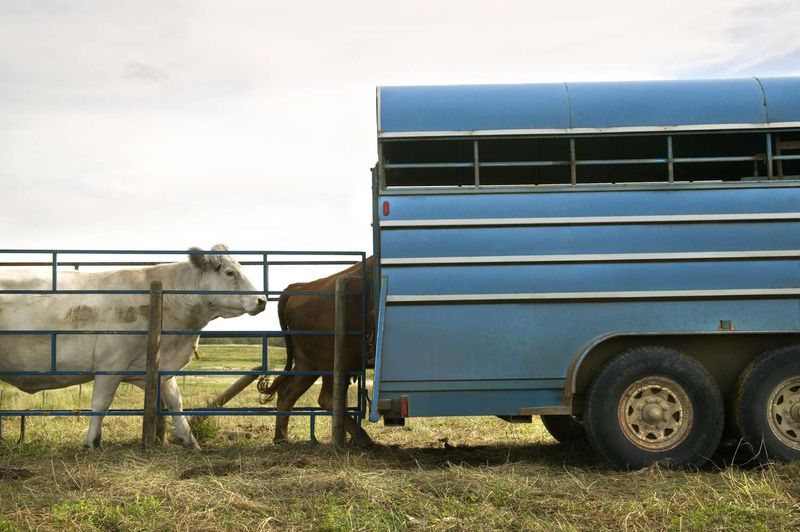
Long journeys stress animals out, and stress hormones can negatively impact meat quality, making it tougher and less flavourful. Shorter transport times mean less suffering for the animal and fresher, better-tasting meat for you.
Some farmers process their livestock right on the farm or nearby, minimising travel time entirely.
Transport duration also hints at supply chain efficiency and environmental impact. Meat that hasn't been carted across continents is generally a smarter, greener choice worth seeking out at your local supplier.
7. Where Was The Meat Processed And Packaged?
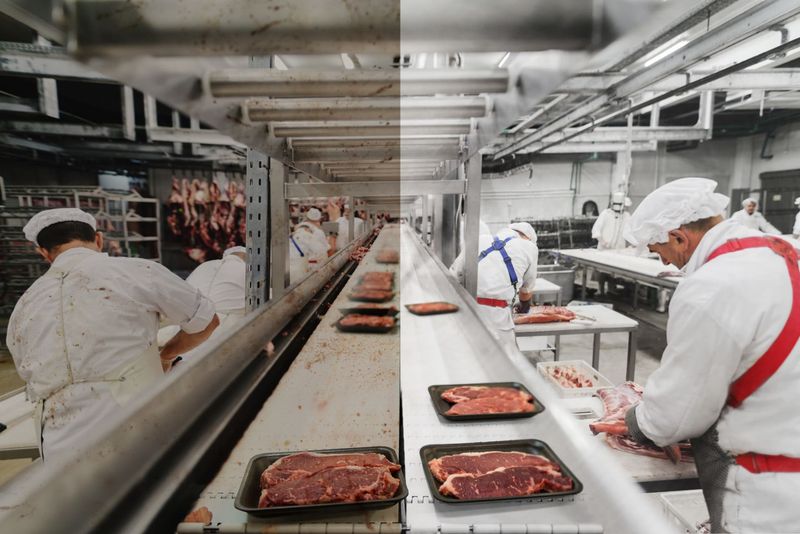
Processing facilities vary wildly in hygiene standards and quality control measures. Meat processed in certified, well-regulated plants undergoes rigorous safety checks, reducing the risk of contamination.
Smaller, local abattoirs often provide more transparency and traceability compared to massive industrial operations where your chop might get lost in the shuffle.
Packaging matters too – vacuum-sealed cuts stay fresher longer, whilst poorly packaged meat can spoil quickly. Knowing where and how your meat was handled gives you confidence in what you're bringing home to your family.
8. Is The Meat Traceable Back To A Specific Farm Or Supplier?

Traceability is like having a passport for your pork chop – it tells you exactly where it's been and who's responsible for it. Full traceability means if something goes wrong, the source can be identified quickly, protecting consumers from widespread issues.
It also holds farmers accountable, encouraging higher standards across the board.
Many quality butchers and suppliers proudly share farm names and locations, even offering visits or detailed backstories. If your supplier can't or won't trace the meat back, that's a red flag worth paying attention to.
9. How Fresh Is The Meat And When Was It Processed?
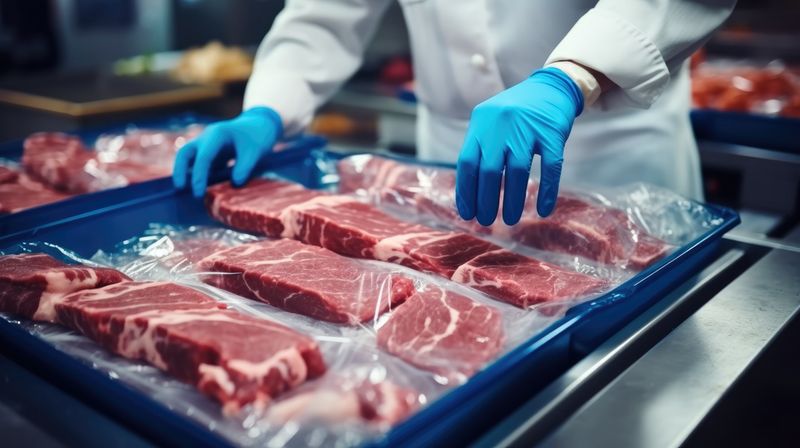
Freshness directly impacts flavour, texture, and safety. Meat processed just days ago will taste significantly better than cuts that have been sitting around for weeks, even when properly refrigerated.
Supermarkets sometimes use clever lighting and packaging to make older meat look fresher than it actually is, so don't be fooled by appearances alone.
Always check use-by dates and ask your butcher when the meat was cut or delivered. Fresh meat should smell clean and pleasant, with firm texture and vibrant colour indicating peak quality.
10. What Certifications Or Standards Does The Supplier Follow?
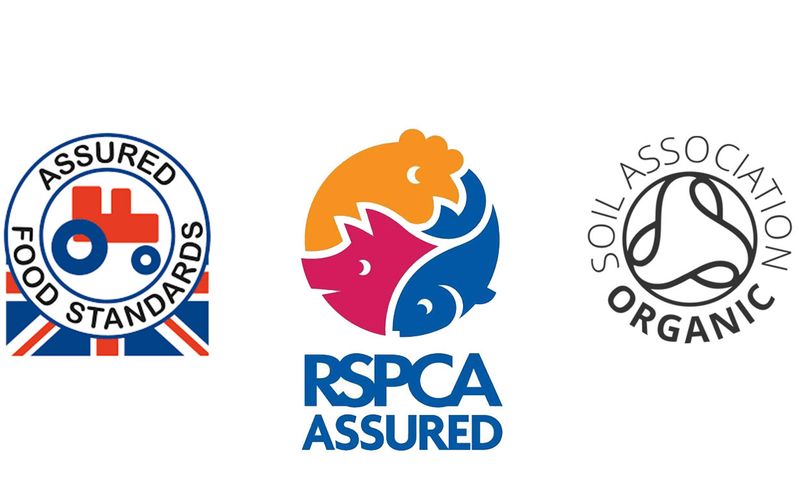
Certifications like Red Tractor, RSPCA Assured, or organic labels aren't just fancy stickers – they represent verified standards for animal welfare, environmental practices, and food safety. These schemes involve regular inspections and strict criteria that farmers must meet consistently.
Whilst not perfect, they offer a reliable baseline for quality and ethics you can trust.
Ask your supplier which certifications they hold and what those standards actually mean. A knowledgeable butcher or retailer will happily explain their credentials and why they matter for your dinner table.



