











Colder months often change how people shop, cook, and eat – and fibre intake can quietly slip as routines shift toward heavier comfort foods and fewer fresh ingredients. Shorter daylight hours, reduced variety in seasonal produce, and busier schedules can all influence everyday food choices.
Understanding what drives this seasonal pattern makes it easier to maintain balanced habits and support digestive health throughout winter.
This content is for general information only. Individual nutritional needs, taste preferences, appearance, and product availability may vary.
For personalised dietary advice or health concerns, consult a qualified healthcare or nutrition professional. Images are for illustrative purposes only.
Why We Naturally Crave Heavier Comfort Foods In Cold Weather

When frost creeps onto the windows, our bodies respond by craving dense, warming meals that feel like a hug from the inside. Evolution programmed us to seek calorie-rich foods during colder months, which often means mac and cheese over crunchy salads.
These comforting dishes typically lack the fibre found in lighter fare. Your brain associates warmth with satisfaction, making it harder to choose raw vegetables when a steaming pie is calling your name.
Recognising this instinct is the first step to working with it rather than against it.
How Shorter Days Change Shopping And Cooking Habits

Darkness at half past four has a proper knack for messing with routines. Fewer people fancy a trip to the shops when it feels like bedtime, so we stock up less frequently and rely on what's already in the cupboard.
Fresh produce gets bypassed for tinned goods and frozen pizzas because they last longer. Cooking elaborate meals also feels less appealing when energy dips with daylight.
This shift quietly nudges fibre-rich ingredients off the weekly menu, creating gaps we don't always notice until digestion slows down.
What Happens When Fresh Produce Feels Less Appealing

Cold weather makes crisp salads and juicy fruits seem about as tempting as a swim in the North Sea. Our bodies naturally gravitate towards warm, soft textures that provide instant comfort rather than crunch.
Apples and carrots sit neglected in the cridge whilst hot puddings disappear in minutes. This preference isn't just psychological; cooler body temperatures genuinely make us less interested in cold foods.
The result? A dramatic drop in the fruits and vegetables that supply most of our daily fibre without us even clocking it.
The Hidden Fibre Gap In Popular Winter Meals

Roast dinners, creamy pasta bakes, and hearty pies dominate winter menus, but they're often surprisingly low in fibre. A traditional Sunday roast might have loads of protein and carbs, yet barely any of the roughage your gut needs.
Most classic winter dishes focus on meat, refined grains, and rich sauces rather than vegetables or wholegrains. Even when veg appears, it's usually a small side portion rather than the star.
This creates a sneaky deficit that accumulates over weeks, leaving your digestive system struggling without obvious cause.
Easy Ways To Add Fibre Without Changing Your Favourite Dishes

You don't need to ditch the meals you love; just sneak in a few clever additions. Stirring a handful of lentils into Bolognese sauce or tossing extra mushrooms into a stew boosts fibre without altering flavour.
Swap white rice for brown, or mix half and half if you're easing in. Sprinkling seeds on top of anything from soup to mash adds crunch and nutrition.
These small tweaks keep your comfort food exactly as comforting whilst giving your gut the support it needs to function properly all winter.
Smart Pantry Staples That Boost Fibre All Season Long
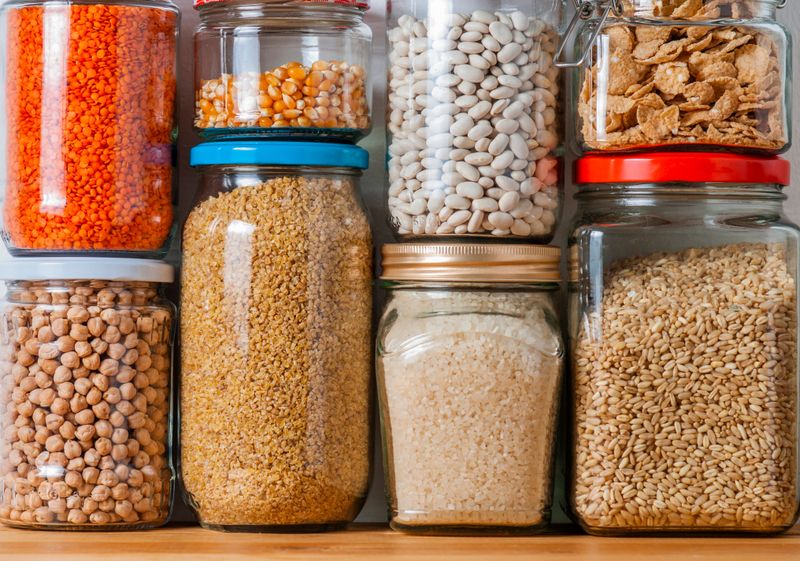
Stocking your cupboards with the right ingredients makes hitting fibre targets effortless. Dried beans, lentils, and chickpeas are absolute heroes; they're cheap, last forever, and transform soups and stews into nutritional powerhouses.
Oats, wholegrain pasta, and brown rice provide excellent bases for countless meals. Keep tins of chopped tomatoes and frozen vegetables handy for quick additions.
Nuts, seeds, and dried fruit work brilliantly as snacks or toppings. Having these on hand means you're never more than minutes away from a fibre boost, regardless of weather or motivation.
Simple Breakfast Swaps That Increase Daily Fibre Intake
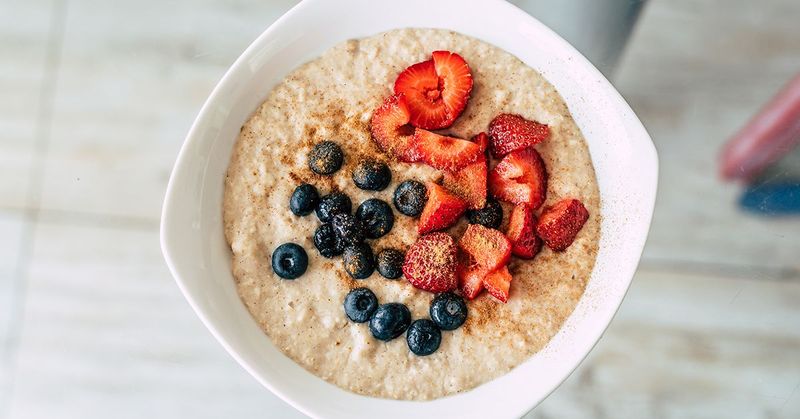
Starting your day with fibre sets a brilliant foundation for the rest of your meals. Switching from cornflakes to porridge instantly triples your morning fibre, and it's just as quick if you use the microwave.
Top it with berries, sliced banana, or a spoonful of ground flaxseed for an extra boost. Wholemeal toast beats white every time, and spreading it with nut butter adds even more.
If you're a smoothie person, chuck in some spinach or oats. These small morning changes create momentum that makes meeting daily targets feel achievable rather than impossible.
How Soups And Stews Can Become Fibre Powerhouses

Winter's favourite dishes are secretly perfect vessels for fibre when you know what to add. A basic vegetable soup transforms when you toss in a tin of cannellini beans or a handful of red lentils.
Barley, pearl or pot, adds lovely texture and serious fibre to any broth. Load up on chunky vegetables like carrots, celery, and butternut squash.
Leaving skins on potatoes and adding leafy greens right at the end maximises nutrition. One hearty bowl can deliver half your daily fibre needs whilst keeping you wonderfully warm and satisfied.
Why Hydration Matters More When Eating More Fibre

Here's the thing nobody mentions: fibre needs water to do its job properly. Without enough fluid, increasing fibre can actually make constipation worse rather than better, which is properly counterintuitive.
Cold weather suppresses thirst signals, so we naturally drink less without realising it. Fibre absorbs water in your digestive system, softening everything and keeping things moving smoothly.
Aim for warm drinks throughout the day since they're more appealing in winter. Herbal teas, broths, and even warm water with lemon all count towards keeping your system well-hydrated and functioning beautifully.
Small Daily Habits That Help Fibre Intake Stay Consistent

Consistency beats perfection when it comes to fibre. Keeping a bowl of fruit visible on the counter makes grabbing an apple second nature rather than an afterthought.
Prep vegetables on Sunday so they're ready to chuck into meals all week. Set a reminder to have a handful of nuts mid-afternoon when energy dips.
Choosing wholegrain options whenever possible becomes automatic once you're in the habit. These tiny, repeated actions compound over time, creating a baseline of good nutrition that supports your digestion without requiring constant thought or effort throughout the colder months.