













Courgettes often look like space-hungry plants, yet they can grow remarkably well in containers when given the right setup. Pots make it possible to raise healthy, productive plants on patios, balconies, and sunny doorsteps – ideal for gardeners working with limited outdoor space.
Success comes down to choosing the correct container size, providing consistent watering and nutrition, and positioning plants where they receive plenty of light. With a little planning, container-grown courgettes can deliver a steady harvest throughout the warmer months.
All information is provided for general interest only. Growing results may vary depending on climate, container size, and care routines.
Photos are for illustrative purposes only.
Choosing The Right Pot Size For Strong Courgette Roots
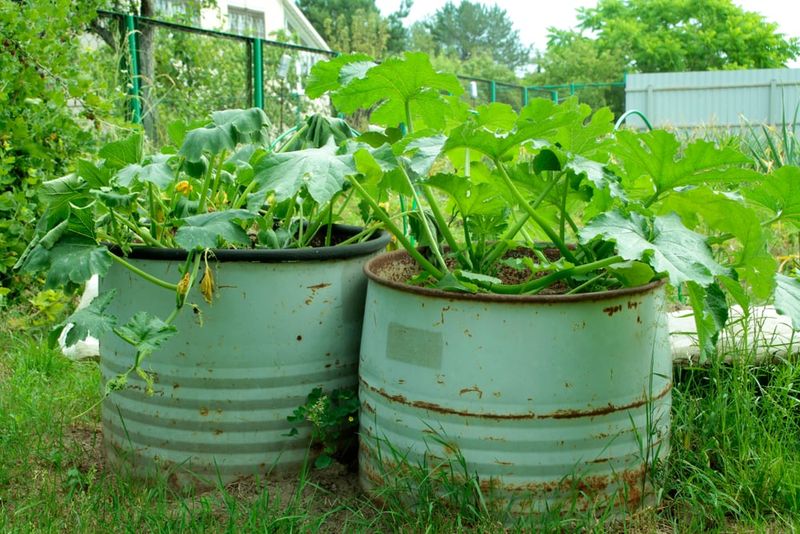
A cramped pot is like trying to sprint in shoes two sizes too small – your courgette will struggle before it even starts. Go for a container holding at least 45 litres, roughly the size of a large bucket or half barrel.
Bigger pots mean more soil, which holds moisture longer and gives roots room to spread without circling back on themselves.
Drainage holes are non-negotiable. Without them, water pools at the bottom, turning your compost into a soggy mess that suffocates roots and invites rot.
Best Compost And Drainage Mix For Container Courgettes
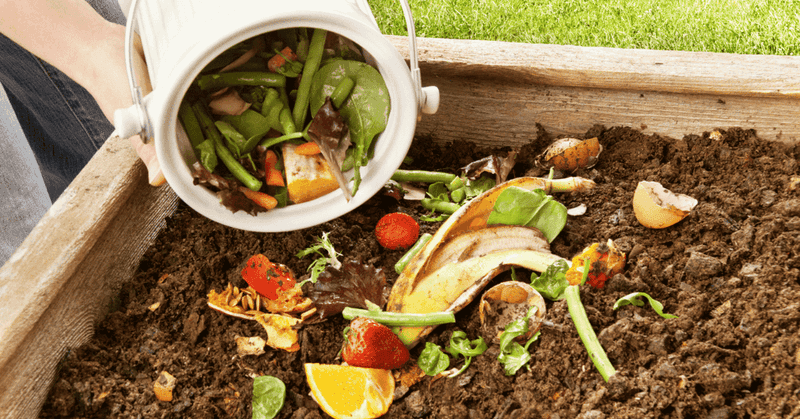
Courgettes are greedy feeders, so start them off in rich, well-draining compost that's packed with nutrients. A high-quality multipurpose mix works brilliantly, especially if you stir in some well-rotted manure or homemade compost to boost fertility.
Think of it as laying a feast before your plant even arrives.
Avoid garden soil straight from the ground – it compacts in pots and drains poorly. Instead, aim for a fluffy texture that holds moisture but doesn't turn into clay when wet.
How Much Sun And Warmth Courgettes Really Need
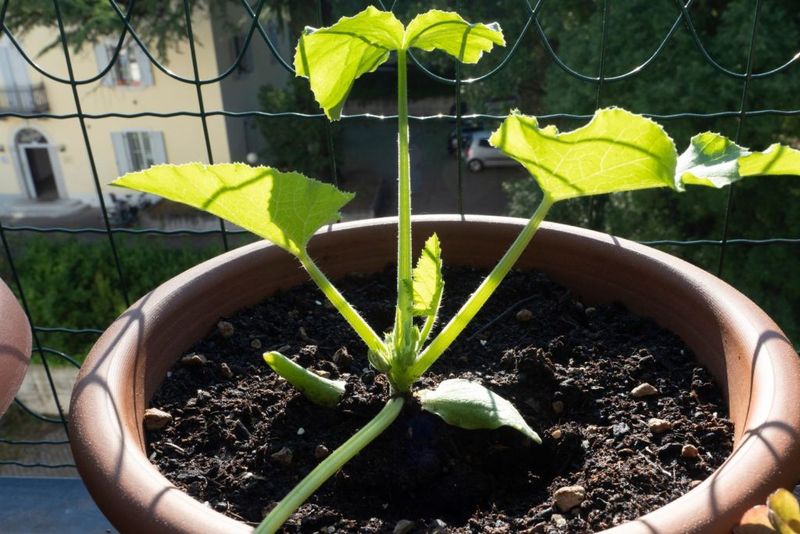
Courgettes are sun worshippers, plain and simple. They need at least six to eight hours of direct sunlight daily to power the rapid growth and heavy fruiting they're famous for.
A south-facing patio or balcony is ideal, somewhere the pot can soak up rays from morning till late afternoon.
Warmth matters too. These plants sulk in cold weather, so wait until all risk of frost has passed before planting out.
If nights are still chilly, consider moving pots closer to a wall that radiates stored heat.
Watering Courgettes In Pots Without Overdoing It
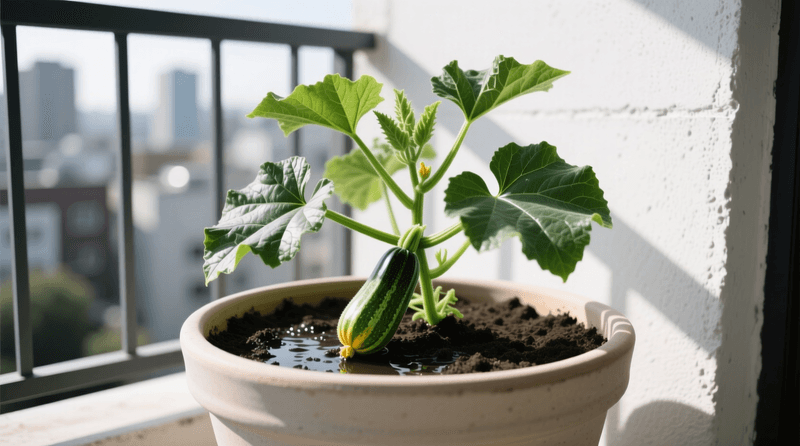
Container courgettes are thirsty beasts, especially once they start pumping out flowers and fruit. Check the compost daily by poking a finger in – if the top inch feels dry, it's time to water.
Aim for the base of the plant rather than drenching the leaves, which can invite mildew and other fungal nasties.
On scorching days, you might need to water twice, morning and evening. The goal is keeping the soil consistently moist but never waterlogged, like a wrung-out sponge rather than a puddle.
Feeding Courgettes For Steady Growth And Bigger Crops
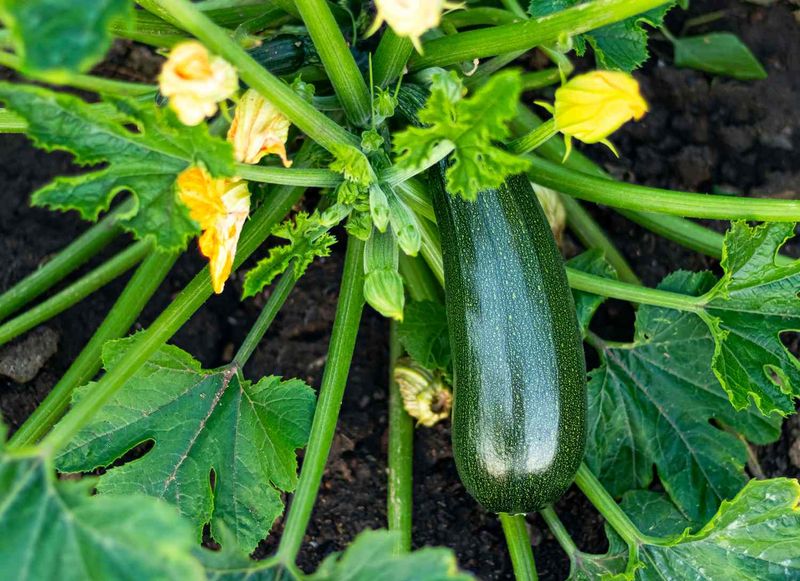
Once the first baby courgettes start swelling, it's time to feed. A high-potash liquid fertiliser, the kind you'd use for tomatoes, works wonders for encouraging more flowers and heavier yields.
Apply every 10 to 14 days, following the bottle's instructions to avoid overloading the plant.
Hungry plants show it – pale leaves and slow fruit development are telltale signs. Regular feeding keeps foliage lush and green, and fruits coming thick and fast.
Think of it as paying rent for all that delicious produce.
Pollination Tips To Boost Flower And Fruit Production
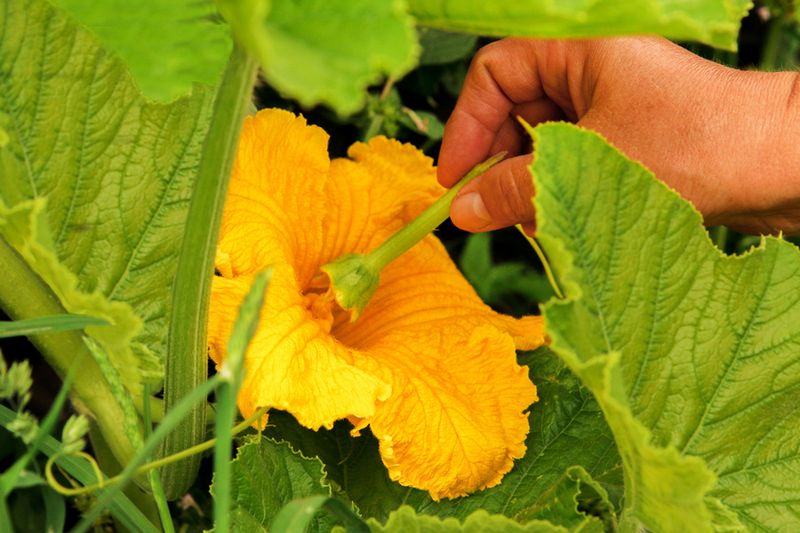
Courgettes produce separate male and female flowers, and without pollination, those pretty blooms won't turn into fruit. Bees usually handle the job, but container plants tucked on balconies might not get enough buzzing visitors.
If fruits start forming then shrivel and drop off, poor pollination is likely the culprit.
Hand pollination is easy. Pick a male flower (the one without a tiny courgette behind it), peel back the petals, and dab its pollen-covered centre onto the female flower's stigma.
Do this in the morning for best results.
Preventing Common Courgette Problems In Containers
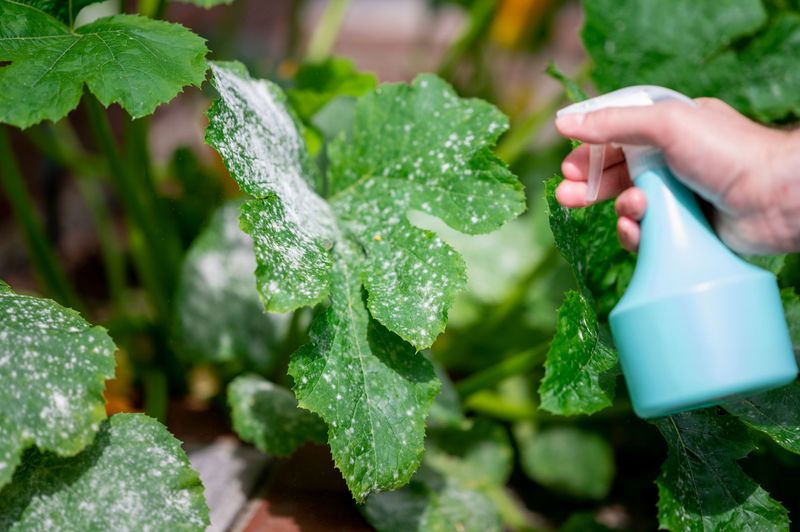
Powdery mildew loves courgettes, especially when leaves stay damp or air circulation is poor. Water at the base, not overhead, and space pots so air flows freely around the foliage.
If white patches appear, remove affected leaves promptly and consider a fungicide if it spreads.
Slugs and aphids can also gate-crash the party. Check under leaves regularly, and squish or rinse off aphids before they multiply.
Copper tape around pot rims deters slugs, keeping your harvest safe without harsh chemicals.
When And How To Harvest Courgettes For Best Flavour
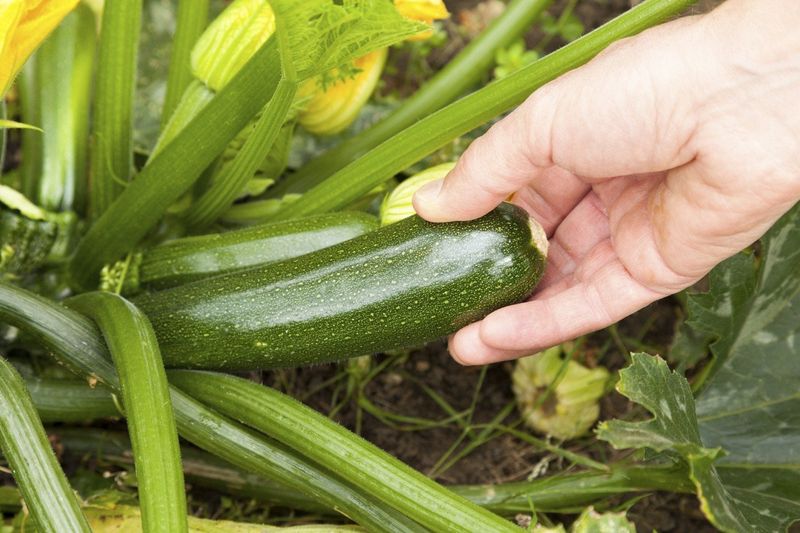
Pick courgettes young and often – around 10 to 15 cm long is perfect for tender flesh and sweet flavour. Left too long, they turn into marrows, with tough skins and watery insides that nobody really wants.
Use a sharp knife or secateurs to cut the fruit at the stem, twisting can damage the plant.
Regular harvesting tricks the plant into producing more. Check every couple of days during peak season, and you'll be rewarded with a steady stream of glossy green beauties all summer long.



