













Red meat often attracts mixed opinions, yet not all cuts deserve the same reputation. When chosen carefully and prepared thoughtfully, certain red meats provide high-quality protein, iron, zinc, and essential vitamins while keeping saturated fat in check.
Cooking methods also play a key role – gentle heat, lean cuts, and balanced portions can make a noticeable difference to overall nutritional value. Understanding which options offer the best balance allows red meat to remain part of a sensible, varied diet without unnecessary excess.
All information is provided for general interest only and should not replace professional medical or dietary advice. Individual nutritional needs vary.
Photos are for illustrative purposes only.
Lean Beef (Sirloin, Rump, Topside)
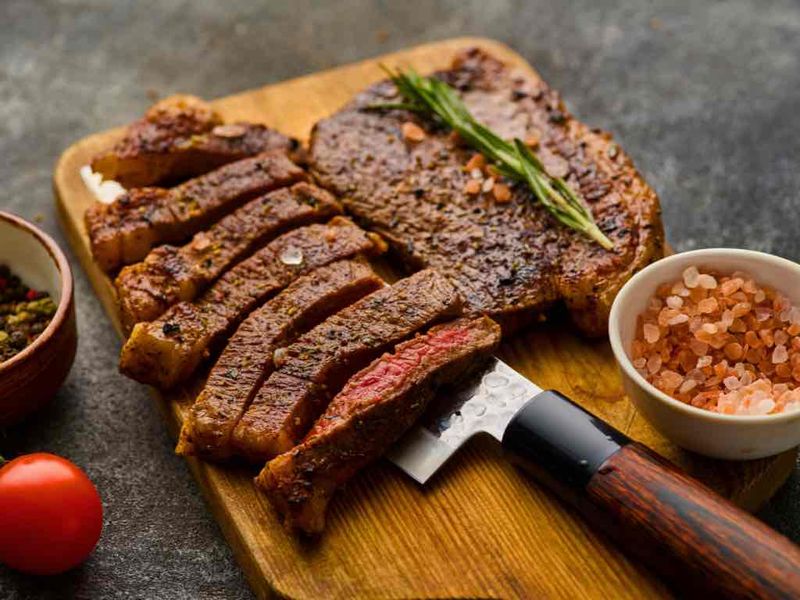
Classic beef doesn't have to be a dietary villain if you're smart about it. Cuts like sirloin, rump, and topside are naturally lower in fat, especially when you trim off any visible bits before cooking.
They're brilliant sources of iron and B vitamins, which keep your energy levels steady throughout the day. For the best results, try roasting or grilling these cuts at moderate temperatures, and always let them rest before slicing.
A quick marinade with lemon juice or vinegar not only adds flavour but also helps reduce any dodgy compounds that form during cooking.
Venison
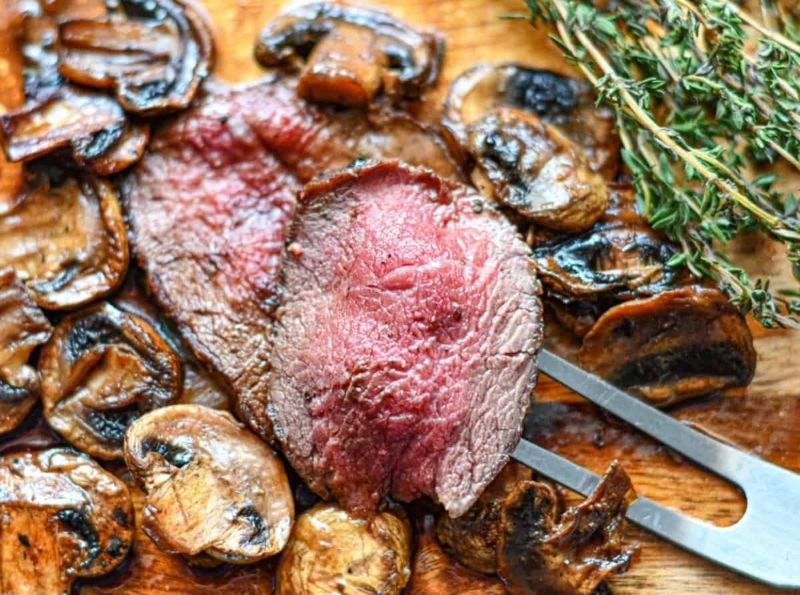
Wild and wonderful, venison is one of the leanest red meats you can get your hands on. It's packed with protein but has far less fat than most beef cuts, making it a proper winner for health-conscious eaters.
The flavour is rich and slightly gamey, which some folks absolutely adore. Because it's so lean, venison can dry out quickly, so stick to gentler cooking methods like slow roasting or braising with a bit of stock.
Pair it with robust herbs like rosemary or thyme, and you've got a meal that feels fancy without the fuss.
Lamb Leg Or Loin (Trimmed)
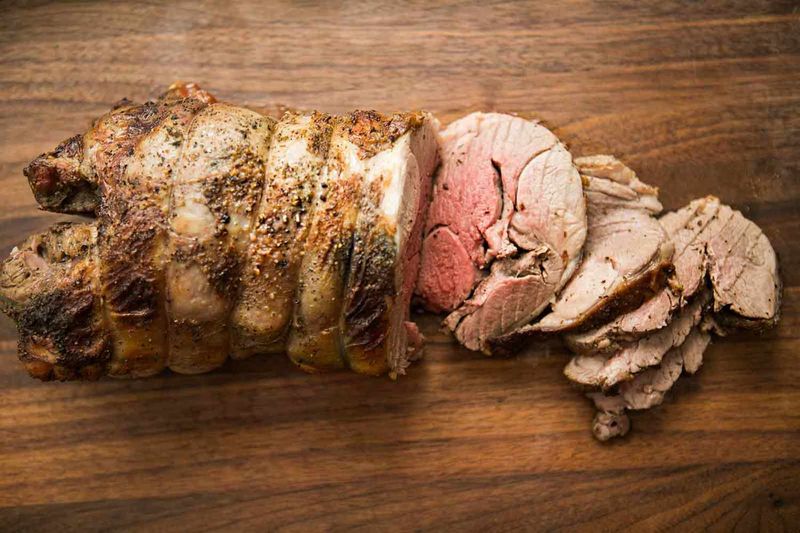
Lamb might surprise you as a healthier choice, but when you go for leg or loin cuts and trim the fat, it's actually quite sensible. These cuts are tender, flavourful, and loaded with zinc, which supports your immune system brilliantly.
Roasting a lamb leg with garlic and herbs is a Sunday dinner classic for good reason. Keep the temperature moderate to avoid charring, and use a meat thermometer to get it just right.
Lamb loin chops are equally tasty when grilled or pan-seared quickly, giving you that lovely caramelised outside without overdoing it.
Grass-Fed Beef Mince (Lower Fat)
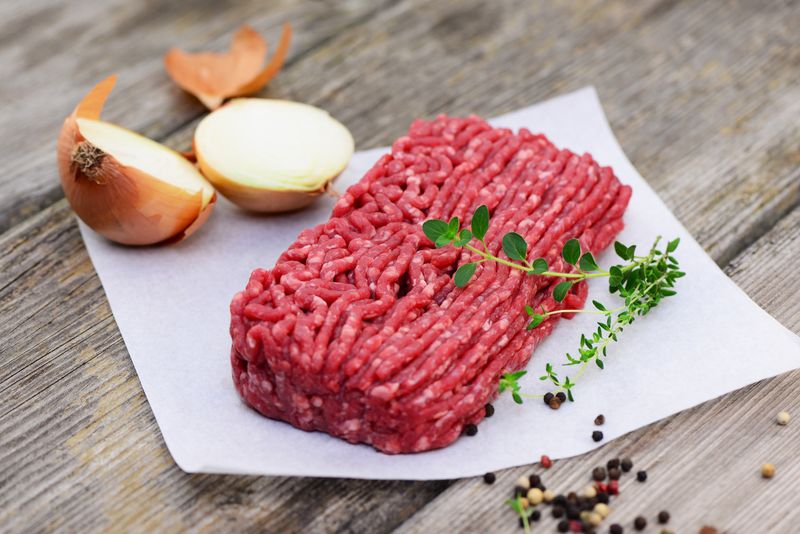
Mince is a weeknight hero, and when you choose grass-fed varieties with lower fat content, you're doing yourself a proper favour. Grass-fed beef has more omega-3 fatty acids and conjugated linoleic acid, which are both linked to better heart health.
Look for labels that say 5% fat or lower to keep things lean. It's perfect for bolognese, chilli, or homemade burgers, and browning it properly in a hot pan gives you loads of flavour.
Drain off any excess fat after cooking, and you've got a nutritious base for countless meals.
Bison
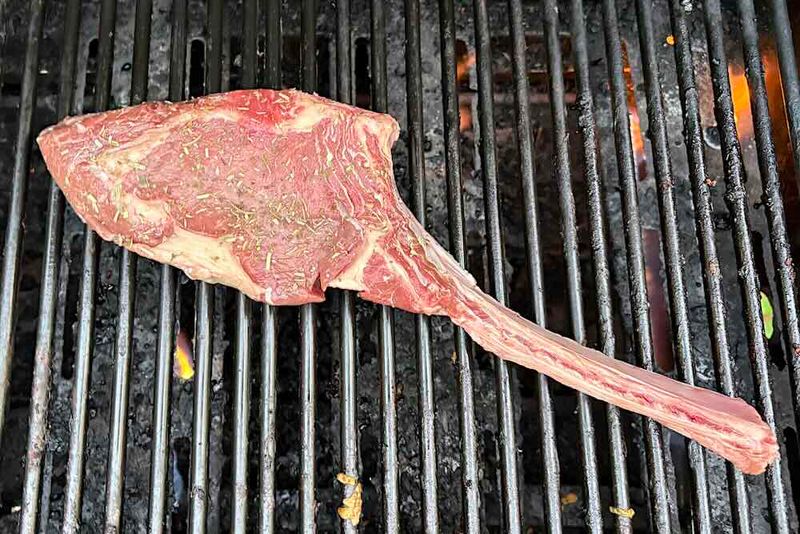
Bison is like beef's cooler, healthier cousin. It's got a similar taste but with significantly less fat and fewer calories, plus it's loaded with iron and protein.
The meat is naturally lean, so it cooks faster than beef, which means you need to keep a close eye on it to avoid drying it out. Burgers, steaks, and mince all work brilliantly with bison, and it pairs well with bold seasonings.
Grilling or broiling at lower temperatures is your best bet, and remember to let it rest after cooking for maximum juiciness.
Goat
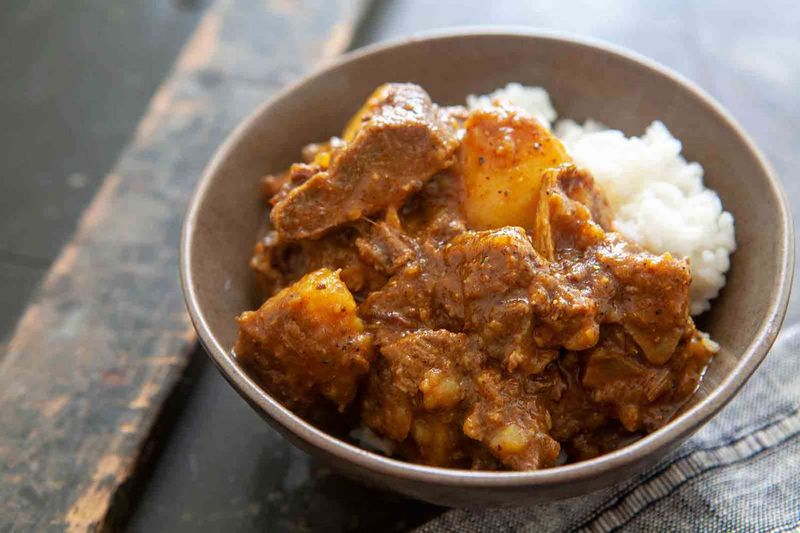
Goat is massively popular around the world, and it's high time it got more love here. It's incredibly lean, lower in cholesterol than chicken, and has a distinctive flavour that's somewhere between lamb and beef.
Slow cooking is the way forward with goat, as it tenderises the meat beautifully and lets the flavours develop. Curries, stews, and braises all showcase goat brilliantly, especially when you add warming spices like cumin and coriander.
It's also a more sustainable choice, as goats require less feed and water than cattle, making it kinder to the planet.
Pork Tenderloin
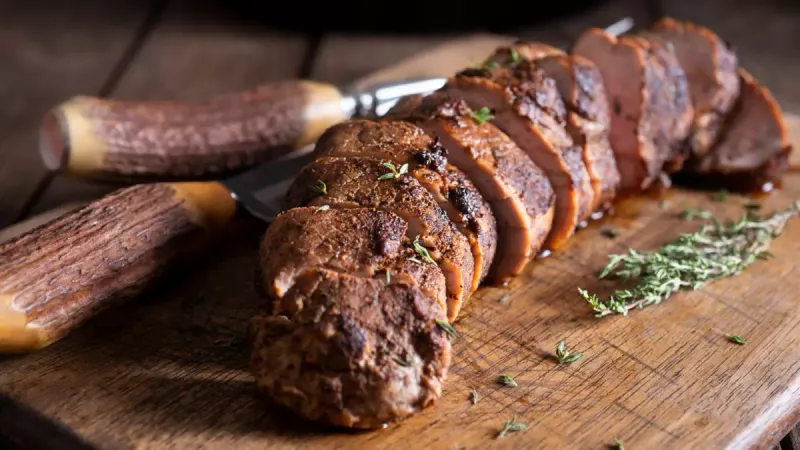
Here's a fun fact: pork tenderloin is leaner than chicken thighs, which makes it an absolute steal for healthy eating. It's mild in flavour, incredibly versatile, and cooks up beautifully in under half an hour.
The key is not to overcook it, or you'll end up with something resembling a shoe sole. Roasting or baking at around 180°C works a treat, and a simple rub of herbs and spices is all you need.
Slice it thin and serve with roasted veggies for a meal that's both satisfying and kind to your waistline.
Pork Loin Chops (Center-Cut, Trimmed)
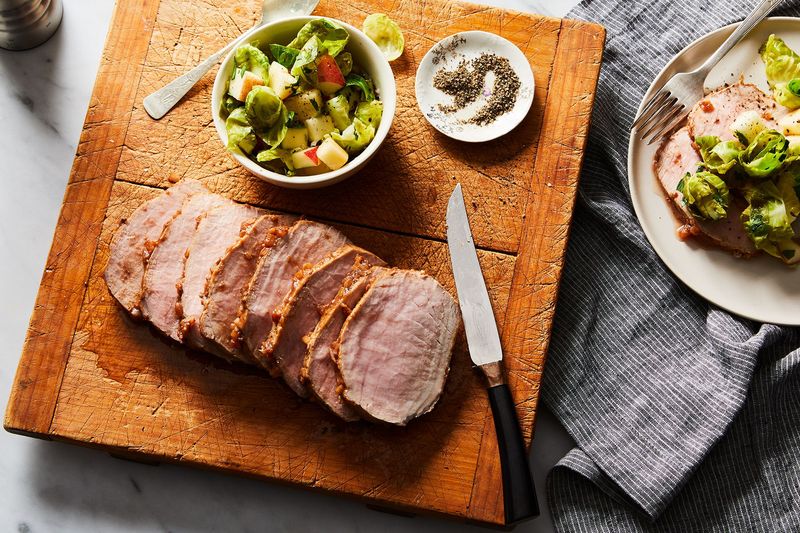
Center cut pork loin chops are a lean, tender option that delivers satisfying protein with less saturated fat. Choose bone-in for moisture or boneless for quicker cooking, then trim visible fat.
Season simply with salt, pepper, garlic, and a touch of smoked paprika for depth.
For the healthiest result, sear in a lightly oiled skillet and finish in the oven to 145°F, resting before slicing. Grilling over medium heat works well too, avoiding flare ups and sugary glazes.
Serve alongside citrus dressed greens, roasted vegetables, or a whole grain pilaf. You will get superb flavor, minimal fuss, and balanced nutrition.



