











Gut health has quietly worked its way into everyday food conversations, from breakfast choices to what ends up in the shopping basket. Certain foods naturally support digestion and help the body feel more settled and energised throughout the day.
It doesn’t have to involve complicated rules or hard-to-find ingredients either, just a few smart swaps and thoughtful choices. Understanding which foods support your gut makes everyday eating feel a little more intentional and a lot more rewarding.
All information is provided for general interest only and should not be treated as medical advice. Individual dietary needs and responses vary, and any ongoing digestive concerns should be discussed with a qualified healthcare professional.
1. Live Natural Yoghurt

Creamy, tangy, and packed with beneficial bacteria called probiotics, this fermented dairy delight is a superstar for your digestive system. Probiotics help balance the good bacteria in your gut, which can ease bloating and improve digestion.
Look for labels that say "live active cultures" to get the most benefit. You can enjoy it plain, with fruit, or even in smoothies for a tasty gut-health boost every single day.
2. Kefir
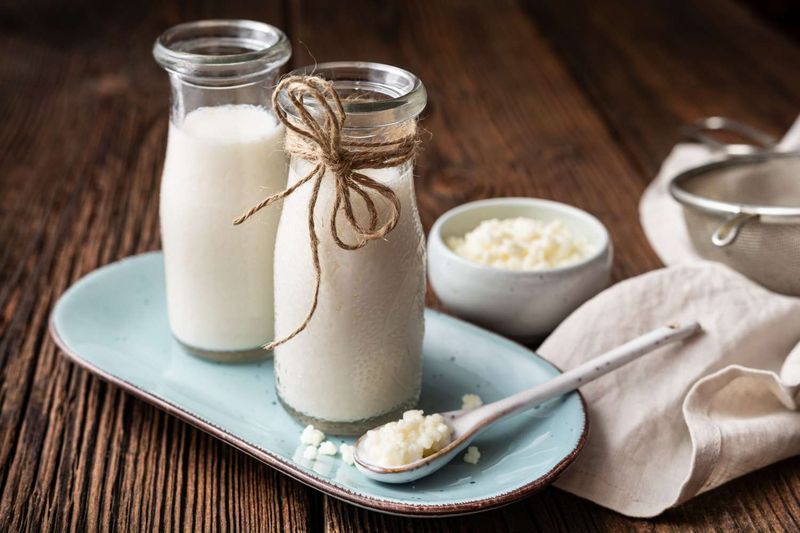
Think of kefir as yoghurt’s tangy, drinkable cousin with a lively personality. This fermented milk drink contains a wide range of beneficial bacteria, depending on the product you choose.
It has a lightly fizzy texture and a sharp flavour that many people grow to love. Kefir fits easily into smoothies, breakfast bowls, or a quick sip on the go.
It’s a simple way to add more fermented foods into your everyday routine.
3. Sauerkraut
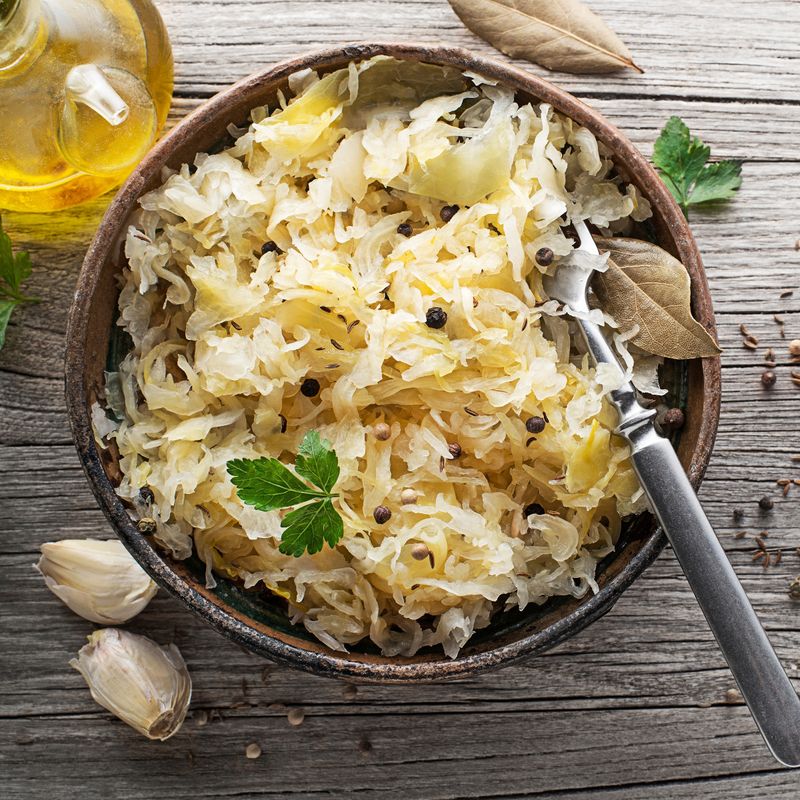
Fermented cabbage might not sound glamorous, but sauerkraut is a traditional gut-health hero that's been enjoyed for centuries. The fermentation process creates probiotics that support a healthy balance of gut bacteria.
It's tangy, crunchy, and surprisingly versatile - great on sandwiches, hot dogs, or even as a side dish. Just make sure to choose unpasteurised versions from the chilled section, as heat kills the beneficial bacteria you're after.
4. Kimchi

This spicy Korean staple is made from fermented vegetables - usually cabbage and radishes - mixed with chilli, garlic, and ginger. Kimchi is bursting with probiotics and also provides vitamins A and C.
Its bold, fiery flavour adds excitement to rice bowls, noodles, or even scrambled eggs. The fermentation process not only enhances the taste but also creates beneficial bacteria that help maintain a thriving gut environment and support your overall digestive wellness.
5. Oats
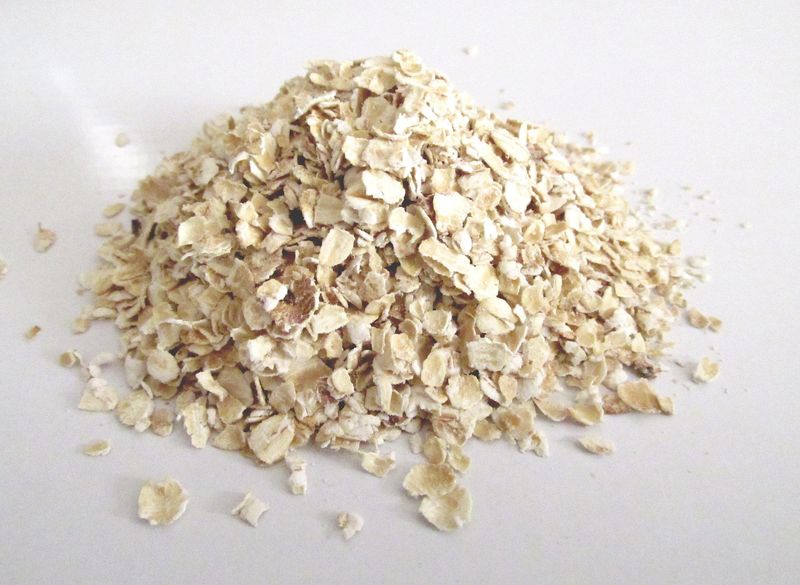
Starting your morning with a bowl of porridge is one of the simplest ways to nourish your gut. Oats are rich in a special type of fibre called beta-glucan, which feeds the good bacteria in your intestines.
This fibre also helps you feel full longer and keeps your blood sugar steady. Whether you prefer them cooked on the hob, soaked overnight, or baked into flapjacks, oats are a gentle, wholesome choice for digestive health.
6. Bananas
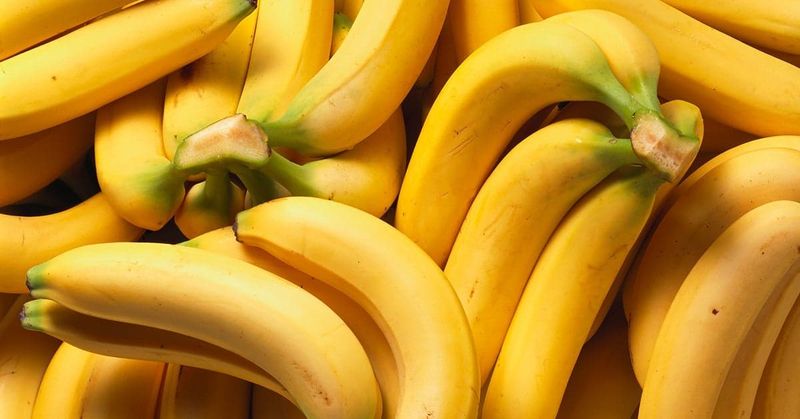
Sweet, portable, and naturally wrapped, bananas are a brilliant source of prebiotics - the type of fibre that feeds your gut's friendly bacteria. They're also packed with potassium and easy to digest, making them ideal for sensitive stomachs.
Slightly underripe bananas contain resistant starch, which acts like fibre and supports gut health even more. Toss them in smoothies, slice them over cereal, or simply peel and eat for a quick, gut-loving snack.
7. Apples
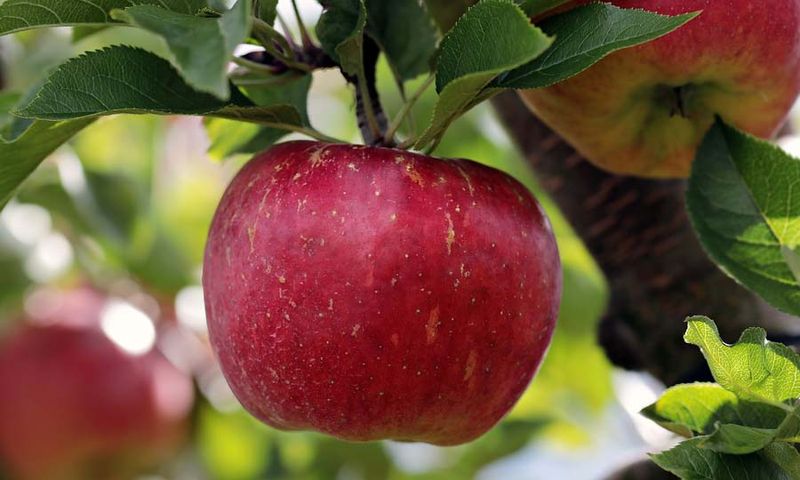
An apple a day really does help in more ways than one. Apples are loaded with pectin, a type of soluble fibre that acts as a prebiotic, feeding the beneficial bacteria in your gut.
They're also crunchy, refreshing, and easy to carry around. Eating the skin gives you extra fibre, so wash them well and munch away.
Whether you prefer Granny Smiths or Galas, apples are a simple, delicious way to support your digestive system.
8. Blueberries
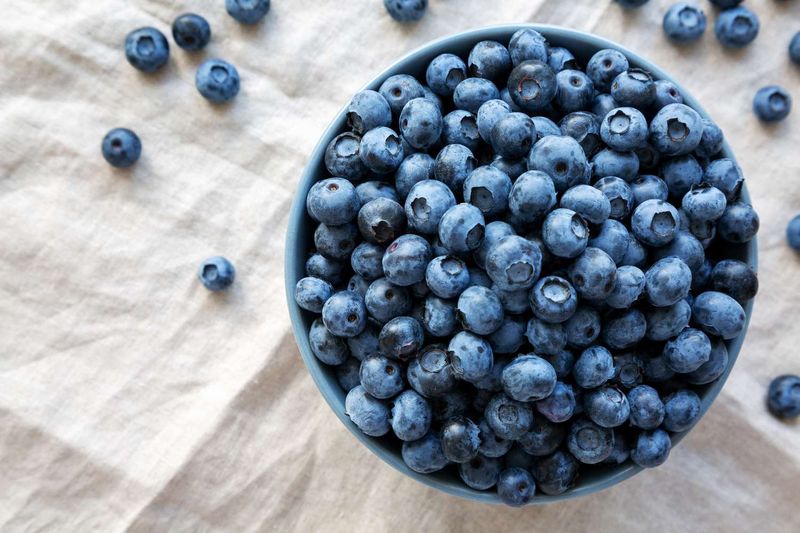
These small berries bring plenty of colour, sweetness, and fibre to your plate. Fibre plays an important role in keeping digestion steady and comfortable.
Blueberries are easy to enjoy in porridge, yoghurt, smoothies, or straight from the punnet. They also provide a range of vitamins and naturally occurring plant compounds.
Adding them regularly keeps meals feeling fresh and balanced.
9. Lentils
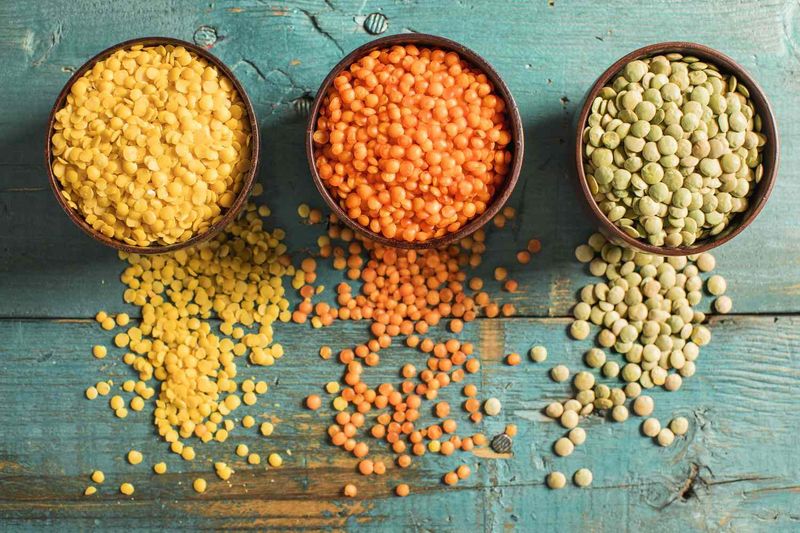
Humble and hearty, lentils are one of the best plant-based sources of fibre and protein. They feed your gut bacteria and help keep your digestive system regular.
Lentils come in red, green, and brown varieties, each with a slightly different texture and flavour. They cook quickly and work brilliantly in soups, stews, curries, or salads.
Adding lentils to your meals is an easy, affordable way to boost your gut health whilst feeling satisfied and energised.
10. Chickpeas
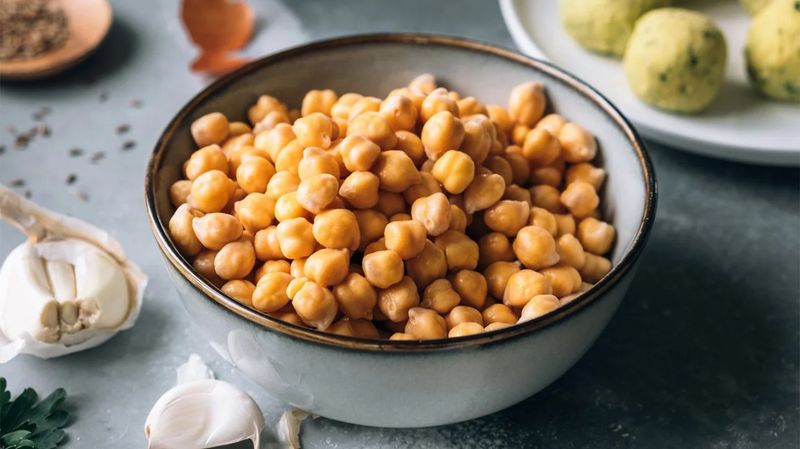
Crunchy when roasted, creamy when blended into hummus, chickpeas are a gut-friendly superstar. They're loaded with fibre and resistant starch, both of which nourish the beneficial bacteria in your intestines.
Chickpeas are also rich in protein and minerals like iron and magnesium. Toss them into salads, blend them into dips, or add them to curries for a satisfying, nutrient-dense meal that supports your digestive health and keeps you feeling full.
11. Wholegrain Bread
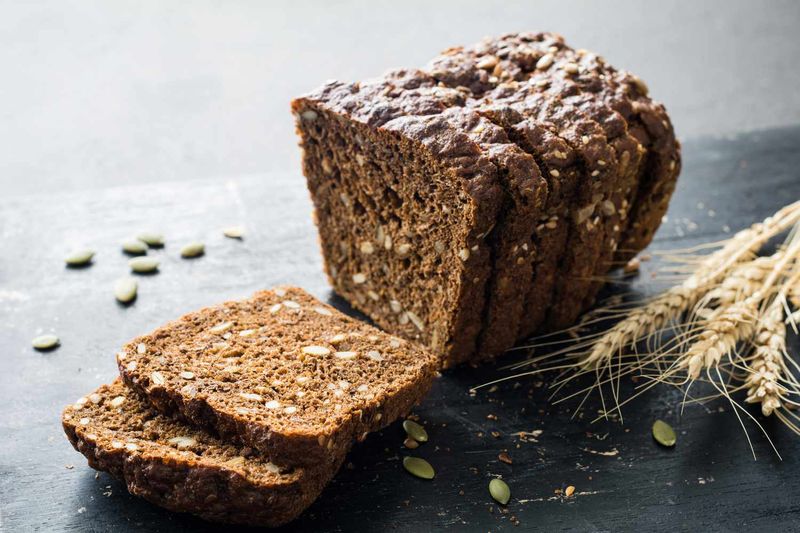
Swapping white bread for wholegrain varieties is a simple change that makes a big difference. Wholegrain bread retains the bran and germ of the wheat, which means it's packed with fibre that feeds your gut bacteria.
It also keeps you fuller for longer and helps regulate blood sugar levels. Look for loaves with visible grains and seeds for extra texture and nutrition.
Toast it, make a sandwich, or enjoy it with soup - your gut will thank you.
12. Brown Rice
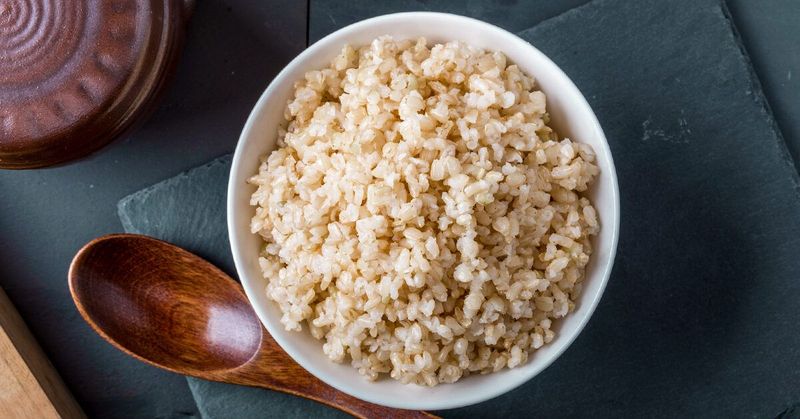
Unlike white rice, brown rice keeps its outer bran layer intact, which is where most of the fibre and nutrients live. This fibre supports healthy digestion and feeds the good bacteria in your gut.
Brown rice has a nutty flavour and a slightly chewy texture that pairs well with curries, stir-fries, and salads. It takes a bit longer to cook than white rice, but the extra nutrition and gut-health benefits make it well worth the wait.
13. Garlic
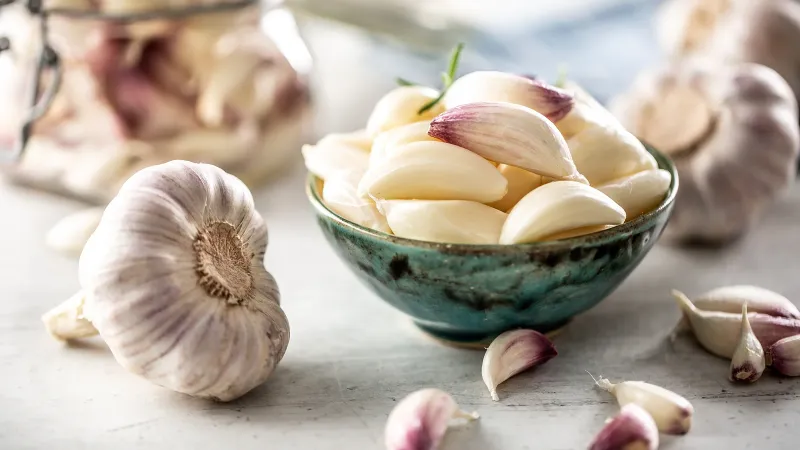
Pungent, aromatic, and full of character, garlic adds instant depth to almost any dish. It contains natural fibres that support the normal balance of gut bacteria.
Cooking with garlic encourages variety in meals while boosting flavour without extra effort. Roasted, sautéed, or stirred into sauces, it brings warmth and richness to everyday cooking.
A little goes a long way in making food both satisfying and gut-friendly.
14. Onions
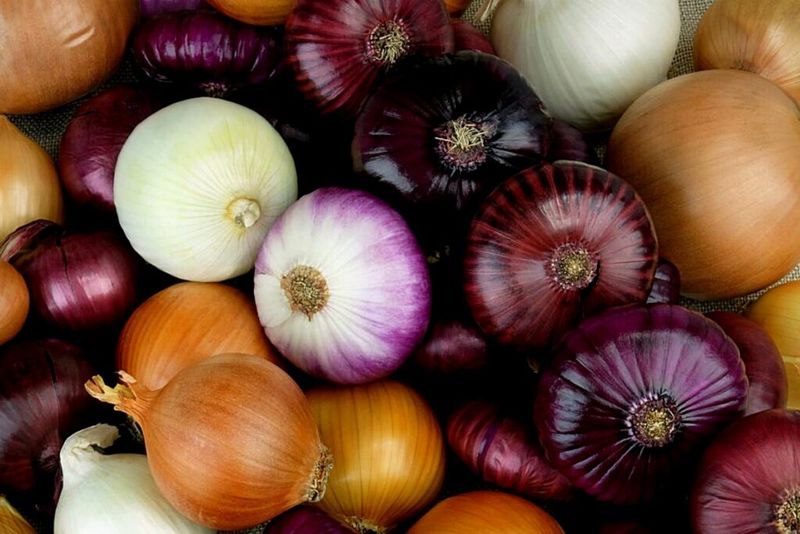
Onions might make you cry when you chop them, but they'll make your gut bacteria very happy. They're rich in prebiotics, particularly inulin and fructooligosaccharides, which nourish the good microbes in your digestive system.
Onions also add depth and sweetness to countless dishes, from soups to stir-fries. Whether you prefer them raw, caramelised, or pickled, onions are an affordable, versatile ingredient that supports your gut health with every delicious bite.
15. Leeks
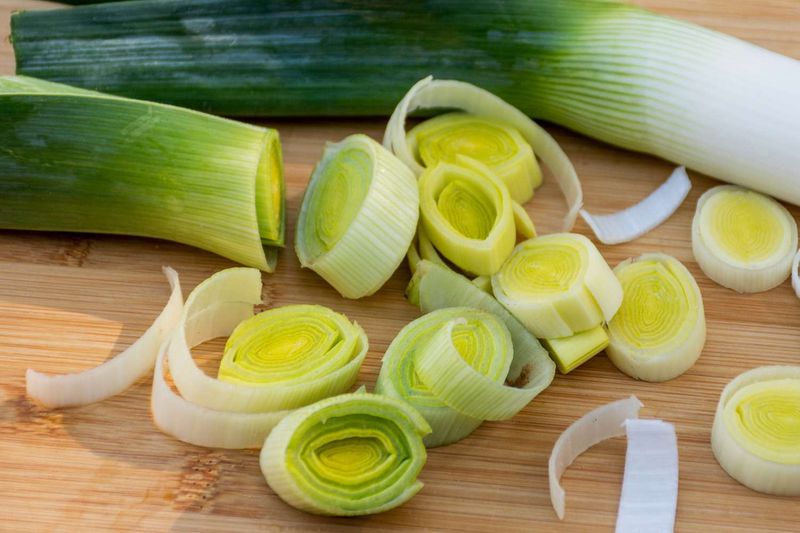
Mild, sweet, and often overlooked, leeks are a fantastic source of prebiotic fibre that feeds your gut's friendly bacteria. They belong to the same family as garlic and onions, but they have a gentler, more delicate flavour.
Leeks are brilliant in soups, pies, and stir-fries, adding both nutrition and taste. They're also rich in vitamins A and K.
Slice them thinly, wash them well, and enjoy their gut-boosting benefits in your favourite recipes.
16. Spinach
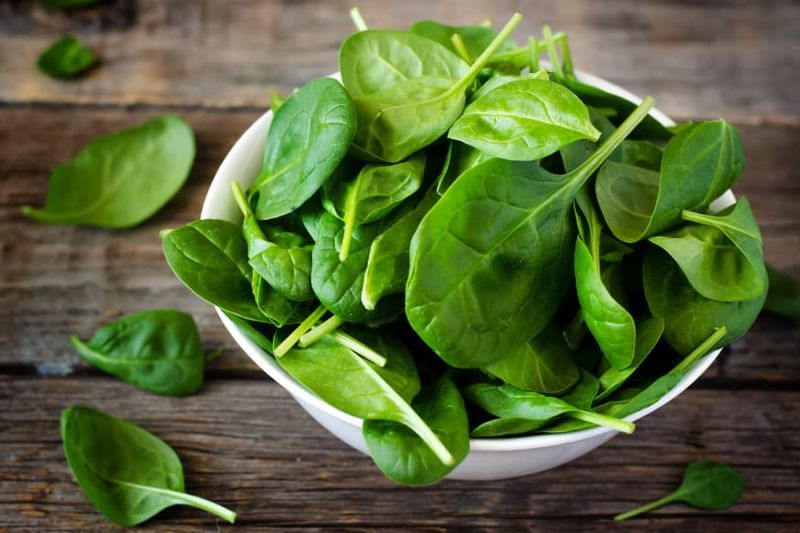
Spinach earns its reputation as a nutritional all-rounder thanks to its fibre, vitamins, and minerals. Fibre helps support regular digestion and keeps meals feeling more filling.
The mild flavour makes it easy to tuck into pasta, omelettes, soups, or salads. It wilts quickly, so it fits neatly into busy cooking routines.
Adding a handful here and there is an effortless way to lift the nutritional value of everyday meals.
17. Sweet Potatoes

Naturally sweet and comforting, sweet potatoes bring colour and texture to the plate. They provide fibre that supports steady digestion, especially when the skin is left on.
Depending on how they’re prepared, they can also contribute different types of starch that support variety in the diet. Roasting, mashing, or baking keeps them flexible for both savoury and lighter dishes.
They’re a satisfying ingredient that works well across seasons and cooking styles.