









Ever notice how your favourite snacks always seem to appear right when you’re starting to feel peckish? That’s no coincidence - supermarkets spend a lot of time studying how shoppers move, look, and reach for things. From eye-level temptations to cheeky checkout treats, there’s a surprising amount of strategy behind every shelf you pass.
This article is for general informational purposes only. Supermarket layouts and marketing strategies vary between retailers and regions. The insights shared here are based on common industry practices and consumer research rather than any one specific store. Photos are for illustrative purposes only.
The Psychology Behind Shelf Placement
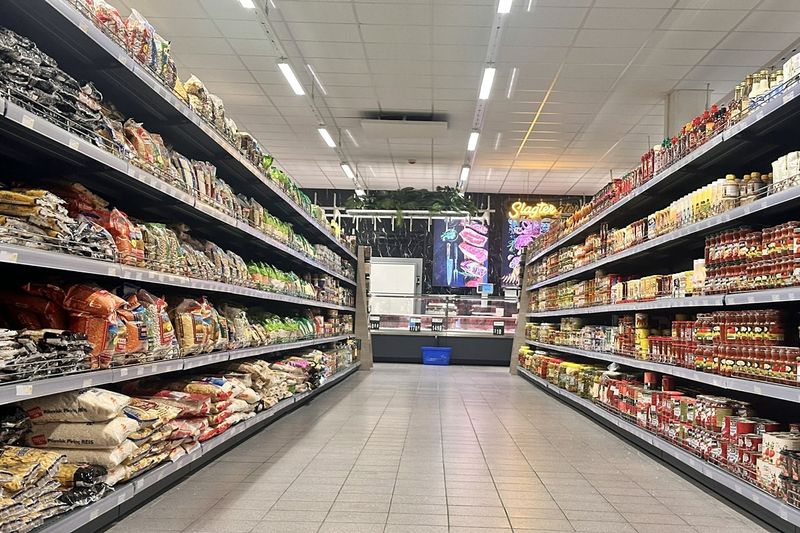
Retailers study how shoppers think and behave to maximise sales. Products positioned where customers naturally look sell faster than those tucked away.
Stores map out every shelf with precision, knowing exactly which spots grab attention. This science turns ordinary shopping into a carefully orchestrated experience designed to boost profits and keep you reaching for more.
Eye-Level Products Get The Most Attention
Walk down any aisle and you'll notice premium snacks positioned right where your gaze naturally falls. This prime real estate captures shoppers' focus without effort.
Brands compete fiercely for these coveted spots because visibility directly impacts sales. Items placed higher or lower often get overlooked, making eye level the golden zone for snack manufacturers.
Kids' Snacks Are Placed Lower For A Reason

Brightly coloured cereals and fun-shaped biscuits sit on lower shelves where children can easily spot them. Young shoppers become enthusiastic advocates, persuading parents to add treats to the trolley.
This deliberate positioning turns kids into marketing partners. Supermarkets know that colourful packaging at a child's eye level creates irresistible appeal, leading to more purchases.
End-Of-Aisle Displays Drive Impulse Buys
Those towering stacks of crisps and biscuits at aisle ends aren't random. These high-traffic zones catch shoppers turning corners, encouraging unplanned purchases.
Retailers call these spots "end caps," and they're marketing goldmines. Seasonal snacks and special promotions dominate these displays because they convert browsing into buying with remarkable efficiency, boosting overall basket value significantly.
Popular Brands Often Pay For Prime Spots
Major snack companies invest heavily to secure the best shelf positions. These "slotting fees" guarantee visibility in competitive markets.
Smaller brands struggle to afford such premium placement, often relegated to less desirable locations. This pay-to-play system means the snacks you see first aren't necessarily the best value - they're simply the ones with bigger marketing budgets backing them.
Seasonal Items Rotate To Match Demand
Christmas biscuits disappear in January, replaced by Valentine's chocolates, then Easter treats. Supermarkets constantly refresh displays to align with upcoming celebrations and weather patterns.
Summer brings crisps for picnics and barbecues, whilst autumn welcomes warming snacks. This rotation keeps shelves feeling fresh and relevant, encouraging repeat visits and capitalising on seasonal shopping moods throughout the year.
Store Layouts Encourage Longer Browsing
Snack aisles rarely sit near entrances. Instead, they're strategically placed deeper inside, forcing you to walk past other tempting products first.
Winding pathways and deliberate detours increase exposure to more items. The longer you wander, the more likely you'll add extras to your basket. This maze-like design transforms quick trips into extended shopping sessions.
Healthy Options Are Strategically Grouped
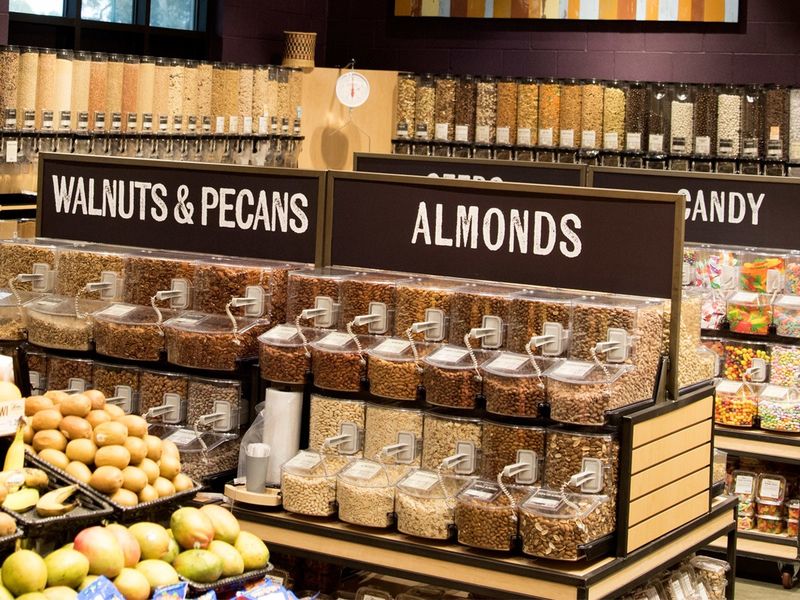
Nutritious snacks like nuts, dried fruit, and protein bars cluster together, appealing to health-conscious shoppers. This grouping simplifies choices for customers seeking better alternatives.
Positioning these items near fitness magazines or fresh produce reinforces wellness messaging. Supermarkets profit from growing health trends whilst traditional treats remain prominently displayed elsewhere, ensuring both markets are effectively served and maximised.