













Some of the best cooking secrets are not found in fancy cookbooks or cooking shows. They are small, odd habits that home cooks have quietly used for years to make meals taste incredible.
You might think some of them sound weird, but the results speak for themselves. Get ready to discover 21 surprisingly simple tricks that can take your cooking from good to absolutely delicious.
1. Adding a Pinch of Salt to Your Coffee Grounds
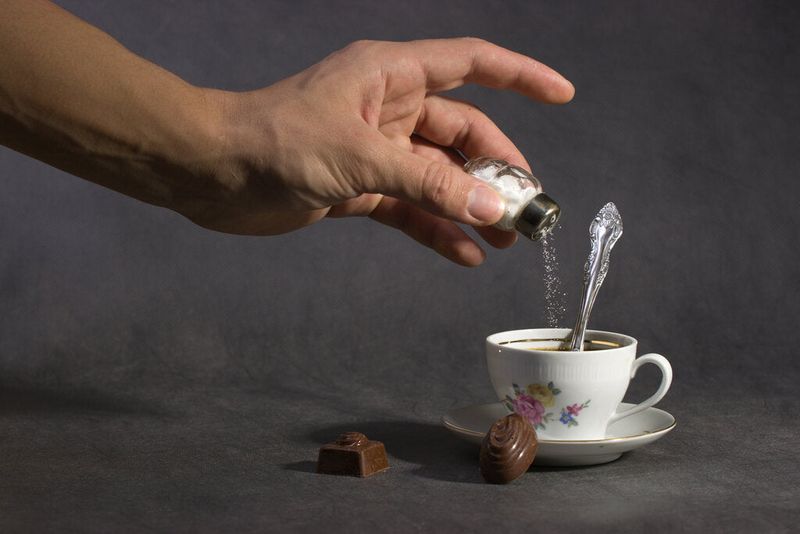
Believe it or not, a tiny pinch of salt in your coffee grounds before brewing can completely change your morning cup. Salt reduces bitterness without making your coffee taste salty at all.
It actually smooths out the harsh edges and brings out a natural sweetness.
This trick is especially helpful if your coffee tends to taste too strong or acidic. Try just a small pinch and notice the difference right away.
2. Toasting Spices Before Using Them
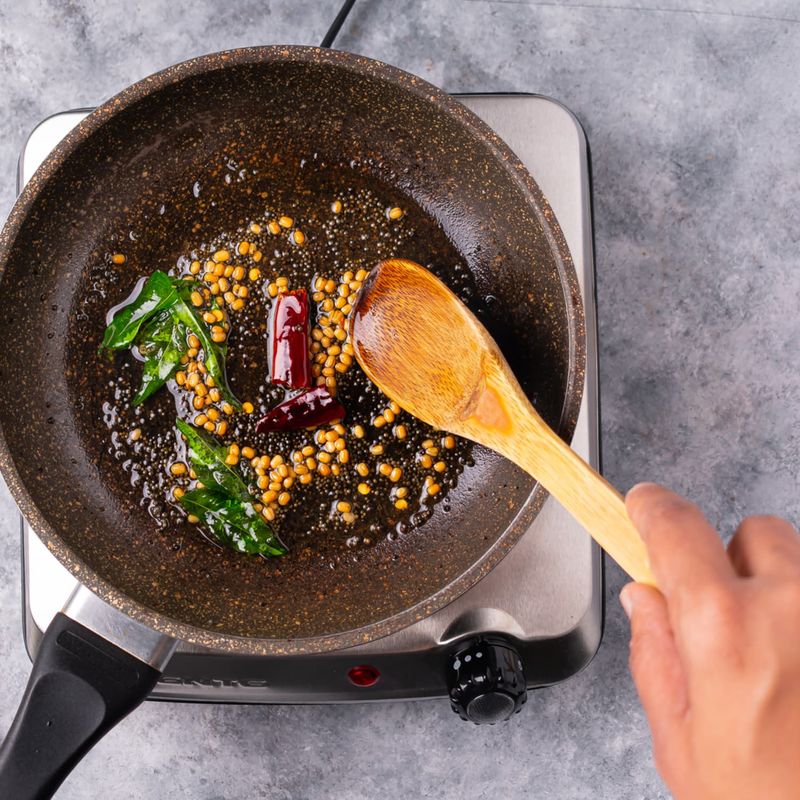
Most people pour spices straight from the jar into their pot, but taking 60 seconds to toast them first is a total game-changer. Heat wakes up the natural oils inside dried spices and releases a much deeper, richer aroma.
Just toss them in a dry pan over medium heat and stir until fragrant. Your curries, soups, and sauces will suddenly taste like they came from a restaurant kitchen rather than a Tuesday night at home.
3. Letting Meat Rest After Cooking
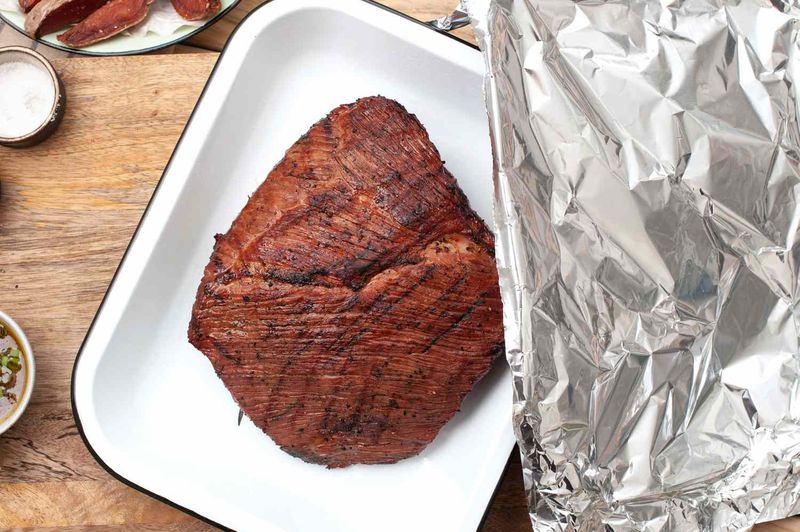
Cutting into a steak the second it leaves the pan is one of the most common cooking mistakes out there. Resting meat for just five to ten minutes allows the juices to redistribute evenly throughout every bite.
Skip this step and those juices run straight onto your cutting board instead of staying in the meat where they belong. The result of waiting is noticeably juicier, more flavorful meat every single time you cook it.
4. Rubbing the Inside of the Bowl with Garlic
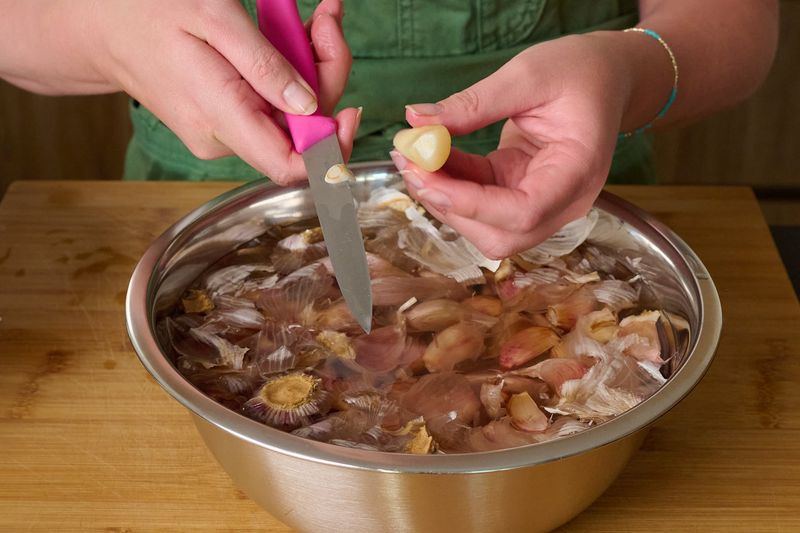
Before tossing your salad, try cutting a garlic clove in half and rubbing it all around the inside of your bowl. The garlic leaves behind just a whisper of flavor that subtly seasons everything the salad touches.
You get that wonderful savory depth without biting into actual garlic pieces. Fancy restaurants have used this trick for decades, and once you try it yourself, plain salad bowls will feel like a missed opportunity forever after.
5. Adding Pasta Water to Your Sauce
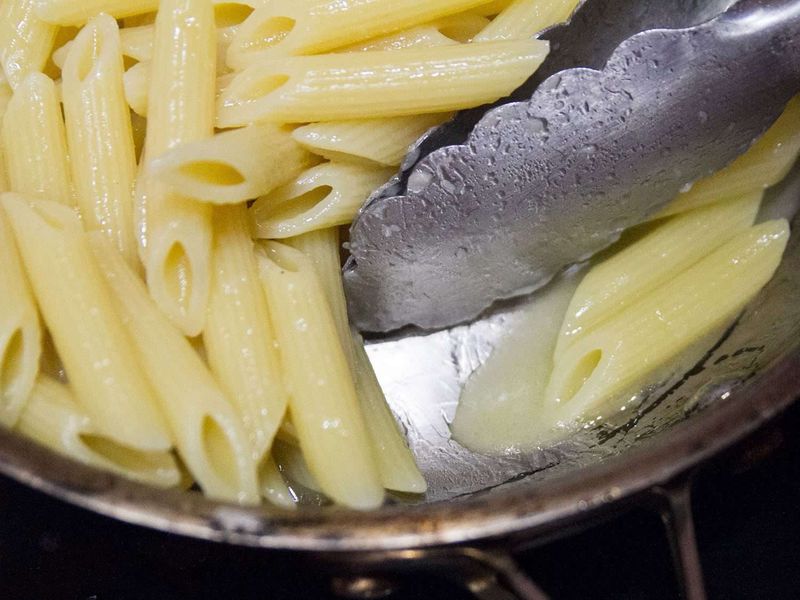
That cloudy water left in your pasta pot is basically liquid gold, and most people pour it straight down the drain. Starchy pasta water helps sauce cling to noodles in a way that plain water simply cannot replicate.
Adding just a splash or two creates a silkier, more restaurant-quality texture in seconds. Professional chefs rely on this habit constantly.
Save a cup before draining your pasta and your sauce will never feel watery or disconnected again.
6. Finishing Dishes with a Squeeze of Lemon
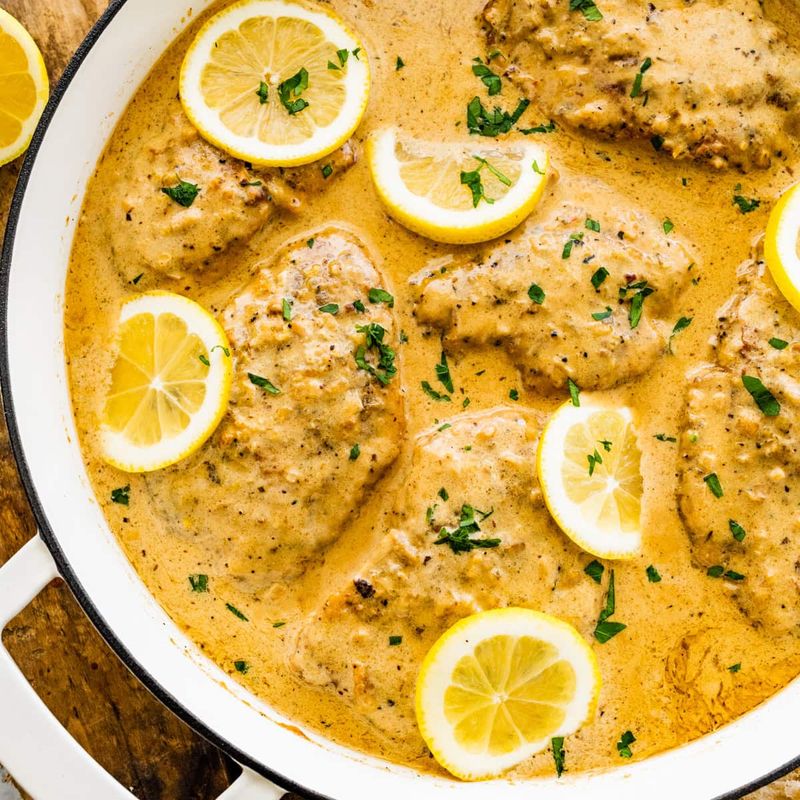
A squeeze of fresh lemon right before serving can make a dish taste three times more alive than it did a moment before. Acid brightens flavors and balances richness in a way that is hard to explain but impossible to ignore once you experience it.
Soups, pastas, roasted vegetables, and even grilled meats all benefit from this finishing touch. Keep a lemon nearby whenever you cook and use it as your secret weapon at the very end.
7. Salting Vegetables and Letting Them Sweat
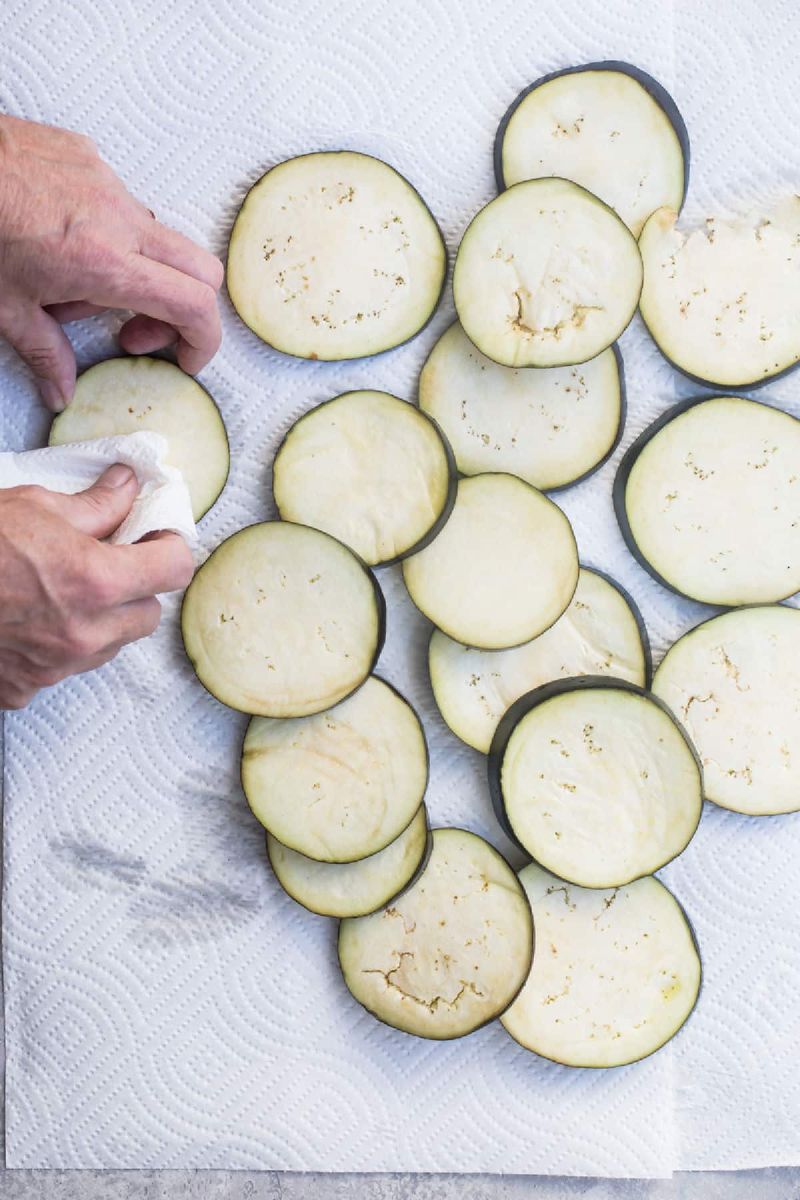
Sprinkling salt on vegetables like zucchini, eggplant, or cucumber and letting them sit for 20 minutes pulls out excess water before cooking. This process, sometimes called sweating, concentrates the vegetable's natural flavor dramatically.
Without this step, watery vegetables can make your dish soggy and bland. After salting, simply pat them dry and cook as usual.
The texture becomes firmer and the taste becomes noticeably richer, turning an ordinary side dish into something genuinely satisfying.
8. Blooming Spices in Butter or Oil First
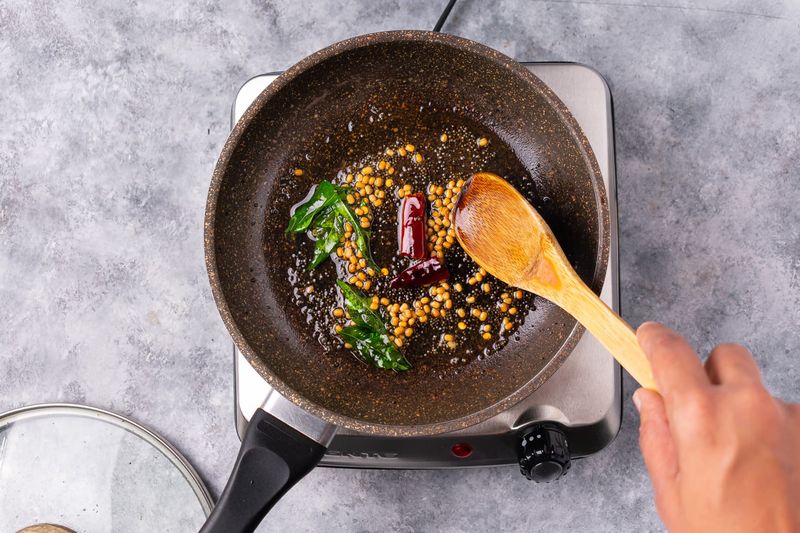
Before adding other ingredients, try cooking your spices in a little butter or oil for about 30 seconds. This technique, called blooming, unlocks fat-soluble flavor compounds that would otherwise stay locked inside the powder.
The difference in taste is remarkable compared to just stirring dry spices in at the end. Indian and Middle Eastern cuisines have relied on this method for centuries.
Your soups, stews, and rice dishes will smell and taste far more complex with almost no extra effort.
9. Using Cold Butter for Pan Sauces
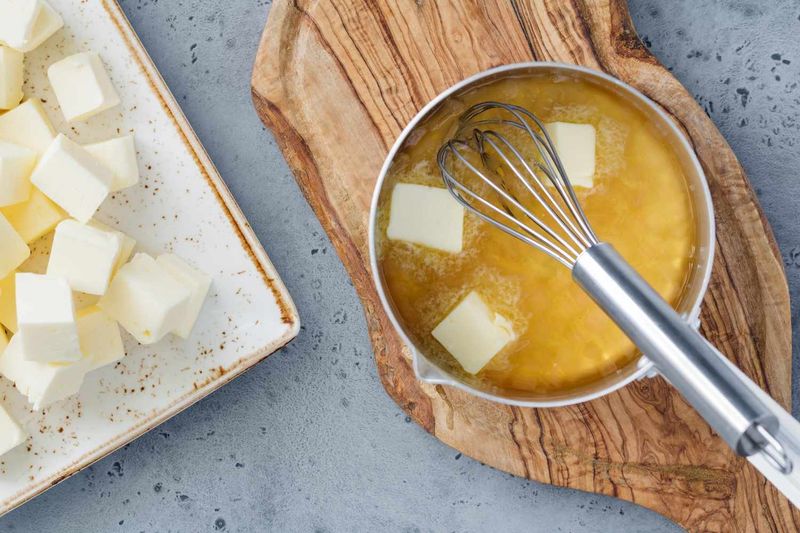
Once your pan sauce is nearly done, pull it off the heat and whisk in small cubes of cold butter one at a time. This classic French technique, called mounting, creates a glossy, velvety sauce that tastes rich and luxurious.
Hot butter melted all at once breaks the sauce and makes it greasy. Cold butter added gradually emulsifies perfectly.
It sounds fussy, but it only takes two extra minutes and the result is genuinely impressive every single time.
10. Chilling Cookie Dough Overnight
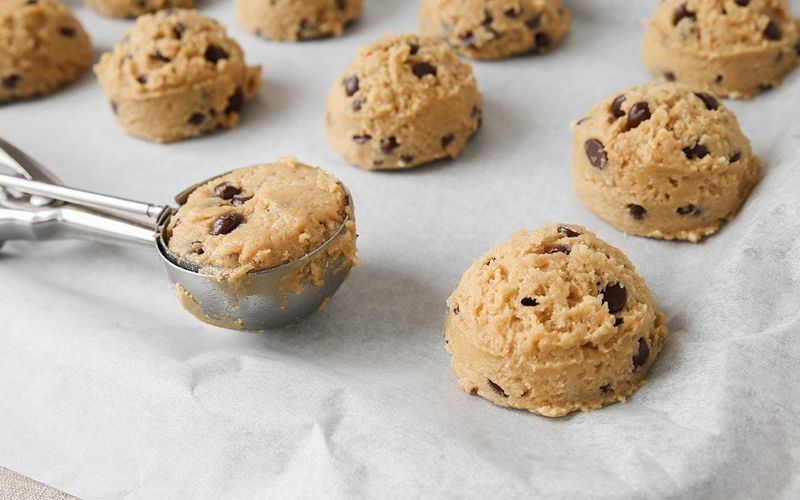
Most people mix cookie dough and bake it immediately, but leaving it in the fridge overnight produces dramatically better cookies. Resting the dough allows the flour to fully hydrate and the sugars to caramelize more deeply during baking.
The result is a chewier center, crispier edges, and a noticeably more complex, toffee-like flavor. Bakeries and professional pastry chefs almost always use this step.
Plan ahead by just one day and your homemade cookies will taste bakery-quality without any extra ingredients.
11. Deglazing the Pan After Searing
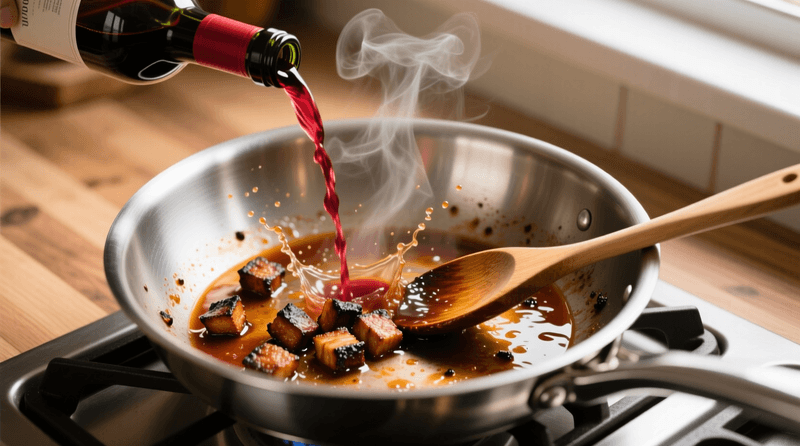
After searing meat or vegetables, the brown bits stuck to the bottom of your pan are not burnt mistakes. They are packed with concentrated flavor, and a splash of wine, broth, or even water can lift them right off.
This process is called deglazing, and it forms the base of some of the most delicious sauces in classic cooking. Scrape those bits up as the liquid simmers and you will create depth and richness that no spice jar can replicate.
12. Adding a Parmesan Rind to Soups and Stews
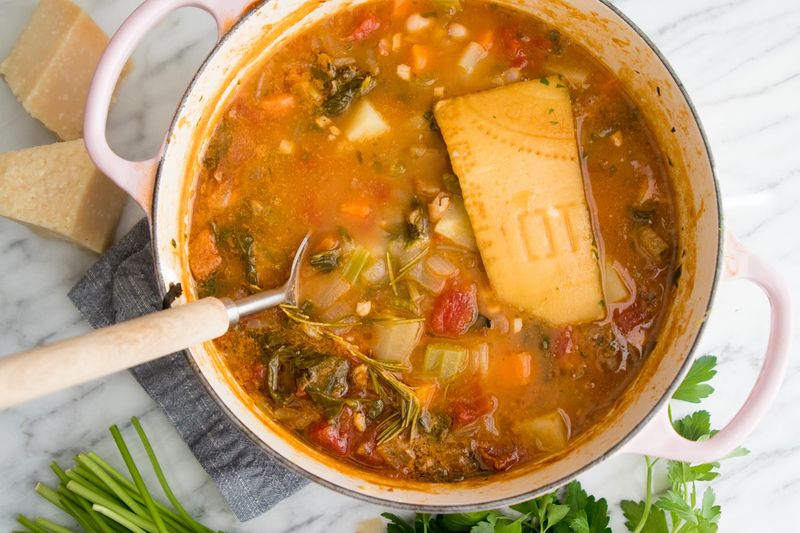
Instead of throwing away the hard rind left after your Parmesan is gone, toss it into your next pot of soup or stew. As it simmers, the rind slowly releases a deep, savory, umami-rich flavor into the broth that is absolutely transformative.
You do not eat the rind itself, just fish it out before serving. Italian grandmothers have kept this trick in their back pockets for generations.
It costs nothing extra and makes minestrone, tomato soup, or bean stew taste extraordinary.
13. Seasoning in Layers, Not Just at the End
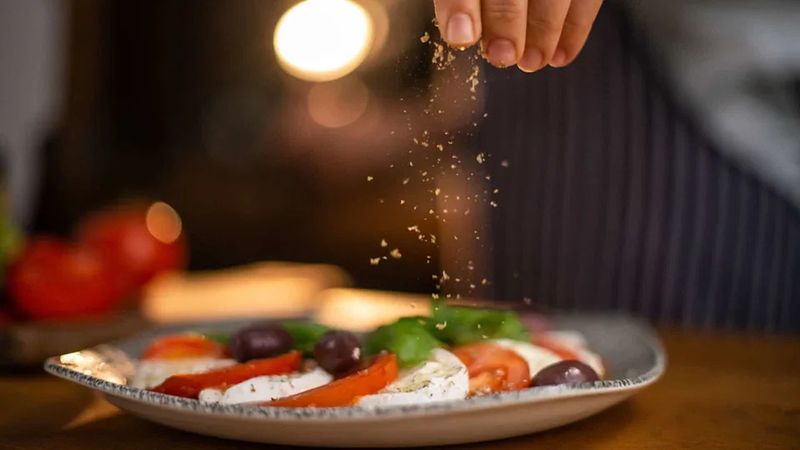
Adding all your salt and seasoning only at the end of cooking is one of the most common reasons home-cooked food tastes flat. Seasoning at each stage of cooking builds flavor from the inside out rather than just coating the surface.
Salt the onions when they go in. Season the broth as it heats.
Taste and adjust as you go. Food cooked this way tastes more rounded and fully developed, like every ingredient was given the chance to shine on its own.
14. Using a Wooden Spoon Instead of Metal
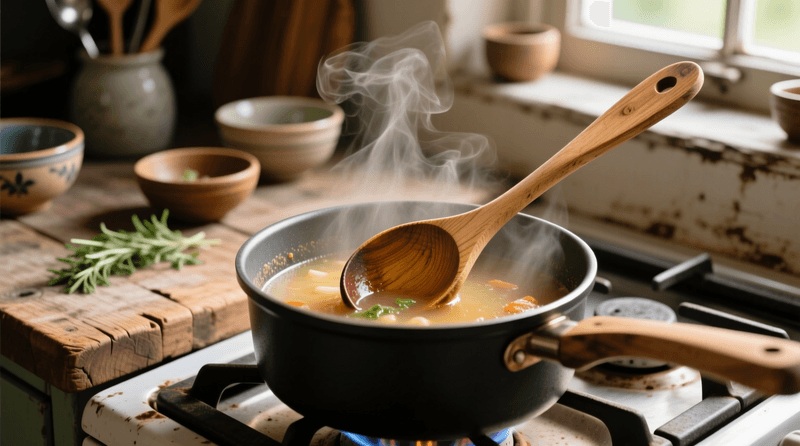
Wooden spoons are a kitchen classic for good reason, and it is not just about tradition or nostalgia. They do not conduct heat, so they stay comfortable to hold during long cooking sessions without burning your hand.
More importantly, wood is gentler on pots and pans, protecting non-stick coatings and preventing scratches that can affect how evenly food cooks. Some cooks also swear that wooden spoons help develop better flavor in slow-cooked sauces by absorbing and releasing subtle flavors over time.
15. Letting Onions Caramelize Slowly and Patiently
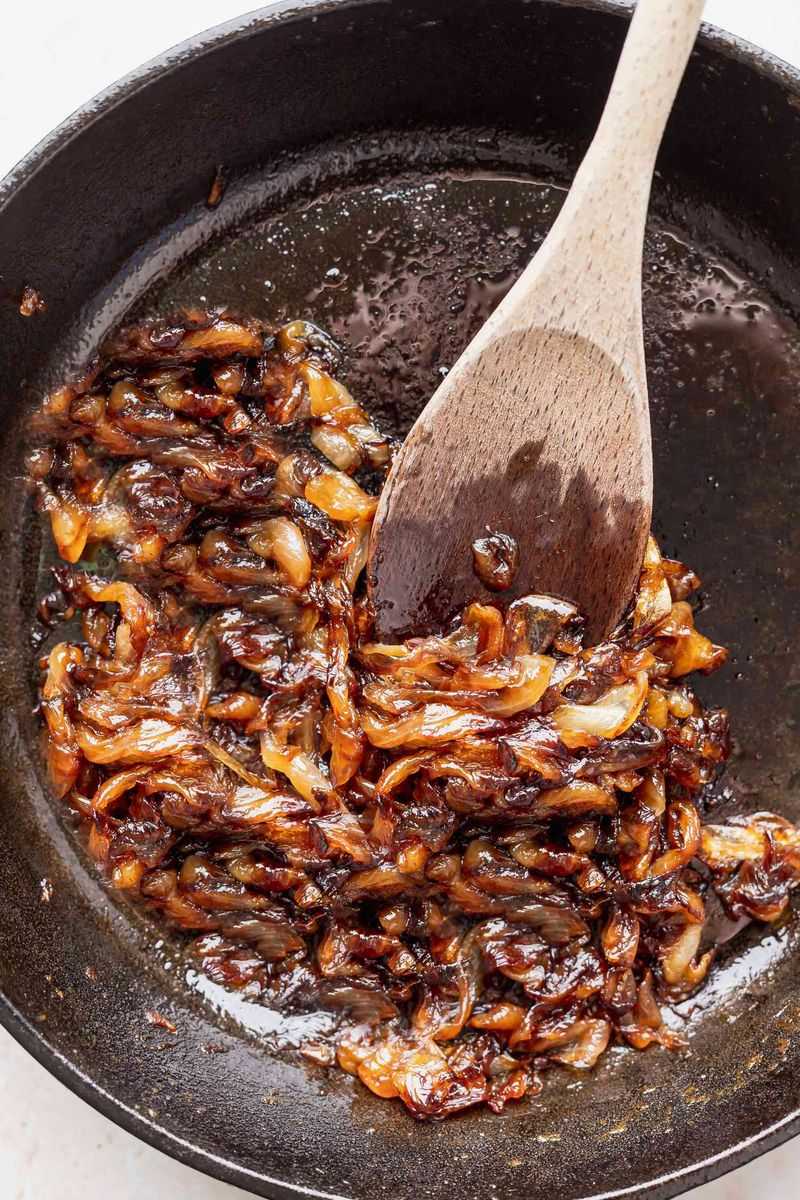
Caramelizing onions properly takes at least 30 to 40 minutes over low heat, not the five minutes most recipes casually suggest. Rushing this step with high heat gives you browned but bitter onions instead of the sweet, jammy, melt-in-your-mouth result you actually want.
Low and slow is the only way to break down the natural sugars properly. The payoff is enormous.
Slow-cooked caramelized onions can elevate burgers, pizzas, pastas, and soups into something that tastes genuinely special and deeply satisfying.
16. Keeping a Bowl of Kosher Salt on the Counter
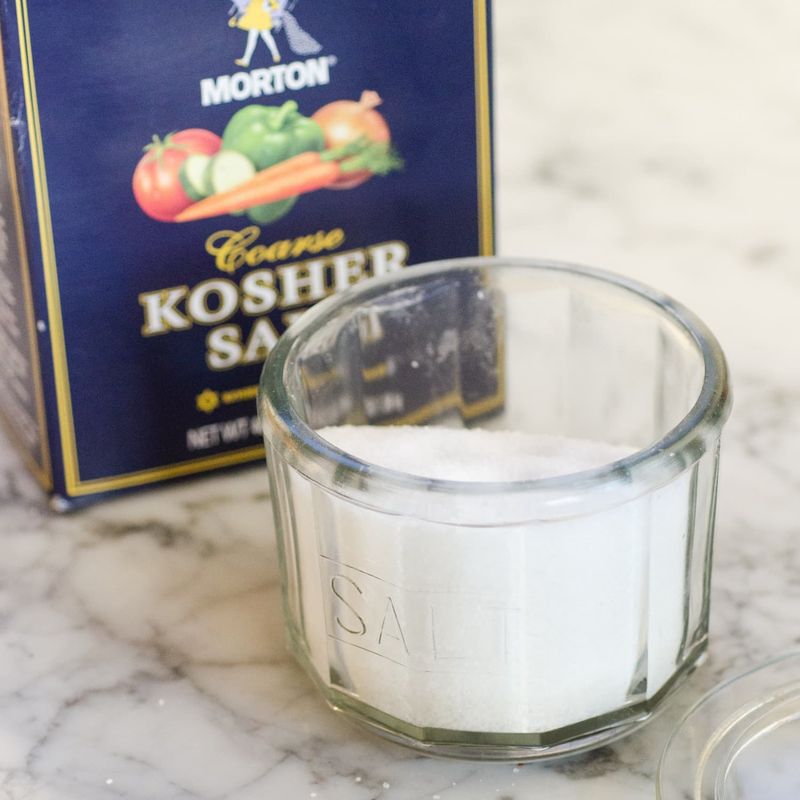
Professional chefs almost never season food with a shaker. Instead, they keep a small open bowl of kosher salt within arm's reach and pinch it directly over their food.
This gives them far more control over exactly how much salt lands on each dish.
Kosher salt also has larger, flakier crystals that dissolve more evenly and taste less harsh than table salt. Switching to this simple habit can make a noticeable difference in how consistently well-seasoned your cooking turns out.
17. Tasting Food Constantly While Cooking
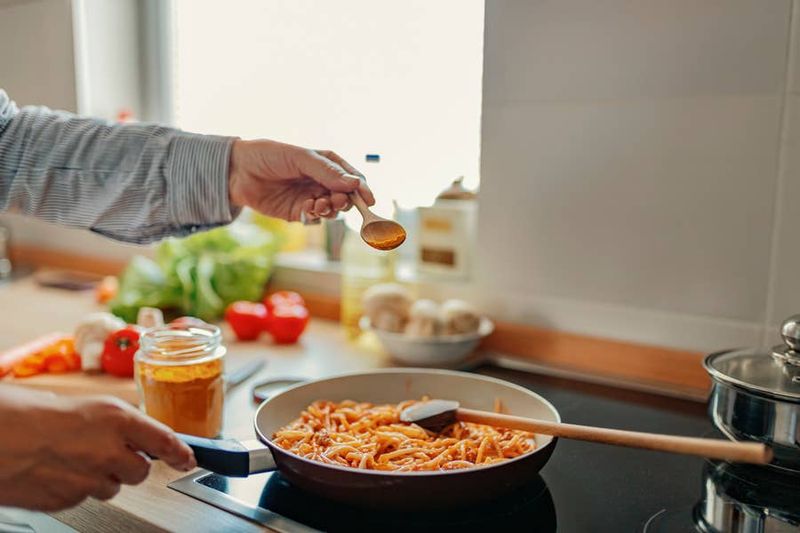
Great cooks taste their food at every single stage of the cooking process, not just at the very end when it is too late to fix anything. Your palate is the most accurate tool in the entire kitchen, and no recipe can replace it.
Tasting as you go lets you catch problems early, whether a dish needs more acid, more salt, or a little sweetness to balance things out. Make tasting a constant habit rather than an afterthought and your food will improve almost immediately.
18. Cooking Eggs Low and Slow
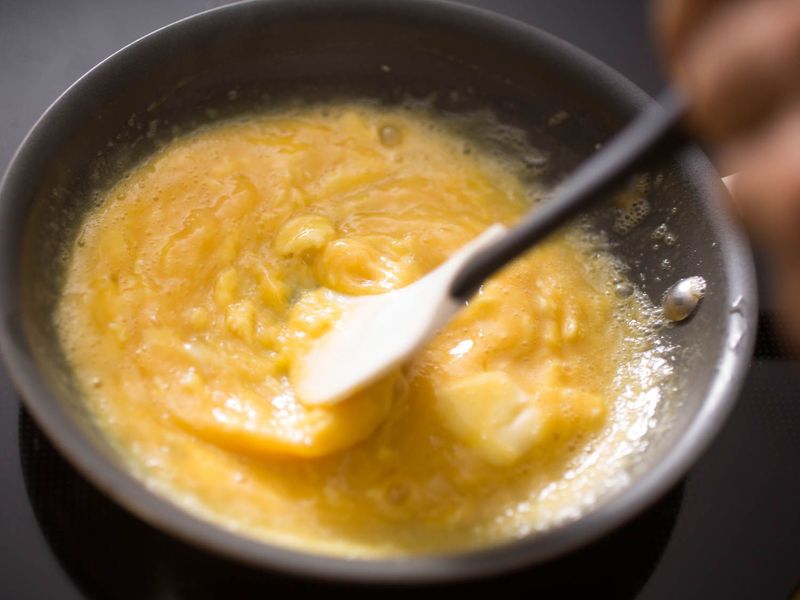
Scrambled eggs cooked on high heat turn rubbery and dry in about 90 seconds flat. Cooking them slowly over the lowest heat setting and stirring constantly creates something completely different: silky, creamy, almost custardy eggs that feel luxurious.
Gordon Ramsay famously demonstrated this technique and it surprised millions of people. It takes about five minutes instead of one, but the texture is unbelievably good.
Once you try slow-cooked eggs, the rushed version will never feel acceptable again.
19. Patting Meat Dry Before Searing
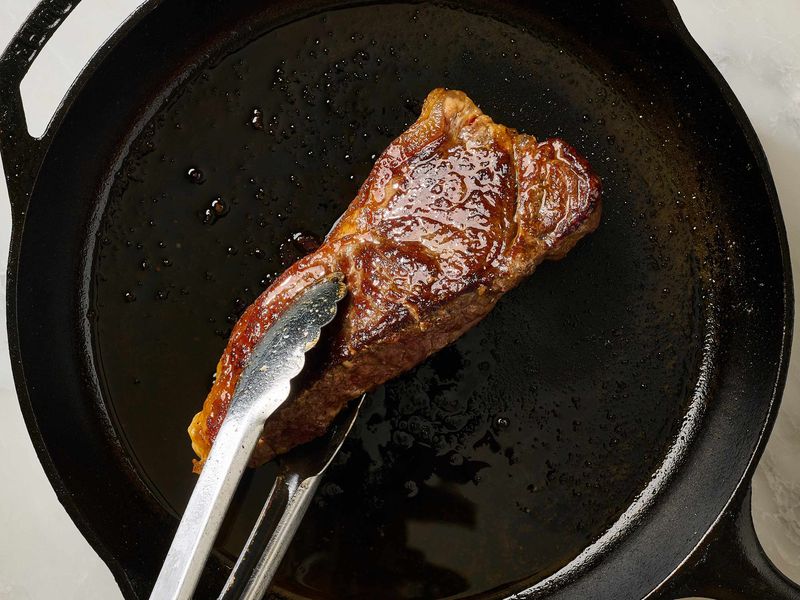
Moisture is the enemy of a good sear. When meat goes into a hot pan wet, it steams instead of browning, and you lose that gorgeous, flavorful crust that makes seared meat so satisfying.
Patting your protein completely dry with a paper towel before cooking takes only seconds and makes a huge visual and taste difference. The surface browns evenly and deeply, locking in juices and creating that crave-worthy caramelized exterior.
Dry meat always sears better, full stop.
20. Adding Vinegar to Baked Goods
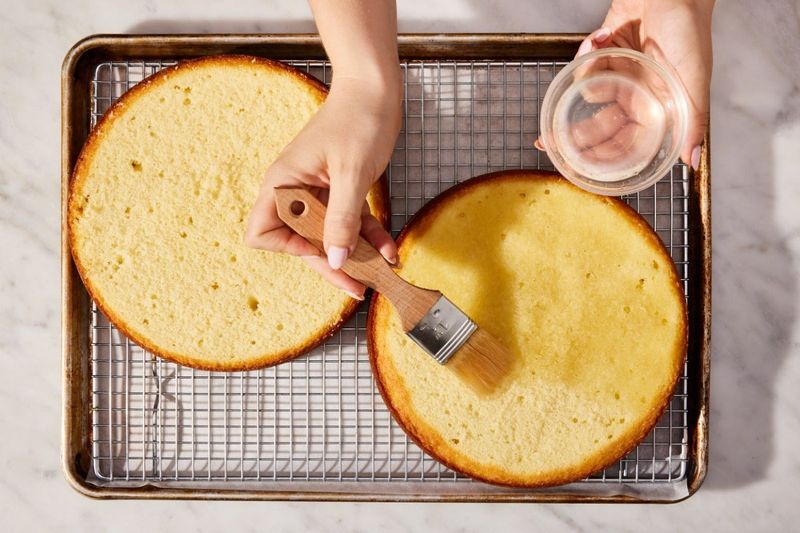
A small splash of vinegar in cake, brownie, or muffin batter might sound completely wrong, but bakers have used this trick for a very long time. Vinegar reacts with baking soda to create extra lift and a lighter, fluffier texture.
It also enhances chocolate flavor in a subtle but noticeable way. You cannot taste the vinegar at all once the baked good comes out of the oven.
Apple cider vinegar is the most common choice, but plain white vinegar works just as well.
21. Salting Pasta Water Until It Tastes Like the Sea
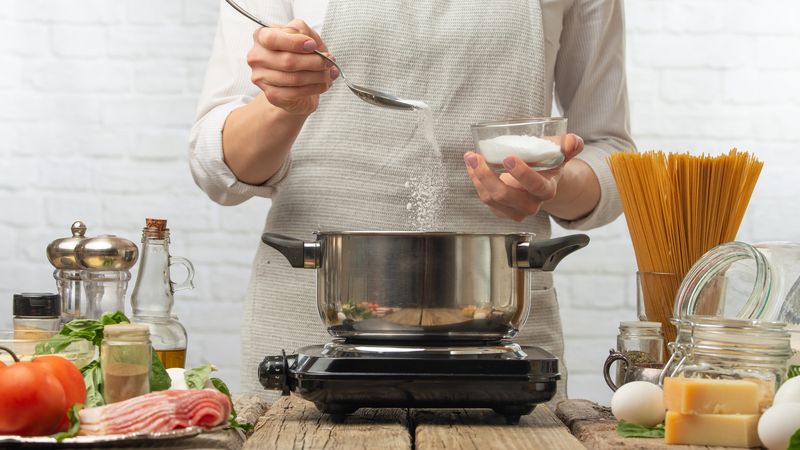
Pasta water should be aggressively salty, much saltier than most home cooks are comfortable with. Many chefs describe properly salted pasta water as tasting similar to mild seawater, and that level of seasoning is exactly right.
Pasta absorbs water as it cooks, and if that water has no flavor, your noodles will taste flat no matter how good your sauce is. Getting this step right means every bite of pasta is seasoned from the inside out, making the whole dish taste cohesive and complete.




Comments
No Comments