













Have you ever wondered why people in different countries eat such different foods? A big part of the answer comes down to climate.
The weather, temperature, and rainfall in a region directly shape which plants grow, which animals thrive, and what ends up on the dinner table. From the frozen tundra to the steamy tropics, the foods people eat tell a fascinating story about the land they call home.
1. Ethiopian Injera - Fermented Teff Flatbread
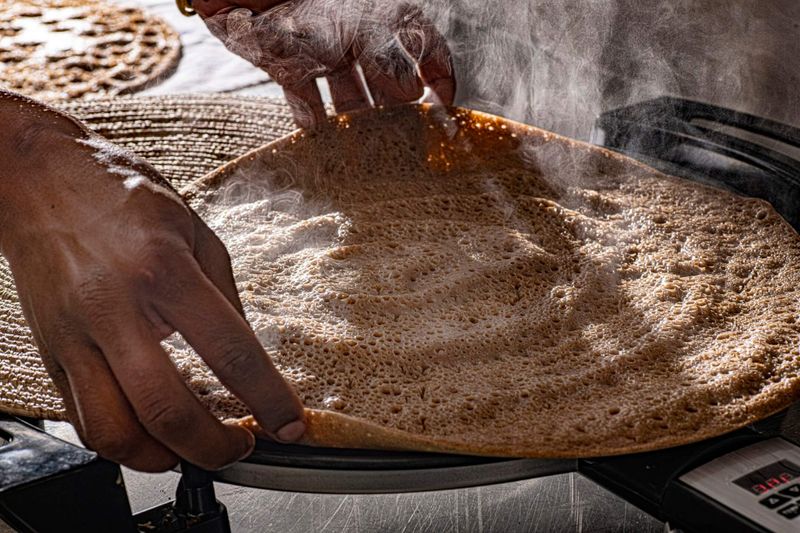
Teff is one of the few grains that thrives in Ethiopia's unpredictable highland climate, where rainfall is seasonal and soils can be poor. This tiny, ancient grain grows where wheat and barley simply cannot survive.
Injera, the spongy flatbread made from fermented teff, has been a staple for thousands of years. Its slightly sour taste comes from the fermentation process, which also makes it easier to digest.
Climate literally built this dish from the ground up.
2. Peruvian Ceviche - Coastal Climate and Fresh Seafood
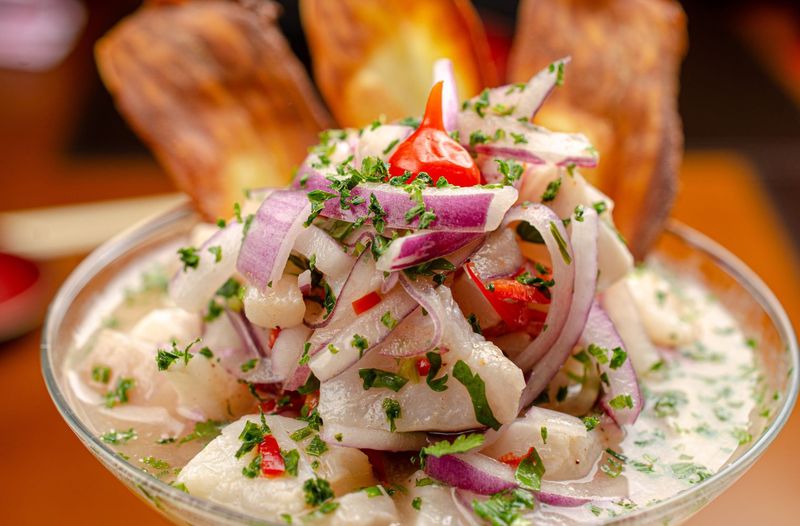
Peru's cold Humboldt Current flows along its Pacific coastline, making the waters incredibly rich with fish and seafood. Without that cold current, ceviche as we know it simply would not exist.
The dish uses fresh fish cured in citrus juice, a technique that developed naturally in a coastal climate where fish was plentiful and refrigeration was not. The bright, acidic flavors reflect the abundance the ocean provides.
Geography and climate made ceviche Peru's national dish.
3. Japanese Miso Soup - Fermentation in a Humid Climate
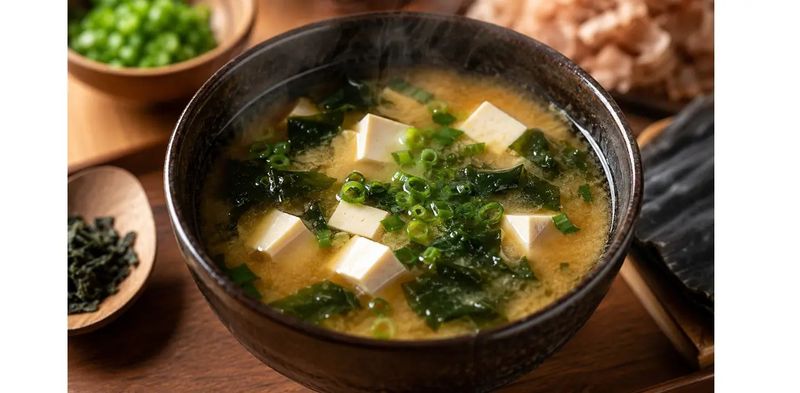
Japan's humid, temperate climate created the perfect environment for fermenting soybeans into miso paste. Fermentation was historically a smart way to preserve food through cold winters and rainy seasons.
Miso soup has been a breakfast staple in Japan for centuries, providing warmth and nutrients when fresh food was scarce. The umami-rich broth reflects the ingenuity of a culture shaped by seasons.
Every bowl is essentially a product of Japan's weather patterns working over centuries.
4. Mexican Corn Tortilla - Maize and a Warm Growing Season

Maize, or corn, has been grown in Mexico for over 9,000 years, thriving in the country's warm, semi-arid climate with its long sunny growing seasons. Without that specific climate, corn would never have become Mexico's foundational crop.
The tortilla, made from ground corn, is the backbone of Mexican cuisine. From tacos to enchiladas, nearly every dish starts here.
Climate gave Mexico its corn, and corn gave Mexico its food identity. That is a pretty powerful chain reaction.
5. Norwegian Rakfisk - Fermented Fish from a Cold Climate

Norway's long, freezing winters meant that ancient Norwegians needed clever ways to preserve food for months at a time. Fermenting trout in salt and storing it underground through the cold season became a tradition that has lasted over 1,000 years.
Rakfisk has a strong smell and an even stronger flavor, but Norwegians celebrate it every November at dedicated festivals. Cold climate preservation gave birth to this pungent delicacy.
It is proof that necessity, driven by weather, creates culinary culture.
6. Indian Dal - Lentils Built for a Hot, Dry Climate
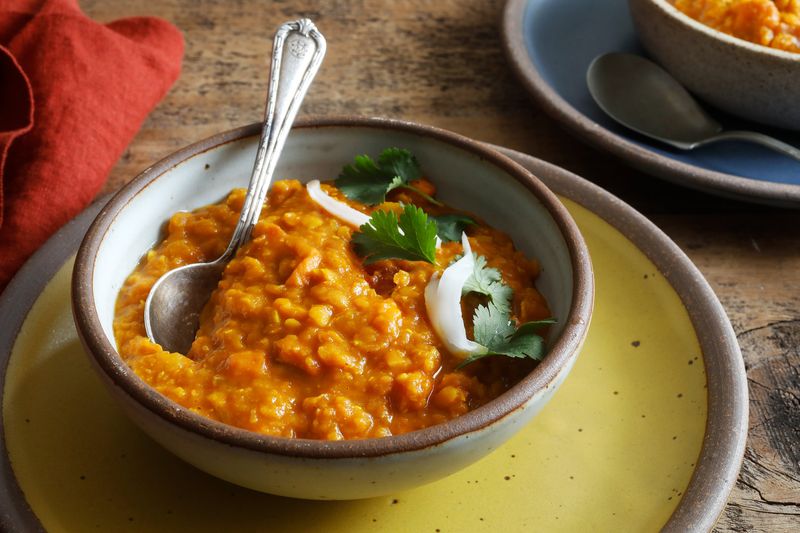
Lentils are drought-resistant, protein-rich legumes that grow well in India's hot and often dry regions where water is limited and farming conditions can be harsh. They have sustained millions of people for thousands of years.
Dal, a spiced lentil stew, appears in virtually every regional Indian cuisine because lentils grow across such a wide range of India's climates. Whether in the arid north or the humid south, dal adapts.
Climate made lentils essential, and lentils made dal iconic.
7. Thai Green Curry - Spice as a Response to Tropical Heat
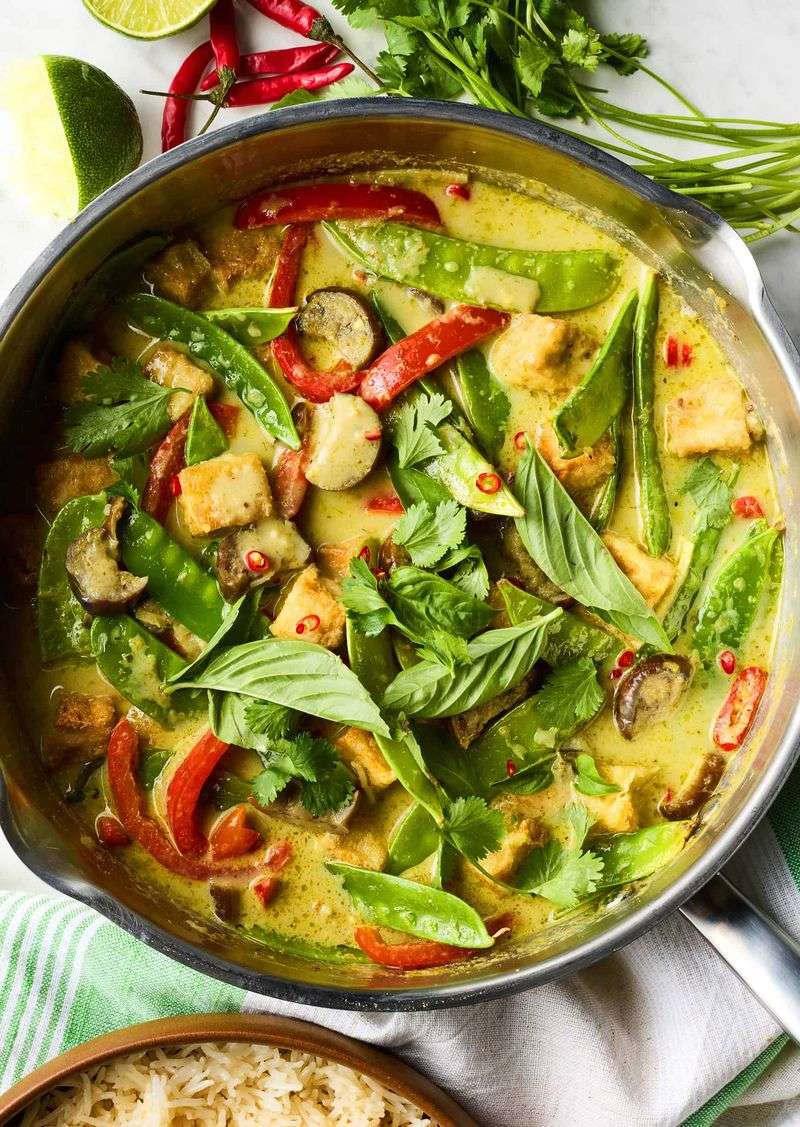
Spices like chilies, lemongrass, and galangal thrive in Thailand's hot, humid tropical climate. They grow in abundance and have long been used not just for flavor, but also as natural food preservatives in the heat.
Thai green curry blends these ingredients into a rich, aromatic dish that reflects the country's lush growing conditions. The coconut palm, another tropical staple, provides the creamy base.
Every spoonful of this curry is a direct result of Thailand's steamy, sun-drenched environment.
8. Moroccan Tagine - Slow Cooking in a Semi-Arid Land
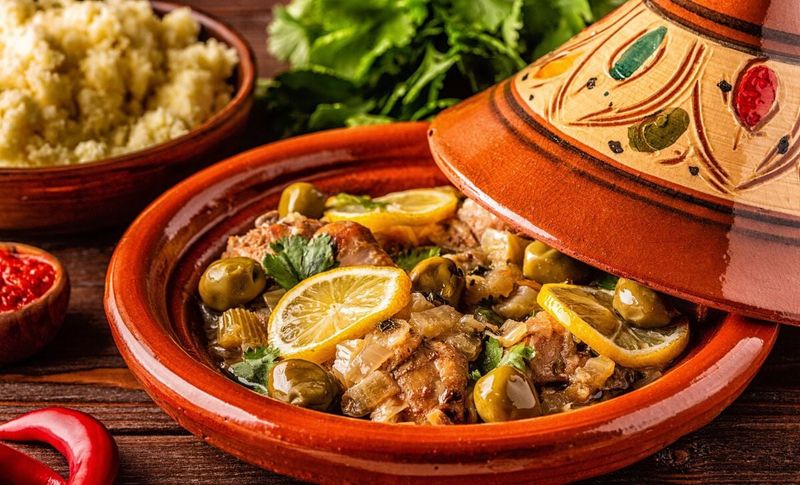
Morocco's semi-arid climate, with its scorching summers and dry air, shaped a cooking style built around slow, low-heat methods. The iconic conical tagine pot traps steam and recirculates moisture, which is genius in a land where water is precious.
Preserved lemons and olives, both products of the Mediterranean climate, are key tagine ingredients. Lamb thrives in Morocco's rugged, dry terrain.
The tagine is not just a pot, it is a climate-adapted cooking solution that became a beloved national tradition.
9. Russian Borscht - Root Vegetables from a Cold, Short Growing Season
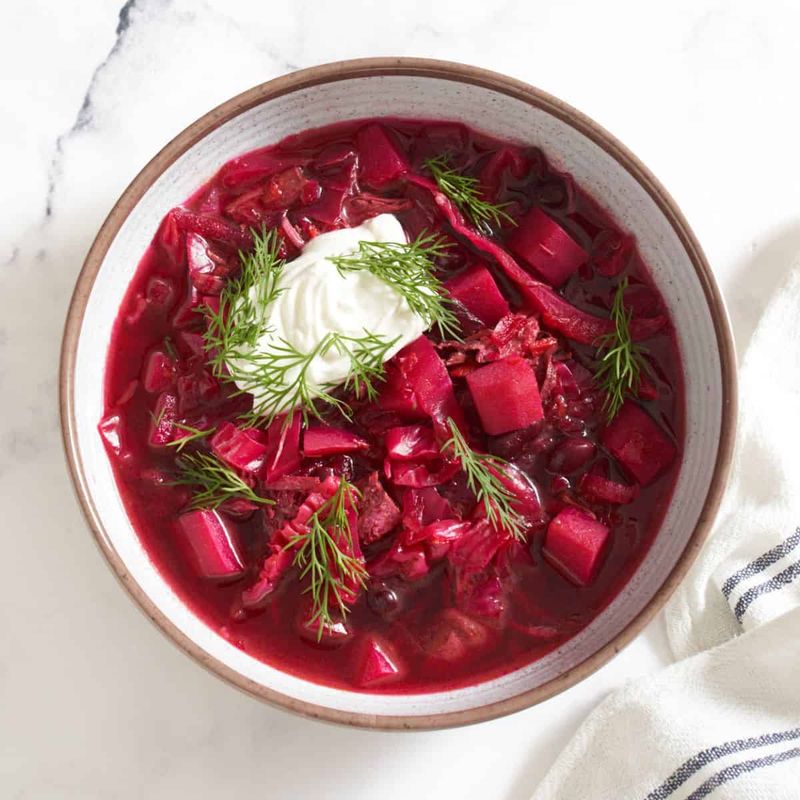
Russia's brutal winters and short growing seasons meant that only the hardiest vegetables could survive. Beets, cabbage, carrots, and potatoes all store well through winter and grow quickly in the brief warm months.
Borscht, a hearty beet soup, combines these cold-climate vegetables into a warming, nutritious meal perfect for surviving long Russian winters. Its deep crimson color comes entirely from beets.
No other climate on Earth would have produced this exact combination of ingredients in quite the same way.
10. Brazilian Acai Bowl - Rainforest Superfoods

Acai berries grow on tall palm trees deep in the Amazon rainforest, one of the wettest and most biodiverse places on Earth. The intense heat and constant rainfall create ideal conditions for these nutrient-dense berries to flourish.
Brazilian communities near the Amazon have eaten acai for centuries, blending it into thick, energy-rich bowls. The fruit would simply not exist without the rainforest climate that produces it.
Today, the acai bowl has gone global, but its roots are firmly planted in Brazilian jungle weather.
11. Finnish Rye Bread - Dense Loaves from a Nordic Climate

Rye is one of the few grains that can handle Finland's cold, short summers and acidic soils. Wheat simply does not grow well this far north, so rye became the grain of necessity and eventually of pride.
Finnish rye bread is dense, chewy, and deeply flavorful, nothing like the soft white loaves common in warmer countries. It stays fresh for days, which matters in a climate where baking frequently was not always practical.
This bread is a direct edible map of Finland's northern geography.
12. Vietnamese Pho - Warmth in a Monsoon Climate
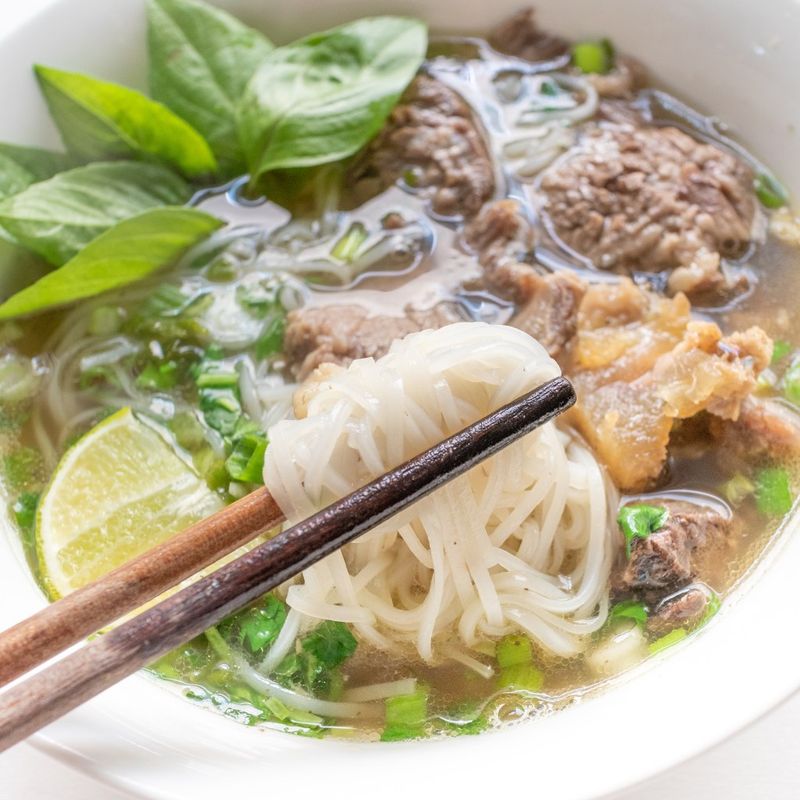
Vietnam's monsoon climate brings intense heat and heavy rains for much of the year, making warming, broth-based soups surprisingly popular even in hot weather. Pho is enjoyed morning, noon, and night across the country.
Rice noodles, the base of pho, come from the rice paddies that flourish in Vietnam's wet, tropical conditions. Fresh herbs like basil and mint grow abundantly in the humid climate and are piled generously on top.
Pho is essentially Vietnam's monsoon landscape in a bowl.
13. Greek Olive Oil - Mediterranean Sun in Every Drop

Olive trees are perfectly adapted to the Mediterranean climate, with its hot, dry summers and mild, wet winters. Greece has been producing olive oil for over 5,000 years, making it one of the oldest agricultural traditions in the world.
Olive oil is the foundation of Greek cooking, used in everything from salads to pastries. The climate that produces it is nearly impossible to replicate elsewhere.
Greek olive oil is not just an ingredient, it is geography, history, and sunshine pressed into liquid form.
14. Inuit Muktuk - Raw Whale Skin in the Arctic

In the Arctic, where temperatures can drop to -40 degrees and virtually nothing grows in the ground, the ocean became the primary food source for Inuit communities. Muktuk, raw or frozen whale skin with blubber, is packed with vitamin C and essential fats.
Without access to fruits or vegetables, Inuit people relied on marine animals for complete nutrition. The Arctic climate made plant-based diets impossible and ocean hunting essential.
Muktuk is one of the most climate-determined foods in human history.
15. Colombian Bandeja Paisa - High Altitude, High Energy Eating
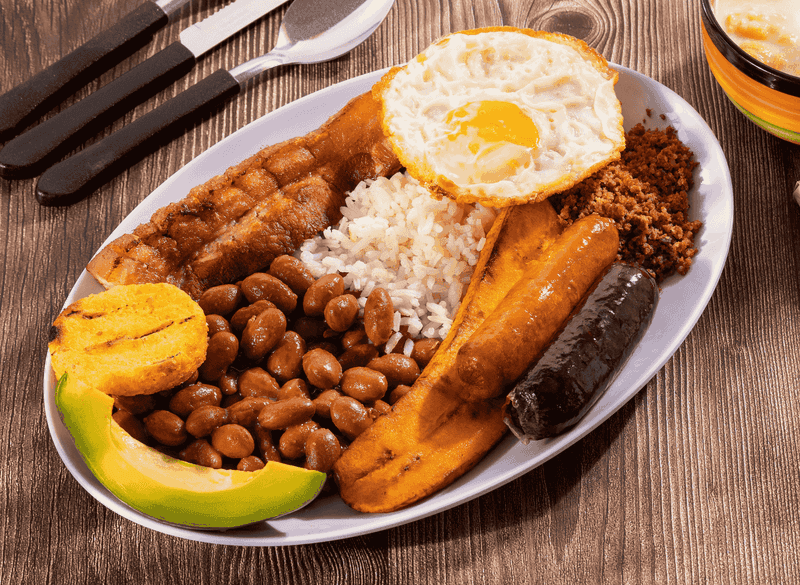
Colombia's Antioquia region sits at high altitude, where cooler temperatures and hard agricultural work demand calorie-dense meals. Bandeja paisa packs beans, rice, meat, plantain, egg, and more onto one enormous plate.
Beans grow well in Colombia's highland climate, and plantains thrive in the warmer lower altitudes nearby. The meal reflects the variety of climates packed into one country.
Farmers working in cool mountain air needed serious fuel, and bandeja paisa delivered exactly that, meal after hearty meal.
16. Egyptian Ful Medames - Ancient Beans from a Desert Nation
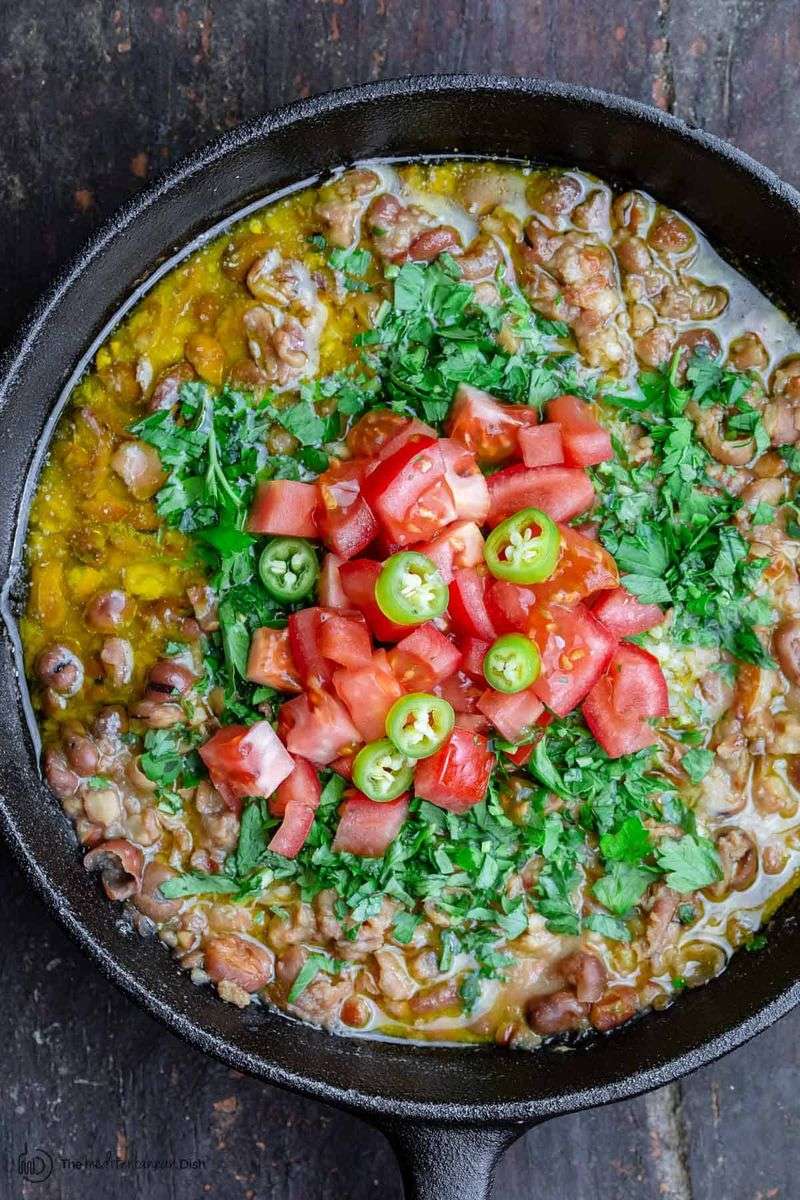
Fava beans have been grown along the Nile for at least 5,000 years, making ful medames one of the oldest dishes still eaten daily. The Nile's annual flooding created fertile strips of farmland surrounded by desert.
In Egypt's hot, arid climate, fava beans provided reliable, storable protein without needing much water. Ful medames, slow-cooked with lemon and olive oil, remains the classic Egyptian breakfast today.
It is a dish born from the specific geography of a river cutting through a desert.
17. Swiss Raclette - Cheese from Alpine Meadows

Switzerland's cool Alpine climate is perfect for dairy farming. Lush mountain meadows, watered by glacial snowmelt, grow rich grasses that produce high-quality milk, which gets turned into some of the world's finest cheeses.
Raclette is a melted cheese dish traditionally eaten by Alpine herders who warmed cheese by a fire after long days on the mountain. The cold climate made hearty, fat-rich foods essential for survival.
Today, raclette is a beloved social meal, but its soul belongs entirely to the Swiss Alps.
18. Indonesian Tempeh - Tropical Fermentation at Its Best
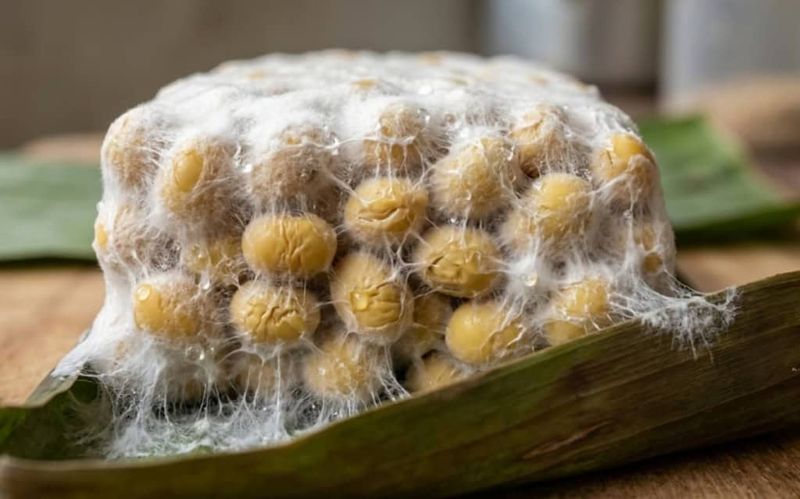
Tempeh was invented in Java, Indonesia, where the tropical heat and humidity create ideal conditions for the Rhizopus mold that binds soybeans into a firm, protein-rich cake. You literally need tropical warmth to make authentic tempeh.
For centuries, tempeh provided affordable, nutritious protein to Indonesians who had limited access to meat. The climate that made fermentation easy also shaped an entire culinary tradition.
Today, tempeh has fans worldwide, but Indonesia's tropical climate is what made it possible in the first place.
19. Canadian Poutine - Comfort Food from a Cold Country

Canada's cold climate, especially in Quebec where poutine originated, created a culture of hearty, warming comfort foods. Long winters demand calorie-rich meals that fuel people through months of snow and freezing temperatures.
Potatoes grow well in Canada's cooler climates, and dairy farming thrives in the province's green river valleys. Poutine combines both into one glorious, indulgent dish.
Cold weather did not just inspire this meal, it made the ingredients possible. Poutine is essentially a Canadian winter on a plate.
20. Senegalese Thieboudienne - Ocean and Sahel on One Plate
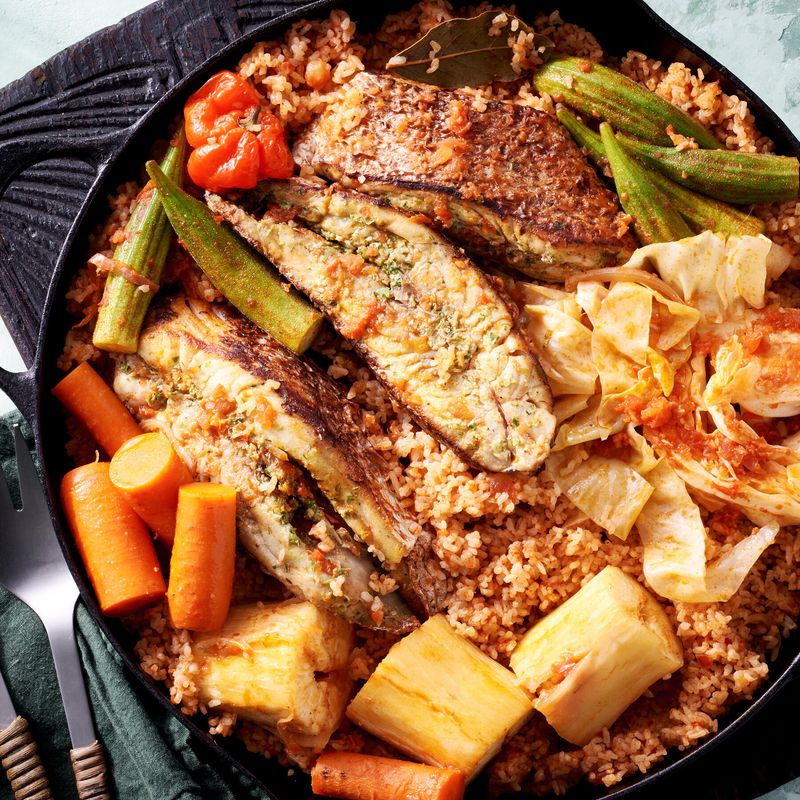
Senegal sits where the Sahel meets the Atlantic Ocean, giving it both a rich fishing coast and a dry inland region where hearty root vegetables grow. Thieboudienne brings both worlds together in one pot.
Broken rice, fish, and slow-cooked vegetables create a deeply flavorful national dish that reflects Senegal's geography perfectly. The tomato-based sauce speaks to West African growing conditions.
Eating thieboudienne is like tasting the meeting point of two very different climates on a single, generous platter.
21. Argentinian Asado - Grasslands Built for Cattle
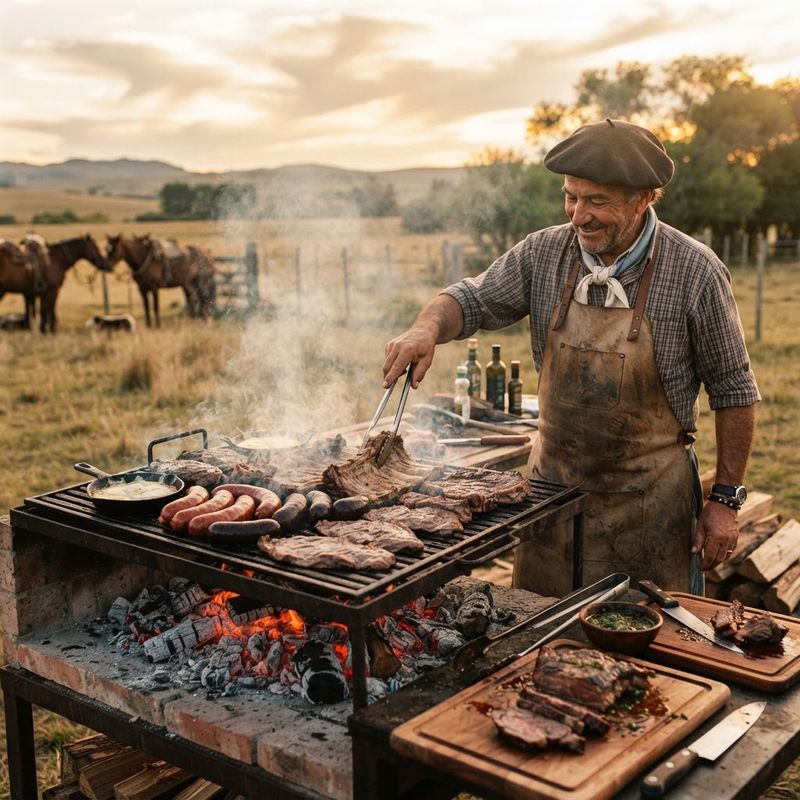
Argentina's Pampas region is one of the most fertile grassland systems on Earth, with a temperate climate and rich soil that grows endless grass. Cattle introduced here centuries ago thrived beyond imagination.
With so much beef available, grilling became the national cooking style. Asado is not just a meal, it is a cultural ritual centered around slow-cooked beef over wood fire.
The Pampas climate made Argentina a beef-producing powerhouse, and asado turned that abundance into a national identity.
22. Chinese Sichuan Hot Pot - Humidity and the Need for Warming Spice
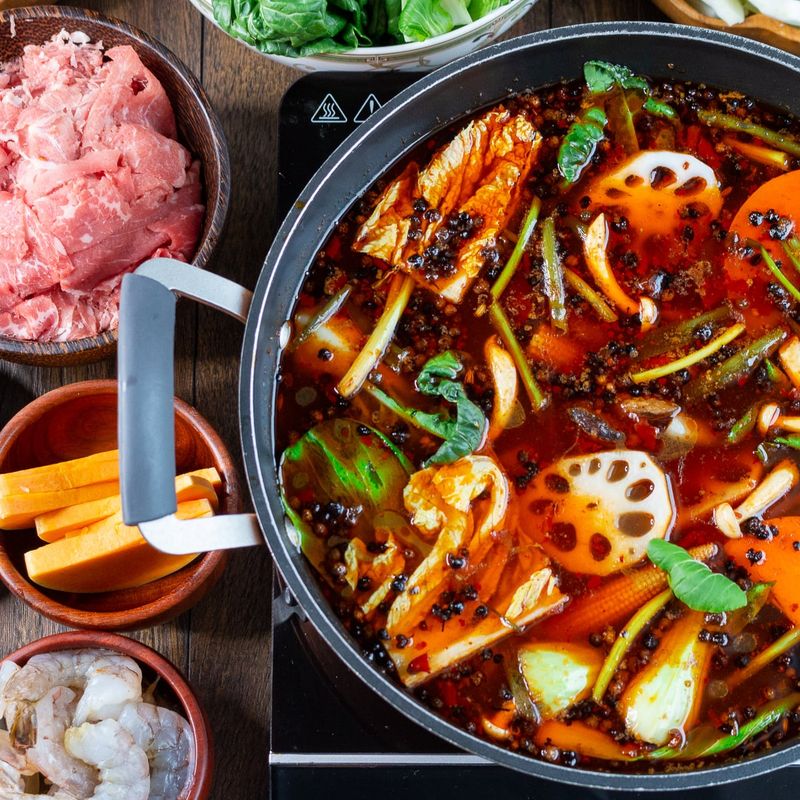
Chengdu, the heart of Sichuan cuisine, sits in a humid basin where winters feel damp and bone-chilling. Traditional Chinese medicine holds that spicy foods help the body manage humidity by promoting sweating and improving circulation.
Sichuan hot pot, loaded with numbing peppercorns and fiery chilies, became the ultimate cold-weather comfort food in this climate. The local peppers and spices grow abundantly in the region.
Sichuan's unique climate directly drove the demand for bold, warming, intensely spiced food.
23. Hawaiian Poke Bowl - Tropical Ocean Meets Island Agriculture
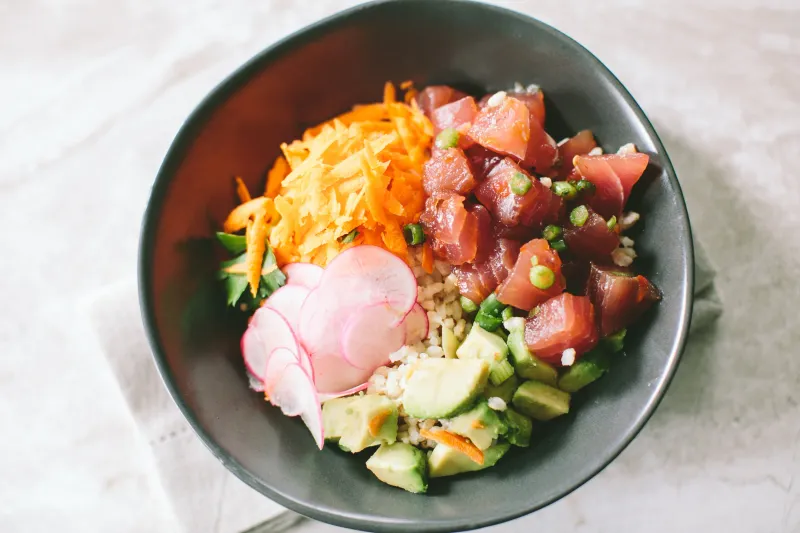
Hawaii's warm Pacific climate keeps ocean waters rich with tuna and other fish year-round. At the same time, the volcanic soil and tropical rainfall grow abundant fruits, vegetables, and rice with ease.
Poke, meaning to slice or cut in Hawaiian, started as a simple fisherman's snack of raw seasoned fish. Over generations, it evolved into a full bowl meal that reflects the island's unique mix of ocean and land resources.
Hawaii's climate gave this dish its two most essential ingredients: fresh fish and island-grown produce.




Comments
No Comments